
Have you ever wondered how water flows so smoothly in your shower? The shower system in plumbing makes it all possible. Every morning, you enjoy a refreshing shower thanks to this system. But how does it work? Let’s explore the fascinating world behind the gentle spray of water that greets you every day.
Key Takeaways
- The shower system delivers water smoothly and efficiently.
- It controls water pressure and temperature for safety and comfort.
- A well-maintained system saves water and energy.
- Understanding the system can help solve common shower issues.
- A shower system in plumbing improves bathroom experience.
Parts of a Shower System

The shower system in plumbing consists of several important parts. First, we have the showerhead. It controls how water sprays out. The showerhead connects to water pipes inside the wall. These pipes bring water from the main supply. Next, there’s the valve. The valve helps control the water temperature. It mixes cold and hot water to the perfect level. Lastly, you have knobs or a lever to adjust the water flow. These parts work together to make your shower enjoyable.
- Showerhead controls water spray.
- Pipes bring water from the main supply.
- Valve mixes hot and cold water.
- Knobs adjust water flow.
- Each part is crucial for a good shower.
Knowing these parts can help fix simple problems like leaks. If you understand how these parts work together, you can solve small issues quickly. A working shower system means a happy start to your day. Maintaining these parts keeps your shower running smoothly.
Fun Fact : The first mechanical shower was invented in 1767!
The Importance of Showerheads
Why do showerheads matter so much in a shower system in plumbing? Showerheads determine the water flow and pattern. Imagine waking up to a weak water spray. Not fun, right? A good showerhead makes your shower experience great. Some showerheads offer multiple spray settings. You can choose a soft mist or a powerful stream. Regular cleaning keeps showerheads working well. Minerals in water can build up inside the tiny holes. This can cause blockages. Cleaning helps keep the water flowing smoothly.
Pipes: The Water Carriers
Have you thought about how water reaches your shower? Pipes act as roads for water. They travel through the walls, bringing water from the main supply. These pipes are strong and durable. They have to handle water pressure every day. Pipes can be made from copper or plastic. Both materials have their advantages. Copper is strong and lasts long. Plastic is cheaper and easy to install. Properly installed pipes ensure no leaks and steady water pressure.
The Role of Valves
Valves are crucial in a shower system in plumbing. They control water temperature. Think about turning on the shower. You mix hot and cold water to the right temperature. That’s the valve doing its job. Valves also help prevent scalding. They keep the water temperature safe. If you notice temperature changes while showering, a valve might need checking. Regular maintenance keeps valves functioning well. A well-functioning valve means a comfortable shower every time.
Shower System Installation
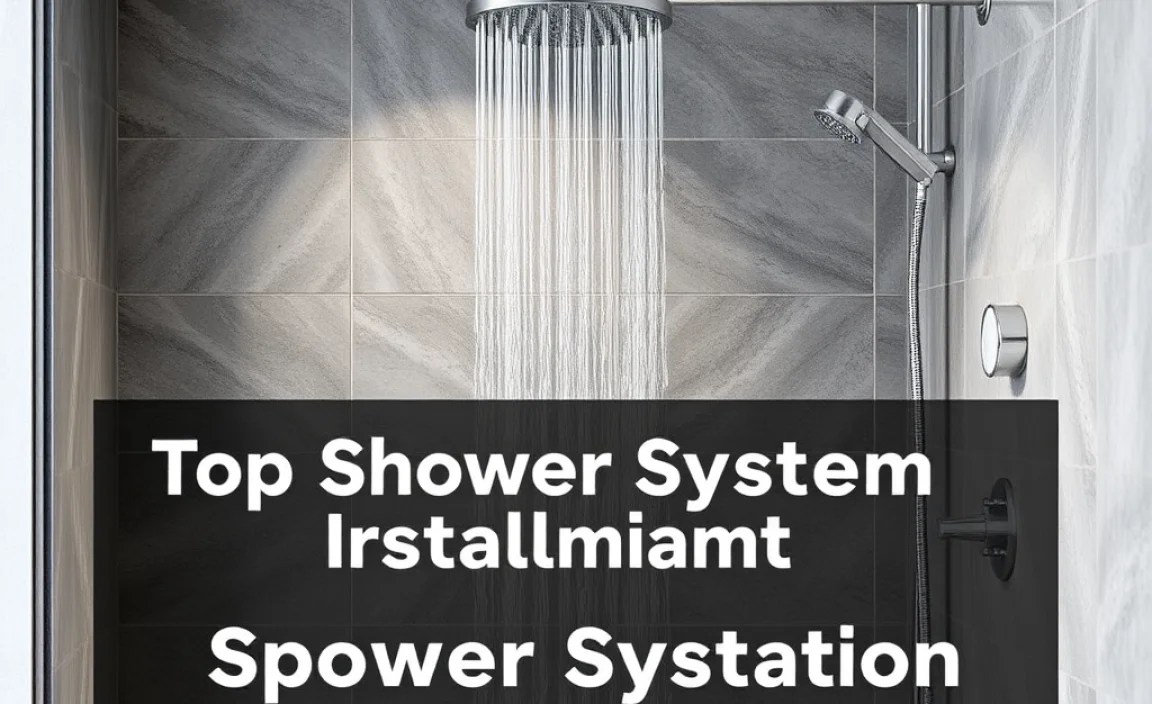
Installing a shower system in plumbing can be an exciting project. It involves connecting various parts to ensure a smooth water flow. First, you map out where pipes will run. This involves measuring and planning. Next, you install the pipes, showerhead, and valve. This step requires precision, ensuring no leaks occur. Finally, you test the system. Turn on the shower to check the water flow. Ensure the temperature adjusts smoothly. A successful installation means a happy shower experience for years.
- Plan the pipe layout carefully.
- Install parts with precision.
- Check for leaks after installation.
- Test water flow and temperature.
- Ensure all parts fit well together.
Installation requires knowledge and care. It’s important to follow instructions closely. If you’re not confident, ask a professional for help. Professional help ensures everything is done correctly. A good installation means fewer problems down the line.
Fun Fact : The average shower lasts eight minutes!
Planning the Layout
Planning is key in setting up a shower system in plumbing. Where will the pipes run? How will you position the showerhead? These questions need answers before starting. Planning helps avoid future problems. Imagine building your dream treehouse. You decide where the windows and doors will go. Similarly, you decide the best pipe route in your bathroom. Taking time to plan saves time and effort later. A good plan leads to a successful shower installation.
Choosing the Right Materials
What materials should you choose for a shower system in plumbing? Different materials offer different benefits. Copper pipes are strong and long-lasting. They resist corrosion well. Plastic pipes are lightweight and easy to install. Each material has pros and cons. Consider your budget and needs. For instance, copper might be better for a long-lasting solution. Plastic could be ideal for quick installations. Choosing the right material ensures a reliable and efficient shower system.
Testing for Success
Testing is the final step in installing a shower system in plumbing. It’s like a dress rehearsal for a play. Turn on the shower and check the water flow. Does the temperature adjust smoothly? Are there any leaks? Testing helps identify and fix issues before they become bigger problems. Imagine discovering a leak during a family gathering. Not fun! Testing ensures everything works perfectly. Success means a great shower experience for everyone in your home.
Shower System Maintenance

Maintaining a shower system in plumbing is important for its longevity. Regular checks keep everything running smoothly. First, you can look for leaks. Dripping water indicates a problem. Next, clean the showerhead. Remove mineral buildup for a steady water flow. Also, check the valves. Make sure they adjust the temperature well. Lastly, inspect the pipes. Ensure no cracks or damages exist. Proper maintenance keeps your shower system effective and long-lasting.
- Check for leaks regularly.
- Clean mineral buildup from showerhead.
- Inspect valves for temperature control.
- Examine pipes for cracks.
- Regular maintenance ensures a long-lasting system.
Maintenance prevents big problems and saves money. Small issues become big if ignored. Imagine a tiny drip today turning into a flood tomorrow. Regular maintenance avoids such surprises. Your shower system stays efficient and reliable.
Fun Fact : Fixing a leaky faucet can save 3,000 gallons of water a year!
Detecting Leaks Early
How do you find leaks in a shower system in plumbing? Look for water where it shouldn’t be. A puddle under the showerhead? That’s a sign. Check the pipes for wet spots. Listen for dripping sounds when everything is turned off. Leaks waste water and increase bills. Catching them early is key. Regular checks help you find leaks quickly. Imagine finding a small hole in your favorite raincoat. Fix it before it becomes a big tear.
Cleaning Your Showerhead
Why clean the showerhead in a shower system in plumbing? Over time, minerals from the water build up. This can block the water flow. Use a bag filled with vinegar. Tie it over the showerhead and let it sit overnight. The vinegar breaks down the buildup. The next morning, enjoy a clear and strong shower spray. Cleaning keeps the water flowing smoothly. It’s like brushing your teeth to keep them healthy.
Ensuring Valve Efficiency
Valves play a key role in a shower system in plumbing. They control water temperature. If the shower gets too hot or cold, check the valve. It might need adjusting or replacing. Valves have small parts that can wear out. Regular inspections keep them in top shape. Imagine trying to control a game with a broken joystick. It’s frustrating! Keeping valves efficient ensures a comfortable shower experience.
Choosing the Best Shower System
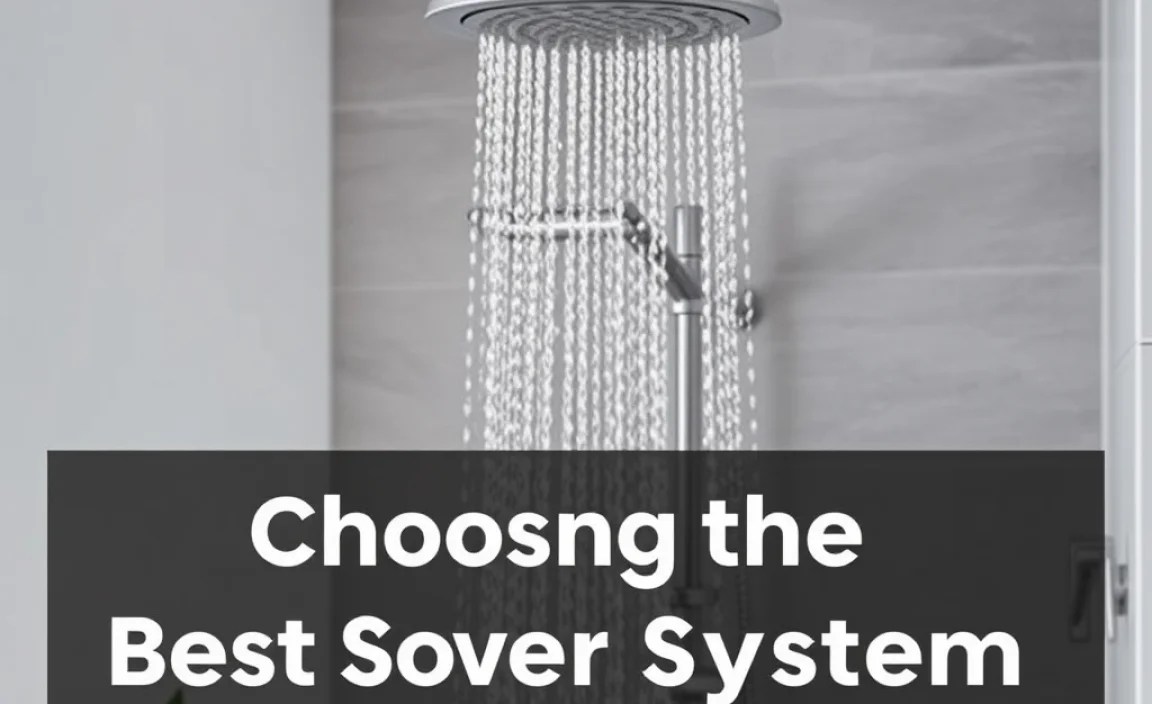
Picking the right shower system in plumbing can improve your bathroom experience. First, think about your needs. Do you want a high-pressure shower? Or a gentle rain-like spray? Different shower systems offer different experiences. Consider your budget, too. Some systems are more affordable, while others offer luxury. Research and compare options. Pick a system that fits your lifestyle and budget.
- Consider water pressure needs.
- Think about spray patterns.
- Match your budget to available options.
- Research different systems.
- Choose a system that fits your lifestyle.
Choosing the right system makes all the difference. A good shower system makes your daily routine more enjoyable. Take time to explore options. A well-chosen system brings comfort and satisfaction to your home.
Fun Fact : The average person showers for 416 days in their lifetime!
Understanding Your Needs
What kind of shower system in plumbing suits you best? Think about your daily routine. Do you enjoy a strong, invigorating spray to wake up? Or do you prefer a soft, relaxing shower before bed? Different systems cater to different needs. Also, consider if anyone in your family has special requirements. Maybe someone needs easy-to-use controls. Understanding your needs helps you pick the perfect system that everyone will love.
Comparing Different Systems
How do different shower systems in plumbing compare? Some systems offer high-tech features. Others focus on simplicity and ease of use. Here’s a quick look at some options:
| System Type | Features | Price Range |
|---|---|---|
| Basic | Simple controls, easy to install | $50 – $150 |
| High-Pressure | Strong water flow, invigorating | $100 – $300 |
| Eco-Friendly | Saves water, energy-efficient | $80 – $250 |
| Luxury | Multiple settings, stylish design | $200 – $500 |
Comparing options helps you make an informed choice. Each system offers unique benefits. Consider what matters most to you. Do you prioritize eco-friendliness or luxury? Knowing your priorities helps you choose the best system.
Working with Your Budget
How can you balance quality and cost in a shower system in plumbing? Set a budget before shopping. Decide on a maximum amount you’re willing to spend. Look for systems that offer the best value within that range. Sometimes, spending a bit more ensures better quality and fewer repairs later. A well-chosen system enhances your home and saves money over time. It’s like choosing a reliable bike over a flashy but fragile one.
Conclusion
The shower system in plumbing plays a vital role in our daily lives. Understanding its parts and maintenance helps keep everything working smoothly. Proper installation and regular checks ensure a great shower experience. Choosing the right system enhances your bathroom routine. Remember, a well-maintained system is a happy system. Enjoy your showers, knowing the system behind them is reliable and efficient.
FAQs
Question: What is a shower system in plumbing?
Answer: A shower system in plumbing consists of parts that control water flow. It includes the showerhead, pipes, valves, and controls. These parts work together to deliver water for a refreshing shower experience.
Question: How can I fix a leaking showerhead?
Answer: First, check if the showerhead is tightly attached. If it still leaks, remove it and check for worn-out washers or seals. Replacing these parts often stops the leak. Regular maintenance can prevent future leaks in your shower system in plumbing.
Question: Why is my shower water pressure low?
Answer: Low water pressure can be due to mineral buildup in the showerhead. Clean it with vinegar to remove the buildup. If pressure issues persist, check the pipes for blockages. Regular cleaning keeps your shower system in plumbing working well.
Question: How often should I clean my showerhead?
Answer: It’s a good idea to clean your showerhead every 3 to 6 months. Regular cleaning removes mineral buildup and ensures a smooth water flow. This simple task helps maintain your shower system in plumbing.
Question: Can I install a shower system myself?
Answer: Installing a shower system in plumbing requires some knowledge and tools. If you’re confident, follow instructions carefully. Otherwise, hiring a professional ensures a correct and leak-free installation. A well-installed system means fewer problems later.
Question: What are eco-friendly shower systems?
Answer: Eco-friendly shower systems conserve water and energy. They use special showerheads and valves to limit water use without compromising performance. This helps save natural resources and lower utility bills. Choosing eco-friendly options benefits both the environment and your wallet.
