
A soap dispenser and dish set is a stylish and practical way to elevate your bathroom and kitchen. It keeps surfaces tidy, reduces clutter, and adds a touch of modern elegance. Choose a matching set for a cohesive look and enjoy an organized, visually appealing space.
Tired of slippery bar soap and scattered bottles cluttering your sink? A soap dispenser and dish set isn’t just about keeping things neat; it’s a subtle yet impactful way to bring order and style to your everyday spaces. Whether in the bathroom or by the kitchen sink, these simple accessories transform a functional necessity into a design element. If you’re looking to refresh your home’s look without a major renovation, a coordinated soap dispenser and dish set is a fantastic starting point. We’ll guide you through selecting the perfect set and integrating it seamlessly into your home.
Why a Soap Dispenser and Dish Set? The Modern Home Essential

In today’s homes, aesthetics and functionality go hand in hand. A soap dispenser and dish set is a prime example of this balance. It addresses common frustrations like messy soap scum, misplaced soap bars, and the visual chaos of multiple product bottles. By opting for a coordinated set, you instantly create a more polished and intentional look.
Bathroom Bliss: Elevating Your Personal Sanctuary
Your bathroom is a place for relaxation and rejuvenation. A cluttered sink area can detract from this peaceful atmosphere. A well-chosen soap dispenser and dish set can:
- Minimize Mess: Liquid soap dispensers are designed to dispense a measured amount, reducing drips and spills compared to bar soap. A matching soap dish, especially one with a good drainage design, prevents bar soap from sitting in a puddle, which extends the life of the soap and keeps the dish clean.
- Enhance Hygiene: Touchless or pump dispensers mean less direct contact with surfaces, which can be a big plus for shared bathrooms.
- Add Style: From minimalist chrome to rustic ceramic, sets come in a vast array of designs and materials to complement any bathroom decor.
- Organize Space: A dedicated dispenser and dish provide a designated spot for your soap essentials, freeing up counter space and reducing visual clutter.
Kitchen Convenience: A Tidy Hub for Daily Tasks
The kitchen sink is often the busiest spot in the house. Keeping it organized and hygienic is crucial. A soap dispenser and dish set can offer:
- Effortless Cleaning: Easy access to soap for handwashing after handling food or when cleaning up after meals is essential. A pump dispenser provides a quick, one-handed solution.
- A Seamless Finish: Match your kitchen’s overall style, whether it’s modern stainless steel, farmhouse chic, or something in between.
- Reduced Waste: Buying liquid soap in bulk and refilling your dispenser is often more economical and environmentally friendly than purchasing individual bottles.
- Professional Look: A uniform look for your soap and sponge storage instantly makes your kitchen appear more put-together and professionally designed.
Choosing Your Perfect Soap Dispenser and Dish Set: A Buyer’s Guide

With so many options available, selecting the right set can seem daunting. Consider these factors to find a set that perfectly suits your needs and style:
Material Matters: Durability Meets Design
The material of your soap dispenser and dish set impacts its look, feel, durability, and maintenance. Here’s a breakdown of popular choices:
| Material | Pros | Cons | Best For |
|---|---|---|---|
| Stainless Steel | Durable, rust-resistant, modern look, easy to clean, hygienic. | Can show fingerprints and water spots, might be cooler to the touch. | Modern, minimalist, industrial bathrooms and kitchens. |
| Ceramic/Porcelain | Elegant, classic look, available in many colors and finishes, easy to clean surface. | Can chip or break if dropped, heavier. Some porous ceramics might stain over time. | Traditional, farmhouse, eclectic, and spa-like bathrooms. |
| Glass | Sleek, allows visibility of soap level, available in clear, frosted, or colored options, easy to clean. | Can break if dropped, some types can scratch. | Contemporary, minimalist, and elegant bathrooms and kitchens. |
| Plastic (ABS, Resin) | Affordable, lightweight, durable, often shatter-resistant, wide range of colors and designs. | Can sometimes look less premium than other materials, may scratch or fade over time. | Budget-friendly updates, children’s bathrooms. |
| Natural Stone (Marble, Travertine) | Luxurious, unique natural patterns, adds an organic, high-end feel. | Porous (requires sealing), heavy, expensive, can be prone to staining or etching from acidic substances. | Luxury bathrooms, sophisticated design schemes. |
| Bamboo/Wood | Eco-friendly, warm, natural aesthetic, unique grain patterns. | Requires proper sealing and maintenance to prevent water damage and mold, can be more expensive. | Natural, bohemian, spa-inspired bathrooms. |
Dispenser Type: Pump vs. Touchless
The mechanism of your soap dispenser significantly impacts user experience and hygiene:
- Manual Pump Dispensers: These are the most common and generally the most affordable. You press down on the pump head to dispense soap. They are reliable and come in countless styles.
- Automatic/Touchless Dispensers: These use a sensor to dispense soap when you place your hand underneath. They offer superior hygiene as there’s no need to touch the dispenser. They are often battery-operated and can be more expensive upfront. Many modern designs come in sleek, minimalist styles perfect for contemporary homes. Learn more about the technology behind touchless dispensers from the National Institute of Standards and Technology (NIST).
Dish Style: Functionality and Form
The soap dish is key to managing bar soap:
- Draining Dishes: These have slats, holes, or an angled design to allow water to drain away from the soap, preventing it from becoming mushy.
- Dish Holders: Some dishes have a raised edge to contain the soap and any excess water, while others might be designed to hold a sponge as well.
- Magnetic Holders: A more modern approach involves a small metal disc that you press into your bar soap, which then magnetically attaches to a wall-mounted or sink-mounted fixture. This keeps soap elevated and dry.
Size and Capacity: Finding the Right Fit
Consider the size of your soap dispenser and dish in relation to your available counter space and how often you plan to refill it. Larger dispensers might hold more soap, requiring less frequent refills but taking up more visual real estate. Smaller sets can be ideal for guest bathrooms or powder rooms.
Finish and Color: The Designer’s Touch
The finish and color of your set are crucial for tying your room together:
- Chrome: Shiny and reflective, excellent for modern and traditional bathrooms.
- Brushed Nickel/Stainless Steel: Offers a softer, matte look, great for hiding fingerprints and water spots in contemporary settings.
- Matte Black: Bold and sophisticated, a popular choice for modern and minimalist designs.
- Gold/Brass: Adds warmth and luxury, perfect for art deco or glamorous styles, or even rustic farmhouse charm depending on the finish.
- Clear/Frosted: Versatile, allows the color of the soap to add a subtle pop of interest, works well in almost any decor.
- White/Cream: Classic, clean, and bright, fits seamlessly into many styles from minimalist to farmhouse.
Brand Reputation and Reviews
Reputable brands often invest in quality materials and thoughtful design. Reading customer reviews can provide valuable insights into a set’s durability, ease of use, and long-term performance.
Step-by-Step Guide: Installing and Using Your New Set
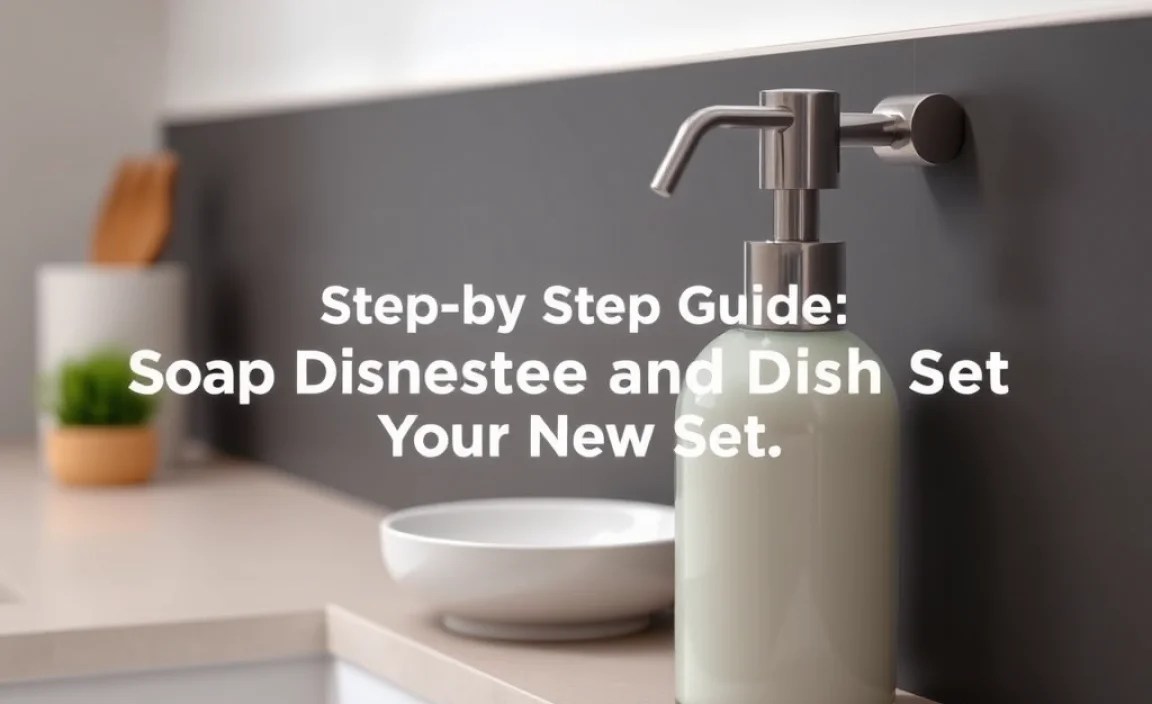
Getting your new soap dispenser and dish set set up is usually straightforward. Here’s a simple process:
Step 1: Unboxing and Inspection
Carefully remove all components from the packaging. Check for any damage that might have occurred during shipping. Ensure all parts, like pump mechanisms or accompanying trays, are present.
Step 2: Cleaning Your New Set
Before you use your set, it’s a good practice to wash it with warm, soapy water. Rinse thoroughly and dry completely. This ensures any manufacturing residues are removed and your set is ready for immediate use.
Step 3: Assembling the Soap Dispenser (if necessary)
Most pump dispensers come pre-assembled. You might need to screw the pump head onto the bottle if it’s separate. For automatic dispensers, ensure the batteries are installed correctly according to the manufacturer’s instructions. Consider the energy consumption of battery-operated devices if this is a concern for you. Energy Star offers guidance on efficient appliances.
Step 4: Filling the Dispenser
For Pump Dispensers: Lift the pump mechanism and pour your chosen liquid soap directly into the dispenser bottle. Fill it about two-thirds to three-quarters full to avoid overfilling, which can cause the soap to bubble out when you insert the pump. Replace the pump mechanism securely.
For Automatic Dispensers: Many have a refill door or a removable reservoir. Follow the manufacturer’s instructions to add your liquid soap. Avoid overfilling.
Dispenser Compatibility: Ensure the soap you use is suitable for your dispenser. Some heavy lotions or soaps with abrasive particles can clog or damage pump mechanisms. Check your dispenser’s manual for recommended soap types.
Step 5: Placing the Soap Dish
Position the soap dish on your sink, counter, or a dedicated tray near the sink. If your dish has a drainage feature, ensure it’s placed where water can freely flow away without creating puddles on your surface. Some sets include a small tray or mat to catch excess water, which is highly recommended for any dish that doesn’t have integrated drainage.
Step 6: Initial Dispenser Test Pump
Before placing the dispenser on its final spot, press the pump a few times (or activate the sensor for automatic dispensers). The first few pumps might take a moment to draw the soap up through the tube. Once it starts dispensing smoothly, you know it’s ready. Place it on your counter or sink ledge.
Step 7: Placing Your Bar Soap (for Dish Sets)
Place your bar soap onto the designated soap dish. If it’s a draining dish, aim to position the soap so that water can run off easily. If you have a magnetic holder, follow its specific installation instructions, typically involving sticking the base part and inserting the metal disc into your soap.
Maintenance and Care: Keeping Your Set Sparkling

To ensure your soap dispenser and dish set remains functional and beautiful, regular cleaning is essential. This not only keeps it hygienic but also prevents buildup that can affect performance and appearance.
Regular Cleaning Routine (Weekly)
- Dispenser: Wipe down the exterior of the dispenser with a soft, damp cloth. If you notice soap residue around the pump nozzle, you can carefully wipe it away with a damp cloth or a cotton swab.
- Dish: Remove any soap residue and water from the dish. Rinse it with warm water and dry it thoroughly. For draining dishes, ensure the drainage holes are clear of any soap scum or debris.
Deep Cleaning Routine (Monthly or as Needed)
- Dispenser: Periodically, you’ll want to clean the inside of the dispenser and the pump mechanism.
- Empty any remaining soap from the dispenser.
- Fill the dispenser about halfway with warm water.
- Reattach the pump mechanism.
- Pump the mechanism several times to run the warm water through the system. This helps to flush out any clogs or residue.
- Discard the soapy water.
- Rinse the inside of the dispenser by filling it partially with clean water and pumping it through again, repeating until the water runs clear.
- Allow the dispenser bottle and pump to air dry completely before refilling with soap.
- Dish: For ceramic, glass, or stainless steel dishes, a non-abrasive cleaner and a soft sponge are usually sufficient. For stubborn soap scum, you can make a paste of baking soda and water, apply it to the affected areas, let it sit for a few minutes, then gently scrub and rinse. Natural stone dishes may require specialized cleaners. Always check the manufacturer’s care instructions.
Tips for Specific Materials
- Stainless Steel: Use a microfiber cloth to wipe away fingerprints and water spots. For tougher marks, a mild stainless steel cleaner can be used.
- Ceramic/Porcelain: These are generally easy to clean. Avoid abrasive scrubbers that could scratch the surface.
- Glass: Standard glass cleaner can be used for a streak-free shine. Be gentle to avoid scratching.
- Natural Stone: Always use pH-neutral cleaners specifically designed for natural stone. Avoid acidic cleaners (like vinegar or lemon juice) as they can etch the surface. It’s also advisable to re-seal stone periodically for protection. You can check resources like The Marble Institute of America (now the International Surface Fabricators Association) for stone care guidance.
- Wood/Bamboo: Ensure these are kept dry. Wipe them down with a damp cloth and dry immediately. Avoid soaking. A light application of a food-safe mineral oil or sealant designed for wood can help maintain their finish and protect against moisture.
Troubleshooting Common Issues
Even the best accessories can sometimes present minor challenges. Here’s how to tackle them:
Issue: Soap Dispenser Won’t Pump
Possible Causes:
- Air in the pump mechanism
- Clogged nozzle
- Reed is not in the soap (for some types)
- Low viscosity soap
- Pump mechanism is broken
Solutions:
- Pump it several times to draw soap up.
- Try flushing with warm water (see Deep Cleaning section).
- Check the dip tube is submerged in the soap.
- Ensure you’re using a liquid soap of appropriate thickness. Very watery soaps might not pump well.
- If none of the above work, the pump may need replacement.
Issue: Soap Dispenser Leaking
Possible Causes:
- Dispenser is overfilled
- Pump mechanism is not screwed on tightly
- Crack in the bottle or pump
Solutions:
- Ensure the dispenser is not filled beyond its capacity.
- Tighten the pump mechanism.
- Inspect for any visible cracks. If found, the dispenser may need replacement.
Issue: Bar Soap is Turning Mushy in the Dish
Possible Causes:
- Dish does not have adequate drainage
- Soap is sitting in standing water
- High humidity
Solutions:
- Ensure the soap dish is a draining type. If not, consider a dish with a raised edge that allows air circulation.
- Wipe out excess water from the dish regularly.
- Store excess bar soap (if you have multiples) in a dry place.
- Consider using a soap saver bag that can hang to dry.
Issue: Stains or Discoloration on the Dish
Possible Causes:
- Residue from the soap
- Hard water buildup
- Reaction with certain chemicals
Solutions:
- Regular cleaning is key.
- For hard water stains, a descaling solution or paste of baking soda and vinegar can help (test on an inconspicuous area first, especially for natural stone).
- Use appropriate cleaners for the material (see Maintenance section).
Beyond the Basics: Integrating Your Set into Your Home Design
A soap dispenser and dish set is more than just a utility; it’s an opportunity to enhance your home’s aesthetic. Think about how it fits into the larger picture of your decor.
Coordinating with Other Fixtures
Choose a set whose finish matches or complements your faucet, showerhead, cabinet hardware, and towel bars. For example, if you have brushed nickel faucets, a brushed nickel soap dispenser and dish set will create a harmonious look. A matte black faucet might pair beautifully with a matte black dispenser set.
