
A good soap dispenser and dish set is a simple yet effective way to keep your small bathroom or kitchen tidy and organized. It streamlines your counter space, prevents clutter, and adds a touch of style.
Tiny bathrooms and compact kitchens can feel like a constant battle against clutter. You want everything to be functional, but space is at a premium. One common area where mess can accumulate quickly is around the sink. Think about it: wet soap bars sitting on the counter, liquid soap bottles tipping over, and the general chaos that ensues.
It might seem like a small problem, but it can significantly impact the feel and usability of your space. Fortunately, there’s a wonderfully simple solution that many overlook: a coordinating soap dispenser and dish set. This dynamic duo is a game-changer for small spaces, offering both practicality and a clean aesthetic. We’ll explore why this pairing is so essential and how to choose the perfect set for your needs.
Why a Soap Dispenser and Dish Set is a Small Space Hero

In a small space, every inch counts, and so does every item on your countertop. A soap dispenser and dish set isn’t just about keeping soap handy; it’s a strategic choice for maximizing functionality and minimizing visual clutter. Let’s break down why these sets are so brilliant for compact living.
1. Decluttering the Countertop
- Reduces Bottle and Bar Mess: Liquid soap bottles, especially larger ones, take up a lot of precious counter real estate. Similarly, a wet bar of soap can leave a slimy residue and water spots on any surface it touches. A dispenser neatly contains liquid soap, and a dish provides a designated, elevated spot for a bar, preventing moisture from pooling around it.
- Creates a Unified Look: When you have a matching set, it instantly brings a sense of order and intentionality to your sink area. Instead of a random assortment of toiletries, you have a cohesive visual element that looks deliberately placed, making the entire area feel tidier.
- Easy to Clean Around: A well-designed set often sits slightly raised or has a minimal footprint. This means there are fewer nooks and crannies for grime to hide, making it much easier to wipe down your sink area.
2. Promoting better Hygiene
While often overlooked, hygiene is a significant benefit of using a soap dispenser and dish set, especially in small, high-traffic areas like a guest bathroom or a busy kitchen.
- Touchless Dispensing (for some): Automatic soap dispensers offer a touchless experience. This means you don’t have to physically touch a pump or the soap itself, reducing the spread of germs. This is a huge plus in shared spaces.
- Draining and Ventilation: A good soap dish isn’t just a tray; it’s designed to allow a bar of soap to drain and air out. This prevents the soap from becoming a mushy, germ-harboring mess and keeps it drier, lasting longer and looking tidier.
- Contains Spills: Liquid soap dispensers are designed to dispense a controlled amount of soap, minimizing drips and spills. If spills do occur, a dish can help contain them.
3. Enhancing Aesthetics and Style
Small spaces can still be stylish spaces! A soap dispenser and dish set is a small decor item that can have a big impact on your bathroom or kitchen’s overall look and feel.
- Coordinated Design: From minimalist and modern to rustic and charming, sets come in countless materials and styles. Choosing a set that matches your existing decor can elevate the entire room. Think sleek chrome for a contemporary bathroom or natural bamboo for a spa-like feel.
- Adds a Polished Touch: Even in a small apartment, a well-chosen soap set can make your sink area feel like a high-end hotel bathroom. It’s a small detail that conveys a sense of care and attention to detail.
- Variety of Materials: You can find sets made from glass, ceramic, stainless steel, bamboo, plastic, and even natural stone. This variety allows you to perfectly match your existing fixtures and color scheme.
Types of Soap Dispenser and Dish Sets for Small Spaces

The market offers a fantastic range of options, each catering to different needs and preferences. Understanding these types will help you make the best choice for your small space.
Liquid Soap Dispensers
These are perfect for hand soap, dish soap, or even lotion. They come in a few primary forms:
- Manual Pumps: The most common type. You press down on the pump to dispense soap. They are generally reliable and affordable.
- Automatic/Touchless Dispensers: These use a sensor to dispense soap when you wave your hand underneath. They’re great for hygiene and add a modern touch, but they often require batteries and can be more expensive.
- Wall-Mounted Dispensers: These save counter space by attaching directly to the wall or shower stall. They are ideal for tiny bathrooms or shower areas where counter space is non-existent.
Bar Soap Dishes
The humble soap dish has evolved! Modern designs are all about practicality and keeping your bar soap happy.
- Drainage Designs: These often feature raised ridges, slatted inserts, or a tilted angle. The goal is to lift the bar of soap out of water, allowing it to dry completely between uses. This prevents it from getting soggy and dissolving too quickly.
- Suction Cup or Adhesive Mounts: Some dishes can be mounted to the wall or shower tiles, saving even more counter space and keeping the soap within easy reach.
- Covered Dishes: Less common but useful for travel or to keep dust away, these have a lid. However, they are generally not ideal for everyday use in a small space as they can trap moisture.
Matching Sets
When you buy a set, you ensure that the dispenser and dish have a consistent design, material, and finish. This is where the magic happens for small spaces, creating that cohesive, organized look.
- Material Examples: You’ll find sets in durable stainless steel, elegant ceramic, natural bamboo, classic glass, and versatile plastic.
- Style Examples: Modern, minimalist, farmhouse, coastal, industrial – there’s a set for every aesthetic.
Choosing the Right Soap Dispenser and Dish Set: A Practical Guide
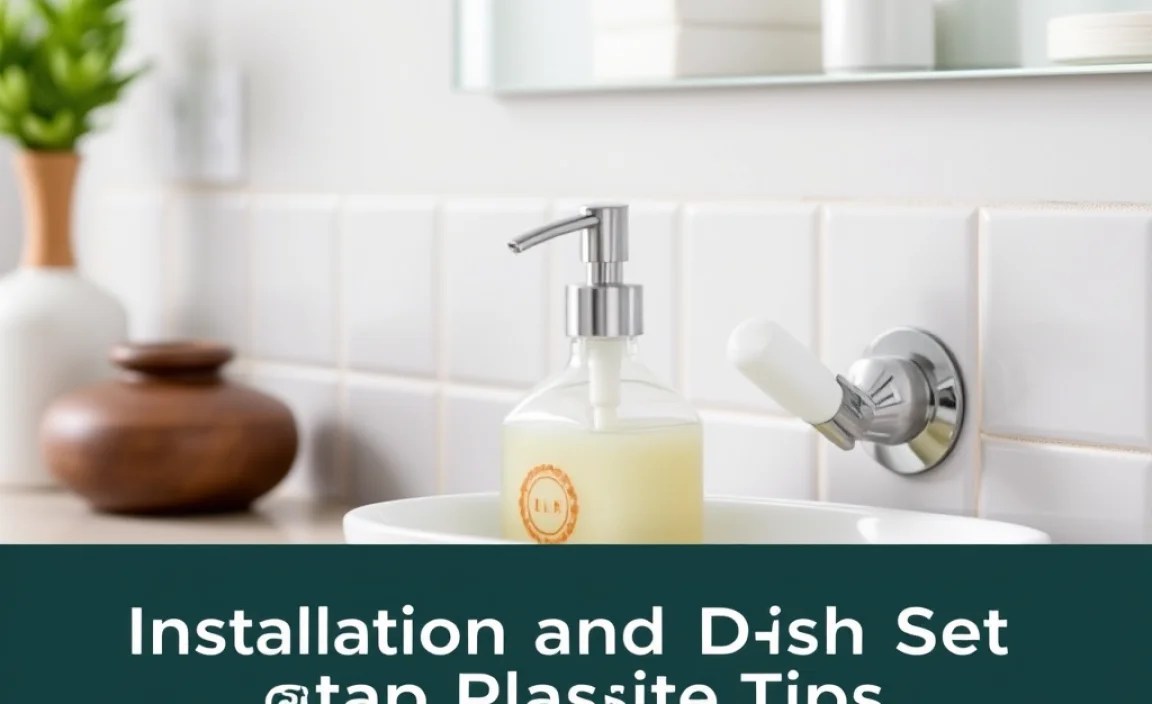
Selecting the perfect set for your small space involves considering a few key factors. Let’s walk through them step-by-step to make sure you get a solution that works for you.
Step 1: Assess Your Space and Needs
Before you even start browsing, take a good look at where the set will live.
- Counter Space Availability: How much room do you really have? If it’s very limited, consider a wall-mounted unit or a very compact set.
- Type of Soap: Will you be using liquid soap or bar soap? Some sets are designed specifically for one, while others might offer versatility. You might even want a liquid dispenser and a bar dish for different areas (e.g., kitchen sink and shower).
- Usage Frequency: Is this for a main bathroom used by many people daily, or a small powder room for guests? High-traffic means durability and ease of cleaning are more important.
- Aesthetic Goals: What look are you going for? Modern, cozy, minimalist? This will guide your material and color choices.
Step 2: Consider the Dispenser Type
For liquid soap, think about how you want to operate it.
- Manual Pump: Simple, reliable, and usually the most budget-friendly. Great for most situations.
- Automatic/Touchless: Excellent for hygiene and a modern feel. Keep in mind they require batteries and might have a slightly larger footprint.
- Wall-Mounted: A lifesaver for minimal counter space. Ensure your wall can support it and that you’re comfortable with drilling.
Step 3: Evaluate the Soap Dish Design
If you prefer bar soap, the dish design is crucial for longevity and cleanliness.
- Drainage is Key: Look for dishes that allow water to escape. Think of angled dishes, those with raised nubs, or inserts that lift the soap. A dish from EPA’s Safer Choice program often highlights products that prioritize environmental and personal well-being, which can extend to product design that encourages less waste.
- Material Durability: Ceramic can chip, glass can break, but stainless steel and bamboo are generally very robust.
- Placement: Will the dish sit on the counter, or do you prefer a wall-mounted option?
Step 4: Material and Finish Matters
The material and finish of your set can significantly impact its durability, ease of cleaning, and how it complements your decor.
| Material | Pros | Cons | Best For |
|---|---|---|---|
| Stainless Steel | Durable, rust-resistant, modern look, easy to clean | Can show fingerprints, can be cold to the touch | Modern, minimalist, high-traffic bathrooms/kitchens |
| Ceramic/Porcelain | Elegant, variety of colors/patterns, classic look | Can chip or break, heavier | Traditional, farmhouse, or decorative styles |
| Glass | Sleek, non-porous, doesn’t stain, allows you to see soap level | Can break, may show water spots if not cleaned | Contemporary, spa-like, or minimalist aesthetics |
| Bamboo/Wood | Natural, warm aesthetic, sustainable | Can warp or deteriorate if constantly wet, requires more care | Bohemian, spa-like, natural, or eco-friendly themes |
| Plastic/Resin | Lightweight, affordable, variety of colors, often durable | Can look less premium, may scratch over time | Budget-friendly, casual, or kid-friendly spaces |
When choosing a finish (like brushed nickel, chrome, matte black, or brass), try to match it with your existing faucet and hardware for a cohesive look.
Step 5: Size and Footprint
In small spaces, compact is usually better.
- Dispenser Size: Look at the height and width. Will it fit comfortably under cabinets or next to the faucet without looking cramped?
- Dish Size: Ensure the dish is large enough for your bar of soap but not so large that it overwhelms the counter.
- Base Stability: For countertop dispensers, a wide, stable base is important to prevent tipping.
A good tip is to measure your available space and even sketch it out on paper before you go shopping. This helps visualize how different sizes will fit.
Step 6: Ease of Use and Refilling
A beautiful set is useless if it’s a pain to operate.
- Dispenser Refill: How easy is it to open and refill? Some have wide openings, while others might require unscrewing the pump mechanism.
- Pump Action: Does the pump feel smooth and dispense a good amount of soap?
- Soap Dish Access: Is it easy to remove or rinse the soap dish?
Step 7: Durability and Maintenance
How much effort are you willing to put into cleaning and upkeep?
- Non-Porous Surfaces: Materials like glass, stainless steel, and ceramic are generally easier to clean and less likely to harbor bacteria than porous materials.
- Dishwasher Safe: Some ceramic or glass dispensers are top-rack dishwasher safe, which is a huge plus for easy cleaning. Always check the manufacturer’s instructions.
- Rust Resistance: For metal sets, ensure they are made from rust-resistant materials, especially if they will be exposed to bathroom humidity.
Installation and Placement Tips for Small Spaces
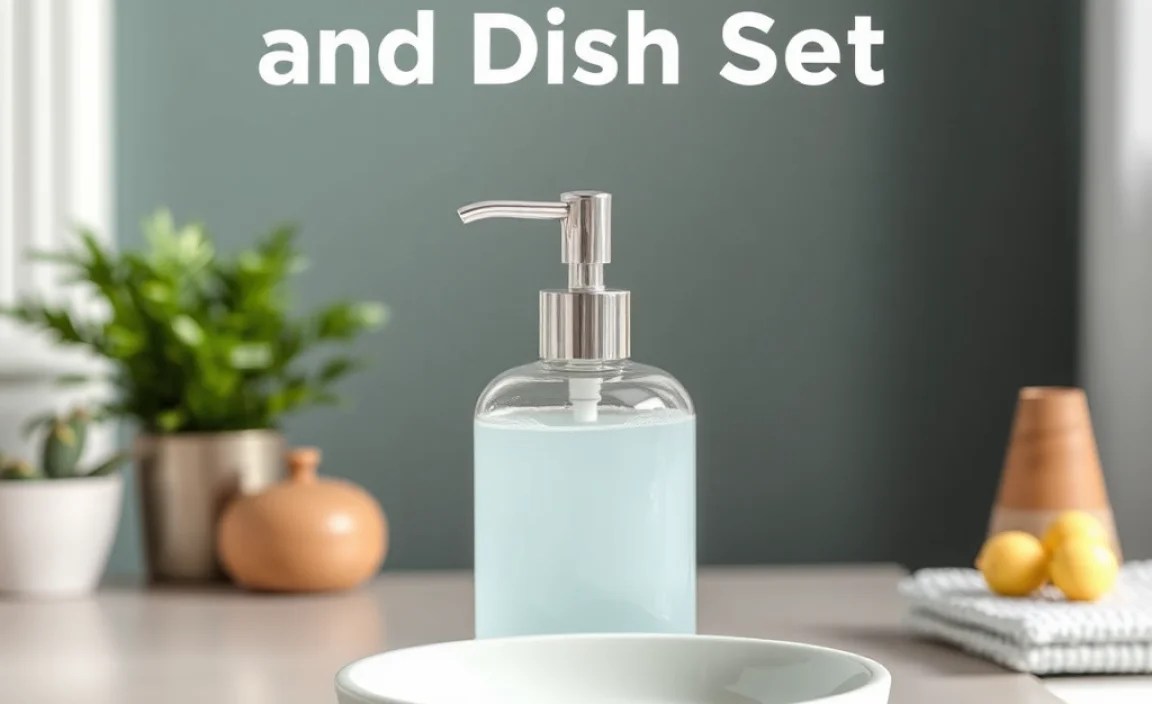
Once you’ve chosen your perfect soap dispenser and dish set, proper placement is key to unlocking its full potential in a small space.
For Countertop Sets:
- Positioning: Place the set close to the faucet, but not so close that it interferes with turning the handles or using the sink basin.
- Clearance: Ensure there’s enough space around the dispenser for easy pumping and around the dish for air circulation for bar soap.
- Avoid Overcrowding: Resist the urge to place other items right next to your soap set. Keep it as the focal point of your organized sink area.
- Consider the Edge: If your counter is very shallow, ensure the dispenser base is not so wide it overhangs the edge.
For Wall-Mounted Sets:
This is where you can truly reclaim valuable counter space.
- Height: Mount the dispenser at a comfortable height for the primary users. For a bathroom, typically around 30-40 inches from the floor is good. For a kitchen, it might be higher, closer to waist level.
- Shower Placement: In a shower, mount it within easy reach of where you stand. For multiple users with different heights, consider a slightly lower placement.
- Wall Type: Ensure you use appropriate wall anchors for the weight of the dispenser (especially when full of soap) and the type of wall (drywall, tile, etc.). For shower installations, consider waterproof adhesives or mounting kits designed for wet environments. Resources like This Old House offer excellent advice on secure wall mounting for various fixtures.
- Drilling into Tile: If mounting on tile, use a tile drill bit and a slow speed to avoid cracking. Having a template to mark holes accurately is also very helpful.
General Placement Considerations:
- Near Water Source: Obvious, but essential! Keep it close enough to the faucet that the drips or splashes don’t create new messes elsewhere.
- Ventilation: For bar soap dishes, ensure there’s some airflow around the soap to help it dry.
- Aesthetics: Think about how the set looks from the doorway. Does it create a pleasing focal point or does it look like an afterthought?
Maintaining Your Soap Dispenser and Dish Set
Keeping your soap set looking its best and functioning properly is simple with a little regular care. This ensures it remains an asset to your small space, not a source of grime.
Daily/Weekly Maintenance:
- Wipe Down Surfaces: Use a damp cloth to wipe down the dispenser and dish daily or every few days. This removes soap scum, water spots, and fingerprints.
- Rinse the Soap Dish: If using a bar soap dish, periodically rinse it out to remove any accumulated soap residue.
- Check the Pump: Ensure the dispenser pump isn’t clogged. If it is, you can try running warm water through it or gently cleaning the nozzle with a small brush.
Deep Cleaning (Monthly or As Needed):
- Disassemble and Clean: For a thorough clean, you might need to disassemble parts of the dispenser (like removing the pump head) and wash the soap dish separately.
- Soapy Water: Use warm water and mild dish soap for most cleaning tasks.
- For Stubborn Residue: A paste of baking soda and water can be effective for scrubbing away tough soap scum. Apply, let sit for a few minutes, then scrub gently with a non-abrasive sponge or cloth.
- Rinsing Thoroughly: It’s crucial to rinse all soap residue away after cleaning to prevent it from drying and creating new spots.
- Disinfecting: For added hygiene, you can use a diluted vinegar solution or a mild disinfectant spray on non-porous surfaces. Always ensure the product is safe for the material of your set.
- Dispenser Internal Cleaning: If your liquid soap dispenser is fully disassemblable, you can wash the reservoir. If not, you can try filling it with warm water and pumping it through several times to clear out old soap residue.
Specific Material Care:
Stainless Steel: Use a soft cloth and a stainless steel cleaner or a mild soap. Always wipe in the direction of the grain to avoid scratches.
Ceramic/Glass: These are generally easy to clean with soap and water. For tougher stains, a baking soda paste or a mild abrasive cleaner can be used, but be cautious with sponges that might scratch the glaze.
Bamboo/Wood: Avoid prolonged soaking. Wipe clean and dry thoroughly. Some wood treatment oils can help maintain their finish and prevent drying out.
Plastic: Mild soap and water are usually sufficient. Avoid harsh chemicals or abrasive scrubbers that can damage the finish.
By following these simple maintenance steps, your soap dispenser and dish set will continue to enhance your small space, keeping it organized, hygienic, and stylish for a long time.
