
It’s a simple but vital tool! A soap holder, also known as a soap dish or soap rest, securely keeps your bar soap out of water, preventing it from becoming soggy and mushy. This helps your soap last longer, stay cleaner, and keeps your sink or shower tidy. Understanding its purpose is the first step to smarter bathroom upkeep.
Ever reach for your bar of soap, only to find it sitting in a milky puddle of water? It’s a common, frustrating sight in many bathrooms. That soggy, mushy soap doesn’t just feel unpleasant; it wastes soap and can make a mess. But there’s a simple, effective solution: a soap holder.
Think of it as a tiny, dedicated parking spot for your soap. This guide will break down exactly what a soap holder is, why it’s so important, and how choosing the right one can make a big difference in your daily routine and bathroom maintenance. We’ll cover everything from basic definitions to helpful tips.
What is a Soap Holder? Demystifying the Basics
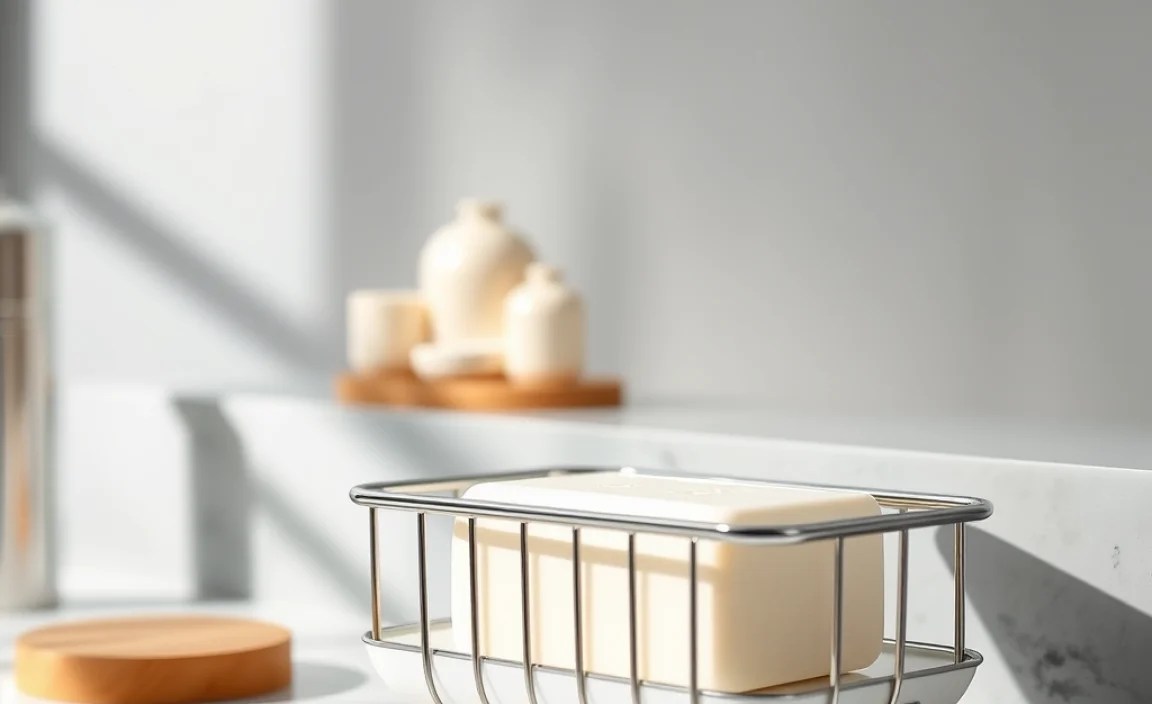
At its core, a soap holder is a container or fixture designed to hold a bar of soap. Its primary function is to lift the soap bar off wet surfaces, allowing air to circulate around it. This simple act is crucial for maintaining the integrity and longevity of your bar soap.
You might have seen them in various forms: small dishes on the edge of a sink, mounted racks in a shower, or even simple grates. No matter the design, the goal is the same: to keep your soap dry between uses.
The Simple Purpose: Why Soap Holders Matter
The main reason for using a soap holder is straightforward: to prevent soap from dissolving in water. When a bar of soap sits in standing water, it begins to break down. This:
- Wastes soap, as it erodes much faster.
- Creates a slippery, slimy residue that can be difficult to clean.
- Can harbor bacteria, as moist environments are breeding grounds for germs.
- Makes the soap less appealing to use, as it becomes soft and difficult to lather.
By elevating the soap, a holder allows water to drain away, and air to reach all sides. This helps the soap to dry out properly, extending its life and keeping it firm and ready for use. It’s a small detail that contributes significantly to hygiene and efficiency in your bathroom.
Types of Soap Holders: Finding Your Perfect Fit

The world of soap holders is surprisingly diverse! From minimalist designs to multi-functional units, there’s a type to suit every bathroom style and need. Understanding the different kinds can help you choose the one that best fits your space and preferences.
1. Dish Soap Holders (Countertop)
These are the most classic and common type. They are typically small, shallow dishes that sit on your sink or vanity countertop. They can be made from a variety of materials, including ceramic, plastic, metal, or even wood.
- Pros: Portable, easy to clean, widely available, inexpensive.
- Cons: Can take up counter space, may slide around if not weighted, can still accumulate water if drainage is poor.
2. Wall-Mounted Soap Holders
These holders are attached directly to the shower wall or bathroom tiles. They come in several variations:
- Suction Cup Holders: Easy to install and remove without drilling, but can lose their grip over time, especially in humid environments.
- Adhesive Holders: Stick to the wall using strong adhesive strips. Offer a more secure hold than suction cups but can be difficult to remove without damaging the surface.
- Screw-In Holders: The most secure option, drilled permanently into the wall. Best for long-term solutions but require tools and may not be suitable for renters.
Types of wall-mounted holders include simple dishes, baskets, or recessed compartments within the shower wall.
3. Magnetic Soap Holders
A clever innovation, magnetic soap holders consist of two parts: a small metal disc that you press into your bar soap and a mount that attaches to the wall or sink edge. The disc then magnetically attaches to the mount, suspending the soap in the air.
- Pros: Excellent drainage, keeps soap completely dry, minimal clutter, modern look.
- Cons: Requires pressing the disc into the soap (which can sometimes be tricky), may not work with very small or oddly shaped soap bars, the magnet needs to be strong enough.
4. Draining Soap Holders (Slanted or Grated)
These holders are specifically designed with drainage in mind. They might have a slanted base to allow water to run off, or a grated surface that allows air to circulate and water to pass through. Some are simple dishes with drainage holes, while others are more elaborate systems.
- Pros: Superior water drainage, helps soap dry faster, can be very effective at preventing mushiness.
- Cons: Can sometimes be harder to clean if soap residue gets trapped in the grates.
5. Shower Caddies with Soap Trays
Often, shower caddies or organizers come with a built-in soap tray or dish. These are great for maximizing space in the shower, keeping soap alongside shampoo and conditioner.
- Pros: Saves individual space, keeps multiple items organized, a complete shower solution.
- Cons: Can be bulkier, might require drilling or strong mounting methods depending on the caddy type.
Materials Matter: What Your Soap Holder is Made Of

The material of your soap holder can affect its durability, appearance, and ease of cleaning. Here’s a look at common materials:
Material Comparison Table
| Material | Pros | Cons | Best For |
|---|---|---|---|
| Ceramic | Durable, easy to clean, attractive designs, heavy (less likely to tip). | Can break if dropped, heavier to install (if wall-mounted). | Countertop dishes, wall-mounted soap dishes, recessed units. |
| Plastic | Inexpensive, lightweight, waterproof, variety of colors. | Can look less premium, may scratch or stain over time, can crack. | Beginner options, travel, temporary solutions, children’s bathrooms. |
| Stainless Steel | Durable, rust-resistant, modern look, easy to clean. | Can be more expensive, may show water spots. | Wall-mounted holders, shower caddies, modern bathrooms. |
| Bamboo/Wood | Natural look, eco-friendly, good drainage (often slatted design). | Requires more care to prevent mold/mildew, may not be as durable as other materials. | Countertop dishes, slatted shower holders, eco-conscious homes. |
| Glass | Elegant, easy to clean, non-porous. | Fragile, can break easily, prone to water spots. | Countertop dishes in adult bathrooms. |
| Silicone | Flexible, non-slip, easy to clean, can have excellent drainage designs. | May not be as rigid as other materials, can attract lint. | Flexible draining dishes, travel containers. |
Choosing the Right Soap Holder: Key Considerations
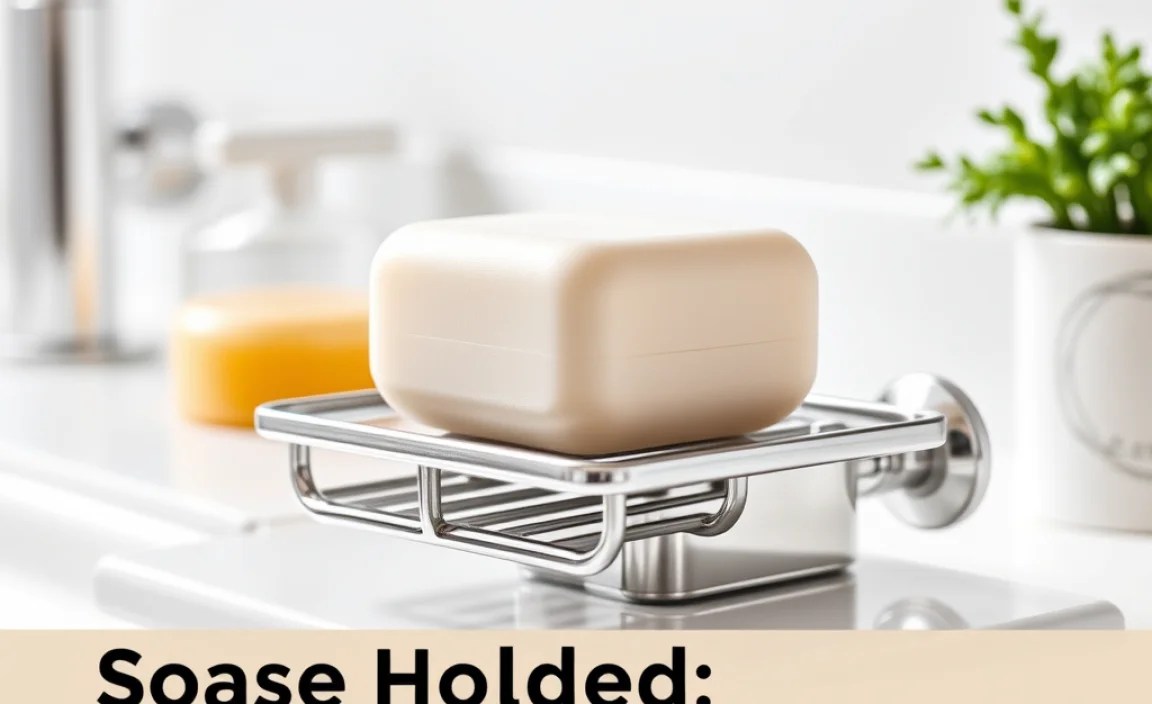
Selecting a soap holder might seem trivial, but a well-chosen one can enhance your bathroom’s functionality and aesthetics. Here are a few things to think about:
1. Location, Location, Location
Where will the soap holder live? Near the sink? Inside the shower? This is the most important factor. Countertop dishes are great for powder rooms or beside hand-washing sinks. Wall-mounted options are ideal for showers to keep soap within easy reach without taking up precious space.
2. Installation Ease
Are you comfortable drilling into your walls? If not, opt for suction cup, adhesive, or a freestanding countertop dish. For a more permanent and secure fixture, especially in a busy shower, screw-in options are generally the best. Always check the recommended installation method for the product and consider your skill level.
- For renters or those avoiding damage: Look for strong adhesive strips (like 3M Command strips, which are often removable) or high-quality suction cups.
- For homeowners wanting a permanent solution: Consider screw-in or built-in options.
3. Drying Efficiency
The primary goal is to keep soap dry. Look for holders with good drainage holes, slatted designs, or sufficient gaps that allow air to circulate. Magnetic holders excel here by suspending the soap entirely.
4. Aesthetics and Style
Your bathroom is part of your home’s overall design. Choose a soap holder that complements your existing decor. Whether you prefer a rustic wood look, a sleek modern metal finish, or a classic ceramic piece, there’s a style to match.
5. Durability and Maintenance
Consider how easy the holder is to clean. Some materials, like ceramic or stainless steel, are very easy to wipe down. Others, like porous wood, might require more attention to prevent mold or mildew. Think about how long you want the holder to last and choose a material accordingly. For example, stainless steel offers excellent longevity and resistance to corrosion in wet environments.
6. Soap Bar Size and Shape
Most standard bar soaps fit well in general soap holders. However, if you use specialty or oversized bars, ensure the holder you choose is large enough to accommodate them comfortably.
Installation Basics: Getting Your Soap Holder Set Up
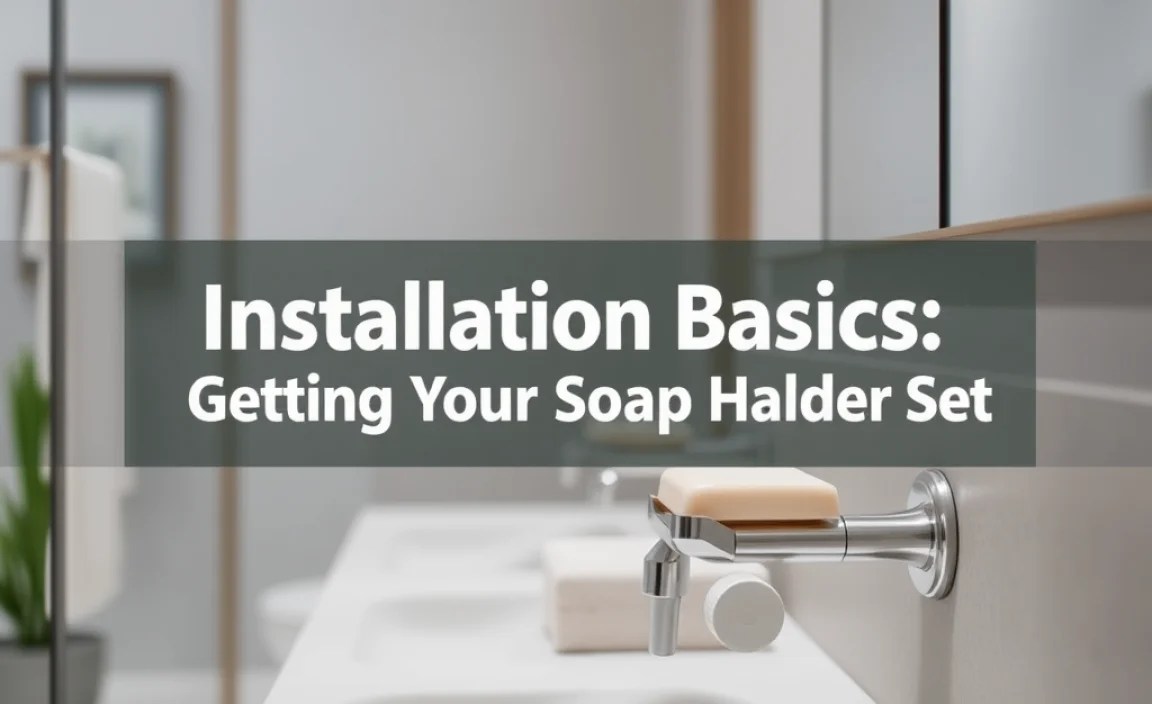
The installation process varies greatly depending on the type of soap holder you choose. Here’s a general overview for common types:
Installing a Countertop Soap Holder
This is the simplest. Just place it where you want it! Ensure the surface is clean and dry, and that the holder is stable and won’t easily slide off.
Installing a Suction Cup Soap Holder
- Clean the Surface: Thoroughly clean the tile or wall area where you want to place the holder. Use an all-purpose cleaner and ensure the surface is completely dry.
- Moisten the Suction Cup (Optional but Recommended): Briefly dampen the rim of the suction cup. This can help create a better seal.
- Press Firmly: Place the suction cup onto the clean, dry surface and press down firmly in the center, then work outwards to create a seal.
- Test the Hold: Gently tug on the holder to ensure it is secure before placing soap on it.
Tip: For enhanced holding power, some manufacturers recommend applying petroleum jelly to the edge of the suction cup for a better seal. However, this can sometimes leave residue.
For more professional guidance on bathroom fixtures, consider resources from organizations like the National Association of Home Builders (NAHB), which offers insights into home improvement and building standards.
Installing an Adhesive Soap Holder
- Clean and Dry: As with suction cups, the wall must be sparkling clean and thoroughly dry. Avoid using harsh chemicals that might damage the finish.
- Mark the Position: Decide on the exact placement and lightly mark it with a pencil if needed.
- Apply Adhesive: Peel off the backing from the adhesive strips on the holder. Press the holder firmly into the desired position.
- Wait for Curing: Most adhesive mounts recommend waiting a specified time (often 24-72 hours) before using the holder to allow the adhesive to fully cure and reach maximum strength. Check the product instructions carefully.
Installing a Screw-In Soap Holder
This method requires tools and a bit more care. You’ll typically need a drill, drill bits, a level, and a screwdriver.
- Locate Studs (Recommended): For maximum stability, try to mount the holder directly into a wall stud. Use a stud finder. If a stud isn’t available, you’ll need to use appropriate wall anchors for your wall type (drywall, tile, etc.).
- Mark and Drill Pilot Holes: Use the holder as a template to mark where the screws will go. Use a level to ensure it’s straight. Drill pilot holes, making sure they are smaller than the screw diameter.
- Insert Anchors (If Needed): If not drilling into a stud, insert the wall anchors into the pilot holes.
- Attach the Holder: Place the holder over the holes/anchors and secure it with screws using a screwdriver or drill.
- Check Stability: Ensure the holder is firmly attached and doesn’t wobble.
Safety Note: Always be aware of what’s behind your wall before drilling. Avoid electrical wires and plumbing pipes. If unsure, consult a professional.
Installing a Magnetic Soap Holder
- Attach the Mount: This is usually done with adhesive or screws, following the steps above. Ensure it’s securely fixed to the wall or chosen surface.
- Insert the Disc: Take the metal disc and firmly press it into the center of your bar soap. You might need to twist it a bit to get a good hold, ensuring it’s quite secure.
- Connect: Simply bring the soap with the disc near the mounted magnet. It will snap into place, holding your soap suspended.
Maintaining Your Soap Holder
A well-maintained soap holder not only looks better but functions more effectively. Here’s how to keep yours in top shape:
- Regular Cleaning: Wipe down your soap holder weekly with a damp cloth and mild soap. For tougher grime or soap scum, use a non-abrasive cleaner.
- Deep Cleaning: Periodically (monthly, or as needed), give it a more thorough cleaning. For removable holders, you might soak them in warm, soapy water. For stubborn residue, a paste of baking soda and water can be effective.
- Check Seals: For suction cup or adhesive holders, check the seal regularly. If it seems weak, remove, clean the surface and cup, and reapply.
- Prevent Mold/Mildew: Ensure good ventilation in your bathroom. For wooden holders, dry them off periodically and consider a sealant.
- Inspect for Damage: Keep an eye out for cracks, rust, or loose fittings and address them promptly.
For more in-depth information on cleaning and maintenance of bathroom fixtures, resources from the U.S. Environmental Protection Agency (EPA) WaterSense program, while focused on water efficiency, often discuss product longevity and maintenance best practices for bathroom items.
Frequently Asked Questions (FAQ)
What is a soap holder called besides a soap dish?
Other common terms for a soap holder include soap rest, soap tray, soap keeper, or soap holder fixture. The specific term might depend on the design and intended use (e.g., a shower caddy might have a “soap tray”).
Why does my bar soap get mushy even with a holder?
This can happen if the holder doesn’t drain well, if there’s too much humidity, or if the soap sits in a puddle of water that hasn’t completely drained. Also, some soap formulations are softer and more prone to dissolving. Ensure good airflow and that the holder is designed for effective drainage.
Can I use a soap holder in my kitchen sink?
Absolutely! Many people use soap holders near their kitchen sink to keep dish soap bars or hand soaps tidy, especially in areas where bar soap is preferred for washing dishes.
How do I clean soap scum off my soap holder?
For most materials, a paste of baking soda and water works well. Let it sit for a few minutes, then gently scrub with a non-abrasive sponge or cloth and rinse thoroughly. For tougher stains, a commercial bathroom cleaner designed for soap scum can be used, but always test in an inconspicuous area first.
Are magnetic soap holders safe for my tiles?
Yes, magnetic soap holders are generally very safe. The mount is typically attached with strong adhesive (like those from 3M’s Command line, which are designed for easy removal without damage) or screws. The magnetic action itself does not damage the tile surface.
What is the best material for a soap holder in a humid shower environment?
Stainless steel, ceramic, and high-quality plastics are excellent choices for humid shower environments as they are resistant to moisture and easy to clean. Avoid porous materials like untreated wood, or ensure they are well-sealed and regularly dried to prevent mold and mildew.
Do I need to wash my soap before putting it on the holder?
You don’t need to “wash” your soap beforehand, but it’s a good idea to give it a quick rinse under running water before placing it on the holder after use. This removes any excess lather and residue.
