
A soap holder glossary term provides a clear definition for types of soap dishes, dispensers, and caddies, helping you choose the right one for your bathroom or kitchen by understanding their features, materials, and installation methods.
Your bathroom or kitchen sink might feel a bit cluttered. That little bar of soap deserves a good home! But when you’re shopping, you’ll see terms like “drainage,” “suction cup,” or “wall-mounted.” What do they all mean? Don’t worry, figuring out the right soap holder isn’t as tricky as it sounds. We’re here to break down all the jargon, so you can pick the perfect spot for your suds without any confusion. Let’s make sure your soap stays dry and your countertops stay neat!
Understanding Soap Holder Glossary Terms: Your Ultimate Guide
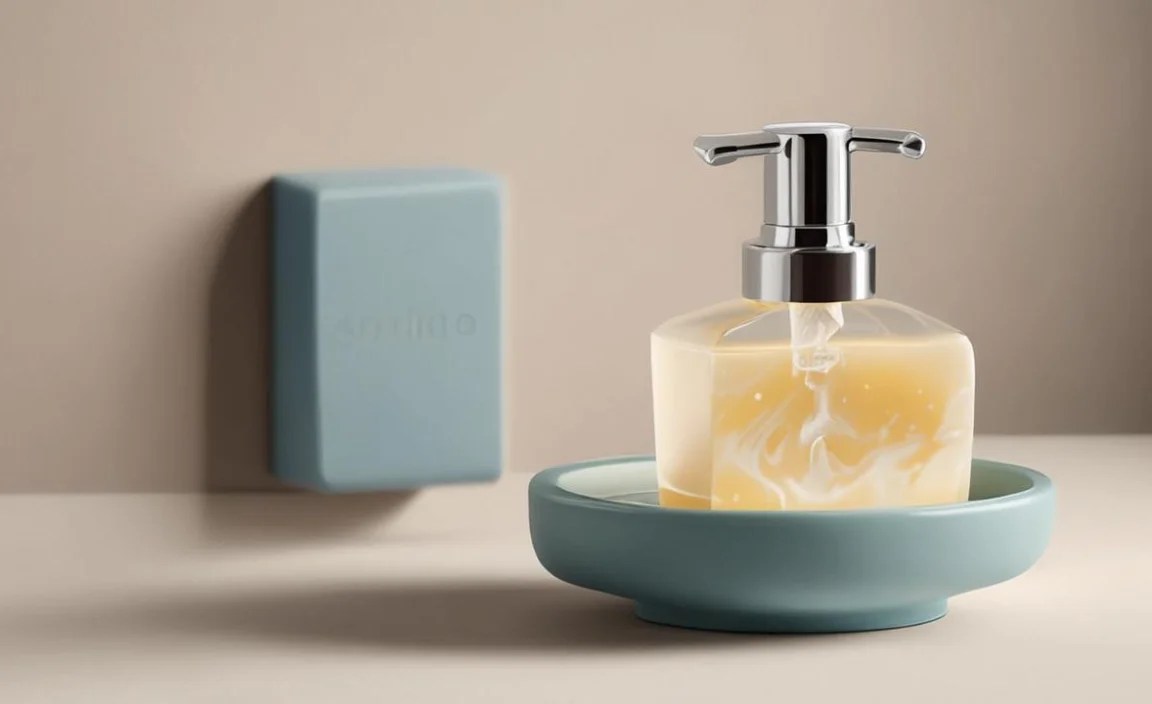
As Bryan Lee, your go-to for all things home and DIY, I know that sometimes the simplest items can have the most confusing names. A soap holder seems straightforward enough, right? It’s just a place to put your soap. But dive into any store or online catalog, and you’ll encounter a whole vocabulary that can make your head spin. From the way they attach to your wall to how they keep your soap from melting into a mushy mess, understanding these terms is key to making a smart purchase. This guide will equip you with the knowledge to confidently choose the best soap holder for your needs, making your bathroom or kitchen tidier and more functional.
Why Knowing Your Soap Holder Terms Matters
Think of it like this: you wouldn’t buy a tool without knowing what it’s for, so why buy an accessory without understanding its features? A well-chosen soap holder can:
Prevent soap waste: Properly designed holders let water drain, keeping your soap bar hard and lasting longer.
Keep things tidy: No more slimy soap residue on your sink or shower floor.
Enhance your space: The right holder can add a touch of style to your bathroom or kitchen.
Ensure durability: Understanding materials helps you pick a holder that won’t rust, crack, or fall off.
Let’s demystify the common terms you’ll encounter.
Decoding the Soap Holder Vocabulary
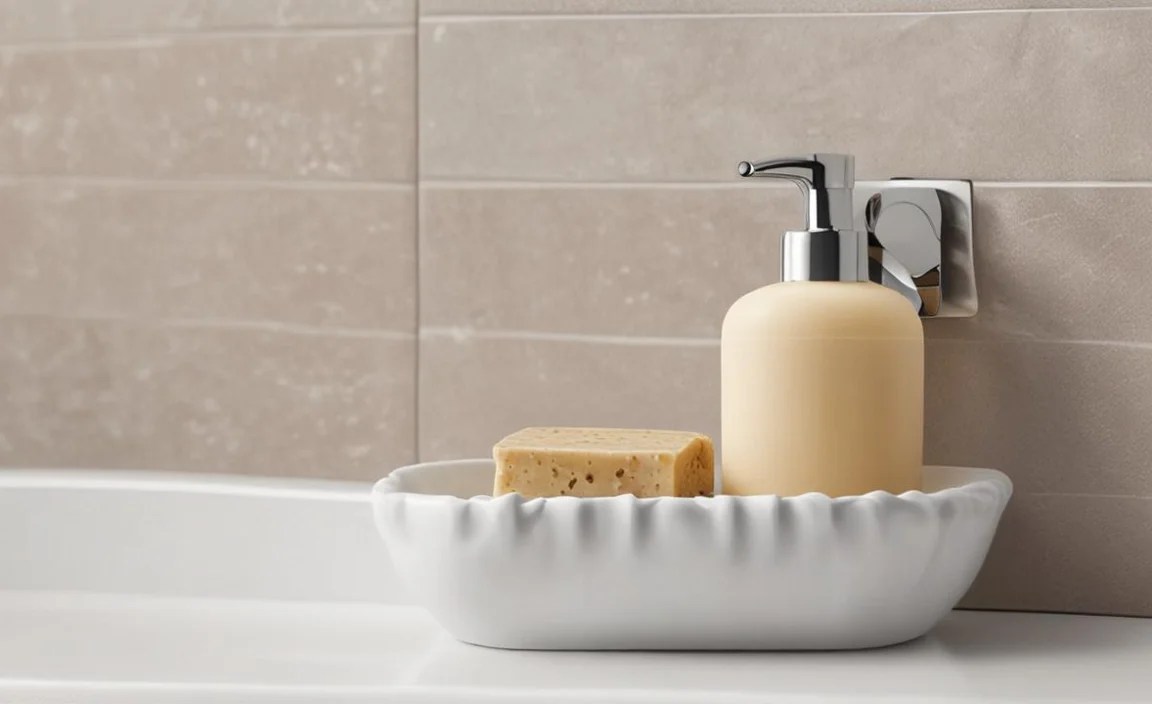
Here’s a breakdown of the most common terms you’ll find when browsing for soap holders.
Types of Soap Holders
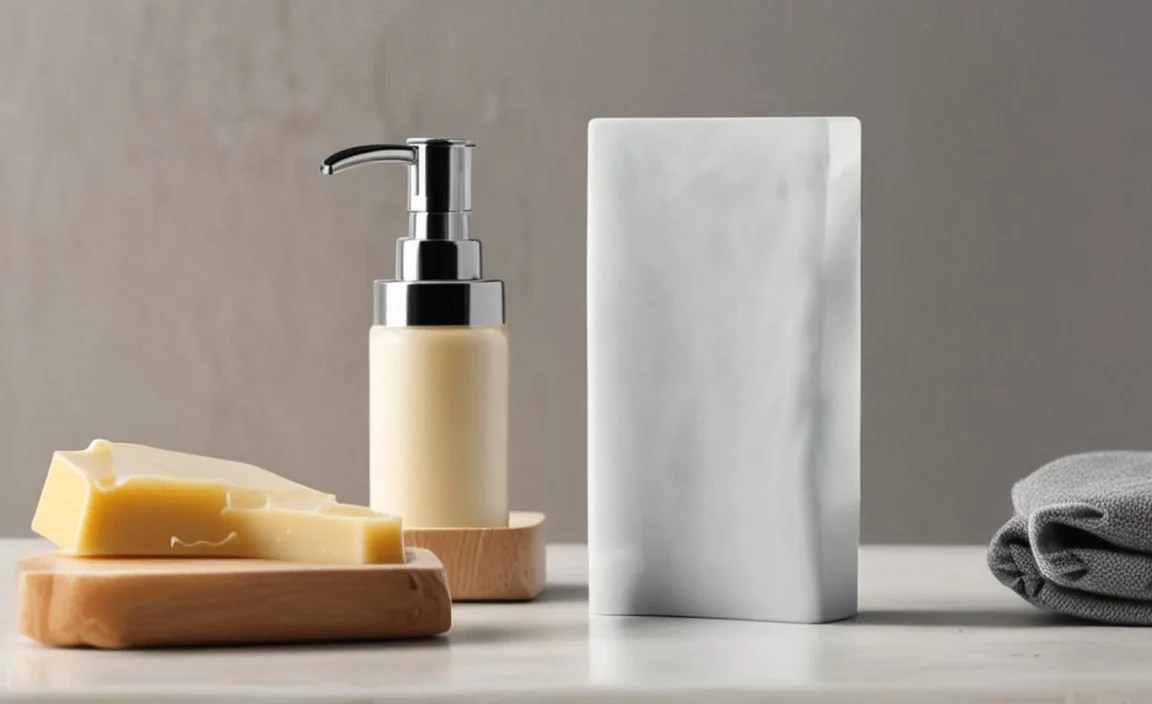
These terms describe the fundamental design and function of the holder.
Soap Dish: This is the most basic form, typically a small, shallow container designed to hold a single bar of soap. They can sit on a flat surface or be mounted.
Drainable Soap Dish: A crucial feature! These dishes have holes or slits to allow water to escape, preventing soap from becoming soft and messy. Essential for keeping your soap longevity.
Non-Drainable Soap Dish: Less common and generally less practical, these have a solid base and can trap water, leading to faster soap degradation.
Soap Caddy/Holder: This term is often used interchangeably with “soap dish,” but can also imply a slightly larger or more elaborate design, sometimes with multiple compartments or even hooks for washcloths.
Soap Saver: Often refers to a compartment or dispenser where soap can be stored or used, typically designed with drainage in mind to preserve the soap bar.
Shower Soap Holder: Specifically designed for use in the shower, these often feature enhanced drainage and secure mounting systems to withstand water spray and movement.
Wall-Mounted Soap Holder: These attach directly to the wall using screws, adhesive, or suction cups. They’re great for saving counter space.
Countertop Soap Holder: Designed to sit on flat surfaces like your sink ledge or bathroom vanity.
Sponge Holder: While not strictly for soap bars, these are frequently found alongside soap dishes in kitchens and often feature built-in drainage and sometimes even space for cleaning brushes or cloths.
Materials and Finishes
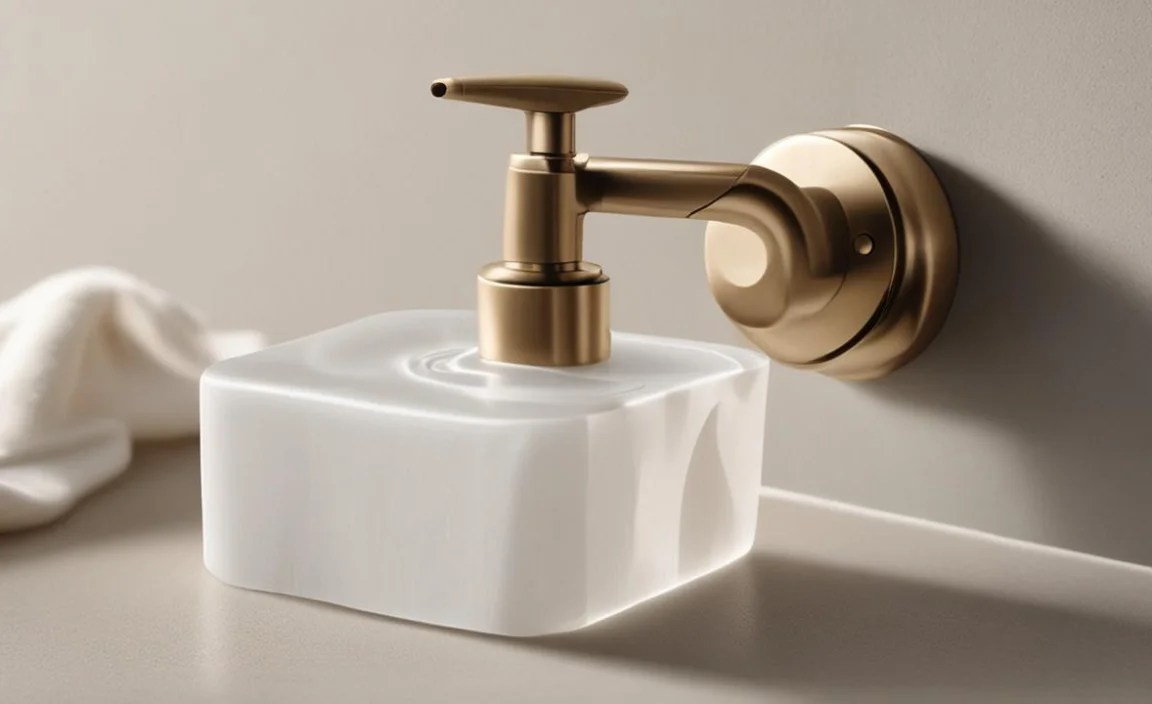
The material of your soap holder affects its durability, style, and maintenance.
Ceramic: Offers a classic, often decorative look. Can be heavy and may break if dropped.
Plastic: Lightweight, inexpensive, and comes in many colors. Can sometimes look less premium and may degrade over time with UV exposure or harsh cleaners.
Stainless Steel: Durable, rust-resistant, and modern. Can be prone to water spots if not wiped down.
Brass: Often plated with other finishes (like chrome or brushed nickel). Can be elegant but may corrode or tarnish if the plating wears off.
Aluminum: Lightweight and generally rust-proof. Finishes can vary.
Wood: Adds a natural, warm aesthetic. Requires careful sealing to prevent water damage and can be more prone to mold or mildew if not maintained.
Glass: Can offer a sleek, contemporary look. Fragile and may show water spots easily.
Resin/Acrylic: Durable and versatile, often mimicking the look of other materials.
Mounting and Installation Methods
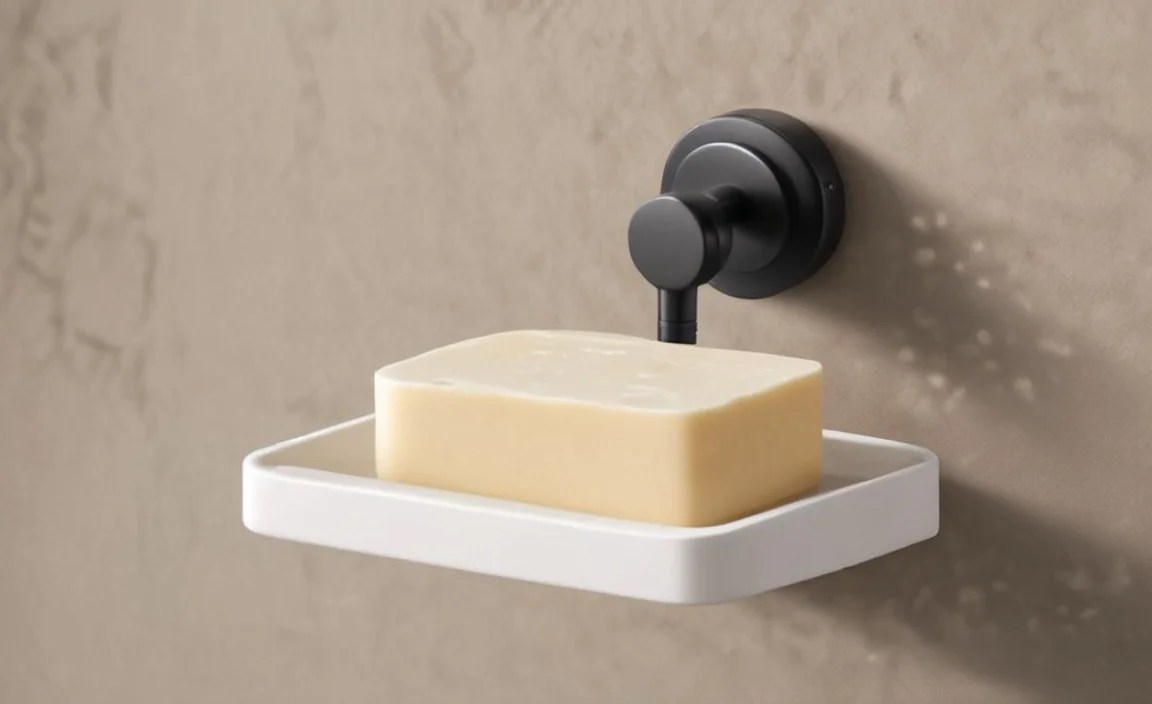
How your soap holder attaches to a surface is a critical factor for functionality and aesthetics.
Adhesive Mount: Uses strong double-sided tape or glue. Easy to install without drilling, but removal can sometimes damage surfaces. Look for brands that offer residue-free removal options or specifically state they are safe for painted walls or tile. For more information on choosing the right adhesive for your project, consult This Guide on Adhesive Types.
Suction Cup Mount: Relies on a vacuum seal to attach to smooth, non-porous surfaces like glass or glossy tile. Easiest to install and reposition, but can lose suction over time, especially in humid environments.
Screw Mount (Permanent Mount): Involves drilling holes and securing the holder with screws. Offers the most secure and reliable attachment but requires tools and can leave permanent holes. Ideal for high-traffic areas like shower stalls.
Magnetic Mount: Uses a magnet to attach the soap holder (or a component of it) to a metal plate that is either screwed or adhered to the wall. The soap itself might have a metal disc inserted into it.
Tension Rod Mount: Some soap holders are designed to clip onto the tension rods commonly used in shower stalls, offering a tool-free installation.
Design Features
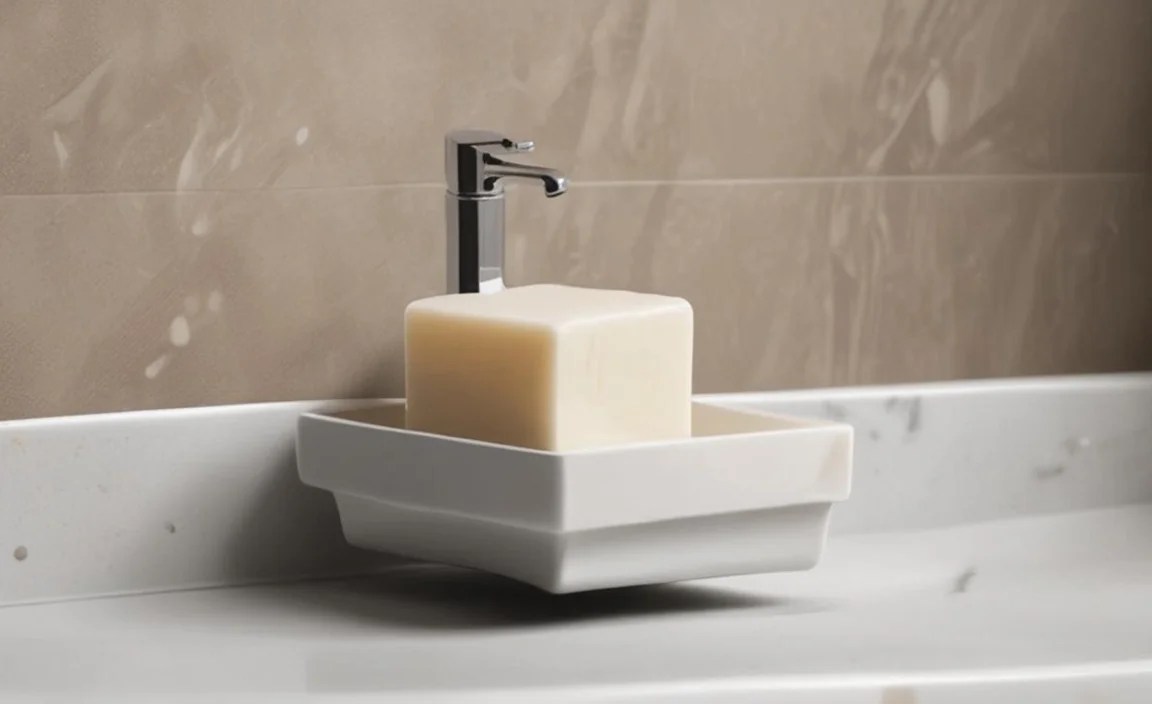
Beyond the basic type and material, these features enhance usability.
Drainage Holes/Slits: As mentioned, these are vital for allowing water to escape and keep your soap firm. Look for placement that directs water away from the soap bar effectively.
Raised Edges/Lip: A small rim around the edge helps to contain any excess water and prevent it from running down the wall or counter when the soap is wet.
Removable Tray/Insert: Some holders have a separate tray that collects water or can be easily removed for cleaning, making maintenance simpler.
Built-in Windshield Wiper/Scraper: A less common but innovative feature found on some shower soap holders designed to wipe excess water off the soap bar when you take it out, further extending its life.
Sling/Net Style: A flexible net or fabric pouch that holds the soap, often designed to hang from a showerhead or hook, allowing for excellent drainage all around the bar.
Choosing the Right Soap Holder: A Practical Approach
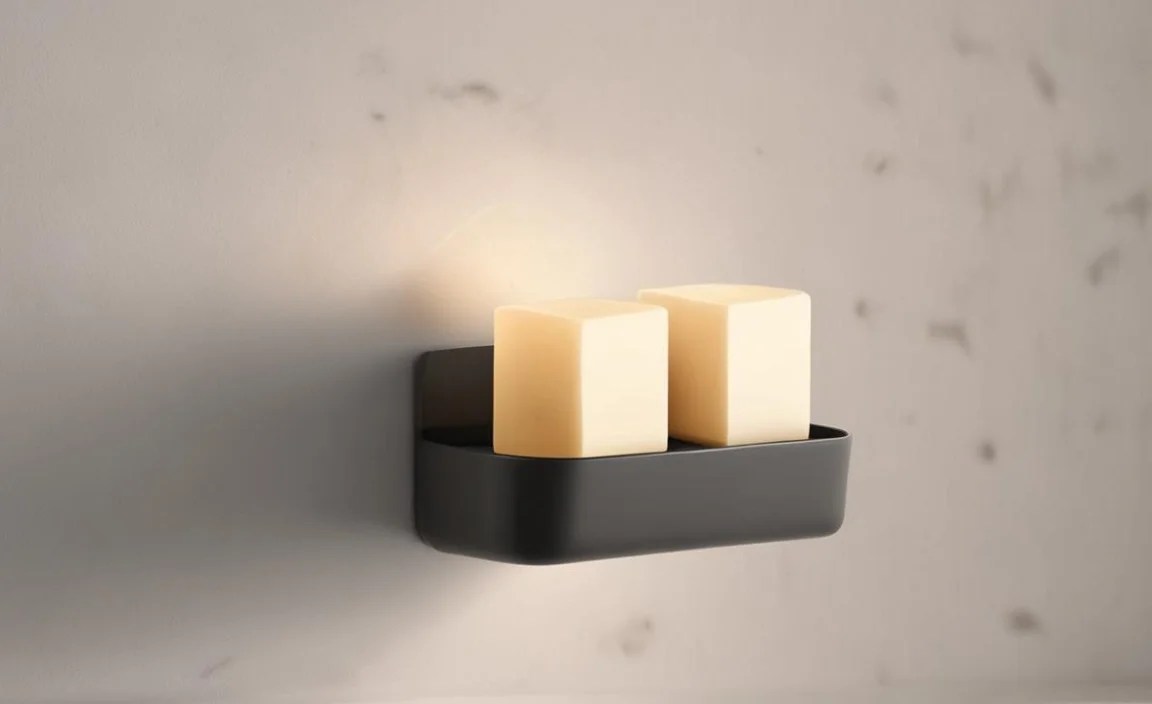
Now that you know the lingo, let’s put it into practice. Consider these factors:
Where Will It Go?
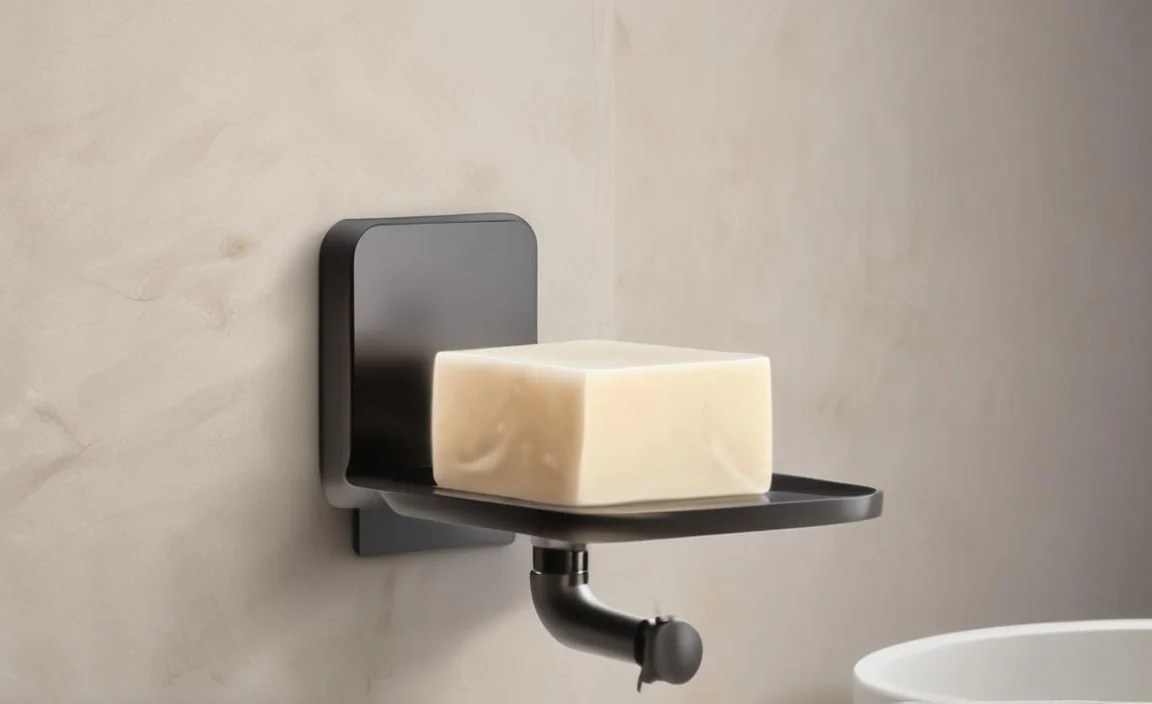
Shower: You’ll need something robust, with excellent drainage, and a secure mounting method (screw mount or strong adhesive are best). Consider a caddy with multiple levels if you store shampoo bottles there too.
Sink/Vanity: A countertop dish is usually sufficient. Consider the style of your bathroom and if you want something decorative or purely functional. A drainable dish is still a good idea here to prevent a watery mess.
Kitchen Sink: Near a kitchen sink, you’ll likely want something to hold both soap and a sponge. Look for dedicated kitchen sponge/soap caddies with good drainage.
What Kind of Soap?
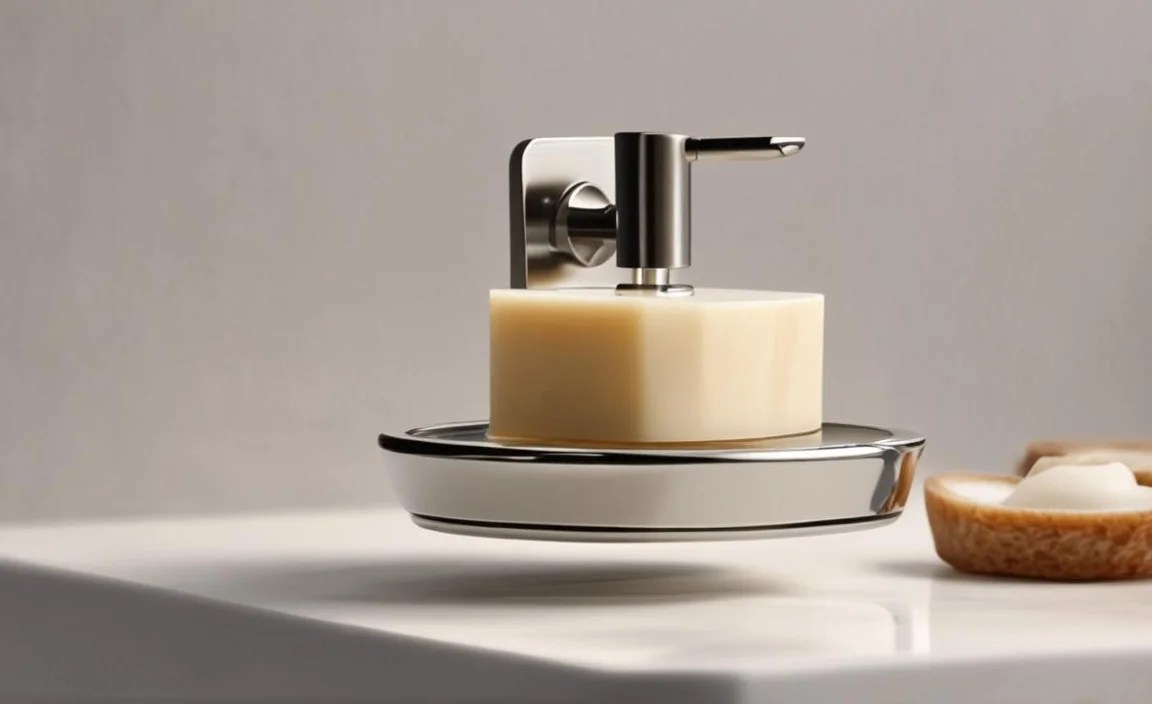
Bar Soap: All the definitions above apply. Prioritize drainage.
Liquid Soap: You’ll be looking for a liquid soap dispenser (also called a soap pump or lotion dispenser), which is a separate category. These have a reservoir and a pump mechanism to dispense liquid soap. We’re focusing on bar soap holders here.
Who’s Using It?
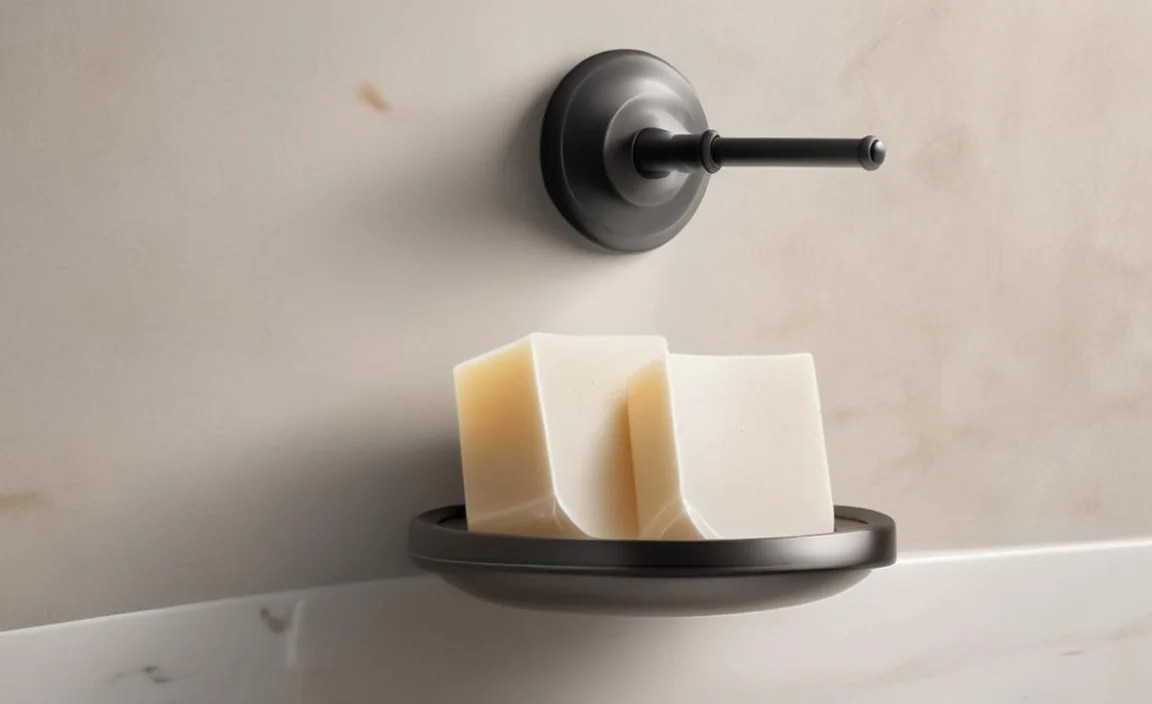
Families: Consider durability and ease of cleaning. For showers, look for holders that are easy for kids to use and won’t break if dropped.
Individuals: Personal preference for style and mounting can take priority.
Comparing Common Soap Holder Types
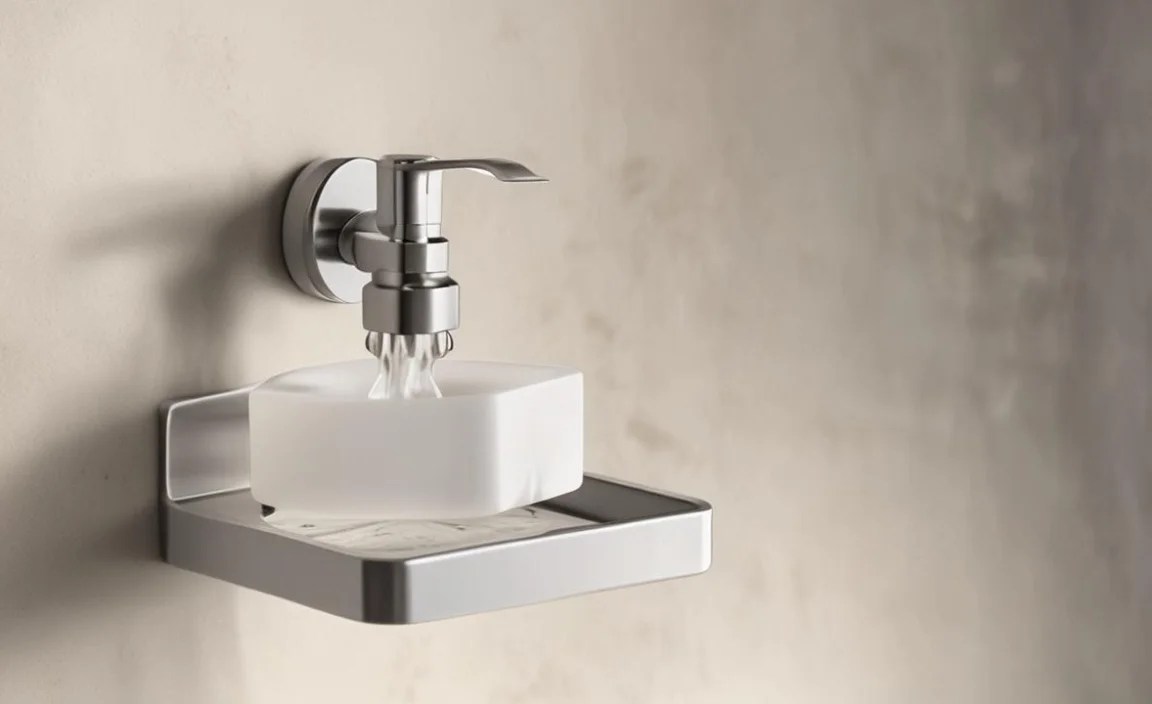
Here’s a quick look at the pros and cons of popular soap holder styles.
| Type | Pros | Cons | Best For |
|---|---|---|---|
| Drainable Dish (Countertop) | Simple, effective, no installation needed. Keeps soap dry. | Takes up counter space. Can be knocked over. | Bathroom vanities, kitchen counters. |
| Wall-Mounted (Adhesive/Suction) | Saves counter space. Easy to install (for adhesive/suction). Often stylish. | Adhesive can damage walls. Suction cups can fail. Limited by surface type. | Showers, small bathrooms, renters. |
| Wall-Mounted (Screw Mount) | Most secure and durable fixture. Frees up all surfaces. | Requires drilling. Permanent installation. | Permanent installations, busy family showers. |
| Shower Caddy (Hanging/Clip-on) | Multi-functional (holds shampoo, etc.). Easy to add/remove. Good drainage. | Can be bulky. May sway or be less stable than mounted options. | Showers with showerheads or curtain rods. |
| Soap Sling/Net | Excellent drainage. Easy to use. Very affordable. | Can look less tidy. Soap may be exposed. | Budget-conscious, those seeking maximum soap longevity. |
Installation Tips for Different Mounts
Getting your soap holder installed correctly ensures it stays put and works as intended.
Adhesive Mount:
1. Clean the surface: Thoroughly clean the target area with rubbing alcohol and let it dry completely. Ensure it’s free of dust, grease, and moisture.
2. Mark the spot: Decide on the exact location. Use a level if it’s crucial.
3. Apply the adhesive: Follow the manufacturer’s instructions. This usually involves peeling off a backing and pressing the holder firmly into place.
4. Press and hold: Apply firm, even pressure for at least 30 seconds.
5. Wait: Most adhesives require at least 24-72 hours to cure fully before bearing weight or being exposed to moisture. Do not be tempted to use it too early!
Suction Cup Mount:
1. Clean and moisten: Clean the smooth, non-porous surface. Lightly moisten the suction cup with water (this helps create a better seal).
2. Press firmly: Press the suction cup directly onto the surface, ensuring no air pockets are trapped underneath.
3. Engage the lock (if applicable): Many suction cups have a lever or twist mechanism; engage this to create a strong vacuum.
4. Test gently: Give it a light tug to ensure it’s secured. Reapply if it detaches. For stubborn suction cups, try warming them slightly with a hairdryer.
Screw Mount:
1. Mark drilling points: Hold the soap holder in place and mark exactly where the screw holes should go. Use a level.
2. Drill pilot holes: Use a drill bit appropriate for the screw size and your wall material (e.g., tile, drywall). For tile, use a tile-specific drill bit and start slowly to avoid cracking. Consider using a drill guide.
3. Insert anchors (if needed): If drilling into drywall, insert wall anchors for a secure fit. You can find guidance on proper anchor selection and use from resources like those provided by major hardware retailers.
4. Screw in the holder: Align the holder with the holes and screws, then tighten them securely.
Maintaining Your Soap Holder
To keep your soap holder looking good and functioning well, follow these simple maintenance tips:
Regular Cleaning: Wipe down your soap holder regularly with a soft cloth and mild soap and water. For tougher spots, a solution of vinegar and water can be effective.
Check Mounts: Periodically check that adhesive or suction mounts are still secure. Reapply or reposition if they seem loose.
Prevent Buildup: For drainable holders, remove any soap scum or residue that might accumulate around the drain holes.
Dry Surfaces: After cleaning walls or counters, ensure they are dry before reattaching any mounts.
FAQ: Your Soap Holder Questions Answered
Here are some common questions beginners have about soap holders.
Q1: What is the best type of soap holder for a shower?
A1: For showers, a wall-mounted soap holder (either screw-mount for security or strong adhesive for ease) with excellent drainage is ideal. A shower caddy that clips onto the rod or hangs from the showerhead also works well if you need space for other toiletries.
Q2: How do I stop my soap holder from falling off the tile?
A2: Suction cup holders can be tricky. Ensure the tile is perfectly smooth and clean. Moisten the suction cup and press firmly. If it continues to fail, consider using a strong, waterproof adhesive mount specifically designed for bathroom use.
Q3: Will a soap holder damage my painted wall?
A3: Screw-mount holders will leave holes. Adhesive mounts can potentially peel paint when removed. If you’re renting or want to avoid damage, opt for suction cup mounts on smooth surfaces, or look for adhesive types that explicitly state they are safe for painted walls and residue-free.
Q4: What does “drainable” mean for a soap holder?
A4: “Drainable” means the soap holder has openings (holes, slits, or a sloped design) that allow water to flow away from the bar of soap. This prevents the soap from sitting in water and becoming soft or mushy, making it last much longer.
Q5: Can I use a soap holder with a metal disc that attaches to the wall?
A5: Yes, these are often called magnetic soap holders. You typically stick a metal disc to the wall (usually with adhesive), and then insert a metal disc into your bar of soap. The soap then magnetically clings to the disc holder on the wall, offering excellent drainage and a unique look.
Q6: How often should I clean my soap holder?
A6: It’s best to give your soap holder a quick wipe-down weekly and a more thorough cleaning with soap and water or a mild cleaner every 2-4 weeks, depending on how much it’s used and the humidity levels.
Conclusion: A Spot for Every Suds
Choosing the right soap holder might seem like a small detail, but it makes a big difference in keeping your bathroom or kitchen tidy, your soap lasting longer, and your space looking its best. By understanding terms like “drainable,” “wall-mounted,” and the various materials available, you can confidently select an accessory that fits your needs and style. Remember, the goal is simple: to give your bar soap a dry, accessible home. Whether you prefer a sleek modern look, need something super secure for a busy shower, or are a renter looking for damage-free options, there’s a soap holder out there for you. Happy tidying!
