
Understanding soap holder parts in construction involves knowing the base, the retention mechanism, and the drain/drying features. Essential components ensure stability, prevent soap slippage, and promote longevity by allowing drainage. This guide breaks down each part simply, empowering you to choose, install, or even repair your soap holders with confidence.
Tired of soggy soap bars sliding off the sink edge? A well-designed soap holder makes all the difference! Many of us toss a bar of soap into a holder without a second thought, but understanding its simple construction can save you headaches and keep your bathroom or kitchen tidy. From preventing messes to extending the life of your favorite soap, a good soap holder is a small but mighty bathroom accessory.
Don’t worry if you’ve never thought about how a soap holder works. This guide will walk you through each essential part, explaining its purpose in clear, easy-to-understand terms. We’ll cover everything from the foundational base to the clever ways soap stays put. By the end, you’ll know exactly what to look for and how to ensure your soap stays exactly where you want it.
The Building Blocks: Unpacking Soap Holder Anatomy

Think of your soap holder as a mini-engineering project designed for one simple task: keeping your soap accessible and dry. While designs vary wildly, from minimalist bars to elaborate caddies, most share a fundamental set of components. Understanding these core parts helps you appreciate their function and choose the best option for your needs.
We’ll dive into each of these key elements:
- The Base/Mounting System: How it attaches and stays put.
- The Soap Cradle/Rest: Where your precious soap bar actually sits.
- The Drainage/Aeration System: The secret to preventing mushy soap.
- The Retention Mechanism: How it stops soap from taking a dive.
1. The Base: The Foundation of Your Soap Holder
Every soap holder needs a way to stay put. This is where the ‘base’ or ‘mounting system’ comes in. It’s the part that connects the holder to its intended surface – your shower wall, sink edge, or countertop. The type of base used heavily influences how securely the holder is installed and how it looks.
Types of Bases and Mounting Systems
Here’s a look at the most common ways soap holders are anchored:
- Adhesive Backing: This is super common for lighter-duty holders. A strong, often double-sided, waterproof tape or adhesive pad is pre-applied to the back of the holder. You simply peel off the backing and press it firmly onto a clean, dry surface. This is a fantastic DIY-friendly option for renters or for those who don’t want to drill holes.
- Suction Cups: Similar to adhesive, but uses vacuum power. A rubber or silicone cup creates a seal against a smooth surface (like tile or glass). They are easy to install and remove, but can sometimes lose their grip over time, especially in humid environments or if disturbed frequently.
- Screw Mounting: For the most secure and permanent installation, especially in areas with heavy use or moisture. This involves drilling holes and using screws to physically fasten the holder to the wall or a sturdy surface. Often, these holders come with decorative caps or flanges to cover the screw heads for a cleaner look.
- Integrated/Clipped-on: Some soap holders are designed to be part of a larger system, like a shower caddy or a shower curtain rod. These might clip onto existing rails or slide into pre-designed slots.
- Freestanding Bases: For countertop or edge-of-tub placement, these holders have their own stable base, often weighted or with non-slip feet, so no mounting is required at all.
The choice of base depends on the wall material, humidity, how much weight it needs to hold (just a soap bar is pretty light!), and whether you want a temporary or permanent fixture. As a general rule, screw-mounted options offer the most long-term security, while adhesive and suction cups provide easier, hole-free installation.
2. The Soap Cradle: Holding Your Bar
This is the part your soap bar actually rests on. It seems simple, but the design of the cradle is crucial for both holding the soap securely and allowing it to dry properly. Think of it as a mini-platform or a series of bars designed for optimal soap exposure.
Key Features of a Good Soap Cradle
- Shape and Size: The cradle should be large enough to accommodate standard bar soaps without them hanging over the edges precariously. Shallow trays or slatted designs help prevent the soap from tipping.
- Material: Common materials include plastic, stainless steel, ceramic, and even bamboo. The material choice affects durability, aesthetics, and how easily it can be cleaned. Non-porous materials like stainless steel or glazed ceramic are excellent for hygiene.
- Surface Texture: Some cradles have textured surfaces or small raised bumps to provide better grip for a wet soap bar, reducing the chance of it slipping out.
- Lip or Edge: A slight lip or raised edge around the cradle can act as a barrier, preventing smaller soap slivers from falling through and providing an extra bit of security.
The design of the cradle directly impacts how well it performs its primary job: holding soap. A well-designed cradle complements the drainage features to keep your soap in good condition.
3. The Drainage and Aeration System: The Key to a Lasting Bar
This is arguably the most important, yet often overlooked, component for extending the life of your soap. A soap holder with good drainage and aeration prevents water from pooling around the soap, which is what turns a perfectly good bar into a mushy, gooey mess. It allows air to circulate, helping the soap to dry completely between uses.
Mechanisms for Effective Drying
- Slatted or Perforated Surfaces: Many soap holders feature small holes or slats. These allow water to drain away quickly from the bottom of the soap and air to flow underneath, promoting faster drying. This is one of the most effective and common methods.
- Angled Design: Some holders are designed with a slight tilt. This helps water naturally run off the soap and away from the holder, rather than collecting in a pool.
- Raised Edges with Drainage Gaps: Even shallow trays can be effective if they have small gaps along the edges or at corners that allow water to escape.
- Open Designs: Minimalist holders that use just a few bars or a wire frame allow maximum air exposure to all sides of the soap, ensuring it dries rapidly.
- Built-in Reservoirs (Less Common): Some more complex designs might have a small collection tray underneath to catch excess water, which then needs to be emptied. However, simple drainage is usually preferred for ease of cleaning.
Investing in a soap holder with a smart drainage system is like giving your soap a long, dry life. It means less waste and a more pleasant experience every time you pick up your bar.
4. The Retention Mechanism: Keeping Soap in Place
Beyond just a flat surface, many soap holders incorporate specific features to actively prevent the soap bar from sliding or falling out. This is especially important in steamy shower environments where soap can become very slippery.
How Soap Holders Keep Soap Secure
- Ridges or Grooves: Small raised lines or channels on the surface of the cradle can help ‘grip’ the soap and keep it from shifting.
- Concave Shapes: A slightly curved or recessed cradle naturally cradles the soap, fitting its contours and making it harder to dislodge.
- Textured Surfaces: As mentioned in the cradle section, a rougher or patterned surface can increase friction, preventing slippage.
- Adjustable Arms/Springs: Some soap dishes, particularly for sinks or countertops, might have a spring-loaded or adjustable arm that gently squeezes the soap to hold it firm.
- Magnetic Systems: These clever designs involve a small metal disk that you press into your bar of soap (it stays attached) and a magnetic base that mounts where you want the soap. The magnet attracts the disk, holding the soap securely. This is a popular choice for shower applications.
These retention features are fantastic for peace of mind. They ensure that your soap stays put, even if the holder or soap gets bumped. They are small details that make a big difference in daily usability.
Comparing Popular Soap Holder Types by Construction
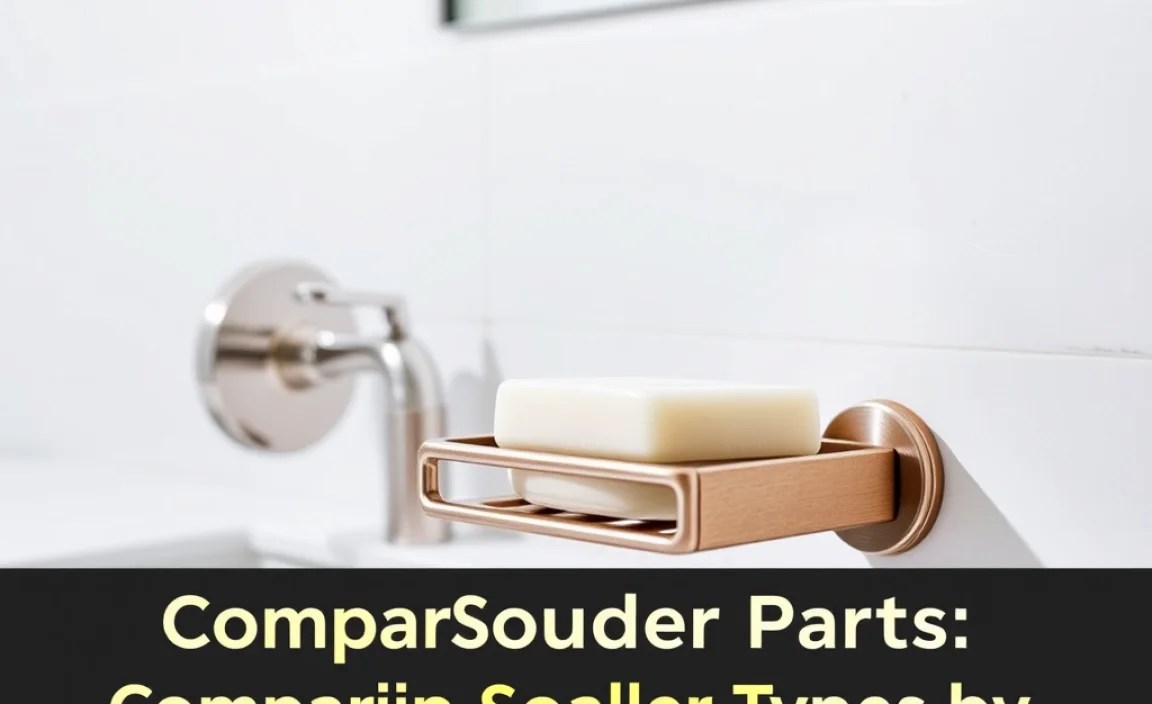
Understanding the parts helps when comparing different styles. Each type of soap holder prioritizes certain components based on its intended use and installation method. Here’s a comparison of common types:
| Soap Holder Type | Primary Base/Mounting | Cradle Design | Drainage Features | Retention Features | Pros | Cons |
|---|---|---|---|---|---|---|
| Wall-Mounted (Adhesive/Suction) | Adhesive tape or suction cup | Often a shallow tray with holes or slats | Perforated base, angled design | Slight lip, textured surface | Easy installation, no drilling, good for renters | Adhesive can fail, suction cups can lose grip; not for very heavy items |
| Wall-Mounted (Screw) | Screws | Can be tray, basket, or bar design | Perforations, slats, open design | Lip, grooves, robust structure | Most secure and durable, long-term solution | Requires drilling, permanent fixture |
| Shower Caddy with Soap Dish | Hangs over shower head or mounts to rod | Integrated tray or basket | Drainage holes in the tray/basket | Basket design helps prevent falls | All-in-one storage for shampoo, etc., good organization | Can be bulky, may obstruct shower head/controls |
| Countertop/Sink Side Holder | Freestanding base (weighted, non-slip) | Shallow tray, sometimes with a divider | Drainage holes or angled design | Lip to contain soap | Portable, no installation needed, keeps surfaces dry | Takes up counter space, can be knocked over |
| Magnetic Soap Holder | Mounts to wall with screw or adhesive | A small disk pressed into the soap (attaches to a wall-mounted magnet) |
N/A (soap is suspended) | Magnetic attraction | Keeps soap dry, no mess, minimal holder visible | Requires pressing disk into soap, magnet can be lost |
| Soap Saver Bag/Luffa Pouch | Often hangs from a drawstring | The bag itself | Mesh fabric allows water to drain and air to circulate | Drawstring closure | Uses up small soap slivers, easy to hang, good lather | Soap bar can get stuck, bag needs drying |
When choosing a soap holder, think about where it will go, how often you’ll access it, and how much effort you want to put into installation and maintenance. The construction elements we’ve discussed are present in all these variations, just implemented differently.
Materials Matter: Choosing the Right Construction

The materials used in a soap holder’s construction significantly impact its durability, aesthetics, ease of cleaning, and how it interacts with moisture. For a beginner, understanding common materials can help in making a choice that lasts.
Common Materials for Soap Holder Parts
- Plastic (ABS, PVC): Generally inexpensive, lightweight, and water-resistant. Can be molded into almost any shape, making them versatile for drainage and retention features. However, cheaper plastics can sometimes look less premium and may degrade over time with prolonged exposure to UV light or harsh cleaning chemicals.
- Stainless Steel: A very popular choice for bathrooms due to its excellent durability, corrosion resistance (especially in humid environments like showers), and sleek, modern look. It’s hygienic and easy to clean. Higher grades of stainless steel (like 304) are best for preventing rust.
- Ceramic/Porcelain: Offers a classic, elegant look and is very hygienic and easy to clean. Often used for wall-mounted holders or countertop dishes. However, ceramic is brittle and can chip or break if dropped or hit hard. Ensure the glaze is intact for water resistance.
- Aluminum: Lightweight and resistant to rust, often used in shower caddies or sometimes for wall-mounted holders. It can be anodized or coated for various finishes. Less prone to chipping than ceramic, but can sometimes be scratched.
- Glass: Primarily used for countertop dishes. It looks elegant and is easy to clean. Like ceramic, it’s fragile and can shatter if dropped.
- Bamboo/Wood: A more eco-friendly and natural-looking option. Often used for countertop dishes or simple bath accessories. Wood needs to be properly sealed to resist moisture and prevent mold or rot. Requires more careful cleaning and drying than other materials.
- Silicone: Often used for suction cups or flexible drainage mats. It’s waterproof, flexible, and provides good grip. It’s generally durable, but can sometimes pick up color from soaps or mildew in damp conditions if not cleaned regularly.
When selecting a soap holder, consider the environment it will be in. A stainless steel or high-quality plastic holder is usually a safe bet for a shower. For a countertop, ceramic or glass can add a touch of elegance, provided you’re careful.
Installation and Maintenance Tips for Different Parts
Even the best-constructed soap holder won’t perform optimally if not installed correctly or maintained properly. Here are some tips focusing on the construction elements we’ve discussed.
Installation: Getting it Right
- Surface Preparation (for Adhesive/Suction): Before applying any adhesive or suction cup holder, ensure the surface is impeccably clean and dry. Use rubbing alcohol to wipe down the area – this removes residue that can prevent a good seal. For suction cups, sometimes wetting the cup slightly can help achieve a better initial seal.
- Drilling for Screw Mounts: If you’re screwing a holder into your wall, use a level to ensure it’s straight. Drill pilot holes slightly smaller than the screws to prevent splitting materials like wood or plastic. Use appropriate anchors (like plastic wall anchors) if drilling into drywall or tile. For a professional look, consider using a tile bit for ceramic tile and proceed slowly.
- Alignment for Caddies: For shower caddies that hang over the shower head, ensure they don’t interfere with the water flow or shower controls. Adjust their position for easy reach and to prevent them from tilting precariously.
- Freestanding Stability: For countertop holders, place them on a flat, stable surface away from the edge where they might be bumped or a spill could occur.
For more detailed installation guides, especially for wall-mounted fixtures in bathrooms, the Consumer Product Safety Commission (CPSC) offers general safety and installation advice that can be very helpful.
Maintenance: Keeping it Functional and Clean
- Drainage Ports: Regularly check the drainage holes or slats for soap scum buildup. Use an old toothbrush or a cotton swab dipped in a mild soap-and-water solution or a vinegar-water mix to gently scrub them clean. This ensures water can flow freely.
- Surface Cleaning: Wipe down the soap cradle and any surrounding parts regularly with a damp cloth and mild cleaner. This prevents grime and mildew from accumulating, especially on plastic or silicone components. For stainless steel, use a soft cloth and a cleaner specifically designed for stainless steel to avoid scratches.
- Adhesive/Suction Check: Periodically check that adhesive holders are still firmly attached. If you notice any loosening, you might need to replace the adhesive strip. For suction cups, remove them periodically, clean both the cup and the surface, and reapply to restore grip.
- Drying: For countertop holders or holders made of natural materials like bamboo, ensure they dry out completely between uses to prevent mildew.
Proper installation and regular, simple maintenance will ensure your soap holder functions as designed for a long time, keeping your soap dry and your space tidy.
Frequently Asked Questions (FAQ)
What are the main parts of a soap holder?
The main parts are the base (for mounting), the soap cradle (where the soap rests), the drainage system (to let water escape), and sometimes a retention mechanism (to keep the soap from slipping).
Why is drainage so important in a soap holder?
Good drainage allows water to flow away from the soap, preventing it from becoming soft and mushy. This helps your bar soap last much longer.
Are magnetic soap holders reliable?
Yes, magnetic soap holders are generally very reliable. The magnet holds the soap firmly, and the elevated position keeps the soap bar dry and away from water.
