
Understanding soap holder terminology like “suction cup,” “adhered,” and “wall-mounted” helps you choose the best option for your bathroom. Each type has unique pros and cons regarding installation ease, durability, and potential damage to your walls. This guide breaks down the essential terms, their benefits, and drawbacks to make your selection simple and confident.
Tired of soggy soap bars and messy bathroom counters? Choosing the right soap holder can make a big difference. But the world of soap holders can seem a little confusing with all the different terms thrown around. What’s the difference between a suction cup holder and an adhered one? Does “wall-mounted” mean drilling holes?
Don’t worry, we’re here to clear the air! As Bryan Lee, your go-to for all things DIY and home maintenance, I want to make this super simple for you. We’ll dive into the common soap holder terms, explore their advantages, and point out any potential downsides. This way, you can pick the perfect soap holder without any guesswork.
Let’s get your bathroom organized and your soap bars happy!
Understanding Soap Holder Terminology: Your Ultimate Guide
Finding the right soap holder might seem like a small detail, but it’s key to a tidy and functional bathroom. The terminology used can sometimes be a bit technical, but it all boils down to how the holder attaches to your surface and what its main features are. Understanding these terms will help you make an informed decision, saving you time, frustration, and maybe even a damaged wall!
We’re going to break down the most common terms you’ll encounter. For each type, we’ll look at what it means, why it’s a good choice (the pros), and where it might fall short (the cons). This will empower you to select a soap holder that fits your needs, your bathroom style, and your DIY skill level.
1. Suction Cup Soap Holders
Suction cup soap holders are probably the most common type you’ll see. Their name says it all – they use a rubber or silicone cup that creates a vacuum seal against a smooth, non-porous surface like tile, glass, or metal. To install, you typically just press the cup firmly against the wall and push down a tab or lever if it has one, creating that strong hold.
Pros of Suction Cup Soap Holders:
- Easy Installation: No tools, no drilling, no permanent marks. You can usually attach and detach them in seconds.
- Temporary Solution: Perfect for renters or if you like to rearrange your bathroom often. You can move them around with ease.
- Affordable: Generally, these are among the least expensive soap holder options available.
- Variety: Come in many shapes and sizes, some with drainage holes to keep soap dry.
Cons of Suction Cup Soap Holders:
- Surface Dependent: They only work on smooth, non-porous surfaces. They won’t stick to painted drywall, textured tiles, or matte finishes.
- Reliability Issues: Over time, the suction can weaken, especially in humid bathrooms. They might occasionally fall off, especially if overloaded or if the seal gets compromised by soap residue.
- Limited Weight Capacity: Not ideal for very heavy or large bar soaps, as they can pull the suction cups off the wall.
- Appearance: Some people find the look of suction cups less sophisticated than other mounting methods.
2. Adhered/Adhesive Soap Holders
Adhered or adhesive soap holders use a strong sticky backing, often in the form of a waterproof double-sided tape or a special adhesive pad. These are designed to stick permanently (or semi-permanently) to your wall. You peel off a backing strip and press the holder firmly into place. Some might have a strong glue that requires specific removal techniques.
Pros of Adhered/Adhesive Soap Holders:
- No Drilling Required: Unlike traditional wall-mounted options, these avoid holes in your walls.
- Stronger Hold than Suction Cups: The adhesive generally provides a more robust and reliable hold than suction alone, especially on certain surfaces.
- Versatile Placement: Can often be used on a wider range of surfaces than suction cups, including some types of painted surfaces or finished wood, depending on the adhesive strength.
- Sleek Designs: Many come in stylish designs that can blend seamlessly with your bathroom décor without visible hardware.
Cons of Adhered/Adhesive Soap Holders:
- Potentially Damaging Removal: Removing them can sometimes peel paint, leave sticky residue, or even damage the wall surface if not done carefully. It’s crucial to check the manufacturer’s removal instructions.
- Semi-Permanent: Once stuck, they are not easily repositioned and are meant to stay in place for a long time.
- Surface Preparation Critical: The surface must be clean, dry, and often degreased for the adhesive to work effectively.
- Moisture Sensitivity: While designed for bathrooms, extreme humidity or frequent direct water spray can weaken some adhesives over time.
3. Wall-Mounted (Drill/Screw) Soap Holders
These are the classic, sturdy soap holders that require drilling holes into your wall and securing the holder with screws. They are often made of metal (like stainless steel or brass) or ceramic and are designed for long-term use. This is the most traditional and often considered the most durable option.
Pros of Wall-Mounted Soap Holders:
- Maximum Durability and Strength: Screwed directly into the wall studs or using appropriate anchors, these can hold significant weight and last for many years.
- Permanent and Secure: Once installed, they are not going anywhere and can be relied upon.
- Aesthetically Pleasing: Many designs are very attractive and add a touch of quality to a bathroom.
- Ideal for Heavy Items: Great for larger soaps, soap dispensers, or even small decorative items.
Cons of Wall-Mounted Soap Holders:
- Installation Requires Tools: You’ll need a drill, drill bits, a screwdriver, and possibly a stud finder and level.
- Permanent Installation: You’ll have holes in your wall, which can be a concern for renters or those who don’t want to make permanent changes.
- Can Damage Walls: Improper installation can lead to cracked tiles or damaged drywall.
- Less Versatile Placement: You’re committed to the location once drilled.
4. Corner Soap Holders
Corner soap holders are specifically designed to fit into the corner area of your shower or bathtub. They can come in various mounting styles: suction cup, adhered, or wall-mounted (often with two points of contact for stability). Their primary advantage is efficient use of often-unused space.
Pros of Corner Soap Holders:
- Space Saving: Excellent for utilizing corner space, especially in smaller bathrooms or showers.
- Keeps Soap Accessible: Places soap conveniently within reach during a shower.
- Varied Mounting Options: Available in suction, adhesive, or screw-in types, offering flexibility.
- Often Have Drainage: Many corner designs are sloped or have holes to ensure water drains away.
Cons of Corner Soap Holders:
- Mounting Limitations Apply: The pros and cons of the specific mounting type (suctioned, adhered, etc.) still apply.
- Can Be Tricky to Install Neatly: Getting a perfect fit and a secure hold in a corner can sometimes be more challenging than on a flat wall.
- May Block Access to Fixtures: In some layouts, a corner holder might slightly impede access to a handle or showerhead.
5. Soap Dishes with Drains/Dispensers
This category refers less to the mounting method and more to the functionality of the holder itself. A soap dish with drains is designed with holes or slats to allow water to escape, preventing the soap from becoming mushy. Holders with dispensers might have a built-in liquid soap or gel dispenser that looks like a solid bar soap holder.
Pros of Draining/Dispenser Holders:
- Extends Soap Life: Draining designs keep bar soap dry and firm, making it last longer.
- Reduces Mess: Prevents that slippery residue around the soap.
- Convenience: Dispensers offer a mess-free way to use liquid soap without a separate bottle.
- Hygienic: Some dispenser designs are more hygienic than touching a bar of soap directly.
Cons of Draining/Dispenser Holders:
- Cleaning Can Be Tricky: The drainage holes or dispenser mechanisms can sometimes be hard to clean thoroughly.
- Soap Might Shrink: If you use very small bar soaps, they might shrink and fall through the larger drainage gaps.
- Dispensers Require Refills: You need to keep the dispenser filled with liquid soap or gel.
- Can Be More Expensive: These functional additions often come with a higher price tag.
Comparing Soap Holder Mounting Methods
To really get a handle on which soap holder is best for you, let’s compare the main mounting methods side-by-side. This table focuses on key aspects like ease of installation, durability, and the potential for wall damage.
| Mounting Method | Ease of Installation | Durability/Strength | Potential for Wall Damage | Best For |
|---|---|---|---|---|
| Suction Cup | Very Easy (No Tools) | Low to Medium (Surface Dependent) | None (Non-Permanent) | Renters, Frequent Rearranging, Smooth Surfaces |
| Adhered/Adhesive | Easy (Peel & Stick, No Tools) | Medium to High (Surface & Adhesive Strength Dependent) | Moderate (Residue, Paint Peeling) | Those who avoid drilling, Diverse Surfaces (check adhesive) |
| Wall-Mounted (Drill/Screw) | Challenging (Requires Tools) | Very High (Permanent & Secure) | High (Drill Holes) | Homeowners, Long-Term Solutions, Heavy Loads |
| Magnetic | Easy (Requires Anchor in Wall) | Medium (Depends on Magnet Strength & Anchor) | Low to Moderate (Small Hole for Anchor) | Minimalist Look, Secure Hold without a Tray |
Note: For the most reliable installation of wall-mounted fixtures, it’s always best to screw into wall studs whenever possible. If studs are not accessible, use appropriate wall anchors designed for your wall type (e.g., drywall, plaster, tile) to ensure a secure and safe hold. Resources like This Old House’s guides on installation can offer helpful tips for working with walls.
6. Magnetic Soap Holders
Magnetic soap holders are a clever design where a small metal disc is pressed into the bar of soap. This disc then attaches to a magnetic bracket, which is typically adhered or screwed to the wall. It’s a seemingly minimalist approach that keeps soap raised and dry.
Pros of Magnetic Soap Holders:
- Sleek and Minimalist: The holder itself is often very small and unobtrusive.
- Keeps Soap Dry: The soap hangs freely, allowing for excellent air circulation and quick drying, extending soap life.
- Easy to Use: Simply press the metal disc into your soap and attach it to the magnet.
- Interesting Conversation Piece: The floating soap effect can be a fun detail in the bathroom.
Cons of Magnetic Soap Holders:
- Requires a Method to Attach Magnet to Wall: The magnetic bracket itself needs to be mounted, usually with adhesive or screws, bringing the same pros/cons as those methods.
- Metal Disc Can Be Lost: The small metal discs can be misplaced.
- Not for All Soaps: Some handmade or very soft soaps might not hold the disc securely.
- Can Deteriorate if Not Properly Made: The coating on the metal disc could potentially rust if it’s cheap material and constantly exposed to water. High-quality ones are usually fine for years.
Essential Terminology to Remember
When you’re shopping for a soap holder, you’ll want to keep these terms in mind alongside the mounting methods. They describe features and benefits that can make a big difference in your daily routine.
Drainage
This refers to the ability of the soap holder to let water escape. Look for holders with holes, slots, or a sloped design. Good drainage is crucial for keeping bar soap from turning into a gooey mess, making your soap last longer and your holder cleaner.
Ventilation
Similar to drainage, ventilation means allowing air to circulate around the soap. This helps it dry out completely between uses. Holders that suspend soap or have open designs offer better ventilation than solid, enclosed dishes.
Non-Porous Surface
This is a key term for suction cup holders. Materials like glazed ceramic tile, glass, and polished metal are considered non-porous because they don’t absorb liquids. These are the surfaces where suction cups will hold best. Painted drywall, wood, and textured tiles are usually porous or have surfaces that don’t allow a good vacuum seal.
Adhesive Strength
For adhered soap holders, the strength of the adhesive is paramount. Look for descriptions like “heavy-duty,” “waterproof bathroom adhesive,” or specific brands known for strong bonding. Always ensure the adhesive is suitable for bathroom environments, which have high humidity.
Load Bearing Capacity
This indicates how much weight the soap holder can safely support once installed. Suction cup holders typically have a low load-bearing capacity, while wall-mounted screw-in types have the highest. Always check product specifications if you plan to place a larger or heavier item on the holder.
Corrosion Resistance
Especially important for metal soap holders, this means the material is treated or made in a way that prevents rust and degradation from moisture. Look for terms like “stainless steel,” “brass,” “powder-coated,” or “anodized aluminum” for good corrosion resistance.
Choosing the Right Soap Holder for You
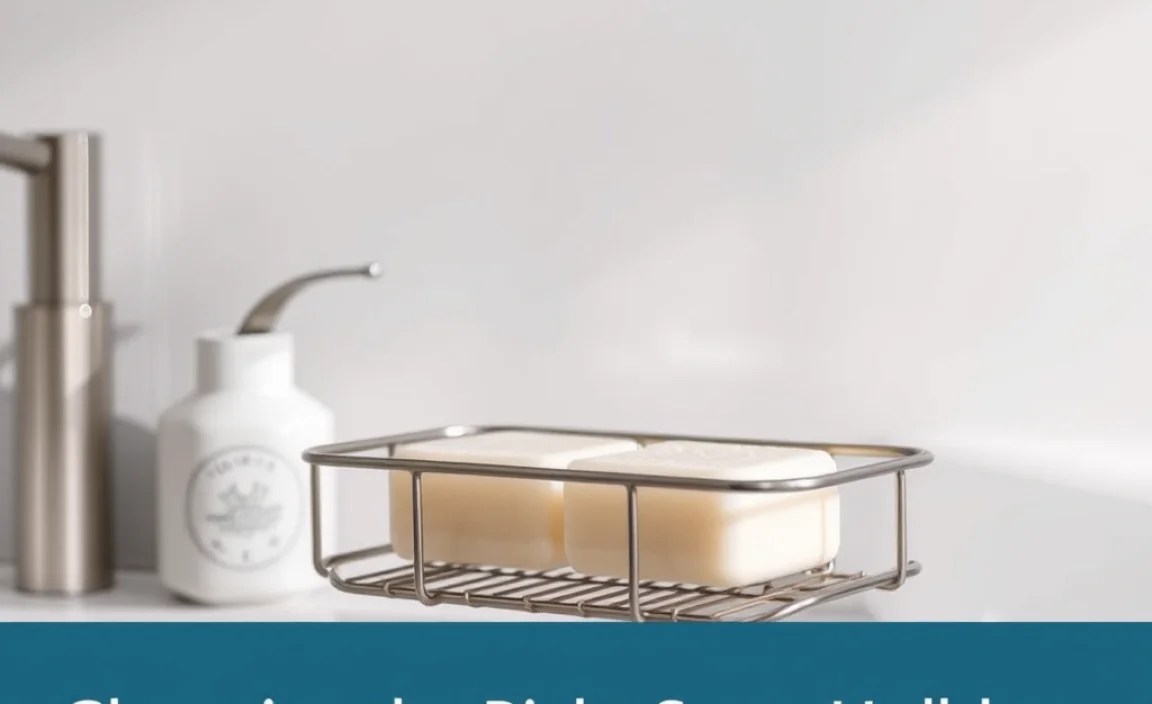
So, with all this terminology and the pros and cons laid out, how do you pick the best one for your home? Here’s a quick thought process:
- Assess Your Bathroom:
- Are your shower walls smooth tile or glass? (Suction cups might work!)
- Are they painted drywall or textured? (Adhesive or wall-mounted might be better.)
- Is it a rental property where you can’t drill holes? (Suction or adhesive are your friends.)
- Are you a homeowner ready for a permanent fixture? (Wall-mounted offers the most security.)
- Consider Your Soap:
- Do you use a lot of bar soap that gets mushy? Look for excellent drainage and ventilation.
- Do you prefer liquid soap? A wall-mounted dispenser might be the tidiest.
- Are your bar soaps quite large? Ensure the holder has a good load-bearing capacity.
- Think About Your DIY Comfort Level:
- Are you comfortable using power tools? Wall-mounted is an option.
- Do you prefer a quick and easy solution with no tools? Suction or adhesive might be best.
- Budget and Style:
- Suction cup holders are typically the most budget-friendly.
- Adhesive and wall-mounted options offer a wide range of styles and price points, from basic to very decorative.
For instance, if you’re in a rental and have tiled shower walls, a high-quality suction cup holder with good drainage is likely your best bet. If you own your home and want a super-durable, stylish solution for a large bar of soap, a stainless steel wall-mounted holder installed securely into a stud is the way to go.
Frequently Asked Questions (FAQ)
Q1: Will suction cup soap holders actually stay on my shower wall?
A: Suction cup holders work best on smooth, clean, non-porous surfaces like glossy tiles or glass. Clean the wall and the suction cup thoroughly before applying. For extra hold, you can slightly dampen the cup or use a tiny bit of petroleum jelly around the edge, though this can be messy. They are less reliable in very humid conditions or on textured surfaces. If they fall, it’s usually easy to reapply them or consider an adhesive option.
