
Quick Summary
Understanding the “structure of mirror vs alternative” means knowing how mirrors reflect and how other materials interact with light. Mirrors have a special coating for clear reflection, while alternatives diffuse light or absorb it. This guide breaks down their construction and use, helping you choose the right option for your project.
Hey there, DIY champions! Ever stare at your reflection and wonder how that clear image appears? Or maybe you’ve been in the middle of a project and wondered if there’s something “other than a mirror” that could do the job, but in a different way? It’s a common question, especially when “mirror” can mean more than just that shiny thing in your bathroom. The way things reflect light is fascinating, and understanding the “structure of mirror vs alternative” can save you time and money. Don’t worry if it sounds complicated; we’re going to break it down into simple, actionable steps. By the end of this guide, you’ll be able to spot the difference and know exactly what you need for any situation. Let’s get started!
What Exactly IS a Mirror?
At its core, a mirror is designed to reflect light very efficiently and in a predictable way. This means when light hits its surface, it bounces off at the same angle it arrived, creating a clear, recognizable image of whatever is in front of it. Think of it like tossing a ball against a smooth wall – it bounces straight back. That’s the idea behind how mirrors work.
The Basic Anatomy of a Standard Mirror
Most common household mirrors have a few key layers working together:
- Glass: This is the foundation. It’s usually plate glass, chosen for its flatness and clarity. The smoother the glass, the clearer your reflection will be.
- Reflective Coating: This is the magic layer! It’s typically a thin sheet of metal, most commonly silver or aluminum, applied to the back of the glass. This metal is what actually bounces the light back.
- Protective Layer: Over the reflective coating, there’s a layer of paint or another protective material. This shields the delicate metal backing from scratches, corrosion, and moisture, ensuring your mirror stays clear for a long time.
The perfect flatness of the glass and the smooth, even application of the metal coating are crucial. Any tiny imperfection here can distort your reflection. This is why you can still see yourself clearly, even from different angles.
Understanding Mirror Alternatives: When Reflection Isn’t the Goal (Or the Same Kind of Reflection!)

Now, let’s talk about the “alternatives.” When we say alternative to a mirror, we’re usually talking about surfaces that don’t produce that sharp, precise reflection. Instead, they might:
- Diffuse Light: This means scattering light in many directions, like a frosted window or a matte white surface. You might see a bright glow, but not a clear image.
- Absorb Light: Some surfaces soak up light, making them appear dark or black. Think of black velvet.
- Create a Distorted Reflection: Some materials, like polished metal that isn’t perfectly flat or certain types of plastic, will reflect light, but the image will be warped, hazy, or smeared.
- Allow Light Through: Transparent materials like clear glass or plastic let light pass through them, so you see what’s on the other side, not a reflection.
The key difference lies in how these materials interact with incoming light. Mirrors are designed for specular reflection (smooth, image-forming), while alternatives often engage in diffuse reflection (scattering light) or absorption.
Mirror vs. Alternative: A Deeper Dive into Their Structures
Let’s break down the structure of a typical mirror and contrast it with common alternatives. This will really highlight why they behave so differently.
Structure of a Standard Mirror (Recap & Detail)

We touched on this, but let’s reinforce the layers:
| Layer | Material | Purpose |
|---|---|---|
| 1. Front Surface | Glass | Provides a smooth, flat surface. Protects the reflective layer. |
| 2. Reflective Layer | Silver or Aluminum | Bounces light back to form an image. |
| 3. Protective Coating | Paint or Polymer | Prevents scratches, moisture, and oxidation of the reflective layer. |
The quality of the glass and the uniformity of the metallic coating are paramount. Manufacturers strive for absolute flatness and an even, unbroken layer of metal. This is why you get a sharp, true-to-life reflection.
Structures of Common Mirror Alternatives
Here’s how some common alternatives differ:
1. Frosted Glass/Acrylic
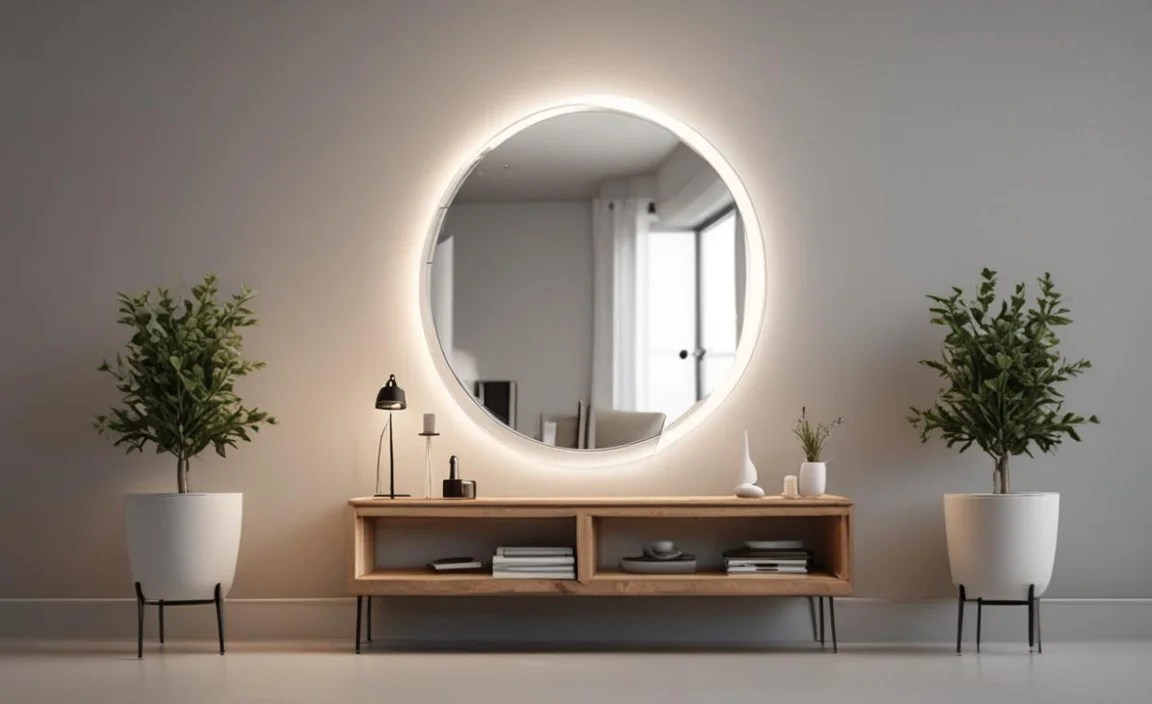
Instead of a smooth metallic layer, frosted surfaces have a roughened texture. This can be achieved through:
- Etching: Using chemicals or abrasive materials to create a pitted surface on the glass.
- Sandblasting: Blasting the surface with sand or other abrasive particles to create micro-irregularities.
- Applying a Diffusing Film: A special translucent film that scatters light.
When light hits these micro-irregularities, it doesn’t bounce back in one clear direction. It scatters in all directions, creating a soft, hazy effect rather than a sharp image. You can often see shapes and colors dimly, but no fine details.
2. Polished Metal (Non-Mirror Grade)
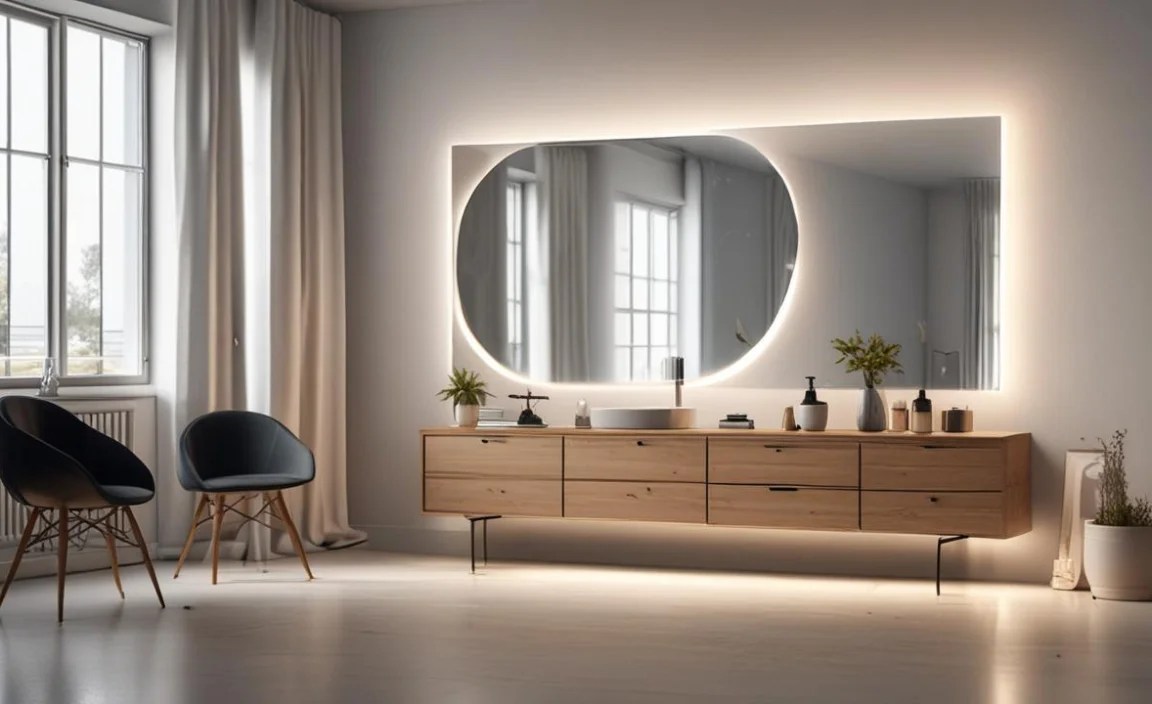
You might think a polished chrome bumper or a stainless steel appliance is like a mirror, and in a way, it is. However, the surface is rarely as perfectly flat or as uniformly smooth as the glass in a mirror. Even microscopic imperfections can cause:
- Warped Reflections: The image appears bent or distorted.
- Scattered Highlights: Instead of one clear highlight, you might see many fuzzy bright spots.
- Reduced Clarity: The overall image is not as sharp as a true mirror.
These surfaces offer a reflective quality, making them useful for decorative purposes or as a less-expensive substitute where a perfect reflection isn’t critical. For more information on metal finishing techniques, you can explore resources from the American Welding Society (AWS), which often details surface preparation crucial for reflective finishes.
3. Translucent Plastics (e.g., Polycarbonate, Acrylic Sheets)
These materials inherently allow light to pass through them. While some might have a slight sheen, their main function is transparency or enabling light diffusion. Their structure is typically a solid, uniform polymer matrix that light can penetrate. They don’t have a metallic reflective coating.
4. Matte or Painted Surfaces
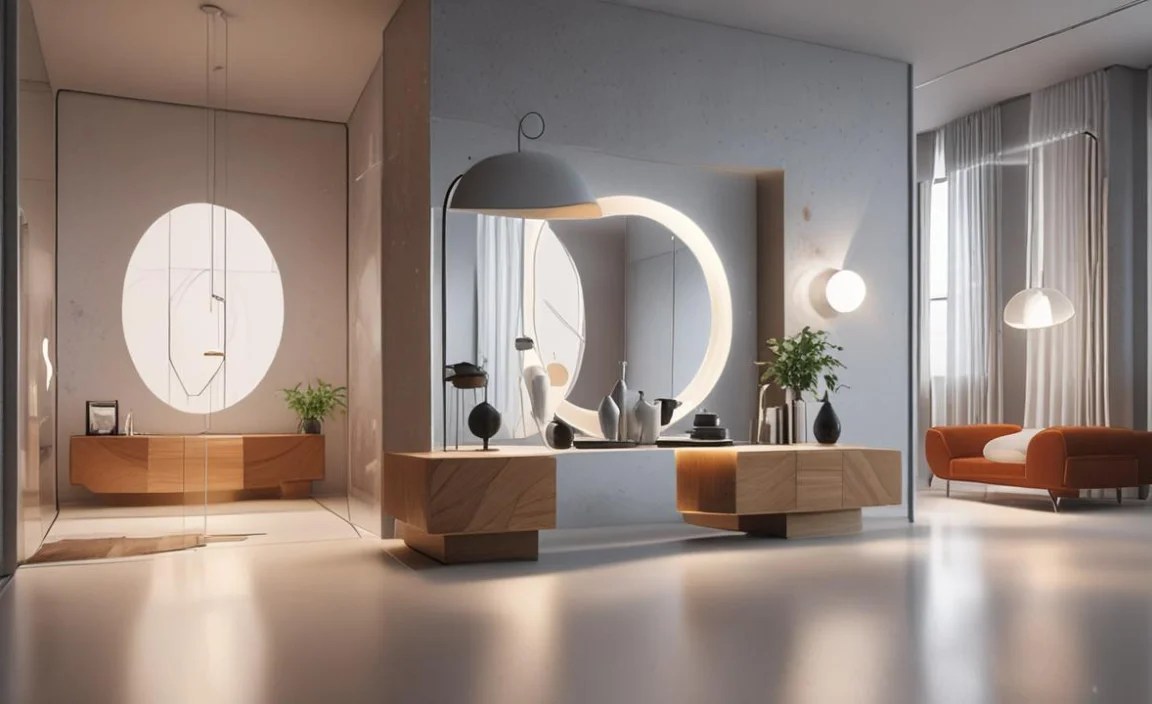
These surfaces are designed to absorb most of the light that hits them, rather than reflect it. Their structure is usually porous or has a non-glossy finish at a microscopic level. Think of a piece of paper or a flat-finish painted wall. They scatter any light that isn’t absorbed, but the absorption is so high that reflection of an image is virtually non-existent.
When to Use a Mirror and When to Use an Alternative

The choice between a true mirror and an alternative depends entirely on what you want to achieve. Here’s a breakdown to help you decide:
Situations Calling for a True Mirror:
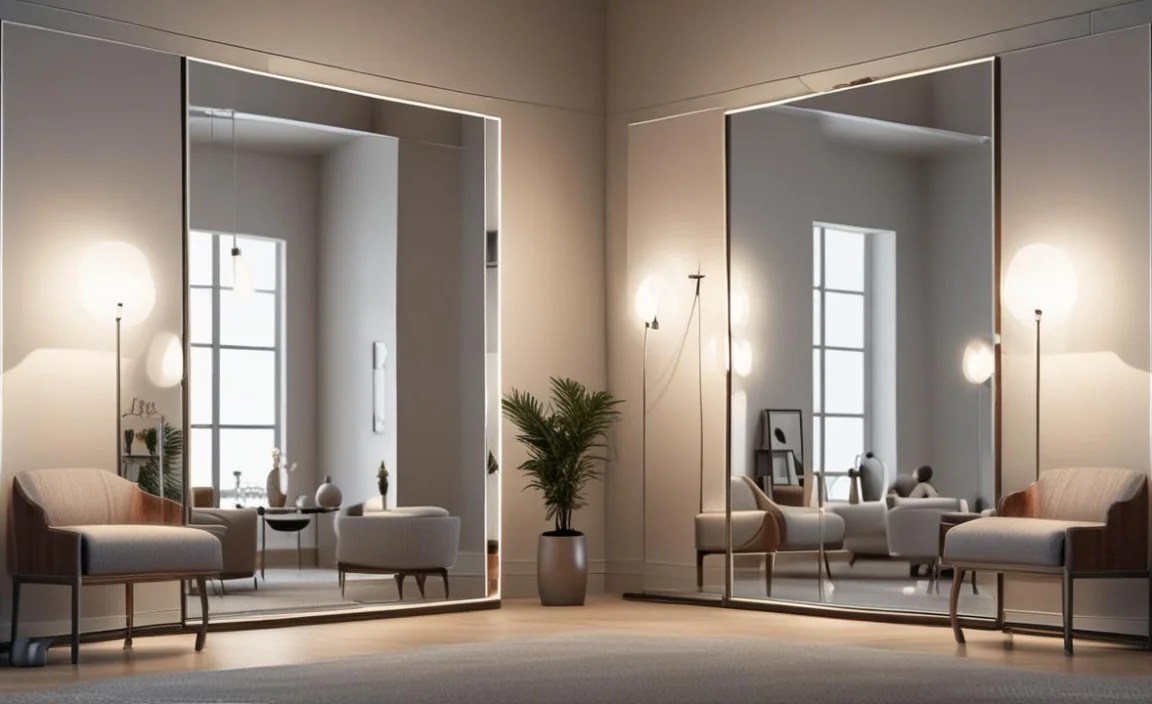
- Personal Grooming: Obvious, right? Shaving, applying makeup, checking your hairstyle.
- Optical Illusion: Creating a sense of more space in a room, as mirrors reflect light and visuals, making spaces feel larger.
- Telescopes and Periscopes: Precision optics require perfectly flat, highly reflective surfaces to bounce light accurately.
- Safety and Surveillance: Convex mirrors in shops or at road junctions provide a wide field of view to spot potential hazards.
- Art and Design: When you want a clear, crisp reflection for aesthetic purposes.
Situations Calling for Mirror Alternatives:
- Privacy: Frosted glass or plastic in bathrooms or on office partitions prevents clear viewing while still allowing light through.
- Decorative Lighting: A textured or iridescent surface that diffuses light can create beautiful ambient lighting effects.
- Reducing Glare: Matte or low-gloss surfaces absorb light and reduce harsh reflections, useful for computer screens or displays.
- Safety (Preventing Breakage): Acrylic mirrors are shatter-resistant alternatives to glass mirrors, ideal for nurseries, gyms, or high-traffic areas. You can find more about the properties of acrylics from resources like the Plastics Industry Association.
- Sound Absorption: While not a primary function, highly absorbent surfaces (like very matte materials) can slightly dampen sound compared to highly reflective glass.
- Creating a Soft Glow: Lampshades or diffusers use materials that scatter light softly rather than reflecting it sharply.
DIY Considerations: Choosing and Working with Mirrors and Alternatives

As a DIYer, you’ll encounter both true mirrors and various alternatives. Knowing their properties is key to successful projects.
Working with True Mirrors
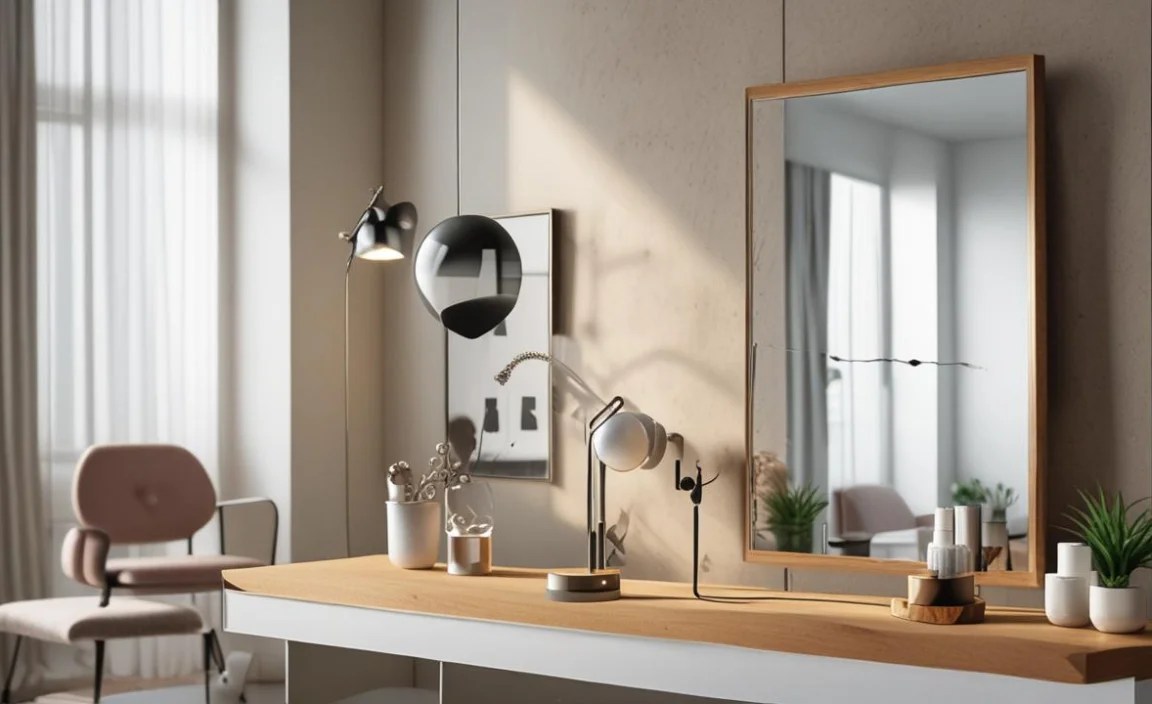
- Handling: Always handle with care. The glass can break, and the reflective coating is delicate. Wear gloves!
- Cutting: Cutting standard glass mirrors requires a glass cutter and a steady hand. There are many excellent tutorials available on proper glass cutting techniques. For safety, always score from the back to avoid damaging the reflective layer.
- Mounting: Use appropriate adhesive or mounting hardware. Ensure the surface behind the mirror is clean, dry, and smooth for the best adhesion and to prevent the mirror from warping.
- Cleaning: Use a good glass cleaner and a lint-free cloth. Avoid abrasive cleaners that can scratch the glass or damage the protective backing over time.
Working with Mirror Alternatives
The approach here varies greatly depending on the material:
- Frosted Glass/Acrylic: These can often be cut with standard tools for glass or acrylic, but the edges will show the frosted texture, which might be desirable or need finishing.
- Polished Metal Sheets: These can be cut with tin snips, a hacksaw, or specialized metal shears, depending on thickness. Be aware of sharp edges and potential for scratching during cutting and handling.
- Acrylic Mirrors: These are much more forgiving than glass. They can be sawn, drilled, and even routed with woodworking tools. However, overheating during cutting can cause melting, and aggressive sanding can create a non-reflective surface. For best practices in working with acrylics, consult guides from manufacturers like Altuglas International (a leading producer of PMMA acrylic).
- Translucent/Diffusing Plastics: Similar to acrylics but often designed specifically to scatter light. Cutting methods depend on the specific plastic type.
Pros and Cons: Mirror vs. Alternative at a Glance
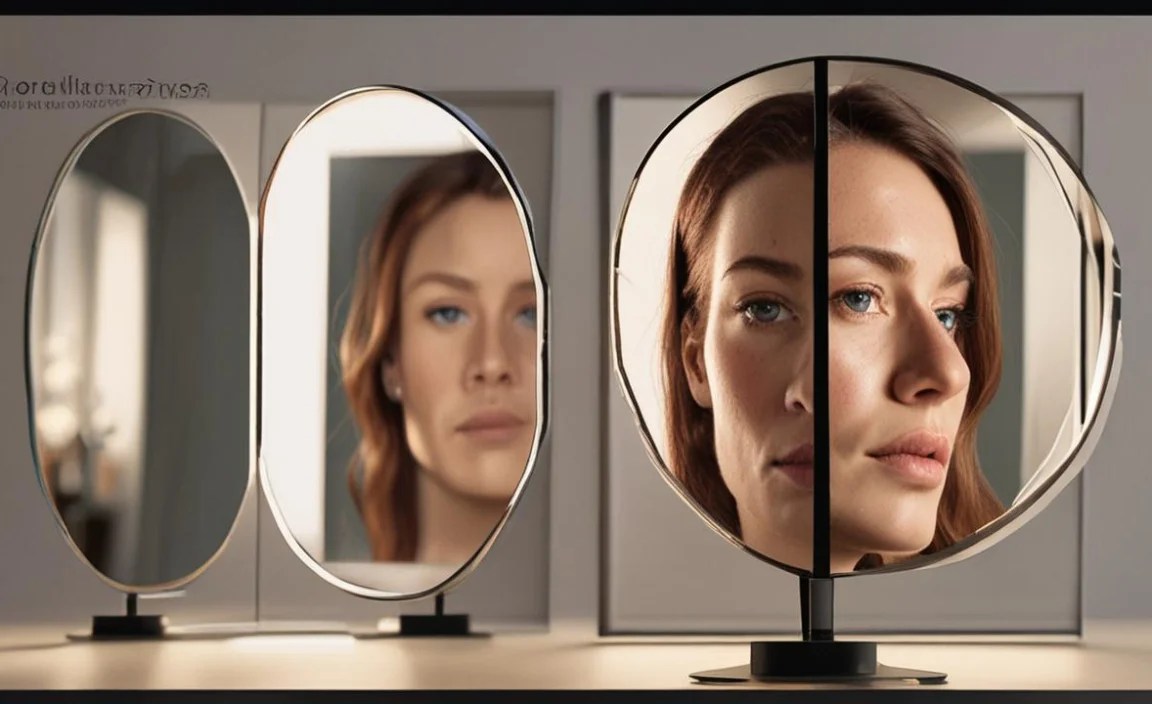
Here’s a quick comparison to help solidify your understanding:
| Feature | Standard Mirror | Mirror Alternatives (General) |
|---|---|---|
| Reflection Quality | Clear, sharp, true-to-life image (Specular Reflection) | Diffuse, hazy, distorted, or minimal reflection; often transparent. |
| Structure | Glass + Electroplated metal + Protective paint | Varied: Roughened surface (etched/sandblasted), non-flat polished metal, translucent polymers, absorbent materials. |
| Typical Use | Grooming, optics, space enhancement, clear viewing. | Privacy, decorative lighting, glare reduction, safety acrylics, diffusion. |
| Durability | Glass can shatter; reflective coating can degrade if not protected. | Varies greatly. Frosted surfaces can scratch. Acrylics are shatter-resistant but can scratch. Polished metals can dent/scratch. |
| Cost | Generally moderate to high, depending on size and quality. | Can range from very cheap to expensive, depending on material and complexity. |
| DIY Friendliness | Requires careful handling and specialized cutting for glass. | Varies. Acrylics are very DIY-friendly. Frosted glass needs care. Polished metal needs appropriate tools. |
Frequently Asked Questions (FAQ)
Q1: What’s the main difference between a mirror and a piece of shiny metal?

A1: A true mirror has a perfectly flat glass surface and a highly uniform, thin metallic coating (like silver or aluminum) applied to the back, resulting in a clear, undistorted reflection. Shiny metal, even when polished, often has microscopic imperfections that cause distortion or a less crisp image.
Q2: Can I make a mirror out of any shiny surface?

A2: Not usually for a clear, true reflection. While many shiny surfaces reflect light, only those with extremely flat and uniform surfaces, coupled with specific reflective coatings, can create the precise image a mirror does. Highly polished, very flat metals can approximate this, but are rarely perfect.
Q3: What is an “acrylic mirror” and how does it differ from a glass mirror?

A3: An acrylic mirror is made by applying a reflective coating to the back of a sheet of clear acrylic plastic. It’s much lighter and more shatter-resistant than glass mirrors, making it safer for certain applications. However, it’s also more prone to scratching.
Q4: If a surface scatters light, is it still reflective?

A4: Yes, but it’s a different kind of reflection called diffuse reflection. A mirror performs specular reflection, where light rays bounce off parallel to create an image. A scattered surface bounces light rays in many directions, so you don’t see a clear image, but the surface will still appear illuminated.
Q5: How do I clean a mirror without damaging the reflective layer?
A5: Use a soft, lint-free cloth and a mild glass cleaner. Spray the cleaner onto the cloth, not directly onto the mirror, especially around the edges, to prevent moisture from seeping behind the reflective layer and causing it to corrode. For stubborn spots, a dab of rubbing alcohol on the cloth can help.
Q6: Are there DIY ways to make surfaces more reflective?

A6: For a true mirror effect, DIY methods are very limited and often temporary or imperfect. However, you can enhance reflectivity on existing surfaces with specialized mirror spray paints or by polishing metal objects carefully. For diffusion, applying a frosted film or using specialized translucent paints are common DIY approaches.
Conclusion
So there you have it! We’ve journeyed from the fundamental physics of light reflection to the practical construction of mirrors and their many alternatives. Understanding the “structure of mirror vs alternative” is more than just a technical detail; it’s the key to choosing the right material for your home improvement projects, decorative endeavors, or even just for understanding the world around you. Whether you need the crisp, clear image of a true mirror for your morning routine or the soft diffusion of a frosted panel for privacy, you’re now equipped with the knowledge to make informed decisions.
Remember, mirrors are built for precise light bouncing, thanks to their glass, metal, and protective layers. Alternatives, on the other hand, might scatter, absorb, or partially transmit light, serving a wide range of different purposes. From shatter-resistant acrylic mirrors offering safety to textured surfaces that transform light into ambiance, the options outside of traditional mirrors are vast and exciting.
As you tackle your next DIY project, keep this guide in mind. Consider the function first: do you need to see yourself clearly, or do you want to play with light? With this understanding, you can confidently select the right materials, ensuring your projects are not only aesthetically pleasing but also perform exactly as you intend. Happy building, and don’t be afraid to experiment safely!
