
Quick Summary: The “system of mirror in construction” isn’t a literal system of mirrors like you’d find in a funhouse. Instead, it’s a clever architectural concept using reflective surfaces and often glass to enhance light, space, and visual appeal in buildings. It’s a brilliant design trick to make spaces feel bigger and brighter, and this guide explains how it works and its benefits.
Ever walked into a room and it felt surprisingly spacious and airy, even if it wasn’t that big? Or noticed how natural light seemed to bounce around, making the whole place feel more inviting? Chances are, you’ve experienced the genius of what can be called a “system of mirror” in construction. This isn’t about hanging a single mirror; it’s a thoughtful design approach using reflective materials, especially glass and mirrors, to trick the eye and manipulate light. It’s a fantastic way architects and designers make homes and buildings feel more open, brighter, and simply more pleasant to be in. Don’t worry if the term sounds a bit complex; by the end of this guide, you’ll understand exactly how this design works and appreciate its impact on everyday spaces.
Understanding the “System of Mirror” in Design

When we talk about the “system of mirror in construction,” we’re not conjuring images of elaborate mirror mazes. Instead, think of it as a strategic use of reflective surfaces, primarily glass and mirrors, integrated into the building’s design to achieve specific effects. It’s about using light and reflection to enhance the perceived size, brightness, and aesthetic appeal of an interior or exterior space. This approach leverages basic principles of optics to create a dynamic and engaging environment.
The core idea is simple: reflections can double the visual space, distribute light more effectively, and add a touch of modern elegance. This has been a design principle employed for centuries, though modern materials and techniques have made its application more sophisticated and versatile. From full glass facades that reflect the sky to strategically placed mirrored walls inside, the goal is to create a more desirable and functional space.
This design system is more than just decoration; it’s about functionality and aesthetics working hand-in-hand. It’s a way to:
- Make small spaces feel much larger.
- Maximize natural light, reducing the need for artificial lighting.
- Add a sense of depth and dimension.
- Create visually interesting architectural features.
- Improve the overall mood and ambiance of a space.
Understanding this “system” helps you appreciate how designed spaces work and how you might even incorporate similar principles into your own home projects, even on a smaller scale.
The Genius Behind Using Reflective Surfaces
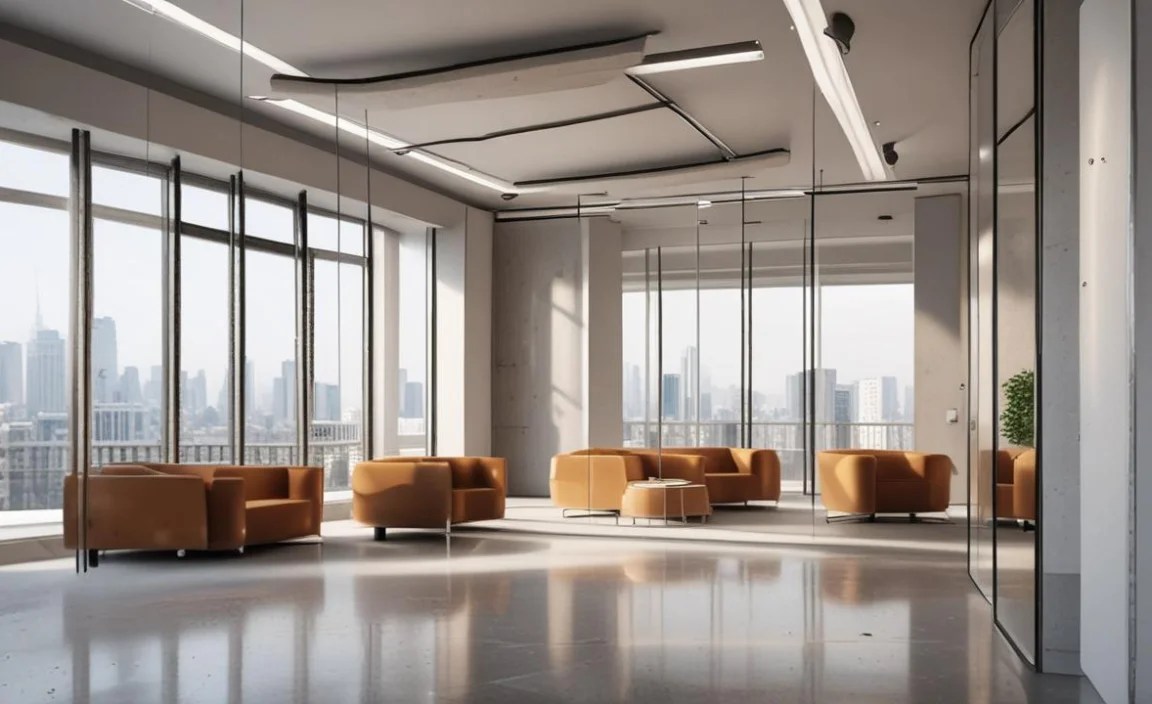
The “genius” of this design lies in its ability to achieve significant visual and functional improvements with seemingly simple materials. It plays with perception, making us feel a space is different than its physical dimensions might suggest. This is achieved through several key mechanisms:
Maximizing Light Utilization
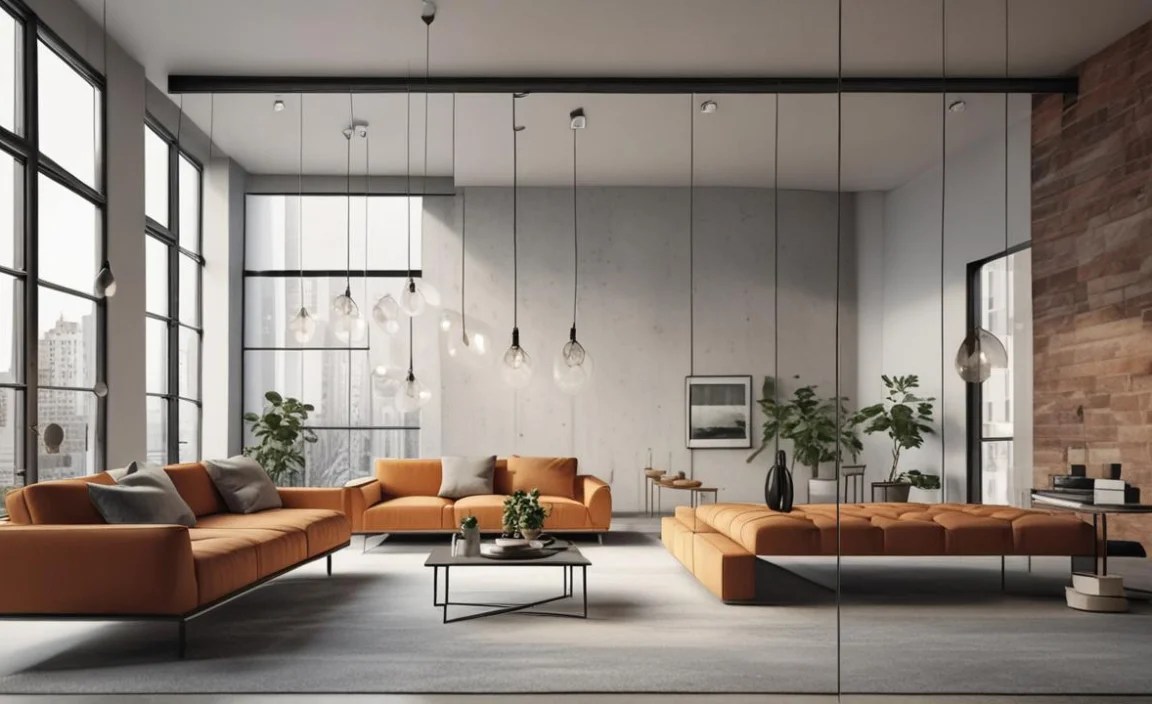
Natural light is a precious commodity in building design. A strategic “system of mirror” amplifies this light. Think of a large window: without reflective surfaces, much of that light might be absorbed by walls and furniture. However, when light hits a mirror or a highly reflective surface, it bounces off, scattering and illuminating other parts of the room. This effect can:
- Spread light deeper into a building: Even rooms far from windows can feel brighter.
- Reduce glare: Properly angled reflective surfaces can direct light where it’s needed, rather than creating harsh, direct light.
- Create a brighter, more inviting atmosphere: Well-lit spaces are generally perceived as more welcoming and pleasant.
Creating the Illusion of Space
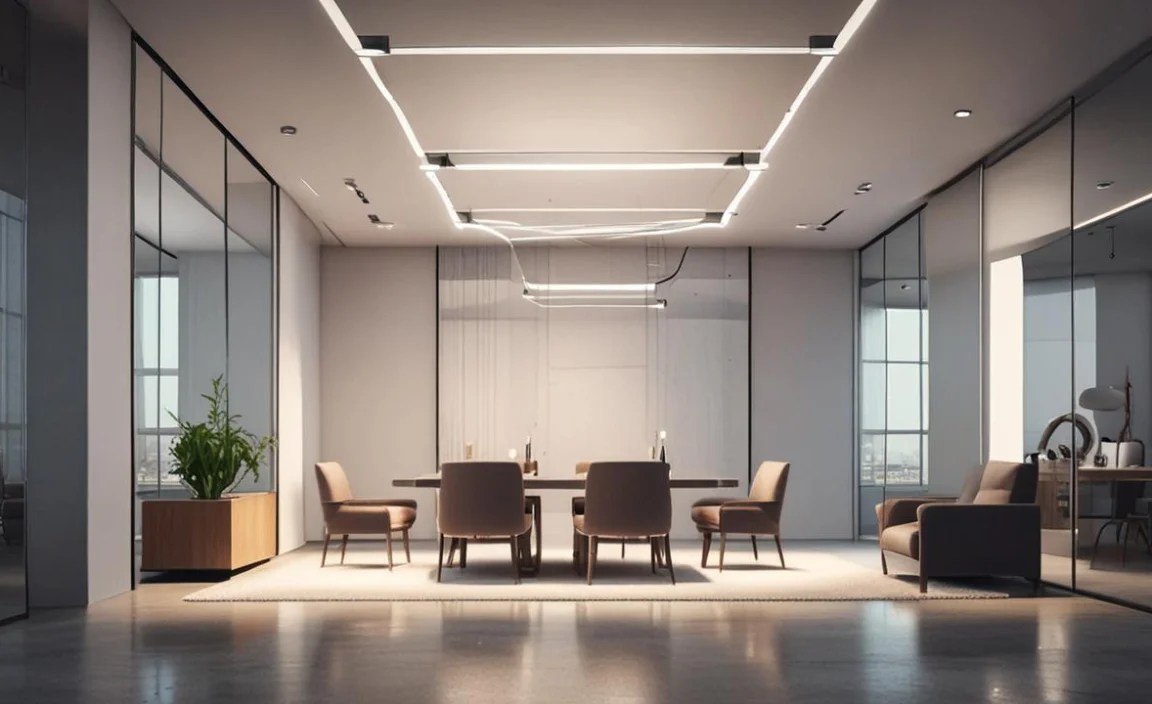
Perhaps the most celebrated aspect of using reflective surfaces is their power to make spaces feel larger. A well-placed mirror essentially doubles the visual footprint of a room. When a mirror reflects a significant portion of the room, including architectural features or views, the brain interprets this as an extension of the actual space.
This is particularly effective in:
- Small rooms: Hallways, bathrooms, and compact bedrooms benefit enormously.
- Areas with limited views: A mirror can reflect a pleasant scene or architectural detail, creating a falsa ventana (a ‘false window’).
- Open-plan living: Mirrored walls can strategically divide or expand visual zones without adding physical barriers.
Enhancing Aesthetics and Drama
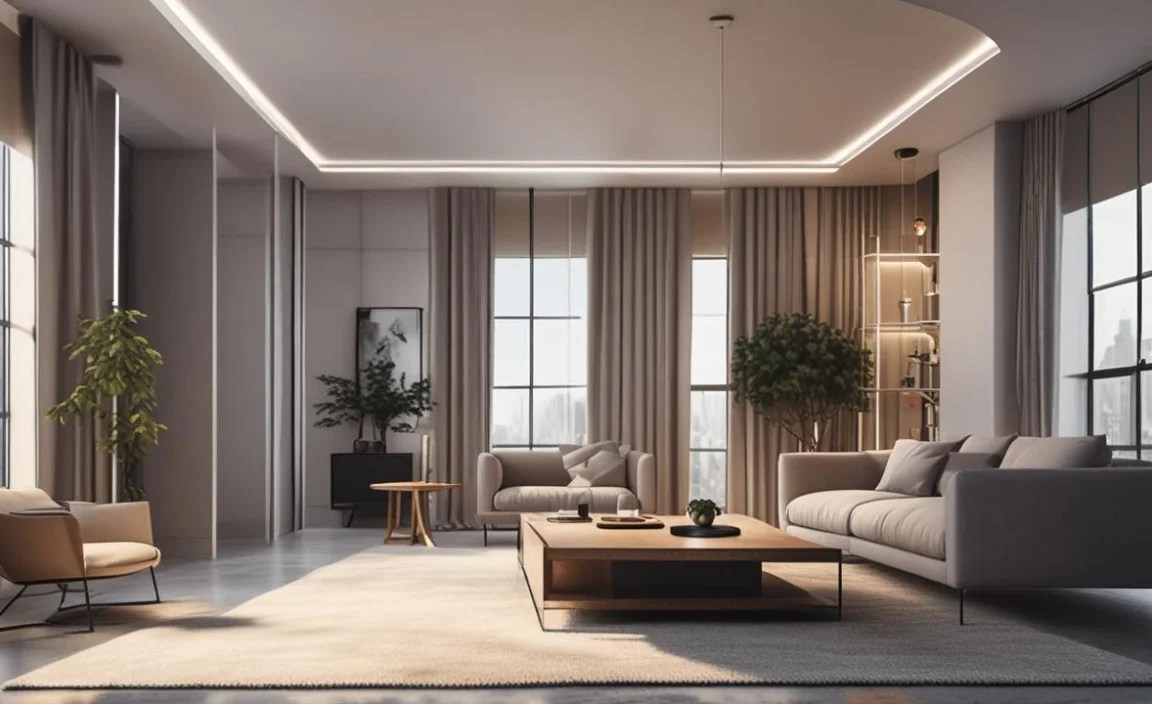
Beyond functionality, reflective surfaces add a layer of sophistication and visual interest. Clean lines of glass, the subtle shimmer of mirror, and the way they interact with light can transform a mundane space into something extraordinary. They can:
- Add depth and dimension: Layering reflections creates a sense of intricate space.
- Highlight architectural features: A mirror can draw attention to a beautiful fireplace, a piece of art, or an interesting ceiling detail.
- Introduce a sense of luxury: Polished surfaces and reflective materials often convey a high-end feel.
- Create dynamic visual effects: The play of light and shadow across reflective surfaces can change throughout the day, offering a dynamic visual experience.
Types of Reflective Surfaces Used in Construction

The “system of mirror in construction” isn’t limited to just one type of mirror. Architects and designers employ a variety of reflective materials and glass treatments to achieve different effects and suit various applications. Here are some common ones:
Standard Mirrors
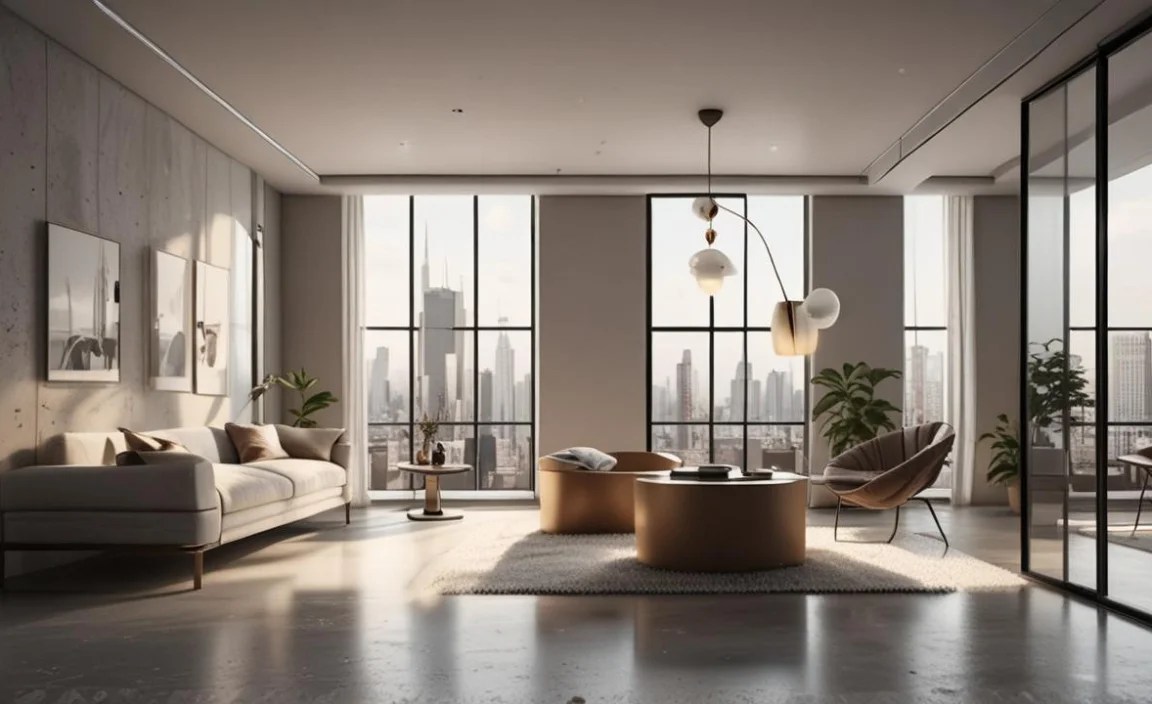
These are the most common type, made by coating glass with a metallic layer (often silver or aluminum) and then a protective backing. They provide a clear, true reflection.
- Applications: Bathroom walls, wardrobe doors, entryways, decorative accents, creating the illusion of depth.
- Benefits: Highly reflective, relatively inexpensive, widely available.
- Considerations: Can be heavy, require secure mounting.
Mirrored Glass with Tint
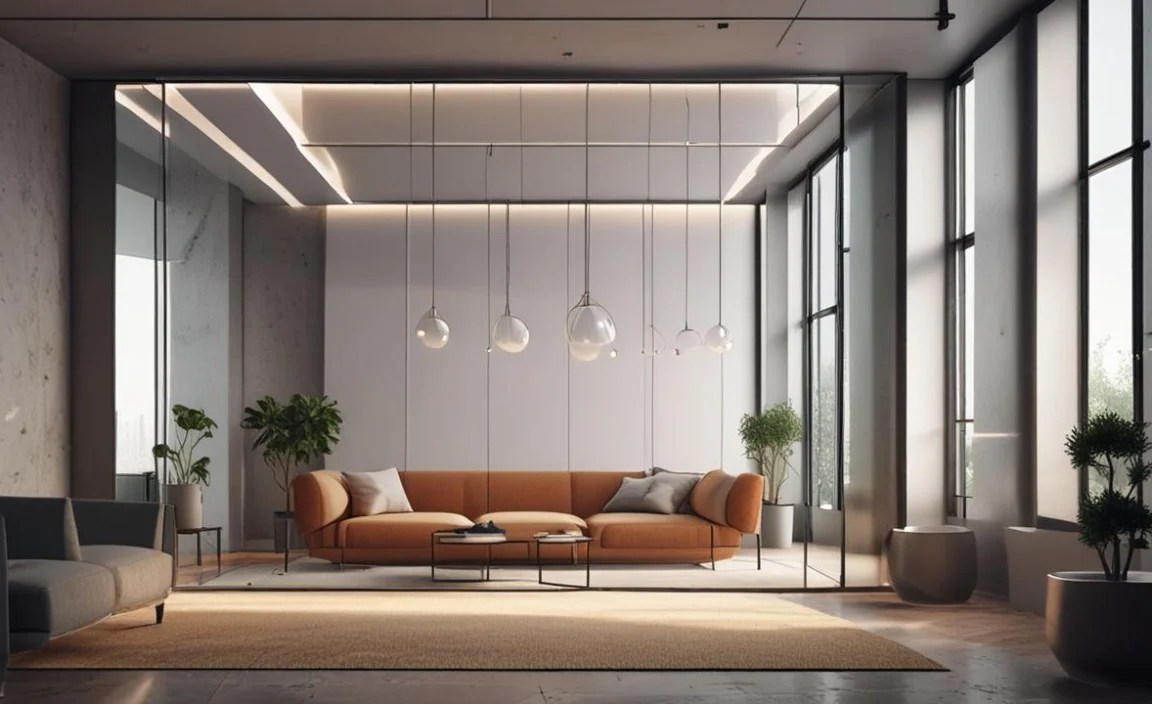
Glass can be tinted in various colors (bronze, grey, blue, green). When coated to be mirrored, these tints can subtly alter the color of the reflection, adding a unique aesthetic. These are often found in:
- Applications: Feature walls, decorative panels, furniture inlays, commercial spaces for styling.
- Benefits: Adds color and mood, can be less stark than clear mirrors.
- Considerations: Reflection quality might be slightly less sharp than standard mirrors; cost can be higher.
One-Way Mirrors (Dichroic Mirrors)
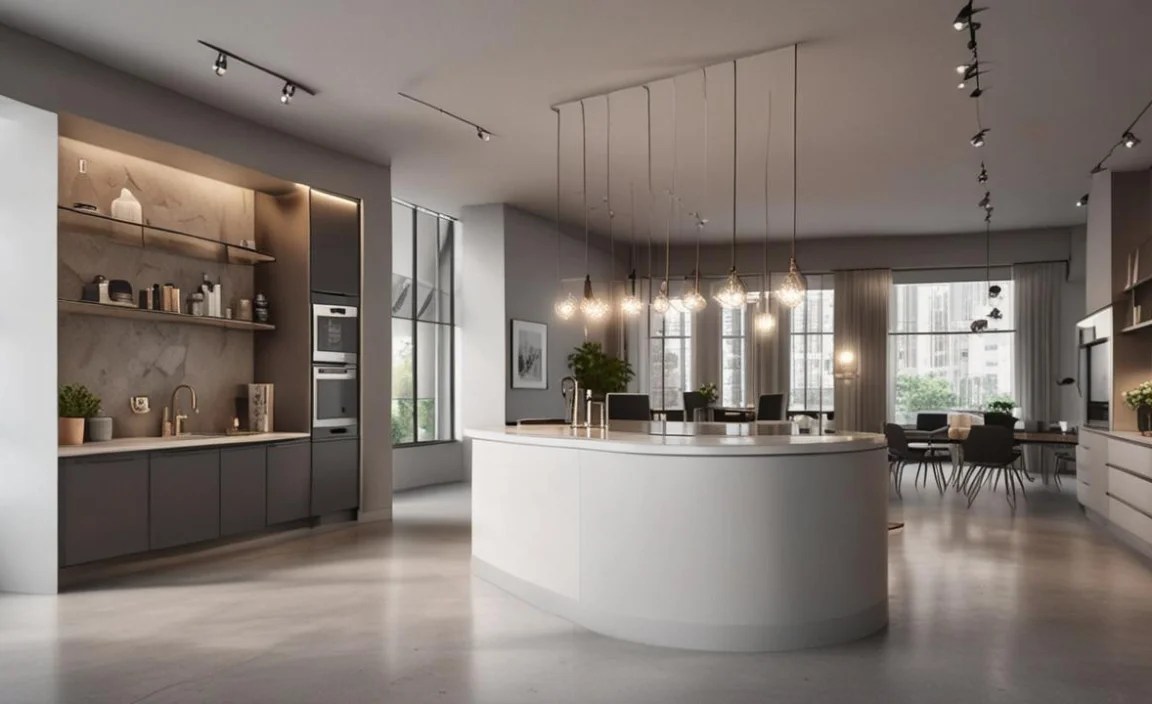
These are a fascinating type of mirror that appear reflective from one side but transparent from the other, depending on lighting conditions. They are made by applying a very thin, semi-transparent layer of metal or oxide. Under normal circumstances, they reflect most light hitting them from the brighter side.
- Applications: Surveillance (police interrogation rooms), privacy screens in offices, unique architectural features.
- Benefits: Creates a dramatic effect, provides privacy while allowing light transmission.
- Considerations: Requires specific lighting conditions to maintain their one-way effect; can be expensive.
Back-Painted Glass
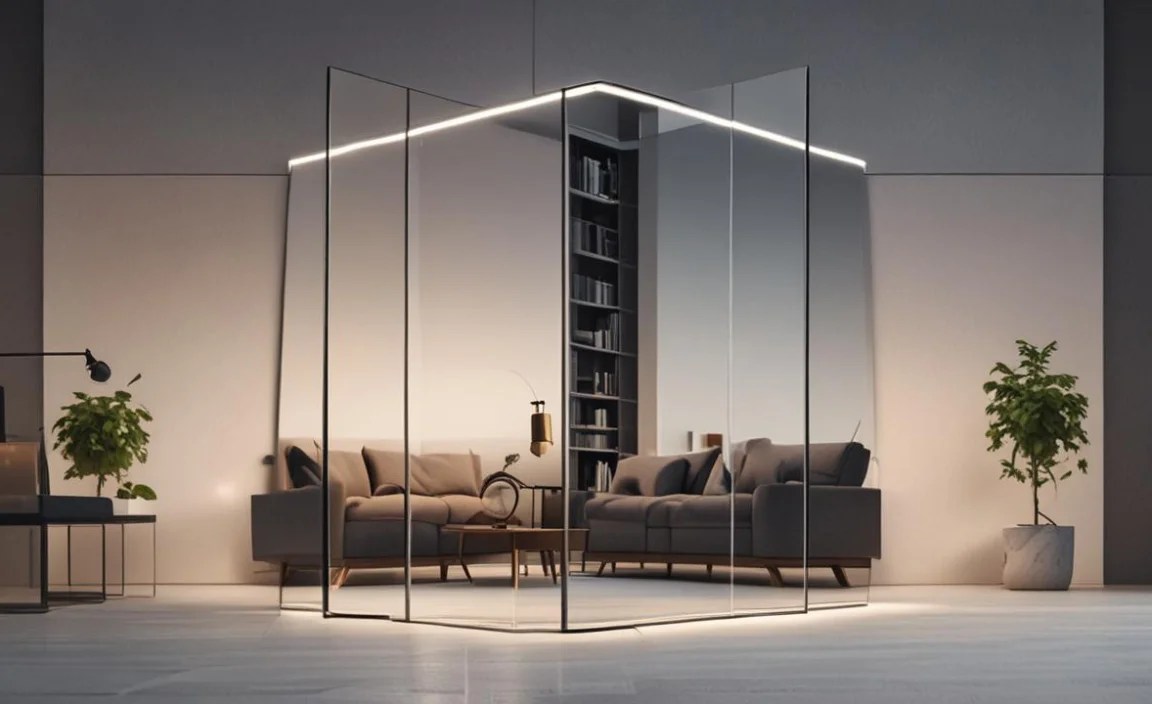
While not strictly a mirror, back-painted glass can offer a highly reflective, glossy surface. A layer of paint is applied to the back of a glass panel, creating a solid, opaque color with a high-sheen finish that can bounce light effectively.
- Applications: Kitchen backsplashes, cabinet fronts, decorative wall panels.
- Benefits: Durable, easy to clean, available in a vast range of colors, offers a subtle reflectivity.
- Considerations: Not a true mirror, so it won’t create a clear reflection, but it enhances light and color.
Polished Metal Panels
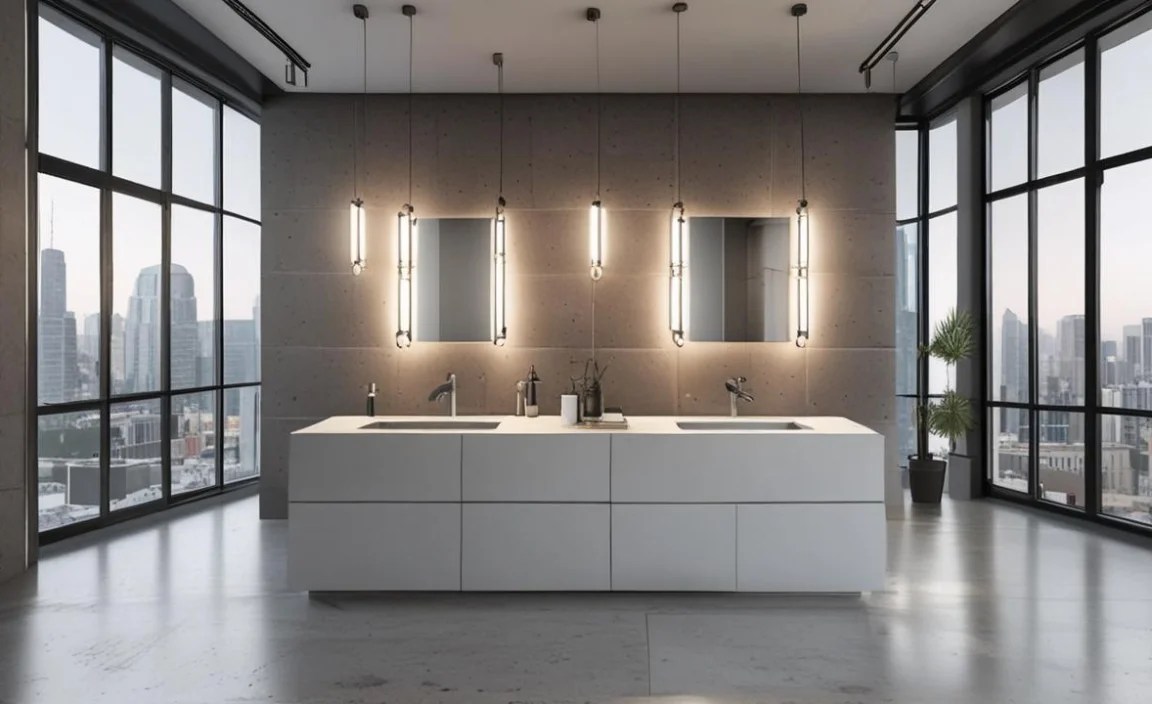
Stainless steel, aluminum, or other metals can be highly polished to achieve a mirror-like finish. These are often used in modern interiors and exteriors.
- Applications: Elevator interiors, architectural cladding, contemporary furniture, kitchen appliances.
- Benefits: Highly durable, modern aesthetic, can be used in high-traffic areas.
- Considerations: Prone to smudges and scratches; can be costly.
Architectural Applications: Where You See the “System of Mirror”

The “system of mirror in construction” is integrated into buildings in countless ways, from grand commercial structures to cozy residential homes. Its application is dictated by the desired outcome—be it maximizing light in a dark office space or creating a sense of grandeur in a hotel lobby.
Residential Homes
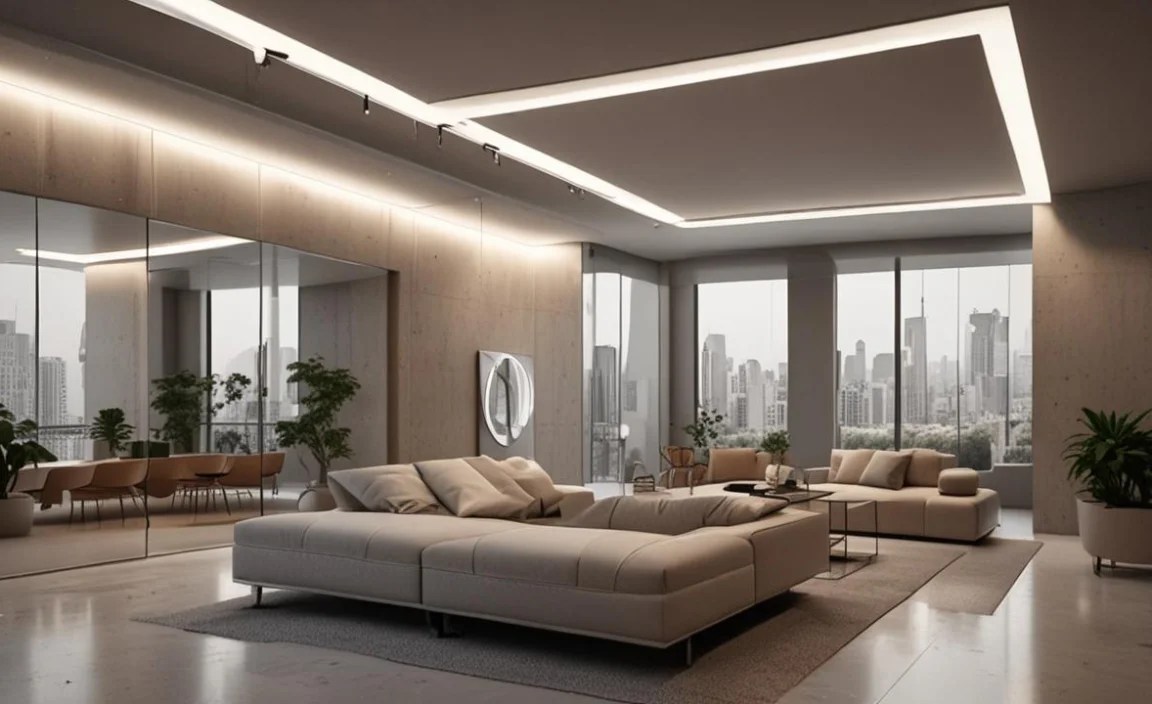
In homes, the system is often used subtly to enhance the living experience. Think of:
- Hallways: A long mirror can visually extend a narrow hallway, making it feel less cramped and brighter.
- Bathrooms: Beyond the medicine cabinet, wall-to-wall mirrors above vanities not only serve a practical purpose but can dramatically enlarge the perceived space of a small bathroom.
- Living Rooms: Mirrored panels on a feature wall behind a sofa or fireplace can add depth and reflect ambient light, making the room feel more open and luxurious.
- Entryways: A mirror near the front door can make the initial impression of the home feel more welcoming and spacious before guests even step further inside.
- Kitchens: Mirrored backsplashes can bounce light from countertops and windows, making the kitchen feel airier.
Commercial and Hospitality Buildings

In commercial settings, the use is often more pronounced and deliberate, aiming to impress and enhance functionality.
- Hotels: Lobbies often feature large mirrored columns or walls to create an immediate sense of opulence and space. Guest rooms might use mirrored wardrobe doors or wall panels.
- Restaurants and Bars: Mirrored surfaces can create a bustling, expansive atmosphere, making the dining or drinking experience feel more vibrant and spacious, especially in urban settings.
- Retail Stores: Mirrors are crucial for fashion retail, allowing customers to see garments from all angles. They also make stores appear larger and brighter, encouraging longer browsing.
- Office Buildings: Large glass facades reflect the surrounding environment, making the building appear integrated with its setting. Internally, glass partitions and mirrored wall accents can promote a feeling of openness and collaboration.
Public Spaces and Infrastructure
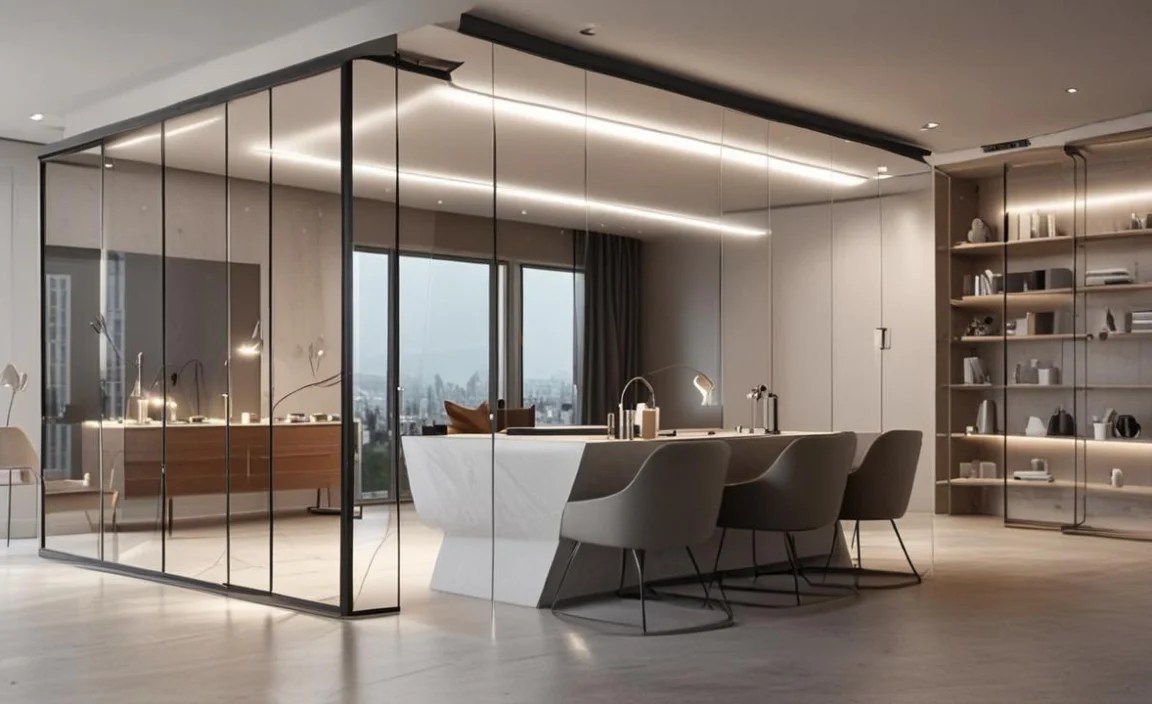
Even in public areas, reflective elements play a role.
- Museums and Galleries: Polished surfaces and careful use of mirrors can draw attention to exhibits and guide visitor flow.
- Airports and Train Stations: Large, reflective surfaces can make these often vast transit hubs feel less overwhelming and more modern.
- Architectural Facades: Buildings clad in extensive glass or mirrored panels create dramatic visual statements, reflecting the sky, clouds, and surrounding cityscape, constantly changing their appearance with the time of day and weather.
For a deeper dive into how architectural glass is specified and used, resources like the Glass Association of North America (GANA) provide industry standards and technical information.
Benefits of Implementing Reflective Systems
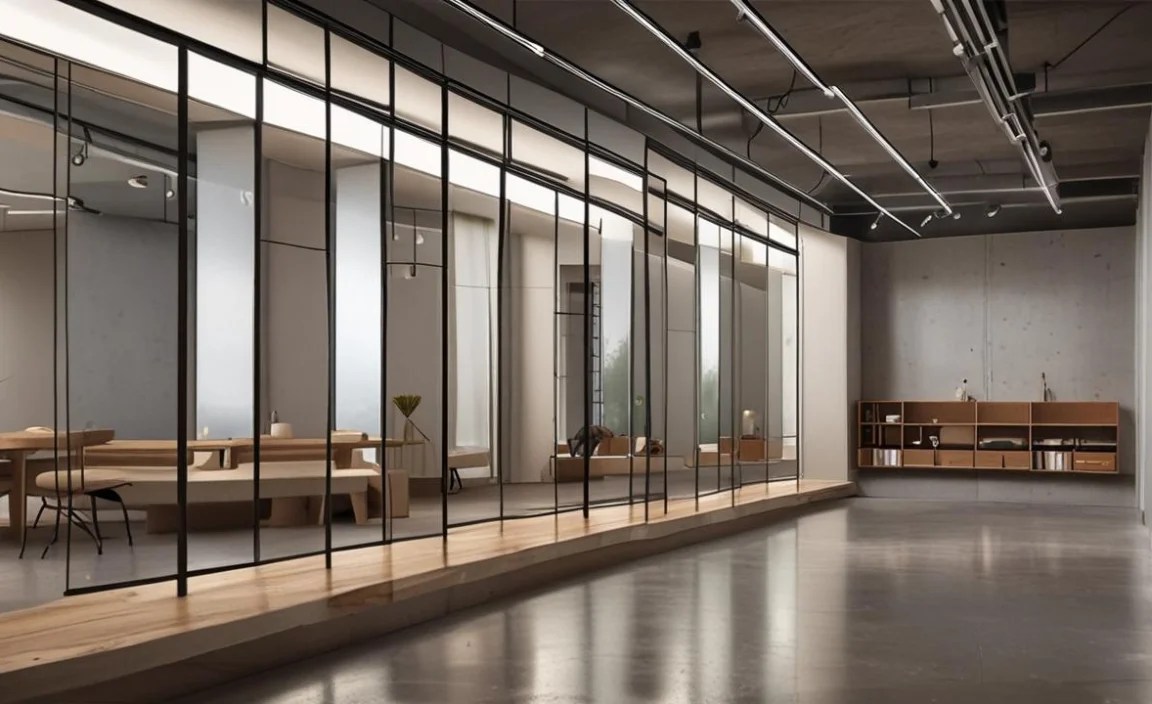
Incorporating reflective surfaces into construction, whether a full mirrored wall or a strategic panel, yields a multitude of benefits that go beyond mere aesthetics. These advantages contribute significantly to the comfort, functionality, and perceived value of a space.
Enhanced Interior Space Perception
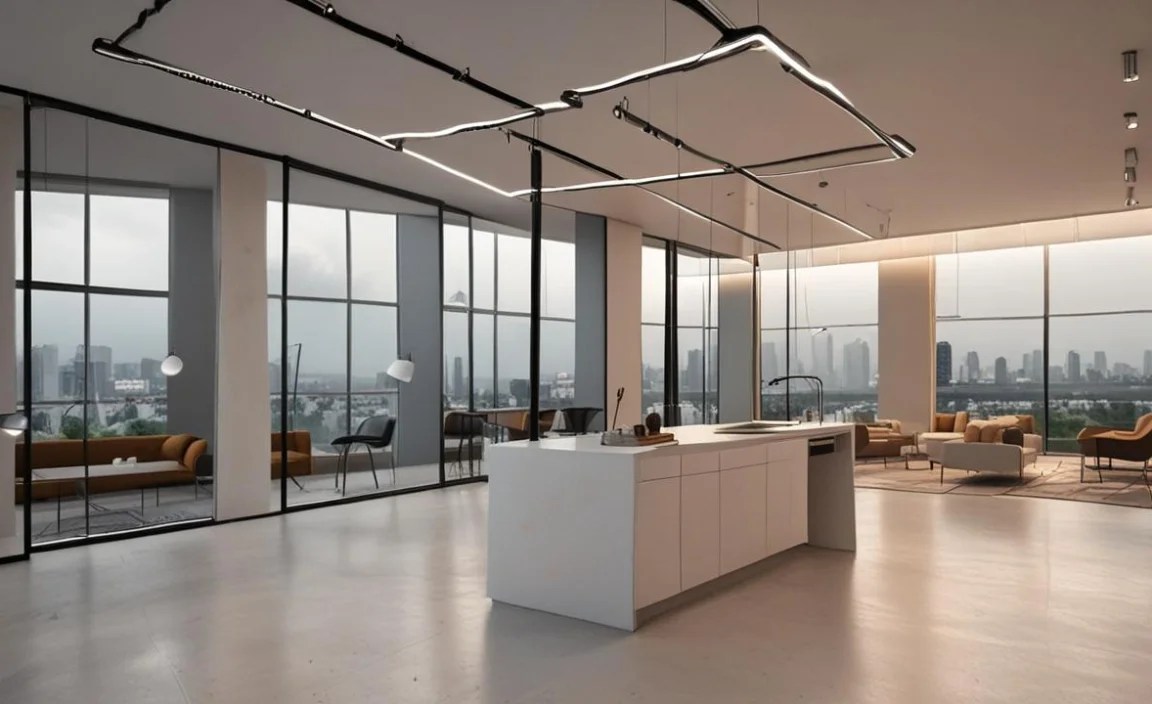
This is the most immediate and impactful benefit. By reflecting the existing environment, mirrors create an illusion of depth and expanse. A small room can feel twice its size, a narrow corridor can feel wide and inviting, and a ceiling can appear higher. This psychological trickery is invaluable in urban developments and smaller homes where maximizing usable space is paramount.
Improved Natural and Artificial Lighting
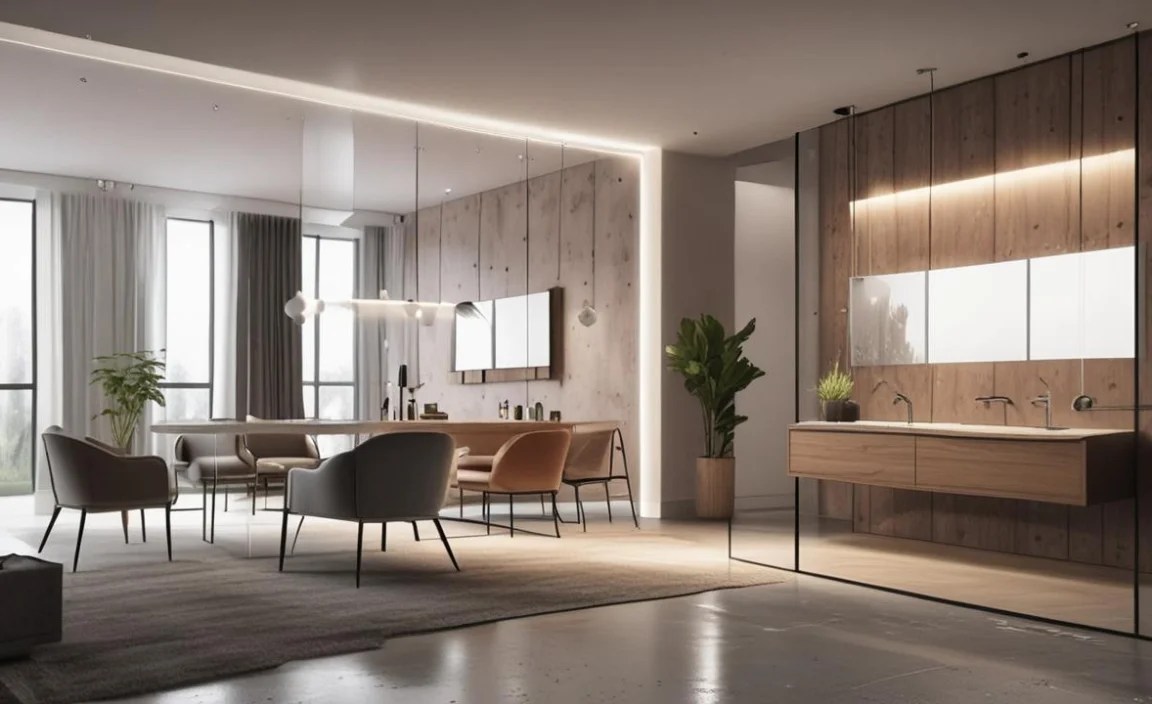
Reflective surfaces are exceptional at optimizing light. They capture natural light from windows and doors and bounce it back into deeper parts of a room, reducing reliance on artificial lighting during daylight hours. This not only saves energy but also creates a more pleasant, sun-dappled ambiance. Similarly, they can enhance the efficacy of artificial lighting, spreading it more evenly and reducing the need for as many fixtures.
Aesthetic Sophistication and Modern Appeal

The use of glass and mirrors instantly elevates the perceived quality and style of a space. They add a layer of polish, light, and visual interest that can make a design feel more contemporary and luxurious. The way light interacts with reflective surfaces can create dynamic and captivating visual effects that change throughout the day, adding a living quality to the architecture.
Increased Property Value
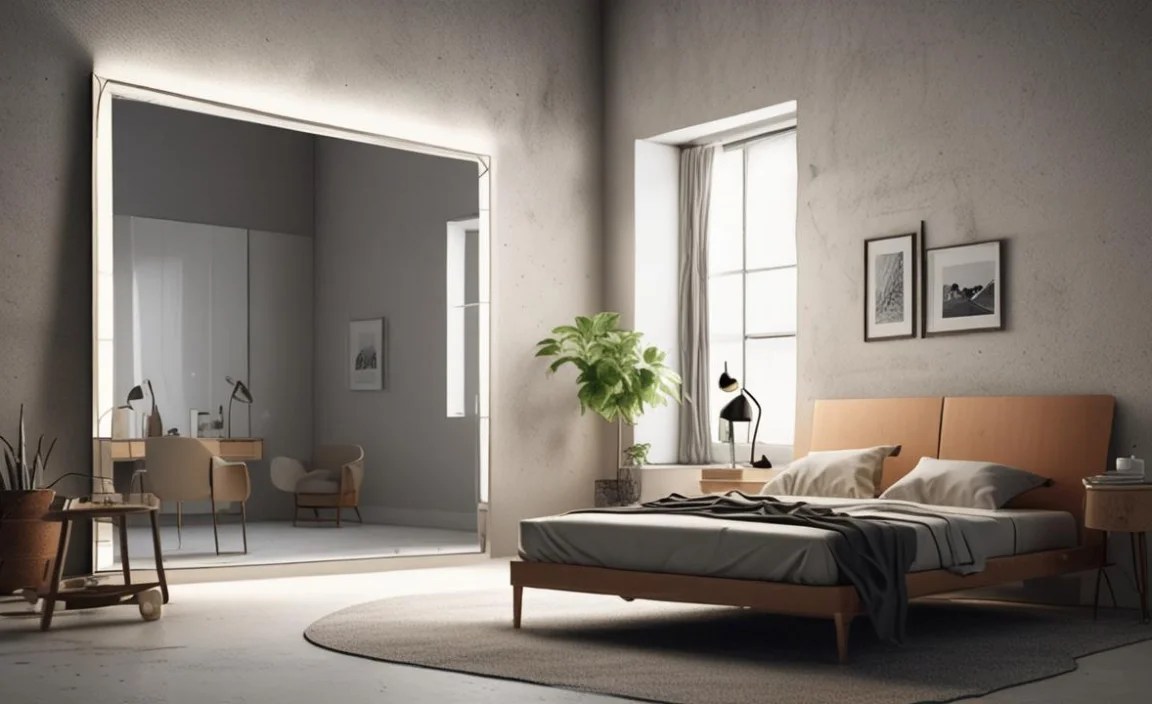
Homes and commercial properties that are perceived as larger, brighter, and more aesthetically pleasing often fetch higher prices. The clever use of a “system of mirror” can be a significant selling point, as potential buyers or tenants are drawn to the visual appeal and the feeling of spaciousness it provides. It’s a design investment that can pay off.
Psychological and Well-being Benefits

Natural light and a sense of openness are known to positively impact mood and productivity. Spaces that feel larger and are well-lit can reduce feelings of claustrophobia and create a more uplifting environment for occupants. This contributes to the overall well-being and comfort of those who inhabit or visit the space.
Potential Challenges and Considerations
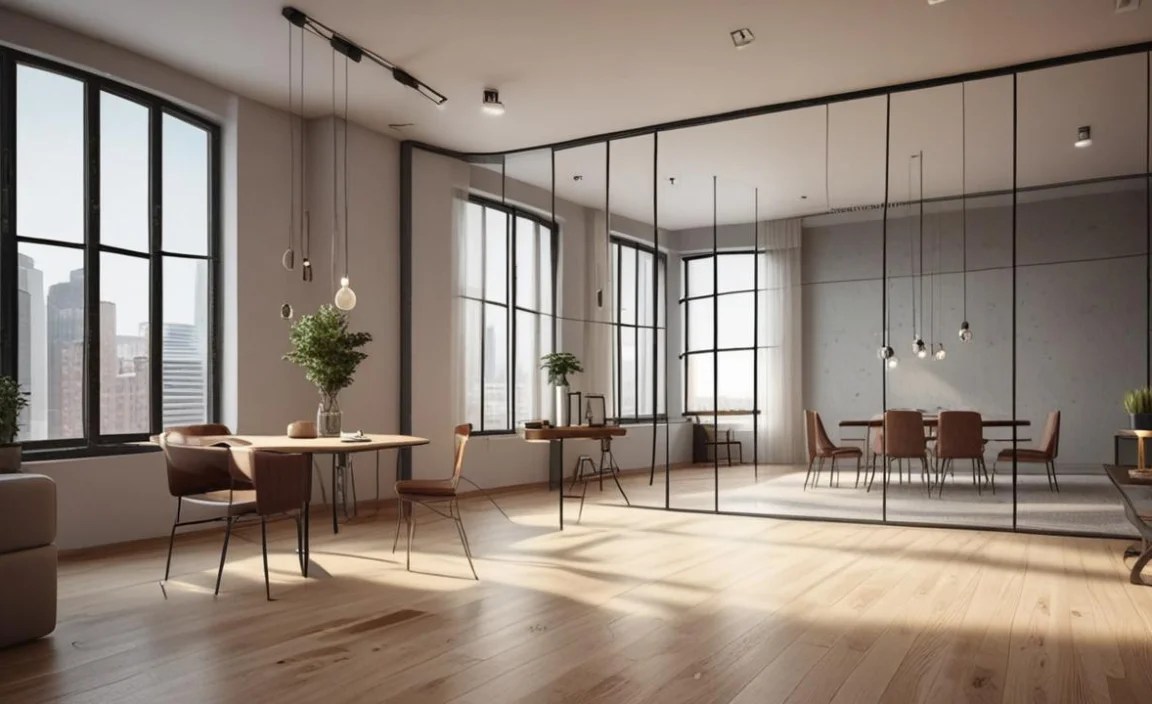
While the “system of mirror in construction” offers impressive benefits, it’s not without its challenges. Careful planning and consideration are necessary to ensure the system is effective and avoids potential drawbacks. Here are some points to keep in mind:
Cost of Materials and Installation
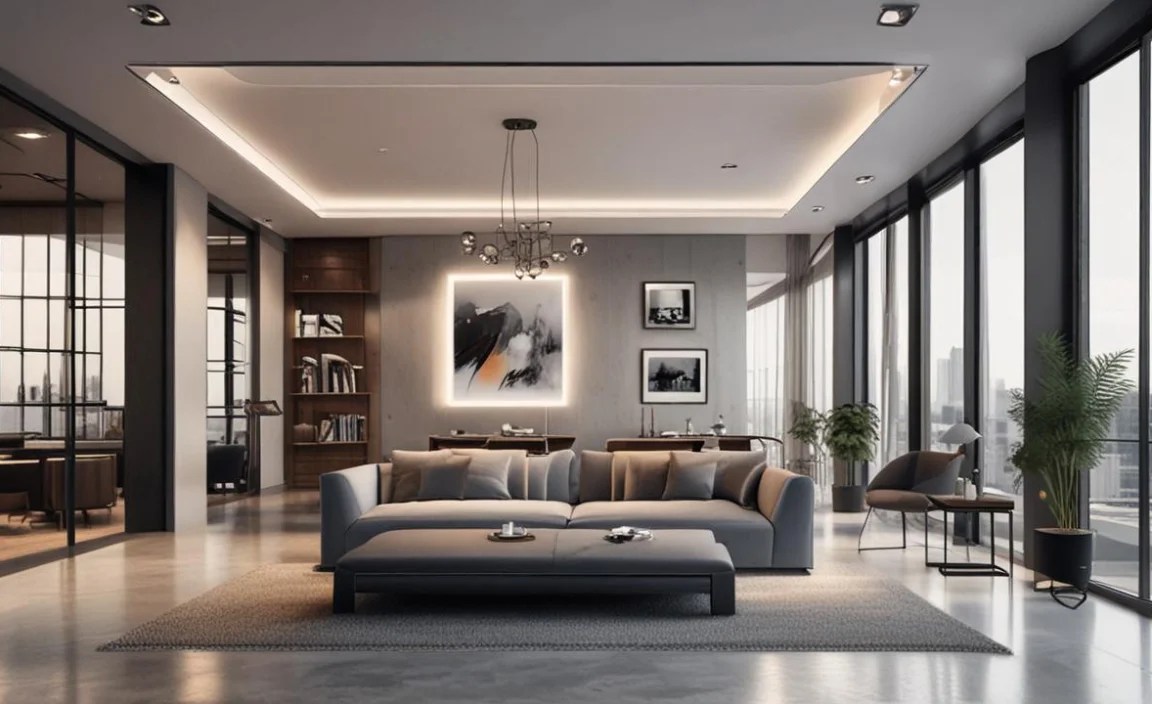
High-quality mirrored glass and specialized reflective panels can be more expensive than standard building materials. Furthermore, installation often requires specialized expertise to ensure precise fitting, secure mounting, and a flawless finish. For large-scale applications, the cost can become a significant factor in the overall budget.
- Material Costs: Specialty glass, tints, and large mirror panels can be pricier.
- Installation Labor: Professional installation is often required for safety and aesthetics.
- Maintenance: Large reflective surfaces may require specialized cleaning solutions to avoid streaks.
Maintenance and Durability
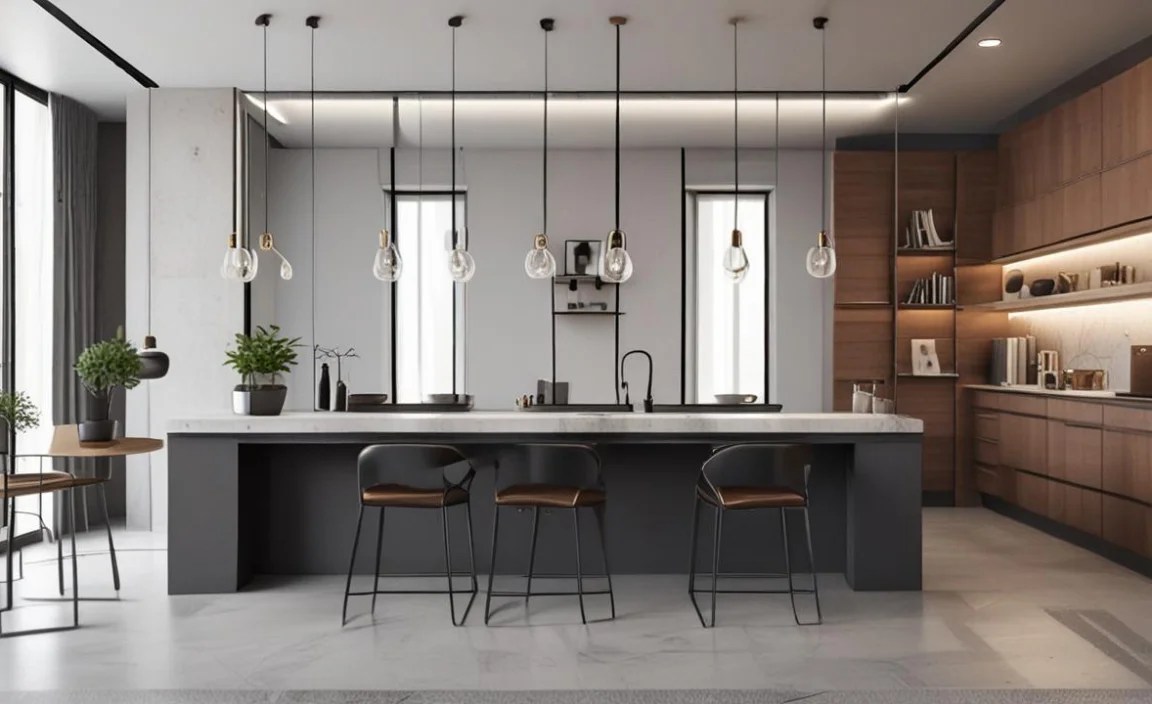
Mirrors and highly polished surfaces are prone to fingerprints, smudges, and dust. Maintaining their pristine appearance requires regular cleaning, which can be a chore, especially in high-traffic areas. Some materials can also be susceptible to scratching or damage, requiring careful handling during installation and subsequent use.
- Cleaning: Frequent cleaning is needed to maintain appearance.
- Scratching: Certain reflective finishes can be easily scratched.
- Breakage: Like any glass, mirrors can break if impacted.
Potential for Glare and Discomfort
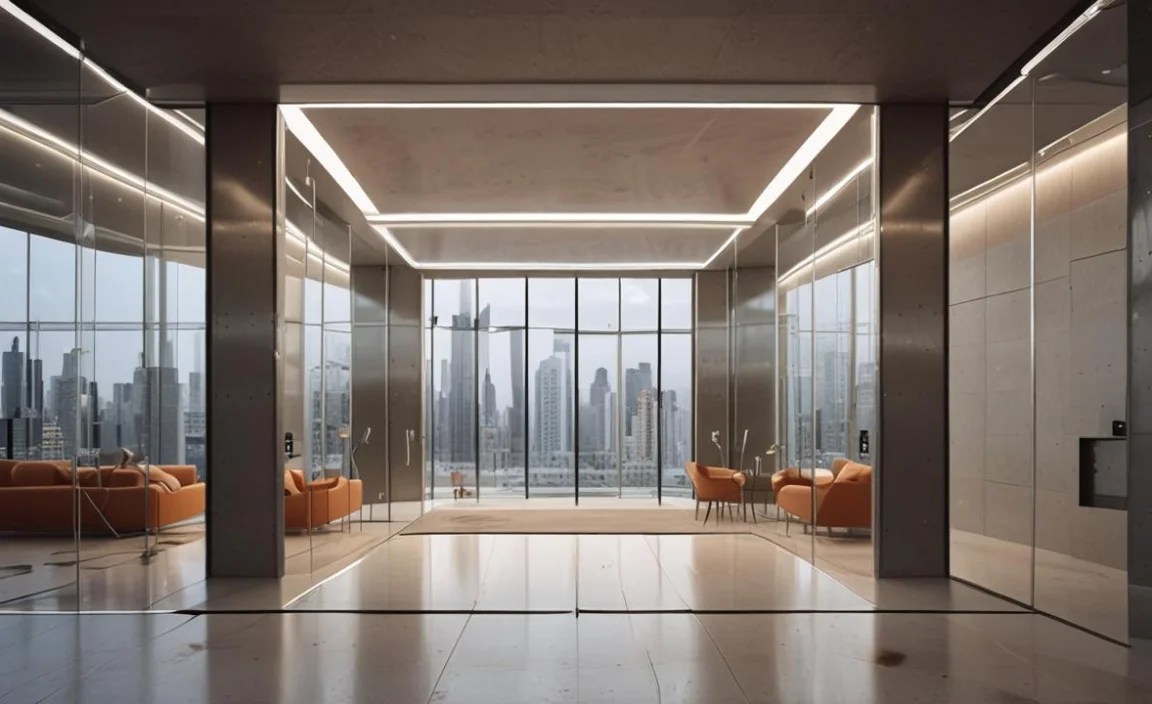
If not strategically placed or designed, reflective surfaces can cause excessive glare, which can be uncomfortable for occupants and even create hazards, especially in areas where visual acuity is important. For example, direct sunlight reflecting off a large mirrored surface into someone’s eyes can be a significant issue. Proper orientation, angling, and the use of anti-glare coatings or diffusing finishes can mitigate this.
Placement and Optical Illusions
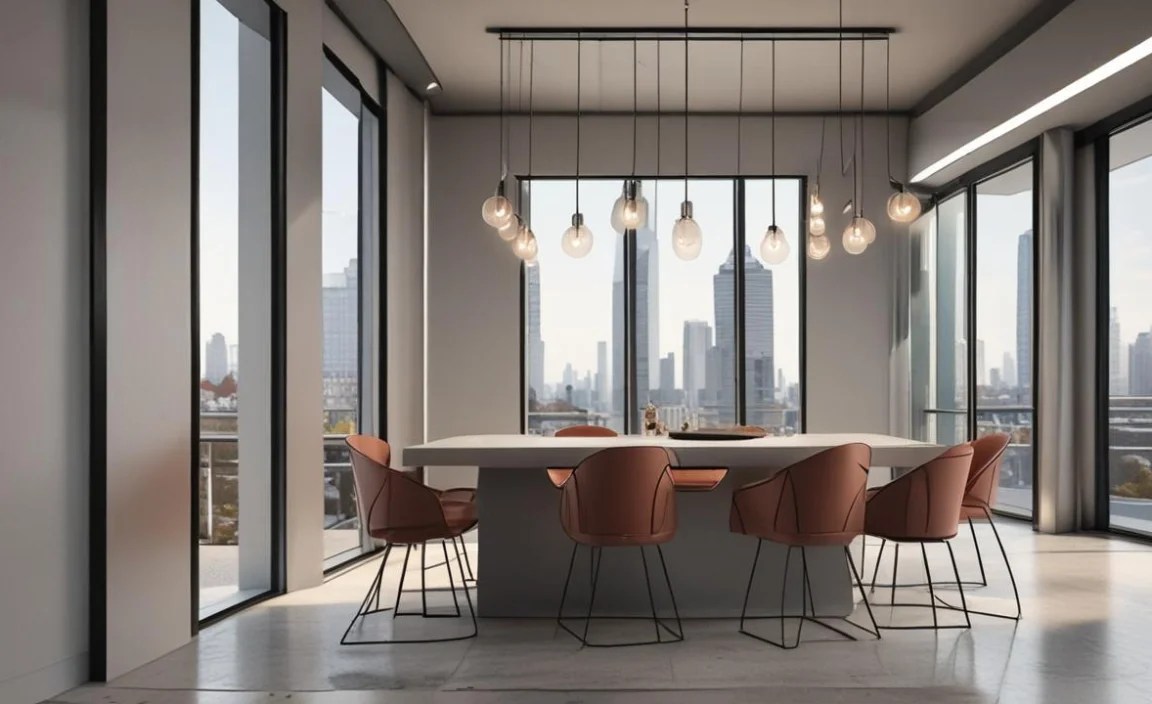
While mirrors create illusions of space, poor placement can lead to unintended or undesirable effects. Placing a mirror directly opposite a cluttered area might simply reflect the mess, making the space feel even more chaotic. Similarly, mirrors that reflect unflattering angles of a room or create a sense of disorientation should be avoided. It’s about thoughtful integration, not just random placement.
Energy Efficiency Considerations
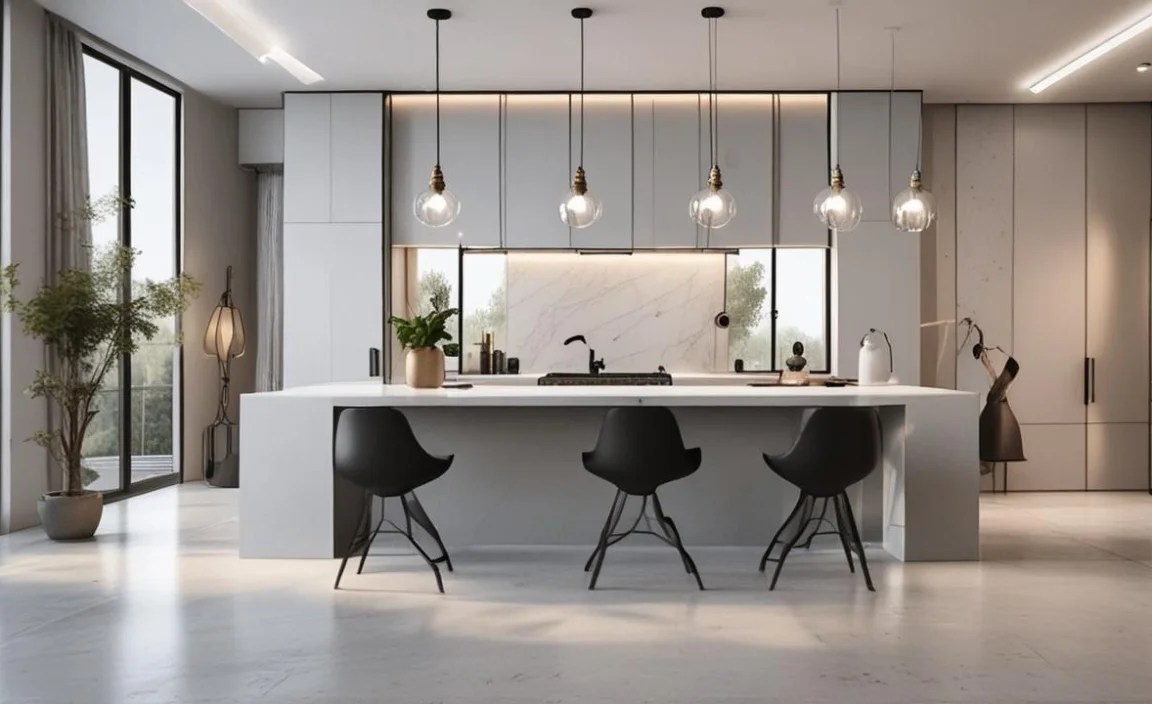
While reflective surfaces can help utilize natural light, large expanses of glass, especially clear glass, can contribute to heat gain in warmer months and heat loss in cooler months. Modern buildings often incorporate high-performance glass technologies, such as insulated glazing units (IGUs) with low-emissivity (low-E) coatings, to manage thermal performance alongside their reflective properties. Understanding the U-factor and Solar Heat Gain Coefficient (SHGC) of glazed elements is crucial for energy efficiency. For more on these metrics, the U.S. Department of Energy offers extensive resources on window performance ratings.
Table: Comparison of Reflective Surface Properties
| Surface Type | Reflectivity | Durability | Maintenance | Aesthetic | Typical Use |
|---|---|---|---|---|---|
| Standard Mirror | High | Moderate (glass can break) | High (fingerprints, streaks) | Clear, True Reflection | Bathrooms, Doors, Decor |
| Tinted Mirrored Glass | High | Moderate | High | Colored Reflection | Feature Walls, Furniture |
| One-Way Mirror | Variable (depends on lighting) | Moderate | Moderate (surface cleaning) | Reflective on one side, transparent on other | Privacy Screens, Surveillance |
| Back-Painted Glass | Low to Moderate (Glossy) | High (paint protected) | Low (easy to wipe) | Solid Color, High Sheen | Backsplashes, Cabinetry |
| Polished Metal | Very High | Very High | Moderate (smudges, fingerprints) | Brilliant, Metallic | Architectural Cladding, Interiors |
