
Have you ever wondered how a faucet works? Faucets are everywhere in our homes, and we use them every day. But do you know the basic terms of faucet for beginners? Let’s dive into this fascinating topic and explore the simple mechanics of faucets. By understanding these basic terms, you can learn how they work and even fix small problems at home!

Key Takeaways
- Faucets control water flow in homes and buildings.
- Basic parts include the spout, handle, and valve.
- Understanding the terms helps in repairing faucets.
- Terms of faucet for beginners include aerator, cartridge, and washer.
- Leaky faucets waste water and increase bills.
Understanding the Terms of Faucet for Beginners

Faucets might seem simple, but they have many parts. Knowing the terms of faucet for beginners helps you understand how they work. The main parts are the spout, handle, and valve. The spout is where water comes out. The handle controls the water flow. The valve opens and closes to let water out or stop it. Sometimes, a faucet has more than one handle. Each handle is for hot or cold water.
- Spout: The part where water comes out.
- Handle: Used to control water flow.
- Valve: Opens or closes water flow.
- Cartridge: Inside the faucet; helps mix hot and cold water.
- Washer: A rubber part that prevents leaks.
- Aerator: Adds air to the water stream.
- Escutcheon: The plate that hides holes or screws.
Understanding these parts helps you if you need to fix a faucet. For example, if water is leaking, it might be a problem with the washer. Replacing a washer is easy. You can save water and money by doing small repairs yourself. Next time you see a faucet, check if you can identify its parts. It’s like solving a fun puzzle!
Fun Fact or Stats : The average household faucet leaks can waste over 3,000 gallons of water a year.
What Is an Aerator?
An aerator is a small part at the end of a faucet. It mixes air with water. This makes the water flow smooth and saves water. Have you noticed how water sometimes splashes without an aerator? Aerators help to prevent this. They are easy to clean or replace. Just unscrew the aerator to clean it. Isn’t it amazing how such a small piece can make a big difference in water flow?
Why Are Cartridges Important?
Cartridges are inside the faucet. They control how much hot and cold water mix. Without a cartridge, you might get only hot or only cold water. Cartridges help in adjusting water temperature. Imagine taking a shower with only cold water! Cartridges make sure you get the right water mix. If the faucet leaks or drips, it might be time to replace the cartridge. Knowing about cartridges can help you fix these problems.
How Does a Washer Work?
A washer is a small, rubber part in a faucet. It creates a seal to stop water from leaking. When you turn off the faucet, the washer presses against a metal part. This stops the water flow. Over time, washers can wear out. If your faucet is dripping, the washer might need replacing. It’s a simple fix! Isn’t it cool how such a tiny piece can stop a big leak?
Installing a Faucet: Terms to Know
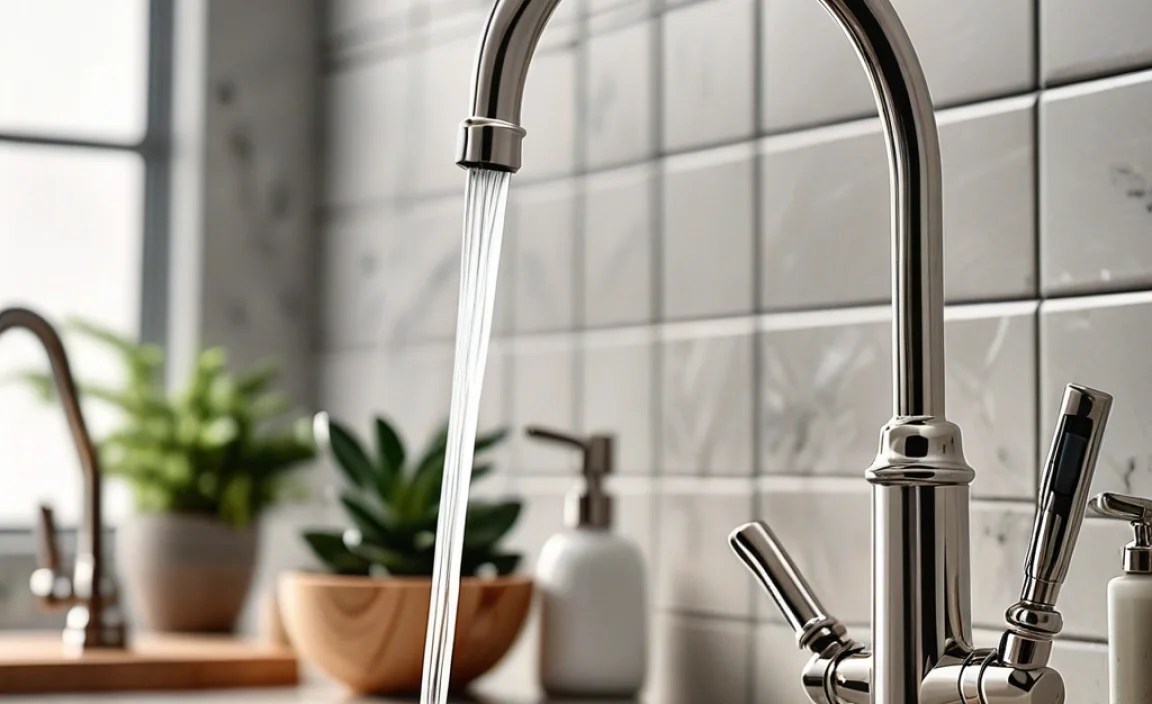
Installing a faucet might seem tricky, but knowing the terms helps. First, gather your tools. You will need wrenches, screwdrivers, and plumber’s tape. Next, learn about the parts: the faucet body, mounting nuts, and supply lines. The faucet body is the main part that holds everything. Mounting nuts secure the faucet to the sink. Supply lines bring water to the faucet.
- Faucet Body: The main part of the faucet.
- Mounting Nuts: Secure the faucet to the sink.
- Supply Lines: Bring water to the faucet.
- Plumber’s Tape: Helps seal connections.
- Wrench: A tool for tightening parts.
- Screwdriver: Used to install or remove screws.
- Gasket: A seal that prevents leaks.
When installing, follow instructions carefully. Start by placing the faucet body in the sink hole. Secure it with mounting nuts. Connect the supply lines to the water source. Use plumber’s tape to prevent leaks. Tighten all parts with your wrench. Turn on the water and check for leaks. Installing a faucet can be a fun project if you know the terms and steps!
Fun Fact or Stats : Over 12 million kitchen faucets are sold in the U.S. each year.
What Tools Do You Need?
When fixing or installing a faucet, the right tools are important. You’ll need a wrench, screwdriver, and plumber’s tape. A wrench helps to tighten or loosen nuts. A screwdriver is useful for screws and small parts. Plumber’s tape prevents leaks at pipe connections. Do you have these tools at home? Having the right tools makes faucet work easier and faster.
What Is Plumber’s Tape?
Plumber’s tape is a thin, white tape. It helps seal pipe threads to prevent leaks. When connecting pipes or faucet parts, wrap the tape around threads. This gives a better seal. Without it, water might leak from the connection. Plumber’s tape is inexpensive and easy to use. Next time you see it in a hardware store, you’ll know its purpose!
Why Are Gaskets Important?
Gaskets are like washers but are used in different parts of the faucet. They create a seal between two surfaces. This prevents leaks. Gaskets are often made of rubber or silicone. If a faucet leaks at the base, the gasket might be worn out. Replacing it is simple. Isn’t it cool how these small parts play a big role in preventing leaks?
Faucet Maintenance Basics
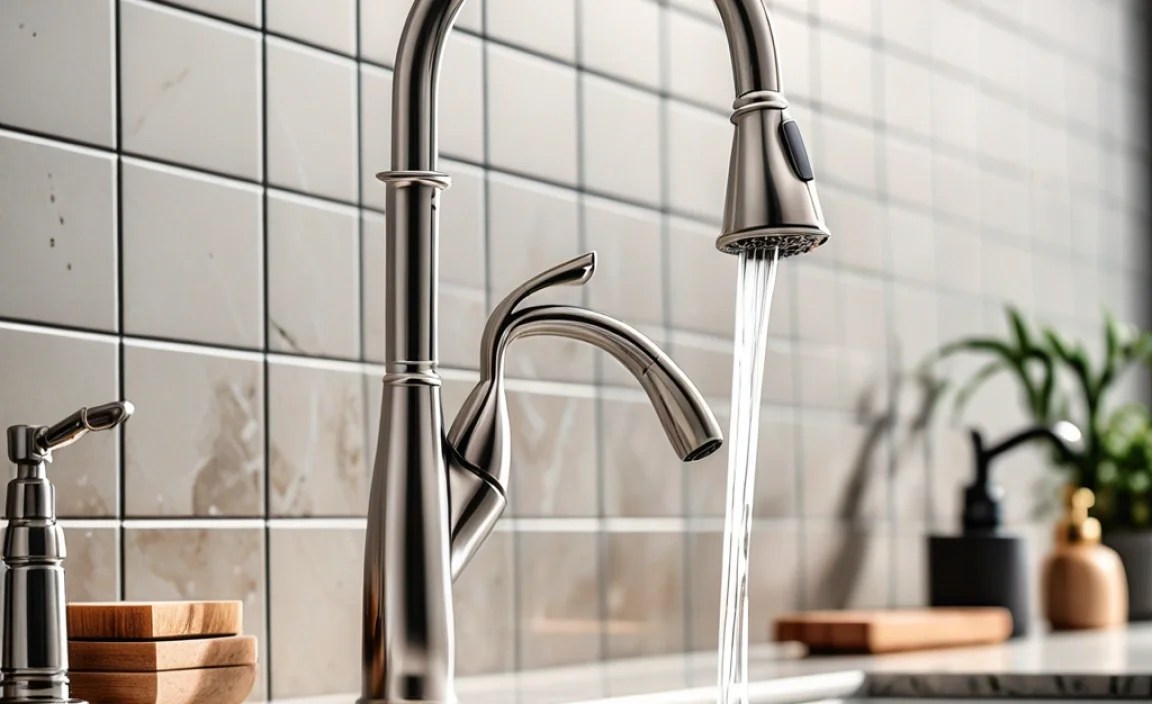
Maintaining your faucet keeps it working well. Regular cleaning is key. Mineral deposits from water can clog the faucet. Clean the aerator to keep water flowing smoothly. Use vinegar to remove deposits. Check for leaks regularly. A small leak can waste lots of water over time. Tighten any loose parts. Keep your tools handy for quick fixes.
- Clean Aerator: Keeps water flow smooth.
- Check for Leaks: Prevents water waste.
- Tighten Loose Parts: Avoids bigger issues.
- Use Vinegar: Removes mineral deposits.
- Have Tools Ready: For quick fixes.
- Replace Old Washers: Stops drips and leaks.
- Inspect Regularly: Keeps faucet in good shape.
Regular maintenance saves money and water. It also extends the life of your faucet. Remember, a little care goes a long way. Whether it’s cleaning or checking for leaks, make it a routine. Your faucet will thank you with smooth and steady water flow!
Fun Fact or Stats : A dripping faucet can waste over 180 gallons of water per month!
How to Clean an Aerator?
Cleaning an aerator is easy. First, unscrew it from the faucet. Soak the aerator parts in vinegar for an hour. This removes mineral deposits. Use a brush to clean small holes. Rinse all parts with water. Screw the aerator back onto the faucet. Notice how the water flow improves. Cleaning your aerator is a simple way to keep your faucet working well.
Why Check for Leaks?
Checking for leaks is important. Even small leaks waste a lot of water. They can also increase water bills. Look for drips under the sink or around the faucet. Feel for wet areas. If you find leaks, fix them quickly. Tighten parts or replace worn washers. Regular checks save water and money!
Why Use Vinegar for Cleaning?
Vinegar is a natural cleaner. It removes mineral deposits from faucet parts. It’s safe and easy to use. Soak parts like the aerator in vinegar. Clean other parts with a vinegar-soaked cloth. It’s amazing how well vinegar cleans without harsh chemicals. Try it for faucet maintenance!
Identifying Common Faucet Problems
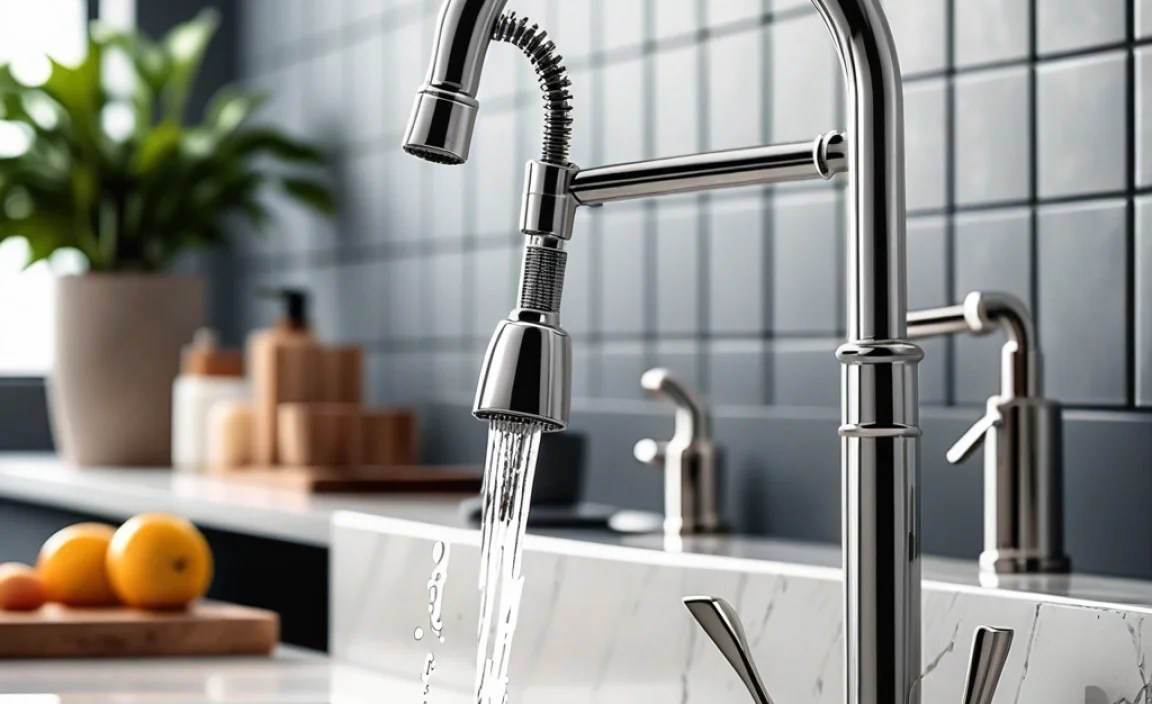
Understanding faucet problems helps you fix them. Common issues include leaks, low water pressure, and dripping. Leaks might come from worn washers or loose parts. Low water pressure can be due to a clogged aerator. Dripping might mean the cartridge needs replacing. Knowing these problems helps in finding solutions quickly.
- Leaks: Often from worn washers or loose parts.
- Low Water Pressure: Check for a clogged aerator.
- Dripping: Cartridge might need replacing.
- No Hot Water: Check the water heater or connections.
- Rusty Water: May be from old pipes.
- Handle Stiffness: Could need lubrication.
- Water Hammer: Loud noise from pipes, check pressure.
Fixing small problems prevents bigger ones. Tighten loose parts, clean aerators, and replace washers regularly. This keeps your faucet in good shape. If you spot a problem, act quickly. It’s much easier to fix a small leak than a big one.
Fun Fact or Stats : Over 30% of home plumbing issues are related to faucets.
What Causes Low Water Pressure?
Low water pressure can be frustrating. It often means a clogged aerator. Mineral deposits or debris might block water flow. Remove the aerator and clean it with vinegar. Reinstall it and test the water flow. Low pressure could also be from a leak. Check pipes and connections. Fixing these issues restores proper pressure.
Why Do Faucets Drip?
Faucets drip for many reasons. Worn washers or seals are common causes. A faulty cartridge might also cause dripping. Replacing these parts usually stops the drip. Sometimes, tightening connections helps. Regular maintenance can prevent drips. Isn’t it interesting how small issues cause drips?
What Is Water Hammer?
Water hammer is a loud noise from pipes. It happens when water stops suddenly. This creates a shockwave, causing noise. High water pressure is often the reason. Check pressure levels to fix it. Installing water hammer arrestors can help. Understanding this helps in preventing noisy pipes!
Comparing Different Faucet Types
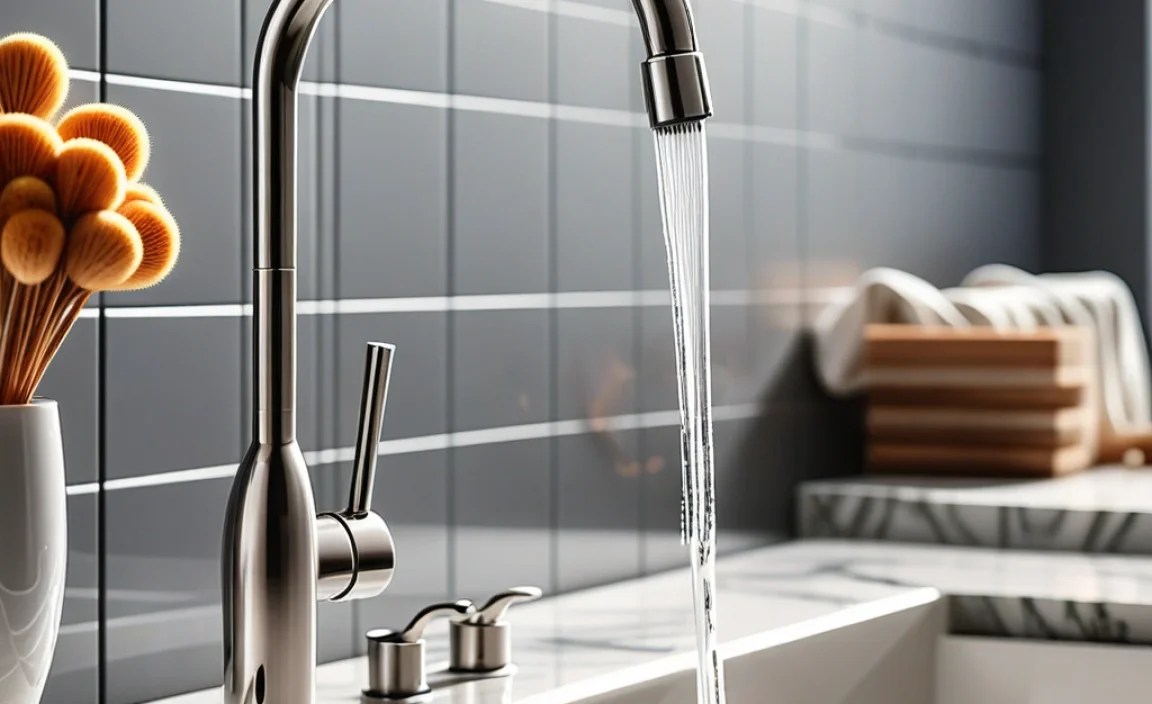
Faucets come in various types. Each has unique features. Understanding types helps you choose the right one. Common faucet types include compression, ball, cartridge, and disc. Compression faucets have two handles. Ball faucets have a single handle and spherical body. Cartridge faucets offer smooth control and are easy to fix. Disc faucets are durable and modern.
| Faucet Type | Handles | Features | Pros |
|---|---|---|---|
| Compression | Two | Simple, easy to repair | Inexpensive |
| Ball | One | Spherical body | Easy to use |
| Cartridge | One or Two | Smooth control | Easy to repair |
| Disc | One | Modern, durable | Long-lasting |
- Compression Faucets: Two handles, simple design.
- Ball Faucets: One handle, easy to adjust.
- Cartridge Faucets: Smooth operation, simple to fix.
- Disc Faucets: Newer design, very durable.
- Choose based on needs and style.
- Consider ease of repair and maintenance.
- Think about water efficiency.
Choosing the right faucet depends on your needs. Consider how easy it is to repair and maintain. Think about water efficiency too. Each type offers different benefits. So, pick one that matches your style and home.
Fun Fact or Stats : Disc faucets are known for lasting over 20 years without major issues.
What Are Compression Faucets?
Compression faucets are traditional. They have two handles, one for hot and one for cold. Turning the handles opens or closes the valve. This controls water flow. They’re inexpensive and easy to repair. Often found in older homes, they’re simple and reliable. Do you have a compression faucet at home?
How Do Ball Faucets Work?
Ball faucets have a single handle. The handle moves over a rounded cap. This controls the water flow and temperature. These faucets are easy to use. They are common in kitchens. Ball faucets might need more maintenance than other types. Isn’t it neat how just one handle controls everything?
Why Choose Disc Faucets?
Disc faucets are modern and durable. They have a single lever over a wide cylinder. Inside, ceramic discs control water flow. This design makes them long-lasting. They’re less likely to leak than other types. If you like sleek and modern designs, disc faucets are a great choice. They’re both stylish and efficient!
Conclusion
Understanding the terms of faucet for beginners helps in managing faucets easily. Knowing the parts and how they work helps with repairs. Regular maintenance prevents leaks and keeps faucets working well. Remember, simple knowledge saves water and money. With these basics, you can handle most faucet issues at home.
FAQs
Question: What are the main parts of a faucet?
Answer: The main parts of a faucet include the spout, handle, and valve. Beginners should also know about the cartridge, washer, and aerator.
Question: How does a faucet aerator help?
Answer: A faucet aerator mixes air with water. This improves flow and saves water. It also reduces splashing. Cleaning the aerator regularly ensures smooth water flow.
Question: Why is my faucet dripping?
Answer: A dripping faucet often has worn washers or a faulty cartridge. Replacing these parts can fix the drip. Regular maintenance helps prevent drips.
Question: What tools are needed for faucet repair?
Answer: Common tools include a wrench, screwdriver, and plumber’s tape. These help in fixing loose parts, replacing washers, and sealing connections.
Question: How can I prevent faucet leaks?
Answer: Regular maintenance and quick repairs prevent leaks. Check for loose parts and worn washers. Cleaning the aerator also helps maintain water flow.
Question: What are the terms of faucet for beginners?
Answer: Important terms include spout, handle, valve, cartridge, washer, and aerator. Learning these helps in understanding and repairing faucets at home.
