
Have you ever thought about pipes under your sink? You might not see them every day, but they play a big role. One important piece of the puzzle is called a P-trap. This little device stops bad smells from coming into your home. Why is it called a P-trap? What does it do? Let’s explore the terms of P-trap for beginners and see why it’s so important.
Key Takeaways
- P-traps prevent bad smells from entering your home.
- They hold water to block sewer gases.
- Understanding P-traps helps in fixing sink problems.
- The terms of P-trap for beginners include simple concepts.
- P-traps are found in sinks, toilets, and showers.
Understanding the P-Trap Structure
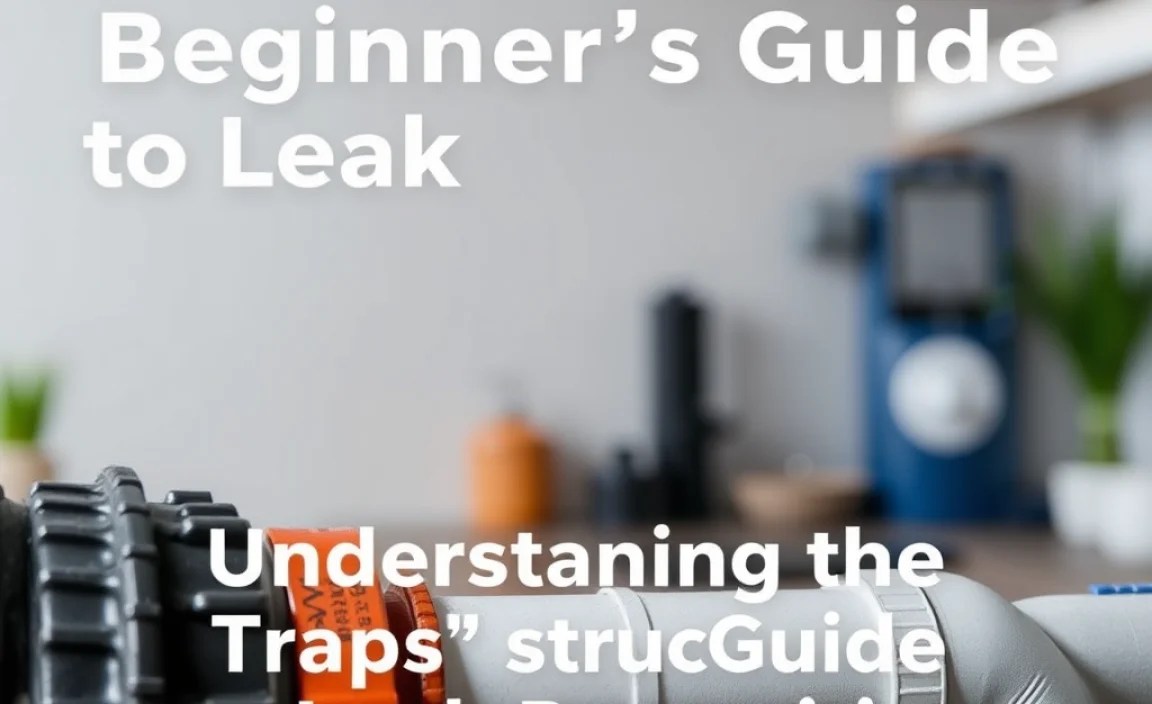
The P-trap is a U-shaped pipe found under sinks. It is designed to hold water. This water acts as a barrier to keep bad odors from coming up through the pipes. The P-trap is made of plastic or metal and is easy to spot. It’s called a “P-trap” because it looks like the letter “P” when viewed from the side. Understanding the terms of P-trap for beginners is key to knowing how your plumbing works.
- P-traps are found in most homes.
- They connect to the sink drain.
- Water in the trap blocks gases.
- Easy to clean and maintain.
- Can be made of different materials.
- Helps prevent plumbing problems.
Every sink has this important piece, and it’s easy to understand once you know the basics. The water in the trap acts like a shield, protecting you from unpleasant smells. This simple design has been around for years and still works great. Next time you look under your sink, you’ll know exactly what you’re looking at.
Fun Fact or Stats : The P-trap was invented in the 19th century!
Why Do We Need P-Traps?
Think about when you turn on the faucet. Water flows down the sink, but what happens next? Without a trap, smells from the sewer could come right up. The P-trap stops this by holding water in place. This water creates a seal that blocks those smells. Imagine how stinky your kitchen would be without one! Thanks to P-traps, our homes stay fresh-smelling.
Materials Used in P-Traps
P-traps come in different materials like plastic and metal. Plastic traps are common because they’re cheap and easy to find. Metal ones are strong and last longer. Which one is better? It depends on your needs and budget. Some people prefer metal for its durability, while others choose plastic for its affordability. Every home is different, so choose the one that suits you best.
Common Problems with P-Traps
Sometimes, P-traps can get clogged. Food and hair can build up and block the trap. When this happens, water doesn’t flow well, and smells might return. Cleaning the trap is usually the solution. You can take it apart, clean the inside, and put it back. It’s a simple fix that anyone can learn. Knowing how to manage these problems is part of understanding the terms of P-trap for beginners.
How P-Traps Work
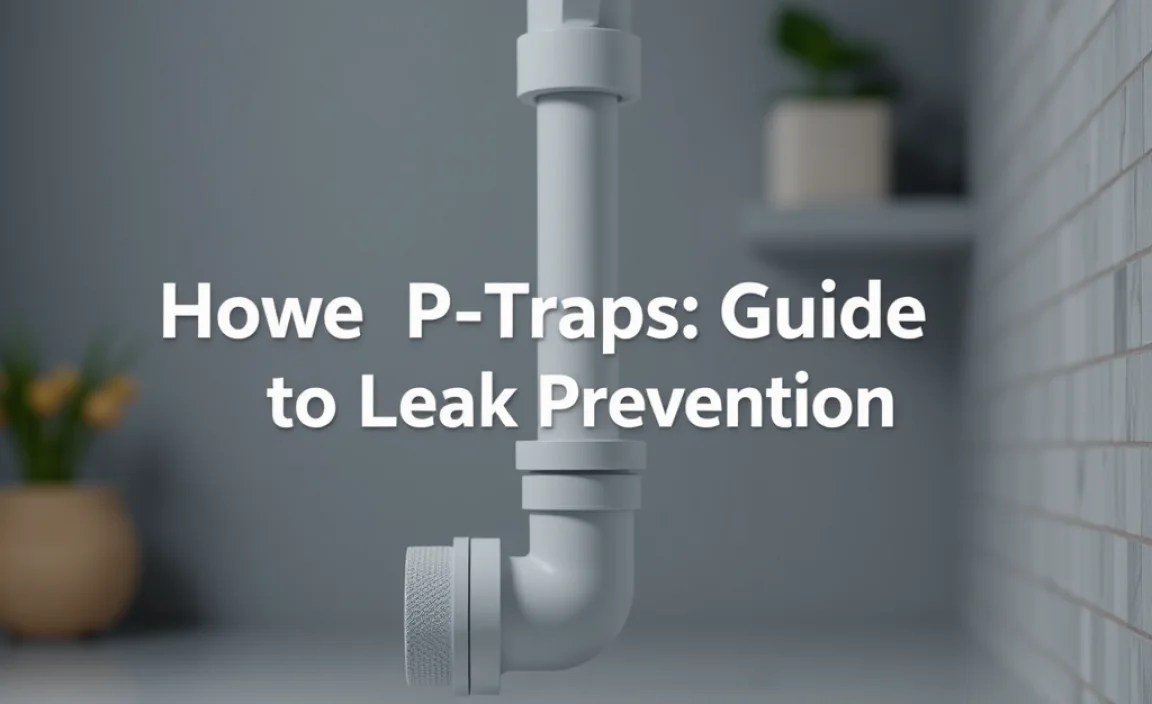
When water flows through your sink, it fills the P-trap. This water forms a seal that stops sewer gases from rising. As new water enters, old water leaves, keeping the trap fresh. The curved shape of the P-trap is what makes this process work. It’s a clever design that’s been used for decades. Knowing how it works helps in understanding the terms of P-trap for beginners.
- Water creates a barrier.
- Stops smelly gases from entering.
- Water refreshes with each use.
- Simple yet effective design.
- Vital for home plumbing.
P-traps are simple but essential. They keep our homes fresh and clean. By understanding how they work, we appreciate their role in our plumbing system. This knowledge is not just for experts. Anyone can learn the basics of P-traps with a little curiosity.
Fun Fact or Stats : P-traps need at least 2 inches of water to work!
The Science Behind P-Traps
Have you ever wondered why water stays in the trap? Gravity helps keep the water in place. The curve of the trap holds the water, which creates a barrier. This barrier is what keeps the smells away. It’s a simple science that makes a big difference in our homes. Next time you wash your hands, remember the science working below.
Easy Maintenance Tips
Think about the last time you cleaned your sink. Did you check the P-trap? Regular cleaning helps maintain the trap. If you notice slow drainage, it might be time for a clean. Unscrew the trap, clear any clogs, and rinse it. This simple task can prevent bigger problems down the road. Maintaining your P-trap is as easy as washing your dishes.
What Happens Without a P-Trap?
Picture a home without P-traps. Sewer gases could enter your house, causing terrible odors. That’s why P-traps are so important. They act as guards, keeping your home pleasant. Without them, even fresh air would be hard to enjoy. Knowing how to check and maintain your traps ensures your home stays a happy place.
Installing a P-Trap

Installing a P-trap is a handy skill. You can learn it with a bit of patience. Start by gathering the right tools and parts. Make sure the trap fits your sink size. Follow instructions carefully. Secure each part tightly to avoid leaks. Once installed, test it by running water. Successful installation keeps your plumbing working well.
- Gather necessary tools and parts.
- Check for correct size match.
- Follow step-by-step instructions.
- Ensure all parts are tightly secured.
- Test for leaks after installation.
Learning to install a P-trap can save you time and money. It’s a valuable skill for any homeowner. Plus, understanding how it works adds to your knowledge about home maintenance. Next time there’s a problem, you’ll know what to do. Installing a P-trap yourself also gives a sense of accomplishment.
Fun Fact or Stats : P-traps are often used in DIY plumbing projects!
Tools Needed for Installation
Do you have a toolbox at home? For P-trap installation, you’ll need a few basic tools. A wrench and screwdriver are essential. Teflon tape helps seal connections. Having a bucket nearby is handy for any spills. With these tools, you’re ready to tackle the job. Being prepared makes the task easier and more fun.
Step-by-Step Guide
Are you ready to try installing a P-trap? First, turn off the water supply. Then, remove the old trap if there is one. Install the new trap by following the instructions. Tighten each connection with your wrench. Once everything is secure, turn the water back on. Check for leaks and adjust if needed. Congratulations, you did it!
Common Mistakes to Avoid
Even with a guide, mistakes can happen. Avoid over-tightening connections, as it can cause damage. Use the right size parts for your sink. Double-check each step as you go. Making mistakes is part of learning, so don’t worry if it’s not perfect. Practice makes perfect. With time, you’ll become a pro at handling P-traps.
Benefits of P-Traps
P-traps provide great benefits for our homes. They keep our living spaces clean and odor-free. By blocking sewer gases, they protect us from harmful smells. Their simple design makes them easy to maintain. Plus, they’re affordable and long-lasting. These benefits make P-traps a must-have in every home.
- Blocks unwanted odors effectively.
- Easy to clean and maintain.
- Cost-effective plumbing solution.
- Long-lasting and durable design.
- Widely used in various fixtures.
Understanding the benefits of P-traps helps us appreciate their role in our homes. They do more than just sit under our sinks. They work quietly to keep our homes comfortable. Now that you know their advantages, you can value them even more. Learning about P-traps is an investment in understanding your home better.
Fun Fact or Stats : P-traps can last over 10 years with proper maintenance!
Health Benefits
Did you know that P-traps help keep you healthy? By blocking sewer gases, they prevent harmful bacteria from entering your home. This keeps the air clean and reduces illness risks. Clean air is vital for good health. Having a well-maintained P-trap ensures that you and your family stay safe and healthy. It’s amazing how such a small device can make such a big difference.
Environmental Impact
How does a P-trap affect the environment? By preventing leaks and conserving water, they contribute to sustainability. A well-functioning P-trap minimizes water waste. This is important for conserving resources. Plus, they don’t require a lot of energy to operate. Choosing eco-friendly materials for your P-trap can also have a positive impact.
Cost-Effective Solution
P-traps are a cost-effective plumbing solution. They are affordable and easy to replace. By preventing plumbing problems, they save money in the long run. Investing in a good P-trap means fewer repairs and replacements. Plus, understanding their function helps in DIY repairs, saving you from hiring a plumber. It’s a smart and budget-friendly choice for any homeowner.
| Material | Cost | Durability | Maintenance |
|---|---|---|---|
| Plastic | Low | Medium | Easy |
| Metal | High | High | Moderate |
| Ceramic | Medium | High | Difficult |
| Glass | High | Low | Difficult |
Conclusion
Understanding the terms of P-trap for beginners helps you appreciate its role. P-traps keep your home smelling fresh and clean. They are easy to install and maintain. With this knowledge, you can handle basic plumbing tasks. Embrace your newfound understanding and enjoy a well-maintained sink!
FAQs
Question: What is a P-trap?
Answer: A P-trap is a U-shaped pipe under sinks. It holds water to block sewer gases, keeping your home odor-free. Understanding the terms of P-trap for beginners is essential for plumbing knowledge.
Question: How does a P-trap work?
Answer: A P-trap holds water to create a barrier. This barrier stops sewer gases from entering your home. It’s a simple and effective plumbing device.
Question: Why is it called a P-trap?
Answer: The P-trap is named for its shape. Viewed from the side, it resembles the letter “P”. This unique design is crucial for blocking odors.
Question: Can I install a P-trap myself?
Answer: Yes, you can install a P-trap with basic tools. Follow instructions carefully, and ensure a secure fit. Understanding the terms of P-trap for beginners helps in DIY projects.
Question: What are common P-trap problems?
Answer: Common problems include clogs and leaks. Regular cleaning can prevent these issues. Knowing how to address them is part of understanding the terms of P-trap for beginners.
Question: How often should I clean my P-trap?
Answer: Clean your P-trap every few months. This prevents clogs and ensures proper function. Regular maintenance keeps your plumbing in great shape.
