
Have you ever wondered how tiles stick to walls and floors? If you’re curious, you’re not alone. People use tiles in homes for beauty and strength. But, they often speak a different language! This is called “tiles jargon.” It might sound like a secret code at first. Let’s explore tiles jargon for beginners. We’ll make it fun and easy for you to understand. Ready to become a tile expert?
Key Takeaways
- Tiles jargon helps understand tiling easily.
- Beginners can learn tiles terminology quickly.
- Knowing tiles jargon is important for DIY projects.
- Tile types affect how rooms look and feel.
- Understanding tiles jargon for beginners is rewarding.
Understanding Tile Materials
Tiles come in many materials, like ceramic, porcelain, and stone. Each has unique features. Ceramic tiles are the most common. They are made by heating clay. Porcelain tiles are similar but denser. They withstand more water. Stone tiles, like marble, add luxury. Knowing these helps in making choices. It affects looks and durability. Many people mix materials for design.
- Ceramic tiles are affordable and versatile.
- Porcelain tiles resist water and stains.
- Marble tiles offer a rich, elegant look.
- Stone tiles are natural and unique.
- Glass tiles are shiny and modern.
- Concrete tiles are durable but heavy.
- Cork tiles are soft and eco-friendly.
Choosing the right tile depends on the room. Kitchens need water-resistant tiles. Living rooms may use decorative tiles. Bathrooms require slip-resistant tiles. Many people prefer ceramic for its ease of use. Porcelain is great for outdoor spaces. Each choice affects the feel of a home.
Fun Fact or Stats : The first tiles appeared over 4,000 years ago in Egypt!
What Are Ceramic Tiles?
Ceramic tiles are made from clay. They are baked at high heat. This makes them hard. Did you know they are available in countless colors? They are also easy to clean. This is why many choose them. Imagine dropping a spoon in the kitchen. Ceramic tiles can handle it! But, be careful. They can crack if something heavy falls. Many people use them in kitchens and bathrooms.
Porcelain Tiles: Are They Better?
Porcelain tiles are a type of ceramic tile. They are baked longer. This makes them stronger. Have you noticed tiles in outdoor patios? They often use porcelain. They resist frost and water. Imagine walking on a wet floor. Porcelain tiles help prevent slips. Are they better? It depends. If you need strong tiles, yes! They are a popular choice for many homes.
Is Marble Too Fancy?
Marble tiles are luxurious. They shine and look elegant. People use them in fancy places. Have you seen shiny floors in hotels? That’s marble magic! But, marble needs care. It can stain from spills. Think about a grape juice stain. Marble needs quick cleaning. Is it too fancy? Not if you love elegance. Many people enjoy marble for its beauty.
Tile Sizes and Shapes
Tiles come in many sizes and shapes. Square tiles are common. Rectangular tiles are popular, too. Have you seen small mosaic tiles? They create patterns and designs. Large tiles make rooms feel bigger. Hexagon tiles look like honeycombs. Designers love them. Choosing the right size transforms space. Consider the room’s function. This helps in selecting the best shape and size.
- Square tiles fit most rooms.
- Rectangular tiles are versatile.
- Mosaic tiles create unique patterns.
- Large tiles make spaces look bigger.
- Hexagon tiles add style.
- Round tiles are less common.
- Triangular tiles are eye-catching.
Small tiles are great for detailed work. They create intricate designs. Large tiles cover more space. This makes installation faster. Imagine a small bathroom. Large tiles can make it appear spacious. Each tile shape adds character. Mixing shapes creates interesting looks. Designers play with these for creativity.
Fun Fact or Stats : The world’s largest ceramic tile measures 18 square feet!
Why Use Square Tiles?
Square tiles are classic. They fit most designs. They are easy to install. Imagine laying a puzzle with uniform pieces. That’s square tiles. They offer balance and simplicity. You can find them in all colors. Their uniform shape makes them versatile. Are you decorating a new room? Consider square tiles. They are often the first choice for many.
Mosaic Tiles: Are They Tricky?
Mosaic tiles are tiny. They create elaborate patterns. Have you seen a colorful mural? It may use mosaic tiles. They add detail and flair. But, they require careful placement. Imagine putting together a tiny jigsaw puzzle. That’s mosaic tiling. It takes patience. But, the results are stunning. People love them for their artistic value.
Large Tiles: More or Less?
Large tiles cover more ground. They reduce grout lines. Imagine fewer lines on your floor. That’s a clean look. They are great for big spaces. But, they can be tricky in small rooms. Large tiles need careful cutting. Still, they create a seamless appearance. Are they more or less? They are more stylish, less busy. A popular choice for modern homes.
Tools Needed for Tiling
Tiling needs special tools. A trowel spreads the glue. A cutter trims tiles to size. Spacers keep gaps even. A level checks flatness. A sponge cleans grout. These tools ensure neat work. Newbies can learn quickly. Many tools are easy to find. Using the right tool makes a big difference. It helps achieve professional results. A well-done tile job looks impressive.
- Trowels spread adhesive evenly.
- Tile cutters trim tiles accurately.
- Spacers ensure consistent gaps.
- Levels ensure floors are even.
- Sponges clean excess grout.
- Grout floats fill spaces.
- Tile nippers cut small pieces.
Each tool has a purpose. The trowel spreads adhesive smoothly. Cutters shape tiles to fit corners. Spacers keep lines straight. Levels check if tiles are even. Sponges wipe away grout residue. These tools make tiling easier. Beginners can use them successfully. Practice makes perfect. A good toolkit means a better project.
Fun Fact or Stats : Early tilers used bones and simple stones as tools!
How to Use a Trowel?
A trowel spreads adhesive. It has a flat blade. Have you used a knife to spread butter? A trowel works similarly. You scoop the adhesive and spread it smoothly. The notches create ridges. These help tiles stick better. It’s important to hold it at an angle. This ensures even spreading. Practice makes the process easier. A well-used trowel is a tiler’s best friend.
Why Are Spacers Important?
Spacers are tiny. They keep tiles evenly spaced. They are like little guards. Imagine a row of books. Spacers keep each tile in line. They come in different sizes. Choose the right one for your grout lines. They ensure neatness and symmetry. Without them, tiles may look crooked. Have you ever seen uneven tiles? Spacers prevent that. They are essential in tile laying.
Using a Tile Cutter Effectively
Tile cutters trim tiles. They work like scissors. Have you cut paper before? Tile cutters work similarly. You score the tile and snap it. This creates a clean edge. It’s important for corners and edges. Many come with measuring guides. They ensure accuracy. Beginners can use them with practice. A well-cut tile fits perfectly. It enhances the overall look.
Steps for Laying Tiles
Laying tiles follows steps. First, prepare the surface. It should be clean and level. Next, plan your layout. Dry lay tiles to see the design. Then, mix and apply adhesive. Use a trowel for this. Place tiles carefully. Ensure even spacing with spacers. Cut tiles for edges if needed. Let the tiles set. Finally, apply grout. Clean excess for a neat finish.
- Prepare the surface thoroughly.
- Dry lay tiles for planning.
- Apply adhesive with a trowel.
- Use spacers for even gaps.
- Trim tiles for edges.
- Allow time for setting.
- Apply grout and clean up.
Planning is key. Preparing the surface prevents problems. Dry laying helps visualize. Placing tiles takes patience. Spacers maintain uniformity. Grouting seals the gaps. Clean-up ensures a tidy finish. Each step builds on the last. Skipping steps can cause issues. Take time for a satisfying result. Patience leads to beauty.
Fun Fact or Stats : Ancient Romans used similar steps for their tile mosaics!
Preparing the Surface
Preparing the surface is vital. It ensures tiles stick well. Start by cleaning the area. Remove dirt and debris. Is the surface flat? Use a level to check. If not, even it out. This avoids tile issues later. Mark guidelines for tile placement. They act like a map. This step sets the foundation. Imagine building a house on a strong base. The same idea applies here.
Applying Adhesive Correctly
Applying adhesive is crucial. Use a trowel for even spread. It’s like spreading mayo on a sandwich. Cover the area evenly. Don’t rush. Work in sections. This keeps adhesive fresh. Press tiles firmly in place. This ensures they bond well. Have you ever seen loose tiles? Proper adhesive application prevents this. A good bond means lasting tiles.
Why Grouting Matters
Grouting fills gaps. It seals tiles together. It’s like the finishing touch. Mix grout to a paste. Use a float to apply it. Spread it in all directions. Wipe away excess with a damp sponge. Proper grouting prevents water seepage. Have you seen discolored grout lines? Clean grout adds beauty. It makes tiles pop. Grouting is an art in itself.
Tile Patterns and Designs
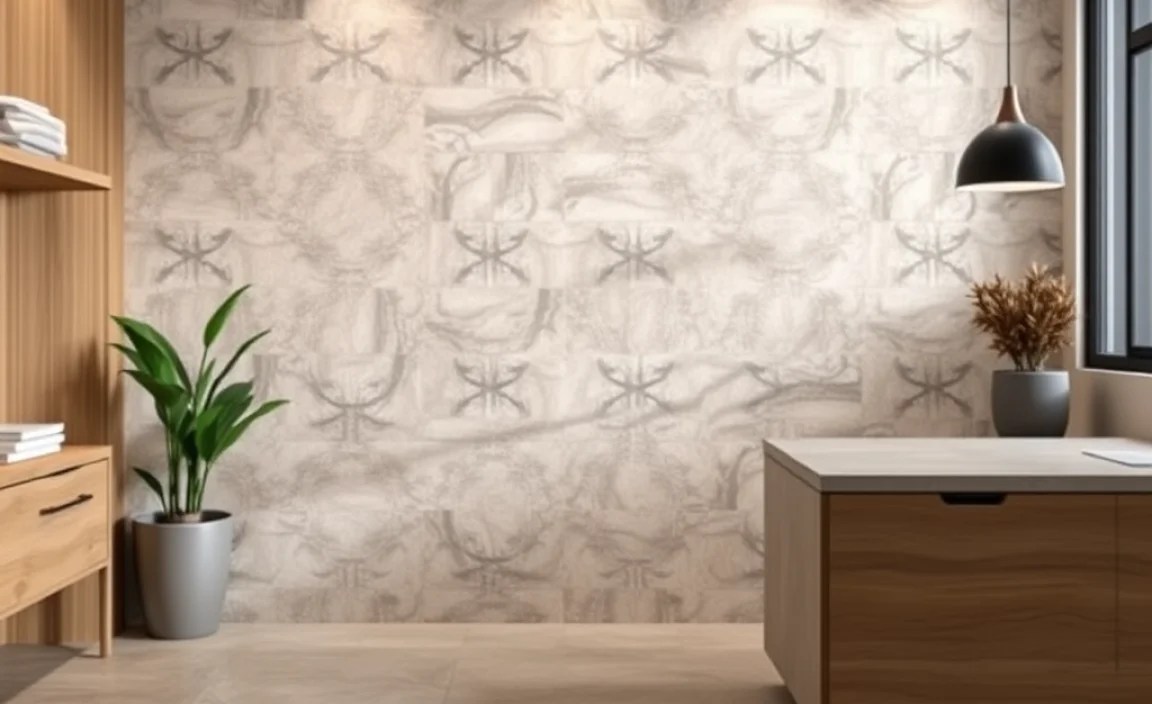
Tile patterns make spaces unique. Patterns add personality. The simplest is stacked. Tiles line up evenly. A running bond resembles brick walls. Diagonal patterns add depth. Herringbone is intricate and stylish. Basketweave gives a textured look. Each pattern transforms a room. Colors and shapes affect the vibe. Patterns create rhythm and flow. Choose based on your style.
- Stacked patterns offer simplicity.
- Running bonds resemble brickwork.
- Diagonal patterns create depth.
- Herringbone adds sophistication.
- Basketweave provides texture.
- Checkerboard contrasts colors.
- Random patterns offer creativity.
Patterns change a room’s feel. Simple designs are calming. Complex ones add excitement. A bathroom may use herringbone for elegance. Kitchens often use stacked for neatness. Living rooms enjoy the basketweave. Each choice reflects personality. It’s like painting with tiles. Patterns make tiling creative and fun.
Fun Fact or Stats : The herringbone pattern dates back to Ancient Egypt!
Choosing a Tile Pattern
Choosing a pattern is exciting. It sets the room’s tone. Start by exploring options. Consider the space. Is it large or small? Use patterns to influence perception. A diagonal pattern makes rooms appear bigger. Stacked patterns are simple yet effective. Running bond is timeless. The choice is yours. It’s like choosing an outfit for your room. Make it memorable.
Mixing Colors and Patterns
Mixing colors and patterns adds character. It resembles a colorful patchwork quilt. Start with a color palette. Include complementary shades. Use patterns to showcase colors. A bold color in a simple pattern works well. Subtle colors blend in complex designs. Balance is key. Again, it’s like matching clothes. The result can be stunning. Your creativity shines through.
Exploring Unique Designs
Unique designs express individuality. Think of them as artwork. Create a focal point with a special design. Use borders to frame spaces. Accent tiles highlight features. Combine various shapes. Don’t be afraid to experiment. Imagine a feature wall that tells a story. It’s personal and impactful. Unique designs make a home yours. They captivate and inspire.
Common Tile Mistakes to Avoid
Mistakes happen in tiling. But, they can be avoided. Rushing is a common error. People skip steps to save time. But, preparation ensures long-lasting results. Incorrect measurements lead to gaps. Always double-check your math. Poor adhesive application causes loose tiles. Take time with each step. Neglecting grout can ruin the look. Clean excess for a polished finish.
- Rushing leads to poor results.
- Skipping steps can cause issues.
- Incorrect measurements create gaps.
- Poor adhesive application weakens bonds.
- Neglecting grout affects appearance.
- Inadequate surface prep causes problems.
- Improper cutting leads to waste.
Being careful makes a difference. Plan every step. Measure twice, cut once. Apply adhesive evenly. Clean grout promptly. These practices prevent mistakes. Many people learn through trial and error. Avoid common pitfalls for better results. A well-done tile job takes effort. But, it’s worth it. Achieving perfection is satisfying.
Fun Fact or Stats : A skilled tiler can lay 500+ square feet of tile a day!
Importance of Careful Planning
Planning is essential. It sets the stage for success. Imagine building a model airplane. You need a plan, right? Tiling works the same way. Start by sketching a layout. Measure everything twice. This avoids surprises. Arrange tiles beforehand. It helps visualize the final look. Planning saves time and effort. It ensures a smooth process. A good plan is half the job.
Why Double-Checking Measurements Matters
Double-checking measurements is crucial. It prevents errors. Imagine buying a new shirt. You check the size, right? Tiles need the same attention. Measure walls and floors accurately. Check twice to avoid gaps. Use a tape measure for precision. Mistakes are costly. Extra care avoids material waste. It’s like a puzzle. Each piece must fit perfectly. Accuracy counts.
Avoiding Adhesive Mistakes
Adhesive mistakes cause problems. It’s like weak glue on a broken toy. Tiles can come loose. Use the right amount of adhesive. Spread it evenly. Don’t rush this step. It ensures tiles stick firmly. Press tiles down evenly. This creates a strong bond. Imagine tiles like friends holding hands. They should stick together. Proper adhesive use ensures that.
| Tile Material | Features | Uses | Cost |
|---|---|---|---|
| Ceramic | Versatile, Affordable | Kitchens, Bathrooms | $$ |
| Porcelain | Water-Resistant, Durable | Outdoor, Floors | $$$ |
| Marble | Luxurious, Elegant | Living Rooms, Bathrooms | $$$$ |
| Stone | Natural, Unique | Walls, Patios | $$$$ |
Conclusion
Understanding tiles jargon for beginners opens new doors. It makes tiling projects fun and easy. Knowing materials, patterns, and tools is crucial. Each tile choice changes a room’s look. Avoiding common mistakes ensures success. Take your time, plan well, and enjoy the process. Happy tiling, and let your creativity shine!
FAQs
Question: What is tiles jargon for beginners?
Answer: Tiles jargon for beginners are terms used in tiling. They help understand materials, tools, and steps. It includes words like grout, adhesive, and mosaic. Knowing this makes tiling projects easier. Beginners can learn quickly with practice.
Question: How do I choose the right tiles?
Answer: Consider the room and function. Kitchens need water-resistant tiles. Bathrooms require slip-resistant tiles. Living rooms may use decorative tiles. Knowing tiles jargon for beginners helps make informed choices. Each tile type offers different features.
Question: Why is planning important in tiling?
Answer: Planning ensures success. It helps visualize the design. It prevents mistakes like gaps or misaligned tiles. A good plan includes measuring and sketching layouts. It’s like a blueprint for tiling. Planning saves time and improves results.
Question: What tools do I need for tiling?
Answer: Important tools include a trowel, tile cutter, spacers, level, and grout float. Each has a specific purpose. They ensure neat and accurate tile placement. Having the right tools makes the job easier. Beginners can use them.
