
Quick Summary: Understanding tile parts, their pros, and cons is key to choosing the right ones for any project. This guide simplifies materials, installation basics, and common issues, empowering you to make informed decisions and achieve beautiful, lasting results for your home.
Hey there, DIYers and homeowners! Ever feel a bit lost staring at a wall of tile options, wondering which one is actually right for your kitchen backsplash or bathroom floor? You’re not alone! Choosing tiles can feel like deciphering a secret code. But don’t worry, we’re here to break it all down. We’ll look at the different parts of a tile and explore the good and not-so-good of each type. By the end, you’ll feel confident navigating this tile terrain. Ready to become a tile pro? Let’s dive in!
Understanding Tile Parts: What You’re Actually Buying

When we talk about tiles, it’s easy to just think of them as a flat, decorative piece. But there’s a bit more to it! Knowing the basic parts helps you understand why certain tiles perform better in different situations. Think of it like knowing the engine parts of a car – you don’t need to be a mechanic, but understanding the basics helps you know what you’re dealing with.
The Core Components of a Tile
Most tiles, especially ceramic and porcelain ones, are made up of a few key parts:
- Body (or Bisque): This is the main structure of the tile. It’s made from clay mixed with other minerals and then fired in a kiln. The type of clay and firing process significantly impacts the tile’s strength, water absorption, and durability.
- Glaze: This is the decorative, protective coating applied to the surface of the tile. It can be glossy, matte, textured, or patterned. The glaze is crucial because it determines the tile’s appearance, stain resistance, and how easy it is to clean.
- Colorant (Pigment): Mixed with the clay or the glaze, these pigments create the specific color or pattern you see on the tile.
For some tiles, like unglazed porcelain or natural stone, the “body” is essentially the whole story, and the “finish” is achieved through polishing or texturing rather than a separate glaze.
Common Tile Materials: Your Options and Their Quirks
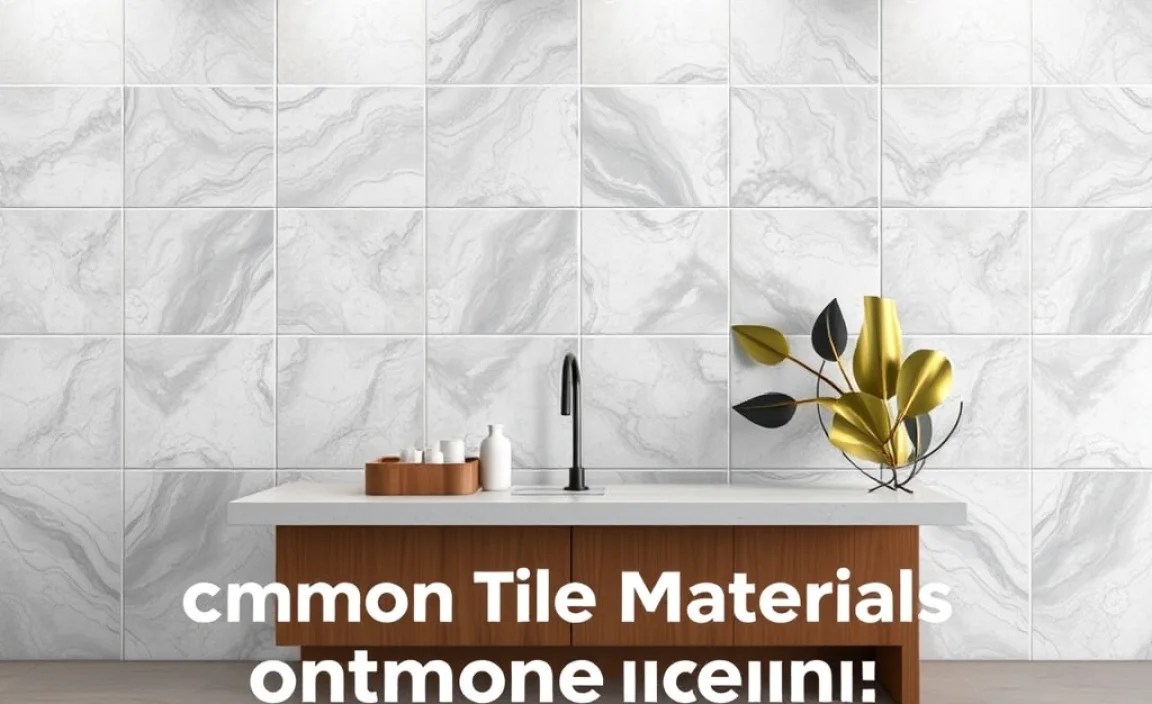
The material a tile is made from is probably the biggest factor in its performance, cost, and look. Here’s a breakdown of the most popular choices you’ll encounter, along with their strengths and weaknesses.
Ceramic Tile
Ceramic tiles are a longtime favorite for a reason. They’re versatile, come in a huge range of styles, and are generally budget-friendly. They’re made from clay that’s fired, then often covered with a glaze.
Pros of Ceramic Tile:
- Affordable: Often the most budget-friendly option available.
- Versatile Designs: Available in countless colors, patterns, and finishes, including those that mimic natural materials.
- Easy to Cut and Install: Generally softer than porcelain, making them easier for DIYers to work with.
- Water-Resistant (Glazed): The glaze provides a good barrier against moisture, making them suitable for many areas.
- Low Maintenance: Easy to clean with simple soap and water.
Cons of Ceramic Tile:
- Less Durable Than Porcelain: Can chip or crack more easily, especially if heavy objects are dropped on them.
- Higher Water Absorption: Unglazed ceramic tiles can absorb more water, making them unsuitable for wet areas like shower floors.
- Can Chip: The body is more porous and softer, so a hard impact can cause chips that reveal the darker clay color beneath.
Porcelain Tile
Think of porcelain tile as the super-tough sibling of ceramic. It’s made from a denser, finer clay mixture that’s fired at much higher temperatures. This makes it incredibly durable and less porous.
Pros of Porcelain Tile:
- Extremely Durable: Highly resistant to chipping, scratching, and cracking, making it ideal for high-traffic areas.
- Very Low Water Absorption: Often less than 0.5% water absorption, making it excellent for bathrooms, kitchens, and even outdoor use.
- Frost-Resistant: Can withstand freezing temperatures, suitable for patios and entryways.
- Through-Body Color: Many porcelain tiles have color all the way through the body. If a chip does occur, the exposed color is less noticeable.
- Stain Resistant: The dense, non-porous surface resists stains very well.
Cons of Porcelain Tile:
- More Expensive: Generally costs more than ceramic tiles.
- Harder to Cut and Install: Requires specialized tools and more effort to cut due to its hardness.
- Heavy: Can be heavier to transport and handle.
- Can Be Slippery: High-gloss finishes can be slippery when wet, so consider textured or matte options for areas like bathrooms.
Natural Stone Tile
This category includes beautiful materials like granite, marble, slate, travertine, and limestone. Each offers a unique, natural look, but they require more specialized care.
Pros of Natural Stone Tile:
- Unique Beauty: Each piece is unique, offering a luxurious and one-of-a-kind aesthetic.
- Durable (Varies by Stone): Materials like granite are very hard and durable.
- Adds Value: Can significantly increase the perceived value of a home.
- Timeless Appeal: Natural stone is always in style.
Cons of Natural Stone Tile:
- Porous: Most natural stones are porous and require regular sealing to prevent stains and water damage.
- Expensive: Often the most costly tile option, both for the material and installation.
- High Maintenance: Requires specific cleaning products and methods to avoid damage (e.g., acidic cleaners can etch marble).
- Can Chip or Scratch: Softer stones like marble can be prone to scratching and etching.
- Variability: Color and pattern can vary significantly between batches, so it’s important to view and select your actual tiles.
Other Popular Tile Types
Beyond the big three, you’ll also encounter:
- Glass Tile: Comes in many forms (mosaic sheets, large slabs). It’s beautiful and great for accent pieces or backsplashes. It’s resistant to stains but can be fragile and expensive. For more on glass tile, check out industry-leading advice from Building Science Corporation on moisture management, which is key for any tile job.
- Metal Tile: Often used for decorative accents. Durable but can scratch and be hard to cut.
- Cement Tile: Handcrafted with a matte finish. Very durable and can be used on floors and walls, but requires sealing and can be porous.
Tile Finishes: The Surface Matters!
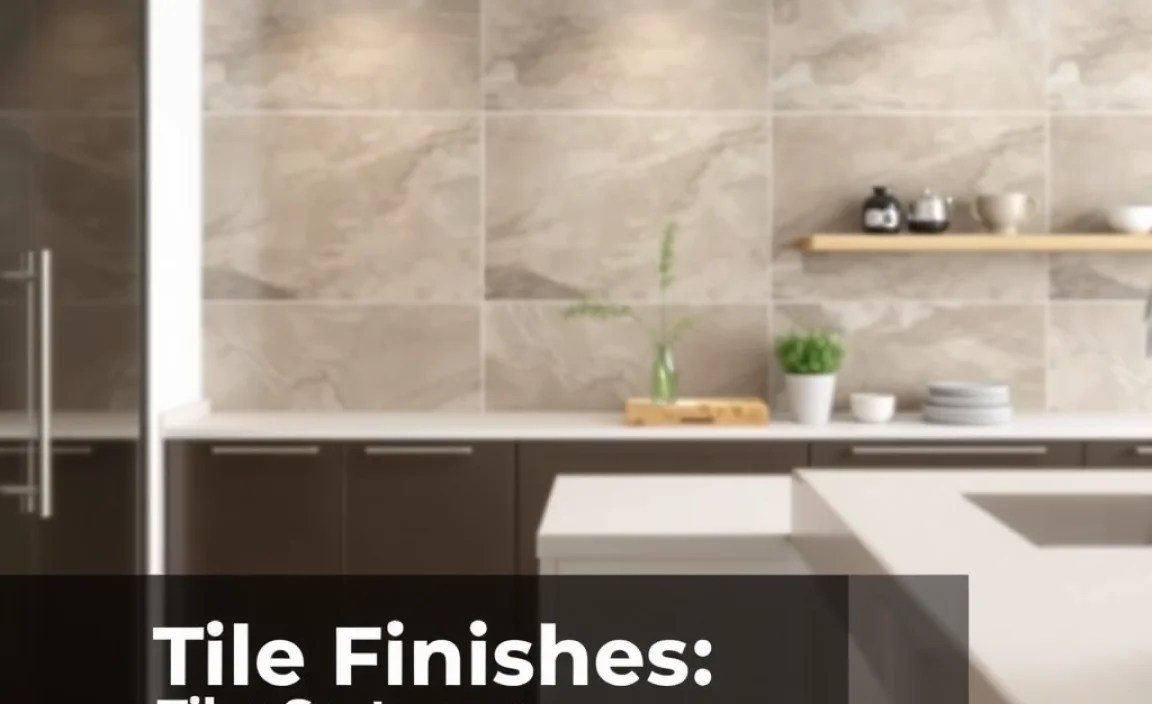
The way a tile’s surface is treated is crucial for its look and how it performs. This is often referred to as “finish.”
Glazed Finishes
- Glossy: Shiny and reflective, makes spaces feel bigger and brighter. Can be slippery and show water spots or smudges.
- Matte: Non-reflective, offers a softer look. Generally more slip-resistant than glossy tiles and hides smudges better.
- Satin/Honed: A subtle sheen, offering a balance between glossy and matte.
- Textured: Has a raised or varied surface for visual interest and improved slip resistance.
Unglazed Finishes
- Polished: Natural stone tiles are often polished to a high shine, revealing their natural beauty. Can be very smooth and slippery.
- Honed: A smooth, matte finish achieved by stopping the polishing process earlier. Less reflective and less slippery than polished.
- Tumbled: Natural stone tiles are put in a tumbler with other materials to create a worn, rustic look with softened edges.
- Leather: A newer finish, often on porcelain tiles, that mimics the soft texture of leather.
Factors to Consider When Choosing Tiles
Now that you know the parts and materials, how do you make the right choice for your project? It’s all about matching the tile to its intended use and your lifestyle.
1. Location, Location, Location!
Where will the tile be installed? This is perhaps the most important question.
- High-Traffic Areas (Entryways, Kitchen Floors): You need durable, scratch-resistant, and stain-resistant materials. Porcelain is a top choice here. Consider matte or textured finishes for better slip resistance.
- Wet Areas (Bathrooms, Showers, Pool Areas): Water absorption is key. Porcelain and ceramic with very low water absorption are good. Crucially, consider slip resistance. Textured tiles or smaller mosaics (which have more grout lines providing grip) are excellent.
- Walls (Backsplashes, Shower Walls): Less wear and tear, so many materials can work. Ceramic, glass, and even some natural stones are great.
- Outdoor Areas: Needs to be frost-proof and able to withstand the elements. Porcelain is usually the best bet.
2. Durability Requirements
How much wear and tear do you expect? For busy homes with kids and pets, heavy-duty is the way to go. For a low-traffic powder room, you have more flexibility.
3. Slip Resistance (Coefficient of Friction)
This is super important for safety, especially in wet areas. Look for tiles with a good Coefficient of Friction (COF). While manufacturers will sometimes specify this, matte and textured finishes are generally safer bets than glossy ones. For wet areas, a COF of 0.60 or higher is often recommended by organizations like the U.S. Access Board for accessibility standards which indirectly speak to safety and grip.
4. Maintenance
Be honest about how much time you’re willing to spend cleaning and maintaining your tiles. Natural stone requires more upkeep than porcelain, for example. If you want a set-it-and-forget-it solution, choose materials that are easy to clean and don’t need sealing.
5. Aesthetics and Style
This is the fun part! What look are you going for? Modern, rustic, traditional? Tiles come in so many colors, shapes, and sizes. Don’t forget to consider grout color, as it significantly impacts the final look.
6. Budget
Tiles vary wildly in price. Set a budget early on. Remember to factor in installation costs and materials like adhesive, grout, and sealer, as these can add up.
Tile Installation Basics: What to Expect
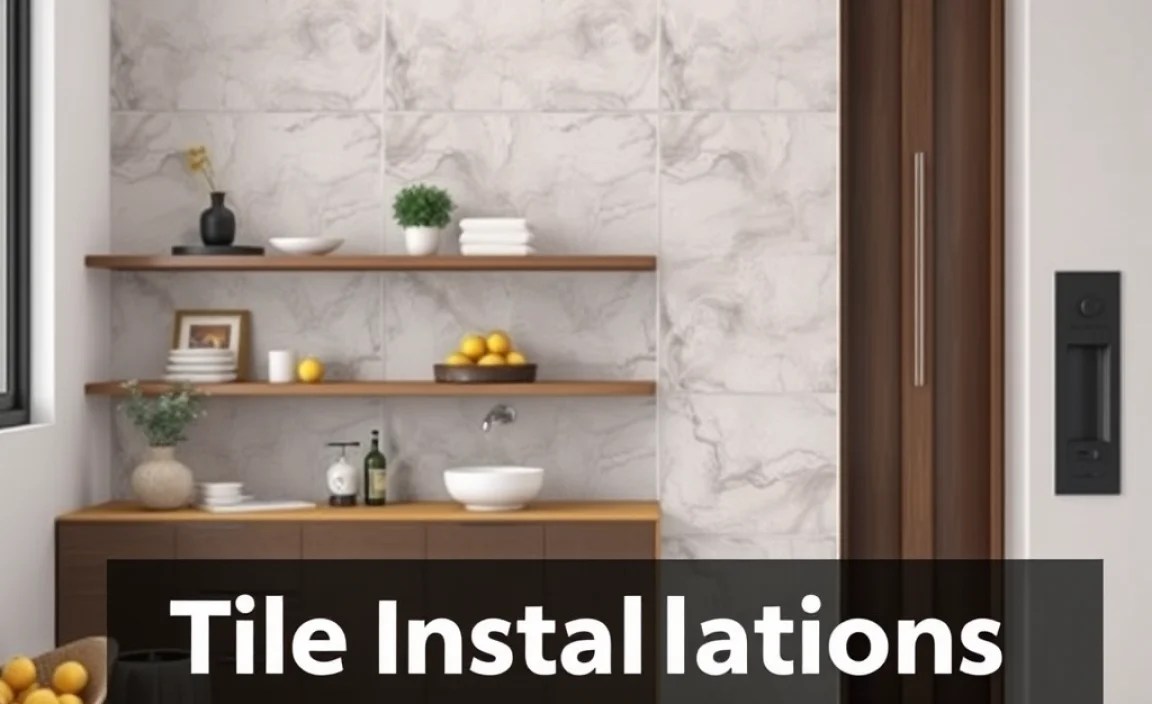
While this guide focuses on tile parts and their pros/cons, a quick look at installation helps understand why some tiles are easier to put down than others.
- Surface Preparation: The subfloor or wall must be clean, dry, and level.
- Layout: Planning the tile layout ensures a symmetrical and appealing final look.
- Adhesive: Thin-set mortar is typically used to stick tiles down.
- Setting Tiles: Tiles are pressed into the adhesive and spaced with spacers.
- Cutting Tiles: This is where tile hardness becomes a factor. Ceramic is easier to cut than porcelain.
- Grouting: Once the adhesive cures, grout is applied to fill the spaces between tiles.
- Sealing: Grout and porous natural stone tiles often need sealing to protect them.
For many DIYers, tiling can be a rewarding project. However, for complex areas or if you want a professional finish, hiring a qualified installer is always an option.
Pros and Cons Summary Table
Here’s a quick table to help you compare the most common tile types at a glance:
| Tile Type | Pros | Cons |
|---|---|---|
| Ceramic | Affordable, wide variety of designs, easy to cut, water-resistant (glazed), low maintenance. | Less durable than porcelain, can chip, higher water absorption (unglazed). |
| Porcelain | Extremely durable, very low water absorption, frost-resistant, through-body color, stain-resistant. | More expensive, harder to cut, heavy, can be slippery (glossy). |
| Natural Stone (e.g., Marble, Granite, Slate) | Unique beauty, adds value, durable (varies), timeless appeal. | Porous (needs sealing), expensive, high maintenance, can chip/scratch, color variability. |
| Glass | Beautiful, reflective, stain-resistant. | Fragile, expensive, can be slippery, difficult to cut. |
Conclusion: Tiling Your Way to a Beautiful Home
Navigating the world of tiles—understanding their parts, materials, and the pros and cons of each—might seem daunting at first, but it’s really about making informed choices based on where they’ll go and how you want them to perform. Whether you’re drawn to the classic charm of ceramic, the robust durability of porcelain, or the unique elegance of natural stone, there’s a tile out there that’s perfect for your project. Remember to consider the location, your maintenance routine, and your budget. By keeping these factors in mind and choosing wisely, you can achieve beautiful, long-lasting results that you’ll be proud of for years to come. Happy tiling!
Frequently Asked Questions About Tiles
We know you might still have some questions. Here are a few common ones we hear from folks just starting out:
Q1: What’s the difference between ceramic and porcelain tile?
Porcelain is a denser, less porous type of ceramic made from finer clay and fired at higher temperatures. This makes it harder, more durable, and more water-resistant than standard ceramic tile.
Q2: Can I use floor tile on a wall?
Yes, you generally can! Floor tiles are typically more durable than wall tiles. However, wall tiles are usually lighter and easier to install on vertical surfaces, and some lighter wall tiles might not be suitable for floors.
Q3: Do I need to seal my tiles and grout?
It depends on the tile type. Most glazed ceramic and porcelain tiles don’t need sealing because the glaze is a protective barrier. However, unglazed tiles, natural stone, and almost all grout lines benefit greatly from sealing to prevent staining and moisture penetration.
Q4: Are textured tiles hard to clean?
Textured tiles can be slightly harder to clean than smooth tiles, as dirt can settle into the texture. However, this is often a trade-off for much-improved slip resistance, which is crucial in areas like bathrooms. Regular sweeping and a good quality tile cleaner will usually do the trick.
Q5: How much tile should I buy?
Always buy about 10-15% extra tile! This accounts for cuts during installation, potential breakage, and future repairs. It’s much better to have a few extra tiles than to run out and find that the dye lot or style has been discontinued.
Q6: Can I tile over existing tiles?
Yes, in some situations! As long as the existing tiles are well-adhered, not cracked, and the surface is perfectly flat and clean, you can often tile directly over it. This saves on demolition time and cost. Ensure your chosen tile and adhesive are appropriate for this over-tile application.
