
Quick Summary: Understanding different tile types in plumbing is key for durable, waterproof, and visually appealing installations. This guide breaks down common choices like ceramic, porcelain, glass, and natural stone, helping you select the best tile for your bathroom, kitchen, or any wet area for long-lasting, beautiful results.
Leaky pipes, clogged drains, or outdated bathrooms can be a real headache. But did you know that the tiles in your plumbing areas play a huge role in preventing water damage and keeping things running smoothly? Choosing the right tiles isn’t just about looks; it’s about creating a strong, waterproof barrier.
Many homeowners find selecting tiles confusing. There are so many options, and it’s hard to know which ones are best for kitchens, bathrooms, or basements where moisture is a big concern. This guide is here to clear things up! We’ll walk you through the most common tile types used in plumbing applications, explaining their pros, cons, and best uses. Get ready to feel confident about your next tiling project!
Tiles Types In Plumbing: Your Essential Guide to Durability and Style

When we talk about plumbing, our minds usually go straight to pipes, faucets, and toilets. But the surfaces surrounding these fixtures – especially in kitchens and bathrooms – are just as critical! The right tile choices can protect your home from water damage, resist mold and mildew, and add significant value and beauty. Let’s dive into the world of tiles and figure out which ones are your plumbing’s best friends.
Understanding “tiles types in plumbing” means looking at materials that can stand up to moisture, stress, and daily use. It’s about building a reliable system from the floor up. We’ll explore everything from the ever-popular ceramic to the luxurious natural stone, so you can make informed decisions for a home that’s both functional and stylish.
Why Tile Choice Matters in Plumbing Areas

Tiles in plumbing-heavy areas – like shower walls, bathroom floors, and kitchen backsplashes – serve a crucial purpose beyond decoration. They are your first line of defense against water intrusion.
- Water Resistance: The primary job of tiles and grout in plumbing areas is to create a waterproof barrier. This prevents water from seeping into your subflooring, walls, and the plumbing itself, which can lead to costly repairs, mold growth, and structural damage.
- Durability: These areas experience a lot of wear and tear. Tiles need to be tough enough to withstand foot traffic, furniture, cleaning, and the occasional dropped item.
- Hygiene: Smooth, non-porous tile surfaces are easier to clean and sanitize, which is especially important in kitchens and bathrooms where cleanliness is paramount.
- Aesthetics: Of course, tiles also contribute significantly to the overall look and feel of your home. The right tiles can transform a utilitarian space into a beautiful, spa-like environment or a chef’s dream kitchen.
Choosing the wrong type of tile for a high-moisture area can lead to problems like cracked tiles, grout deterioration, and water damage. That’s why knowing your “tiles types in plumbing” is so important.
Common Tile Types for Plumbing Applications
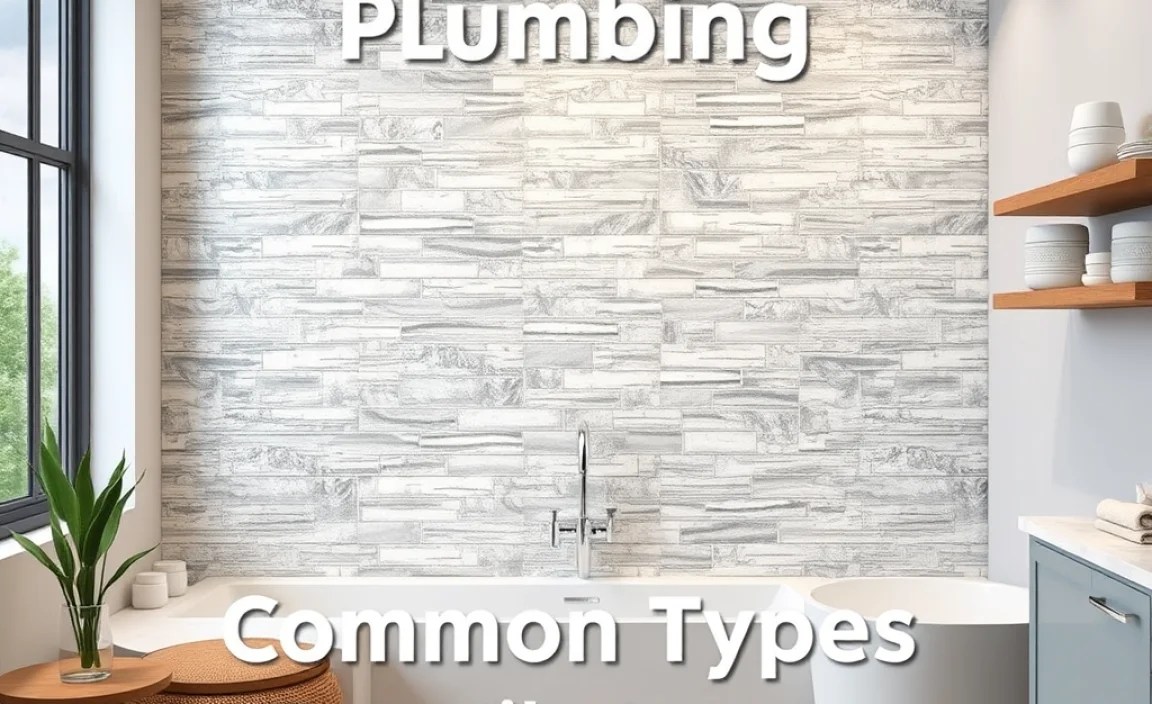
Let’s explore the most popular tile materials and see how they stack up for use around plumbing fixtures and in wet areas.
1. Ceramic Tiles
Ceramic tiles are a timeless favorite for a reason. They are made from clay fired in a kiln, and they can be glazed or unglazed.
Glazed Ceramic Tiles: These have a protective, waterproof coating applied before firing. This glaze makes them very easy to clean, resistant to stains, and available in a vast array of colors and patterns.
Unglazed Ceramic Tiles: Less common in wet areas, these have a more natural, matte finish and are typically more porous than glazed tiles, requiring sealing. They are often used for flooring in less moisture-prone areas.
Pros:
- Affordable and widely available.
- Easy to clean and maintain (especially glazed).
- Comes in countless styles, colors, and sizes.
- Good for walls and moderately trafficked floors.
Cons:
- Can chip or crack if a heavy object is dropped on them.
- Glazed tiles can be slippery when wet.
- Porosity (if unglazed) may require sealing.
- Not as dense or durable as porcelain.
Best Uses in Plumbing: Backsplashes, kitchen counters, bathroom walls, shower surrounds, and low-traffic bathroom floors.
2. Porcelain Tiles
Porcelain tiles are a step up from ceramic in terms of durability and water resistance. They are made from a denser, finer clay mixture that’s fired at higher temperatures. This process results in a tile that is incredibly hard, dense, and virtually waterproof.
Porcelain tiles can mimic the look of natural stone, wood, or even concrete, offering a versatile aesthetic. They are also typically through-body colored, meaning any chips are less noticeable than with ceramic tiles.
Pros:
- Extremely durable and resistant to scratches and chips.
- Highly water-resistant (often less than 0.5% water absorption, according to the Ceramic Tile Association).
- Suitable for high-traffic areas, both indoors and outdoors.
- Resistant to frost, stains, and fading.
- Versatile appearance, mimicking other materials.
Cons:
- More expensive than standard ceramic tiles.
- Can be harder to cut and install, often requiring specialized tools.
- Heavy, which can add to installation costs.
- Can be unforgiving if you drop something fragile on them.
Best Uses in Plumbing: Bathroom floors, shower floors, shower walls, kitchen floors, kitchen backsplashes, and any area requiring high durability and water resistance.
3. Natural Stone Tiles
Natural stone tiles offer unparalleled beauty and a touch of luxury. They are quarried from natural rock formations and come in a wide variety of types, each with its own unique characteristics.
Common types include:
- Marble: Known for its elegant veining and classic look. It’s softer than granite and can be prone to etching from acidic substances like lemon juice or vinegar.
- Granite: Extremely hard and durable, with a speckled appearance. It’s highly resistant to scratches and heat.
- Travertine: A porous stone with a distinctive, rustic appearance often characterized by small holes. Requires regular sealing.
- Slate: Offers a natural, earthy look and can be quite durable. It has a unique textured finish and is naturally slip-resistant.
- Limestone: A softer sedimentary stone with a refined, natural look. It’s porous and requires sealing.
Pros:
- Unique, natural beauty that can’t be replicated.
- Adds significant value to a home.
- Durable materials like granite and slate.
- Each tile is one-of-a-kind.
Cons:
- Generally the most expensive option.
- Porous materials (marble, travertine, limestone) require regular sealing to prevent staining and water absorption.
- Can be susceptible to etching or scratching depending on the stone type.
- Heavy and can be difficult to install.
- Requires specific cleaning products to avoid damage.
Best Uses in Plumbing: Luxury bathroom floors, shower walls (especially marble or slate), elegant kitchen backsplashes (consider sealed options). Be cautious with porous stones on shower floors where they are constantly wet. Always consult with a professional for installation and sealing recommendations for natural stone. You can find more detailed information on stone care from organizations like the International Surface Fabricators Association (ISFA), formerly the Marble Institute of America.
4. Glass Tiles
Glass tiles bring a modern, luminous quality to any space. They are made from recycled or new glass and can be used in solid colors, mosaics, or even with decorative patterns.
Pros:
- Stunning visual appeal, adds light and depth.
- Impervious to water and stains.
- Easy to clean.
- Can make small spaces feel larger.
- Eco-friendly option if made from recycled glass.
Cons:
- Can be expensive, especially for large areas.
- Can be prone to chipping or breaking if not handled carefully during installation.
- Some types can scratch.
- The grout lines can be very noticeable, so a clean installation is critical.
- Not ideal for areas with heavy foot traffic or potential for impact.
Best Uses in Plumbing: Shower walls, bathroom backsplashes, accent tiles in mosaics, and areas where a high-impact visual statement is desired. Not recommended for floor tiling in bathrooms or kitchens due to potential for slipping and damage.
5. Mosaic Tiles
Mosaic tiles aren’t a material in themselves but rather a style of tiling. They are composed of small individual pieces (tesserae) of ceramic, porcelain, glass, stone, or metal, assembled on a mesh backing for easier installation.
When considering mosaics for plumbing areas, the choice of the individual tesserae material becomes important. A mosaic made of porcelain or glass will offer better water resistance than one made of unsealed natural stone.
Pros:
- Excellent for creating intricate patterns and designs.
- Can conform to curved surfaces.
- Great for accent features or small areas.
- Can add texture and visual interest.
Cons:
- More grout lines mean more potential for grout issues if not properly sealed and maintained.
- Can be more labor-intensive to install than larger format tiles.
- Individual small tiles can be more prone to chipping if the material itself is fragile.
- Can be slippery if many small, smooth tiles are used on a floor.
Best Uses in Plumbing: Shower floors (especially with textured or matte finishes to improve slip resistance), shower niches, accent strips on walls, backsplashes, and decorative borders.
Factors to Consider When Choosing Tiles for Plumbing Areas

Beyond the material, several other factors are vital when selecting “tiles types in plumbing” for bathrooms, kitchens, and wet rooms.
1. Water Absorption Rate
This is perhaps the most critical factor for areas exposed to moisture. Tiles are rated based on how much water they absorb. For areas like shower floors or kitchen backsplashes, you want tiles with a very low water absorption rate.
Here’s a general guide based on standards set by organizations like the Natural Stone Council and industry practices:
| Tile Type | Typical Water Absorption Rate | Suitability for Wet Areas |
|---|---|---|
| Ceramic (Glazed) | 3% – 7% | Good for walls, backsplashes, low-traffic floors. May require sealing if grout is not waterproof. |
| Porcelain | < 0.5% | Excellent. Highly recommended for all wet areas, including shower floors and kitchen floors. |
| Natural Stone (e.g., Marble, Travertine, Limestone) | 1% – 10%+ (varies greatly) | Requires careful selection and diligent sealing. Best for walls or low-traffic floors where constant saturation is avoided. Not ideal for busy shower floors without expert advice. |
| Natural Stone (e.g., Granite, Slate) | < 1% – 3% | Good for floors and walls, but still requires sealing for maximum protection. Slate’s natural texture offers good slip resistance. |
| Glass | 0% | Excellent for walls and backsplashes. Not generally recommended for floors due to slip risk and potential for breakage. |
2. Slip Resistance
This is paramount for bathroom floors and shower floors. A tile with a high coefficient of friction (COF) will provide better traction.
- Look for tiles with a matte or textured finish rather than a highly polished one for better grip.
- Mosaic tiles, especially those with variations in surface texture or insets, can also offer better slip resistance.
- When in doubt, check the tile’s specifications for its COF rating. A COF of 0.60 or higher is generally recommended for level interior floors to be walked on when wet.
3. Durability and Traffic
Consider how much foot traffic the area will receive. Porcelain and granite are excellent choices for high-traffic kitchen and bathroom floors. Ceramic and some natural stones might be better suited for walls or less-used areas.
4. Ease of Maintenance and Cleaning
In plumbing areas, tiles need to be easy to keep clean to prevent soap scum, mold, and mildew. Glazed ceramic, porcelain, and glass tiles are generally the easiest to maintain. Natural stones, especially porous ones, require more diligent care and specific cleaning products.
5. Grout Choice
Don’t forget the grout! The grout between your tiles is just as important for waterproofing.
- Cementitious Grout: The most common type, but it’s porous and needs to be sealed regularly.
- Epoxy Grout: Highly resistant to stains, water, and cracking. It’s more expensive and harder to install but offers superior performance in wet areas.
- Furan Grout: Extremely durable and chemical resistant, often used in commercial settings.
For most DIY projects in bathrooms and kitchens, a high-quality, stain-resistant cementitious grout or an epoxy grout is recommended.
Installation Tips for Plumbing Tile Projects
Even the perfect tile can fail if installed improperly. Here are a few key tips:
- Proper Underlayment: Ensure your subfloor is clean, level, and dry. For wet areas like showers, use a waterproof underlayment or a cement board. Consider a system designed for waterproofing transitions, like those from Schluter Systems.
- Waterproofing Membranes: Especially in shower areas, apply a liquid or sheet waterproofing membrane over the underlayment before tiling. This creates an extra layer of protection behind the tiles.
- Tile Adhesive: Use a high-quality tile adhesive (thin-set mortar) appropriate for the tile type and the environment.
- Proper Grouting: Follow the manufacturer’s instructions for mixing and applying grout. Ensure all gaps are filled completely.
- Sealing: Seal porous tiles (like many natural stones) and groutlines as recommended by the manufacturer. Re-seal periodically as needed.
Frequently Asked Questions About Tiles Types in Plumbing
Q1: Which tile is best for a shower floor?
A1: Porcelain tiles with a high slip resistance (textured or matte finish) are generally the best choice for shower floors. Smaller mosaic tiles can also work well, providing more grout lines for better traction, but ensure the individual tesserae are water-resistant.
Q2: Can I use ceramic tiles in a bathroom?
A2: Yes, glazed ceramic tiles are excellent for bathroom walls and backsplashes. For bathroom floors, porcelain tiles are usually preferred due to their higher durability and lower water absorption, especially in high-moisture zones.
Q3: Do natural stone tiles need to be sealed before being used in a bathroom?
A3: Absolutely. Most natural stones (marble, travertine, limestone, slate) are porous and require sealing to protect them from water absorption and staining. Re-sealing periodically is crucial.
Q4: Are glass tiles slippery?
A4: Yes, glass tiles can be quite slippery, especially when wet. They are best used on walls, backsplashes, or as decorative accents, rather than on floors in bathrooms or kitchens.
