
Toilet flange terms vs alternative: This guide clarifies common toilet flange terms and explores alternatives, empowering you to choose the right part for a leak-free, stable toilet installation. Understand the jargon and make informed decisions for a successful DIY project.
Dealing with a wobbly toilet or a mysterious leak around its base can be a real head-scratcher. Often, the culprit lies beneath the surface, hidden by the toilet itself. This unseen hero is the toilet flange, a crucial component that connects your toilet to the drainpipe and the floor. Understanding its terminology and when to consider alternatives is key to a successful and leak-free bathroom.
Many DIYers find the language surrounding toilet flanges a bit confusing at first. Terms like “push toilet flange,” “offset flange,” or “universal flange” can sound like a foreign language. But don’t worry! This guide will break down these terms into simple, easy-to-understand explanations. We’ll demystify the world of toilet flanges, show you common types, and discuss when an alternative might be your best bet. By the end, you’ll feel confident tackling this common home maintenance task.
Let’s get started and make sure your toilet is as secure and leak-free as it can be!
Understanding Toilet Flange Basics: What You Need to Know

Think of the toilet flange as the vital handshake between your toilet and your home’s plumbing system. It’s a circular fitting, typically made of PVC, ABS, or metal, that connects the toilet’s wax ring (or wax-free alternative) to the drainpipe in your floor. Its primary job is to create a watertight seal and securely mount the toilet to the floor.
A properly installed toilet flange ensures that wastewater flows efficiently into the drainpipe, preventing leaks and odors from escaping into your bathroom. It also provides the anchor points for screwing the toilet down, preventing any unwanted wobbling or shifting.
Key Toilet Flange Terms Demystified
Let’s clear up some of the common vocabulary you’ll encounter when discussing toilet flanges. Knowing these terms will help you diagnose issues and select the right replacement part if needed.
- Toilet Flange: The general term for the fitting that connects the toilet to the drainpipe and supports the toilet.
- Closet Flange: An older but still widely used term for a toilet flange, emphasizing its connection to the toilet (or “closet”).
- Drainpipe: The pipe that carries wastewater away from the toilet. The flange attaches to this pipe.
- Wax Ring: The traditional seal placed between the toilet base and the flange. It creates a watertight and odor-proof barrier.
- Wax-Free Seal: A modern alternative to the wax ring, often made of rubber or foam, offering a more forgiving and sometimes easier installation.
- Flange Height: The distance from the top surface of the flange to the finished floor level. Proper height is crucial for a good seal.
- Flange Offset: A type of flange designed to shift the toilet’s position slightly, either horizontally or vertically, when the drainpipe isn’t perfectly centered.
- Universal Flange: A flange designed to fit various pipe sizes or configurations, offering more flexibility during installation or repair.
- Push Toilet Flange (or No-Hub Flange): This term is often used casually to refer to a flange that is pushed into a drainpipe (like a PVC slip-joint fitting) rather than being screwed to a subfloor. Sometimes it’s associated with specific types that don’t require screws for initial placement.
- Spigot Flange: A flange that has a spigot (a male end) that inserts directly into a drainpipe fitting.
- Hub Flange: A flange that has a hub (a female end or socket) designed to fit over the outside of a drainpipe.
- Face Flange: Refers to the part of the flange that sits on the finished floor.
- Drop Ear Elbow: While not a toilet flange itself, this is a type of fitting sometimes incorporated into plumbing systems that can look similar from above ground. It’s more common for sinks or tubs but can cause confusion.
Common Toilet Flange Materials
The material of your toilet flange plays a role in its durability and how it’s installed. The most common are:
- PVC (Polyvinyl Chloride): Lightweight, affordable, and resistant to corrosion. Most common in modern home plumbing.
- ABS (Acrylonitrile Butadiene Styrene): Similar to PVC but can be more brittle over time. Often found in older homes.
- Cast Iron: Very durable and heavy, common in older construction. Can rust if not properly maintained.
- Brass: Expensive and durable, sometimes used for specialty applications or as a high-end replacement part.
Why Toilet Flanges Fail (And How to Spot Them)
Even sturdy plumbing components can encounter issues. Toilet flanges are no exception. Understanding the signs of a failing flange will help you act fast before minor problems become major headaches.
The most common reason a toilet flange fails to perform its job is damage or improper installation. This can lead to:
- Leaks Around the Base: This is the most obvious sign. If you see water pooling around the toilet, it could be a sign of a compromised seal between the toilet, the wax ring, and the flange.
- Wobbly Toilet: A toilet that rocks or shifts when you sit on it is often due to loose mounting bolts or a damaged flange that isn’t holding the toilet securely.
- Bad Odors: If sewer gases are escaping into your bathroom, your wax ring might be broken or dry, or the flange itself may have a crack or gap.
- Cracked or Deteriorated Flange: Over time, plastic flanges can become brittle, or metal flanges can corrode. If the flange material itself is damaged, it can no longer create a proper seal.
- Improper Flange Height: If the flange sits too high above the floor, the wax ring won’t compress correctly. If it sits too low (below the floor level), it can be difficult or impossible to get a secure seal and can lead to leaks. The ideal is for the flange face to be flush with or slightly above the finished floor.
Catching these signs early allows for timely repairs, preventing water damage, mold growth, and unpleasant bathroom odors. Fortunately, replacing a toilet flange is a manageable DIY project for most homeowners, especially with the right guidance.
Types of Toilet Flanges and Their Uses

When it comes to choosing a toilet flange, there isn’t a one-size-fits-all solution. Different situations call for different types of flanges. Understanding these variations will help you select the correct part for your needs.
Standard Toilet Flanges
These are the most common types you’ll find. They are designed to be directly connected to a drainpipe and secured to the subfloor with screws.
- PVC Standard Flange: This is the go-to for most modern plumbing renovations and new installations. They connect to PVC drainpipes via a solvent weld or a rubber gasket and are then screwed into the subfloor. They typically have multiple screw holes for secure mounting.
- ABS Standard Flange: Similar to PVC but designed for ABS drainpipes.
- Cast Iron Standard Flange: For older plumbing systems, cast iron flanges offer robust durability. They often connect to cast iron pipes using a rubber gasket and stainless steel compression ring or a specialized sealant.
Offset Toilet Flanges
These are lifesavers when your toilet drainpipe isn’t perfectly aligned with where your toilet bowl is positioned. They allow you to shift the toilet’s position slightly without major plumbing rework.
- Swivel Flange: These flanges have a rotating part that allows for minor adjustments in alignment.
- Offset Closet Flange: These flanges have an eccentric (off-center) opening or an angled connection that shifts the toilet’s position. They usually offer a fixed offset, meaning they’re designed to move the toilet a specific distance in one direction (e.g., 1 or 2 inches).
- Adjustable Offset Flange: Some are designed with adjustable arms or collars to allow for a range of corrections.
When to use an offset flange: You’ll typically need one if your toilet’s bolt holes are not lining up perfectly with the center of your drainpipe, or if the toilet bowl itself is positioned a little too close or too far from the wall.
Specialty Toilet Flanges
Beyond the standard and offset types, there are flanges built for specific scenarios or offering enhanced features.
- Deep Seal Flange: Features a more extended throat, providing an extra layer of security for the seal, especially in situations where flange height might be a concern.
- Surface-Mount Flange: Used when the drainpipe extends above the finished floor and the flange can be mounted directly on the surface of the pipe and then secured to the flange itself.
- Repair Flange: Designed to repair damaged flanges without needing to replace the entire pipe section. They often clamp onto the existing pipe.
- Toilet Flange with Horn: Some PVC and ABS flanges come with a built-in “horn” or guide that helps direct wastewater into the drainpipe and can also act as a barrier against sewer gases if the wax ring seal is compromised.
Push-Through or Slip-Joint Flanges (Often Misunderstood as “Push Toilet Flanges”)
These are designed to push directly into a drainpipe fitting (like a PVC coupling or a standard hub) and then are secured to the subfloor. The term “push toilet flange” can sometimes refer to these, or it might describe a flange that connects to the pipe using a rubber gasket that simply pushes into place.
- Hub-Style Flange: The end of the flange (the hub) is sized to fit over the outside of a standard drainpipe.
- Spigot-Style Flange: The end of the flange (the spigot) is sized to fit inside a standard drainpipe fitting.
The key feature is the ease of connection to the drainpipe itself, often without the need for solvent welding for PVC. They are then screwed into the subfloor.
When to Consider an Alternative to a Standard Flange
While standard flanges are excellent for straightforward installations, certain plumbing challenges might necessitate an alternative. Your choice depends entirely on your specific situation and the condition of your existing plumbing.
Here are some scenarios where a standard flange might not be the best fit:
- Misaligned Drainpipe: As mentioned, if your drainpipe isn’t centered under your toilet location, an offset flange is almost always the best solution. This avoids cutting and re-gluing or re-rubbing pipe, which can introduce new problems.
- Drainpipe Height Issues:
- Pipe Too Low: If the drainpipe is significantly below theFinished floor level, you might need a flange extender or a specialty flange designed to reach the pipe. A standard flange won’t be able to create a seal if it’s too far from the pipe. The ideal scenario is for the flange to sit flush with or slightly above the finished floor. The U.S. Department of Housing and Urban Development (HUD) provides guidelines for plumbing, emphasizing proper trap seals and installation which are impacted by flange height.
- Pipe Too High: If the drainpipe is substantially above the finished floor, you might need to cut it down and use a flange that fits the reduced pipe size, or in some cases, a repair flange that clamps around the existing pipe section.
- Damaged Existing Flange: If your current flange is cracked, brittle, or corroded, you’ll need to replace it. Depending on how it’s attached to the pipe, you might have options between a standard replacement that glues or fits onto the pipe, or a repair flange that clamps on if the pipe end is too damaged for a standard connection.
- New Toilet Installation on Unstable Subfloor: While not an “alternative flange,” using thicker, heavy-duty flanges made of strong materials like cast iron or reinforced PVC can offer more stability if your subfloor is less than ideal or if you’re installing a particularly heavy toilet.
- Desire for Easier Installation/Maintenance: Some modern wax-free seals and their corresponding flanges are designed for simpler, less messy installation than traditional wax rings. While not an alternative flange type, the system might be an alternative to the traditional wax ring method.
When in doubt, consulting a professional plumber or carefully examining the existing plumbing setup will help you determine the best type of flange or alternative for your specific situation.
Flanges vs. Alternatives: A Comparison
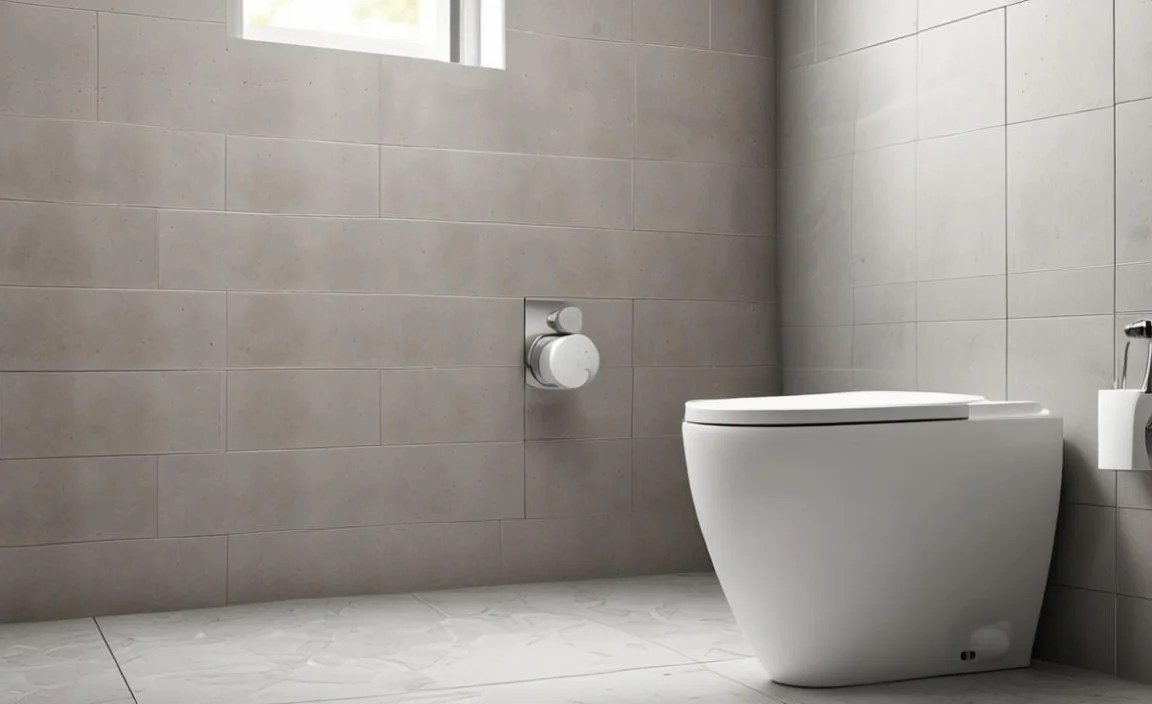
When we talk about “alternatives” to a toilet flange, we often mean alternatives to the traditional wax seal or different types of flanges that solve specific problems, rather than eliminating the flange itself. The flange is a non-negotiable part of your toilet setup.
Here’s a look at how different flange types and sealing methods compare:
Toilet Flange Types Comparison
This table highlights key differences between common flange types:
| Flange Type | Typical Material | Primary Use Case | Pros | Cons |
|---|---|---|---|---|
| Standard PVC/ABS | PVC/ABS | New installations, standard replacements | Affordable, easy to cut/glue (PVC), lightweight | Can become brittle over time (ABS), requires proper pipe connection (solvent weld, gasket) |
| Offset Flange | PVC/ABS | Misaligned drainpipe, non-centered toilet position | Corrects minor alignment issues, avoids re-piping | Limited adjustment range, can reduce drainpipe flow slightly if severely offset |
| Cast Iron Flange | Cast Iron | Older plumbing systems, high-traffic areas requiring extreme durability | Extremely durable, long-lasting | Heavy, susceptible to rust, more difficult to cut/modify |
| Repair Flange | Metal or strong plastic | Damaged flange end or pipe section | Fixes existing pipe section without replacement, clamps on | May require specific pipe diameters, can be more expensive than standard |
| Push-Through/Hub Style | PVC/ABS | Easy connection to pipe hub, speedier installation | Simple connection to drainpipe, often uses rubber seals | Requires matching pipe hub, still needs subfloor mounting |
Wax Ring vs. Wax-Free Seals
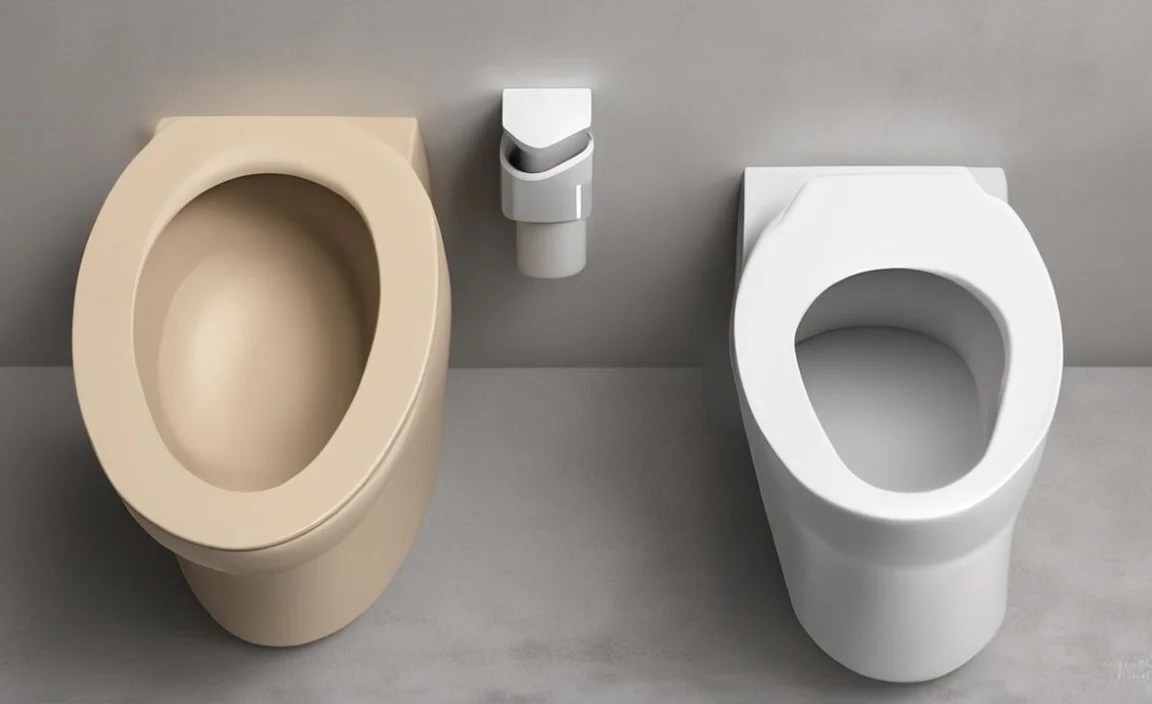
The seal beneath your toilet is just as critical as the flange itself. Here’s a comparison:
| Feature | Traditional Wax Ring | Wax-Free Seal |
|---|---|---|
| Material | Animal fat (beeswax or paraffin) | Rubber, foam, or synthetic polymers |
| Installation Ease | Can be messy, requires careful placement, melts with heat | Generally cleaner, often more forgiving with slight misalignments, some have adhesive backing |
| Reusability | Cannot be reused once compressed | Some types can be re-seated a limited number of times |
| Seal Strength | Excellent seal; can adapt to minor imperfections and flange heights | Good seal; some may require more precise flange height and less imperfection movement |
| Odor Seal | Very effective | Generally effective, but can vary by product |
| Temperature Sensitivity | Can melt or distort in extreme heat | Less sensitive to temperature fluctuations |
| Cost | Very inexpensive | Typically more expensive than wax rings |
Many modern plumbers are shifting towards wax-free seals due to their ease of use and cleaner installation process. However, a well-installed wax ring remains a reliable and cost-effective choice for many DIYers.
DIY Toilet Flange Replacement: Step-by-Step
Replacing a toilet flange might seem daunting, but by following these steps carefully, you can achieve a professional result. This guide assumes you are replacing an existing flange with a similar type (e.g., replacing a PVC flange with another PVC flange).
Safety First! Turn off the water supply to the toilet at the shut-off valve behind the toilet. Flush the toilet to empty the tank and bowl. You may need a sponge or wet vac to remove the last bit of water from the bowl and tank.
Tools and Materials You’ll Need:
- New toilet flange (matching type and
