
Toilet naming in plumbing refers to the specific terms used to identify different parts of a toilet system, ensuring clear communication and accurate part selection for repairs or installations. Understanding these names is crucial for DIYers and professionals alike to avoid confusion and ensure correct maintenance.
Ever stared at a toilet part and wondered what on earth it’s called? You’re not alone! Plumbing can sound like a secret language sometimes, but understanding the basic names of toilet parts is super simple. Knowing these terms makes fixing a leaky toilet or choosing the right replacement part a breeze. This guide will break down all the common toilet names, so you can tackle any toilet task with confidence. Get ready to become a toilet terminology pro!
Why Knowing Toilet Part Names Matters
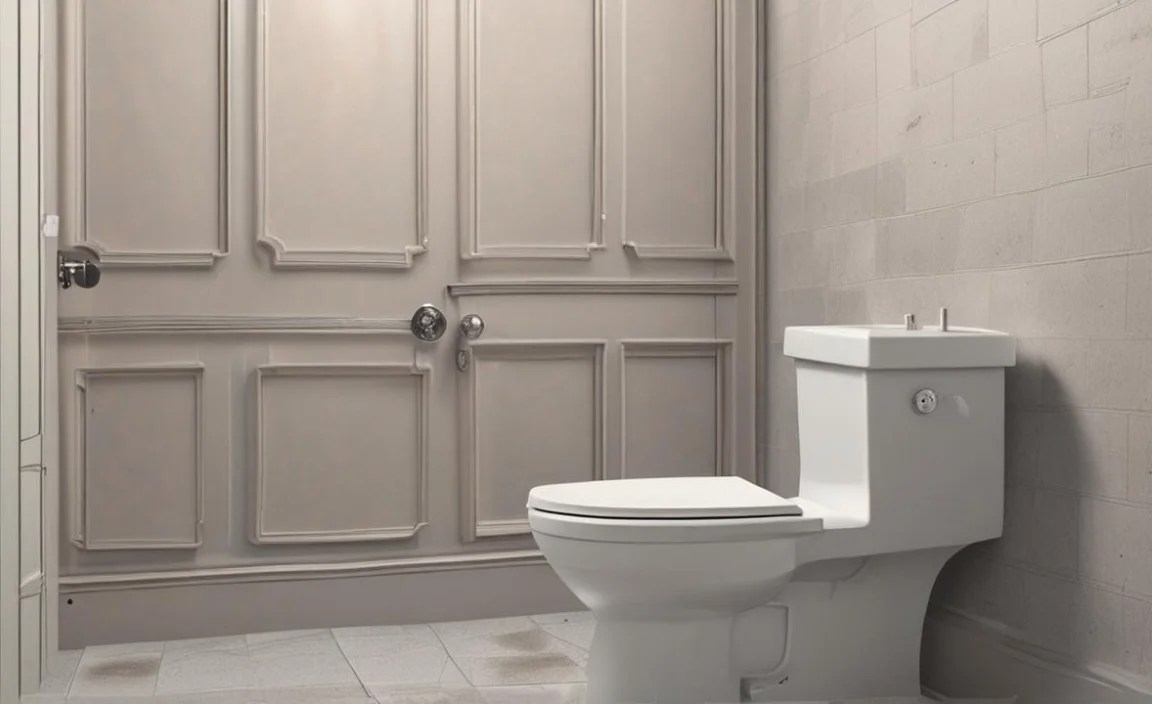
It might seem like a small detail, but knowing the correct names for toilet parts is surprisingly important. Here’s why:
- Clear Communication: When you’re talking to a plumber or reading instructions, using the right words avoids mix-ups.
- Accurate Purchases: Buying the wrong part can be a frustrating waste of time and money. Knowing the exact name ensures you get what you need.
- DIY Confidence: When you can identify parts for yourself, you feel more empowered to tackle DIY repairs.
- Understanding How It Works: Learning the names helps you understand the function of each component and how they contribute to the overall system.
The Anatomy of a Toilet: A Beginner’s Guide

Let’s break down the toilet into its main components. We’ll go from the top down, so it’s easy to follow.
The Tank: The Water Reservoir

The tank is the big box at the back of the toilet that holds the water to flush. Inside, a few key parts work together to let that water out at the right moment.
Key Tank Components:
- Toilet Tank Lid: This is the cover that sits on top of the tank. It protects the inner workings and can sometimes be a seat for decorative purposes.
- Fill Valve (also called a Ballcock): This is the mechanism that refills the tank with water after each flush. It has a float that rises with the water level, telling the valve when to shut off.
- Float Ball or Cup: Attached to the fill valve, this part rises with the water to signal the valve to stop the flow of water into the tank. Older toilets often have a ball float; newer ones typically use a float cup that moves up and down the fill valve shaft.
- Flush Valve: This is at the bottom of the tank. When you flush, a seal lifts, allowing the water to rush from the tank into the bowl.
- Flapper (or Tank Ball): This is the rubber or plastic seal that sits over the flush valve opening. When you flush, it lifts to let water into the bowl. It then drops back down to seal the opening. A worn-out flapper is a common cause of toilet leaks.
- Chain or Lift Rod: This connects the flush lever to the flapper. When you press the flush lever, it pulls this chain or rod to lift the flapper.
- Flush Lever (or Handle): This is the external part you push or pull to initiate the flush.
- Overflow Tube: This is a vertical pipe inside the tank. If the fill valve malfunctions and overfills the tank, the excess water flows down this tube into the toilet bowl, preventing a flood.
The Bowl: Where the Magic Happens
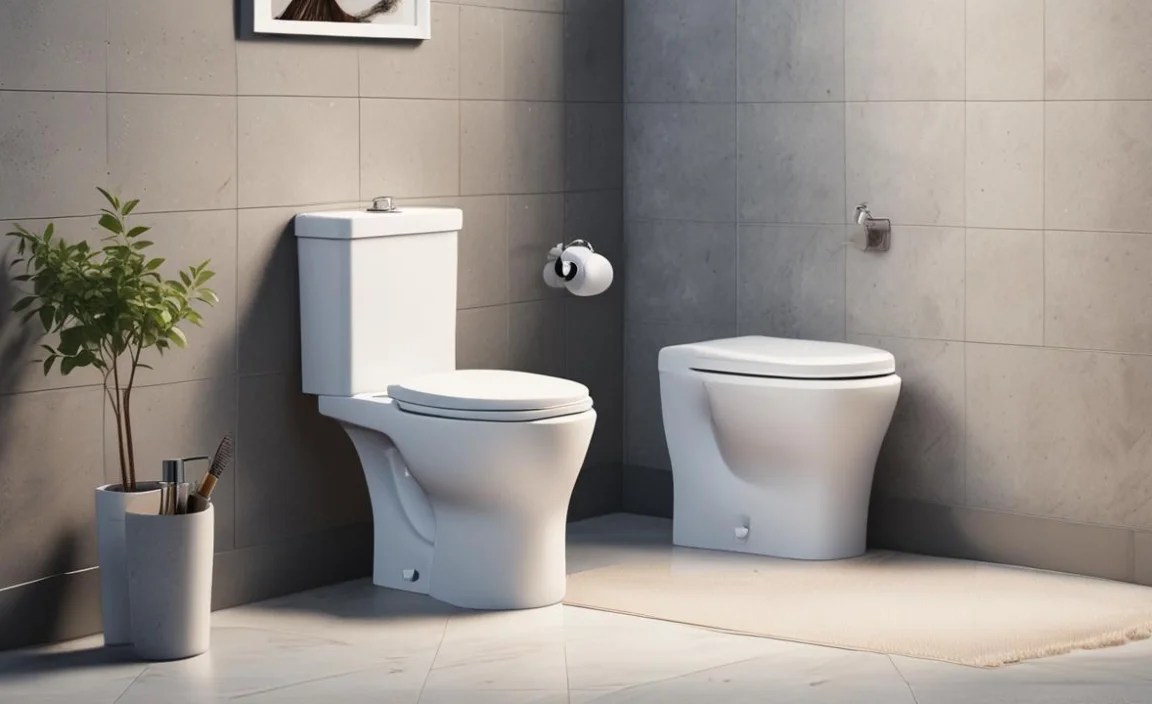
The toilet bowl is what you see and use. It’s designed to hold water and then let it drain quickly and efficiently when flushed.
Key Bowl Components:
- Toilet Bowl: This is the main ceramic basin.
- Water Surface: The part of the bowl that always has water in it. This water creates a seal that prevents sewer gases from entering your bathroom.
- Rim Jets: Small holes located under the rim of the bowl. Water flows through these during a flush to rinse the sides of the bowl.
- Siphon Jet (in some toilets): A larger hole at the bottom of the bowl that helps initiate the siphonic action for flushing.
- Trapway (or Trap): This is the S-shaped passage at the bottom of the bowl that leads to the drainpipe. The water that remains in the bowl after flushing sits in the curved part of the trapway, forming the water seal.
The Toilet Seat and Lid: The Comfort and Hygeine Component

These parts are attached to the bowl and are the most visible when the tank lid is up.
Key Seat and Lid Components:
- Toilet Seat: The ring that you sit on.
- Toilet Lid: The cover that sits on top of the seat.
- Hinges: The mechanical parts that attach the seat and lid to the bowl, allowing them to open and close.
Connecting the Tank and Bowl: The Seal of Approval

These parts ensure that water flows from the tank to the bowl without leaks.
Key Connecting Components:
- Tank-to-Bowl Gasket (or Seal): A large rubber gasket that sits where the tank connects to the bowl. It creates a watertight seal.
- Tank-to-Bowl Bolts: These large bolts pass through the bottom of the tank and bowl, securing them together. They have rubber washers to help with sealing.
It’s important to note that understanding these parts is key to troubleshooting common toilet problems. For example, a constantly running toilet is often due to a faulty fill valve or a leaky flapper. A toilet that doesn’t flush well might have issues with the flush valve or the siphon jet.
Understanding Different Types of Toilet Flushing Mechanisms

Toilets have evolved, and so have their flushing mechanisms. Knowing these can help you understand why your toilet might perform differently from others.
Gravity-Fed Flushing
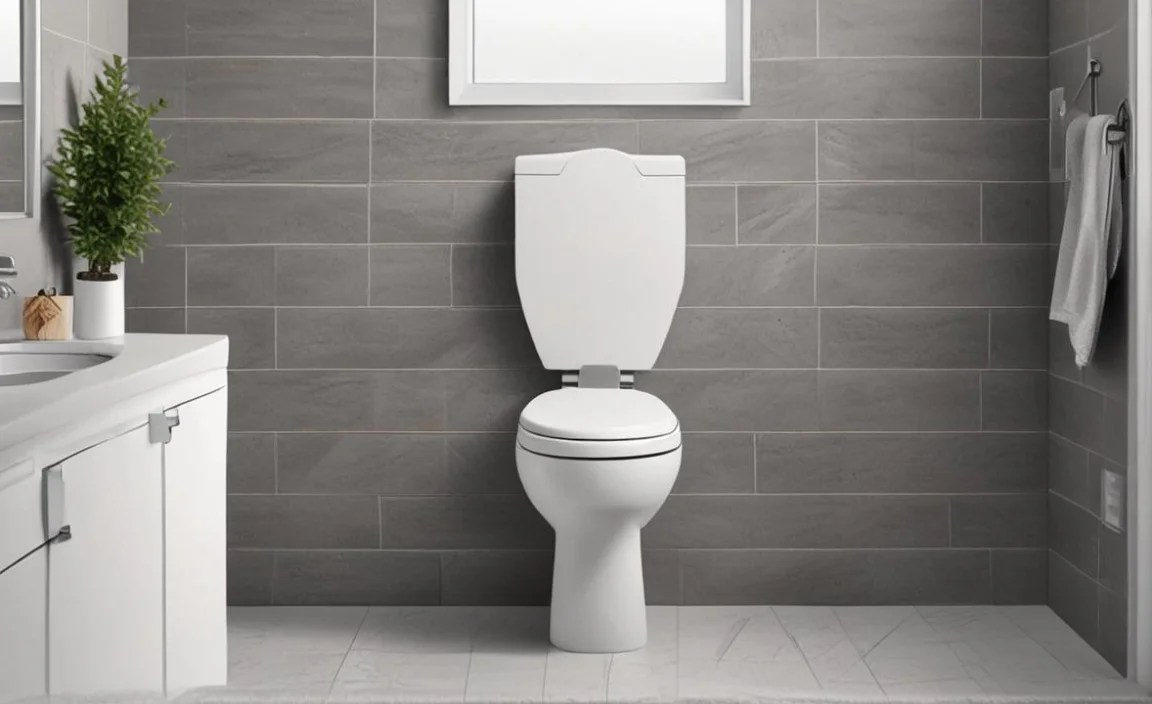
This is the most common and simplest type. It relies on the weight of the water in the tank to create pressure and push water into the bowl. When you flush, the flapper opens, and gravity does the rest.
Pressure-Assisted Flushing
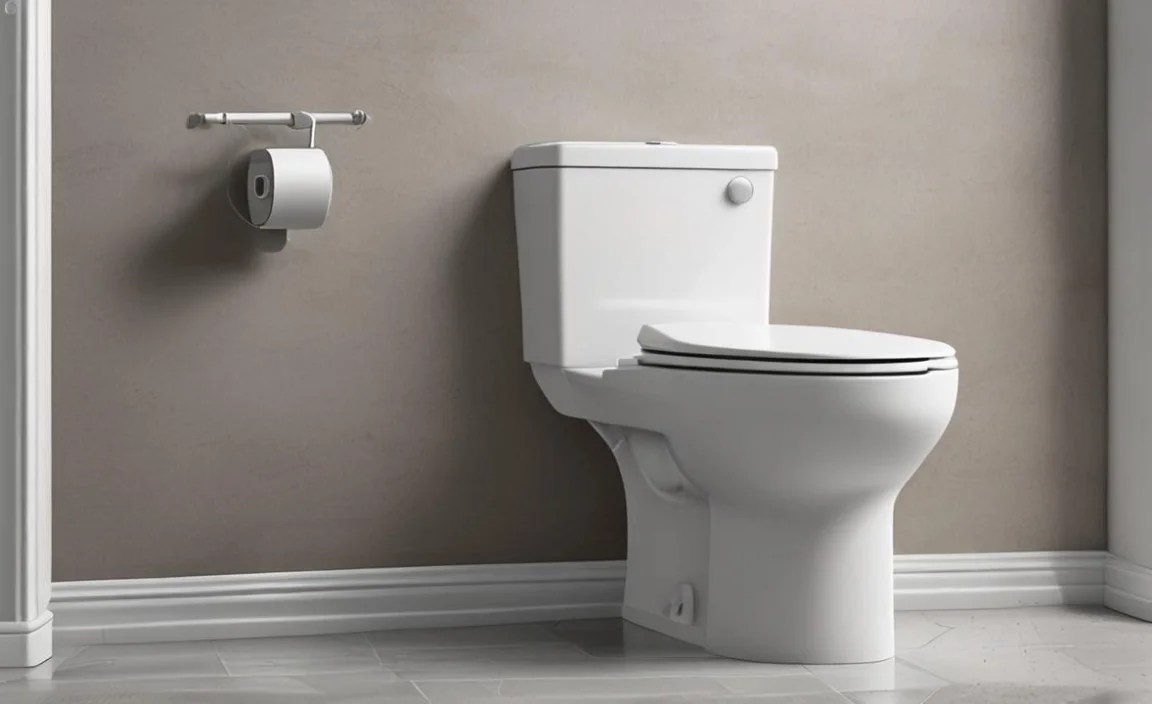
These toilets use a special tank with a sealed air chamber. When you flush, compressed air forces water into the bowl with much greater force than gravity alone. This results in a more powerful flush, often allowing for smaller tanks and less water usage.
Dual-Flush Toilets
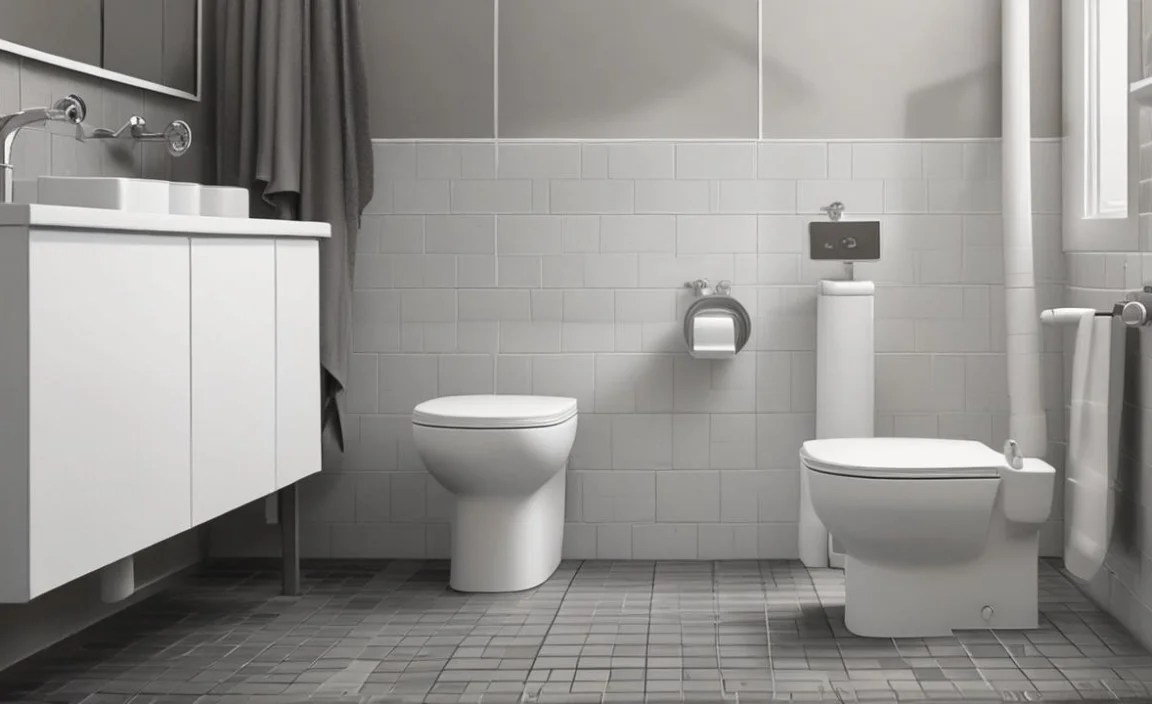
These offer two flushing options: a partial flush for liquid waste and a full flush for solid waste. They are designed to save water. You’ll typically see two buttons or a lever with different functions to select the flush type.
Siphonic Action Flushing
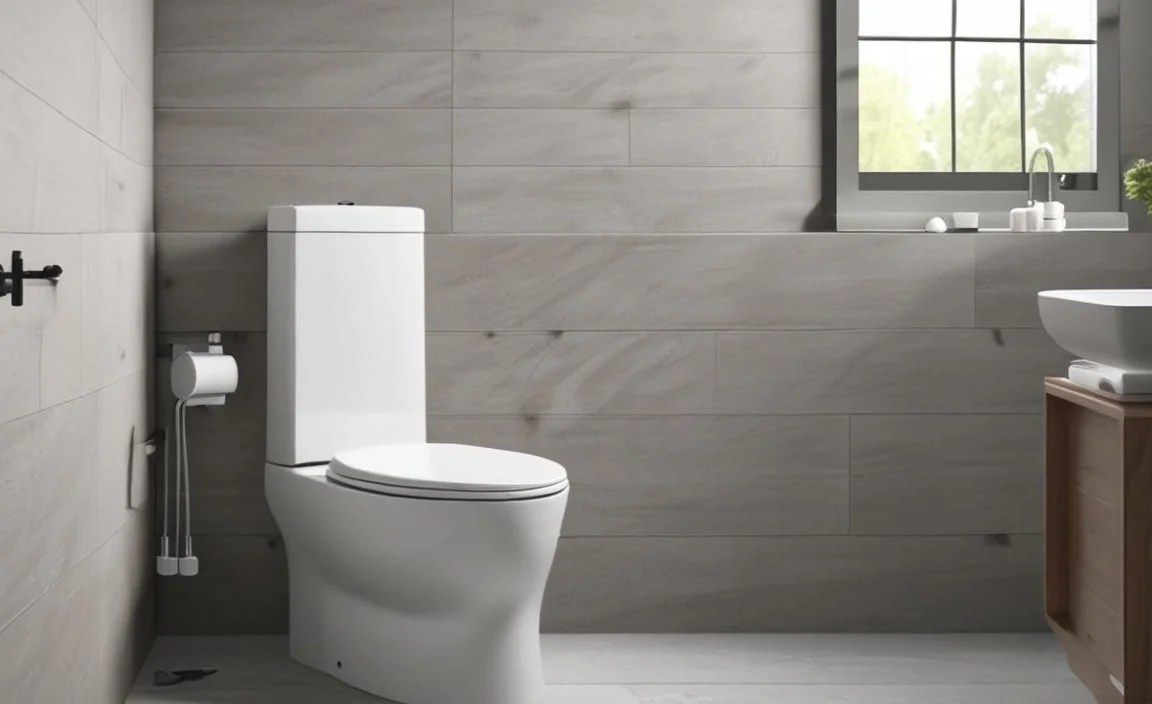
This is how many standard toilets work. The water from the tank creates a siphon effect in the trapway, pulling the contents of the bowl down the drain. The goal is to fill the bowl rapidly enough to create this siphon.
Washdown Flushing
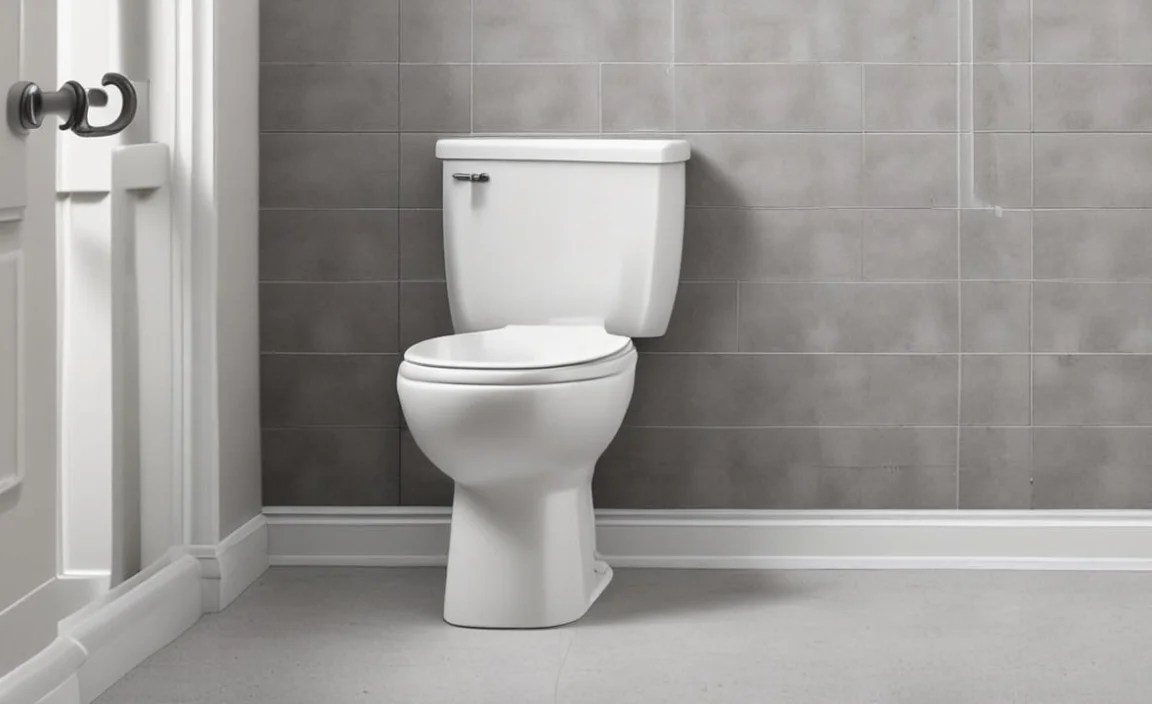
Less common in North America, washdown toilets have a simpler bowl design. Water is released directly from the tank into the bowl, washing waste away without relying on a siphon. They tend to be noisier but can be very effective.
Essential Tools for Toilet Maintenance
Before you start any DIY toilet repair, having the right tools makes the job much easier and safer. Here’s a basic list:
- Adjustable Wrench: Useful for loosening and tightening nuts on supply lines and bolts.
- Plumber’s Wrench (or Pipe Wrench): For gripping pipes and fittings. Use with caution as it can damage finishes.
- Screwdriver Set: You’ll likely need both Phillips and flathead screwdrivers for various screws, especially on flush mechanisms and tank lids.
- Bucket: To catch any residual water when disassembling parts.
- Old Towels or Rags: For cleaning up spills.
- Putty Knife or Scraper: To remove old putty or sealant.
- Gloves: For hygiene and protection.
- Toilet Plunger: Essential for clearing clogs.
- Toilet Augur (or Snake): For more stubborn clogs that a plunger can’t handle.
For a comprehensive guide on plumbing tools, check out resources from reputable organizations like the Tooling Research website, which often provides detailed recommendations for DIYers and professionals.
Common Toilet Naming Confusion and How to Solve It

Sometimes, the names of parts can be confusing. For instance, the “ballcock” is an older term for the fill valve. If you’re in a store or talking to someone, and they use an unfamiliar term, don’t hesitate to ask for clarification.
Take the example of the part that stops the water from entering the tank. It was historically called a “ballcock” because it used a floating ball. Modern versions use a cup that slides up and down the fill valve. While “fill valve” is the more current and descriptive term, you might still hear “ballcock.” Knowing both helps prevent misunderstandings.
Another area for confusion is the flush mechanism itself. Terms like “siphon jet” and “siphon action” describe how the toilet flushes water away. Understanding that the siphon is created within the bowl and trapway to pull waste down helps explain why certain clogs might occur or why a toilet might not flush completely.
Troubleshooting Common Toilet Issues with Part Names
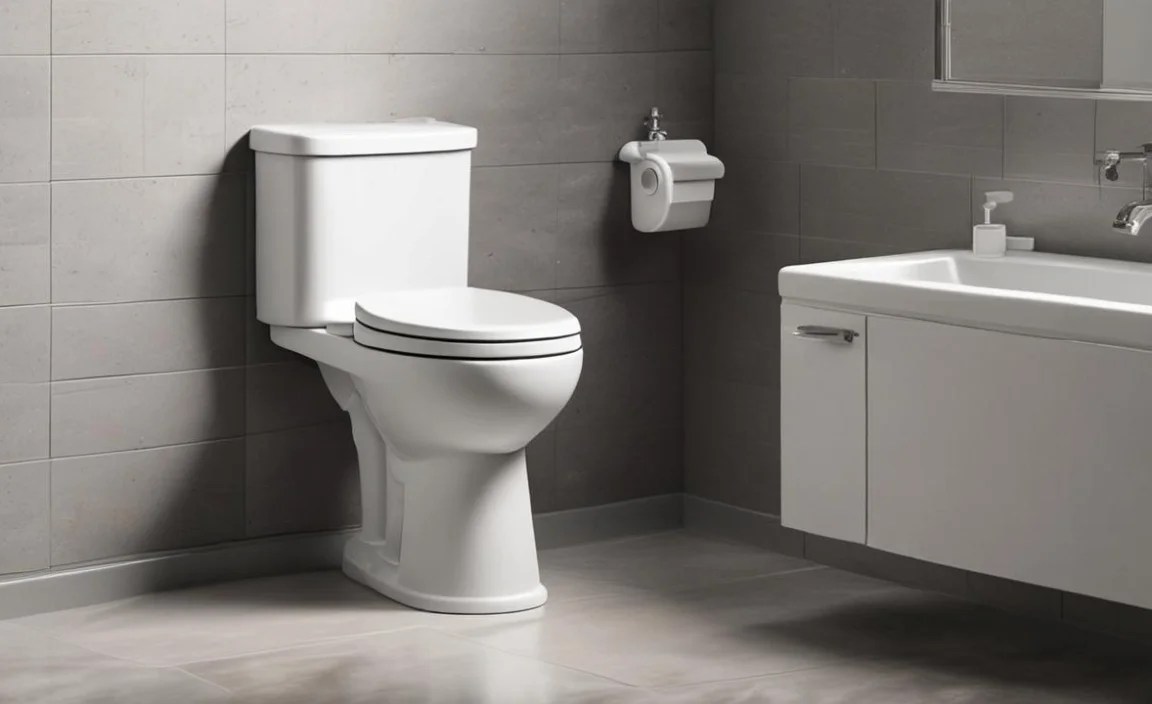
Let’s apply our new knowledge to fix some common toilet problems:
Issue 1: Toilet Constantly Running
This often means water is continuously flowing into the bowl, even when the tank is full.
Likely Culprits:
- Faulty Flapper: The flapper might be worn out, warped, or misaligned, allowing water to leak from the tank into the bowl.
- High Water Level: If the water level in the tank is too high, it will spill over the overflow tube. This is controlled by the fill valve’s float.
- Malfunctioning Fill Valve: The fill valve might not be shutting off completely, even after the water reaches the correct level.
Solution using Part Names: Check the flapper for wear and tear; replace if needed. Adjust the float on the fill valve to lower the water level if it’s too high. If the fill valve doesn’t shut off, it may need replacement.
Issue 2: Toilet Not Flushing Properly (Weak Flush or Incomplete Flush)

This could be due to insufficient water volume or a problem with the flushing mechanism.
Likely Culprits:
- Low Water Level in Tank: Not enough water means less force for the flush.
- Clogged Rim Jets: Mineral deposits can block the small holes under the rim, reducing water flow down the sides of the bowl.
- Problem with the Flush Valve Seal: If the flush valve isn’t sealing properly, water might be slowly leaking out, reducing the amount available for a strong flush.
- Clog in the Trapway: A blockage in the S-shaped passage can hinder the effective creation of siphonic action.
Solution using Part Names: Adjust the fill valve float to ensure the tank fills to the correct water level. Use a brush or a piece of wire to clean out the rim jets. Inspect the flush valve and its seal for damage or debris. For clogs in the trapway, use a plunger or toilet augur.
Issue 3: Leaking Around the Base of the Toilet

This is usually a sign of a problem with the seal between the bowl and the floor pipe.
Likely Culprits:
- Worn Wax Ring: The wax ring is a seal that sits between the toilet base and the flange on the floor. If it’s old or damaged, water can leak out.
- Loose Tank-to-Bowl Connection: The bolts that hold the tank to the bowl might be loose, causing a leak between the tank and the bowl that drips down.
- Cracked Bowl: Though less common, a cracked bowl can also cause leaks.
Solution using Part Names: Replacing the wax ring involves removing the toilet, which is a more involved DIY project. Tighten the tank-to-bowl bolts carefully if they feel loose. If the bowl is cracked, replacement is usually necessary.
Understanding Toilet Part Materials
The materials used in toilet construction and repair are important for durability and function.
Common Toilet Part Materials:
- Ceramic (Porcelain): The primary material for the tank and bowl, known for its durability, non-porous surface, and ease of cleaning.
- Plastic (ABS, PVC, Polypropylene): Used for internal tank components like the fill valve housing, flush valve assembly, and float mechanisms. Seat and lids are also often made of plastic.
- Rubber: Essential for gaskets, seals (like the flapper and tank-to-bowl gasket), and toilet seat bumpers, providing flexibility and watertightness.
- Metal (Brass, Stainless Steel): Often used for bolts, screws, and hinges due to their strength and corrosion resistance. Supply lines, the “S” shaped tubing connecting the water shut-off valve to the tank, are typically metal or reinforced plastic.
When to Call a Professional Plumber
While this guide empowers you to handle many common toilet issues, there are times when it’s best to call in a professional. If you encounter any of the following, don’t hesitate to reach out:
- Major Leaks You Can’t Locate: Persistent leaks that you can’t pinpoint the source of might indicate a more serious issue within the pipes or floor.
- Severely Clogged Drain: If plunging and snaking don’t clear a clog, it might be a blockage further down the main sewer line.
- Problems with the Toilet Flange: The flange is the fitting that connects the toilet to the drainpipe in the floor. If it’s damaged or misaligned, it requires expert repair.
- You’re Uncomfortable or Unsure: Plumbing involves water, and mistakes can lead to significant damage. If you’re not confident, it’s always safer to hire a pro.
- Complex Installations: Installing a new toilet or making significant plumbing modifications beyond basic repairs is often best left to licensed professionals.
For more advanced plumbing information, you can refer to guides from professional organizations. For instance, the International Association of Plumbing and Mechanical Officials (IAPMO) provides standards and resources that govern plumbing practices nationwide.
A Quick Reference: Toilet Part Naming Table
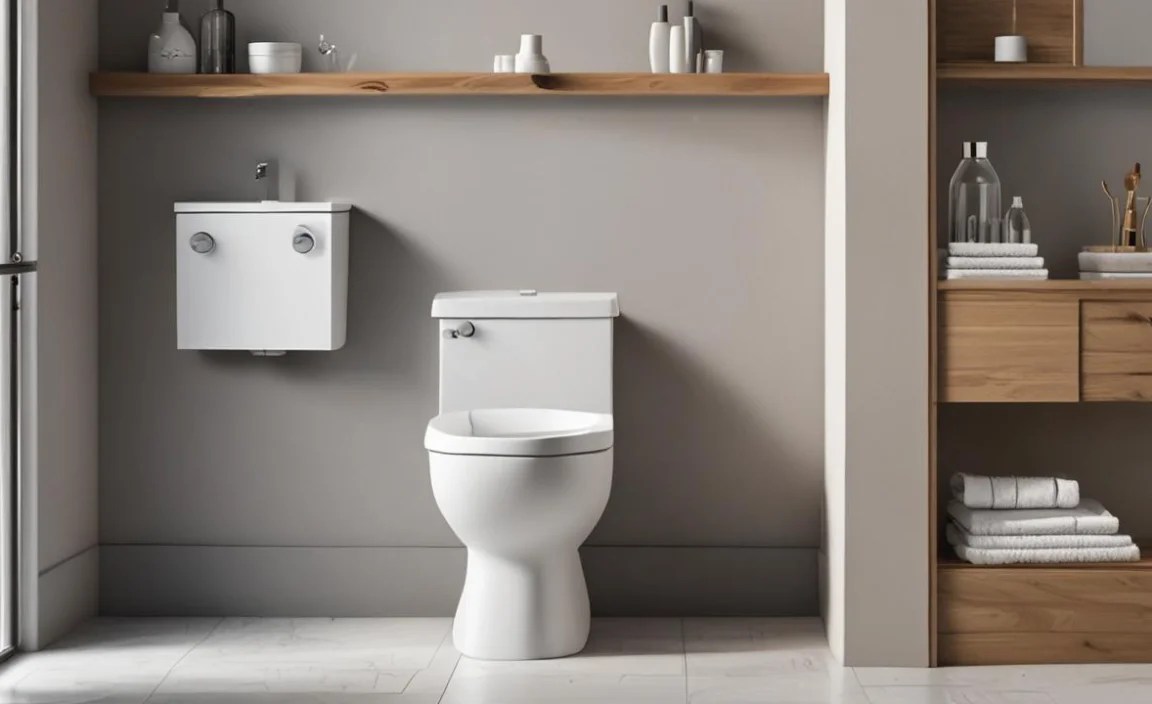
Here’s a handy table summarizing the most important terms:
| Part Name | Description | Common Problems Associated |
|---|---|---|
| Tank Lid | Cover for the toilet tank. | Cracking, instability. |
| Fill Valve (Ballcock) | Refills the tank with water. | Constantly running water, not shutting off. |
| Float Ball/Cup | Attached to fill valve; indicates water level. | Low water level, tank overfilling. |
| Flush Valve | At the bottom of the tank; allows water out. | Leaks into the bowl. |
| Flapper | Rubber seal for the flush valve. | Leaking, worn out, allowing continuous flow. |
| Flush Lever/Handle | Activates the flush mechanism. | Loose, broken, not engaging chain. |
| Overflow Tube | Prevents tank overflow. | Water constantly draining into the bowl. |
| Toilet Bowl | The main ceramic basin. | Cracks, chips, stains. |
| Trapway | S-shaped passage at the bottom of the bowl. | Clogs, slow draining. |
| Wax Ring | Seals toilet bowl to floor flange. | Leaking around the base. |
Frequently Asked Questions (FAQ) About Toilet Naming
Q1: What is the most common part that needs replacing in a toilet?
A1: The flapper is arguably the most common part to need replacement. It’s made of
