
Have you ever wondered how a toilet works? Toilets may seem simple, but they are complex. Each part has a special job in plumbing. From flushing to filling, every piece has a purpose. Let’s explore toilet parts and functions in plumbing. You’ll see how they work together to keep our bathrooms running smoothly.
Key Takeaways
- Toilets are essential for modern plumbing systems.
- Each toilet part has a specific function.
- Knowing toilet parts helps in fixing plumbing issues.
- Toilet parts and functions are vital in plumbing education.
- Understanding toilets can save money on repairs.
Understanding the Toilet Tank

The toilet tank is a key component of a toilet. It stores water for flushing. When you press the flush handle, the water in the tank rushes into the toilet bowl. This flushes away waste. Inside the tank, there are several parts. These include the fill valve, flapper, and overflow tube. Each part plays a role in the flushing process. The fill valve refills the tank with water after each flush. The flapper lifts to release water into the bowl. The overflow tube prevents water from spilling over.
- Tank stores water for flushing.
- Flush handle activates the flush.
- Fill valve refills water.
- Flapper releases water to bowl.
- Overflow tube prevents spills.
The toilet tank is vital for a well-functioning toilet. A well-maintained tank ensures efficient water use. Regular checks can prevent leaks and save water. Knowing how the tank works can help you fix minor issues. Understanding these parts helps in maintaining a comfortable bathroom experience.
Fun Fact or Stats : The average toilet flush uses about 1.6 gallons of water.
What Happens Inside the Tank?
Imagine pressing the flush handle. The chain lifts the flapper, releasing water into the bowl. The water forces waste down the drain. After flushing, the flapper falls back, sealing the tank. The fill valve then refills the tank with water. Ever thought about what happens if the tank overflows? The overflow tube directs excess water into the bowl, preventing spills. Understanding these steps helps in troubleshooting toilet issues.
Why Does the Tank Matter?
The tank ensures toilets work effectively. Without it, there would be no flush. Imagine trying to use a toilet without flushing. It would be quite messy! The tank’s parts must be in good condition for a toilet to work well. Regular maintenance can prevent issues and costly repairs. Knowing how each part functions can make a big difference.
How Can You Fix Tank Issues?
What if the toilet tank doesn’t refill? Check the fill valve and flapper. If the toilet runs continuously, it might be a flapper issue. A simple adjustment can often solve the problem. Sometimes, replacing worn-out parts is necessary. Understanding these parts saves time and money. With a bit of knowledge, you can tackle tank troubles easily.
The Crucial Role of the Toilet Bowl

The toilet bowl is where waste goes. When you flush, water from the tank flows into the bowl. This water is crucial in moving waste through the drain. The bowl’s shape helps direct water and waste efficiently. A well-designed bowl ensures effective cleaning with each flush. The bowl also connects to the S-trap, which prevents sewer gases from entering your home. Keeping the bowl clean is vital for hygiene.
- Bowl holds waste until flush.
- Water from the tank cleans the bowl.
- Shape aids in waste removal.
- S-trap blocks sewer gases.
- Clean bowl ensures hygiene.
The toilet bowl’s design is essential for a clean flush. A clean bowl means a fresh-smelling bathroom. Regular cleaning prevents stains and buildup. Understanding the bowl’s connection to other parts helps in troubleshooting. Toilet bowls may seem simple, but they play a significant role in plumbing.
Fun Fact or Stats : Toilets account for almost 30% of household water use.
How Does the Bowl Work?
Water rushes from the tank into the bowl when you flush. This water swirls around, carrying away waste. Ever noticed the water level in the bowl? It’s controlled by the S-trap. This trap’s design prevents sewer smells. Remember, a clean bowl is more than just tidy—it’s hygienic! Keeping the bowl spotless requires regular cleaning and understanding its function.
Why Is Bowl Design Important?
A well-designed bowl ensures effective flushing. Have you ever used a toilet that doesn’t flush well? It can be frustrating. The bowl’s shape and size affect its efficiency. Some bowls are more effective at removing waste than others. Choosing the right bowl design impacts water usage and cleanliness.
How to Maintain a Clean Bowl?
A sparkling toilet bowl is a sign of a clean bathroom. Regular cleaning prevents germs and stains. Use toilet cleaner and a brush to scrub the bowl. Pay attention to the rim and under the seat. Curious about how often to clean? Once a week is a good rule. Understanding the bowl’s role encourages regular maintenance.
Exploring the Flush Mechanism
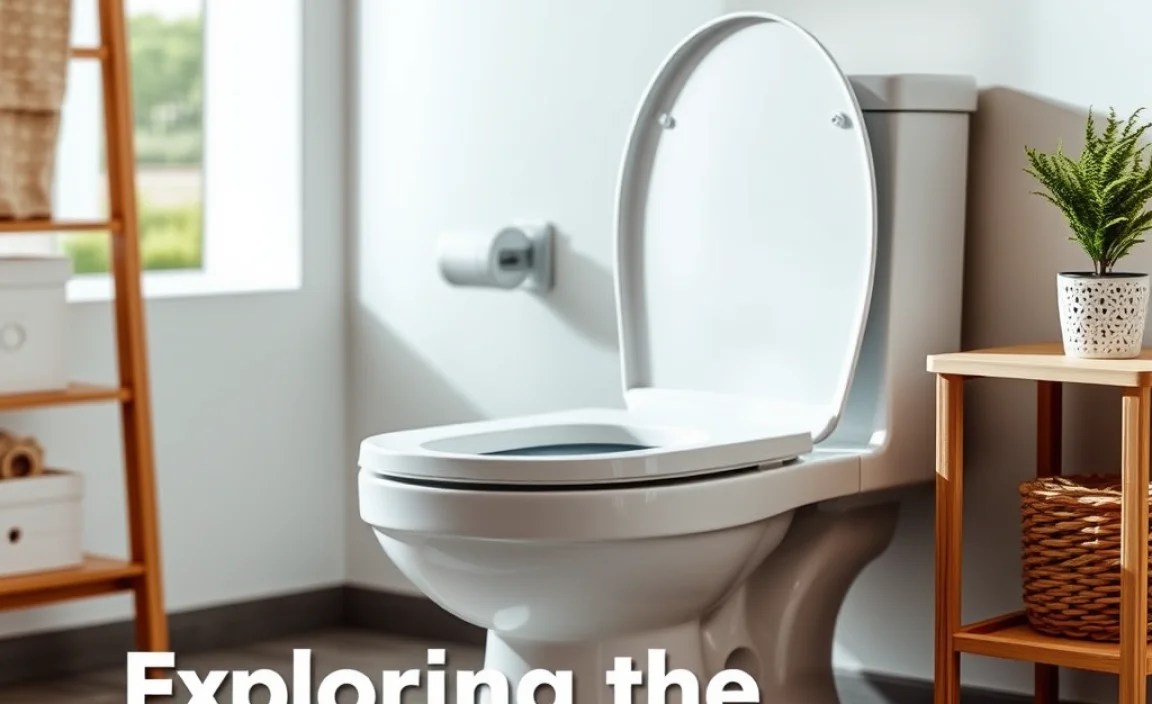
The flush mechanism is what makes toilets work. It allows water to flow from the tank to the bowl. This mechanism includes the flush handle, chain, and flapper. When you press the handle, the chain lifts the flapper. This releases water into the bowl, creating a flush. The flush is powerful enough to move waste through the pipes. A properly working flush mechanism is crucial for a clean toilet.
- Flush handle starts the flush.
- Chain connects handle to flapper.
- Flapper releases tank water.
- Flush moves waste to pipes.
- Proper mechanism ensures clean flush.
A toilet’s flush mechanism may seem small, but it’s important. If your toilet doesn’t flush, check the chain and flapper. Adjusting these parts can solve many issues. Regular maintenance keeps the flush working well. Understanding the mechanism helps in fixing flush-related problems. A smooth flush is key to a functioning plumbing system.
Fun Fact or Stats : Average toilets flush about five times a day per person.
How Does the Flush Mechanism Work?
Press the flush handle to start the magic! The handle pulls a chain. This chain lifts the flapper. Water rushes from the tank to the bowl, flushing away waste. Ever wondered why the flush stops? The flapper falls back, stopping water flow. Knowing this process helps in identifying flush problems and solutions.
Why Is a Good Flush Important?
A strong flush ensures waste is effectively removed. Weak flushes can leave waste behind, causing bad odors. Imagine a world where toilets didn’t flush well. It would be unpleasant! A well-working flush mechanism means fewer plumbing issues. Understanding its importance can prevent problems.
How to Fix a Faulty Flush?
If the toilet doesn’t flush, start with the chain. Is it connected properly? Check the flapper next. If it doesn’t seal, replace it. Remember, small adjustments make a big difference. Curious about other fixes? Sometimes, cleaning the parts helps. Keeping the flush mechanism in good shape ensures a trouble-free toilet.
The Fill Valve and Water Flow

The fill valve is a crucial part of the toilet. It controls water flow into the tank. After a flush, the fill valve opens. This allows water to refill the tank. The valve shuts off when the tank is full. A faulty fill valve can cause leaks or slow refills. Understanding the fill valve’s function helps in maintaining a proper water flow.
- Fill valve controls tank water flow.
- Opens post-flush for refilling.
- Shuts off when tank is full.
- Faulty valve causes leaks.
- Proper valve ensures efficient water use.
A well-functioning fill valve means an efficient toilet. If your toilet runs constantly, check the fill valve. Replacing a faulty valve saves water and money. Proper maintenance prevents water waste. Understanding the fill valve’s role in plumbing is key to solving water flow issues.
Fun Fact or Stats : Fixing a leaky toilet can save up to 200 gallons a day.
How Does the Fill Valve Work?
Imagine flushing the toilet. The tank empties, and the fill valve opens. Water rushes into the tank. Once full, the valve closes. This stops the water, preventing overflow. Curious about why it matters? The fill valve ensures the tank refills properly. A good valve means a ready toilet for the next flush.
Why Is Water Flow Important?
Water flow affects the toilet’s efficiency. Slow refills can be annoying. They might indicate a faulty valve. Imagine waiting ages for the toilet to refill. Efficient water flow saves time and resources. Understanding flow reduces water bills and helps the environment.
How to Adjust or Replace a Fill Valve?
If the toilet’s slow to refill, check the fill valve. Adjusting its height often improves flow. Sometimes, replacement is necessary. Curious about how to replace it? First, shut off the water. Remove the old valve and install the new one. Understanding adjustments and replacements ensures a well-functioning toilet.
The Importance of the Toilet Seat

The toilet seat is more than just a cover. It provides comfort and hygiene. Seats come in various shapes and sizes. A good seat makes using the toilet more pleasant. It also protects the porcelain bowl. Regular cleaning of the seat is vital for hygiene. Understanding different toilet seats helps in choosing the right one for your bathroom.
- Seat offers comfort and hygiene.
- Comes in various shapes and sizes.
- Protects the porcelain bowl.
- Regular cleaning ensures hygiene.
- Right seat choice enhances bathroom comfort.
A comfortable toilet seat is key to a pleasant bathroom experience. Choosing the right seat affects comfort and style. Curious about how to pick the best one? Consider the shape and material. Regular cleaning keeps the seat germ-free. A good seat choice makes using the toilet more enjoyable.
Fun Fact or Stats : Toilet seats come in three main shapes: round, elongated, and open-front.
How to Choose a Toilet Seat?
Choosing a toilet seat might seem simple. But there’s more to it! Consider size and shape. Does it match the toilet bowl? Choose materials like plastic or wood. These affect comfort and style. Curious about which fits best? Measure your bowl before buying. A well-chosen seat means a happier bathroom experience.
Why Is Toilet Seat Design Important?
The design impacts comfort and hygiene. Some seats are cushioned for added comfort. Others have easy-to-clean surfaces. Imagine spending time on an uncomfortable seat. It wouldn’t be pleasant! A good design ensures the toilet is inviting and clean. Understanding design helps in making the right choice.
How to Clean and Maintain a Toilet Seat?
Cleaning the toilet seat keeps it hygienic. Use a mild cleaner and a cloth. Avoid harsh chemicals that may damage materials. Curious about how often to clean? Once a week is a good schedule. Regular cleaning prevents germs and keeps the bathroom fresh. Understanding maintenance ensures a long-lasting seat.
Installing and Maintaining Toilets
Installing a toilet may seem challenging, but it’s manageable. First, choose the right toilet for your bathroom. Consider size and water efficiency. Make sure the plumbing connections are correct. After installation, regular maintenance is key. Check for leaks and ensure all parts work well. Understanding toilet parts and functions in plumbing makes installation easier.
- Choose the right toilet size and efficiency.
- Ensure correct plumbing connections.
- Regular maintenance prevents issues.
- Check for leaks and part functionality.
- Understanding parts aids in easy installation.
Installing a toilet is a necessary skill for homeowners. A well-installed toilet works efficiently. Curious about why maintenance matters? It prevents costly repairs and keeps the toilet working well. Knowing installation basics helps in managing home plumbing. A good toilet setup ensures a smooth bathroom experience.
Fun Fact or Stats : Toilets can last 15 years or more with proper care.
How to Install a New Toilet?
Installing a toilet requires patience and some tools. First, turn off the water. Remove the old toilet by unscrewing the bolts. Place the new one over the drain. Secure it with bolts and connect the water supply. Curious about why it’s important? Proper installation ensures no leaks. A correctly installed toilet functions well and lasts longer.
Why Is Regular Maintenance Important?
Regular maintenance keeps toilets running smoothly. It prevents unexpected problems. Imagine a toilet that leaks or doesn’t flush well. It can be bothersome! Regular checks ensure all parts work properly. Understanding maintenance can save money and time. It also contributes to a well-functioning home.
How Can You Fix Common Toilet Problems?
Common toilet problems include leaks and weak flushes. Start by checking the tank parts. Is the flapper sealing well? Adjust the fill valve if the tank refills slowly. Curious about other fixes? Sometimes, cleaning mineral buildup can help. Understanding common issues makes solving them easier.
| Toilet Part | Function | Common Issues | Maintenance Tips |
|---|---|---|---|
| Tank | Stores water for flush | Leaking, slow refill | Check flapper, clean fill valve |
| Bowl | Holds and directs waste | Stains, odor | Regular cleaning |
| Fill Valve | Controls water flow | Constant running | Adjust height, replace if needed |
| Flush Mechanism | Starts the flush | Weak flush | Check chain, flapper |
Conclusion
Understanding toilet parts and functions in plumbing is essential. Each part plays a vital role. Knowing how they work can save you time and money. It helps in troubleshooting common issues. Regular maintenance ensures a well-functioning toilet. With this knowledge, you can keep your bathroom running smoothly.
FAQs
Question: What is the purpose of a toilet tank?
Answer: The toilet tank stores water for flushing. When you press the flush handle, water from the tank rushes into the bowl. This helps remove waste from the bowl effectively. Understanding the tank’s role helps in fixing plumbing issues.
Question: How does the flush mechanism work?
Answer: The flush mechanism starts with the handle. When pressed, it pulls a chain connected to a flapper. The flapper lifts, allowing water to flow from the tank into the bowl. This creates a flush that moves waste through the plumbing system.
Question: Why is the fill valve important?
Answer: The fill valve controls water flow into the tank. After a flush, it opens to refill the tank. Once the tank is full, it closes. Proper function of the fill valve is crucial for efficient water use and preventing leaks.
Question: What should I do if my toilet keeps running?
Answer: If your toilet runs continuously, check the flapper and fill valve. The flapper might not be sealing properly. Adjust or replace it if necessary. The fill valve may also need adjustment. Proper maintenance of these parts can solve the problem.
Question: How often should I clean my toilet?
Answer: Cleaning your toilet once a week is advisable. Regular cleaning prevents stains and germs. It keeps the bathroom fresh and hygienic. Use a mild cleaner and brush to scrub the bowl and seat. Understanding the importance of cleanliness helps maintain a healthy environment.
Question: Can I install a toilet myself?
Answer: Yes, you can install a toilet with some tools and patience. It’s important to follow instructions carefully. Proper installation ensures the toilet functions well and prevents leaks. Understanding plumbing connections and parts is crucial for a successful installation.
