
Have you ever wondered what makes a toilet work so well? Toilets are full of interesting parts that help them flush and refill. Some parts have clear pros and cons. Knowing about these can be very helpful. When something breaks, it’s good to know what to do. Curious about how to keep your toilet in top shape? Let’s dive in and learn more!
Key Takeaways
- Toilet maintenance can save money on repairs.
- Understanding toilet parts helps in choosing new fixtures.
- Toilet parts pros and cons affect performance.
- Regular checks prevent major toilet problems.
- Simple repairs don’t always need a plumber.
Exploring the Toilet Tank
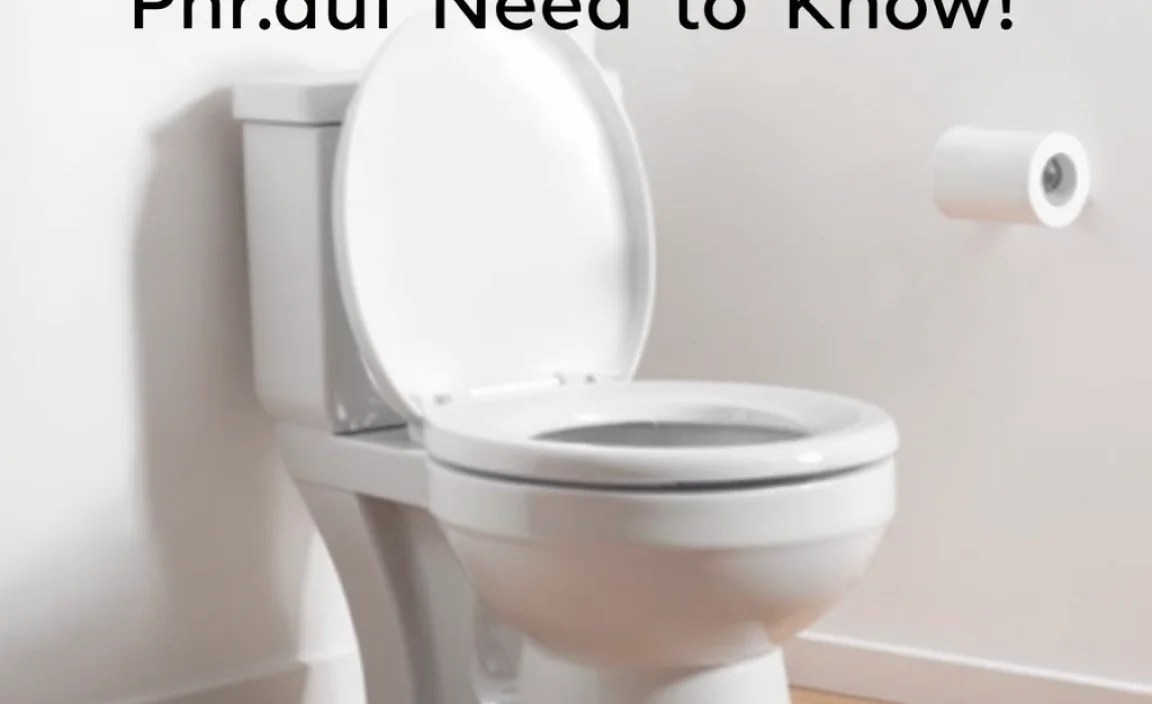
The tank is the upper part of the toilet. It holds water used for flushing. Inside, you’ll find the fill valve, flush valve, flapper, and handle. Together, these parts control the water flow. When you press the handle, the flapper lifts, letting water out. The fill valve then refills the tank. Each part has its own role and importance.
- Fill valve controls water entering the tank.
- Flush valve releases water into the bowl.
- Flapper seals the water in until you flush.
- Handle triggers the flush action.
- Tank releases water for a powerful flush.
Problems in the tank often lead to issues like constant running water. This can waste a lot of water. Fixing these might just mean adjusting a chain or replacing a flapper. Knowing the parts helps you see where a problem might be. Learning about them can make you a household hero next time there’s an issue.
Fun Fact or Stats : Over 4,000 gallons of water per year can be wasted by a leaky toilet.
What Does the Fill Valve Do?
The fill valve is like a gatekeeper of water into the toilet tank. It lets water in after each flush. Have you noticed your tank refilling after a flush? That’s the fill valve doing its job! If it gets clogged, the tank won’t fill properly. A simple cleaning can fix it. This part is crucial for a good flush. It’s important to keep it in good condition.
Why Is the Flush Valve Important?
The flush valve releases water into the bowl. Imagine it as a floodgate that opens when you flush. It sends water rushing to clear waste. A faulty flush valve can cause weak flushing. This means the toilet might not empty fully. It’s worth checking if your toilet struggles to flush properly.
How Does the Flapper Help?
The flapper is a rubber piece inside the tank. It covers the flush valve hole. When you flush, it lifts, letting water flow. If it doesn’t seal well, water can leak into the bowl. This can waste water and cause the toilet to run constantly. Replacing a worn flapper is often an easy fix.
Understanding the Toilet Bowl

The bowl is the lower part of the toilet. It catches and holds waste until you flush. Gravity works with water pressure to clear the bowl. Have you ever noticed the water swirling when you flush? That’s designed to clean the bowl and push waste down the drain. The bowl’s shape and design play important roles in efficiency.
- Bowl shape helps guide waste down.
- Water pressure aids in flushing waste.
- Rim holes distribute clean water for rinsing.
- Siphon action pulls waste through the pipes.
- Trapway keeps smells from coming back up.
A well-designed toilet bowl ensures effective flushing and cleaning. It’s important to choose a bowl that fits your needs. Some are better for water saving, while others focus on powerful flushing. Consider the pros and cons when selecting a new toilet.
Fun Fact or Stats : Toilets use about 1.6 gallons per flush in modern designs.
How Does a Siphon Work?
The siphon in a toilet bowl helps move waste to the sewer. When you flush, water fills the bowl rapidly. This creates a siphon effect. It’s like sucking liquid through a straw. Gravity helps pull the waste away. This is why the bowl fills and empties so quickly. Without the siphon, flushing wouldn’t work as well.
What’s Special About Rim Holes?
Rim holes line the edge of the toilet bowl. They help rinse the bowl during a flush. Water flows out, cleaning the sides. These holes prevent dirt from building up. If they get blocked, the toilet may not clean properly. Keep them clear for a sparkling clean bowl every time!
Why Is Trapway Important?
The trapway is the path waste follows through the toilet. It’s a curved section under the bowl. This curve keeps sewer gases from coming back up. Imagine it as a water barrier against bad smells. A well-designed trapway ensures no clogs and smooth flushing.
Examining the Toilet Seat
The toilet seat gets a lot of use. It’s where comfort and hygiene come together. Seats come in various styles and materials. Have you ever sat on one and thought it’s more comfortable than another? That’s because some are better designed for comfort. Cleaning and replacing them is easy, too. Knowing the pros and cons helps you pick the best one.
- Seats come in round or elongated shapes.
- Materials include plastic, wood, or padded options.
- Easy to clean with gentle cleaners.
- Quick-release hinges make removing simple.
- Different styles for different bathroom themes.
Choosing the right toilet seat depends on your needs. A padded seat offers comfort, while a plastic one may be more durable. Think about hygiene, too. Some seats have special coatings to prevent germs. The pros and cons of each type help you decide what fits best for your family.
Fun Fact or Stats : An average person spends about 92 days on the toilet in a lifetime.
Which Shape Is Right for You?
Toilet seats usually come in two shapes: round and elongated. Round seats are common in smaller bathrooms. Elongated seats often offer more comfort. Imagine sitting on different shapes and seeing which feels better. The choice depends on your space and personal preference. Both have pros and cons to consider when buying.
How Do Quick-Release Hinges Help?
Quick-release hinges make toilet seats easy to remove. Cleaning becomes a breeze when you can take off the seat. These hinges let you remove and reattach with a simple click. It’s great for a deep clean. If you like sparkly clean bathrooms, quick-release hinges are a pro.
Why Consider Material Types?
Toilet seats come in various materials. Plastic is cheap and easy to clean. Wooden seats offer warmth and sturdiness. Padded seats give extra comfort. Each material has its pros and cons. A plastic seat might be more durable, but wood feels cozy. Think about what matters most to you when choosing a seat.
Toilet Installation and Setup
Installing a toilet involves connecting it to water and waste systems. It’s not as hard as it seems. With the right tools, you can do it yourself. The key is to follow instructions. Have you ever set up a toilet? It’s like building a puzzle. Each part fits a specific spot. Understanding the parts helps in both installing and troubleshooting.
- Check package for all required parts.
- Follow step-by-step instructions carefully.
- Use correct tools for a snug fit.
- Test for leaks before finalizing setup.
- Ensure all seals are tight and secure.
Proper installation ensures your toilet works efficiently. It prevents leaks and ensures a good fit. If something feels off, double-check the setup. Toilets have many small parts. Missing one can cause issues. Knowing the pros and cons of each part helps you make informed decisions during installation.
Fun Fact or Stats : A well-installed toilet can last over 50 years with proper care.
What’s Inside a Toilet Package?
Inside a toilet package, you’ll find various parts. There’s the bowl, tank, seat, and installation kit. Have you ever opened a box and found missing pieces? It’s important to check all the parts. Ensure everything is present before you start. This avoids delays and frustrations during setup. Manufacturers often include a checklist for this reason.
Why Are Seals Important?
Seals keep water from leaking. They fit around pipes and connection points. Think of them as rubber guards. They ensure everything stays dry. A faulty seal can lead to water damage. That’s why checking them is crucial. Properly installed seals are a major pro in toilet setup.
How Do You Test for Leaks?
Testing for leaks ensures your toilet is ready to use. After setting up, flush the toilet. Watch for water escaping around the base. Listen for continuous running water. These are signs of leaks. Fix them before daily use. A leak-free toilet saves water and avoids damage.
Comparing Modern Toilet Features
Modern toilets come with many features. Some save water; others offer more comfort. Understanding these features can help you choose the best toilet. Imagine a toilet that uses less water but flushes powerfully. Or one with a heated seat for cold mornings! Compare the pros and cons of each feature to pick the right one for your home.
| Feature | Pros | Cons |
|---|---|---|
| Dual Flush | Saves water | May be confusing for some users |
| Heated Seat | Comfortable in winter | Higher electricity use |
| Smart Toilet | Extra features like bidet | Expensive to buy and fix |
| Compact Design | Saves space | May be less comfortable |
- Feature-rich toilets offer customization options.
- Water-saving features help the environment.
- Comfort features increase user satisfaction.
- Some features may need extra maintenance.
- Compare options to find the best fit.
Choosing a modern toilet depends on your needs. If you live in a small apartment, a compact design may suit you. For those who like luxury, smart toilets can be exciting. Each feature has its own pros and cons, affecting cost, comfort, and efficiency. Knowing these helps you make the best choice.
Fun Fact or Stats : Dual-flush toilets can save up to 68% more water than single-flush models.
What’s Special About Dual-Flush?
Dual-flush toilets offer two flushing options. One for liquid waste, one for solid. Have you ever thought about how much water a flush uses? Dual-flush lets you choose based on need. This saves a lot of water over time. The pros include lower water bills and helping the planet.
Why Consider a Smart Toilet?
Smart toilets come with high-tech features. Imagine a toilet that cleans itself! Or one with a built-in bidet. They offer great comfort and hygiene. However, they can be costly and hard to fix. Consider your budget and needs. The pros might just outweigh the cons for you.
How Does a Heated Seat Work?
A heated seat keeps you warm in winter. Have you ever sat on a cold toilet seat? A heated one provides comfort. It uses electricity to warm the seat. While cozy, it can increase your power bill. Think about how much comfort means to you. The choice might be worth the extra cost.
Conclusion
Knowing the pros and cons of toilet parts helps with care and repair. Each part plays a key role in keeping your toilet working well. Understanding these can save you from costly repairs. It also helps in choosing the best new toilet for your home. Stay informed and your toilet will serve you well for years!
FAQs
Question: Why do toilet parts matter?
Answer: Toilet parts are essential for proper function. Each part has a unique job. Knowing the pros and cons of each part helps in maintenance and repair. This understanding can save you money and prevent larger issues. Properly working parts ensure efficient flushing and water conservation.
Question: How can I fix a running toilet?
Answer: A running toilet wastes water. Check the flapper first. It might not be sealing well. Adjust the chain or replace the flapper. Ensure the fill valve is not clogged. Knowing the pros and cons of these parts helps in pinpointing the issue. Many fixes are easy and don’t need a plumber.
Question: What is the best toilet type for saving water?
Answer: Dual-flush toilets are great for saving water. They offer two flush options. This lets you choose based on need. Consider the pros and cons of modern toilets. Some focus on water efficiency. Dual-flush models can save up to 68% more water than traditional toilets.
Question: Why do I need to know about toilet parts?
Answer: Understanding toilet parts helps in troubleshooting problems. Each part has a function. Knowing their pros and cons aids in identifying and fixing issues. This knowledge saves time and money. It also helps in selecting the best toilet when replacing or upgrading.
Question: How often should I check toilet parts?
Answer: Regular checks can prevent problems. Look at parts monthly. Especially the tank components. Check for leaks or wear. Knowing the pros and cons of parts helps in spotting potential issues early. This can prevent bigger problems down the line.
Question: Can I install a toilet myself?
Answer: Yes, you can install a toilet yourself. Follow the instructions carefully. Check for all parts before starting. Understand the pros and cons of each part. This helps in proper installation. Make sure to test for leaks once installed. It ensures everything works as it should.
