
Quick Summary: Understanding toilet structure involves knowing its key parts – tank, bowl, and trapway – and how they work together for flushing. Proper design ensures efficient waste removal and water conservation. This guide reveals these essential secrets simply, making toilet maintenance clear and manageable for any homeowner.
Ever stared at your toilet and wondered about the magic that happens with just a flush? It’s more than just water disappearing! Sometimes, toilets can be a source of confusion, especially when they’re not working quite right. You might hear terms like “tank,” “bowl,” or “trapway” and feel a little lost. But don’t worry! These aren’t complicated secrets reserved for plumbers. They’re simple mechanics that, once understood, make dealing with any toilet issue much easier. We’re going to break down the basic toilet structure so you can feel confident about what’s going on inside that porcelain throne. Get ready to understand your toilet like never before!
Understanding Your Toilet Structure: A Beginner’s Guide
As Bryan Lee, your go-to for all things home maintenance, I’m here to demystify the seemingly complex world of toilet structure. Many homeowners find themselves flustered by plumbing terms, but the truth is, understanding your toilet’s basic design is straightforward and incredibly empowering. Knowing these parts helps you troubleshoot common issues, perform simple maintenance, and even make informed decisions when it’s time for an upgrade. We’ll explore the core components, how they function together, and why certain design choices matter for efficiency and hygiene.
The Three Main Pillars of Toilet Design

Think of your toilet as a system with three main parts that work in harmony. Each part has a specific job, and when they all perform correctly, you get a clean and efficient flush. Let’s get acquainted with these essential components:
1. The Tank: The Water Reservoir
This is the sturdy box at the back of your toilet. Its primary job is to hold a specific amount of water and then release it quickly to flush the bowl. Inside the tank, a clever mechanism, often called the flush valve and fill valve assembly, controls the water level and release. When you press the flush lever, it lifts a flapper (or a similar seal) at the bottom of the tank, allowing the stored water to rush into the bowl. Once the tank is empty, the fill valve kicks in to refill it to the correct level, ready for the next flush.
2. The Bowl: The Basin of Action
The visible part you use daily is the bowl. It’s designed with a specific shape and water level to hold waste and then receive the powerful surge of water from the tank. The rim of the bowl usually has holes, called rim jets, that direct some water to flow down the sides, helping to clean the bowl surface during a flush. The main flow of water, however, comes up from the siphon jet at the bottom of the bowl (in many two-piece toilets) or through an opening at the back (in one-piece toilets).
3. The Trapway: The Hidden Passage
This is perhaps the most crucial and often misunderstood part of the toilet. The trapway is a S-shaped or P-shaped channel built into the base of the toilet bowl, leading to the waste pipe. Its ingenious S-shape is designed to hold a seal of water even after flushing. This water seal is vital because it prevents sewer gases from entering your bathroom, which can be smelly and even harmful. When you flush, the water from the tank rushes through the bowl, creating a siphon effect that pulls the waste and water down the trapway and into your home’s drainage system.
How a Flush Actually Works: A Step-by-Step Breakdown
Let’s walk through the journey of a flush. Understanding these steps can help you pinpoint why a flush might be weak or incomplete.
- Initiation: You press the flush lever (or button). This action lifts the flapper from its seat at the bottom of the tank.
- Discharge: The water stored in the tank rushes out of the tank and into the toilet bowl through the flush valve opening.
- Cleansing and Siphoning: The sudden influx of water fills the bowl rapidly. This surge of water, along with water flowing from the rim jets, pushes waste over the opening of the trapway. The water moving down the curved trapway creates a powerful siphon effect.
- Waste Removal: The siphon action pulls all the water and waste from the bowl down through the trapway and into the drainpipe.
- Refill: Once the tank is nearly empty, the fill valve activates. It begins refilling the tank with fresh water. As the water level rises, it also refills the trapway to its proper level, creating the essential water seal. The fill valve typically shuts off automatically when the water reaches a predetermined level, usually marked by an overflow tube.
Key Toilet Components and Their Functions
To dive a little deeper, let’s look at the specific parts that make the tank and bowl systems work:
| Component | Location | Primary Function |
|---|---|---|
| Flush Lever/Button | Side of the tank | Initiates the flush by activating the flush mechanism. |
| Flush Valve Assembly | Bottom of the tank | Controls the release of water from the tank into the bowl. Includes the flapper and its seat. |
| Flapper | Bottom of the tank | A flexible seal that covers the flush valve opening in the tank. Lifts to allow water to flow. |
| Fill Valve Assembly | Inside the tank | Regulates and replenishes the water level in the tank after each flush. |
| Float Ball/Cup | Attached to the fill valve | Measures the water level in the tank and tells the fill valve when to shut off. |
| Overflow Tube | Inside the tank, often part of the flush valve assembly | A safety measure that directs excess water into the bowl, preventing tank overflow. |
| Rim Jets | Under the rim of the bowl | Small holes that direct water to flow around the bowl’s sides, helping to clean the surface. |
| Siphon Jet (some toilets) | At the bottom of the bowl | A larger opening that directs water to initiate the siphon action in the trapway. |
The Science Behind the Siphon: Why Your Toilet Works

The elegant design of the toilet trapway is rooted in basic physics – specifically, the principle of siphoning. A siphon is a phenomenon where a fluid is moved across a horizontal barrier or upwards and then downwards through a tube by atmospheric pressure. In your toilet:
- When the tank empties, a large volume of water rushes into the bowl, filling it and creating a surge of flow towards the trapway opening.
- As this water flows downhill through the S-shaped trapway, it carries air with it, creating a partial vacuum.
- The atmospheric pressure outside the bowl then pushes the remaining water and waste in the bowl down the trapway, following the initial flow.
- This process continues until the bowl is nearly empty and air enters the trapway, breaking the siphon.
This efficient system uses gravity and water pressure to move waste without complex machinery. It’s a sustainable design that has served us for centuries and adheres to Environmental Protection Agency (EPA) WaterSense standards for water conservation in modern fixtures.
Types of Toilet Structures: Understanding the Differences
While the fundamental principles remain the same, toilets come in different structural configurations, each with slight variations in their design and how they achieve that crucial flush.
One-Piece vs. Two-Piece Toilets
This is the most common distinction homeowners encounter:
- Two-Piece Toilets: These are the most prevalent. They consist of a separate tank and bowl that are bolted together during installation. They are generally more affordable and easier to repair or replace individual parts. Maintenance is usually simpler as components are more accessible.
- One-Piece Toilets: Here, the tank and bowl are integrated into a single, seamless unit. This design offers a sleeker look, fewer crevices for dirt to hide, and can be easier to clean. However, they are typically more expensive, and if a major component like the tank cracks, the entire unit may need replacement.
Tankless (Flushometer) Toilets
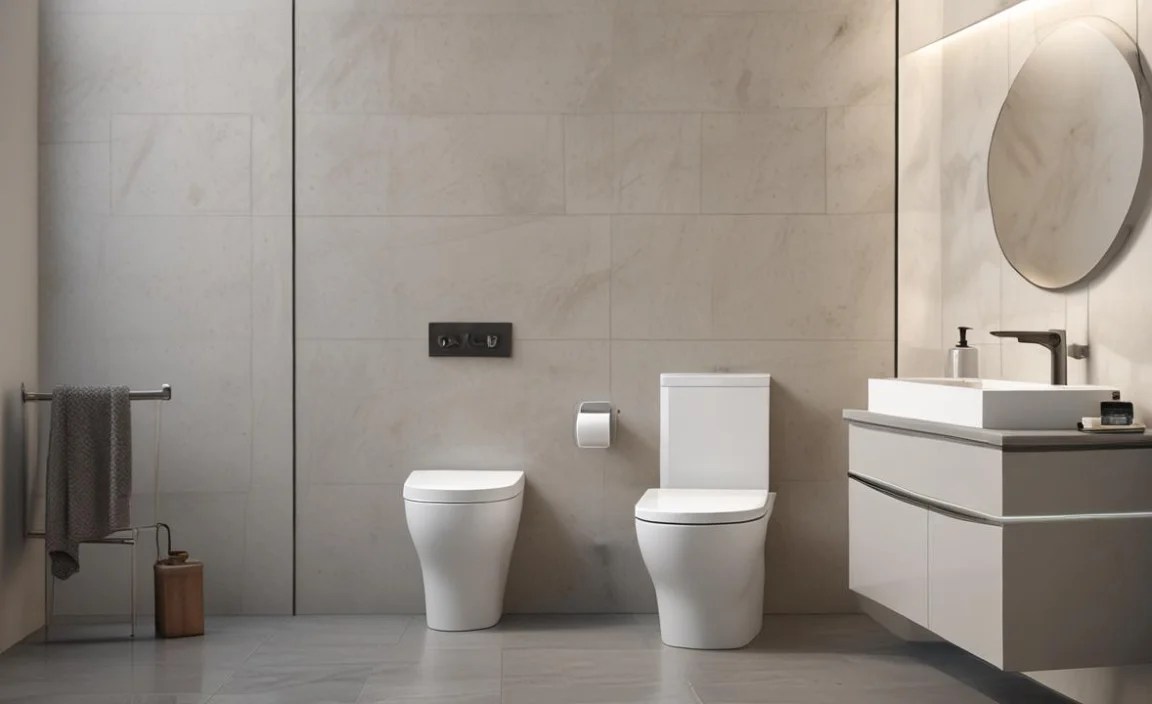
You’ve likely seen these in public restrooms. These toilets don’t have a traditional tank. Instead, they directly use high-pressure water from the building’s supply line to flush. A specialized valve called a flushometer controls the water flow. They are very powerful and quick but require higher water pressure and can be more complex to service. For households, they are usually overkill and less water-efficient than modern tank toilets.
Specialty Designs
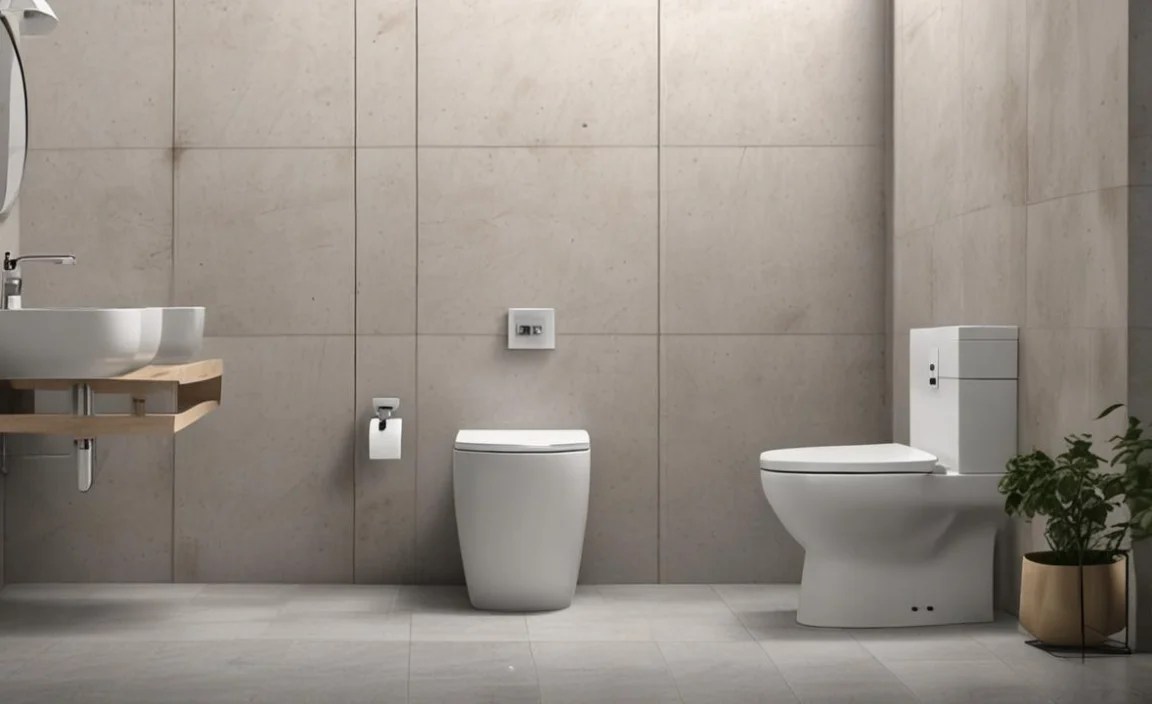
- Dual-Flush Toilets: These toilets offer two flush options: a reduced flush for liquid waste and a full flush for solid waste. This significantly cuts down on water usage. They achieve this through a more sophisticated dual-button actuator and internal flush valve.
- Gravity vs. Pressure-Assisted Toilets: Most residential toilets are gravity-flush, relying solely on the weight of the water in the tank to create the flush. Pressure-assisted toilets use compressed air stored in a tank within the tank to force water into the bowl with more power. They often provide a stronger flush but can be noisier and more expensive.
Design Secrets for Efficiency and Longevity
Beyond the basic structure, several design elements contribute to a toilet’s performance and lifespan:
- Bowl Shape: While not always obvious, the shape of the inside of the bowl influences how well it cleans itself and how efficiently waste is moved towards the trapway. Some are designed for better water coverage during flushing.
- Trapway Diameter: A larger trapway diameter generally means a toilet is less likely to clog. Plumbing codes often specify minimum sizes. For example, according to the International Plumbing Code (IPC), the minimum trapway diameter for water closets is typically 2 inches.
- Water Spot Size: This refers to the area of the bowl that is constantly wet. A larger water spot can help keep the bowl cleaner and reduce odors but might use slightly more water per flush.
- Glazed Traps: High-quality toilets have a smooth, glazed finish inside the trapway. This prevents waste from sticking and minimizes the chances of clogs and odors.
- Seat Design: While not part of the porcelain structure, the seat and lid design impact user experience and hygiene. Features like soft-close hinges and easy-release mechanisms are popular modern additions.
Troubleshooting Common Toilet Structure Issues
Even with excellent design, toilets can develop problems. Knowing the basic structure makes troubleshooting much easier:
Weak Flush
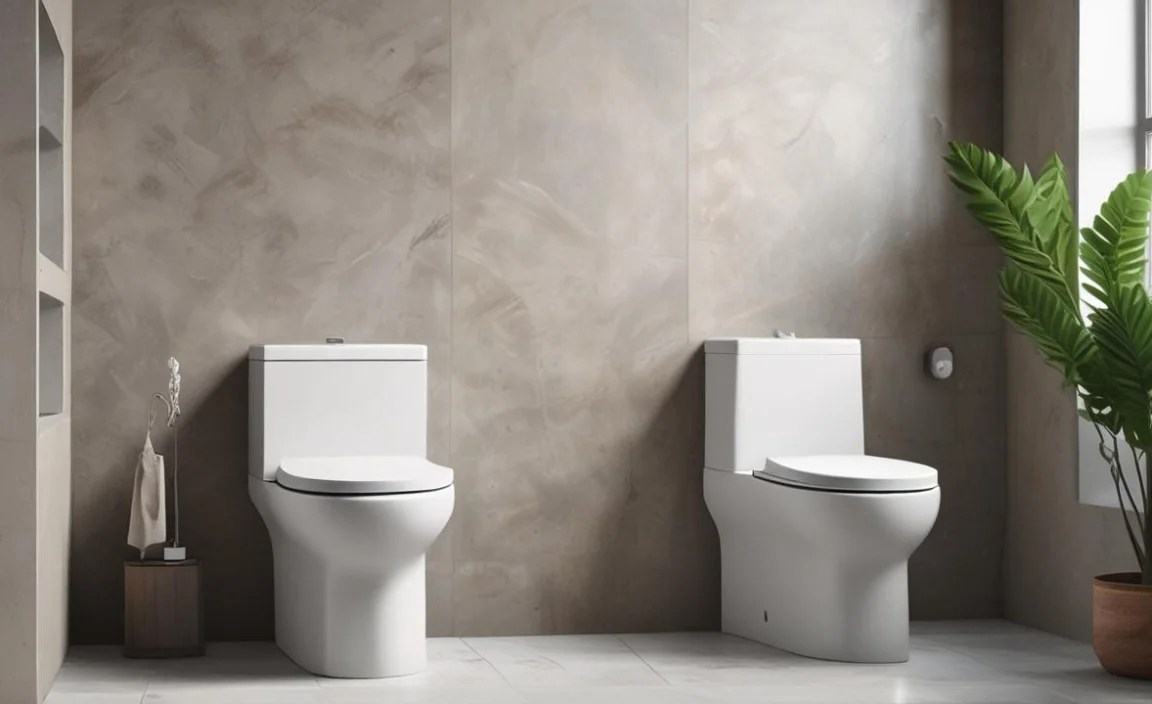
If your toilet isn’t flushing strongly, it could be several things:
- Low Water Level in the Tank: Adjust the fill valve float to ensure the tank is filling to the proper water line.
- Partially Closed Flush Valve: Ensure the flapper is sealing correctly and not obstructed.
- Clogged Rim Jets or Siphon Jet: Mineral deposits can block these openings. Cleaning them with a wire or a vinegar soak can help.
- Blocked Trapway: This is a common cause. A plunger or an auger (closet snake) might be needed.
- Incorrect Flapper Size/Type: Ensure you have the right flapper for your specific toilet model.
Running Toilet
A toilet that runs constantly is usually due to a faulty seal or a misadjusted fill valve:
- Leaking Flapper: The most common culprit. If the flapper isn’t sealing the flush valve tightly, water continuously leaks into the bowl. Test by adding a few drops of food coloring to the tank – if it appears in the bowl without flushing, the flapper is leaking.
- Improperly Set Fill Valve: If the fill valve doesn’t shut off at the correct water level, water will flow constantly into the overflow tube. Adjust the float mechanism.
- Cracked Tank: A rare but serious issue. Look for visible cracks, especially around the bolts connecting the tank to the bowl.
Clogs
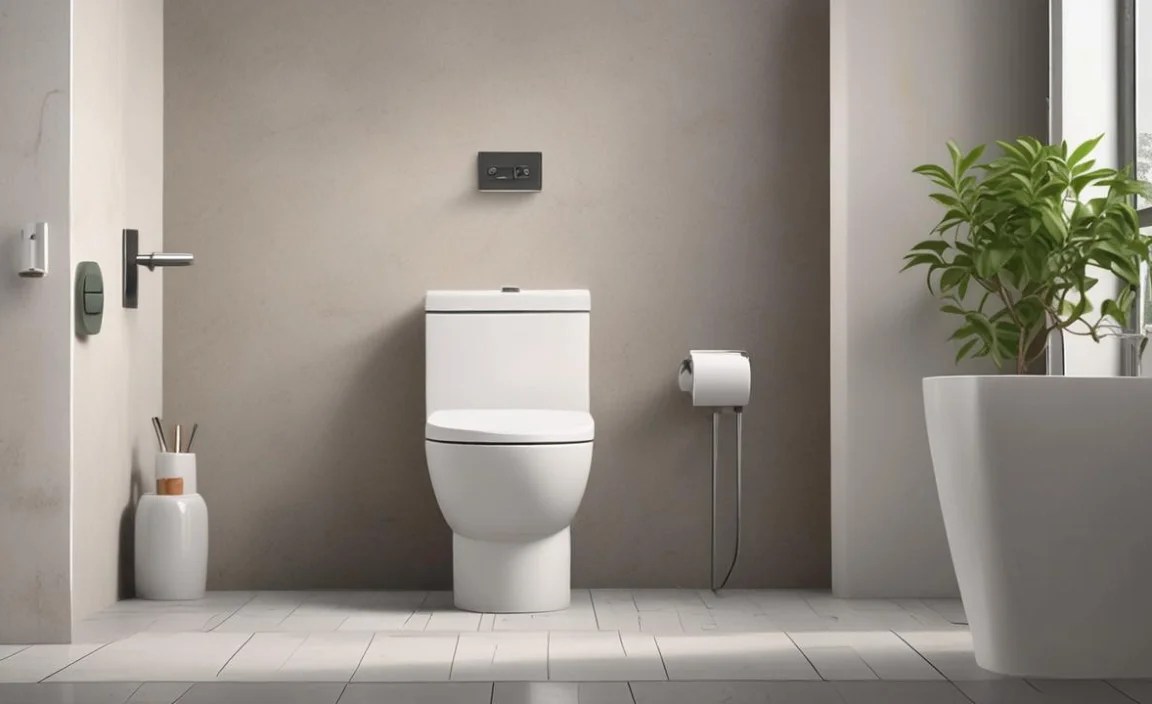
Clogs usually occur in the trapway or the drain line beyond it:
- Foreign Objects: Items like excessive toilet paper, hygiene products, or toys can cause blockages.
- Partial Blockages: Buildup of waste or mineral deposits over time can narrow the trapway.
- Problems Downstream: Sometimes, the clog isn’t in the toilet itself but further down your home’s plumbing system.
For more in-depth troubleshooting, resources like This Old House offer excellent visual guides.
Maintaining Your Toilet’s Structure
Regular, simple maintenance can prevent many structural issues:
- Check Water Levels: Periodically ensure the water level in the tank is correct (usually about an inch below the overflow tube).
- Inspect Seals: Look for any signs of leaks around the tank, bowl, or base.
- Clean Regularly: Use appropriate toilet bowl cleaners to prevent buildup. Avoid harsh chemicals that can damage the porcelain or internal mechanisms.
- Be Mindful of What You Flush: Only flush human waste and toilet paper.
- Listen for Unusual Noises: A constantly running fill valve or gurgling sounds can indicate an impending problem.
Frequently Asked Questions (FAQ)
What is the main purpose of the S-shaped pipe in a toilet?

The S-shaped pipe, called the trapway, is crucial for retaining water. This water seal prevents unpleasant and potentially harmful sewer gases from entering your bathroom. It’s a simple yet effective design feature.
How often should I expect to replace parts inside my toilet tank?

Internal tank components like the flapper and fill valve typically last 5-10 years, depending on water quality and usage. Hard water can shorten their lifespan. It’s often more cost-effective to replace the entire fill valve assembly if one part fails.
What’s the difference between a two-piece and a one-piece toilet structure?

A two-piece toilet has a separate tank and bowl. A one-piece toilet combines the tank and bowl into a single unit. One-piece toilets are generally more modern and easier to clean, while two-piece toilets are typically less expensive and easier to repair.
Why is my toilet not flushing completely, or requiring multiple flushes?

This can be due to a low water level in the tank, a partially blocked trapway, a faulty flush valve assembly that isn’t opening fully, or clogged rim jets. Checking these components and ensuring a strong water flow into the tank usually solves the problem.
Are pressure-assisted toilets better than gravity-flush toilets?

Pressure-assisted toilets use compressed air for a powerful flush, which can be good for clearing clogs or with low water pressure. However, they are typically louder, more expensive, and can be harder to repair. Gravity-flush toilets are the standard, quieter, and easier to maintain for most homes.
What does “water spot size” mean in toilet bowl design?

The water spot is the area of the toilet bowl that remains wet or filled with water after a flush. A larger water spot helps keep the bowl cleaner and can reduce odors, but it might use slightly more water. The size is determined by the trapway’s design and position.
Can I adjust the water efficiency of my current toilet’s structure?

Yes, to some extent. You can adjust the float arm on your fill valve to lower the tank’s water level slightly, saving a small amount of water per flush. You can also consider installing a “flush-reducing” device, though these can sometimes impact flush performance. Modern dual-flush converter kits are also an option for some toilets.
Conclusion
Understanding the basic toilet structure – the tank, bowl, and the ingenious trapway – demystifies a part of your home that’s essential for daily life. From the moment you press that lever to the final gurgle of the siphon, each component plays a vital role in ensuring hygiene and preventing unpleasant odors from entering your home. Whether you have a classic two-piece design or a sleek one-piece model, the underlying principles of gravity and siphoning are what make it all work. By recognizing these key parts and their functions
