
Understanding different toilet types in plumbing is key for choosing the right one. From basic gravity-flush to advanced smart toilets, knowing their mechanisms, water usage, and installation needs helps DIYers and homeowners make informed decisions for efficient, reliable, and cost-effective bathroom solutions.
Hey there, DIYers and homeowners! Bryan Lee here, your go-to for all things home maintenance. Ever looked at your toilet and wondered, “What’s really going on in there?” If you’re facing a plumbing project, a repair, or just want to upgrade your bathroom, knowing about different toilet types is super important. It can save you headaches, water, and money!
Many of us just think of a toilet as… well, a toilet. But plumbing systems feature a surprising variety of designs, each with its own way of working. This guide is here to demystify it all. We’ll break down the common toilet types in plumbing, explain how they function, and help you figure out which might be best for your home. No confusing jargon, just clear, actionable advice!
By the end of this guide, you’ll be much more confident understanding the plumbing behind your porcelain throne. Ready to dive in and become a toilet-savvy homeowner? Let’s go!
Toilet Types in Plumbing: An Essential Guide for Homeowners

When it comes to your home’s plumbing system, the toilet is more than just a fixture; it’s a complex piece of engineering designed for efficiency and hygiene. Understanding the different types of toilets available can empower you to make informed decisions, whether you’re building a new home, renovating a bathroom, or simply replacing an old unit. This guide will walk you through the most common toilet types in plumbing, explaining their mechanisms, water usage, and key features.
The Mechanics of Flushing: How Toilets Work

Before we explore the different types, it’s helpful to understand the basic principles behind how most toilets flush. A traditional flush toilet relies on a few core components:
- The Tank: This is where water is stored for each flush.
- The Bowl: The receptacle for waste, designed with a trapway to hold water and prevent odors from escaping.
- The Flush Mechanism: This is the system within the tank (lever, chain, flapper, fill valve, flush valve) that, when activated, releases water into the bowl to carry waste away.
- The Trapway: The S-shaped or P-shaped passage at the bottom of the bowl that holds water and seals in sewer gases.
The energy source for flushing is typically gravity, where the weight of the water falling from the tank into the bowl creates a siphon effect that pulls waste out through the trapway and into the drainpipes. However, some modern toilets use different technologies to enhance this process.
Common Toilet Types in Plumbing Explained
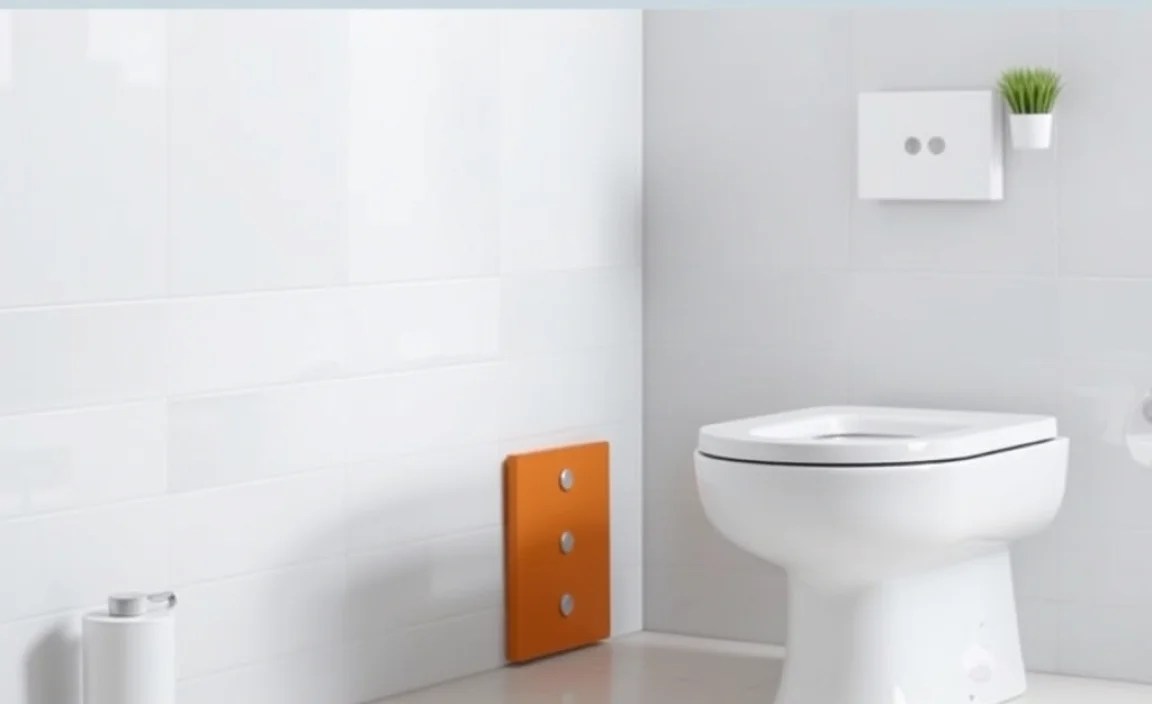
The world of toilets has evolved significantly, offering various designs to meet different needs in terms of water efficiency, flushing power, space-saving, and advanced features. Here’s a breakdown of the most prevalent types you’ll encounter:
1. Gravity-Fed Toilets
These are the most traditional and common type of toilet found in homes worldwide. As the name suggests, they rely on the simple force of gravity to operate.
How They Work:
When you push the flush lever, it lifts a flapper in the tank. This releases stored water to rush down into the toilet bowl. The water fills the bowl quickly, creating a siphon effect that pulls the waste through the trapway and into the drainpipe. Once the tank is empty, the fill valve opens to replenish the water, and the flapper closes.
Pros:
- Simple and Reliable: Fewer moving parts mean less can go wrong.
- Affordable: Generally the least expensive option for purchase and installation.
- Easy to Repair: Most parts are standard and readily available, making DIY repairs straightforward.
- Quiet Operation: The flushing process is usually relatively quiet compared to pressure-assisted models.
Cons:
- Less Flushing Power: May require more than one flush for solid waste, especially with older models.
- Higher Water Usage: Older models can use 3.5 gallons per flush (GPF) or more. Modern WaterSense labeled gravity toilets use 1.28 GPF or less.
Best For:
Most standard residential bathrooms, especially when budget and simplicity are priorities. Upgraded, low-flow gravity toilets are excellent for water conservation.
2. Pressure-Assisted Toilets
These toilets offer a more powerful flush, achieving it through a different mechanism than gravity-fed models. They are commonly found in commercial settings but are also available for residential use.
How They Work:
Inside the tank of a pressure-assisted toilet, there’s a sealed, high-pressure tank that captures air. When flushed, this compressed air forces water into the bowl with much greater force than gravity alone. This high-pressure blast effectively clears the bowl with a single, powerful flush.
Pros:
- Superior Flushing Power: Excellent at clearing waste quickly and efficiently, reducing clogs.
- Water Efficient: Often use around 1.6 GPF or less, and their efficiency in clearing waste can mean fewer double flushes.
- Compact Design: The tank is often smaller and more compact.
Cons:
- Noisy Flushing: The rapid release of pressurized air and water creates a loud flushing sound.
- More Expensive: Both the initial purchase price and potential repair costs are typically higher.
- Complex Repairs: The internal pressure tank and valve system can be more difficult for DIY repairs and often require specialized parts.
Best For:
Homes prone to clogs, bathrooms where a powerful flush is desired, or areas with stricter water usage regulations. They are a good option for larger households.
3. Dual-Flush Toilets
Dual-flush toilets are designed with water conservation in mind, offering two flushing options: one for liquid waste and a more powerful one for solid waste.
How They Work:
These toilets typically have two flush buttons or a lever with two distinct positions. A partial flush (using about 0.8 to 1.1 GPF) is used for liquid waste, while a full flush (using about 1.6 GPF) is used for solid waste. This significantly reduces water consumption over time.
Pros:
- Highly Water Efficient: Can save a substantial amount of water per household per year.
- Cost Savings: Lower water bills contribute to long-term savings.
- Eco-Friendly: A great choice for environmentally conscious homeowners.
Cons:
- Higher Initial Cost: Usually more expensive than standard gravity-fed models.
- Flush Power Variation: The reduced flush for liquids might not feel as robust as a traditional flush for some users.
- Slightly More Complex Maintenance: While not overly complicated, the dual-flush mechanism has more parts than a single-flush gravity toilet.
Best For:
Environmentally conscious families, areas with high water costs or drought restrictions, and virtually any home looking to reduce its environmental footprint and water bills.
4. Tankless (or Direct-Flush) Toilets
Tankless toilets, sometimes called flushometer or direct-flush toilets, are less common in residential settings but are a mainstay in public restrooms due to their efficiency and durability.
How They Work:
Instead of a tank holding water, tankless toilets connect directly to the building’s water supply line, which is under high pressure. When the flush valve is activated, it releases a powerful burst of pressurized water directly into the bowl to clear waste. This system requires higher water pressure than a standard toilet and often needs a dedicated high-pressure water line.
Pros:
- Very Powerful Flush: Excellent at preventing clogs and clearing contents quickly.
- Water Efficient: Typically use between 1.0 and 1.6 GPF, with many commercial models using even less.
- Compact Design: The absence of a tank makes the toilet unit extremely compact.
- Durable: Designed for heavy use and long lifespan.
Cons:
- Requires High Water Pressure: May not be suitable for all homes without plumbing upgrades.
- Expensive Installation: Installation can be costly due to the need for specific plumbing.
- Loud Flush: Similar to pressure-assisted toilets, the flush can be quite loud.
- Not Common for Homes: Less aesthetically traditional for residential bathrooms.
Best For:
Commercial buildings, public restrooms, or very specific residential custom builds where space is extremely limited and a powerful flush is mandatory. They are generally not recommended for DIY home installation without professional consultation.
5. One-Piece vs. Two-Piece Toilets
This distinction refers to the construction and assembly rather than the flushing mechanism, but it impacts installation, cleaning, and aesthetics.
One-Piece Toilets:
The tank and bowl are integrated into a single, seamless unit. This creates a sleek, modern look and makes cleaning easier as there are no crevices between the tank and bowl where dirt and grime can accumulate. However, they tend to be more expensive and heavier, making installation more challenging for DIYers.
Two-Piece Toilets:
The tank and bowl are separate components that are bolted together during installation. This is the most common type of toilet and is generally more affordable than one-piece models. They are also easier to transport and install, making them a popular choice for renovations and replacements. The downside is that the connection point between the tank and bowl can be a breeding ground for grime and may require more detailed cleaning.
6. Wall-Hung (or Wall-Mounted) Toilets
These toilets have become increasingly popular in modern bathroom designs, offering a minimalist and space-saving solution.
How They Work:
A wall-hung toilet has its tank concealed within the wall or in a utility module above the toilet. The bowl unit is then mounted directly to the wall, with no visible base connecting it to the floor. This creates the illusion of more space.
Pros:
- Space Saving: Ideal for small bathrooms, as the floor beneath the toilet remains clear.
- Easy Cleaning: With no base on the floor, cleaning the bathroom is significantly easier.
- Modern Aesthetics: Offers a sleek, minimalist, and contemporary look.
- Adjustable Height: Installation allows for customizable height for added comfort.
Cons:
- Complex and Expensive Installation: Requires significant work to install within the wall, often needing professional plumbing and carpentry skills.
- Difficult Repairs: Accessing the tank and flushing mechanisms for repairs can be challenging, often requiring removal of wall panels or tiles.
- High Cost: Both the fixture itself and the installation are typically more expensive.
Best For:
Modern renovations, small bathrooms, and homeowners who prioritize a minimalist aesthetic and are willing to invest in specialized installation.
7. Smart Toilets
Smart toilets are the cutting edge, integrating technology for enhanced comfort, hygiene, and convenience.
How They Work:
These range from basic bidets integrated into a toilet seat to full-featured smart toilets with self-cleaning capabilities, heated seats, integrated lighting, touch-free flushing, and even biometric sensors. They typically use standard plumbing connections but require an electrical outlet nearby for their advanced features.
Pros:
- Enhanced Comfort and Hygiene: Features like bidet functions, heated seats, and warm air dryers elevate the user experience.
- Convenience: Automatic flushing, self-cleaning jets, and nightlights add significant convenience.
- Water Efficiency Options: Many smart toilets are also designed with water-saving flush technologies.
Cons:
- Very High Cost: These are the most expensive toilet options available.
- Requires Electricity: Needs a GFCI-protected electrical outlet within reach, which can complicate installation and increase costs.
- Complex Repairs: Advanced electronic components can be costly and difficult to repair.
Best For:
Homeowners seeking the ultimate in comfort, luxury, and hygiene, and who have the budget and electrical access for these advanced fixtures.
Water Efficiency: Understanding GPF and WaterSense
When choosing a toilet, water efficiency is a crucial factor for both environmental impact and reducing utility bills. The primary metric to look for is Gallons Per Flush (GPF).
- Older Toilets: Can use 3.5 to 7 GPF.
- Standard Toilets: Typically use 1.6 GPF.
- High-Efficiency Toilets (HETs): Use 1.28 GPF or less.
The U.S. Environmental Protection Agency’s WaterSense program labels toilets that meet strict water efficiency and performance criteria. A WaterSense-labeled toilet uses at least 20% less water than the federal standard (1.6 GPF) and flushes effectively. Choosing a WaterSense-labeled toilet is a surefire way to save water without sacrificing performance.
Choosing the Right Toilet for Your Home

Selecting the best toilet type involves considering several factors:
- Budget: From basic gravity-fed to high-tech smart toilets, prices vary dramatically.
- Space: Consider the dimensions of your bathroom and whether you need a compact, standard, or space-saving design.
- Water Usage Needs: If water conservation is a priority, opt for dual-flush or WaterSense-labeled models.
- Flushing Performance: Examine the MaP (Maximum Performance) score, which indicates how well a toilet removes waste. Higher scores (e.g., 800g or more) are better.
- Installation Complexity: Are you planning a DIY installation, or will you hire a professional? Wall-hung and tankless models require more complex installations.
- Aesthetics: Choose a style that complements your bathroom décor, considering one-piece vs. two-piece and the overall design.
Here’s a quick comparison table to help you weigh your options:
| Toilet Type | Typical GPF | Flushing Power | Cost (Fixture) | Installation Complexity | Maintenance | Ideal Use Case |
|---|---|---|---|---|---|---|
| Gravity-Fed | 1.28 – 1.6 (modern) / 3.5+ (older) | Moderate to Good | $ – $$ | Easy to Moderate | Simple | Standard homes, DIY replacements |
| Pressure-Assisted | 1.0 – 1.6 | Very Good | $$ – $$$ | Moderate | Moderately Complex | Problematic plumbing, high-use bathrooms |
| Dual-Flush | 0.8-1.1 (liquid) / 1.6 (solid) | Good | $$ – $$$ | Moderate | Moderately Complex | Water conservation conscious homes |
| Tankless/Direct-Flush | 1.0 – 1.6 | Excellent | $$$ | Complex | Can be difficult (professional needed) | Commercial, very small spaces |
| Wall-Hung | 1.28 – 1.6 | Good | $$$ – $$$$ | Very Complex | Difficult (requires wall access) | Modern designs, small bathrooms |
| Smart Toilet | 1.0 – 1.6 (varies by model) | Good to Excellent | $$$$+ | Moderate (needs power) | Complex (electronic components) | Luxury and enhanced hygiene seekers |
DIY Installation & Maintenance Tips
While some toilet installations are best left to the pros, basic replacements of standard two-piece gravity-fed toilets can often be tackled by a determined DIYer. Always ensure you have the right tools and follow safety guidelines.
Tools You Might Need:
- Adjustable wrench
- Toilet wax ring and new flange bolts
- Plumber’s putty or silicone sealant
- Bucket and old towels (for draining the tank and bowl)
- Level
- Put
