
Discover genius waterproof toothbrush holder designs that protect your brushes and keep your bathroom tidy. Learn simple, effective solutions to prevent water damage and mold, ensuring a cleaner, healthier smile and a more organized space.
Is your bathroom counter a damp battlefield? Do you find tiny puddles around your toothbrush holder after every use? You’re not alone! This common bathroom issue can lead to messy countertops, worn-out holders, and even potentially unhygienic conditions for your toothbrush. But don’t worry, there are clever ways to solve this with smart toothbrush holder design choices. We’ll guide you through simple, effective, and waterproof solutions that will keep your brushes dry and your bathroom looking great. Get ready to transform your daily routine with a touch of genius!
Why Waterproof Toothbrush Holder Design Matters

The simple act of brushing your teeth involves water, and where there’s water, there’s often a mess if not managed properly. Traditional toothbrush holders, especially those that sit directly on the counter, can trap moisture. This trapped water can lead to:
- Mold and Mildew Growth: Damp environments are breeding grounds for mold and mildew, which are not only unsightly but can also be a health concern.
- Deterioration of Materials: Constant exposure to moisture can cause materials like wood, plastic, and certain metals to degrade, crack, or rust over time.
- Unpleasant Odors: The stagnant, damp environment can contribute to musty smells in your bathroom.
- Messy Countertops: Water seeping out and around the base of the holder creates constant damp patches, requiring frequent wiping and cleaning.
- Toothbrush Contamination: If the bottom of the holder is constantly wet, it can affect the cleanliness and hygiene of the toothbrush itself.
Choosing a toothbrush holder with a smart, waterproof design isn’t just about aesthetics; it’s about promoting a healthier and more sanitary bathroom environment. It’s a small change that makes a big difference in the long run.
Understanding Waterproof Toothbrush Holder Features
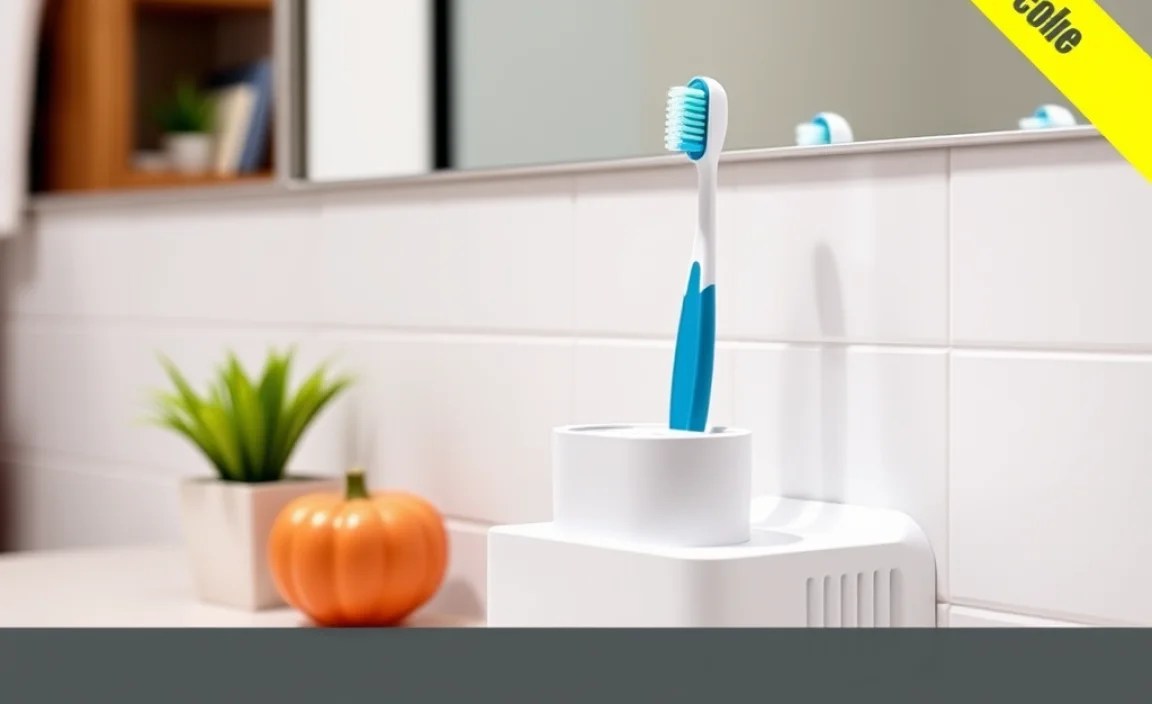
When we talk about a “waterproof” toothbrush holder, we’re looking for designs that prevent water from pooling, seeping, or degrading the holder and the surface it sits on. Key features to look for include:
- Drip Trays or Catchment Systems: These are designed to collect excess water that drains from the toothbrushes, preventing it from spreading.
- Elevated Bases or Feet: Holders that lift off the counter surface allow for air circulation and prevent water from being trapped underneath.
- Ventilation: Open designs or integrated ventilation help moisture escape, allowing toothbrushes to dry more efficiently.
- Water-Resistant Materials: Certain materials naturally resist water better than others.
- Wall-Mounted or Adhesive Options: These designs completely remove the holder from the countertop, eliminating the problem of water pooling at the base.
These features work together to create a more hygienic and tidy bathroom experience. Let’s dive into some of the most ingenious waterproof designs available.
Genius Waterproof Toothbrush Holder Designs

The market offers a fantastic range of innovative toothbrush holders that tackle the water problem head-on. Here are some of the top designs:
1. The Wall-Mounted Marvels
Perhaps the most straightforward and effective waterproof solution is a wall-mounted toothbrush holder. By lifting the holder entirely off the counter, you eliminate the possibility of water damage to your vanity. These designs often come with various mounting options, from strong adhesive strips to screws for more permanent fixtures.
2. The Drip-Tray Duo
Many countertop holders are now designed with integrated drip trays. These are essentially small, removable trays that sit beneath where the toothbrushes are stored. Any excess water drains directly into the tray, which can then be easily emptied and cleaned. This is a great option if you prefer a countertop holder but want to keep your surface dry.
3. The Ventilated Vanguards
Some holders are designed with ample open spaces or small ventilation holes. This promotes air circulation around the toothbrush heads and handles, helping them to dry faster. The quicker a toothbrush dries, the less chance there is for moisture to linger and create problems. Think of designs with individual slots that allow air to flow freely between them.
4. The In-Sink Integrated Solutions
For the ultimate in convenience and water management, consider holders that are designed to be integrated directly into your sink or faucet area. Some modern vanities or faucet designs include built-in toothbrush holders that are strategically placed to allow water to drain directly into the sink basin.
5. The Smart Suction Cup Systems
For a less permanent wall-mounted solution, suction cup holders can be a good choice. High-quality suction cups can securely attach to smooth, non-porous surfaces like tiles or glass. Many of these are designed with a slight angle or openings to allow water to drip away freely.
6. The Multi-Functional Organizers
Many modern toothbrush holders are designed to do more than just hold toothbrushes. Some include compartments for toothpaste, razors, or other small bathroom items, often with built-in drainage or ventilation features. These can declutter your counter and keep everything dry and organized.
Choosing the Right Material for Waterproofing

The material of your toothbrush holder plays a significant role in how it handles moisture. Here’s a look at common materials and their waterproof properties:
| Material | Waterproof Qualities | Pros | Cons |
|---|---|---|---|
| Ceramic/Porcelain | Excellent resistance to moisture, non-porous. Easy to clean. | Durable, aesthetically pleasing, easy to sanitize. | Can chip or break if dropped, often heavier. |
| Stainless Steel | Highly resistant to rust and corrosion. | Very durable, hygienic, modern look, long-lasting. | Can be more expensive, might show water spots if not wiped. |
| Durable Plastics (e.g., ABS, BPA-free) | Generally good water resistance depending on the type. | Lightweight, affordable, often come with creative designs. | Can be less durable than metal or ceramic, some plastics can degrade over time or harbor bacteria if not cleaned. |
| Silicone | Naturally water-resistant, flexible, and easy to clean. | Non-slip, cushiony, good for travel, often antimicrobial. | Can attract lint and dust, some designs might trap more moisture if not ventilated. |
| Bamboo/Wood (with sealing) | Can be very water-resistant if properly sealed and maintained. | Natural, eco-friendly, aesthetically warm and inviting. | Requires regular maintenance (oiling/sealing) to prevent water damage, can be prone to mold if not dried properly. |
When considering materials, think about your bathroom’s humidity levels and how much direct contact the holder will have with water. For maximum durability and hygiene, materials like ceramic, stainless steel, and high-quality, well-ventilated plastics are often the best bets.
DIY Waterproofing Solutions for Existing Holders

Don’t want to buy a new holder? You can often modify or improve your current one to make it more waterproof. Here are a few DIY tips:
1. Add a Drip Tray
If your current holder is a simple cup or slot design sitting on the counter, you can create your own drip tray. Use a shallow, waterproof dish, a repurposed plastic lid, or even a silicone mat cut to size. Place your toothbrush holder on top of this tray.
2. Elevate Your Holder
You can use small, waterproof risers or even craft supplies like silicone feet (often found at hardware or craft stores) to lift your existing holder off the counter. This allows air to circulate underneath and water to drip away freely.
3. Improve Ventilation
If your holder has a solid base, consider drilling a few small holes in the bottom for drainage and ventilation. Be cautious if drilling into delicate materials. For plastic holders, a small drill bit can often do the trick. Ensure any holes allow water to escape but don’t make the holder unstable.
4. Position Wisely
Sometimes, the solution is as simple as placement. Move your toothbrush holder away from the direct splash zone of the sink or shower. Placing it near the back of the counter can also help.
5. Consider a DIY Travel Case
For toothbrushes, a simple DIY travel case made from a small, lidded plastic container or even a repurposed pill bottle can keep it protected and prevent water from spreading if you’ve just rinsed it.
Installation Guide: Wall-Mounted Waterproof Holders
Wall-mounted holders are an excellent waterproof option. Here’s a simplified guide to installing one:
Tools You Might Need:
- The wall-mounted toothbrush holder (with mounting hardware)
- Measuring tape
- Pencil
- Level
- Drill (if using screws)
- Appropriate drill bits
- Screwdriver
- Adhesive remover (if using adhesive and might need to reposition)
Step-by-Step Installation (Adhesive Type):
- Choose the Location: Select a smooth, clean, and dry spot on your bathroom wall. Consider the height for easy access and ensure it’s away from direct water splashes.
- Clean the Surface: Thoroughly clean the chosen area with a mild cleaner and water. Ensure it’s completely dry before proceeding. For best adhesion, some manufacturers recommend a quick wipe with rubbing alcohol.
- Mark the Position: Some holders have a template. If not, hold the holder in place, use a level to ensure it’s straight, and lightly mark where the adhesive strips will go.
- Apply Adhesive: Carefully peel off the backing from the adhesive strips on the holder.
- Press Firmly: Position the holder precisely on your marks and press firmly against the wall for at least 30 seconds. Ensure good contact.
- Wait: Most adhesive mounts require a waiting period (usually 24-72 hours) before you can load the holder. Check the manufacturer’s instructions for the recommended wait time. This is crucial for strong adhesion.
- Test: Once the waiting period is over, gently test the holder’s stability before placing your toothbrushes in it.
Step-by-Step Installation (Drill-In Type):
- Choose the Location: As above, select a suitable spot.
- Mark Drill Holes: Hold the mounting plate or the holder itself against the wall. Use a level to ensure it’s straight. Mark the screw hole positions with a pencil.
- Drill Pilot Holes: If your wall requires it (e.g., drywall, tile), drill pilot holes at your marked spots. Use the drill bit size recommended by the manufacturer. If drilling into tile, special tile bits are often needed, and starting the drill slowly is key to prevent cracking. Consider the depth of your wall anchors if using them. For more on drilling into different surfaces, resources like This Old House offer excellent guidance.
- Insert Wall Anchors (If Needed): Tap wall anchors into the pilot holes.
- Attach the Holder: Align the holder or mounting plate with the holes and secure it using the provided screws and a screwdriver or drill.
- Final Check: Ensure the holder is securely fastened to the wall.
Always follow the specific instructions that come with your toothbrush holder, as installation methods can vary.
Benefits of a Well-Designed Waterproof Toothbrush Holder
Investing in a good waterproof toothbrush holder, whether purchased or ingeniously DIY-ed, brings several tangible benefits:
Hygiene and Health:
- Reduces the risk of mold and mildew growth.
- Keeps toothbrushes drier, which can inhibit bacterial growth.
- Prevents water from pooling and becoming a stagnant breeding ground for germs.
Aesthetics and Organization:
- Keeps countertops clean and dry, reducing visual clutter.
- Maintains the condition of your vanity surface.
- Provides a dedicated, tidy spot for toothbrushes and related items.
- Enhances the overall look and feel of your bathroom.
Durability and Longevity:
- Protects the holder itself from water damage and wear.
- Extends the life of your bathroom vanity.
- Reduces the need for frequent replacement of damaged holders.
Ease of Maintenance:
- Fewer wet spots to constantly wipe.
- Easier to clean the holder when water is properly managed.
- Less overall bathroom cleaning required due to reduced mess.
These seemingly small advantages add up to a more pleasant and functional bathroom experience. It’s about creating a space that works with your daily routine, not against it.
Troubleshooting Common Toothbrush Holder Issues
Even with the best design, you might encounter minor issues. Here’s how to address them:
Issue: Adhesive is losing its grip.
Solution: Clean the surface again, ensure it’s completely dry, and reapply with new, strong, waterproof adhesive strips. For permanent solutions, consider a screw-mounted holder.
Issue: Drip tray is difficult to clean or moldy.
Solution: Ensure you empty and wash the drip tray regularly (at least weekly). If mold appears, mix a solution of equal parts water and white vinegar or use a mild bleach solution (ensure good ventilation and rinse thoroughly). For persistent mold, consider a holder made of more antimicrobial materials or one with better ventilation.
Issue: Water still seeps out from under a countertop holder.
Solution: Is the holder truly designed for water management? If not, consider the DIY solutions mentioned earlier: adding a larger drip tray or elevating the holder. Ensure toothbrushes are placed neatly within the holder.
Issue: Wall-mounted holder feels loose.
Solution: For screw-mounted types, check if the screws have loosened and tighten them. For adhesive types, it may be nearing the end of its adhesive life or the surface may not be ideal. If it’s a newer installation, contact the manufacturer.
Issue: Toothbrushes aren’t drying properly.
Solution: Look for holders with more ventilation. Ensure the toothbrushes aren’t packed too tightly together. Consider the ambient humidity in your bathroom.
Frequently Asked Questions (FAQ) About Waterproof Toothbrush Holders
What is the best material for a waterproof toothbrush holder?
Ceramic, stainless steel, and high-quality, well-ventilated plastics are excellent choices for waterproofing. Silicone is also naturally water-resistant and easy to clean. Wood or bamboo can work if it has a robust waterproof sealant and is properly maintained.
How do I prevent mold in my toothbrush holder?
Ensure good ventilation, allow toothbrushes to dry as much as possible between uses, and clean the holder regularly (at least weekly using an appropriate disinfectant). Holders with removable drip trays and easy-to-clean surfaces are best.
Are wall-mounted toothbrush holders really waterproof?
Yes, wall-mounted holders are inherently waterproof because they lift the toothbrush entirely off the wet countertop surface, preventing any direct water contact with the vanity. The design itself ensures water drips away from the wall.
How often should I clean my toothbrush holder?
It’s recommended to clean your toothbrush holder at least once a week. This involves emptying any drip trays, washing the holder with soap and water, and disinfecting it if necessary to prevent germ and mold buildup.
Can I use a regular cup as a toothbrush holder?
While you can technically use a cup, it’s not ideal for waterproofing. Lacking drainage or ventilation, water can pool at the bottom, leading to mold, mildew, and unsanitary conditions. If you must use a cup, ensure it has a removable inner liner or is cleaned very frequently.
What’s the difference between water-resistant and waterproof?
Water-resistant materials can repel water to a certain extent, meaning they won’t be immediately damaged by a little moisture but can still absorb water over time. Waterproof materials are designed to prevent water from penetrating them entirely for an extended period, offering much higher protection.
What’s the lifespan of a typical waterproof toothbrush holder?
The lifespan varies greatly depending on the material, quality of construction, and maintenance. High-quality ceramic or stainless steel holders can last for many years, often a decade or more. Plastic or silicone holders might need replacement every 3-7 years, while poorly maintained wooden holders may degrade much faster.
