
Have you ever wondered what keeps your home smelling fresh? The secret lies beneath your sink. Plumbing traps play a key role. They stop bad smells from entering your home. Understanding trap basics in plumbing can be fascinating and useful. Let’s explore these hidden heroes of household plumbing.
Key Takeaways
- Plumbing traps prevent odors from entering your home.
- They hold water to block sewer gases.
- Trap basics in plumbing are easy to learn.
- Proper installation keeps your plumbing system working well.
- Regular checks prevent clogs and leaks.
Understanding Trap Basics in Plumbing
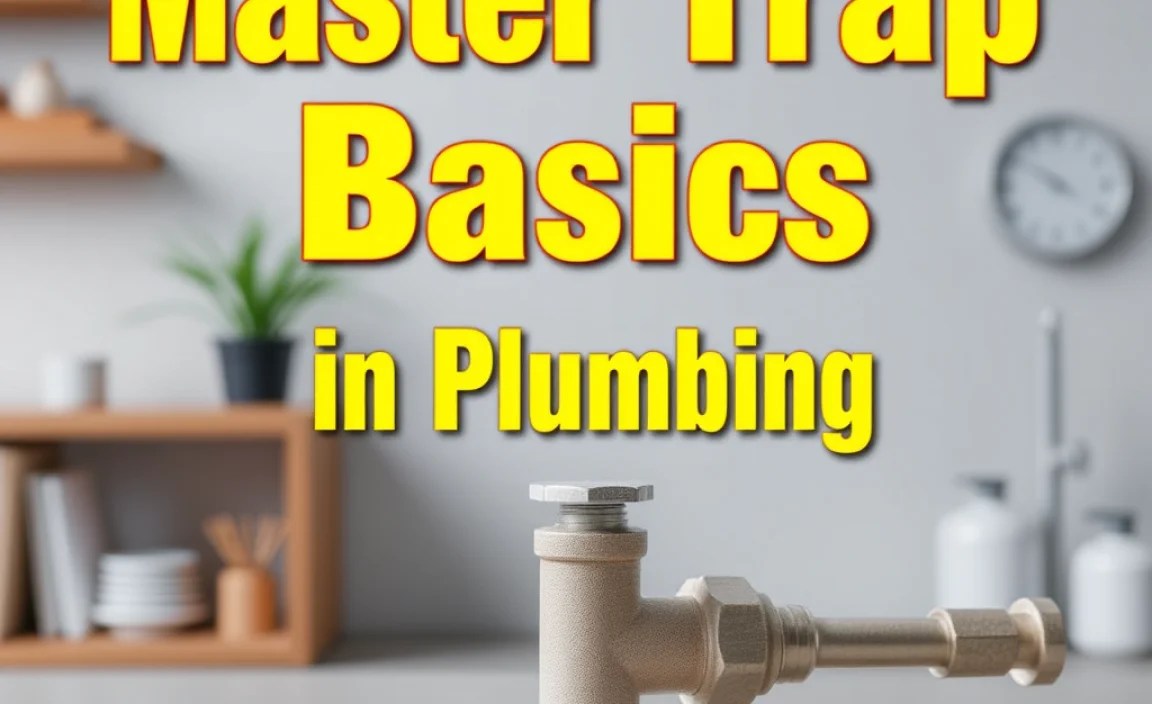
Traps are essential parts of plumbing. They are U-shaped pipes beneath sinks and toilets. Their main job is to hold water. This water forms a seal that blocks sewer gases. Without traps, bad smells can invade your home. Traps also catch small debris. This prevents clogs farther down the pipe. Learning trap basics in plumbing helps keep your home fresh and clean.
- Traps block sewer gases effectively.
- They hold water to create a seal.
- Traps help prevent plumbing clogs.
- They catch small debris and particles.
- Traps are found under sinks and toilets.
Many types of plumbing traps exist. The most common is the P-trap. It is found under sinks in kitchens and bathrooms. S-traps are similar but less common. They are often used in older homes. Different traps serve different needs. Knowing which trap you have is useful. It helps when doing repairs or maintenance.
Fun Fact or Stats : Did you know the first plumbing trap was invented in 1775?
Why Are Plumbing Traps Important?
Imagine waking up to a smelly kitchen. Yuck, right? Plumbing traps prevent this nightmare. They stop sewer smells from entering your home. By holding water, traps create a barrier. This barrier is crucial. It keeps your house smelling fresh. Traps also stop bugs from crawling through pipes. They are small but mighty in keeping your home clean. Isn’t that neat?
Types of Plumbing Traps
There are many types of plumbing traps. Each has a special purpose. The P-trap is popular in homes today. It is shaped like a U. The S-trap is older and less common now. Bottle traps are used for neatness. Do you know which your home uses? Knowing this helps in repairs. Each trap has unique benefits.
Common Problems with Plumbing Traps
Plumbing traps can face problems. Sometimes they dry out. This lets bad smells enter. How can you fix it? Pour water into the trap. Clogs are another issue. Debris can block the trap. Regular cleaning prevents this. Did you know traps can leak? Tighten connections to stop leaks. A little care keeps traps working well.
Installing Plumbing Traps
Installing a plumbing trap may seem hard. But it’s not. Follow some simple steps. First, choose the right trap type. P-traps fit under most sinks. Next, connect the trap to the sink drain. Ensure a tight fit. This prevents leaks. Finally, connect the trap to the waste pipe. Check the trap for leaks by running water.
- Choose the right trap for your sink.
- Connect the trap securely to the drain.
- Ensure no gaps for leaks.
- Attach the trap to the waste pipe.
- Test the trap for leaks with water.
It’s important to double-check your work. Are there any visible leaks? If so, tighten the connections. A well-installed trap keeps your home fresh and clean. Regular maintenance is also key. Check your traps every few months. This way, you can catch any problems early.
Fun Fact or Stats : Around 90% of homes use P-traps under their sinks!
Tools Needed for Installation
Installing a plumbing trap requires some tools. Do you have a wrench? You’ll need it. Pipe tape is also helpful. It seals connections. A bucket catches water during installation. Plumbers often use a special grease. It helps connections slide together smoothly. Do you have these tools? They make the job easier.
Steps to Install a P-trap
Installing a P-trap is easy. First, gather your tools. Next, attach the trap to the sink drain. Use the wrench to tighten it. Then, connect the trap to the waste pipe. Use pipe tape to prevent leaks. Finally, test for leaks by running water. Did it work? If not, tighten the connections again.
Common Mistakes in Installation
Do you know common mistakes in trap installation? One mistake is not tightening connections. This leads to leaks. Another is using the wrong trap type. It may not fit correctly. Skipping the leak test is also bad. It ensures everything works well. Avoid these mistakes for a successful installation.
Maintenance of Plumbing Traps

Maintaining plumbing traps prolongs their life. Regular checks are key. Look for leaks or clogs. Catching problems early prevents bigger issues. How often should you check? Every few months is ideal. This keeps traps working well. It also ensures your home stays fresh. Never ignore a leaking trap. Fix it quickly to avoid damage.
- Check traps for leaks regularly.
- Look for signs of clogs.
- Test traps by running water.
- Inspect traps every few months.
- Fix leaks immediately to prevent damage.
Do you clean your traps? It helps in removing debris. This prevents clogs. Use a small brush to clean inside. Cleaning also stops bad smells. Remember to check connections. Tighten them if needed. This keeps everything secure.
Fun Fact or Stats : Regular maintenance can extend trap life by 5 years!
Identifying Trap Problems
How can you spot trap problems? Check for leaks first. Is water dripping? That’s a sign. Smell something bad? The trap may be dry. Pour water to fix it. Notice slow drainage? A clog may be forming. Regular checks help spot these issues. Early fixes save time and money.
Simple Cleaning Techniques
Cleaning traps is simple. First, gather a brush and bucket. Unscrew the trap carefully. Let the water drain into the bucket. Use the brush to clean inside. Scrub away debris. Rinse the trap with water. Reattach it firmly. What do you notice? A clean trap works better!
When to Call a Plumber
Sometimes, traps need expert help. When should you call a plumber? If leaks persist, it’s time. A plumber has advanced tools. They fix complex problems. Don’t hesitate if unsure. It’s better to call for help. Plumbers ensure everything works perfectly.
Benefits of Properly Working Traps

Properly working traps offer many benefits. First, they keep your home smelling fresh. No one likes bad odors. Traps also prevent bugs from entering through pipes. This keeps your home hygienic. Traps also reduce the risk of clogs. This ensures smooth water flow. Did you know they also protect against water damage? Leaks can be costly. Well-maintained traps save you money.
- Prevent bad odors in your home.
- Stop bugs from entering through pipes.
- Reduce the risk of plumbing clogs.
- Ensure smooth water flow in drains.
- Protect against costly water leaks.
Do you understand the importance of traps now? Without them, homes would face many issues. Regular maintenance is key. It keeps traps working well. This provides peace of mind. Your home stays fresh and clean. Isn’t that worth the effort?
Fun Fact or Stats : A functioning trap can save up to 30% on repair costs!
Plumbing Trap Longevity
Do you want your plumbing traps to last long? Proper care is crucial. Check and clean them regularly. This prevents wear and tear. Did you know some traps last over 10 years? That’s possible with good care. Avoid harsh chemicals. They damage traps. Instead, use gentle cleaners. This extends trap life.
Environmental Benefits of Traps
Did you know traps are eco-friendly? They help conserve water. How? By preventing leaks, they save gallons of water. This is good for the planet. Traps also stop harmful gases. This keeps the air clean. Aren’t these benefits great? Traps help both your home and the earth.
Financial Savings with Traps
Can traps save you money? Yes, they can. By preventing leaks, they reduce water bills. This saves money. Properly working traps also prevent costly repairs. Regular checks spot problems early. This avoids expensive damage. Investing time in trap care pays off. It saves both money and hassle.
| Trap Type | Location | Purpose | Common Issues |
|---|---|---|---|
| P-trap | Under sinks | Block sewer gases | Clogs, leaks |
| S-trap | Old homes | Block sewer gases | Drying out |
| Bottle trap | Neat spaces | Block sewer gases | Leaks |
| Drum trap | Bathtubs | Catch hair/debris | Clogs |
Conclusion
Understanding trap basics in plumbing is important. Traps keep your home fresh and odor-free. They block sewer gases and prevent clogs. Regular maintenance extends their life. Check them often for leaks or debris. Well-working traps protect your home and save money. Isn’t it time to give your traps some attention?
FAQs
Question: What is a plumbing trap?
Answer: A plumbing trap is a U-shaped pipe under sinks. It holds water. This water blocks sewer gases. By doing so, it prevents bad smells from entering your home. Traps are important for keeping your home odor-free.
Question: Why are plumbing traps important?
Answer: Plumbing traps are important because they prevent sewer gases. These gases can cause bad odors. Traps also catch small debris. This prevents clogs. Without traps, your home could smell bad. Properly working traps keep your home fresh.
Question: How can I maintain my plumbing traps?
Answer: Maintain traps by checking for leaks and clogs regularly. Clean them with a brush. Tighten connections to prevent leaks. Pour water to keep the trap from drying out. Regular checks keep traps working well. This prevents problems and saves money.
Question: What are common problems with plumbing traps?
Answer: Common problems include leaks and clogs. Leaks happen if connections are loose. Clogs occur from trapped debris. Dry traps can let bad smells enter. Regular maintenance prevents these problems. Check traps often to catch issues early.
Question: How do plumbing traps save money?
Answer: Traps save money by preventing leaks. Leaks can increase water bills. Properly working traps also avoid costly repairs. Regular maintenance spots issues early. This prevents expensive damage. Investing in trap care saves both money and hassle.
Question: Can I replace a plumbing trap myself?
Answer: Yes, you can replace a plumbing trap yourself. First, gather the right tools. Follow simple steps for installation. Ensure connections are tight to prevent leaks. Test the trap by running water. If unsure, call a plumber for assistance.
