
In construction, a “trap” is a fitting designed to hold water, preventing sewer gases and odors from entering a building through its drainage system. This essential component prevents foul smells and harmful gases from escaping drains, safeguarding your home’s air quality. Understanding traps is crucial for any DIYer or homeowner dealing with plumbing.
Dealing with plumbing issues can sometimes feel like navigating a maze of pipes and jargon. One term you might hear, especially when discussing drainage or dealing with unpleasant smells, is “trap.” Don’t let the name confuse you; a trap in construction is actually a clever and vital part of your plumbing system. Its main job is to keep your home smelling fresh and healthy by blocking out nasty sewer gases.
If you’ve ever wondered where those occasional bad odors come from, the trap might be involved. This guide will break down exactly what a trap is, why it’s so important, and what you need to know to ensure yours is working correctly. We’ll cover everything from different types of traps to simple maintenance tips, making this often-overlooked component easy to understand.
What Exactly is a Trap in Construction?

At its core, a trap in the context of construction specifically refers to a plumbing fixture or component designed to retain a small amount of water. This retained water forms a seal, acting as a barrier. Why is this important? Because it prevents gases from the sewer or drain lines, which can be harmful and very smelly, from backing up into your living spaces through fixtures like sinks, showers, toilets, and floor drains.
Think of it like a tiny, water-filled moat around each drain. Every time you use a fixture like a sink, water flows through the trap and then refills it, maintaining that protective seal. If a trap dries out, the seal is broken, and those unwelcome gases can escape. This is why it’s crucial to understand how traps work and to ensure they are functioning as they should.
The Science Behind the Water Seal
The magic of a plumbing trap lies in its U-shaped or P-shaped design. When water flows down the drain, a portion of it gets held back in the lowest part of the “U” or “P”. This standing water is the water seal. This seal physically blocks the passage of air from the sewer line into your home.
Sewer gases are not just unpleasant; they can contain methane, which is flammable, and hydrogen sulfide, which is toxic in high concentrations. By maintaining a consistent water seal, traps play a significant role in maintaining a safe and healthy indoor environment. The U.S. Environmental Protection Agency (EPA) highlights the importance of proper sanitation and plumbing systems for public health, and traps are a fundamental part of that.
Why Are Traps So Important?

The importance of plumbing traps cannot be overstated. They are fundamental to the design and function of any modern drainage system. Here’s why they are a critical component:
- Odor Prevention: This is the most obvious benefit. Without functioning traps, your home would be constantly filled with the foul odors emanating from sewage and drain lines.
- Health and Safety: Sewer gases can contain harmful bacteria and potentially toxic compounds like hydrogen sulfide and methane. Traps prevent these from entering your living space, protecting your health.
- Pest Control: A proper water seal can also act as a barrier against small pests, like insects, that might try to crawl up from the drain pipes.
- Fire Safety: Methane gas, a component of sewer gas, is flammable. While unlikely to cause a fire in typical residential scenarios, eliminating its pathway into your home is a prudent safety measure.
Common Types of Plumbing Traps
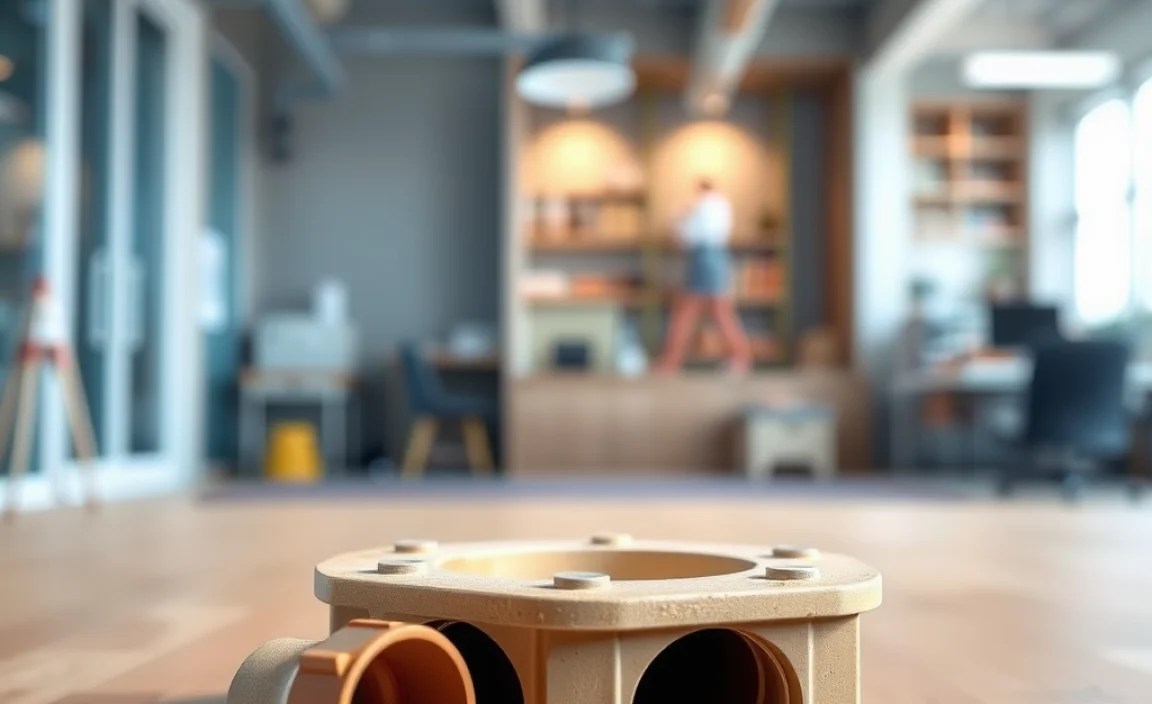
While the basic principle remains the same, plumbing traps come in various shapes and designs to suit different fixtures and installation needs. Understanding these can help you identify what you have in your home.
The P-Trap
The P-trap is by far the most common type of trap found under sinks (both kitchen and bathroom) and other similar fixtures. It’s easily identifiable by its shape, which resembles the letter “P” when viewed from the side. It consists of a U-shaped bend followed by a horizontal branch pipe that connects to the waste pipe.
How it works: As water drains, it fills the U-bend, creating the water seal. The horizontal pipe then carries the wastewater away.
The S-Trap
The S-trap, named for its S-shape configuration, was more common in older plumbing systems. It has two U-bends, creating an S-shape where the water seal is maintained. However, S-traps are largely phased out in modern plumbing codes in many regions because they are more prone to siphoning. Siphoning occurs when the water seal is unexpectedly pulled out of the trap, breaking the barrier.
How it works: Similar to the P-trap, it holds water in the bends. However, its design makes it susceptible to losing its seal under negative pressure from the drain system.
The Bottle Trap (or Bottle Gully Trap)
Bottle traps are often used where space is limited, such as in pedestal sinks or some vanity units. They have a more compact, cylindrical or bottle-like body where the water is held. They are also commonly used for floor drains or in medical facilities.
How it works: Water enters the trap, fills the lower chamber, and the outlet pipe is submerged in this water, creating the seal. They are generally easier to clean due to their design.
The Drum Trap
Drum traps are less common now but can still be found in older homes, often installed near bathtubs or showers. They are typically larger, cylindrical containers buried in the floor or wall. They have an inlet for waste water and an outlet that is submerged in the water held within the drum, creating the seal.
How it works: Water collects in the drum. The outlet pipe draws water from this pool, leaving a water seal at the bottom. They can accumulate debris and are harder to clean than P-traps.
The Floor Trap (or Gully Trap)
Floor traps are installed in floors where water is likely to accumulate and needs to drain away, such as in bathrooms, kitchens, laundries, or balconies. They are designed to catch surface water and direct it into the drainage system. They often incorporate a visible grate or strainer.
How it works: Water flows through the grate into the trap body, which is designed to hold a water seal, preventing sewer gases from the main drain line from coming up through the grate. Many modern floor traps, especially those used outdoors or in areas with potential for debris, incorporate a “dry trap” mechanism or an overflow to prevent the seal from evaporating too quickly.
Materials Used for Plumbing Traps
Plumbing traps are manufactured from a variety of materials, each with its own advantages and disadvantages:
- Plastic (PVC, ABS): Lightweight, corrosion-resistant, and inexpensive. Easy to cut and glue for installation. The most common material for new installations.
- Metal (Brass, Stainless Steel, Chrome-Plated Brass): More durable and aesthetically pleasing, often used in visible applications where appearance matters, like under a decorative sink. Can be more expensive. They are also resistant to damage from heat or impact.
Table: Common Trap Types and Their Applications
Here’s a quick reference table highlighting where you’re most likely to find different types of traps:
| Trap Type | Typical Location/Application | Key Features |
|---|---|---|
| P-Trap | Under sinks (kitchen, bathroom), laundry tubs, washing machines. | Most common, effective water seal, easy maintenance. |
| S-Trap | Older homes under sinks (less common now due to code). | Prone to siphoning, generally not used in new construction. |
| Bottle Trap | Pedestal sinks, vanity units, medical facilities, bathrooms. | Compact design, good for limited spaces, easy to clean. |
| Drum Trap | Older homes, sometimes near bathtubs or showers. | Larger capacity, can collect debris, harder to clean. |
| Floor Trap (Gully Trap) | Bathrooms, kitchens, balconies, laundry areas, patios. | Collects surface water, prevents sewer gas backup through floor drains. |
Installation and Maintenance of Plumbing Traps
Proper installation goes a long way in ensuring a trap functions correctly and lasts longer. Likewise, regular maintenance is key to preventing issues.
Installation Considerations
When installing or replacing a trap:
- Correct Angle: The waste pipe leading from the fixture should slope downwards towards the trap, and the trap itself should be installed with the correct pitch to ensure water flows through it properly and refills the seal.
- Secure Connections: All connections must be airtight and watertight to prevent leaks and to ensure the integrity of the system relative to the trap seal. Use appropriate pipe sealant or plumber’s tape where necessary.
- Venting: Though not part of the trap itself, proper venting is crucial for trap function. Vent pipes allow air into the drainage system, preventing negative pressure that can siphon the water seal out of the trap. Without proper venting, a trap is useless. The International Plumbing Code (IPC) provides detailed requirements for venting systems.
- Code Compliance: Always ensure your installation complies with local building codes and plumbing regulations.
DIY Maintenance Tips for Traps
Most traps, especially P-traps, are designed for relatively simple maintenance. Here are some tips:
- Regular Flushing: For fixtures that aren’t used very often (like guest bathroom sinks or floor drains in dry areas), run water for a minute or two at least once a month. This replenishes the water seal and prevents it from evaporating.
- Check for Leaks: Periodically inspect the trap and its connections for any signs of wetness, drips, or moisture. Small leaks can worsen over time.
- Clean Out Debris: For sink traps, especially in kitchens, grease and food particles can accumulate. If you notice slow draining or gurgling sounds, the trap might be partially blocked.
- Deep Cleaning (When Necessary): If the trap is significantly clogged, you might need to disassemble it. Place a bucket or basin directly underneath the trap before loosening the slip nuts. Be prepared for residual water and debris. Once disassembled, clean out any gunk and reassemble, ensuring all connections are tight.
- Beware of Harsh Chemicals: While drain cleaners can clear clogs, some are very harsh and can damage certain types of pipe materials or seals over time. Mechanical methods (like a plunger or drain snake) are often preferred for clogs.
Troubleshooting Common Trap Issues
Even with regular maintenance, you might encounter issues. Here are some common problems and how to address them:
Bad Odors (Gaseous Smells)
This is the most common symptom that a trap isn’t working correctly. The possibilities include:
- Evaporated Water Seal: If a fixture is rarely used, the water seal can evaporate over time. Solution: Run water through the fixture for a few minutes to refill the trap.
- Siphoning: Improper venting can cause the water seal to be siphoned out. Solution: Check your plumbing for proper vents and, if issues persist, consult a plumber to assess the venting system.
- Cracked or Damaged Trap: A physical defect in the trap can allow gases through. Solution: Inspect the trap for cracks and replace if necessary.
- Full P-Trap (less common): If the trap is completely clogged, it might not hold water properly. Solution: Clear the clog.
Slow Draining or Gurgling Sounds
These usually indicate a partial clog somewhere in the drainage line, often starting at the trap itself.
- Clogged Trap: Debris accumulation is the usual culprit. Solution: Disassemble and clean the trap as described in the maintenance section.
- Vent Problems: A blocked vent can cause gurgling as air struggles to enter the system to allow water to flow freely. Solution: Inspect vents for blockages (leaves, nests, etc.) and clear them.
Leaks from the Trap
Leaks usually occur at the connection points (slip nuts) or from a crack in the trap body.
- Loose Connections: The slip nuts might simply be loose. Solution: Hand-tighten the slip nuts, then give them about a quarter turn with pliers if needed. Don’t overtighten, as this can crack plastic fittings.
- Worn or Damaged Washers: The rubber or plastic washers inside the slip nuts can wear out. Solution: Disassemble, check the washers, and replace them if they are brittle, cracked, or missing.
- Cracked Trap Body: If the trap itself is cracked (more common with plastic traps if subjected to impact or stress). Solution: Replace the entire trap.
When to Call a Professional Plumber
While many trap-related issues are straightforward DIY fixes, there are times when it’s best to call in the experts:
- Persistent Odors: If you’ve tried refilling the trap and cleaning it but odors persist, it might indicate a more complex issue with your venting system or the main sewer line.
- Suspected Siphoning: Problems with siphoning often point to underlying issues with the plumbing’s overall venting strategy, which can be complicated to diagnose and fix.
- Major Leaks or Extensive Damage: If you discover a significant leak or extensive corrosion/damage to your pipes and traps, a professional is needed to ensure a safe and correct repair.
- Uncertainty or Lack of Proper Tools: If you’re uncomfortable with any part of the process, lack the necessary tools, or can’t identify the source of a problem, it’s safer and more efficient to call a plumber.
- Code Compliance Issues: If you’re undertaking a renovation or suspect your current plumbing doesn’t meet modern code requirements, a professional can ensure everything is up to par.
For more information on plumbing codes and best practices, resources like the International Code Council (ICC) provide extensive guidelines that plumbers and builders follow.
Conclusion
Understanding the humble plumbing trap demystifies a crucial aspect of your home’s infrastructure. These simple yet ingenious devices are the silent guardians against unsanitary and unpleasant sewer gases, ensuring your living environment remains fresh and healthy. Whether it’s the ubiquitous P-trap under your sink or a specialized floor trap protecting your bathroom, knowing their function, how to maintain them, and when to seek professional help is key to a well-functioning home. Don’t let potential plumbing problems go unnoticed; a little awareness and proactive maintenance can save you a lot of trouble, and more importantly, keep your home a safe!
Frequently Asked Questions (FAQ) about Traps
Q1: What is the main purpose of a plumbing trap?
A1: The main purpose is to hold a water seal that prevents sewer gases and odors from entering your home through drains.
Q2: What’s the difference between a P-trap and an S-trap?
A2: A P-trap has a U-bend followed by a horizontal pipe, while an S-trap has two U-bends, forming an S-shape. P-traps are standard today because they are less prone to siphoning than older S-traps.
Q3: How do I know if my trap is working correctly?
A3: If you don’t smell sewer odors from your drains and water flows freely, your trap is likely working. A gurgling sound or persistent bad smell often indicates a problem.
Q4: My sink hasn’t been used in a while, and it smells. What should I do?
A4: The water seal in the trap has likely evaporated. Run water into the sink for a minute or two to refill the trap with fresh water. This should resolve the odor.
Q5: Can I use a universal drain cleaner on my plumbing trap?
A5: While many cleaners exist, it’s best to use them cautiously. Some harsh chemicals can damage plastic traps or seals. Mechanical methods like plunging or snaking are often a safer first approach for clogs.
Q6: What is a “dry trap” an how is it different from a standard trap?
A6: A “dry trap” is a term sometimes used for floor traps or gully traps that have overflow mechanisms or are designed to reduce evaporation in areas where water can be scarce. A standard trap relies solely on the standing water to maintain its seal.
Q7: Do toilets have traps?
A7: Yes, every toilet has an integrated trap built into its ceramic fixture. This is why you don’t typically see external trap components, and it’s why water remains in the bowl.
