
Have you ever wondered how plumbing keeps our homes dry and free from stinky smells? One crucial piece of the puzzle is the trap layout in plumbing. Traps work like magic. They hold water to stop bad odors from coming up through the drains. Imagine a day when you run the tap, and instead of refreshing water, a foul smell fills the room. Yikes!
The right trap layout is the superhero that fights against such smells. It ensures that water flows smoothly while keeping unwanted odors at bay. Did you know that some homes have traps that save water and energy too? Learning about trap layouts can help you understand why your plumbing works the way it does. So, let’s dive in and explore the amazing world of plumbing traps together!
Understanding Trap Layout In Plumbing: Essential Tips And Designs

Trap Layout in Plumbing
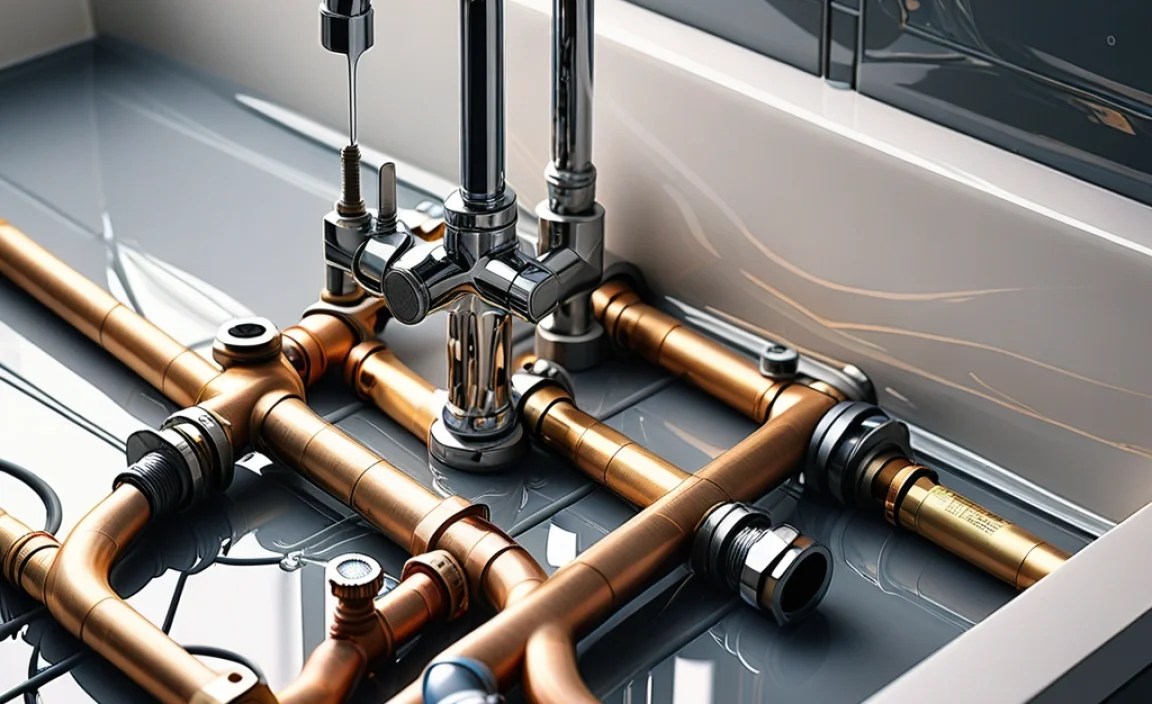
A trap layout in plumbing is vital for good drainage. It prevents sewer gases from entering homes while allowing wastewater to flow out. Did you know that the shape of a trap can affect how easily clogs form? Proper placement of traps can save you from costly repairs and unpleasant odors. By understanding your home’s plumbing layout, you can spot issues early. Knowing about trap layouts helps keep your plumbing in great shape!
Understanding the Function of Traps
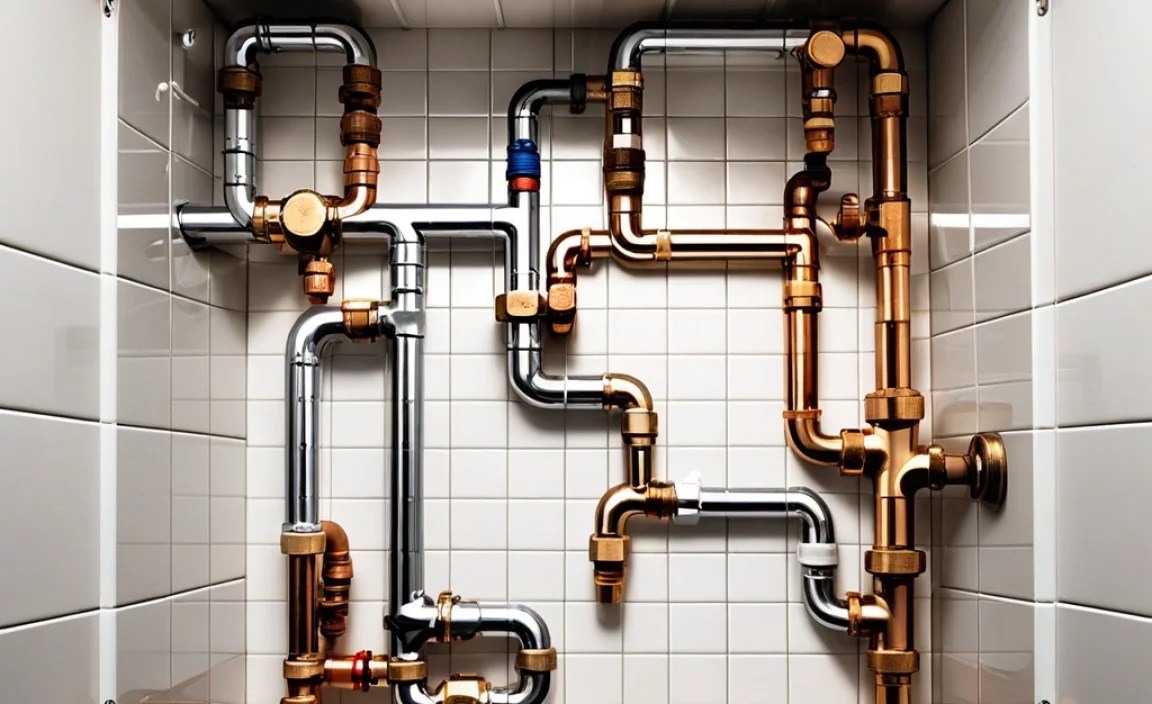
Explanation of what a trap is in plumbing. Importance of traps in preventing sewer gases from entering buildings.
A trap in plumbing is a specially shaped pipe. It holds water to create a barrier. This water keeps bad smells and sewer gases from sneaking into your home. Without traps, these gases would enter through sinks, showers, or toilets. That’s why traps are so important!
- Blocks unpleasant odors
- Prevents harmful gases
- Protects indoor air quality
Why are traps important?
Traps are crucial for safety. They protect people from harmful sewer gases and keep homes smelling fresh. Every sink and toilet needs a trap to work properly.
Planning a Trap Layout
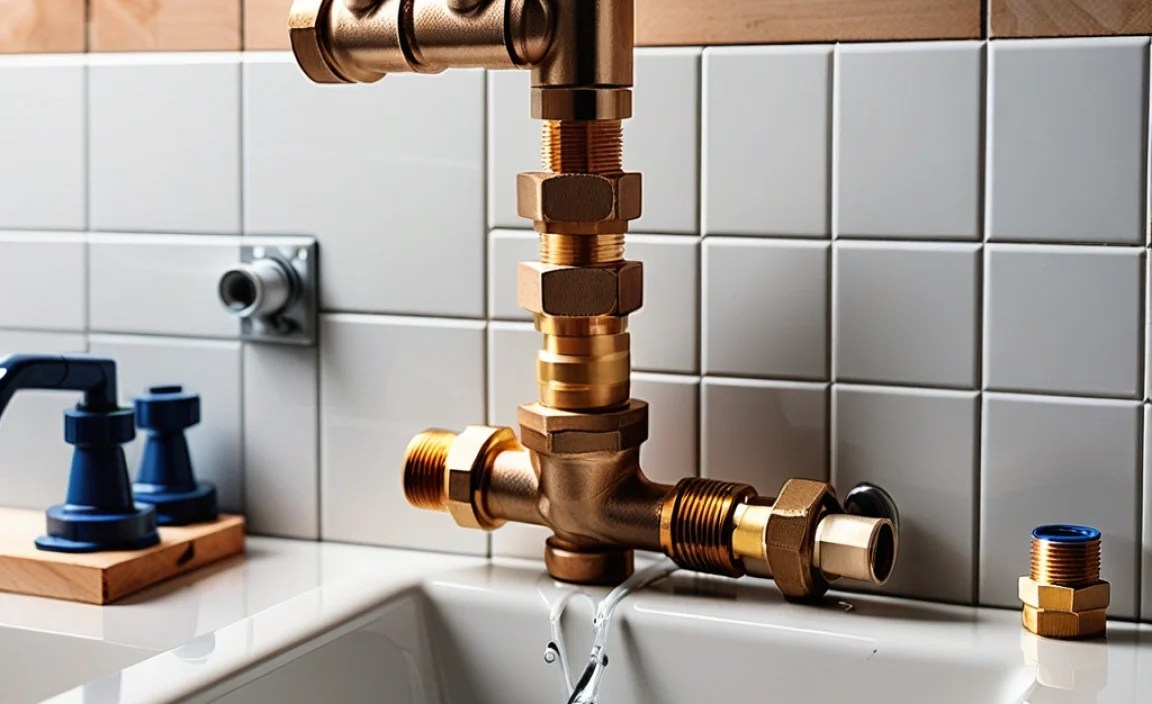
Key considerations when designing a trap layout (drainage system, venting, etc.). Common mistakes to avoid in trap layout planning.
Creating an effective trap layout is crucial for good plumbing. First, think about drainage; the pipes must flow smoothly to keep things moving. Venting is also important. It helps air in, so water can flow without hiccups—like letting air out of a balloon. A common mistake is placing traps too far from fixtures. This can lead to *clogs* and stinky odors! Keep traps close, and avoid sharp bends. Use the table below for your key planning points:
| Consideration | Details |
|---|---|
| Drainage | Ensure pipes have enough slope |
| Venting | Include vents for smooth airflow |
| Common Mistakes | Avoid long distances to fixtures |
In short, keep it simple, keep it close, and maybe throw in a joke or two to lighten the mood while plumbing!
Installation Guidelines for Traps
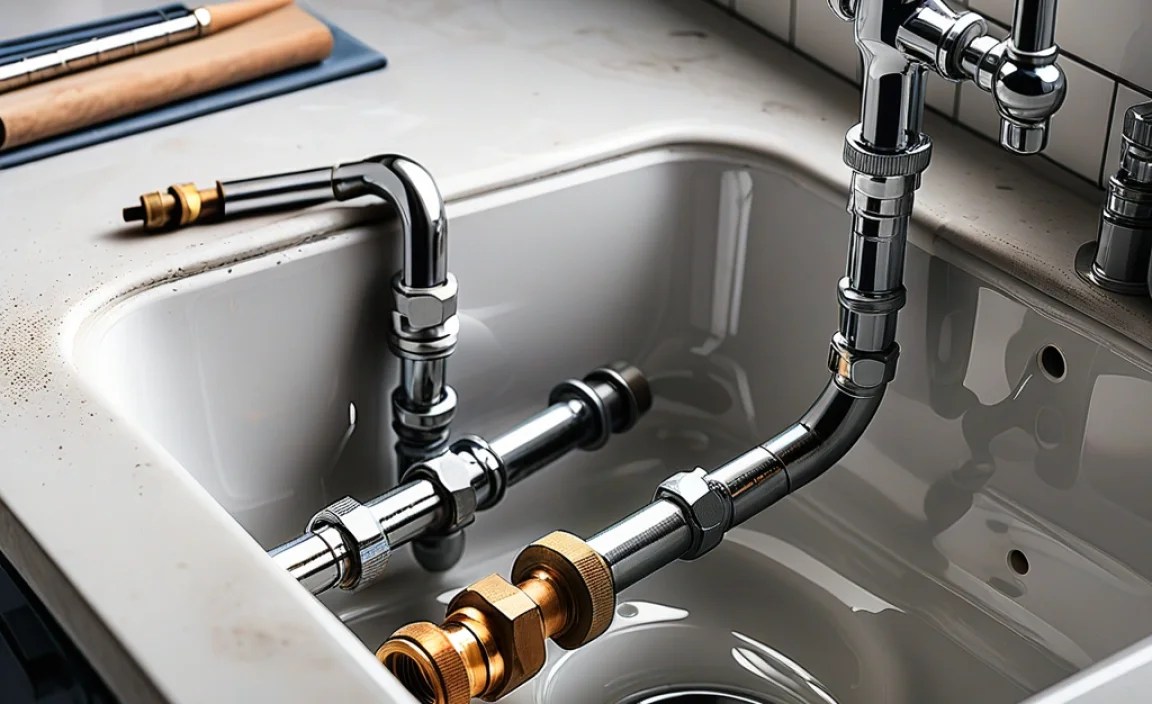
Stepbystep instructions for installing different types of traps. Tools and materials needed for trap installation.
Installing a trap is straightforward if you follow the steps carefully. Start by gathering your tools, which may include a wrench, pipe cutters, and Teflon tape. Make sure you have materials like PVC pipes, traps, and fittings. Here’s a simple guide for different traps:
- 1. Cut the pipe to fit.
- 2. Attach the trap with fittings.
- 3. Seal joints with Teflon tape.
- 4. Test for leaks by running water.
Remember to wear gloves and work safely!
What tools do I need for trap installation?
For trap installation, you will need a wrench, pipe cutter, level, and Teflon tape. These tools help make the job easy and effective.
Maintaining and Troubleshooting Trap Systems
Regular maintenance tips to ensure traps function properly. Common issues and their solutions (clogs, leaks, etc.).
To keep your trap systems in top shape, regular maintenance is key. Check for clogs by pouring boiling water down the drain. If you hear silence, that’s not good—like crickets at a party! Look for leaks too. They can sneak up on you, much like your cat at 3 a.m. If you find a clog, try a plunger or a drain snake. If leaks happen, tighten those connections. Here’s a quick table to help:
| Issue | Solution |
|---|---|
| Clog | Use a plunger or drain snake. |
| Leak | Tighten the fittings or use plumber’s tape. |
Remember, keeping your traps working well is easier than finding a matching pair of socks!
FAQs About Trap Layout in Plumbing
Answers to frequently asked questions regarding trap layouts. Clarification of misconceptions related to plumbing traps.
People often wonder about trap layouts in plumbing, so let’s clear some things up! One common question is, “Why do we need traps?” The answer is to stop bad smells from coming back into our homes. Another is, “Can traps get clogged?” Absolutely! They can get quite grumpy if not cleaned now and then. Various trap designs exist, and not all are created equal. Always remember, an unhappy trap can cause a plumbing disaster! So, keep an eye on your traps and give them love and care – it’s cheaper than a plumber!
| Question | Answer |
|---|---|
| What is the purpose of a trap? | To block sewage gases from entering your home. |
| Can traps overflow? | Yes, especially if they are clogged! |
| How often should traps be checked? | At least once a year! |
Case Studies of Effective Trap Layouts
Examples of successful trap layouts in various types of plumbing systems. Lessons learned from poorly designed trap layouts.
Trap layouts can make or break your plumbing system. For example, a well-designed P-trap can effectively prevent foul odors, while a poorly designed one might let them sneak in. Talk about bad smells! A case study showed that a restaurant saved 30% in plumbing costs by using clever trap layouts. On the flip side, a house with a poorly sloped trap faced serious clogs, costing thousands in repair. Here’s a quick table of key takeaways:
| Trap Layout | Outcome | Lesson Learned |
|---|---|---|
| P-trap in Restaurant | Saved 30% in costs | Smart design pays off! |
| Sloppy Trap at Home | Expensive clogs | Don’t skimp on the slope! |
So remember, proper trap layout can lead to smooth sailing—or should we say, smooth flowing—in your plumbing!
Conclusion
In conclusion, understanding trap layout in plumbing is essential for avoiding clogs and ensuring smooth drainage. Good traps prevent sewer gases from entering your home. You can check your plumbing layout at home to see if it’s efficient. For more tips, explore online resources or ask a plumber for help. Keeping your plumbing in shape will save you time and money!
FAQs
What Is The Purpose Of A Trap In Plumbing Systems, And How Does It Function To Prevent Odors From Entering Living Spaces?
A trap in plumbing helps keep stinky smells from coming into your home. It looks like a curve in the pipes. When water flows through, it fills the curve and creates a barrier. This barrier stops bad odors from rising up into the rooms where we live. So, traps help keep our spaces fresh and nice!
How Do Various Types Of Traps (E.G., P-Trap, S-Trap, Drum Trap) Differ In Design And Application Within Plumbing Systems?
Traps are special parts of plumbing that collect water. The P-trap looks like a “P” and keeps odors from coming back up. The S-trap looks like an “S” and is often used in toilets. A drum trap is round and has more water, which helps with bigger drains. Each type works a little differently, but they all help keep our homes smelling fresh!
What Factors Should Be Considered When Determining The Appropriate Trap Layout For A Specific Plumbing Installation?
When deciding where to put traps in plumbing, think about a few key things. You need to look at where the pipes will go. Make sure there’s enough space for the traps to fit easily. Check if the traps will stay clean and not get clogged. Finally, think about how easy it will be to reach the traps for cleaning later.
How Can Improper Trap Layout Lead To Plumbing Issues Such As Clogs Or Sewer Gas Leaks?
If traps are not set up correctly, they can cause big plumbing problems. A trap is a bend in the pipe that keeps bad smells from coming up. If the trap is too high or too low, it might not hold water properly. This can let dirty water flow back and cause clogs. It can also let sewer gas escape, which is really bad for us.
What Are Best Practices For Maintaining And Cleaning Plumbing Traps To Ensure Optimal Performance And Hygiene?
To keep plumbing traps clean and working well, you should check them regularly. Start by removing any hair or food that gets stuck in the trap. Pour hot water and a little vinegar in to help clean it. You can also use baking soda to get rid of smells. Always make sure to put everything back together tightly after cleaning!
