
Quick Summary
A trap system in plumbing is a U-shaped or S-shaped pipe that holds water to block sewer gases from entering your home. Understanding this simple yet crucial component prevents foul odors and ensures a healthy living environment. This guide will demystify trap systems, explain their function, and help you maintain them for optimal performance.
Ever notice a funny smell wafting from your drains? You’re not alone! This common household nuisance is often a sign that your plumbing’s hidden hero, the trap system, needs a little attention. These clever loops of pipe are designed to keep obnoxious sewer gases out of your living space, but when they’re not working right, they can make your home smell less than fresh. Don’t worry, understanding and maintaining your trap system is easier than you might think. We’ll break down exactly what these traps do, why they’re essential, and how to keep them in tip-top shape. Get ready to say goodbye to drain odors and hello to a fresher, healthier home!
What is a Trap System in Plumbing?
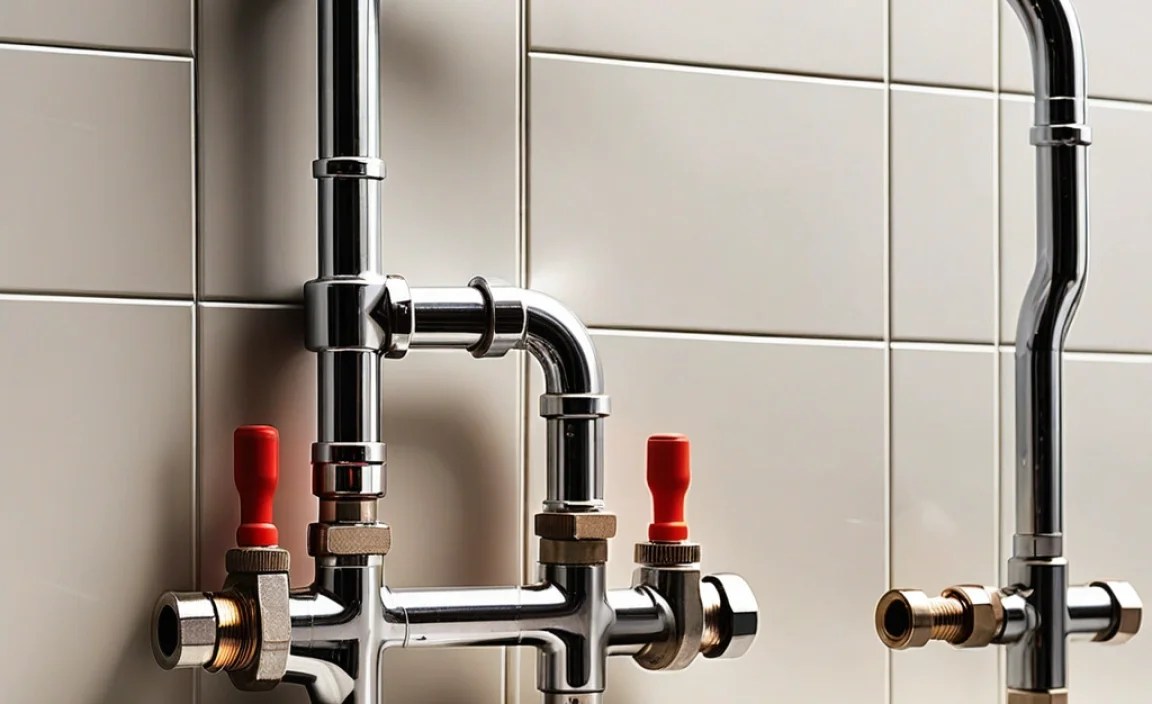
At its core, a trap system in plumbing is a specially shaped section of pipe, most commonly resembling a “P” or “S” shape, installed beneath sinks, showers, tubs, and toilets. Its primary and most vital function is to retain a small amount of water after each use. This standing water acts as a seal, creating a barrier that effectively blocks the passage of unpleasant and potentially harmful sewer gases from rising up through the drain pipes and into your home. Without this simple water seal, your bathrooms and kitchen could be filled with foul odors originating from the sewer lines.
Think of it like a one-way valve for air, allowing wastewater to flow down while keeping the gases from coming back up. These traps are a fundamental part of any sanitary plumbing system, mandated by building codes across the globe to ensure public health and comfort. They are silent guardians, working tirelessly to keep your home smelling clean and fresh.
The Science Behind the Seal
The magic of the trap system lies in its design and the basic principles of water and air pressure. The curved or looped section of the pipe is specifically engineered to hold water even after the fixture has drained. This retained water, known as the “trap seal,” is the key. Sewer gases, which are heavier than air and contain unpleasant odors (and sometimes harmful methane and hydrogen sulfide), cannot pass through this water barrier. They are effectively trapped in the drain line itself.
When you run water, it fills the trap, pushing out any old water and gas, and then naturally settles back into the curve, re-establishing the seal. This continuous cycle ensures that as long as there’s water in the trap, the seal remains intact and your home stays odor-free. It’s a simple yet ingenious solution that has been a cornerstone of plumbing for centuries.
Types of Plumbing Traps
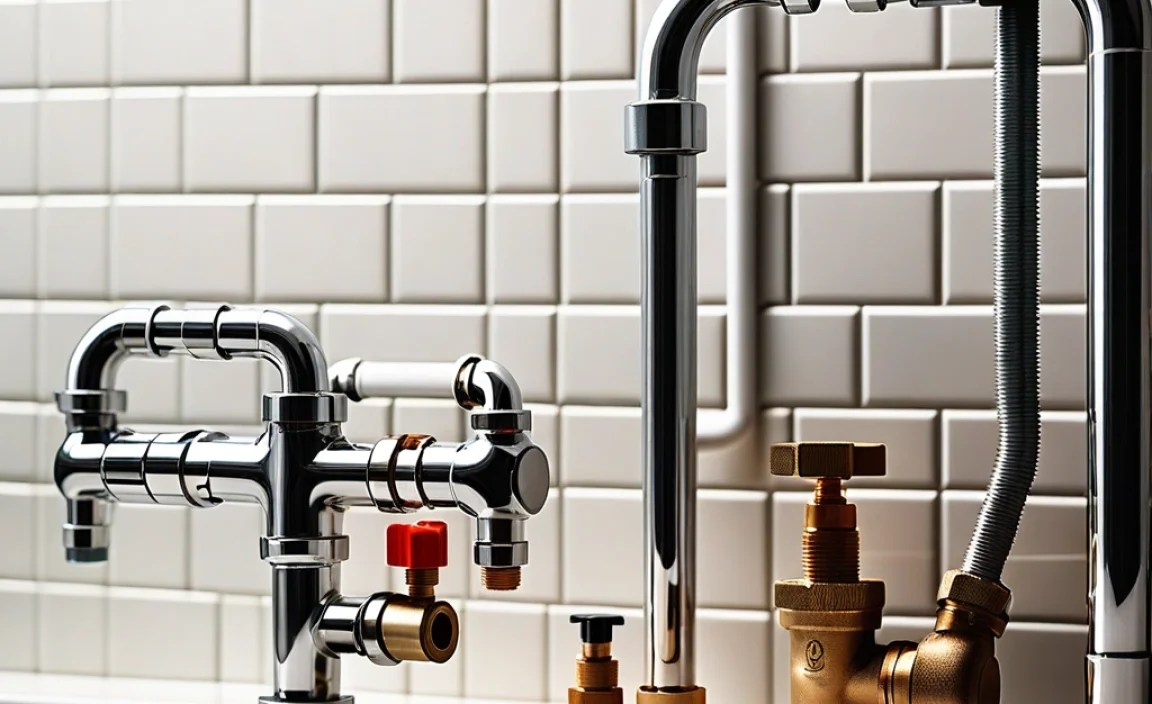
While the U-bend (P-trap) is the most common, several types of traps are used in plumbing systems, each designed for specific applications and to overcome potential issues like siphoning or evaporation. Understanding these variations can help you identify what you have in your home.
P-Trap
This is by far the most prevalent type of trap found in residential plumbing. It’s named for its shape, which resembles the letter “P” lying on its side, with a U-shaped bend followed by a horizontal outlet pipe that connects to the building’s drainage system. P-traps are effective for sinks, tubs, and showers because they are easily accessible for cleaning and provide a reliable water seal.
S-Trap
An S-trap also features a U-shaped bend but is followed by another curve that directs the wastewater upwards before it exits. This design was historically used, especially in older homes, but it’s less common and often discouraged in modern plumbing codes. The upward bend can create a siphon effect, potentially emptying the trap of its water seal during heavy drainage, leaving your home vulnerable to sewer gases. If you have an S-trap, it might be a good idea to have it inspected by a plumber.
Bottle Trap
Bottle traps, also known as cylindrical traps or drum traps, consist of a hollow chamber that collects wastewater, creating the water seal. They are often more compact than P-traps and can be beneficial in situations where space is limited, such as with pedestal sinks or certain types of bidets. Bottle traps are generally effective but can be more prone to clogging due to their design, requiring periodic cleaning.
Integral Trap
These traps are built directly into the fixture itself. For example, a toilet has an integral trap designed within its ceramic structure. This means there’s no separate, visible trap under the toilet bowl; the trap is part of the toilet’s internal design. While convenient and aesthetically pleasing, integral traps can be more difficult to access for repairs or clearing clogs compared to external traps.
Comparison of Trap Types
| Trap Type | Common Use | Pros | Cons | Modern Code Status |
|---|---|---|---|---|
| P-Trap | Under sinks, tubs, showers | Reliable water seal, accessible for cleaning, widely approved | Can be bulky | Standard and approved |
| S-Trap | Older installations, some floor drains | Compact design | Risk of siphoning, can lose water seal, generally not code-compliant for new installations | Often discouraged or prohibited |
| Bottle Trap | Space-constrained installations (e.g., pedestal sinks) | Compact, aesthetic | Can be prone to clogging, requires cleaning | Approved where space is limited |
| Integral Trap | Toilets, some bidets, urinals | Built-in, streamlined appearance, no external components to clog | Difficult to access for repairs/clogs | Standard for specific fixtures |
Air Admittance Valves (AAVs) – A Special Case
While not technically a trap, Air Admittance Valves (AAVs) are often installed in conjunction with trap systems. They are one-way valves that allow air into the drainpipe system when negative pressure builds up (which can siphon water out of traps) but prevent sewer gases from escaping. Essentially, they help maintain the water seal in traps, especially in complex or older drainage systems where proper venting might be challenging. You’ll often find them installed in islands or other areas far from a traditional vent pipe. You can learn more about venting requirements for plumbing systems from resources like the International Code Council (ICC), which develops building safety codes.
Why are Trap Systems Important? The Benefits Explained
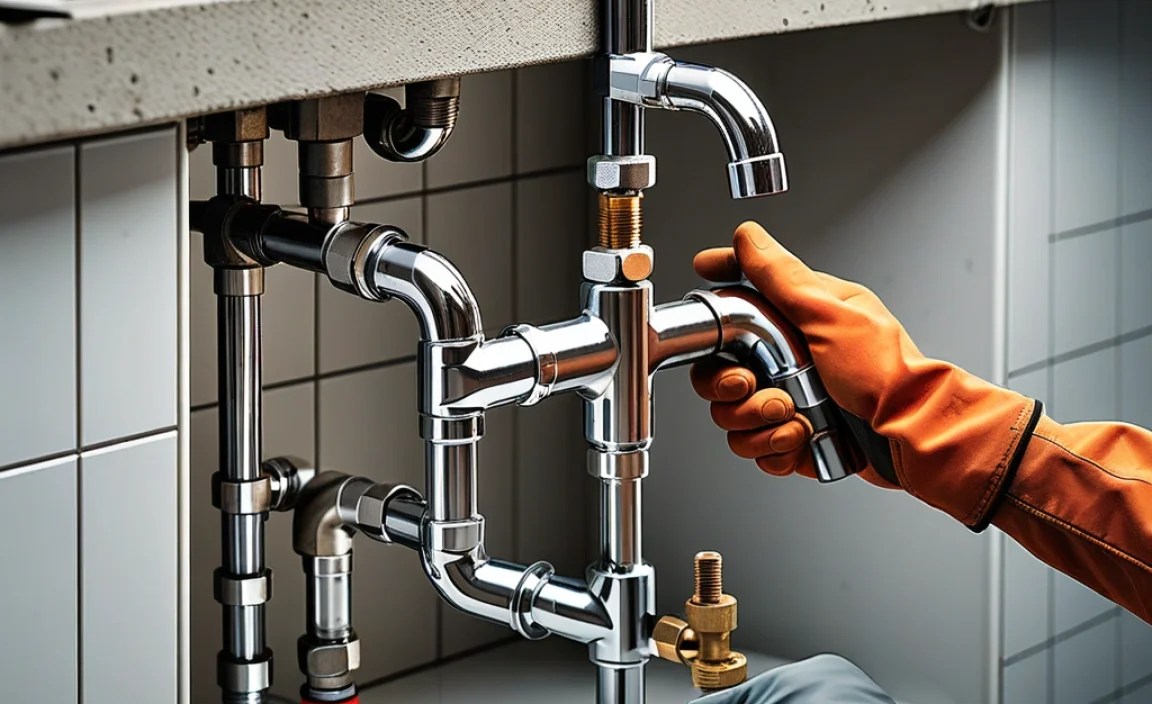
The seemingly simple design of a trap system is crucial for a healthy and comfortable home. Its importance extends beyond just preventing odors; it plays a significant role in maintaining hygiene and ensuring the proper functioning of your entire plumbing system.
1. Odor Prevention
This is the most immediate and noticeable benefit. Sewer gases are not just unpleasant; they can contain methane, which is flammable, and hydrogen sulfide, which is toxic. By maintaining a water seal, the trap system prevents these gases from entering your living spaces. This ensures your home remains a fresh and inviting environment.
2. Hygiene and Health
Beyond the smell, sewer gases can carry bacteria and pathogens. A properly functioning trap system acts as a vital barrier against these unsanitary elements, contributing to a healthier living environment for you and your family. Imagine all those microscopic nasties trying to climb up your drain – the water seal is your first line of defense!
3. Protection Against Pests
While not their primary function, the water seal in a trap can also deter small pests like drain flies or roaches that might otherwise travel through the plumbing system and emerge from your drains.
4. Proper Drainage Flow
When the trap system is clear and functioning correctly, it contributes to the overall efficiency of your drainage. Wastewater can flow smoothly down the pipes, and the trap ensures the right amount of water is retained without impeding the flow of new water.
5. Code Compliance
As mentioned, trap systems are a fundamental requirement in plumbing codes worldwide. Their presence and proper installation are essential for safety, hygiene, and to prevent public health issues. Building inspectors will always check for correctly installed traps during new construction or renovations.
Common Problems with Trap Systems and How to Fix Them
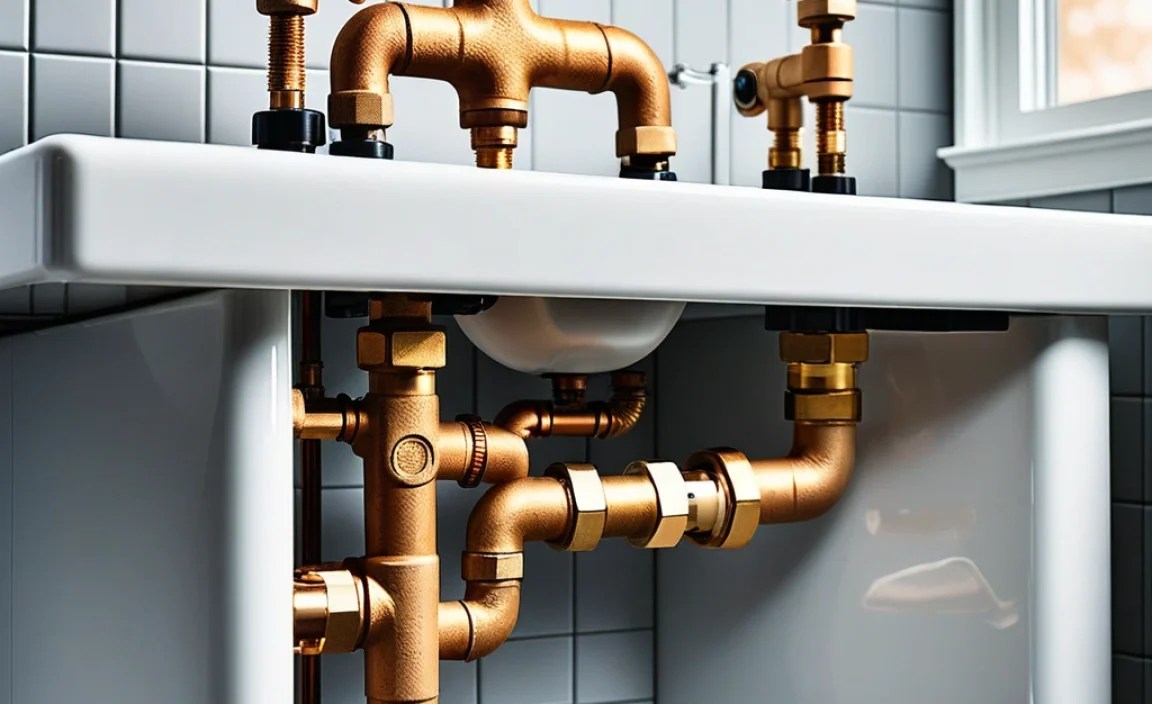
Even the best-designed systems can encounter issues. Fortunately, most common trap problems are relatively straightforward to diagnose and fix, often with simple DIY solutions. Knowing what to look for can save you time and money.
1. Foul Odors (Dry or Leaking Trap)
Problem: The most common sign of a problem is persistent foul odors from a drain. This usually means the water seal has evaporated (if the fixture isn’t used often) or there’s a leak allowing the water to escape. Sometimes, a poorly vented system can cause the trap to siphon out its water.
Symptom: Smells like rotten eggs or sewage, especially when you first turn on a faucet or flush a toilet.
Solution:
- For infrequent use: Simply run water down the drain for a minute or two to refill the trap and re-establish the seal. Do this weekly for seldom-used drains like in guest bathrooms or basement sinks.
- For leaks: Inspect the trap and its connections for obvious signs of dripping water. Tighten connections gently using channel-lock pliers. If the trap itself is cracked or very old, it may need to be replaced. Replacements are inexpensive and widely available at hardware stores.
- For siphoning: This often indicates an issue with your plumbing’s vent system. If you suspect siphoning due to gurgling sounds or the trap emptying when other fixtures are used, you may need to consult a plumber to inspect your vent stack.
2. Slow Draining
Problem: Water backs up or drains very slowly. This is usually a sign of a clog somewhere in the drainpipe, often before or within the trap itself.
Symptom: Water pools in the sink or tub and takes a long time to go down.
Solution:
- Check the trap: The most common place for clogs is the P-trap itself. Place a bucket underneath the trap to catch any water or debris. Loosen the slip nuts on either side of the U-bend using channel-lock pliers. Carefully remove the trap and clean out any accumulated hair, grease, or debris. Reassemble and test.
- Use a plunger: For milder clogs, a plunger can be effective. Ensure there’s enough water in the fixture to cover the plunger cup, create a good seal, and plunge vigorously.
- Use a drain snake (auger): If the clog is further down the line or the trap is clear, a drain snake can be used to break up or retrieve the blockage. Feed the snake into the pipe after removing the trap, and twist the handle to advance and clear the clog.
- Chemical drain cleaners: Use these as a last resort. Follow product instructions carefully, as they can be harsh on pipes and are not environmentally friendly. Mechanical methods are generally preferred.
3. Gurgling Sounds
Problem: Gurgling noises coming from drains, especially when using other fixtures, often indicate an issue with the venting system or a partial clog.
Symptom: You hear bubbling or gurgling sounds from a drain, sometimes accompanied by slow drainage.
Solution:
- Check for clogs: As with slow draining, a partial clog can cause air to get trapped and make gurgling sounds. Try clearing the trap or using a drain snake.
- Inspect the vent: The most likely cause is a blocked or improperly installed vent pipe. Vent pipes allow air into the drainage system, preventing a vacuum that can pull water from traps. If the vent is blocked by leaves, nests, or debris, or if it’s too short or improperly sloped, it can cause these issues. This often requires professional attention.
- Air Admittance Valve (AAV) check: If you have an AAV, ensure it’s functioning correctly and not stuck.
For most DIYers, cleaning out the P-trap is a manageable task. If problems persist, or if the issue seems related to the main venting system, it’s always best to call a professional plumber. They have the tools and expertise to diagnose and fix more complex issues safely and efficiently.
How to Maintain Your Trap System for Optimal Performance
Preventative maintenance is key to ensuring your trap system works reliably and keeps your home smelling fresh. These simple habits can save you a lot of hassle down the line.
1. Regular Flushing of Seldom-Used Drains
As mentioned, drains in guest bathrooms, basements, or laundry rooms that aren’t used daily are prone to evaporation.
- Action: Once a week or every other week, run water down these drains for about a minute. This refills the trap and ensures the water seal remains intact, preventing sewer gases from entering your home.
2. Be Mindful of What Goes Down the Drain
Grease, oil, coffee grounds, hair, and fibrous materials are the arch-nemesis of drainpipes and traps.
- Action: Never pour grease or cooking oil down the sink. Wipe greasy pans with a paper towel before washing. Collect hair from shower drains and sinks before it goes down. Avoid flushing things like paper towels, feminine hygiene products, or wet wipes, as these can cause significant clogs.
3. Periodic Deep Cleaning (DIY)
Even with careful use, traps can accumulate gunk over time.
- Action: If you’re comfortable, you can periodically disassemble and clean your P-trap. Place a bucket underneath, loosen the nuts, remove the trap, scrape out any buildup, and reassemble. Follow proper reassembly steps to ensure a watertight seal. If you’re not comfortable with this, simply pouring hot water down drains regularly can help.
4. Be Cautious with Chemical Drain Cleaners
While they can clear clogs, harsh chemicals can damage trap seals, pipes, and are harmful to the environment.
- Action: Use chemical cleaners sparingly and only when mechanical methods fail. Always follow the manufacturer’s safety instructions precisely. Consider eco-friendly or enzymatic drain cleaners for regular maintenance.
5. Install or Maintain Vent Systems
A properly functioning vent system is crucial for trap integrity.
- Action: Ensure your home’s vent pipes are clear of obstructions. If you notice frequent gurgling or the trap losing water, it’s a sign your vent may need professional inspection. Installing Air Admittance Valves (AAVs) can be a solution for specific areas where venting is problematic. The U.S. Environmental Protection Agency (EPA) offers guidance on safe water practices, which includes maintaining plumbing systems for water conservation and preventing contamination.
| Task | Frequency | Notes |
|---|---|---|
| Flush seldom-used drains | Weekly/Bi-weekly | Ensures water seal evaporation prevention. |
| Avoid pouring grease/oil down drain | Always | Prevents common clogs. |
| Remove hair from drain strainers | As needed | Prevents hair clogs in trap. |
