
Choosing the right bathtub for your home involves understanding the various types available, along with their unique advantages and disadvantages. This guide breaks down common bathtub materials and styles, making it easy for beginners to select the perfect fit for their bathroom’s needs, budget, and aesthetic.
Your bathroom is a sanctuary, and the bathtub is often its centerpiece. But with so many options out there – from the classic acrylic to the luxurious cast iron – how do you pick the one that’s right for you? It can feel a bit overwhelming, but don’t worry! By the end of this guide, you’ll have a clear picture of the different types of bathtubs and what makes each one special. We’ll walk through the pros and cons of each, so you can feel confident about your choice. Let’s dive in and find the perfect tub for your space!
Understanding Bathtub Materials: The Foundation of Your Choice

When we talk about “types of bathtubs,” we’re often referring to the material they’re made from. The material significantly impacts the tub’s durability, how it looks, how it feels, how much it costs, and even how easy it is to install and maintain. Think of it like choosing the right paint for a wall – the base material matters a lot!
For beginners, understanding these core materials is the first big step. We’ll break down the most common ones you’ll encounter, covering their strengths and weaknesses so you can make an informed decision without getting lost in technical jargon. Let’s explore what makes each material stand out.
Acrylic Bathtubs: The Popular Go-To

Acrylic bathtubs are incredibly popular, and for good reason. They are made from sheets of acrylic heated and vacuum-formed into shape. This process allows for a lot of design flexibility, meaning you’ll find acrylic tubs in almost any shape, size, and color imaginable.
Pros of Acrylic Bathtubs:
- Lightweight: This makes them much easier to transport and install compared to heavier options, often a big plus for DIYers.
- Affordable: Generally, acrylic tubs are among the most budget-friendly choices, offering great value.
- Non-Porous Surface: This makes them resistant to staining and easy to clean. They also don’t harbor mold or mildew as easily.
- Warm to the Touch: Unlike some other materials, acrylic doesn’t feel icy cold when you first get in, making for a more comfortable bathing experience.
- Design Versatility: Available in countless shapes, sizes, and colors, making it easy to match your bathroom’s decor.
- Repairable: Minor scratches and chips can often be repaired relatively easily.
Cons of Acrylic Bathtubs:
- Less Durable Against Heavy Impacts: While good for everyday use, acrylic can be scratched, chipped, or cracked by very sharp or heavy objects.
- May Flex Under Weight: If not properly installed and supported, some acrylic tubs can feel a bit flexible when filled with water and people.
- Can Fade Over Time: Prolonged exposure to harsh sunlight (if your bathroom is very sunny) or abrasive cleaners can cause the color to fade slightly over many years.
Fiberglass (FRP) Bathtubs: The Lightweight Challenger

Fiberglass Reinforced Plastic (FRP) tubs are similar to acrylic in their construction and many of their benefits. They are made by spraying a mold with chopped fiberglass strands and then coating it with a resin. They are also a very common choice for budget-conscious remodeling projects.
Pros of Fiberglass Bathtubs:
- Very Lightweight: Even lighter than acrylic, making them incredibly easy to handle and install.
- Inexpensive: Often the most affordable bathtub option available.
- Easy to Repair: Small cracks or chips can be patched with a DIY repair kit.
- Quick Installation: Due to their light weight, installation is usually straightforward.
Cons of Fiberglass Bathtubs:
- Less Durable: Fiberglass is more prone to scratching, cracking, and fading than acrylic. It can also develop a chalky appearance over time.
- Porous Surface: Can absorb water and become stained more easily if not properly sealed or maintained.
- Can Feel Flimsy: They tend to be less rigid than acrylic or other materials, and might flex more under weight.
- Limited Design Options: While available in various shapes, the aesthetic might not be as refined as higher-end materials.
Cast Iron Bathtubs: The Classic, Enduring Choice
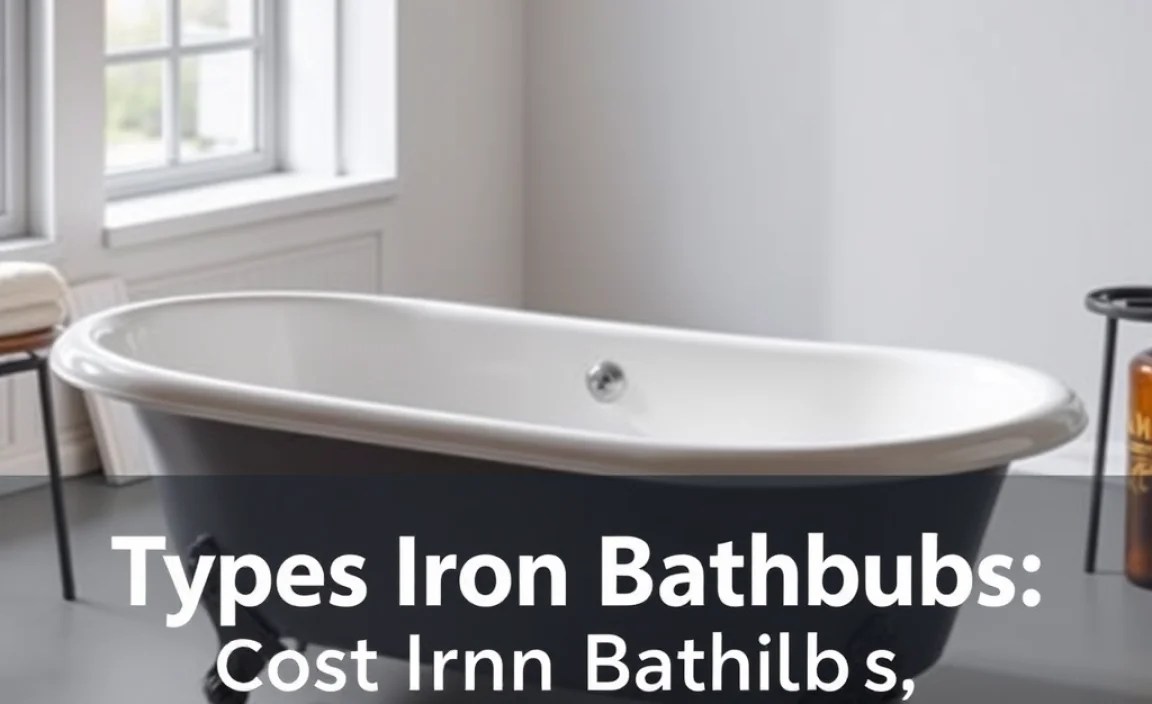
Cast iron bathtubs are made by pouring molten iron into a mold. They are then coated with a thick porcelain enamel finish. These tubs are legendary for their durability and classic appeal, often found in older, more traditional homes.
Pros of Cast Iron Bathtubs:
- Extreme Durability: Cast iron tubs are incredibly strong and can last for generations with proper care. They resist chipping and cracking from everyday use.
- Excellent Heat Retention: They hold heat exceptionally well, keeping your bathwater warm for much longer, which is a luxurious benefit for long soaks.
- Timeless Aesthetic: The classic look of a cast iron tub adds elegance and character to any bathroom design.
- Easy to Clean Surface: The porcelain enamel is smooth and non-porous, making it resistant to stains and easy to wipe down.
Cons of Cast Iron Bathtubs:
- Extremely Heavy: This is their biggest drawback. They require reinforced flooring and can be very difficult to maneuver and install, often necessitating professional help and potentially structural adjustments to your bathroom floor. For an idea of weight, a standard cast iron tub can weigh upwards of 300-500 pounds!
- Expensive: They are significantly more expensive than acrylic or fiberglass tubs, both in purchase price and installation cost.
- Prone to Chipping (Enamel): While the iron is strong, the porcelain enamel coating can chip or crack if a very heavy object is dropped directly onto it. These chips can be difficult to repair and can lead to rust if not addressed.
- Slow to Heat Up: While they retain heat well, it can take a while for the tub itself to warm up from the bathwater.
Steel Bathtubs: A Lighter, More Affordable Alternative

Steel bathtubs are made from steel sheets stamped into shape and then coated with porcelain enamel. They offer some of the benefits of cast iron but are significantly lighter and more budget-friendly.
Pros of Steel Bathtubs:
- Lighter than Cast Iron: While still heavier than acrylic or fiberglass, they are much easier to handle and install than cast iron tubs, often not requiring floor reinforcement.
- More Affordable than Cast Iron: A good middle-ground option in terms of price.
- Good Durability: The steel construction is strong, and the enamel coating provides a smooth, non-porous surface.
- Resistant to Stains: Similar to cast iron, the porcelain enamel is easy to clean and resists staining.
Cons of Steel Bathtubs:
- Can Dent: While strong, steel can be dented by very heavy impacts, unlike cast iron.
- Can Stain: The enamel coating can stain over time, especially from harsh chemicals or rust, if the coating is compromised.
- Heat Retention: They don’t retain heat as well as cast iron, meaning your bathwater might cool down a bit faster.
- Can Be Noisy: Some people find steel tubs can be noisier when filling with water compared to heavier materials; however, manufacturers often add sound-dampening materials to mitigate this.
Solid Surface / Composite Bathtubs: The Modern Option
These tubs are made from a solid, non-porous material, often a blend of natural minerals (like bauxite or limestone) and acrylic resins. They offer a premium look and feel, appearing seamless and modern.
Pros of Solid Surface Bathtubs:
- Luxurious Feel and Appearance: They have a smooth, matte finish that can look very high-end and seamless.
- Non-Porous and Hygienic: Excellent resistance to stains, mold, and mildew.
- Easy to Repair: Minor scratches or imperfections can often be buffed out or repaired, making the surface look new again.
- Good Heat Retention: They tend to hold heat reasonably well, offering a comfortable bathing experience.
- Durable: Resistant to chips and cracks from everyday use.
Cons of Solid Surface Bathtubs:
- Expensive: These are typically among the pricier bathtub options.
- Heavy: Heavier than acrylic and fiberglass, though usually lighter than cast iron, so professional installation might be recommended.
- Can Be Scratched: While repairable, they can be scratched by abrasive materials.
- Repair Can Be Specialized: While repairable, achieving a perfect seamless repair might require specific professional techniques and materials.
Natural Stone / Solid Stone Bathtubs: The Ultimate Luxury
For those seeking the pinnacle of luxury and a truly unique statement piece, natural stone bathtubs carved from solid blocks of materials like marble, granite, or travertine are an option. These are often custom-made and represent a significant investment.
Pros of Natural Stone Bathtubs:
- Unparalleled Beauty and Uniqueness: Each tub is a one-of-a-kind work of art with natural variations in its material.
- Exceptional Durability: Extremely robust and resistant to wear and tear.
- Excellent Heat Retention: Stone naturally holds heat very well, providing a consistently warm bath.
- Adds Significant Value: A major upgrade that can increase a home’s luxury appeal and resale value.
Cons of Natural Stone Bathtubs:
- Extremely Expensive: Often the most costly bathtub option, including fabrication and specialized installation.
- Incredibly Heavy: Requires significant structural support and specialized handling for installation.
- Requires Sealing: Natural stone is porous and needs regular sealing to prevent staining and water absorption.
- Difficult to Repair: Damage can be very difficult, if not impossible, to repair seamlessly.
- Can Be Cold to the Touch: Stone can feel very cold initially before it absorbs heat from the water.
Bathtub Styles: Beyond the Material
While materials are crucial, the style of the bathtub also plays a big role in its function and how it looks in your bathroom. Here are some common styles:
Alcove Bathtubs
These are the most common type of bathtub, designed to fit into a pre-existing three-walled nook or recess in your bathroom. They usually have one finished side that faces into the room, and the other edges are typically placed against the walls, often with a tile or wall surround extending up around them. They are designed for standard, single-family homes.
Material Focus: Commonly found in acrylic and fiberglass for their ease of installation and affordability.
Drop-In Bathtubs (Undermount Bathtubs)
Drop-in tubs are designed to be installed into a built-up deck or surround, which can be made from tile, stone, or wood. The tub itself is “dropped in” from above, and its rim rests on the deck. The plumbing is hidden beneath the deck. This offers a more integrated and custom look.
Material Focus: Can be made from any material, but acrylic and solid surface are popular for their ability to create a seamless look with the deck.
Freestanding Bathtubs
These tubs are not attached to any walls and stand on their own, often acting as a beautiful focal point in a bathroom. They come in a wide range of styles, from modern minimalist designs to classic claw-foot tubs. Installation requires plumbing to be brought up through the floor.
Material Focus: Popular in cast iron, acrylic, solid surface, and even copper for a high-end look.
Corner Bathtubs
As the name suggests, these tubs are designed to fit into a corner of the bathroom. They come in various shapes, including triangular, rounded, or square, and can offer a larger bathing space without taking up an excessive amount of floor area compared to some other styles. Some corner tubs are designed for two people.
Material Focus: Often acrylic or solid surface for their moldability into different shapes.
Walk-In Bathtubs
These tubs are specifically designed for individuals with mobility issues. They feature a watertight door that allows users to step in and out of the tub without needing to lift their legs over the side. They also typically include a built-in seat and grab bars for added safety and comfort.
Material Focus: Almost exclusively made from acrylic due to its lightweight, non-porous, and moldable properties, which are ideal for the complex design of a walk-in tub.
Choosing the Right Bathtub: A Comparison Table
To help you visualize the differences, here’s a handy comparison table for the most common bathtub materials:
| Material | Pros | Cons | Typical Cost (Low to High) | Weight (Light to Heavy) | Best For |
|---|---|---|---|---|---|
| Fiberglass | Very lightweight, inexpensive, easy to repair. | Less durable, prone to scratching/cracking, can absorb stains. | $ | Light | Budget-conscious DIYers, quick replacements. |
| Acrylic | Lightweight, affordable, non-porous, warm, versatile designs. | Can scratch/chip with heavy impact, may flex if not supported well. | $$ | Light-Medium | Most homeowners, a balance of cost, durability, and aesthetics. |
| Steel | Lighter than cast iron, affordable alternative to cast iron, durable enamel. | Can dent, enamel can chip, less heat retention than cast iron. | $$ | Medium | Those wanting cast iron style without extreme weight and cost. |
| Cast Iron | Extremely durable, excellent heat retention, timeless aesthetic. | Extremely heavy, expensive, enamel can chip, requires reinforcement. | $$$ | Heavy | Renovations where structural support is adequate, luxury traditional bathrooms. |
| Solid Surface / Composite | Luxurious feel, hygienic, repairable, good heat retention. | Expensive, heavy, can be scratched, specialized repairs possible. | $$$$ | Medium-Heavy | Modern bathrooms, those seeking high-end seamless looks. |
| Natural Stone | Unparalleled beauty, extremely durable, excellent heat retention. | Most expensive, incredibly heavy, requires sealing, difficult repairs. | $$$$$ | Very Heavy | Ultimate luxury bathrooms, statement pieces, significant budgets. |
Installation Considerations for Beginners
No matter which bathtub type you choose, installation is a crucial step. For beginners, it’s essential to consider the weight and plumbing requirements of your selected tub.
- Weight: As you’ve seen, materials like cast iron and natural stone are extremely heavy. If you’re doing a DIY installation, you’ll want to opt for lighter materials like acrylic or fiberglass. If you’re set on a heavier tub, always confirm your floor can support the weight, and consider hiring professionals. You can find guidance on bathroom floor joist spans and support from resources like Building Science Information, which covers structural integrity.
- Plumbing: All bathtubs require water supply and drainage. Ensure your existing plumbing can accommodate the new tub’s configuration. A simple alcove tub might be a straightforward swap, but a freestanding tub will require plumbing to come up through the floor, which is a more complex task.
- Support: For acrylic and fiberglass tubs, proper support underneath is vital to prevent flexing and cracking. This often involves using a mortar bed or specialized support systems. Always follow the manufacturer’s installation guide to the letter.
- Sealing and Waterproofing: Ensuring the area around the tub is properly sealed and waterproofed is critical to prevent water damage to your walls and floors. This is especially important for alcove tubs that will be surrounded by tile.
When in doubt, especially with heavier materials or complex plumbing, consulting or hiring a licensed plumber and contractor is highly recommended. Safety and preventing costly water damage are paramount.
Frequently Asked Questions (FAQs)
What is the most durable bathtub material?
Generally, cast iron and natural stone are the most durable bathtub materials, capable of lasting for many decades. Cast iron is very resistant to damage from everyday use, and natural stone is exceptionally robust.
Which bathtub is easiest for a beginner to install?
Acrylic and fiberglass bathtubs are the easiest for beginners to install due to their.
