
Choosing the right cistern type—like low-level, high-level, concealed, or close-coupled—depends on your bathroom’s space, style, and budget. Each offers unique advantages, from saving space to achieving a modern look, but understanding their pros and cons ensures a smart, long-lasting choice for your home.
Hello there! Bryan Lee here, your go-to guy for all things home maintenance. Ever found yourself staring at a toilet, wondering about the mysterious box behind it? That’s the cistern, and it’s a pretty important player in your bathroom’s daily drama. Sometimes, these can be a bit fiddly, especially when they’re not working quite right. But don’t you worry! Figuring out the different kinds of cisterns and what makes them tick is simpler than you think. We’ll break down the options so you can feel completely confident. Ready to get to know your cisterns better?
Knowing your cistern options can make a big difference in your bathroom’s look and function. It’s not just about a flush; it’s about space, style, and how easy it is to maintain. This guide is here to make that choice easy for you, covering everything from the most common types to their unique benefits and drawbacks. Let’s dive in and discover the best fit for your home!
Understanding Your Toilet Cistern: The Basics
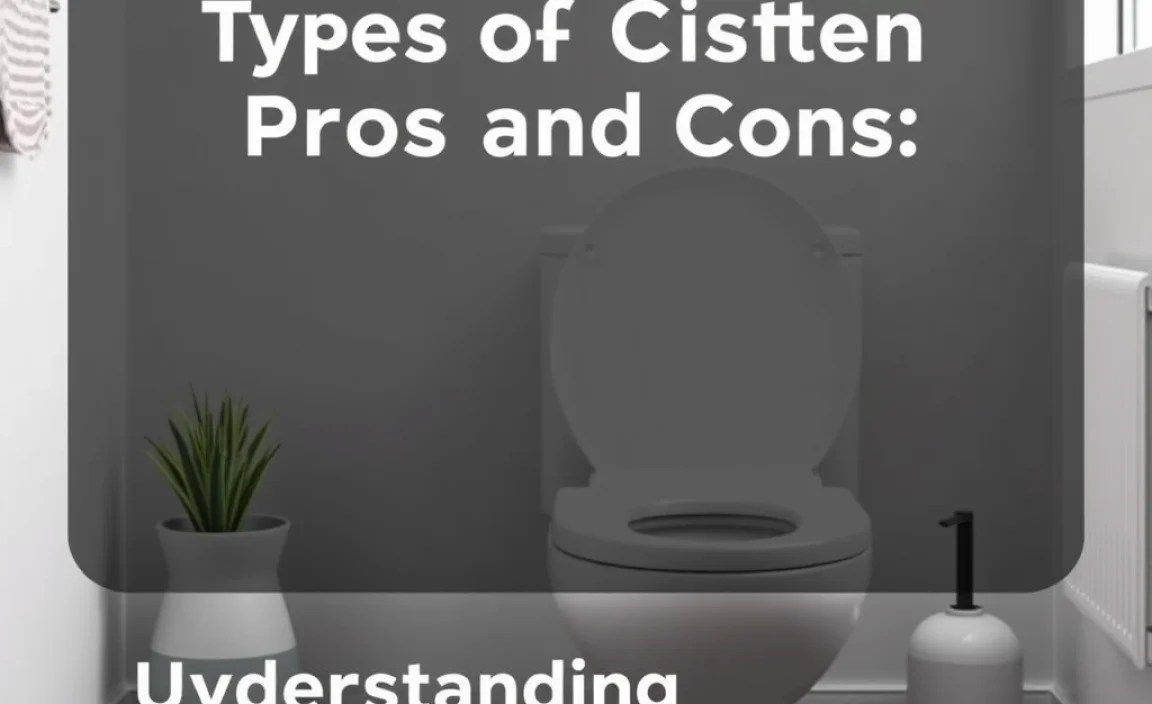
At its heart, a toilet cistern is a water storage tank for your toilet. When you flush, it releases a controlled amount of water into the toilet bowl to clear waste. Think of it as the toilet’s personal water cooler, ready to deliver a powerful flush whenever needed. Most modern cisterns are made from durable ceramic or plastic and are designed to be reliable and efficient. However, they come in various designs, each with its own characteristics that can impact your bathroom’s aesthetics and functionality.
The type of cistern you have often dictates the overall look of your toilet and bathroom. Some are designed to be hidden away for a minimalist feel, while others are a visible, often stylish, part of the toilet suite. Understanding these differences is the first step to making an informed decision, whether you’re renovating or just curious about how your bathroom works.
Types of Cisterns and Their Pros and Cons

Let’s explore the most common types of cisterns you’ll encounter. Each has its own set of advantages and disadvantages, so understanding these can help you pick the perfect one for your needs.
1. Close-Coupled Cisterns
This is probably the most common type of toilet you’ll see in homes today. A close-coupled cistern is attached directly to the toilet bowl, creating a single, unified unit. The cistern sits neatly on the back of the bowl, making it a compact and straightforward design.
Pros:
- Easy Installation: Because the cistern and bowl are one unit, installation is generally simpler and quicker than for other types.
- Space-Efficient: They don’t take up much extra space, making them ideal for standard bathrooms.
- Easy Maintenance: Accessing internal parts for repairs or maintenance is usually straightforward, as most components are readily visible.
- Affordable: Generally, close-coupled toilets are among the most budget-friendly options.
- Wide Variety: They come in a vast range of styles and designs to suit different bathroom decors.
Cons:
- Less Modern Aesthetic: While functional, some find the visible cistern less sleek than hidden options.
- Can Clutter the Space: The prominent cistern might make smaller bathrooms feel a bit more crowded.
- Potential for Splashing: Depending on the design, there can be a higher likelihood of water splashing during refills.
2. Low-Level Cisterns
Low-level cisterns are often seen in older homes or in designs aiming for a more traditional or vintage look. The cistern is mounted on the wall at a relatively low height, typically above the toilet pan, but significantly lower than a high-level cistern. A long flush pipe connects the cistern to the pan.
Pros:
- Aesthetic Appeal: Offers a classic, vintage charm that can be a focal point in a traditional bathroom design.
- Good Flushing Power: The water has a shorter distance to fall, which can provide a decent flush.
- Easier to Reach: Being lower on the wall, they are more accessible for flushing and maintenance compared to high-level cisterns.
Cons:
- Requires More Wall Space: The cistern needs wall mounting, which might not be ideal for very small bathrooms or if you have limited wall space.
- Visible Pipework: The connecting pipework is usually exposed, which some may find less aesthetically pleasing.
- Can Be Noisy: The flushing mechanism might be louder due to the water filling a lower tank.
3. High-Level Cisterns
These are the classic statement pieces of traditional bathrooms. High-level cisterns are mounted high up on the wall, often near the ceiling. They use a long flush pipe and a lever mechanism to activate the flush, creating a dramatic yet functional design. This type evokes a Victorian or Edwardian era feel.
Pros:
- Superior Flushing Power: Gravity is your best friend here! The greater height means water falls with more force, resulting in a very powerful and effective flush, excellent for clearing waste quickly.
- Timeless Aesthetic: They provide a distinctive, elegant, and luxurious look that’s perfect for period or statement bathrooms.
- Conversation Starter: The distinctive design is often admired and can be a strong design element.
Cons:
- Installation Complexity: Mounting and connecting a high-level cistern requires more effort and expertise, often needing professional help.
- Accessibility Issues: Reaching the cistern for maintenance or flushing can be challenging for shorter individuals or those with mobility issues. A small step-stool might be necessary.
- Space Requirements: They need significant vertical wall space and can make a room feel smaller if not well-integrated into the design.
- Potential for Leaks: The extensive pipework and multiple connection points increase the potential for leaks over time.
4. Concealed Cisterns
Concealed cisterns are all about the minimalist, modern bathroom. They are designed to be hidden behind a false wall, within a cabinet, or integrated into the toilet unit itself. This leaves only the flush plate visible, creating a clean and sleek look.
Pros:
- Sleek, Modern Aesthetic: Creates a seamless and uncluttered look, perfect for contemporary bathroom designs.
- Space Saving: By hiding the cistern, it can make the bathroom feel larger and more open.
- Quieter Flushing: The hidden nature often dampens the sound of flushing and refilling.
- Hygienic: With fewer exposed surfaces, they are easier to clean and maintain a hygienic environment.
Cons:
- Complex Installation: Requires building a false wall or accessing a service void, making installation more involved and potentially costly.
- Difficult Maintenance: Accessing the cistern for repairs can be challenging, often requiring the removal of panels or tiles, which can be disruptive and expensive.
- Higher Cost: The installation and the cistern itself can often be more expensive than standard options.
- Requires Specific Toilet Bowl: Typically, concealed cisterns are paired with wall-hung toilet bowls, which themselves have specific installation requirements.
5. Back-to-Wall Cisterns
Similar to concealed cisterns in their minimalist outcome, back-to-wall cisterns are housed within a furniture unit or a false wall. They are specifically designed to sit flush against the wall, with the toilet pan also often positioned close to the wall or designed to complement the unit.
Pros:
- Streamlined Look: Achieves a very clean and modern aesthetic, similar to concealed cisterns, but the cistern itself might be more accessible.
- Integrated Storage: Often used in conjunction with bathroom furniture units, providing hidden storage solutions.
- Good for Modern Bathrooms: Pairs well with contemporary toilet designs and overall decor.
Cons:
- Installation Expertise Needed: While not as complex as a fully concealed cistern, it still requires careful planning and fitting, especially if building a false wall or integrating furniture.
- Maintenance Access: Depending on how it’s installed, access for repairs might be limited, though usually easier than fully concealed options.
- Cost: Can be more of an investment due to the furniture unit or false wall construction.
6. Corner Cisterns
Corner cisterns are designed to fit into the often-underutilized space of a bathroom corner. They are mounted diagonally or at an angle, maximizing spatial efficiency, especially in smaller or awkwardly shaped bathrooms.
Pros:
- Space-Saving: Excellent for very small bathrooms or en-suites where every inch counts.
- Unique Design Feature: Can add an interesting architectural element to the bathroom.
- Can be Low or High Mounted: Offers flexibility in installation height, though typically seen in lower profile designs.
Cons:
- Limited Availability: Not as common as other types, so choices in style and model may be restricted.
- Aesthetics: The angled design might not suit all bathroom styles.
- Installation Challenges: Fitting them precisely can sometimes be trickier than standard wall-mounted cisterns, especially ensuring a good seal.
Cistern Materials: What Are They Made Of?
The material of your cistern is crucial for its durability, appearance, and cost. Most cisterns are made from one of these materials:
- Ceramic (Vitreous China): This is the most traditional and popular material for toilet cisterns and bowls. It’s durable, non-porous, easy to clean, and has a classic, substantial feel. Ceramic cisterns are reliable but can be heavy and prone to cracking if subjected to a strong impact. For more on the properties of ceramic, you can check out resources from architectural and material science institutes.
- Plastic (Polypropylene/ABS): Plastic cisterns are significantly lighter and more affordable than ceramic ones. They are less likely to crack under impact but can sometimes stain or degrade over time with harsh cleaning chemicals. They are often used for concealed cisterns or as internal components in cisterns.
Key Features to Consider When Choosing a Cistern
Beyond the type, several features can influence your decision:
- Flushing Mechanism: Look for dual-flush options, which allow you to choose between a full flush for solid waste and a reduced flush for liquid waste. This is a great way to save water. For instance, water-saving technologies are actively promoted by environmental agencies to reduce consumption. You can learn more about water efficiency on government environmental websites.
- Water Efficiency: Modern cisterns often have improved water efficiency ratings. Look for WELS (Water Efficiency Labelling and Standards) ratings or similar certifications in your region.
- Flush Lever/Button Style: This is largely aesthetic but also impacts usability. Chrome levers are classic, while flush plates for concealed cisterns offer a modern, minimalist touch.
- Water Inlet Valve: This controls water entry into the cistern. Ensure it’s a reliable, quiet-filling model.
- Flush Valve: This controls water release from the cistern into the bowl.
- Syphonic Flush: Creates a siphon action for a powerful flush.
- Washdown Flush: Water flows directly down the bowl.
Cistern Installation and Maintenance Tips
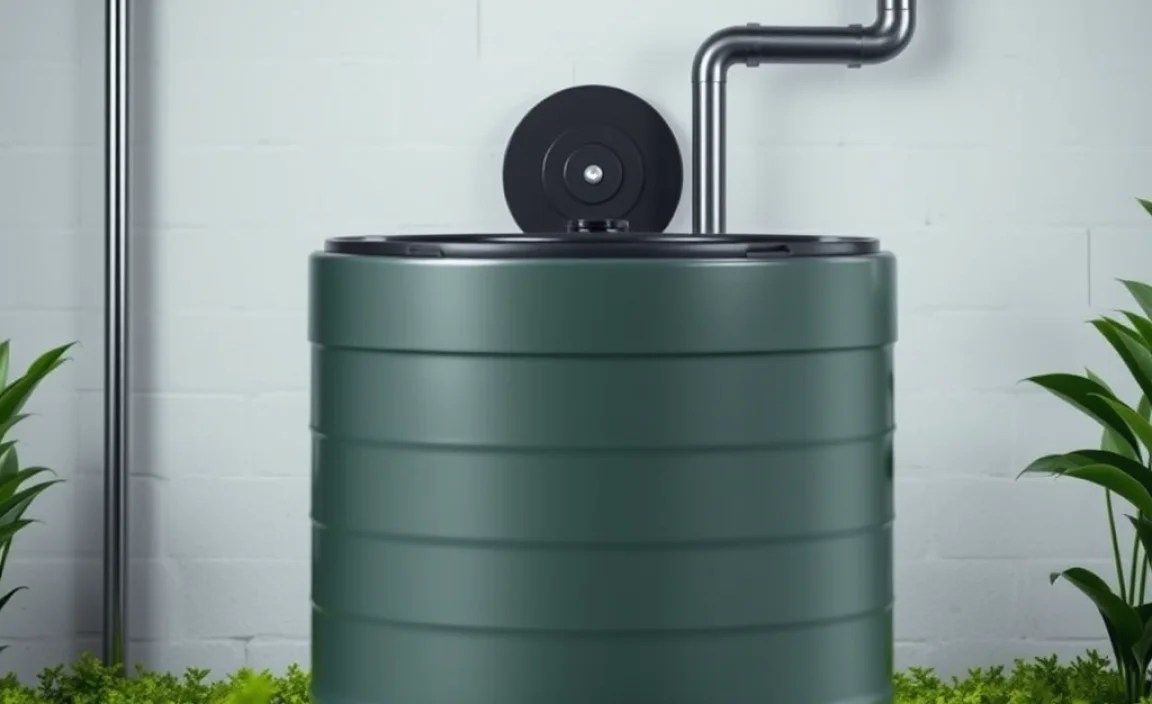
No matter which type of cistern you choose, installation and regular maintenance are key to its longevity and performance.
Basic Installation Steps (General Overview)
While specific steps vary greatly by cistern type, here’s a general idea:
- Turn off the water supply: This is the most important safety step. Find the isolation valve, usually under the sink or behind the toilet, and turn it clockwise.
- Disconnect the old cistern: If replacing, carefully detach the water supply pipe and undo the bolts connecting the cistern to the bowl.
- Prepare the new cistern: Attach the flush valve, inlet valve, and flush lever/button according to the manufacturer’s instructions.
- Position the new cistern: Place the cistern on the toilet bowl (for close-coupled) or mount it on the wall (for high/low/concealed).
- Connect the cistern to the bowl: Use the provided bolts and a rubber gasket to create a watertight seal.
- Connect the water supply: Attach the flexible hose to the inlet valve and the isolation valve.
- Turn on the water supply: Slowly turn the isolation valve counter-clockwise and check for leaks at all connection points.
- Test the flush: Flush the toilet several times to ensure it works correctly and there are no leaks.
Maintenance Essentials
- Regular Cleaning: Wipe down the cistern externally with mild soap and water. Avoid abrasive cleaners that can damage surfaces.
- Check for Leaks: Listen for constant trickling sounds and perform the ‘food dye test’ inside the cistern. Add a few drops of food coloring to the water in the cistern and wait 15-30 minutes without flushing. If color appears in the toilet bowl, you have a leak in the flush valve.
- Inspect Seals and Gaskets: Over time, rubber seals can degrade. Check the main cistern-to-bowl seal and the inlet/flush valve seals for wear and tear.
- Adjust Float Valve: If your cistern isn’t filling to the correct level, the float valve might need adjustment. This usually involves a screw or clip mechanism.
For detailed instructions on installation and repair specific to your model, always refer to the manufacturer’s manual. Reputable plumbing supply stores and DIY centers often have installation guides and videos for various toilet and cistern types.
Cistern Technologies and Innovations
The world of toilet cisterns isn’t static! There are ongoing innovations aimed at improving performance, water efficiency, and user experience.
- Water-Saving Designs: As mentioned, dual-flush systems are common. Beyond that, some cisterns are designed with optimized water flow to ensure a powerful flush using less water.
- Quiet Fill Valves: Modern inlet valves are engineered to fill the cistern much more quietly, minimizing the noise often associated with older toilets, especially important in open-plan living or smaller homes.
- Easy-Access Maintenance Kits: For concealed cisterns, manufacturers are developing access panels and modular internal components that make repairs easier and less disruptive.
The drive towards sustainability means water-saving features are becoming standard. According to the EPA WaterSense program, choosing water-efficient toilets can significantly reduce household water consumption.
Comparison Table: Types of Cisterns
To help you visualize the differences, here’s a handy comparison table:
| Cistern Type | Best For | Pros | Cons | Typical Cost (Estimate) |
|---|---|---|---|---|
| Close-Coupled | Most homes, easy replacement | Easy install, affordable, common, wide variety | Less modern look, can be bulky | $ – $$ |
| Low-Level | Traditional bathrooms, moderate space | Classic look, easier reach than high-level | Visible pipe, requires wall space | $$ – $$$ |
| High-Level | Period/statement bathrooms, large spaces | Powerful flush, distinctive aesthetic | Complex install, hard to reach, needs space | $$$ – $$$$ |
| Concealed | Modern, minimalist bathrooms | Sleek look, hides pipes, space-saving | Difficult install & maintenance, higher cost | $$$$ |
| Back-to-Wall | Modern bathrooms, integrated furniture | Streamlined look, potential storage | Requires building work, maintenance access | $$$ – $$$$ |
| Corner | Small or awkwardly shaped bathrooms | Space-saving diagonal fit | Limited options, niche aesthetic | $$ – $$$ |
*Note: Cost estimates are relative and can vary significantly based on brand, features, and region.
Frequently Asked Questions (FAQ)
What is a cistern?
A cistern is essentially a water tank that stores water to flush your toilet. When you press the flush lever or button, it releases this stored water into the toilet bowl to remove waste.
Which cistern type is best for a small bathroom?
For small bathrooms, a close-coupled cistern is usually a good choice due to its integrated design and ease of installation. If you’re looking for a very sleek, minimalist look, a concealed cistern paired with a wall-hung toilet can also make a small bathroom feel more spacious.
