
Have you ever wondered how water leaves the sink? Drains are everywhere in our homes. They help keep everything clean and dry. But did you know there are different types of drains? Understanding these can help you choose the right one for your home. Let’s explore the types of drain for beginners!
Key Takeaways
- Grasping types of drain for beginners aids smart home choices.
- P-Traps are common and prevent smelly gases.
- Floor drains catch water before floods occur.
- Roof drains ensure no water collects on rooftops.
- French drains keep your yard from puddling.
P-Traps: The Essential Under-Sink Drain

P-Traps are the most common drains under sinks. They are shaped like a P, which stops bad smells. The curve of the pipe holds a little water. This water blocks sewer gases from entering your home. Learning about P-Traps is a great start for beginners. They are found in kitchens and bathrooms. They are easy to clean and replace. If you know about P-Traps, you can take care of your drains easier.
- P-Traps are under most sinks.
- They prevent bad smells.
- They hold a bit of water.
- They block sewer gases.
- Common in kitchens and bathrooms.
- Easy to clean and replace.
P-Traps are simple yet important. They do more than stop smells. They also protect your home from harmful gases. This makes them a key part of your plumbing system. It’s easy to see why understanding P-Traps is crucial for beginners. Knowing how they work will help you manage your home’s drains better. You can clean and fix them to keep everything running smoothly.
Fun Fact or Stats : P-Traps can last up to 50 years if maintained well!
Why Are P-Traps Shaped Like a “P”?
The shape of a P-Trap is not just for looks. It’s designed to hold water. This helps block bad smells from coming up. Imagine if every time you washed your hands, there was a bad smell. Not very nice, right? The “P” shape creates a barrier. This barrier keeps your home smelling fresh. Learning why P-Traps have this shape can help you appreciate their design.
How to Clean a P-Trap Effectively
Cleaning a P-Trap is easy. First, place a bucket under the sink. This catches any water that spills out. Next, carefully unscrew the P-Trap. You might see some gunk. Clean it out with a brush. Screw the trap back on when you’re done. It’s simple and keeps your drains in top shape. Regular cleaning helps prevent clogs and keeps water flowing smoothly.
What Happens if a P-Trap Breaks?
What if your P-Trap breaks? Don’t worry. Replacing a broken P-Trap is simple. First, turn off the water. Then remove the old trap. Take it to a hardware store. They can help you find a match. Install the new trap yourself or ask for help. It’s a quick fix that saves your home from bad smells and leaks.
Floor Drains: Keeping Surfaces Dry
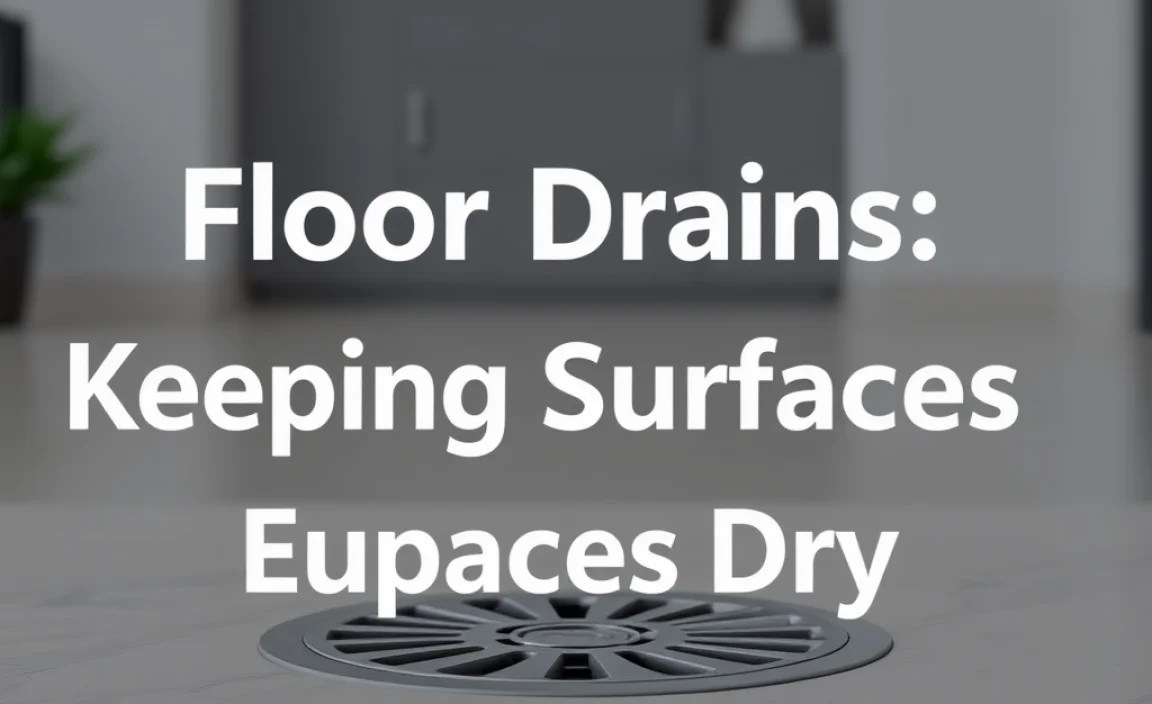
Floor drains are common in basements, laundry rooms, and showers. They prevent water from pooling on the floor. This helps avoid floods and water damage. These drains are flat and circular. They usually have a metal cover with holes. The holes let water flow into the drain. Floor drains are useful for beginners to understand. They keep areas dry and safe. If you know about floor drains, you can maintain them and prevent problems.
- Found in basements and showers.
- Prevent water pooling.
- Avoid floods and water damage.
- Flat with a metal cover.
- Covered in small holes.
- Keep areas dry and safe.
- Easy to maintain.
Floor drains have a simple yet vital role. They catch any water that spills on the floor. This keeps your home safe from flooding. Maintaining these drains is important. You should clean them regularly. Doing this prevents clogs and ensures good water flow. Knowing about floor drains helps you protect your home.
Fun Fact or Stats : Floor drains can move over 20 gallons of water per minute!
Why Use Floor Drains in Your Home?
Imagine water flooding your basement. What a mess! Floor drains help prevent such disasters. These drains catch water and lead it away. This keeps your floors dry and safe. Installing floor drains is a smart choice for any home. They protect your property from water damage. With floor drains, you can enjoy a dry and safe living space without worry.
How to Maintain a Floor Drain
Maintaining a floor drain is simple. First, remove the cover. Then, clean out any debris. Use a brush for hard-to-reach spots. Pour some water down the drain to check if it flows well. Remember to replace the cover when finished. Regular maintenance keeps your floor drains working perfectly. This prevents flooding and keeps your home safe from water damage.
What To Do If a Floor Drain Clogs
What if your floor drain clogs? Don’t panic. First, try using a plunger. If that doesn’t work, use a drain snake. Insert the snake into the drain and turn it. This should clear the clog. If the problem persists, ask a plumber for help. Understanding how to deal with clogs saves your home from water damage and keeps everything working smoothly.
Roof Drains: Protecting Your Home From Above

Roof drains remove rainwater from rooftops. They help prevent water from collecting. This protects your roof from leaks and damage. Roof drains are vital for flat or low-sloped roofs. They channel water into pipes, leading it safely away. For beginners, knowing about roof drains is key. They help keep your home safe and dry. If you understand roof drains, you can avoid problems and enjoy peace of mind.
- Found on flat or low-sloped roofs.
- Prevent water collection.
- Protect roof from leaks.
- Channel water into pipes.
- Lead water safely away.
- Vital for roof health.
- Essential for home safety.
Roof drains are important for every home. They act as a shield against rainwater. Without them, water can cause leaks and damage. Maintaining roof drains is easy. Regular checks and cleaning ensure they work well. Understanding roof drains helps you keep your roof in good shape. This protects your home from the top down.
Fun Fact or Stats : A roof can collect over 600 gallons of water in a heavy rainstorm!
Why Are Roof Drains Important?
Have you ever seen water pooling on a roof? This can cause serious problems. Roof drains stop this by moving water away. They keep your roof dry and healthy. Installing roof drains is crucial for flat-roofed homes. They prevent leaks and structural damage. With roof drains, your house stays protected from rain and storms.
How to Clean Roof Drains
Cleaning roof drains is vital. Start by clearing leaves and debris. Use a ladder to reach the drain safely. Remove the cover and clean inside. You can use a hose to wash away dirt. Regular cleaning helps prevent clogs and leaks. Well-maintained roof drains keep your home safe from water damage.
What Happens If Roof Drains Fail?
If roof drains fail, water collects on the roof. This can lead to leaks and damage. It might even cause your roof to collapse. Immediate action is needed if problems arise. Regular inspection helps catch issues early. Fixing roof drains quickly avoids costly repairs. Understanding roof drains ensures your home stays safe from above.
French Drains: Keeping Your Yard Dry

French drains help control water in your yard. They stop water from pooling on your lawn. French drains consist of gravel-filled trenches. They contain pipes that carry water away from your home. For beginners, French drains are easy to understand. They protect your yard and basement. If you know about French drains, you can manage water effectively.
- Control yard water.
- Stop pooling on the lawn.
- Gravel-filled trenches.
- Pipes carry water away.
- Protect yard and basement.
- Prevent water damage.
- Easy to install.
French drains are simple and effective. They guide water away from your home. This prevents flooding and damage. Maintaining French drains is easy. Regular checks ensure they work well. Understanding French drains helps you manage your yard better. Your home stays dry and safe, rain or shine.
Fun Fact or Stats : French drains can remove over 2,000 gallons of water per hour!
How Do French Drains Work?
Have you ever seen water pooling in your yard? It’s not good for your grass. French drains solve this problem. They consist of gravel and pipes. When it rains, water flows into the trench. The pipes carry the water away. This keeps your yard dry and healthy. French drains are simple solutions for water problems.
How to Install a French Drain
Installing a French drain is not hard. First, dig a trench where water pools. Line it with gravel and place a pipe inside. Cover the pipe with more gravel. Finally, replace the soil on top. This guides water away from your home. French drains are easy for beginners to install. They protect your yard and property efficiently.
What If a French Drain Clogs?
What if a French drain clogs? Don’t worry. Use a garden hose to flush it out. Insert the hose into the pipe and turn on the water. This should clear the clog. Regular maintenance prevents clogs. Understanding how to fix clogs keeps your French drain working well. Your yard stays dry and free of water issues.
Conclusion
Understanding the types of drain for beginners is crucial. It helps maintain your home effectively. From P-Traps to French drains, each has a role. Knowing how they work keeps your house safe. Regular maintenance prevents problems. With this information, you can manage your home’s water systems with confidence.
FAQs
Question: What are the types of drain for beginners?
Answer: Types of drain for beginners include P-Traps, floor drains, roof drains, and French drains. Each serves a different purpose. Understanding them helps maintain your home effectively. This knowledge is essential for safe and dry living spaces.
Question: How do I clean a P-Trap?
Answer: Cleaning a P-Trap is simple. First, place a bucket under the sink to catch water. Then, unscrew the trap and remove any debris. Use a brush if needed. Screw the trap back on when done. Regular cleaning prevents clogs and ensures smooth water flow.
Question: What is the purpose of floor drains?
Answer: Floor drains prevent water from pooling on surfaces. They are found in areas like basements and showers. By removing excess water, they prevent floods and water damage. Understanding floor drains helps maintain a safe and dry home environment.
Question: How do roof drains work?
Answer: Roof drains remove rainwater from rooftops. They channel water into pipes, leading it safely away. This prevents water collection and protects your roof from leaks and damage. Regular maintenance keeps them working effectively.
Question: Can I install a French drain myself?
Answer: Yes, you can install a French drain yourself. Dig a trench where water pools. Line it with gravel and place a pipe inside. Cover the pipe with more gravel, then soil. This guides water away from your home. It’s a simple project for beginners.
Question: What if a drain fails?
Answer: If a drain fails, it can cause leaks or water damage. Prompt action is needed. Identify the problem and fix it quickly. Regular inspections help catch issues early. Understanding drains helps prevent failures and keeps your home safe.
