
A clogged exhaust fan leak is usually caused by dust, lint, and debris blocking the duct. The fix involves safely turning off power, accessing the fan and duct, cleaning out the blockage, reassembling, and testing. Follow these simple steps to clear the leak and restore proper ventilation.
Dealing with an exhaust fan leak can be a bit puzzling, right? You might hear strange noises, see damp spots, or notice reduced airflow, and wonder what’s going on. These signs often point to a blockage somewhere in your exhaust fan system. Thankfully, it’s a common issue that most homeowners can tackle themselves with a little guidance.
This guide is designed to make unclogging your exhaust fan leak a straightforward process. We’ll walk you through identifying the problem, gathering your tools, and performing the fix step-by-step. By the end, you’ll feel confident in restoring your fan’s performance and keeping your home’s air fresh and dry. Let’s get your exhaust fan working like new again!
Understanding Your Exhaust Fan and Common Leak Issues

Exhaust fans are unsung heroes in our homes. They work quietly to pull moisture, steam, and odors out of rooms like bathrooms and kitchens, directing them outside. This simple act prevents mold growth, reduces humidity, and keeps your living space comfortable and healthy. When an exhaust fan starts leaking, it’s usually a sign that something is preventing it from doing its job efficiently.
These leaks aren’t just annoying; they can lead to bigger problems if ignored. Water or condensation dripping down could damage your ceiling, walls, or even electrical components. The most common culprit for an exhaust fan leak is a buildup of dust, lint, hair, and other debris within the fan itself or, more frequently, within the ductwork that leads outside. Over time, this gunk accumulates, restricting airflow and forcing moisture back into your home or causing condensation.
Other potential causes can include issues with the duct’s seal, damage to the duct itself, or problems with the exterior vent cover. But don’t worry! Most of these are manageable with basic DIY skills. We’ll break down how to identify the specific cause and then how to fix it safely and effectively.
Why Exhaust Fan Leaks Happen
Think of your exhaust fan duct as a pathway for air. When this pathway gets obstructed, air can’t flow freely to the outside. This obstruction can be anything from:
- Dust and Lint Buildup: Over time, microscopic particles of dust, lint from towels, and even hair get pulled into the fan and ductwork.
- Grease and Grime: In kitchen exhaust fans, grease particles can combine with dust, creating a sticky, stubborn clog.
- Nesting Materials: Small animals or birds might try to build nests in or around the exterior vent exit, blocking airflow.
- Collapsing Ductwork: Older or damaged flexible ductwork can kink or collapse, creating a bottleneck.
- Improper Installation: If the duct isn’t sloped correctly or is too long, condensation can pool and drip back.
- Damaged Seals: Gaps where the duct connects to the fan or to the exterior wall can allow moisture to escape.
Identifying which of these is affecting your fan is the first step to a successful fix. Most often, it’s simply a matter of cleaning out accumulated debris.
Safety First: Preparing to Unclog Your Exhaust Fan

Before we dive into the unclogging process, safety is paramount. Working with electrical appliances and in potentially dusty or cramped spaces requires a bit of preparation. By taking these precautions, you ensure a safe and smooth DIY experience.
- Turn Off the Power: This is the most crucial step. Locate the circuit breaker that controls your exhaust fan and flip it to the “OFF” position. If you’re unsure which breaker it is, turn off the main breaker for your home, or use a voltage tester to confirm the fan is de-energized. Never work on electrical components while the power is on.
- Gather Your Tools: Having everything ready before you start will save you time and frustration.
- Prepare Your Workspace: Place a drop cloth or old sheets below the exhaust fan to catch any dust or debris that might fall during cleaning.
- Wear Protective Gear: A dust mask is essential to avoid inhaling airborne particles. Gloves will protect your hands, and safety glasses will shield your eyes.
Essential Tools for the Job
You won’t need a specialized toolbox for this task. Most of what you need is likely already in your home or easily accessible at a local hardware store.
- Screwdrivers (Phillips head and flathead)
- Ladder or sturdy step stool
- Drop cloth or old sheets
- Vacuum cleaner with hose attachment
- Duct tape (strong, foil-backed type is best for repairs)
- Flexible cleaning brush (long, thin brush designed for ducts)
- Gloves
- Dust mask
- Safety glasses
- Optional: Caulk and caulk gun (for sealing gaps)
- Optional: Voltage tester (to double-check power is off)
Step-by-Step Guide: Unclogging Your Exhaust Fan Leak

Now that you’re prepared and have your tools ready, let’s get to the core of the fix. We’ll approach this systematically, starting with the fan itself and moving towards the ductwork.
Step 1: Access the Exhaust Fan
You’ll need to remove the fan’s cover or grille to get to the fan’s motor and impeller (the spinning part). Most grilles are held in place by a few screws or spring clips. Gently pry or unscrew the cover. If it feels stuck, check for hidden screws or clips. Be careful not to force it, as you don’t want to damage the grille or the surrounding ceiling.
Step 2: Clean the Fan Impeller and Housing
Once the cover is off, you’ll see the fan’s motor and the impeller. This is often where a significant amount of dust and lint accumulates. Carefully use your vacuum cleaner’s hose attachment to suck up as much loose debris as possible from the impeller blades and the motor housing. You can also use a soft brush to loosen stubborn dust before vacuuming. Make sure the vacuum’s power is OFF (and the breaker is off!) as you do this. You can use a damp cloth to wipe down the accessible surfaces, but avoid getting any moisture into the motor itself.
Step 3: Inspect and Clean the Duct Opening
Look at where the duct connects to the fan. You’ll likely see the beginning of the ductwork here. More debris might be packed into this entry point. Again, use your vacuum cleaner and brush to clear out any visible blockages at this connection. This is a common area for clogs to form.
Step 4: Locate and Access the Duct
This can be the trickiest part, as ductwork can run through attics, crawl spaces, or wall cavities. The goal is to find where the duct exits your home, usually through a wall or the roof, and check the path in between.
- For Attic/Crawl Space Access: If your duct runs through an attic or crawl space, you’ll need to safely navigate these areas. Wear your mask and be mindful of your footing. Follow the duct from the fan until you reach its end or a point where you can access it.
- For Wall Access: The duct will lead to a vent cap on the exterior of your house. You might need to access this from inside the wall if there’s a removable panel or if the duct is exposed in a dropped ceiling.
If you have flexible ducting, it’s more prone to getting kinked or crushed. Rigid ducting is less likely to collapse but can still get clogged. A thorough inspection of the entire duct length is ideal if possible.
Step 5: Remove Duct Blockages
Once you’ve located the duct and can access it, it’s time to tackle the clog.
- Vacuuming: If the clog isn’t too severe, you might be able to vacuum it out. Connect your vacuum hose to one end of the duct (either from your attic/crawl space or the interior opening near the fan) and try to pull the debris out. You might need to work from both ends if accessible.
- Using a Flexible Brush: For more stubborn clogs, a flexible duct cleaning brush or a long, stiff wire (like a straightened coat hanger, but be careful not to puncture the duct) can be used. Insert the brush or wire into the duct and gently push and twist to dislodge the debris. Work in sections, and vacuum out loosened material as you go. Some professionals use specialized long-reach, flexible auger tools for this.
- Dealing with Grease Buildup: Kitchen grease clogs can be tough. Sometimes, a degreaser spray can help loosen it, followed by brushing and vacuuming. Ensure any degreaser used is safe for your duct material. A good resource on cleaning materials for HVAC systems can be found via organisations like the United States Environmental Protection Agency (EPA).
Step 6: Inspect and Repair the Ductwork
As you clean, carefully inspect the duct for any damage. Look for tears, holes, kinks, or loose connections.
- Loose Connections: If you find a loose connection where the duct meets the fan or an elbow joint, reattach it securely. Use a clamp or strong duct tape (foil-backed metal tape is best for HVAC use) to seal the joint.
- Holes or Tears: Small holes or tears can be patched with high-quality, foil-backed duct tape. For larger damage, you might consider replacing a section of the duct, especially if it’s flexible ducting that has become brittle or ripped.
- Kinks or Collapses: Try to gently straighten any kinks. If the flexible duct is permanently crushed, it needs to be replaced for proper airflow.
Ensuring the duct is properly sealed prevents air and moisture leaks from happening again. According to building codes, exhaust ducts should generally be sealed with mastic or approved foil tape and insulated if they run through unconditioned spaces. You can learn more about proper ventilation practices on resources like Energy Star guidance on building science basics.
Step 7: Secure the Exterior Vent Cover
The vent cover on the outside of your house is the final barrier. Check that it’s clean, free of obstructions (like bird nests), and securely attached. Ensure the flaps or louvers move freely and close properly when the fan isn’t running, but open easily when it is.
Step 8: Reassemble and Test
Once cleaning and any necessary repairs are complete, it’s time to put everything back together.
- Carefully reattach the fan cover or grille.
- Go back to your circuit breaker and turn the power back on.
- Turn on your exhaust fan.
- Listen for unusual noises, like grinding or rattling, which could indicate a remaining obstruction or a problem with the motor.
- Check the airflow. You should feel a strong, steady stream of air being pulled from the room and expelled outside.
- Run the fan for a few minutes, especially if you suspect moisture was the issue, and re-check the ceiling and walls around the fan for any signs of leaks or dampness.
If the fan is still malfunctioning, or if you’re seeing leaks immediately after the fix, you might need to revisit the ductwork, especially if it’s extensive or inaccessible.
Troubleshooting Persistent Leaks or Slow Drains

Sometimes, even after a thorough cleaning, you might still experience issues. This is where a bit more detective work comes in.
Drip Prevention and Proper Duct Slope
One of the most common reasons for persistent leaks, especially during cooler months, is condensation forming inside the duct and dripping back. This often happens if the duct isn’t properly sloped or if it runs through unconditioned spaces without insulation.
- Drainage Slope: Ideally, exhaust ducts should have a slight downward slope towards the exterior vent to allow any condensation to drain out. If your duct is sagging or has low spots, it can collect moisture. Depending on your duct’s installation, you might be able to adjust or support it to improve the slope.
- Condensation in Cold Climates: For ducts passing through unheated attics or crawl spaces, condensation can form as warm, moist air from your home meets the cold duct surface. Insulating the ductwork with a thermal wrap designed for HVAC ducting can significantly reduce condensation. This is a task that might require more effort but is very effective.
When to Consider Replacing Ductwork
If your ductwork is old, brittle, kinked severely, or riddled with holes, cleaning might not be enough. Replacing the ducting is often the best long-term solution. Flexible ducting, especially plastic or foil-covered types, degrades over time. Aluminum foil ductwork is a bit more durable, and rigid metal ducting is the most robust but can be more challenging to install.
A typical bathroom exhaust duct replacement might involve:
- Disconnecting the old duct from the fan and the exterior vent.
- Routing and installing new ducting, ensuring proper fastening at both ends.
- Securing the new duct with appropriate connectors and sealant.
The National Association of Home Builders (NAHB) offers resources on best practices for ventilation systems, which can be helpful if you’re considering a full replacement.
When to Call a Professional
While many exhaust fan issues are DIY-friendly, there are times when it’s best to call in an expert:
- If you’re uncomfortable working with electrical components or in confined spaces.
- If the ductwork is extensive, inaccessible, or requires significant structural modification.
- If you suspect the fan motor itself is failing or there are electrical issues beyond simple cleaning.
- If you’ve tried cleaning and repairs, but the leak persists, indicating a more complex problem.
- If the exhaust fan is part of a larger ventilation system that includes heat or energy recovery, which requires specialized knowledge.
A qualified HVAC technician or a handyman service can diagnose and fix issues that are beyond the scope of a typical homeowner. Don’t hesitate to seek professional help if you’re unsure.
Preventative Maintenance for Your Exhaust Fan
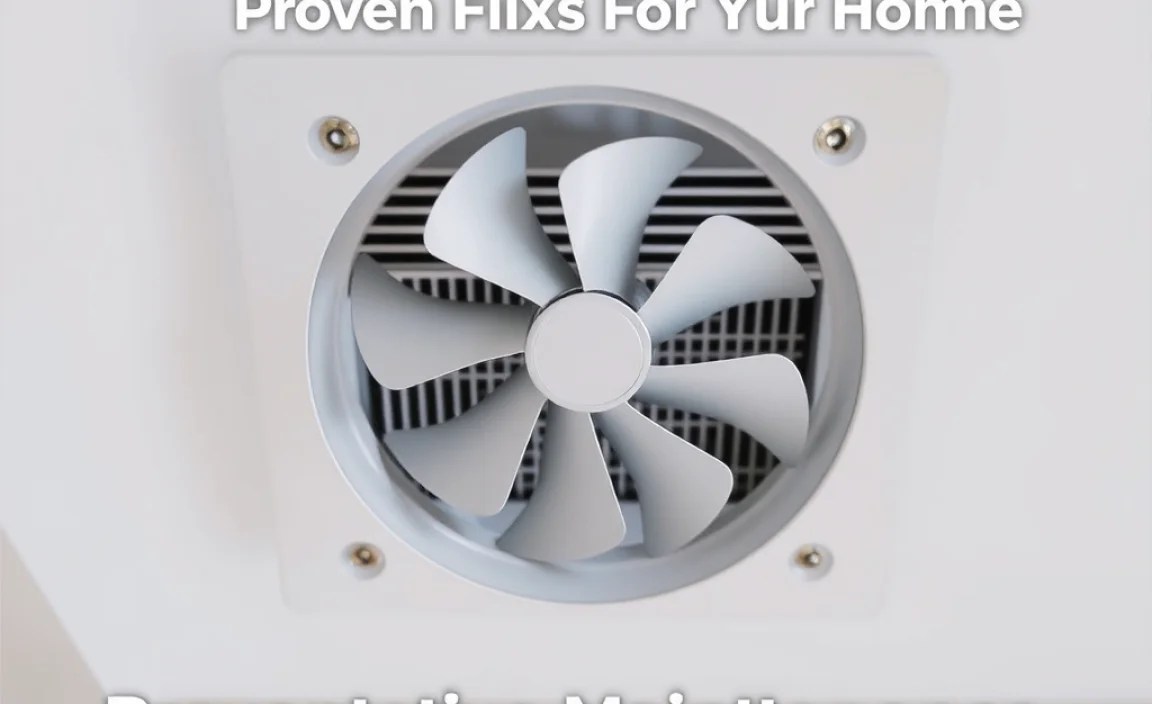
The best way to avoid dealing with leaky exhaust fans is to perform regular maintenance. A little bit of upkeep goes a long way in keeping your system running smoothly and preventing frustrating clogs and leaks.
Regular Cleaning Schedule
Make it a habit to clean your exhaust fan grilles and the accessible parts of the fan monthly. A quick wipe-down can prevent major dust buildup.
Plan for a more thorough cleaning of the fan impeller and the duct opening at least once or twice a year. Depending on your home environment (e.g., if you have pets that shed a lot, or if your kitchen fan is heavily used), you might need to clean more frequently.
Checking the Exterior Vent
Periodically (every few months), visually inspect the exterior vent cover. Clear away any leaves, debris, or potential nesting materials. Ensure the louvers or flaps are working correctly. This simple check can prevent major blockages.
Monitoring Performance
Pay attention to your exhaust fan’s performance. If you notice:
- Reduced airflow (less air being pulled from the room).
- Increased noise (louder, more grinding, or rattling sounds).
- Lingering odors or humidity after the fan has been on.
- Any signs of moisture or water stains appearing.
These are all indicators that your fan might be starting to get clogged or is developing another issue. Addressing them early can prevent a full-blown “leak” situation.
Choosing the Right Fan and Ducting
When you install or replace an exhaust fan, consider a model that is easy to clean and maintain. Also, opt for smooth, rigid ducting where possible, as it’s less prone to clogging and damage than flexible ducting. Ensure the duct run is as short and straight as possible, with appropriate insulation if passing through unconditioned spaces.
By incorporating these preventative measures into your home maintenance routine, you can significantly extend the life of your exhaust fan and prevent the headaches associated with clogs and leaks. It’s about staying ahead of potential problems and ensuring your home remains comfortable and healthy.
FAQ: Your Exhaust Fan Leak Questions Answered
Q1: How often should I clean my exhaust fan?
You should clean the visible grille and motor housing of your exhaust fan monthly. A more thorough cleaning of the duct opening and impeller should be done at least once or twice a year, or more often if needed, especially in kitchens or homes with pets.
