
Wooden bathroom accessories are the latest trend for adding natural warmth and timeless elegance to your space. From toothbrush holders to bath mats, they bring a spa-like feel and can be surprisingly easy to maintain.
Tired of cold, sterile bathrooms? You’re not alone! Many homeowners want to create a cozy, inviting sanctuary, and the latest trend is bringing the beauty of wood into this often-damp environment. It might seem tricky to use wood in a bathroom, but with a little know-how, you can easily incorporate these stylish and functional pieces. We’ll walk you through everything, from choosing the right wood to keeping your new accessories looking fantastic for years to come. Get ready to transform your bathroom into a warm, welcoming escape!
Why Wooden Bathroom Accessories Are a Smart Choice

Bringing wood into your bathroom is more than just a fleeting trend; it’s a design choice that offers a wealth of benefits. Wood naturally adds warmth and a touch of organic beauty that can soften the hard lines often found in bathrooms. It creates an immediate sense of calm and can make your bathroom feel more like a spa retreat.
Here’s why wood is a great material for your bathroom:
Natural Aesthetic: Wood brings an earthy, organic feel that’s incredibly calming. This is perfect for creating a relaxing atmosphere.
Durability: Many hardwoods are surprisingly water-resistant and can stand up well to bathroom humidity when properly treated and maintained.
Versatility: Wooden accessories come in countless styles, from modern and minimalist to rustic and vintage, fitting almost any décor.
Sustainability (with the right choices): Opting for sustainably sourced or reclaimed wood makes for an eco-friendly design choice.
The Latest Wooden Bathroom Accessories to Elevate Your Style

The world of wooden bathroom accessories has expanded significantly, offering more than just basic soap dishes. Designers are innovating with both form and function, creating pieces that are as artistic as they are practical.
Here are some of the “latest” and most essential wooden bathroom accessories making waves:
Wooden Bath Caddies/Trays: These extend over your bathtub, providing a convenient spot for your book, tablet, candle, or a glass of wine. Look for designs with dedicated slots for cups and devices.
Teak Shower Benches and Stools: Teak is renowned for its natural water resistance and durability. A small teak stool can offer a comfortable spot to sit while showering or a place to rest your items.
Bamboo or Wooden Bath Mats: These are a fantastic alternative to fabric mats, offering a spa-like feel and excellent water-draining properties. They can also help prevent mold and mildew more effectively than some fabric options.
Wooden Soap Dispensers and Toothbrush Holders: These are classic choices that have been updated with sleeker designs and integrated features. Think minimalist shapes and natural wood finishes.
Wooden Storage Solutions: From small drawer organizers to tiered shelves and wall-mounted cabinets, wood adds a touch of elegance to bathroom storage, making it both functional and beautiful.
Wooden Toilet Seat Covers: While a bolder choice, a solid wood toilet seat can add a surprisingly luxurious and unique element to your bathroom.
Shower Shelving Units: Freestanding or wall-mounted wooden shelves can add much-needed storage without sacrificing style. Oak and bamboo are popular choices here.
Wooden Tissue Box Covers: A simple way to upgrade a utilitarian item into something that complements your décor.
Decorative Trays and Bowls: Perfect for corralling small items on your vanity or shelves, like cotton balls, makeup, or toiletries.
Choosing the Right Wood for Your Bathroom

Not all woods are created equal when it comes to bathroom use. Bathrooms are humid environments, so selecting wood that can handle moisture is key.
Teak: This is the gold standard for humid environments. Its natural oils make it highly resistant to water, rot, and insects. It’s often a pricier option but offers exceptional durability.
Bamboo: While technically a grass, bamboo is incredibly strong, water-resistant, and sustainable. It’s a more affordable and eco-friendly alternative to teak.
Cedar: Known for its pleasant aroma and natural resistance to moisture and decay, cedar is another excellent choice for bathrooms.
Oak (especially White Oak): Oak is a dense hardwood that, when properly sealed, can perform well in a bathroom. White oak’s closed pores make it less susceptible to moisture than red oak.
Walnut: For a richer, darker tone, walnut can be a beautiful choice. It requires good sealing to protect it from humidity and water.
Woods to be cautious with or to use only in very dry areas or with extreme care include pine, poplar, and lighter, less dense hardwoods, as they are more prone to warping and water damage.
Essential Style: Integrating Wooden Accessories Seamlessly
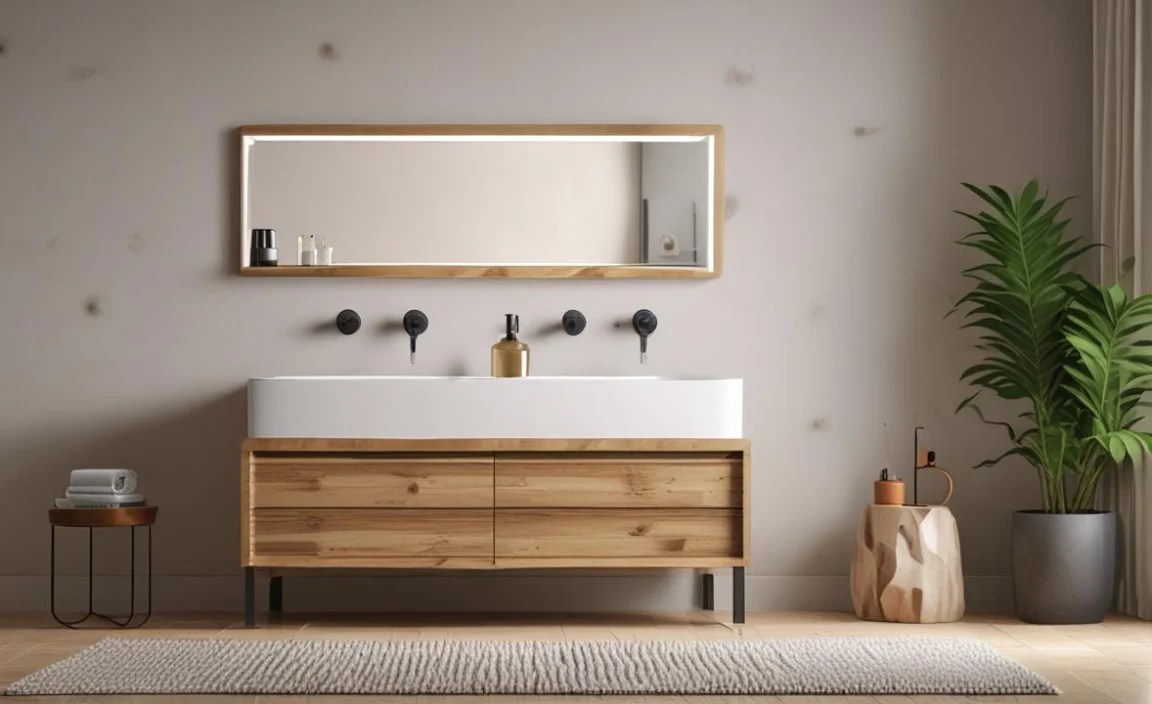
Integrating wooden bathroom accessories isn’t just about picking a few pieces; it’s about creating a cohesive look that enhances your bathroom’s overall style.
Here’s how to achieve that essential wooden style:
Match or Complement Existing Finishes: If you have chrome fixtures, consider lighter woods like bamboo or maple. For matte black or brushed nickel, darker woods like walnut or rich oak can look stunning.
Balance with Other Materials: Wood looks fantastic when paired with other natural elements like stone, ceramic tiles, or even glass. It also provides a warm contrast to stark white or grey walls.
Consider the Scale: Don’t overcrowd a small bathroom with too many large wooden items. A few well-chosen, appropriately sized accessories can make a bigger impact than a multitude of smaller ones.
Vary Textures: Mix smooth, polished wood with subtly textured pieces for added visual interest.
Think About Color Palette: Wood tones can range from pale blonde to deep espresso. Choose a tone that complements your bathroom’s existing color scheme.
Practical Tips for Maintaining Your Wooden Bathroom Accessories
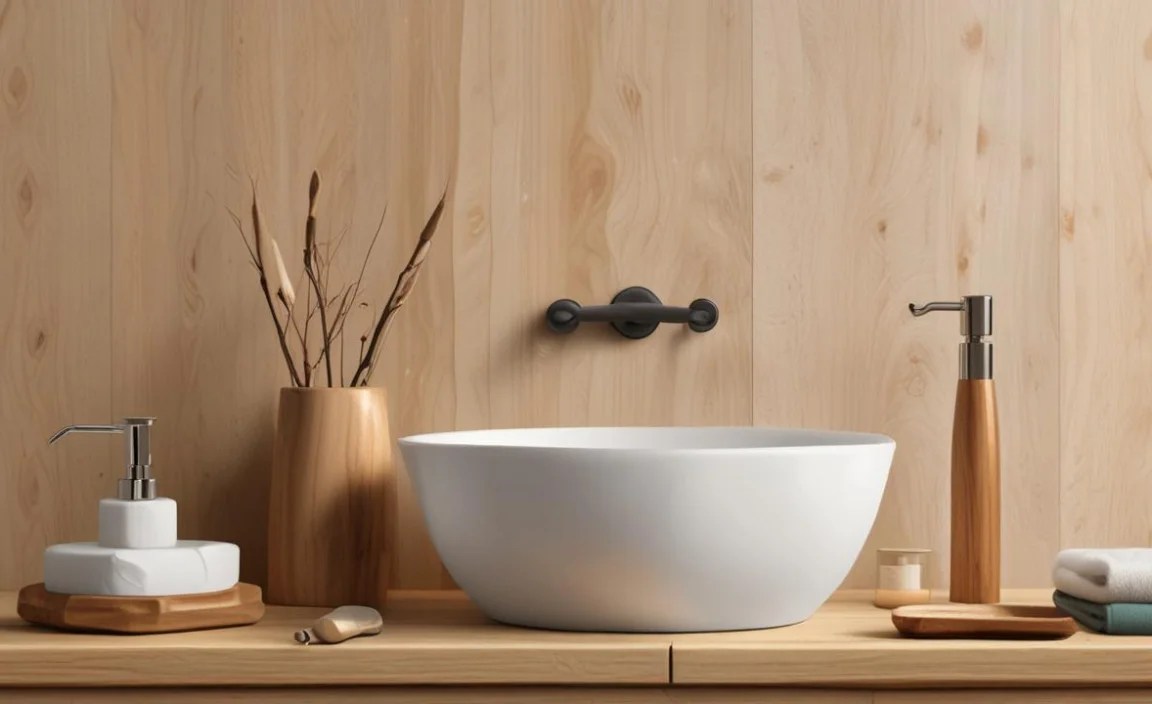
Wood can be surprisingly low-maintenance in the bathroom, but a little care goes a long way in preserving its beauty and lifespan.
Daily Care
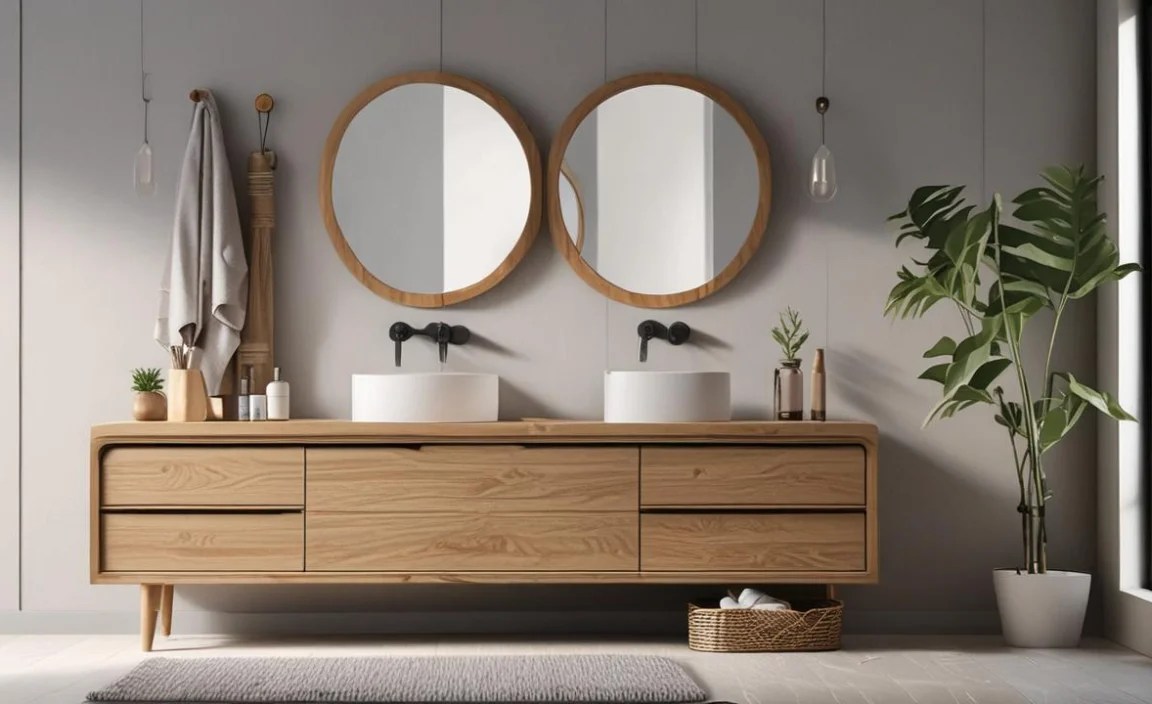
Wipe Down After Use: This is the most crucial step. After showering or using the sink, quickly wipe down any wooden accessories with a dry or slightly damp cloth to remove water droplets and soap residue. This prevents moisture from sitting on the surface.
Ensure Ventilation: Good airflow is your best friend! Open a window or turn on the exhaust fan during and after showers to reduce humidity. This helps wood dry out faster.
Avoid Standing Water: Never let water pool on your wooden accessories. If you notice any puddles, wipe them up immediately.
Regular Maintenance
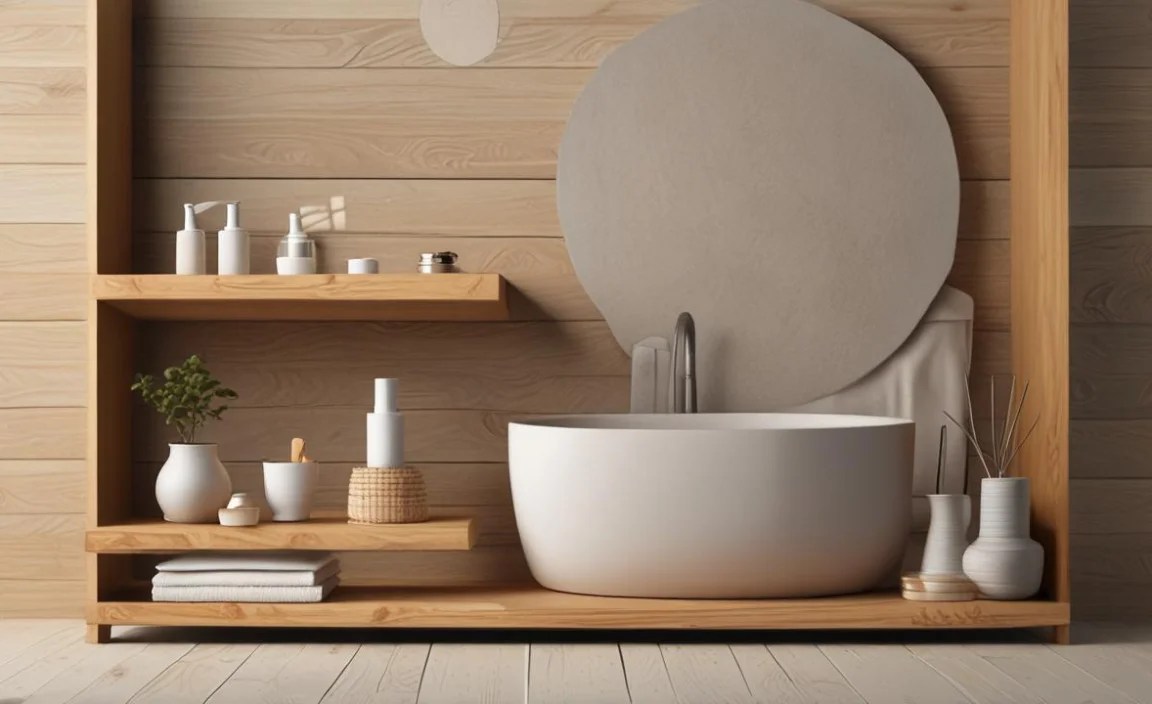
Cleaning: For general cleaning, use a mild soap (like dish soap diluted in water) and a soft cloth. Avoid harsh chemicals or abrasive scrubbers, which can damage the wood’s finish and the wood itself. Rinse the cloth thoroughly and wipe the wood again with a damp cloth to remove soap residue, then dry it thoroughly with a clean, dry towel.
Sealing/Oiling (As Needed): Depending on the type of wood and its finish, you might need to reapply a sealant or wood oil periodically.
For sealed wood: If your item has a protective varnish or polyurethane, you won’t need to oil it. Instead, check the seal periodically. If it looks dull or damaged, it might be time for a light sanding and reapplication of a clear, water-resistant sealant. You can find helpful guides on sealing wood surfaces from places like Wood Magazine.
For unsealed or naturally oiled wood (like teak): These woods benefit from periodic oiling with a specialized wood oil (like teak oil or tung oil). This replenishes the wood’s natural oils, enhancing its water resistance and bringing out its rich color. Test the oil on an inconspicuous area first. Follow the product instructions carefully, usually applying a thin layer, letting it soak in, and then wiping off any excess. This process is detailed on many DIY sites; for instance, This Old House offers insights into oiling wood that can be adapted.
Addressing Minor Scratches: Small nicks and scratches can sometimes be buffed out with a fine-grit sandpaper (e.g., 220-grit) followed by re-sealing or re-oiling the spot. For deeper scratches, you might need a wood filler putty followed by sanding and refinishing.
What to Avoid

Soaking: Never submerge wooden bathroom accessories in water for extended periods.
Harsh Chemicals: Bleach, ammonia, and strong acidic cleaners can strip finishes and damage the wood fibers.
Direct Sunlight: Prolonged exposure to direct sunlight can cause wood to fade and crack.
Extreme Heat: Avoid placing wooden items near direct heat sources like radiators.
Step-by-Step: Adding a Wooden Bath Caddy to Your Bathroom

Let’s take one of the most popular wooden bathroom accessories – the bath caddy – and walk through adding it to your space, ensuring it’s both stylish and functional.
Tools & Materials You Might Need:
Your chosen wooden bath caddy
A soft, dry cloth
A slightly damp cloth (optional, for initial wipe-down if needed)
Wood cleaner (mild soap and water)
Wood sealant or oil (if recommended by the manufacturer or if you notice dryness)
Fine-grit sandpaper (220-grit, for minor scratch repair if necessary)
A small measuring tape (to ensure it fits your tub)
—
What is a Bath Caddy?
A bath caddy is a tray or rack that is designed to rest across the edges of your bathtub. Its primary purpose is to provide a stable surface for holding items you might want within reach during a bath, such as books, tablets, phones, candles, drinks, or toiletries.
—
Steps to Add and Care for Your Wooden Bath Caddy:
1. Measure Your Tub: Before purchasing, measure the width of your bathtub at the points where the caddy’s supports will rest. Ensure the caddy you choose has an adjustable width or is designed to fit your tub size. Many modern caddies are designed to extend.
2. Unpack and Inspect: Carefully unpack your new wooden bath caddy. Inspect it for any damage that might have occurred during shipping. Check that all its parts are present and that it feels sturdy.
3. Initial Wipe-Down: Most new wooden items benefit from a quick clean. Use a soft, dry cloth to dust it. If there’s any manufacturing residue, lightly dampen a cloth with water or a very mild soap solution, wipe it down, and then immediately dry it thoroughly with a clean, dry cloth.
4. Position the Caddy: Gently place the bath caddy across the edges of your bathtub. Ensure it sits securely and doesn’t wobble. Adjust its position so it gives you easy access to your items without being in the way.
5. Load It Up (Responsibly!): Now for the fun part! Place your bath essentials on the caddy. Always be mindful of not overloading it, especially with heavy items, and avoid placing things where they could easily fall into the water.
6. Enjoy Your Bath: Relax and enjoy your beautifully accessorized bath!
7. Daily Drying and Cleaning: After each bath, remove all items and wipe down the wooden caddy with a dry cloth. This is the most important step for longevity. If water has splashed on it, ensure it’s completely dry.
8. Deep Cleaning (Monthly or as Needed): If the caddy starts to look dull or you notice minor grime build-up, use a soft cloth dampened with a mild soap and water solution. Wipe the entire surface, then rinse by wiping with a clean, damp cloth, and dry thoroughly. For stubborn spots, you might need a bit more gentle scrubbing with the soft cloth.
9. Re-Sealing or Oiling (Annually or if Dry): Over time, the protective finish on your wooden bath caddy might wear down. Check the wood: does it look dry, or is water no longer beading on the surface? If so, it’s time to reapply a sealant or oil. (Refer to the “Regular Maintenance” section above for detailed guidance.) Always follow the manufacturer’s recommendations for your specific wood type and finish. For example, Popular Mechanics has excellent general guides on wood maintenance that can be adapted.
By following these simple steps, your wooden bath caddy will remain a beautiful and functional part of your bathroom for years to come.
Table: Common Wooden Bathroom Accessories and Their Benefits

Here’s a quick look at some popular wooden bathroom accessories and why they are a great addition to your home.
| Accessory Type | Key Benefits | Style Notes | Maintenance Level |
|---|---|---|---|
| Bath Caddy/Tray | Convenience, spa-like experience, keeps items dry and within reach. | Modern, rustic, minimalist. Available in various widths and designs (with cup holders, tablet stands). | Low to Medium (requires daily wiping and occasional re-sealing/oiling) |
| Shower Bench/Stool | Comfort, safety, extra storage/surface in the shower. | Often made of teak or cedar for water resistance. Rustic, spa-like feel. | Low (daily drying essential, occasional oiling recommended for teak) |
| Bath Mat | Quick-drying, inhibits mold/mildew, natural aesthetic. | Bamboo is common, often slatted for better drainage. Minimalist, spa feel. | Low (rinse occasionally, ensure it dries between uses; avoid standing water) |
| Soap Dispenser/Toothbrush Holder | Aesthetic upgrade from plastic, matches other wood accents. | Sleek modern designs, natural finishes. | Low (regular cleaning with mild soap, wipe dry) |
| Storage Organizers (Trays, Boxes, Shelves) | Tidy vanity, organized shower, adds decorative touch. | Versatile; can be a focal point or blend in. | Low to Medium (depending on finish; wipe clean, occasional re-sealing may be beneficial) |
FAQs About Wooden Bathroom Accessories
Q1: Is wood really suitable for a bathroom, given the humidity?
A1: Yes, it can be! The key is choosing the right type of wood (like teak, bamboo, or sealed oak) and providing proper daily care. Daily wiping and good ventilation are crucial to prevent moisture damage.
Q2: How often should I clean my wooden bathroom accessories?
A2: For most items, a quick wipe-down with a dry cloth after each use is ideal. A more thorough clean with mild soap and water can be done weekly or bi-weekly, depending on how much they’re used and exposed to moisture.
Q3: What’s the best way to deal with mold or mildew on wooden accessories?
A3: If you spot minor mold or mildew, try cleaning the area with a solution of equal parts water and white vinegar, or a very diluted bleach solution (use with extreme caution and good ventilation, testing on an inconspicuous spot first). Rinse thoroughly with clean water and dry completely. Ensuring good airflow and drying the wood daily are the best preventative measures.
Q4: Do I need to seal my wooden bathroom accessories?
A4: It depends on the wood and its intended use. Accessories made from naturally water-resistant woods like teak or bamboo might not need a sealant, but they benefit from regular oiling. Other woods (like oak or walnut) often come sealed or can be sealed with a water-resistant finish. Always check the manufacturer’s recommendations. If the wood looks dull or water no longer beads on the surface, it’s time to reapply a sealant or oil.
Q5: Can I use regular cleaning products on wooden bathroom accessories?
A5: It’s best to avoid harsh chemicals like bleach, ammonia, or abrasive cleaners. Opt for mild soap (like dish soap diluted in water) or a specialized wood cleaner. Always test any cleaner in a hidden area first.
Q6: My wooden accessory has a small scratch. How can I fix it?
A6: For minor scratches, you can try gently sanding the area with very fine-grit sandpaper (220 grit) and then reapply a matching wood stain or sealant/oil to the repaired spot. For deeper scratches, you might need a wood putty or filler.
Q7: Where can I find high-quality wooden bathroom accessories?
A7: Reputable home goods stores, specialty bathroom supply shops, curated online retailers, and even some eco-friendly or handcrafted marketplaces are great places to look. Brands that focus on sustainable materials or artisanal products often have excellent options that are built to last.
Creating a Cohesive Look: More Than Just Accessories
While individual wooden accessories can make a statement, true style comes from creating a cohesive look throughout your bathroom. Think about how these natural elements can tie into your overall design.
* Wood-Look Tiles: If you’re renovating, consider floor or wall tiles that mimic the look of wood. This can provide a beautiful, durable backdrop for your wooden accessories
