
Unclogging a faucet yourself typically costs very little, often under $20 for basic tools and cleaning supplies. This DIY approach can save you hundreds compared to hiring a plumber, especially for minor clogs caused by sediment or mineral buildup. It’s a manageable task for beginners!
Unclog Faucet Cost: Genius Savings for Your Home

A clogged faucet is more than just annoying; it can be a real hassle, turning your simple hand-washing or dish-draining routine into a dribbling, frustrating experience. You might worry about the cost of calling a plumber and the complexity of the fix. But before you panic about hefty bills, let’s explore how you can tackle this common household issue yourself and achieve genius savings. Most faucet clogs are surprisingly simple to fix, requiring minimal tools and effort, keeping your wallet happy and your faucet flowing freely again. Let’s dive into how little it really costs to unclog your faucet and reclaim your water pressure.
Why Do Faucets Get Clogged Anyway?
Faucets clog for a few primary reasons, and understanding them is the first step to an easy fix. Over time, minerals from the water, like calcium and magnesium, can build up. This is especially common in areas with “hard water.” These mineral deposits, often called limescale, can flake off and get lodged in the small parts of your faucet, like aerators or cartridges, restricting water flow.
Another common culprit is sediment or debris that can enter your plumbing system. This might happen during nearby construction, water main breaks, or even from aging pipes in your home. These tiny particles can accumulate in the same places as mineral buildup, causing blockages. Sometimes, a simple piece of grit or a small piece of pipe material can be enough to cause a noticeable reduction in water flow. Luckily, these issues are usually localized to the faucet itself and can be resolved without a major plumbing overhaul.
The True Cost of a Clogged Faucet: What to Expect

When we talk about the “unclog faucet cost,” it’s important to differentiate between doing it yourself and calling in the professionals. The cost can vary dramatically, and the good news for DIYers is that the price of a home repair can be incredibly low.
DIY Unclogging Costs: The Budget-Friendly Approach
For most common faucet clogs, the cost to fix it yourself is minimal. You likely already have some of the necessary items at home, or you can get them at a very low price from a local hardware or even a grocery store.
Here’s a breakdown of what you might need and their typical costs:
- White Vinegar: A staple for dissolving mineral deposits. A standard bottle costs around $2-$5.
- Baking Soda: Good for scrubbing away grime and mild mineral buildup. A small box is usually $1-$3.
- An Old Toothbrush or Small Scrub Brush: For gently cleaning parts. Free if you have one, or about $1-$3 for a new one.
- Pliers (Adjustable or Channel Locks): For gripping and loosening parts like aerators. If you don’t have any, a decent basic set can be bought for $10-$25.
- A Small Bowl or Cup: To soak faucet parts. Free (use what you have).
- Teflon Tape (Plumber’s Tape): For ensuring a watertight seal on threaded connections. A roll costs $2-$5 and lasts for many uses.
- A Small Screwdriver Set: For disassembling certain faucet types. A basic set is around $5-$15.
So, even if you need to buy a few basic tools like pliers and a screwdriver set, your total investment to unclog a faucet yourself will rarely exceed $20-$40 for an initial setup. If you already own these items, the cost can be as little as the price of vinegar and maybe some Teflon tape – well under $10.
Plumber Costs: When DIY Isn’t an Option
If you decide to call a professional plumber, the “unclog faucet cost” can escalate significantly. The average cost for a plumber to simply show up and diagnose a minor issue can range from $75 to $150 for the service call alone. If they need to spend more time, use specialized tools, or replace parts, the total bill can easily climb to $200, $300, or even more, depending on your location and the complexity of the problem.
Consider these factors that influence plumber costs:
- Service Call Fee: Most plumbers charge a base fee just for coming to your home.
- Hourly Labor Rate: This can be $50-$150 per hour.
- Materials/Parts: If a part needs replacing (like a cartridge), it adds to the cost.
- Emergency Service: If you need a plumber outside of business hours, expect higher rates.
As you can see, the savings from a DIY fix are substantial, making it well worth learning how to unclog your faucet yourself.
Identifying the Culprit: Where Does the Clog Happen?
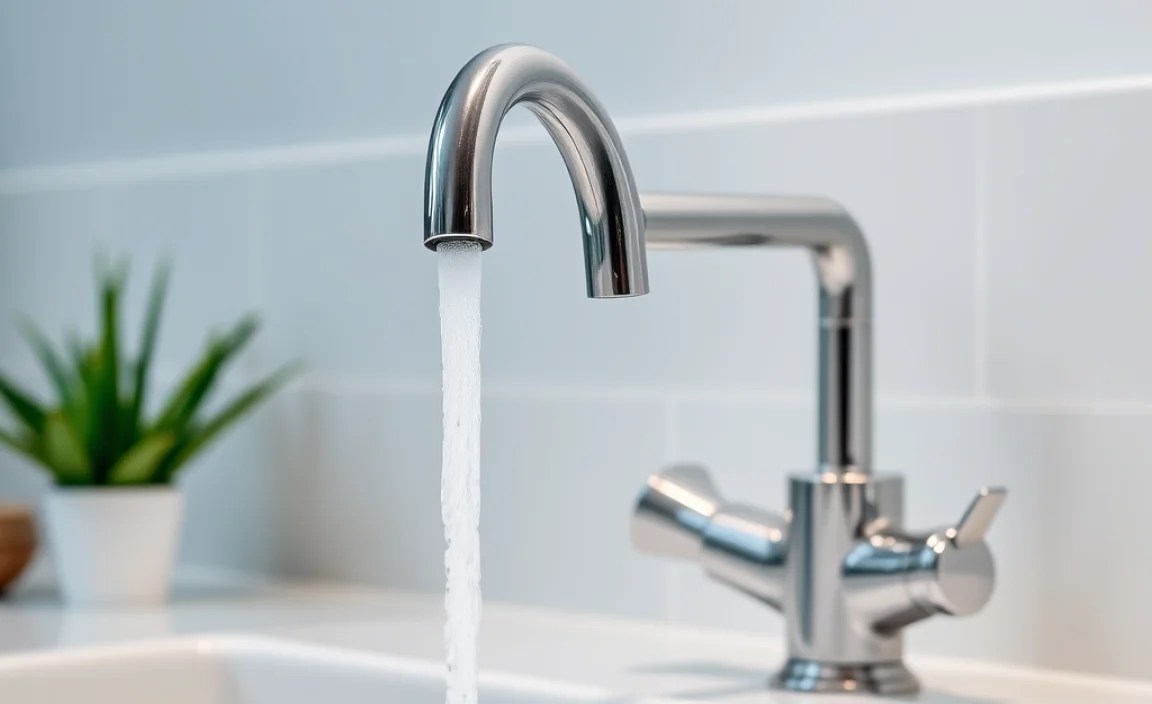
Before you start the unclogging process, it’s helpful to know where the blockage is likely occurring. The most common location for clogs that reduce flow to a mere trickle or a sputtering stream is the faucet aerator.
The Aerator: Your Faucet’s First Line of Defense (and Deposit!)
The aerator is the small, screw-on piece at the very tip of your faucet spout. Its job is to mix air with water, creating a smoother, splash-free stream. It also has a fine mesh screen that catches larger debris before it enters your drinking water. Unfortunately, this screen is also the perfect spot for mineral deposits and sediment to accumulate.
If you notice that both hot and cold water flow are reduced, and the stream is weak or sputtering from all faucets in your home, it’s highly likely the aerator is clogged.
Other Potential Clog Locations
While the aerator is the most frequent offender, clogs can sometimes occur deeper within the faucet or even further back in the plumbing.
- Faucet Cartridge: This is the internal mechanism that controls the water flow and temperature for single-handle faucets, or individual hot/cold controls for widespread faucets. If the cartridge is blocked or damaged, it can significantly reduce flow.
- Shut-off Valves: The valves under your sink (one for hot, one for cold) control water to the faucet. If these are partially closed or clogged, flow will be restricted.
- Supply Lines: The flexible hoses connecting the shut-off valves to the faucet itself can occasionally become clogged with debris.
For this guide, we’ll focus on the most common and easiest-to-fix clog: the aerator. If fixing the aerator doesn’t solve your problem, you might be looking at a more complex issue requiring a plumber, but it’s always best to start with the simplest solution.
Step-by-Step Guide: How to Unclog Your Faucet (Aerator Fix)

Ready to save some money and get your faucet flowing again? This guide focuses on cleaning a clogged faucet aerator, the most common DIY fix.
Tools and Materials You’ll Need:
- Adjustable pliers or channel lock pliers
- A small bowl or cup
- White vinegar
- An old toothbrush or a small stiff brush
- A clean cloth or paper towels
- Teflon tape (optional, but recommended for reassembly)
Step 1: Turn Off the Water Supply
This is a crucial safety step! Locate the shut-off valves under your sink. You’ll typically see one valve for hot water and one for cold water. Turn both valves clockwise until they are completely closed. This will stop water from flowing to the faucet.
To verify the water is off, turn the faucet handle(s) to the “on” position briefly. You should only get a small amount of residual water, then nothing.
Step 2: Remove the Aerator
The aerator is the fixture at the end of your faucet spout. Most aerators can be unscrewed by hand.
- For hand-removable aerators: Simply grip the aerator firmly and turn it counter-clockwise.
- For stubborn aerators: If you can’t loosen it by hand, wrap a cloth around the aerator to protect its finish. Then, use your adjustable pliers or channel locks to grip the aerator and turn it counter-clockwise. Be gentle to avoid damaging the spout.
Once loosened, carefully unscrew the aerator the rest of the way. Be prepared for a small amount of water to drip out.
Step 3: Disassemble the Aerator
Aerators usually consist of a few parts: the outer casing, a screen, and sometimes a washer or a small plastic flow-regulator. Gently pull or push these parts out of the casing. It’s helpful to do this over a clean surface, like a towel, so you don’t lose any small pieces.
Important Tip: Take a picture of the assembled aerator with your phone before you take it apart. This will help you remember how to put it back together correctly.
Step 4: Soak the Aerator Parts in Vinegar
Place all the disassembled aerator parts into your small bowl. Pour enough white vinegar into the bowl to completely submerge the parts. The acetic acid in vinegar is excellent at dissolving mineral deposits and limescale.
Let the parts soak for at least 30 minutes. For heavily clogged aerators, you can soak them for a few hours or even overnight.
Step 5: Scrub and Rinse the Parts
After soaking, use your old toothbrush or stiff brush to gently scrub away any remaining mineral deposits or debris from the aerator screen and casing. Make sure to clean out any small holes or crevices.
Once you’ve scrubbed them clean, rinse all the parts thoroughly under running water.
Step 6: Reassemble the Aerator
Carefully reassemble the aerator parts in the same order you took them apart. Refer to your phone’s picture if needed. Ensure any rubber washer or O-ring is seated properly to prevent leaks.
Step 7: Reattach the Aerator
Before screwing the aerator back onto the faucet spout, consider adding a fresh layer of Teflon tape to the threads of the spout. This helps create a watertight seal and makes it easier to remove in the future. Wrap the tape clockwise around the threads a few times.
Now, screw the reassembled aerator back onto the faucet spout. Hand-tighten it as much as you can. If it feels loose, use your cloth-wrapped pliers to give it an additional gentle turn (about a quarter turn) counter-clockwise. Be careful not to overtighten, as this can damage the aerator or faucet.
Step 8: Turn the Water Back On and Test
Slowly turn the shut-off valves under the sink counter-clockwise to restore the water supply. Turn the faucet handle(s) to the “on” position and check for leaks around the aerator. Test the water flow. You should notice a much stronger, steadier stream!
If you still have weak flow or leaks, double-check that the aerator is tightened properly and that all its internal parts are correctly assembled. If the problem persists, the clog might be deeper, or the aerator itself might be damaged and need replacing.
What if the Aerator Isn’t the Problem? Other DIY Fixes
Sometimes, cleaning the aerator does the trick. But if your faucet’s flow issues continue, the problem might be elsewhere. Here are a few more possibilities and what you can do for a low cost:
1. Checking the Faucet Cartridge
For single-handle faucets, the cartridge is the heart of the operation. If it’s clogged internally or damaged, it will restrict flow. Replacing a cartridge is often within the DIY realm, though it requires a bit more skill and the correct replacement part.
Cost: Replacement cartridges typically range from $20 to $60. You’ll also need a screwdriver set and possibly a cartridge puller tool (which can be $10-$30 or sometimes borrowed).
Process (Simplified): You’ll need to turn off the water, remove the faucet handle (usually involves finding a small set screw hidden under a decorative cap), remove the cartridge retaining nut or clip, pull out the old cartridge, insert the new one, and reassemble.
When to Consider: If cleaning the aerator made no difference to either hot or cold water flow.
2. Inspecting Shut-Off Valves
It’s less common, but the internal mechanism of the shut-off valves themselves can become clogged with debris.
Cost: Minimal. You might spend a few dollars on Teflon tape if you disconnect and re-seal the valve.
Process (Simplified): With the water off (as in Step 1), you can carefully disconnect the supply line from the shut-off valve. You might see sediment or debris. You can try to clear it with a small brush or by briefly opening the valve with the supply line disconnected (aim into a bucket!).
When to Consider: If you suspect a problem specific to one faucet in one area of your house, and cleaning the aerator didn’t help.
3. Debris in Supply Lines
Flexible water supply lines can get clogged.
Cost: Similar to checking shut-off valves, mostly your time and maybe some Teflon tape.
Process (Simplified): Disconnect the supply line from both the shut-off valve and the faucet. Check for blockages. You can try flushing them out. If they are damaged or heavily corroded internally, replacement is advisable.
When to Consider: If you’ve ruled out the aerator and suspect the lines are the cause, especially if they are old. New supply lines are quite affordable, typically $10-$25 each.
A reputable resource like Energy Star offers insights into water-efficient faucets, which indirectly relates to maintaining them for optimal flow.
Cost Comparison Table: DIY vs. Professional Faucet Unclogging
To visualize the savings, let’s compare the typical costs side-by-side.
| Service/Task | DIY Cost Estimate | Professional Plumber Cost Estimate |
|---|---|---|
| Minor Faucet Clog (Aerator Cleaning) | $5 – $40 (if new tools needed) | $100 – $300+ |
| Faucet Cartridge Replacement | $25 – $85 (parts + basic tools) | $200 – $400+ |
| Basic Plumbing Diagnosis | $0 – $5 (your time) | $75 – $150 (service call fee) |
| Total Potential Savings with DIY | Significant | Hundreds of dollars |
As the table shows, almost any plumbing task you can handle yourself will result in substantial savings. For a simple aerator clog, the difference is stark. It’s a compelling reason to adopt a DIY mindset for your home maintenance needs.
Tips for Preventing Future Faucet Clogs
Once you’ve got your faucet running smoothly again, you’ll want to keep it that way. Prevention is key, and thankfully, it’s often simple and doesn’t cost extra.
- Regular Aerator Cleaning: Make it a habit to unscrew and clean your faucet aerators every 3-6 months. This simple task can prevent most clogs before they start.
- Address Hard Water Issues: If you have hard water, consider installing a whole-house water softener or a faucet-specific filter. While this is an upfront investment (a water softener can cost $400-$2000, filters $20-$100), it can save your plumbing, appliances, and reduce the need for descaling.
- Be Mindful of What Goes Down Drains: Although this guide is about faucets, be aware that sediment from elsewhere in the house can affect faucet flow. Avoid letting excessive debris enter your plumbing system.
- Flush New Plumbing Fixtures: When installing new sinks or faucets, or after any major plumbing work, always flush the lines thoroughly before* attaching the aerator. This removes any construction debris that could otherwise quickly clog the aerator.
A little bit of preventative maintenance goes a long way in ensuring your faucets function perfectly and saving you the stress and cost of dealing with clogs.
When to Call a Plumber
While DIY is great for savings and convenience, there are times when calling a professional is the wisest and safest course of action.
- Persistent Problems: If you’ve tried cleaning the aerator and replacing the cartridge (if applicable) and the problem persists, it might indicate a deeper issue in your plumbing lines that requires professional diagnosis.
- Leaks from the Base or Handle: Leaks that aren’t related to the spout flow, especially those appearing from the base of the faucet or around the handle, can indicate a faulty valve stem or other internal seal issues that are harder to access and repair.
- Low Water Pressure in Multiple Fixtures: If you notice a significant drop in water pressure across multiple faucets and showerheads throughout your home, it could signal a larger problem with your main water line or municipal supply, which is definitely a job for the pros.
- Uncertainty or Lack of Tools: If you’re uncomfortable working with plumbing, lack the necessary tools.
