
Quick Summary: To unclog a toilet fast and effectively, use a toilet plunger as your primary tool. The proven method involves creating a strong seal, then plunging with a steady, forceful motion to dislodge the clog. This is usually the quickest and most reliable DIY fix for most common toilet blockages.
Nobody enjoys a clogged toilet. It’s one of those unexpected home emergencies that can really disrupt your day, causing stress and worry. The good news is that most toilet clogs aren’t a major problem and can be fixed quickly with a few common household tools. You don’t need to be a plumbing expert to handle this! This guide will show you the most effective and straightforward way—the proven essential method—to get your toilet flowing freely again in no time. Let’s tackle this common frustration together and restore normalcy to your bathroom.
We’ll walk through each step carefully. You’ll learn exactly what you need, how to use it, and what to do if the first attempt doesn’t quite do the trick. By the end of this article, you’ll have the confidence and know-how to unclog a toilet fast, just like a seasoned pro.
Understanding Why Toilets Clog
Before we dive into the unclogging process, it’s helpful to understand why toilets get clogged in the first place. Most clogs happen because too much toilet paper is flushed at once, or something absorbent like a feminine hygiene product, cotton ball, or even a child’s toy finds its way into the bowl. Unlike human waste and toilet paper, these items don’t break down easily, leading to blockages in the trapway (the S-shaped pipe that leads from the bowl to the drainpipe) or further down the line.
Sometimes, a partial clog can build up over time due to mineral deposits or debris. This can cause your toilet to flush sluggishly, eventually leading to a complete blockage. The key to unclogging is to apply pressure or force to break up or move the obstruction. Fortunately, this is typically achievable with simple tools readily available in most homes.
The Proven Essential Method: Using a Toilet Plunger
Why a Plunger is Your Go-To Tool
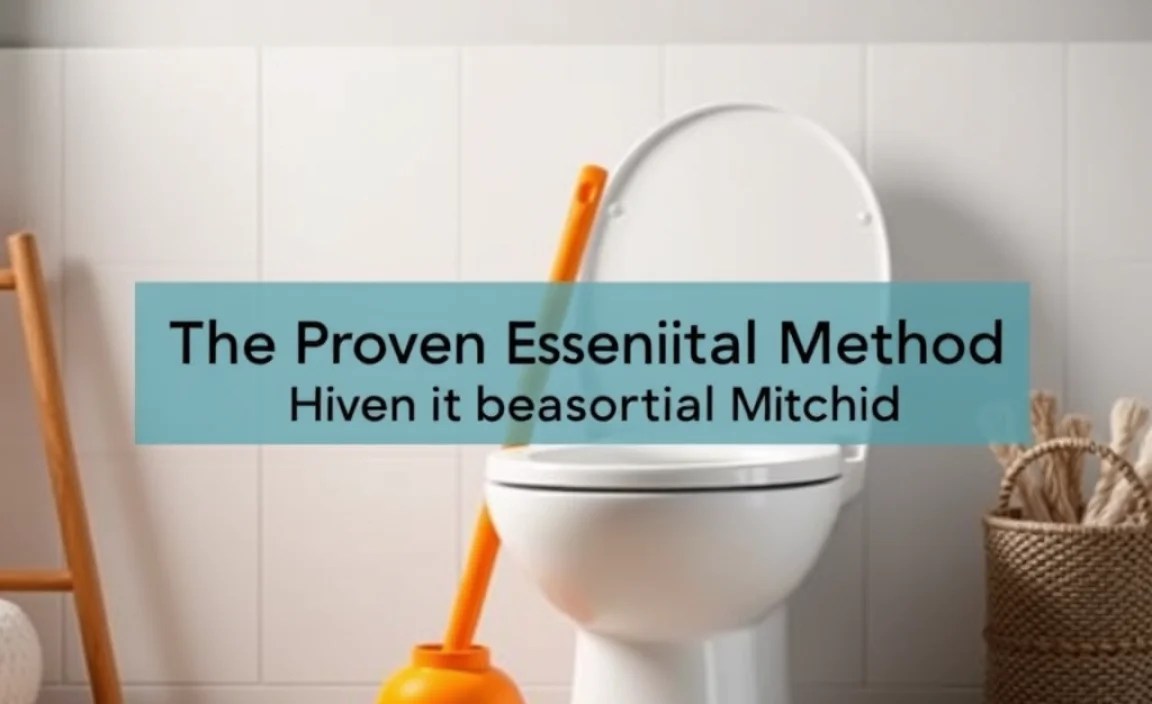
When it comes to unclogging a toilet quickly and efficiently, a toilet plunger is by far the most effective and recommended tool for beginners. Its design is specifically tailored for the task, creating suction and pressure to dislodge blockages. There are a few types of plungers, but the most effective for toilets is the flange plunger, also known as a toilet plunger. It has an extra flap that extends downward, which helps create a better seal in the toilet bowl’s drain opening.
Using a plunger is a safe, eco-friendly, and often the fastest way to resolve most common clogs. It avoids the need for harsh chemicals that can damage pipes or the environment, and it’s incredibly simple to use once you know the right technique.
Essential Tools You’ll Need
- A Flange Toilet Plunger: This is specifically designed for toilets with a flange (a rubber extension) to create a better seal. Make sure it’s a toilet plunger, not a sink plunger (which is flatter).
- Rubber Gloves: For hygiene and protection.
- Paper Towels or Old Rags: To clean up any potential splashes.
- A Bucket (optional): To bail out excess water if necessary.
Step-by-Step Guide to Unclogging Your Toilet
Follow these simple steps to get your toilet back in working order. Safety first – always wear your rubber gloves!
-
Prepare the Area
Lay down some paper towels or old rags around the base of the toilet to catch any drips or splashes. If the water level in the bowl is very high, you might want to close the lid to prevent overflow before you start. You can also turn off the water supply to the toilet by turning the valve located on the wall behind the toilet clockwise until it stops. This is a good safety measure to prevent flushing water from further filling the bowl if the clog is severe.
-
Position the Plunger
Submerge the plunger head completely in the toilet bowl water. Ensure there’s enough water to cover the rubber cup of the plunger. If there isn’t, add some water from another source (like a bucket from another bathroom’s sink). This helps create suction. Place the plunger directly over the drain hole, making sure the flange (the rubber extension) is pushed inside the hole to create a tight seal. The plunger cup should completely cover the drain.
-
Create a Seal
Gently push down on the plunger handle to expel air from the rubber cup and push water out of it, establishing a good seal against the drain opening. You want to feel resistance as you push down. The goal is for the plunger to form an airtight and watertight seal around the opening.
-
Plunge Vigorously
Once you have a solid seal, begin plunging. Pull up sharply on the plunger handle, then push it down with firm pressure. Repeat this motion vigorously for about 15-20 seconds. The pulling action is just as important as the pushing, as it draws water back up and helps break the clog. Maintain that seal throughout the plunging process. The motion should be consistent and strong, creating a pressure wave that pushes and pulls the blockage.
-
Check for Progress
After a good 15-20 seconds of plunging, carefully and slowly pull the plunger up and away from the drain opening. Listen for any gurgling sounds or watch if the water level starts to recede. If the water drains, even slowly, you’re on the right track! If the water level drops and doesn’t immediately refill, you can try flushing the toilet (make sure to turn the water valve back on if you closed it) to see if the clog has cleared. It might require a second round of plunging.
-
Repeat if Necessary
If the water still won’t drain, or if it drains very slowly, repeat steps 2 through 5. Sometimes, a stubborn clog requires several rounds of plunging to break it up completely. Ensure you maintain the seal each time. If after 3-4 attempts the clog remains, it might be time to consider another method.
-
Clean Up
Once the clog is cleared and the toilet flushes normally, clean your plunger thoroughly with disinfectant spray or bleach and water, rinse it, and let it dry before storing it. Dispose of any used rags or paper towels properly.
The key to successful plunging is patience and consistent, forceful motion. Don’t be afraid to put some energy into it!
When Plunging Isn’t Enough: Alternative Methods
While a plunger is usually the hero of the story, sometimes a clog proves to be a bit more stubborn. If the plunging method doesn’t work after a few attempts, don’t despair! Here are a few other effective DIY methods that can help:
1. The Hot Water and Dish Soap Method
This is a gentle, non-chemical approach that can be effective for clogs caused by a large amount of toilet paper or organic waste. The hot water helps to break down the waste, and the dish soap acts as a lubricant.
- What you’ll need:
- A bucket
- Hot (but not boiling) water
- Liquid dish soap
- Steps:
- Pour a generous amount of liquid dish soap (about half a cup) into the toilet bowl. Let it sit for about 10-15 minutes to allow it to seep into the clog.
- Heat about a gallon of water in a separate container. The water should be hot enough to help break down waste, but not so hot that it could crack the porcelain of the toilet bowl. Aim for a temperature around 150°F to 180°F (65°C to 82°C). You can achieve this by mixing hot tap water with some boiling water, or by using a kettle and letting it cool slightly before pouring.
- Carefully pour the hot water into the toilet bowl from about waist height. The height helps to create a bit of force.
- Let it sit for another 15-20 minutes. The combination of soap and hot water should help soften and break down the clog.
- Check if the water level has gone down. If it has, try flushing the toilet. If it hasn’t, you might need to resort to plunging or another method.
2. The Baking Soda and Vinegar Method
This is a classic DIY cleaning and unclogging combination. It creates a fizzing reaction when combined that can help break up blockages. It’s a more natural alternative to chemical drain cleaners.
- What you’ll need:
- Baking soda
- White vinegar
- Hot water
- Steps:
- Pour about one cup of baking soda into the toilet bowl.
- Slowly pour about two cups of white vinegar over the baking soda. The mixture will start to fizz and bubble immediately.
- Let the reaction work for about 30 minutes to an hour.
- After the fizzing subsides and the recommended time has passed, pour a bucket of hot, but not boiling, water into the toilet bowl (similar to the dish soap method, pour from waist height).
- Wait a few more minutes and then try flushing the toilet.
3. Using a Toilet Auger (Closet Auger or Snake)
If plunging and other methods fail, a toilet auger is the next best tool for a DIYer. It’s a specialized tool designed to reach further into the toilet trap and pipes to break up or retrieve clogs. It’s more effective than a general drain snake because its handle is designed to protect the bowl.
- What you’ll need:
- A toilet auger (closet auger)
- Rubber gloves
- Paper towels or rags
- Steps:
- Put on your gloves and lay down rags around the toilet.
- Insert the end of the auger into the toilet bowl drain. The protective sleeve on the auger will shield the porcelain.
- Gently push the auger into the drainpipe until you feel resistance, indicating you’ve reached the clog.
- Turn the auger’s handle clockwise to extend the cable and hook into the clog. You might feel the auger break through the blockage or grab onto it.
- Once you feel the clog break or you’ve hooked it, crank the handle counter-clockwise to retract the auger, bringing the clog with it or breaking it into smaller pieces.
- Pull the auger out of the toilet.
- Try flushing the toilet to see if the clog has been cleared. Repeat the auger process a few times if necessary.
A toilet auger is a powerful tool and a significant upgrade from a plunger for tougher clogs. Many homeowners find having one on hand invaluable for all their plumbing needs. For more information on drain cleaning tools and techniques, resources like This Old House offer excellent visual guides.
Understanding Different Types of Toilet Clogs

Not all clogs are created equal, and understanding the type of clog can sometimes help you choose the best removal method. Here’s a quick breakdown:
| Type of Clog | Common Causes | Best DIY Methods | When to Call a Pro |
|---|---|---|---|
| Toilet Paper Overload | Flushing too much toilet paper at once. | Plunger, Hot water & Dish Soap | If clog persists after repeated attempts. |
| Foreign Object Insertion | Toys, feminine hygiene products, cotton swabs, etc. | Toilet Auger (Closet Snake) to retrieve or break up. Plunger may push it further. |
If auger doesn’t work or object is too large. |
| Soft Clogs (Organic Waste) | Excessive waste buildup, sometimes with toilet paper. | Plunger, Hot water & Dish Soap, Baking Soda & Vinegar | Persistent slow draining despite efforts. |
| Hardened Clogs/Mineral Buildup | Calcium or limescale deposits, tree roots (further down pipe). | Toilet Auger is most effective. Chemical drain cleaners can be attempted but with caution. |
If auger fails, suggests deep pipe issue. |
| Main Line Clog | Multiple fixtures (toilets, sinks) are backing up. | None for DIY. Call a plumber immediately. | Always call a professional. |
If you notice that more than one fixture in your home is draining slowly or backing up, it’s a strong indicator that the problem is not just with your toilet but with your home’s main sewer line. In such cases, it’s crucial to contact a licensed plumber immediately, as attempting DIY fixes can worsen the situation and lead to significant water damage. The U.S. Environmental Protection Agency (EPA) also provides helpful resources on common toilet problems and water conservation.
Preventing Future Toilet Clogs
The best way to deal with a clogged toilet is to prevent it from happening in the first place! Here are some simple habits that can save you headaches and plumbing bills:
- Flush Responsibly: Only flush toilet paper and human waste. Never flush anything else down the toilet.
- Educate Family Members: Make sure everyone in the household, especially children, knows what not to flush. Keep a small trash can in the bathroom for items like wet wipes, paper towels, cotton balls, and feminine hygiene products.
- Use Toilet Paper Wisely: Avoid using excessive amounts of toilet paper in a single flush. If you need more, flush once with a smaller amount, then flush again with the rest.
- Consider Toilet Paper Quality: Some “ultra-soft” or “ultra-plush” toilet papers are designed to break down less easily, which can contribute to clogs.
- Regular Bowl Cleaning: While not a direct clog prevention, keeping your toilet bowl clean ensures the flushing mechanism and trapway are free of debris that could snag or contribute to blockages.
- Install a “Flushable” Wipes Dispenser: If you must use wipes, never flush them regardless of packaging. Instead, keep a designated bin available. Even “flushable” wipes can cause significant issues in plumbing systems.
- Check for Weak Flushing: If your toilet seems to be flushing weakly or slowly, it might be an early sign of a partial clog or a problem with the tank’s water level. Address these issues early.
- Address Hard Water: In areas with hard water, mineral deposits can build up over time. Regularly cleaning your toilet can help manage this.
These simple preventative measures can significantly reduce the likelihood of encountering a clogged toilet emergency.
Frequently Asked Questions (FAQ)
Q1: How quickly can I unclog a toilet using a plunger?
A: With the correct technique and if the clog isn’t too severe, you can often unclog a toilet within 5-10 minutes of active plunging. Some stubborn clogs might require a few more minutes or a second attempt.
Q2: What’s the difference between a toilet plunger and a sink plunger?
A: A toilet plunger, also known as a flange plunger, has an extra flap (flange) that extends downwards. This flange helps it fit better into the toilet bowl’s drain hole, creating a more effective seal. A sink plunger is typically flat and designed for flat surfaces like drains in sinks or bathtubs.
Q3: Can I use chemical drain cleaners for a clogged toilet?
A: While chemical drain cleaners exist, they are generally not recommended for toilets. They can be harsh on pipes, especially older ones, and can be damaging to septic systems. They can also be dangerous if they don’t work and you then attempt to plunge or use another method, as they can splash onto you. Plunger or auger methods are safer and more effective for most toilet clogs.
Q4: My toilet is clogged, but it’s not backing up significantly. Can I just wait?
A: It’s best not to wait. A partial clog can worsen over time and lead to a complete blockage.
