
Upgrade your exhaust fan fast and effortlessly with these simple steps. This guide breaks down the process for beginners, ensuring a quick and successful upgrade for better bathroom ventilation. Get ready to enjoy a fresher, drier space in no time! Dealing with a noisy, inefficient, or just plain outdated exhaust fan can be a real drag.
You know it needs an upgrade, but the thought of tackling a home improvement project might seem daunting, especially if you consider yourself more of a beginner. We get it! Those old fans hum too loud, don’t quite get the job done, and can even become an eyesore. But what if I told you that upgrading your exhaust fan can be surprisingly fast and, dare we say, almost effortless? It’s true! With the right approach and a bit of guidance, you can significantly improve your bathroom or kitchen’s air quality and comfort without the steep learning curve.
This guide is designed specifically for you. We’ll walk through the entire process, step by step, using clear language. You’ll learn what to look for, how to safely remove the old unit, and how to install a new one that makes a real difference. Ready to say goodbye to that tired old fan and hello to a fresh, modern upgrade? Let’s get started!
Why Upgrade Your Exhaust Fan? More Than Just Airflow!

Exhaust fans are the unsung heroes of our homes. They work quietly in the background to whisk away moisture, odors, and stale air, especially in high-moisture areas like bathrooms and kitchens. But over time, these hard workers can become less effective. An old or inefficient fan might:
- Fail to remove moisture: This leads to foggy mirrors, damp towels, and the perfect environment for mold and mildew growth. Persistent moisture can damage paint, drywall, and grout.
- Become noisy: That loud rattling or buzzing can be incredibly disruptive and a constant reminder that something isn’t right.
- Use too much energy: Older models are often less energy-efficient, costing you more on your electricity bills.
- Not move enough air: The fan might be running, but it’s not powerful enough to do the job effectively, leaving lingering smells and humidity.
- Be outdated in appearance: A yellowed grille or a clunky design can detract from your room’s overall look.
Upgrading your exhaust fan is a relatively simple project that offers significant benefits. It’s a DIY-friendly task that can quickly boost your home’s comfort and health. You’ll notice a difference in air quality and a reduction in issues related to excess moisture. Plus, modern fans are often quieter and more energy-efficient than their predecessors. Considering the relatively low cost and ease of installation, it’s a home improvement that truly pays off.
Choosing the Right Replacement Fan: What to Consider
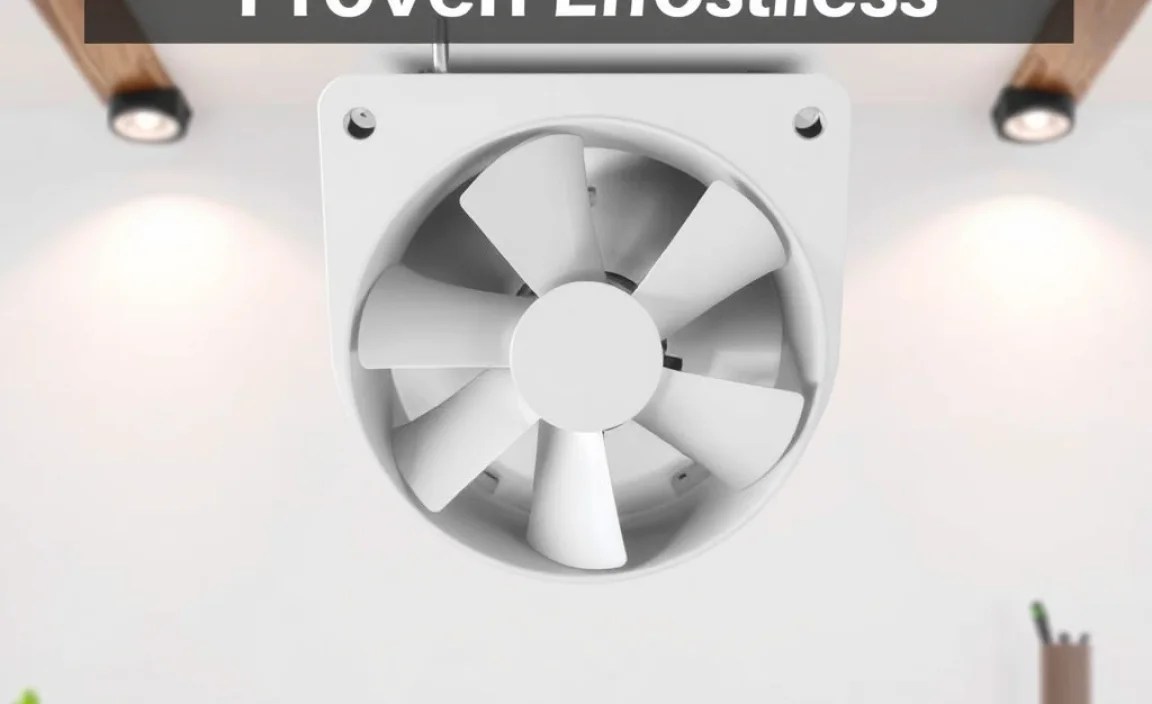
Before you even think about unscrewing the old fan, picking the right replacement is key to a fast and successful upgrade. You want a fan that fits your space, meets your needs, and maybe even offers some cool new features. Don’t worry; it’s not as complicated as it sounds. We’ll break down the essential factors:
1. Ventilation Power (CFM)
This is perhaps the most important spec. CFM stands for Cubic Feet per Minute and tells you how much air the fan can move. You need to match or exceed the CFM rating of your old fan, or size it appropriately for your room. A good rule of thumb for bathrooms is to have at least 1 CFM for every square foot of bathroom space. For example, a 100 sq. ft. bathroom needs at least a 100 CFM fan. Wet rooms or larger bathrooms may need higher CFM ratings.
For kitchens, especially those above ranges, you’ll need higher CFM to handle grease and cooking odors. You can check out guides from organizations like the ENERGY STAR program for general home ventilation recommendations, though specific fan sizing often depends on the manufacturer’s recommendations.
2. Noise Level (Sones)
Exhaust fans are often measured by their sound output in Sones. The lower the Sone rating, the quieter the fan. For bedrooms and living areas, a rating of 1.0 Sone or lower is ideal. For bathrooms, quiet operation is usually preferred, so aim for 2.0 Sones or less. Many modern fans are incredibly quiet, often below 0.5 Sones!
3. Energy Efficiency
Look for ENERGY STAR certified fans. These fans are designed to be more energy-efficient, meaning they use less electricity to do the same job, saving you money on your utility bills. They also tend to be better designed and more durable.
4. Size and Ducting
Most exhaust fans fit standard duct sizes (like 4-inch diameter). Before buying, quickly check the diameter of the duct attached to your old fan. You can usually measure it with a tape measure. Also, check the physical dimensions of the fan housing to ensure it will fit within your ceiling joist space. The grille size should also fit aesthetically.
5. Special Features
Modern exhaust fans can come with a range of handy features:
- Humidity Sensors: Automatically turn on when humidity levels rise and off when they drop.
- Motion Sensors: Activate when someone enters the room.
- Built-in Lights: Combine fan and light functions, reducing ceiling clutter.
- Heated Fans: For extra comfort on cold mornings.
- Bluetooth Speakers: For music or podcasts.
Consider which features would genuinely enhance your home without adding unnecessary complexity or cost.
6. Ventilation Type
Ensure you’re getting the right type of fan. Most are “in-line” (motor located between ducting) or “ducted” (motor directly above grille). For a straightforward swap, you’ll likely be replacing a ducted fan.
Essential Tools and Materials for a Fast Fan Upgrade
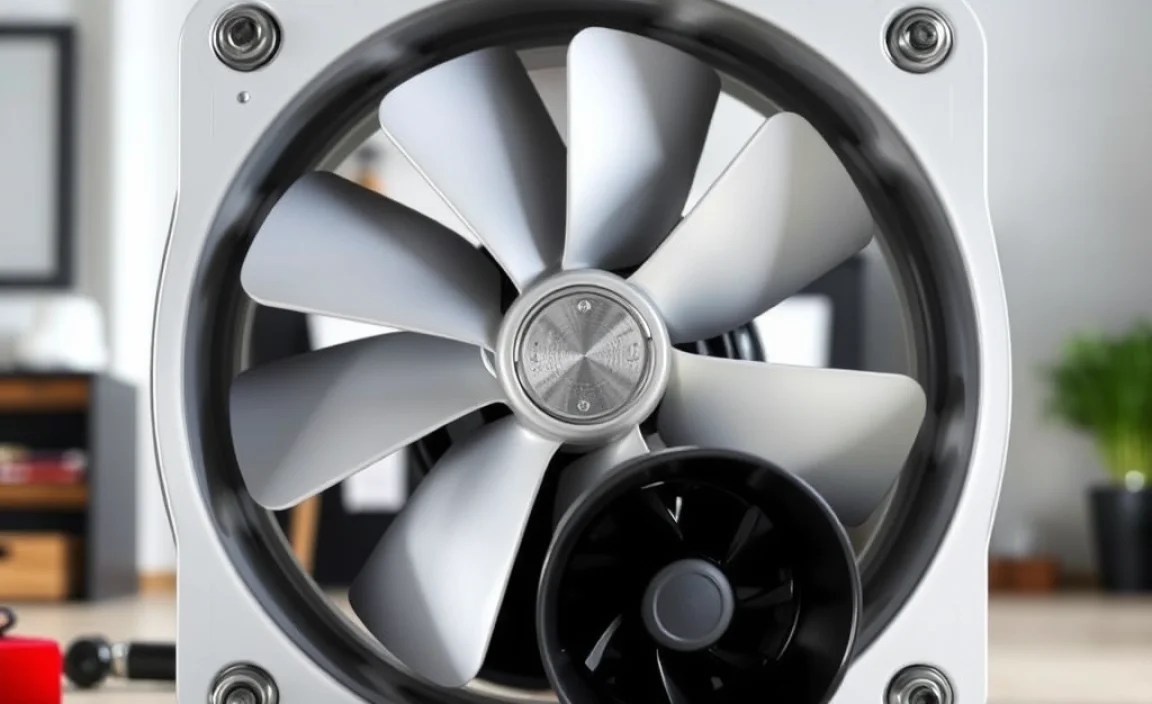
Gathering your tools and materials before you start is the secret to an effortless upgrade. You don’t want to be halfway through and realize you’re missing a crucial item. Here’s a checklist of what you’ll likely need. Safety first, so make sure you have your safety gear ready!
Tools You’ll Need:
- Screwdriver Set: Both Phillips head and flathead are usually needed.
- Wire Strippers/Cutters: For disconnecting and reconnecting wires.
- Pliers: Needle-nose pliers can be helpful for manipulating wires.
- Voltage Tester (Non-contact is safest): Absolutely essential for confirming power is off.
- Utility Knife: For scoring paint or caulk around the grille.
- Putty Knife or Pry Bar: To gently loosen the old fan grille.
- Stepladder: A sturdy one that allows you to reach comfortably and safely.
- Measuring Tape: To confirm duct size and fan housing dimensions if needed.
- Duct Tape or Foil Tape: For sealing the duct connection if necessary.
- Safety Glasses: To protect your eyes from dust and debris.
- Work Gloves: For a better grip and to protect your hands.
- Flashlight or Headlamp: To see clearly in dimly lit ceiling spaces.
Materials You’ll Need:
- Your New Exhaust Fan: Make sure it’s compatible with your existing setup as much as possible.
- Wire Nuts: Usually included with a new fan, but good to have extras.
- Possibly: A new length of ducting if the old one is damaged or you’re changing the fan’s position.
- Possibly: A drywall saw or cutting tool if you need to adjust the opening slightly for the new fan housing.
Think of this like packing for a trip. Having everything ready means the journey will be smooth. A quick trip to your local hardware store can ensure you have all these items on hand. If you’re unsure about any of these tools, don’t hesitate to ask a store associate. They are usually happy to point you in the right direction and explain their use.
Step-by-Step: Effortlessly Upgrade Your Exhaust Fan
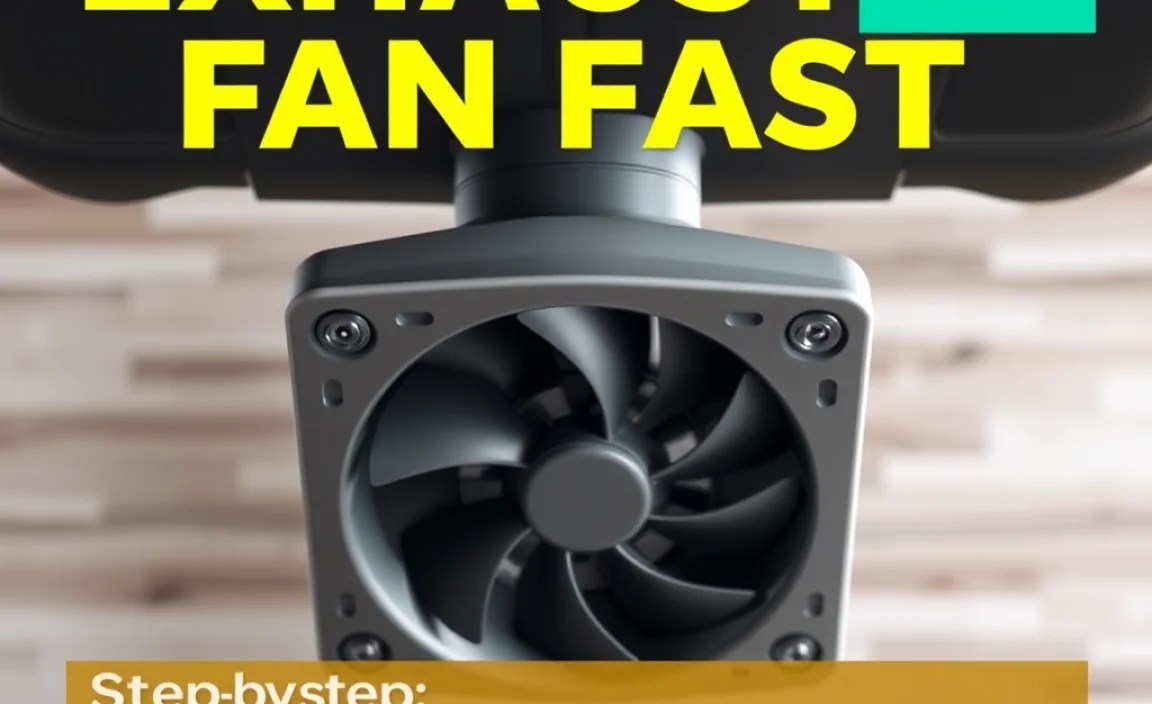
Let’s get down to business! This is where we tackle the actual replacement. Remember, safety is paramount. Always turn off the power at the breaker box before you start any electrical work.
Step 1: Turn Off the Power! (Crucial for Safety)
Locate your home’s main electrical panel (breaker box). Find the breaker that controls the exhaust fan you’re replacing. It might be labeled “Bathroom Fan,” “Kitchen Fan,” “Vent Fan,” or a specific room. Flip the breaker to the “OFF” position. To be absolutely certain, try turning on the fan switch. If it doesn’t turn on, the power is off. Even better, use your non-contact voltage tester near the fan’s wiring later to confirm.
Step 2: Remove the Old Fan Grille
Most exhaust fan grilles are held in place by spring clips. Gently pull down on the grille. You’ll likely see two spiral springs. The grille should pull down enough to access these springs. Push the springs up into the housing to release them, and the grille will detach. If it’s painted on, you might need to score the paint edge with a utility knife first.
Step 3: Remove the Old Fan Housing
Once the grille is off, you’ll see the internal fan unit. It’s usually secured to the ceiling joists. Look for screws or clips holding the fan housing in place. Carefully remove these. While doing this, look up into the ceiling space to see how the fan is mounted and how the duct is attached. You may need to disconnect the ductwork from the fan outlet.
Disconnect the duct:
- Often, the duct (flexible or rigid) is attached with a clamp or a zip tie. Loosen or cut the clamp/tie.
- Gently twist and pull the duct off the fan’s exhaust port.
- Ensure the duct opening is secured or covered temporarily to prevent debris from falling into it.
Step 4: Disconnect the Wiring
This is where the voltage tester is vital. Double-check that the power is OFF. You should see wires coming from the ceiling into the fan housing, typically connected with wire nuts. Unscrew the wire nuts. You’ll usually find three wires: a black (hot), a white (neutral), and a green or bare copper (ground).
- Important: Take a picture of how the wires are connected before you disconnect them. This is your reference!
- Carefully uncap the wire nuts.
- Separate the wires from the fan unit and the house wiring.
Step 5: Install the New Fan Housing
Most new fans are designed to fit into the existing opening. However, some housings might be slightly larger or smaller. If your new fan came with a template, use it to mark the ceiling if you need to adjust the opening (though for a fast swap, aim for a model that fits the existing hole). If the opening is too small, you might need a drywall saw. If it’s too large, you might need to frame it out (this is less common for a simple, fast upgrade).
Insert the new fan housing into the ceiling opening. Make sure it’s oriented correctly (usually with the fan motor facing down for most ducted fans). Secure it to the ceiling joists using the screws provided with the new fan. Ensure it’s snug and stable.
Step 6: Connect the Ductwork
Attach the ducting to the exhaust port of your new fan. Slide the duct over the port and secure it with a new clamp, zip tie, or foil tape. Ensure a tight seal to prevent air leaks, which reduce efficiency.
Step 7: Connect the Wiring
Refer to the picture you took or your new fan’s manual. Connect the wires from the house to the wires on the new fan using wire nuts:
- Ground wire: Connect the green or bare copper wire from the fan to the ground wire in the ceiling (usually bare copper or green).
- Neutral wire: Connect the white wire from the fan to the white wire in the ceiling.
- Hot wire: Connect the black wire from the fan to the black wire in the ceiling.
Ensure all connections are secure. Gently tuck the wires up into the fan housing.
Step 8: Attach the New Fan Grille
Align the new grille with the fan housing. If it uses spring clips, simply push the grille up, and the springs will engage. If it uses screws, attach them gently but firmly. Ensure the grille is flush with the ceiling.
Step 9: Restore Power and Test
Go back to your breaker box and flip the breaker for the exhaust fan back to the “ON” position. Go to your bathroom or kitchen and flip the fan switch. The new fan should turn on. Listen for any unusual noises and check for good airflow.
Congratulations! You’ve just upgraded your exhaust fan. It’s a tangible improvement you can feel and hear (or rather, not hear!).
Troubleshooting Common Issues
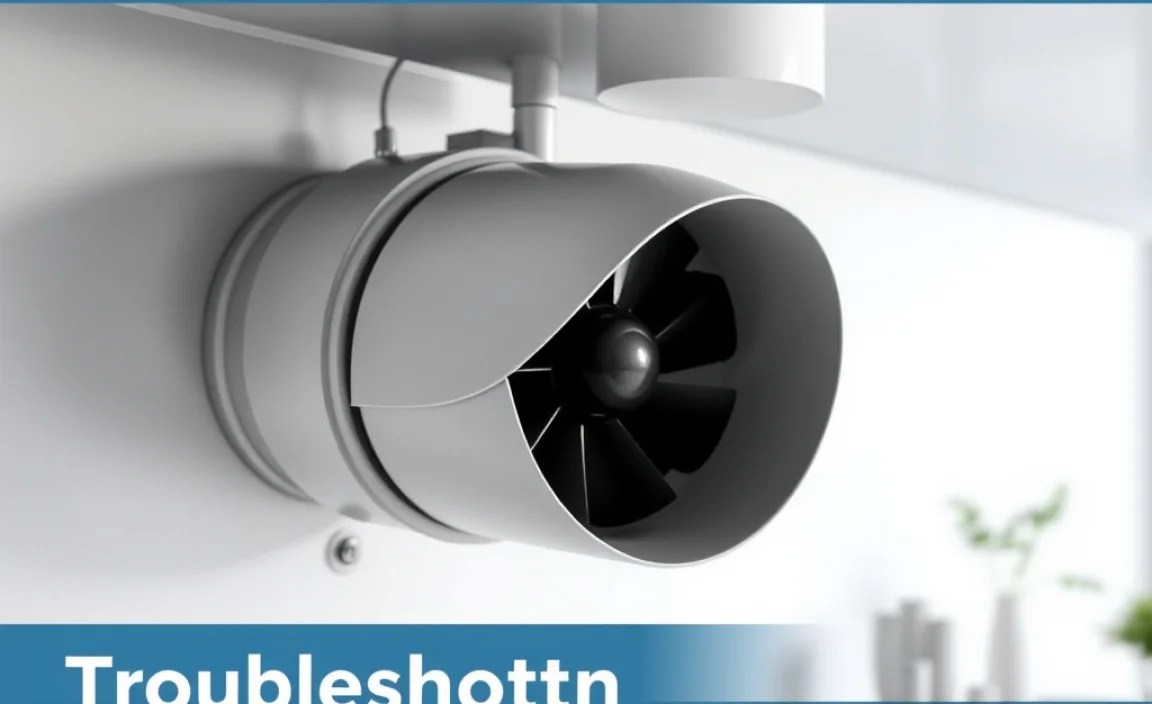
Even with the best intentions, sometimes things don’t go perfectly the first time. Here are a few common issues and how to fix them so you can complete your upgrade fast:
| Problem | Possible Cause | Solution |
|---|---|---|
| Fan doesn’t turn on. | Power still off at breaker. | Double-check breaker is ON. |
| Wiring is loose or incorrect. | Turn power OFF. Recheck wiring connections, ensuring wire nuts are tight and wires are correctly matched (refer to your photo/manual). | |
| New fan is faulty. | Ensure power is OFF. Test fan briefly by connecting directly to a known power source (e.g., an extension cord with wiring adapter, if you have the expertise!) or contact manufacturer. | |
| Fan is making strange noises (humming, rattling). | Fan housing not secured properly. | Turn power OFF. Open grille and ensure fan housing is tightly screwed to joists. |
| Ductwork is kinked or obstructed. | Turn power OFF. Check duct for kinks or debris. Ensure it runs smoothly to the exterior vent. | |
| Grille not attached correctly. | Turn power OFF. Ensure grille is flush and not vibrating against obstructions. | |
| Weak airflow. | Duct is too long or has too many bends. | Ideally, ducting should be as short and straight as possible. Consult fan manual for max duct run recommendations. Energy.gov provides general advice on home ventilation efficiency. |
| Duct connection leaks (not sealed). | Turn power OFF. Use foil tape to seal the connection between the fan and the duct. | |
| Exterior vent is blocked. | Check the vent cap on the outside of your house for debris like leaves or bird nests. |
Remember, if you’re ever unsure or uncomfortable, it’s always best to call a qualified electrician or HVAC professional. They can quickly diagnose and fix issues, ensuring your fan operates safely and efficiently.
Maintaining Your New Fan for Long-Term Performance
You’ve successfully upgraded your exhaust fan! To ensure it keeps performing at its best and to avoid needing another upgrade too soon, a little bit of regular maintenance goes a long way. It’s super simple and won’t take much of your time.
Regular Checks:
- Listen for Changes: Occasionally, just listen to your fan while it’s running. If it starts making new noises, it might be time for a closer look.
- Check Airflow: Periodically feel the airflow from the exhaust. If it seems weaker, investigate potential blockages.
- Inspect the Exterior Vent: Walk outside and check the vent cap where the fan exhausts to the outside. Clear away any leaves, nests, or debris that might be obstructing it. This is crucial for proper ventilation.
Cleaning:
The most common maintenance task is cleaning the grille and the fan blades. Over time, dust and lint can accumulate, reducing airflow and potentially unbalancing the fan.
- Turn off power at the breaker. Safety first, always!
- Remove the grille (using the same method as when you removed the old one).
