
Ready to transform your daily shower from drab to delightful without the stress? This guide offers straightforward, easy-to-follow tips for upgrading your shower, perfect for beginners. Learn how to add style, function, and spa-like comfort to your bathroom, making your shower a true sanctuary. Let’s dive in and reveal the secrets to an easy shower upgrade!
Your shower. It’s where you start your day, wash away the stress, and perhaps even sing your heart out. But sometimes, that daily ritual can feel a little… uninspired. Maybe the showerhead is more of a dribble than a downpour, the controls are outdated, or the overall look is just plain boring. Many homeowners think upgrading a shower is a huge, complicated, and expensive project. The good news?
It doesn’t have to be! You can achieve a significant, satisfying upgrade with simple changes that require minimal effort and DIY skills. We’re going to walk through some “genius” tips that make upgrading your shower easy and accessible for everyone, even if you’ve never picked up a wrench before. Get ready to reimagine your shower space and enjoy a more relaxing, invigorating experience every single day.
Why Upgrade Your Shower? The Big Benefits


Upgrading your shower isn’t just about making it look pretty. It’s about enhancing your daily life and adding real value to your home. Think about it: a better shower can mean a more relaxing start to your day, a more invigorating cleanse, and even saving water and energy. Plus, a modern, updated shower can significantly boost your home’s curb appeal and resale value. It’s an investment in your comfort and your property.
Boost Your Mood and Well-being
There’s something incredibly soothing about a great shower. A powerful, consistent stream, a relaxing rain effect, or even just the feeling of new, clean fixtures can turn a routine task into a mini spa experience. This small change can have a big impact on your mental well-being, helping you unwind and destress.
Increase Home Value
Renovated bathrooms, especially updated shower areas, are major selling points. Buyers are often looking for modern, clean, and functional spaces. Even a simple shower upgrade can make your bathroom feel more luxurious and up-to-date, potentially fetching a higher price when it’s time to sell.
Save Water and Energy
Older showerheads can be real water-wasters. Newer, high-efficiency models deliver a great shower experience while using significantly less water. This not only helps the environment but also cuts down on your utility bills. It’s a win-win!
Improve Functionality and Accessibility
Basic showers might lack features that could make them more comfortable or safer. Upgrades can include things like handheld showerheads for easier rinsing, better temperature controls for safety, or even more ergonomic handles. These improvements are especially beneficial for families with children or older individuals.
Easy Shower Upgrade: Top Genius Tips
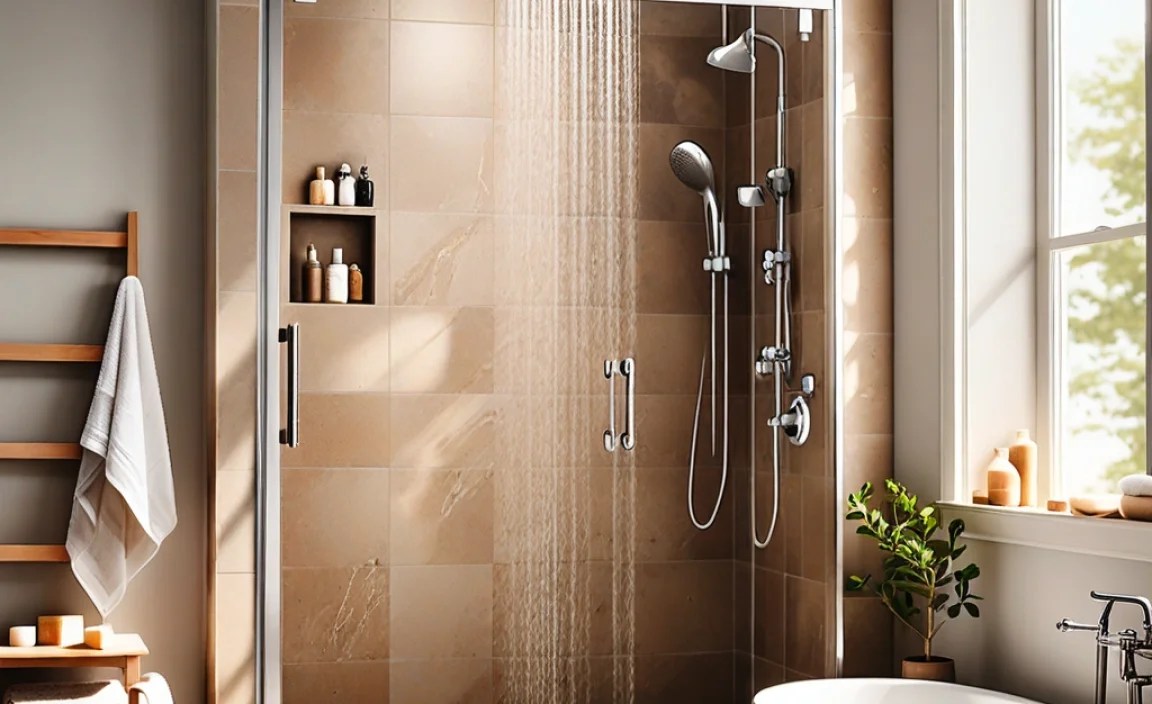
Ready to dive into the upgrades? We’ve broken down the most impactful and beginner-friendly ways to give your shower a fresh new look and feel. These tips focus on simplicity, effectiveness, and ease of execution, so you can tackle them with confidence.
1. The Showerhead Swap: Your First and Easiest Win
This is hands-down the most common and impactful beginner upgrade. A new showerhead can completely change your shower experience. From low-pressure dribbles to powerful, spa-like streams, finding the right showerhead is key. Most showerheads screw on and off easily, requiring only a few basic tools.
Why It’s Genius:
- Inexpensive and readily available.
- Quick installation (often under 15 minutes).
- Instantly noticeable difference in water pressure and spray pattern.
- Huge variety of styles and features.
Types of Showerheads to Consider:
- Fixed Showerheads: The most basic type, mounted directly to the shower arm. They come in various spray patterns.
- Handheld Showerheads: Attached by a flexible hose, these offer great flexibility for rinsing, cleaning the shower, and bathing children or pets.
- Rainfall Showerheads: Larger heads that mimic the gentle experience of rain, often mounted overhead.
- Dual Showerheads: Combine a fixed head with a handheld option, giving you the best of both worlds.
- High-Efficiency Showerheads: Designed to use less water (typically 2.5 gallons per minute or less) without sacrificing pressure. The U.S. Department of Energy sets standards for these.
How to Install a New Showerhead:
- Gather Your Tools: You’ll likely need an adjustable wrench, a clean cloth or rag, and possibly some plumber’s tape (PTFE tape).
- Remove the Old Showerhead: Wrap the cloth around the base of the old showerhead where it meets the shower arm. Use the adjustable wrench to carefully turn it counter-clockwise. If it’s stubborn, a little penetrating oil can help.
- Clean the Threads: Once the old head is off, clean the exposed threads on the shower arm to remove any old tape or debris.
- Apply Plumber’s Tape: Wrap new plumber’s tape clockwise around the shower arm threads about 3-4 times. This helps create a watertight seal.
- Install the New Showerhead: Screw the new showerhead onto the shower arm clockwise by hand. Tighten it gently.
- Tighten with a Wrench (if needed): If it doesn’t feel snug, use the wrench to give it a quarter-turn more. Be careful not to overtighten, as this can damage the threads.
- Test for Leaks: Turn on the water and check for any drips around the connection. If you see a leak, try tightening it slightly further or reapply plumber’s tape.
2. Upgrade Your Faucet Handles and Trim
Those old, tarnished, or plain faucet handles can really date your shower. Replacing just the handles and trim can make a massive difference, giving your shower a modern, cleaner look. This is often a cosmetic upgrade that also improves usability.
Why It’s Genius:
- Modernizes the look of your shower instantly.
- Relatively inexpensive compared to a full faucet replacement.
- Can be done with basic tools.
- Wide range of styles and finishes to match your bathroom decor.
What You Might Need:
- New faucet handles and trim kit (ensure it’s compatible with your existing valve body).
- Screwdriver (usually Phillips head).
- Adjustable wrench or basin wrench.
- Small hex wrench (Allen key), often included with the kit.
- Silicone caulk (if removing/replacing trim plates).
How to Change Faucet Handles and Trim:
- Identify Your Valve Type: Before buying a new kit, you need to know what type of valve your faucet uses (e.g., single-handle, two-handle, cartridge, ball, compression, or ceramic disk). If unsure, take a picture of your current faucet and handles to the hardware store.
- Turn Off the Water Supply: This is crucial for safety! Locate the water shut-off valves for your bathroom (usually under the sink) and turn them off. If you can’t find them or they don’t work, you’ll need to turn off the main water supply to your house.
- Remove the Old Handles: Look for a small screw, often hidden under a decorative cap or on the side of the handle. Remove the screw and pull the handle straight off. Some handles might have a set screw that requires a hex wrench.
- Remove the Trim Plate/Escutcheon: After the handle is off, you’ll see the trim plate or escutcheon. This is usually held on by screws. Remove these screws to take off the old trim.
- Clean the Area: Wipe down the wall around the valve to remove any grime or old caulk.
- Install the New Trim: Place the new trim plate against the wall, aligning the screw holes. Secure it with the new screws provided. If there’s a gap, you might need to apply a thin bead of silicone caulk around the edge (check your kit’s instructions).
- Install the New Handle: Slide the new handle onto the valve stem and secure it with the provided screw. Reattach any decorative caps.
- Turn Water Back On and Test: Slowly turn the water supply back on and operate the faucet. Check for leaks and ensure the water flows correctly.
3. Install a Shower Niche or Shelf
Tired of shampoo bottles cluttering the tub ledge or falling over? Adding a shower niche (a built-in recessed shelf) or a surface-mount shelf is a fantastic way to add storage and a touch of modern design.
Why It’s Genius:
- Creates organized, built-in storage.
- Keeps shower essentials neatly tucked away.
- Adds visual appeal and a “custom” look.
- Increases the perceived value of your shower.
Considerations for Niches:
- Wall Type: Most shower niches require access to the space between studs in your wall. This means cutting into drywall.
- Waterproofing: Proper waterproofing is absolutely essential to prevent leaks and mold. This is where tiling and sealing come in.
- Professional Help: If you’re not comfortable with drywall cutting or tiling, consider hiring a professional for this step or opting for a surface-mount shelf.
Options for Easier Storage Solutions:
- Surface-Mount Shelving Units: These are shelves that attach directly to the shower wall using adhesive or screws. Look for stainless steel or treated wood options.
- Corner Shelves: Triangular shelves that fit into the corner, often attached with suction cups or silicone adhesive.
- Shower Caddies: While not a permanent upgrade, a modern, well-designed shower caddy can drastically improve organization and appearance.
4. Update Shower Doors or Curtain Rod
The shower enclosure has a huge impact on the overall look. Switching from a dated shower curtain to a sleek glass door, or simply replacing an old curtain rod with a stylish new one, can dramatically uplift your bathroom’s aesthetic.
Why It’s Genius:
- Glass doors create a more open and luxurious feel.
- New rods and curtains offer design flexibility.
- Modern hardware looks much better.
- Relatively straightforward DIY projects.
Shower Curtain Rods:
Replacing a curtain rod is usually as simple as unscrewing the old one and screwing in the new. Consider tension rods for easy installation without drilling, or fixed rods for a more permanent and sturdy look.
Shower Doors:
While installing a full glass shower door can be a more involved project, it’s often manageable for a DIYer. Kits come with instructions, but careful measurement and precision are key. If you’re hesitant, this might be a job best left to professionals.
Tips for Choosing:
- Curtain Rods: Match the finish to your existing fixtures (chrome, brushed nickel, black, etc.).
- Shower Curtains: Fabric curtains feel more luxurious than plastic ones and come in endless patterns.
- Curtain Liners: Always use a waterproof liner behind your fabric curtain to protect it from soap scum and mildew.
- Glass Doors: Opt for tempered glass for safety and consider a finish that resists water spots.
5. Improve Lighting and Ventilation
Often overlooked, lighting and ventilation play a huge role in the shower experience and bathroom health. A dim, dreary shower is no one’s friend, and poor ventilation can lead to mold and mildew.
Why It’s Genius:
- Better lighting makes the shower feel larger and more inviting.
- Good ventilation prevents moisture damage and promotes a healthier environment.
- These upgrades can be surprisingly affordable.
Lighting:
- Waterproof Fixtures: Ensure any new lighting installed directly in the shower area is rated for damp or wet locations. Check the Consumer Product Safety Commission (CPSC) for electrical safety tips.
- LEDs: Consider energy-efficient LED bulbs for long-lasting, bright light.
- Task Lighting: A small spotlight or light panel can make a big difference.
Ventilation:
- Exhaust Fan Update: If your exhaust fan is old and noisy, replacing it with a newer, quieter, and more powerful model can significantly improve air circulation. Ensure it’s properly vented to the outside.
- Ventilation Timer: Install a timer switch for your exhaust fan so it automatically runs for a set period after you shower, ensuring maximum moisture removal.
6. Add a New Tile Accent or Grout Refresh
If you’re feeling a bit more adventurous and want to add some serious style, consider a tile upgrade. Even a small accent wall or a fresh coat of grout can make a shower feel brand new.
Why It’s Genius:
- Tiles add texture, color, and visual interest.
- A clean grout job makes the whole shower look new.
- Can be a DIY-friendly project with the right approach.
Tile Accent Wall:
You don’t need to tile the entire shower. Choose one wall (often the one behind the showerhead) to install a new tile pattern. Consider using peel-and-stick tiles for an ultra-easy, temporary solution, or traditional tiles for a more permanent upgrade.
Grout Refresh/Regrouting:
If your tiles are fine but the grout is stained or cracked, a simple refresh can do wonders. Clean the grout thoroughly with a good grout cleaner, or use a grout pen to recolor it. For severely damaged grout, you might need to remove and reapply it – a more involved but still manageable DIY task.
Grout Color Options:
The color of your grout can dramatically change the look of your tiles. White grout makes tiles pop, while gray or charcoal can create a more modern, subtle look.
| Upgrade Task | Estimated Difficulty (Beginner) | Estimated Cost | Time to Complete | Impact on Look & Feel |
|---|---|---|---|---|
| Showerhead Swap | Very Easy | $20 – $150+ | 15-30 minutes | High |
| Faucet Handle/Trim Update | Easy | $30 – $200+ | 1-2 hours | Medium |
| Add Shelf/Niche | Medium (Niche) / Easy (Shelf) | $15 – $100+ (Shelf) / $100 – $500+ (Niche w/ tile) | 1-4 hours (Shelf) / 1-3 days (Niche) | High |
| Update Shower Door/Rod | Easy (Rod) / Medium-Hard (Door) | $25 – $100 (Rod) / $200 – $1000+ (Door) | 30 mins – 1 hour (Rod) / 4-8 hours (Door) | High |
| Lighting/Ventilation | Medium | $50 – $300+ | 2-4 hours | Medium |
| Tile Accent/Grout Refresh | Medium (Refresh) / Hard (Install Tile) | $10 – $50 (Grout Pen) / $100 – $500+ (Tile) | 1-3 hours (Refresh) / 1-3 days (Tile) | Very High |
7. Upgrade Your Shower Drain Cover
Even the smallest elements can contribute to the overall aesthetic. A basic, utilitarian drain cover can be swapped for a sleek, modern one, adding a subtle but polished touch.
Why It’s Genius:
- Invisible upgrade that refines the look.
- Easy to install, often just unscrewing the old one.
- Available in various stylish finishes and designs.
Types of Drain Covers:
- Square and Round: The most common shapes.
- Linear Drains: Long, narrow drains that can be installed across the shower floor. These are more complex to install and often require professional help.
