
Ready to find the perfect sink upgrade? Searching “upgrade sink near me” brings you to a world of options! This guide simplifies choosing, buying, and even a sneak peek at installation. We’ll help you find a stylish, functional sink that fits your space and budget, making your kitchen or bathroom shine. Let’s dive in and discover the essential finds for your sink upgrade!
Upgrading your sink can dramatically change the look and feel of your kitchen or bathroom. It’s a fantastic DIY project that offers big rewards. Many homeowners feel a bit overwhelmed when looking to “upgrade sink near me” because there are so many styles, materials, and features to consider. But don’t worry! Finding the right sink is easier than you think. We’re here to break down everything you need to know, from understanding different sink types to where to find the best deals. You can absolutely do this, and by the end, you’ll have a beautiful, functional new sink!
Understanding Your Sink Upgrade Needs
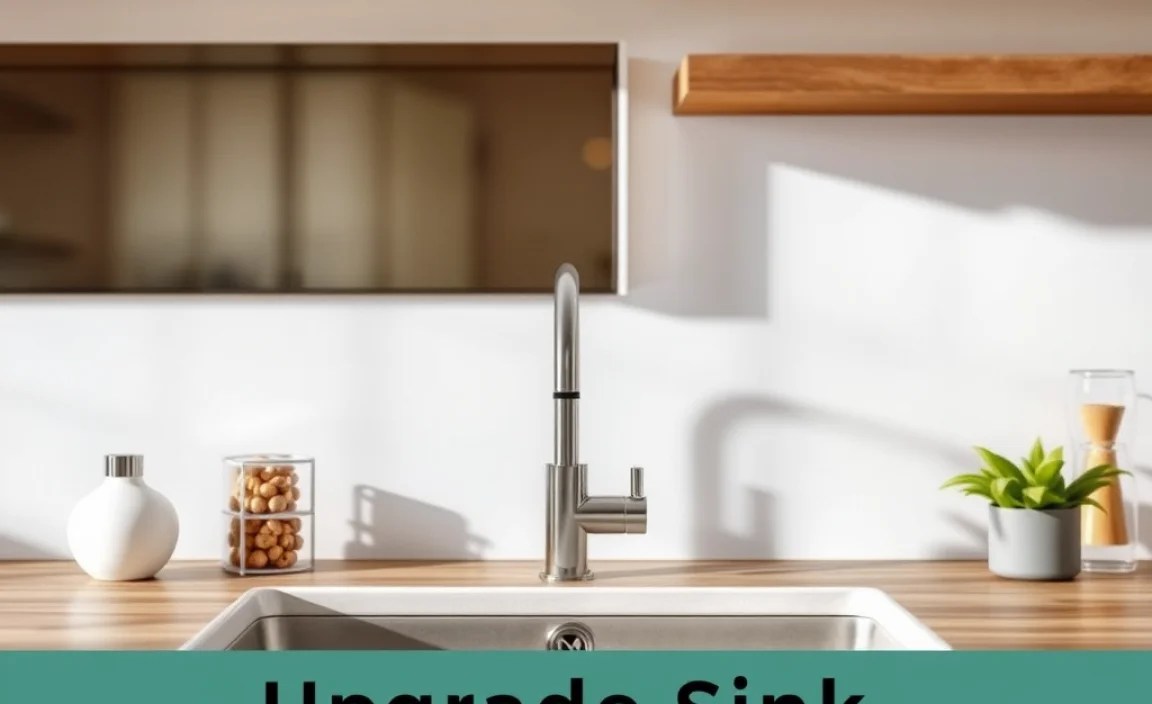
Before you start browsing, it’s smart to think about what you really need and want in a new sink. This helps narrow down your choices and ensures you pick something that works perfectly for your daily life. Consider the size of your existing cabinet, how you use the space, and the overall style of your room.
Kitchen Sinks: More Than Just a Basin
Your kitchen sink is a workhorse. It needs to handle everything from washing dishes to preparing food. When you search “upgrade kitchen sink near me,” you’ll see a variety of types designed for different needs:
- Top-mount (Drop-in) Sinks: These are the most common and generally the easiest to install. The rim of the sink rests on top of the countertop. They work with almost any countertop material.
- Undermount Sinks: Mounted beneath the countertop, these offer a sleek, seamless look and make cleaning countertops a breeze – just wipe crumbs right into the sink! They typically require a solid surface countertop (like granite, quartz, or solid wood).
- Farmhouse (Apron) Sinks: Characterized by their deep basins and a front panel that’s exposed, these sinks add a charming, traditional feel to a kitchen. They can be a bit more involved to install as they often require a special cabinet.
- Integrated Sinks: The sink and countertop are made from the same material (often solid surface or stainless steel) and are fused together. This creates an incredibly seamless and hygienic surface, but can be more expensive.
Bathroom Sinks: Style Meets Function
Bathroom sinks are often about style, but they also need to be practical. When looking to “upgrade bathroom sink near me,” think about the vanity and the space available:
- Pedestal Sinks: A classic choice, these have a basin that sits atop a slender pedestal. They’re great for smaller bathrooms as they take up less visual space.
- Wall-mount Sinks: These are attached directly to the wall, freeing up floor space and giving a minimalist look. They are ideal for very small bathrooms or powder rooms.
- Undermount Sinks: Just like in the kitchen, these are installed beneath the countertop, offering a clean look for vanities.
- Drop-in Sinks: Similar to kitchen drop-ins, these sit on top of the vanity. They are a budget-friendly and easy-to-install option for bathrooms.
- Vessel Sinks: These are decorative bowls that sit on top of the countertop. They can be a stunning focal point but might require a taller faucet.
Essential Sink Materials: Pros and Cons

The material of your sink is crucial for durability, appearance, and maintenance. Knowing the characteristics of each will help you make the best choice when you “upgrade sink near me.”
Here’s a quick look at popular sink materials:
| Material | Pros | Cons | Best For |
|---|---|---|---|
| Stainless Steel | Durable, resistant to heat and stains, easy to clean, affordable, variety of gauges (thickness). Thicker is better (18-gauge or lower). Learn more about stainless steel gauges. |
Can scratch, may show water spots, can be noisy if it doesn’t have sound dampening pads. Medium-weight (18-gauge) is common and good. |
Kitchens, high-traffic areas, modern or industrial styles. |
| Granite Composite | Extremely durable, resistant to scratches, chips, and stains. Available in many colors (often black, white, grey, biscuit). Can be heat resistant. | Can be heavy, might be more expensive upfront, potential for chipping if very heavy items are dropped from a height. | Kitchens, bathrooms aiming for a sophisticated, natural look. |
| Fireclay | Very durable, non-porous, scratch-resistant, stain-resistant, smooth surface, classic look. | Can be prone to chipping if a very heavy object is dropped, heavier than some other materials. | Farmhouse sinks, kitchens and bathrooms seeking a classic, enduring style. |
| Porcelain (Vitreous China) | Smooth, glossy finish, easy to clean, affordable, good for bathrooms. | Can chip or crack easily if a heavy object is dropped. The glossy finish can show scratches over time. | Bathrooms, powder rooms. |
| Cast Iron (Enamel Coated) | Extremely durable, heavy-duty, retains heat well, classic aesthetic, smooth enamel finish is easy to clean. | Very heavy (requires strong cabinet support), enamel can chip if struck forcefully, can be expensive. | Farmhouse sinks, traditional kitchens needing a robust sink. |
| Solid Surface (e.g., Corian) | Seamless integration with countertops, repairable scratches, non-porous, hygienic, available in many colors. | Can scratch more easily than granite composite, not as heat resistant as other materials. | Integrated sinks, modern bathrooms and kitchens. |
Key Features to Consider for Your Sink Upgrade

Beyond the basic type and material, think about features that can make your new sink even better. These thoughtful additions can enhance usability and your overall satisfaction.
- Single vs. Double Bowl:
- Single Bowl: Offers a large, uninterrupted space, perfect for washing big pots and pans or for a dedicated space like a bar sink.
- Double Bowl: Lets you multitask – wash dishes in one bowl while rinsing or drying in another, or use one for dirty dishes and the other for clean ones. Bowls can be equal or unequal in size.
- Depth: A deeper sink (9 inches or more) can hold more dishes and reduce splashing from the faucet. Be mindful of the cabinet space below, as very deep sinks might interfere with plumbing or drawers.
- Faucet Holes: Check how many holes are drilled in your new sink and compare it to your existing faucet setup. Some sinks come with multiple pre-drilled holes that can be covered with a cap if not used.
- Drainboard: Some sinks have a built-in ribbed area next to the basin to help dishes air dry.
- Sound Dampening: Look for sinks with sound-dampening pads or coatings, especially for stainless steel sinks, to reduce noise from running water or dropped items.
Where to Find sink Upgrade Options Near You

When you’re searching “upgrade sink near me,” you have several reliable options. Each offers a different shopping experience and range of products.
- Big Box Home Improvement Stores:Stores like Home Depot, Lowe’s, and Menards are excellent places to start. They offer a wide selection of sinks in various materials, styles, and price points. You can see and touch the sinks, compare brands, and often find helpful staff. They are also great for finding all the necessary installation tools and supplies.
- Pros: Wide selection, competitive pricing, convenient location, accessible staff.
- Cons: Can be overwhelming with choices, staff expertise can vary.
- Specialty Kitchen and Bath Showrooms:These showrooms focus specifically on kitchens and bathrooms. They often carry higher-end or more unique designs. While prices might be higher, the quality and design options are usually exceptional, and the staff are typically very knowledgeable and can offer personalized advice tailored to your specific needs.
- Pros: High-quality and unique options, expert advice, curated selections.
- Cons: Generally more expensive, location might be less convenient for some.
- Online Retailers:Websites like Amazon, Wayfair, Build.com, and manufacturer-specific sites offer an enormous selection. You can often find great deals and hard-to-find models. Reading customer reviews can be very helpful when buying online.
- Pros: Vast selection, competitive pricing, convenience of shopping from home, extensive reviews.
- Cons: Cannot physically inspect the product before buying, potential shipping delays or damage.
Tips for Safe Online Shopping from the FTC.
- Local Plumbing Supply Stores:These stores often carry professional-grade plumbing fixtures, including sinks. They might have fewer designer options but can be excellent sources for durable, high-quality sinks and parts. The staff are usually very experienced with plumbing products.
- Pros: High-quality products, knowledgeable staff, good for specific plumbing needs.
- Cons: Selection can be more limited and cater to trade professionals.
Planning Your Sink Upgrade Project
A successful sink upgrade involves more than just picking out a new sink. A little planning goes a long way to ensure a smooth project.
Step 1: Measure Your Space
This is the most critical step! Measure the existing opening in your countertop for the sink. Also, measure the width and depth of the cabinet below. This ensures your new sink will fit mechanically and that there’s enough clearance for the drains and faucet connections.
Step 2: Choose Your Sink Style and Material
Based on your needs, budget, and the information above, select the type of sink (e.g., undermount, drop-in) and its material (e.g., stainless steel, granite composite).
Step 3: Select a New Faucet (Optional but Recommended)
If you’re upgrading your sink, it’s often a good time to replace your faucet too. Make sure the new faucet is compatible with the number of holes in your sink and that its style complements the sink and your room’s decor.
Step 4: Gather Your Tools and Supplies
Having everything ready before you start will save a lot of frustration. For a typical sink replacement, you might need:
- Adjustable wrenches
- Pipe wrench
- Basin wrench (very helpful for tight spaces)
- Screwdriver set
- Utility knife or putty knife
- Plumber’s putty or silicone sealant
- Bucket (for catching water)
- Safety glasses and gloves
- Caulking gun (if using silicone sealant)
- Pliers
- Teflon tape
- New drain assembly and overflow (if not included with sink)
- New P-trap and supply lines (recommended)
You can find most of these at your local home improvement store or online. A good basn wrench is a lifesaver for faucet nuts!
Step 5: Budget Your Project
Consider the cost of the sink itself, a new faucet (if needed), plumbing supplies (like new supply lines and a P-trap), sealant, and any tools you might need to purchase. Don’t forget to factor in potential costs for professional help if you decide you need it for parts of the installation.
A Glimpse into Installation (DIY vs. Professional)
While many sink upgrades are manageable DIY projects, knowing when to call a professional is key for a safe and leak-free installation. Here’s a general idea of the process.
DIY Installation Basics:
- Turn off the water: Locate the shut-off valves under the sink (hot and cold) and turn them off completely.
- Disconnect plumbing: Place a bucket under the P-trap, loosen the nuts connecting the drain pipes, and remove the old drain assembly. Then, disconnect the water supply lines from the old faucet and sink.
- Remove the old sink: For a drop-in sink, break the seal with a utility knife, then unfasten any clips or brackets holding it in place from underneath. Carefully lift the old sink out. For an undermount, you’ll need to detach it from the underside of the countertop, which can be trickier.
- Prepare the new sink: Install the new faucet and drain assembly onto the new sink before placing it in the countertop. Apply plumber’s putty or silicone sealant around the rim of the sink or the countertop opening according to the manufacturer’s instructions to create a watertight seal.
- Install the new sink: Carefully place the new sink into the opening. For drop-ins, secure it with the provided clips. For undermounts, it will likely be adhered to the underside of the countertop.
- Reconnect plumbing: Connect the new drain assembly and water supply lines to the new faucet and the existing plumbing.
- Test for leaks: Turn the water back on slowly and check all connections for leaks. Run water and let the sink fill up to test the drain.
When to Call a Professional Plumber:
- If you’re uncomfortable with plumbing or turning off the main water supply.
- If your existing plumbing is old, corroded, or not up to code.
- For complex installations, like a new garbage disposal or a P-trap that needs significant modification.
- If you’re installing an undermount sink on a material that’s difficult to work with, or if you’re not confident in achieving a perfect, leak-proof seal.
- When dealing with specialty sinks or custom countertops.
A professional plumber ensures the job is done correctly and safely, potentially saving you from costly water damage down the line. You can search “plumber near me” or “sink installation near me” for local experts.
Maintaining Your New Sink
Once your beautiful new sink is installed, a little regular care will keep it looking great and functioning perfectly for years to come.
- Regular Cleaning: Wipe down your sink daily with a mild soap and water. For tougher grime, use a cleaner recommended for your sink’s specific material. Avoid abrasive cleaners or scrub pads on delicate surfaces like porcelain or certain composites, as they can cause scratches.
- Prevent Stains: Don’t let harsh chemicals, acidic foods (like lemon juice or tomato sauce), or metal objects sit in the sink for extended periods, as they can cause staining or discoloration, especially on lighter materials.
- Address Water Spots: For materials prone to water spots (like stainless steel), drying the sink with a soft cloth after use can make a big difference. A gentle polish can restore shine.
- Inspect Drains and Faucets: Periodically check for any signs of leaks around the drain and faucet connections. Tighten connections if necessary, but be careful not to overtighten.
- Deep Cleaning: Depending on your material, a deeper clean might involve a baking soda paste for mild scrubbing or specific stone cleaners for granite composites. Always follow manufacturer guidelines. The EPA provides guidelines for safe and effective cleaning in the home.
Frequently Asked Questions About Sink Upgrades
Here are some common questions beginners have when considering a sink upgrade.
Q1: How much does it typically cost to upgrade a sink?
A1: The cost varies widely. A basic drop-in sink and faucet might cost a few hundred dollars for materials. High-end materials like granite composite or a premium farmhouse sink, coupled.
