
Quick Summary: Drains in plumbing are essential for safely and efficiently removing wastewater and preventing backups. They include simple outlets, P-traps for odor control, overflow drains for safety, and specialized drains for appliances, all crucial for a healthy home environment.
Dealing with water in your home is a big part of keeping things running smoothly. Sometimes, water needs to go somewhere specific, like down the drain. It’s easy to overlook how important these simple openings are until they’re blocked or not working right.
A well-functioning drain system is key to preventing water damage and keeping your living space fresh and hygienic. This guide will break down the different uses of drains in your plumbing system, explaining what they do and why they’re indispensable. We’ll explore the essential types and their roles, so you can understand and maintain your home’s plumbing with confidence.
Understanding the Basics: Why Do We Even Need Drains?
At its core, a drain is an opening or channel designed to allow liquid to flow away from a specific area. In plumbing, this means safely and effectively transporting used water, also known as wastewater, from your sinks, showers, toilets, and appliances out of your home and into the sewer system or a septic tank. Without drains, water would simply pool and stagnate, creating a breeding ground for bacteria, unpleasant odors, and significant structural damage to your home.
They are the unsung heroes quietly managing the flow of water, keeping our homes clean and healthy. Think of your home’s plumbing system like a circulatory system, but for water. Clean water comes in, gets used, and then the used water needs to go out. Drains are the exit routes. They don’t just let water escape; they do it in a controlled way, often with added features to protect your home and health.
The Essential Drain Types and Their Crucial Roles

Not all drains are created equal. Different areas of your home require different types of drains, each designed to handle specific tasks and ensure optimal function. Understanding these variations is the first step to appreciating their “proven essentials.”
1. Fixture Drains: The Most Common Outlets
These are the drains you see every day in your sinks, bathtubs, and shower floors. Their primary purpose is simple: to let the water used in these fixtures drain away. But even these common drains have some hidden importance.
- Sink Drains: Found in kitchens and bathrooms, these are for washing hands, dishes, or brushing teeth. They connect directly to the larger drainage system.
- Tub and Shower Drains: These are designed to handle larger volumes of water quickly, ensuring that water doesn’t build up on your shower floor or in your bathtub.
While seemingly straightforward, the design of these drains includes a crucial component for preventing sewer gases from entering your home: the trap. We’ll dive into that next.
2. The Mighty P-Trap: Your Defense Against Stinky Air
You might not see it, but it’s one of the most important parts of your entire drainage system. The P-trap is a U-shaped section of pipe located beneath almost every fixture drain. Its genius lies in its simplicity and its effectiveness.
- How it Works: After water drains from the fixture, a small amount of water remains trapped in the U-bend. This standing water creates a seal that physically blocks sewer gases and odors from rising back up through the drain and into your home.
- Why it’s Essential: Sewer gases contain harmful components like methane and hydrogen sulfide, which are not only unpleasant smelling but also potentially explosive and toxic. The P-trap is your invisible shield against these hazards.
- Maintenance Tip: If you notice a sewer smell coming from a sink or drain, it could indicate that the P-trap has dried out (common in seldom-used drains) or is clogged.
You can often see the P-trap under a kitchen or bathroom sink. It’s that curved pipe that looks like a lowercase ‘p’ lying on its side.
3. Overflow Drains: The Safety Net
Many sinks and bathtubs come equipped with an overflow drain. This is a small hole located near the top of the fixture. It acts as a crucial safety feature to prevent flooding.
- Purpose: If you accidentally leave the water running in a sink or tub, or if the primary drain becomes partially blocked, the overflow drain will channel excess water away, preventing it from spilling onto your bathroom or kitchen floor.
- Connection: This overflow channel connects to the main drainpipe, usually just below the fixture, and also works in conjunction with a P-trap to maintain the water seal.
- Maintenance: Overflows can sometimes get clogged with soap scum and hair. Cleaning them regularly ensures they can do their job when needed.
You can usually spot the overflow by looking at the upper section of your sink basin or the side of your bathtub. There’s often a metal plate with small holes, which covers the entry to the overflow.
4. Floor Drains: For Spill-Prone Areas
Floor drains are typically found in areas where spills are common or where water is frequently used, such as basements, garages, laundry rooms, and commercial kitchens.
- Function: They are designed to safely collect and remove spilled liquids or wash-down water directly from the floor.
- Design: These are usually simple grate openings set into the floor, connected to the building’s drainage system. Many also incorporate a P-trap mechanism underneath to prevent odors.
- Benefits: Essential for preventing water damage and maintaining a clean, dry environment in areas prone to moisture or liquid spills.
Regularly checking floor drains for debris can prevent them from becoming clogged, which is especially important in flood-prone areas like basements.
5. Appliance Drains: Specialized Water Management
Several household appliances require direct plumbing connections for water drainage. Specialized drains are incorporated into these appliances or their hookups.
- Washing Machines: The drain hose from a washing machine typically empties into a standpipe or a wall-mounted drain connection. This outlet is designed to handle a significant volume of water quickly.
- Dishwashers: The drain hose from a dishwasher connects to the sink’s plumbing, often via a branch under the sink. This connection point is crucial for preventing backflow and ensuring proper drainage.
- Sump Pumps: While not a “drain” in the traditional sense, a sump pump system is vital in homes with basements prone to flooding. It collects groundwater or seepage and pumps it away from the foundation.
Proper installation and maintenance of appliance drain connections are vital. A disconnected or clogged hose can lead to significant water damage inside your home.
The Science Behind the Flow: How Drains Work Together
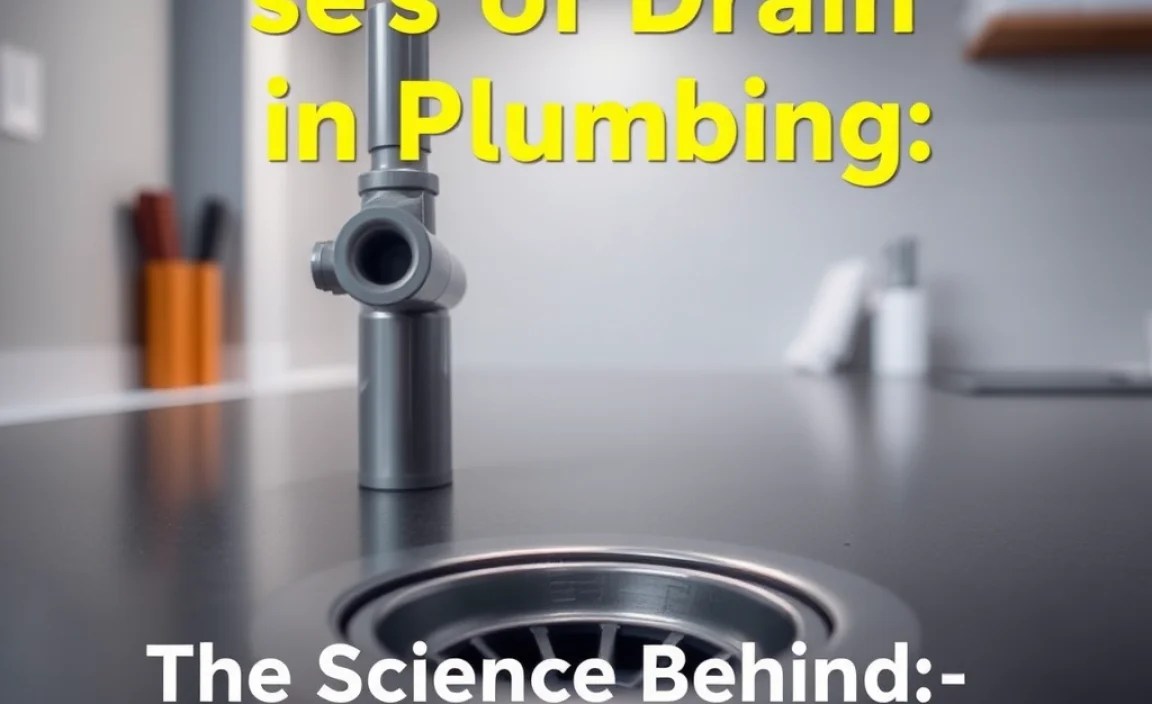
Your home’s drainage system isn’t just a collection of holes. It’s a carefully designed network of pipes that uses gravity and sometimes, mechanical force, to move wastewater away efficiently.
Gravity: The Driving Force
Most residential drainage systems rely on gravity. Pipes are installed with a slight downward slope, ensuring that water flows naturally from your fixtures towards the main sewer line or septic system. The pitch of these pipes is critical; too little, and water will pool and stagnate; too much, and solids may not be carried along properly.
According to the International Plumbing Code, the minimum slope for drainpipes varies based on their diameter, often ranging from 1/8 inch per foot for larger pipes to 1/4 inch per foot for smaller ones to ensure adequate velocity for waste transport. You can learn more about plumbing codes and standards from resources like the International Code Council (ICC), which sets many of these guidelines.
Traps and Vents: The Dynamic Duo
We’ve discussed traps, but they work in tandem with a venting system. Vents are small pipes that run from your drainage system up to the exterior of your home, usually through the roof. They perform several vital functions:
- Allow Air In: As water flows down a drain, it can create suction. The vent system allows air to enter the pipes, equalizing the pressure and preventing that suction from siphoning the water out of the P-trap.
- Release Sewer Gases: Vents allow the harmful sewer gases to escape safely outside, rather than building up pressure within the pipes or entering your home.
- Facilitate Flow: Proper venting ensures that water flows freely down the drain without gurgling or slow drainage, which can be signs of venting issues.
Without a proper venting system working with the traps, your drains would be prone to siphoning, gurgling, and allowing sewer gases to seep into your home.
Common Drain Problems and Simple Fixes
Even the most robust drain systems can encounter issues. Fortunately, many common problems can be addressed with simple DIY methods. Understanding these can save you time and money.
1. Slow Drains
Cause: Usually caused by a buildup of hair, soap scum, grease, or food particles within the pipe.
- Solutions:
- Boiling Water: Pour a kettle of boiling water down the drain. This can often dissolve grease and soap residue. Repeat a few times if necessary.
- Baking Soda and Vinegar: Pour about half a cup of baking soda down the drain, followed by half a cup of white vinegar. Let it fizz for 15-20 minutes, then flush with hot water.
- Plunger: A sink plunger can create suction and pressure to dislodge minor clogs. Ensure a good seal around the drain opening.
- Drain Snake (Auger): For tougher clogs, a drain snake can physically break up or pull out the obstruction.
2. Complete Clogs
Cause: A more significant blockage preventing any water from draining.
- Solutions:
- Drain Snake (Auger): This is often the most effective DIY tool for complete clogs. Feed the snake into the drain until you meet resistance, then crank the handle to break up or retrieve the clog.
- Chemical Drain Cleaners (Use with Caution): While readily available, chemical cleaners can be harsh and damage pipes if used improperly or too frequently. Always follow product instructions precisely and ensure good ventilation. Their use is generally discouraged by plumbers in favor of mechanical methods.
- Professional Help: If DIY methods fail, it’s time to call a plumber. They have specialized tools and expertise to handle stubborn clogs without damaging your plumbing.
3. Leaking Drains
Cause: Loose connections, worn-out seals, or cracked pipes.
- Solutions:
- Check Connections: Under sinks, ensure that all pipes and fittings are snug. Gently tighten any loose connections.
- Inspect Seals: Look for worn or damaged rubber gaskets or seals, especially around the drain flange in sinks and tubs. These may need replacement.
- Professional Inspection: For leaks within walls or hard-to-reach areas, it’s best to consult a plumber.
Preventative Maintenance: Keeping Your Drains Flowing Freely
The best way to deal with drain issues is to prevent them from occurring in the first place. A little proactive care goes a long way!
Simple Habits for Healthy Drains:
- Use Drain Strainers: Place strainers in sink and shower drains to catch food scraps, hair, and other debris before they enter the pipes. Empty and clean them regularly.
- Avoid Pouring Grease Down the Drain: Grease hardens in pipes and is a major cause of clogs. Pour cooled grease into a disposable container and throw it in the trash.
- Dispose of Solids Appropriately: In the kitchen, scrape food scraps into the trash or compost bin, not down the garbage disposal (even disposals have limits). In bathrooms, only flush toilet paper and waste.
- Run Hot Water Regularly: After using acidic or greasy substances, flushing the drain with hot water helps keep pipes clear.
- Clean Drains Periodically: A monthly flush with hot water, or the baking soda and vinegar method, can help prevent buildup.
- Address Slow Drains Promptly: Don’t wait for a slow drain to become a complete blockage. Address it as soon as you notice it draining slower than usual.
For a deeper dive into plumbing maintenance, resources like This Old House offer excellent, practical advice for homeowners.
Summary of Drain Uses
To recap, here’s a quick look at the essential functions drains and their related components perform:
| Drain Type/Component | Primary Use | Key Benefit |
|---|---|---|
| Fixture Drain (Sink, Shower, Tub) | Allows wastewater to exit the fixture. | Removes used water efficiently. |
| P-Trap | Retains water to create a seal. | Prevents foul sewer gases from entering the home. |
| Overflow Drain | Carries away excess water if the main drain is blocked or the fixture is overfilled. | Prevents flooding and water damage. |
| Floor Drain | Collects and removes water from floors in spill-prone areas. | Maintains dry and safe environments in basements, garages, etc. |
| Appliance Drain Outlet | Connects appliances like washing machines and dishwashers to the drainage system. | Safely removes wastewater from appliances. |
| Vent Pipe | Allows air into the drainage system and gases out. | Prevents siphoning of traps, equalizes pressure, and expels sewer gases outdoors. |
When to Call a Professional
While many minor drain issues can be handled by DIYers, it’s important to know when to step back and call a professional plumber. Attempting complex repairs without the right knowledge or tools can lead to more significant problems and costly damage.
You should consider calling a plumber if:
- You have multiple drains that are clogged or draining slowly simultaneously. This often indicates a blockage in the main sewer line.
- DIY methods, including drain snakes, have failed to clear a stubborn clog.
- You suspect a leak inside a wall or under the foundation.
- Your sewer line appears to be backing up into your home (e.g., water comes up a drain when you flush a toilet).
- You are uncomfortable or unsure about performing any plumbing repair. Safety and proper function are paramount.
Plumbers have specialized equipment like video cameras to inspect pipes, powerful hydro-jetting machines for thorough cleaning, and the expertise to diagnose and fix complex problems safely and efficiently. They can visit sites like {@link https://www.epa.gov/sites/default/files/2019-07/documents/plumbing_-_how_it_works_web_2019_0.pdf EPA’s “How Plumbing Works” guide} for a more detailed understanding of the interconnected systems they manage.
Frequently Asked Questions (FAQ)
What is the most important part of a drain for preventing foul odors?
The P-trap is the most crucial component. It’s the U-shaped piece of pipe that holds water, creating a seal that blocks sewer gases from entering your home.
Can I pour boiling water down my drain if it’s slow?
Yes, for minor slowdowns, especially those caused by grease or soap scum, boiling water can be effective. However, avoid this if you have PVC pipes that are very old or appear damaged, as extreme heat could potentially affect them. For most modern PVC and metal pipes, it’s a safe first step.
How do I know if my drain has a vent issue?
Signs of a vent issue include gurgling sounds from drains when water is running, slow drainage, frequent clogs, and noticeable sewer odors. The vent allows air into the system to equalize pressure, and if it’s blocked, it hinders proper water flow.
What should I never put down a kitchen sink drain?
Avoid putting grease, coffee grounds, eggshells, starchy foods (like pasta or rice), fibrous foods (like celery or corn husks), and non-food items like paper towels or dental floss down your kitchen sink drain. These items can easily cause clogs.
Is using chemical drain cleaners a good idea?
Chemical drain cleaners should be used sparingly and with extreme caution. They can be harsh on pipes, especially older ones, and can be dangerous if mixed or if they don’t work. Mechanical methods like a plunger or drain snake are generally safer and more effective for clogs.
