
The humble faucet is far more than just a knob for water! It’s a controlled gateway for essential daily tasks like drinking, cleaning, and hygiene, crucial for everything from brushing your teeth to filling a cooking pot. Understanding its uses ensures comfort, efficiency, and proper plumbing function in your home.
Ever find yourself staring at a leaky faucet, wondering if there’s more to this common fixture than meets the eye? You’re not alone! Faucets are the unsung heroes of our homes, quietly facilitating countless daily tasks. From your morning coffee to your evening clean-up, they’re essential. But when they don’t work right, it can be a real pain, leading to wasted water and frustration. This guide is here to demystify the many uses of faucets in plumbing. We’ll break down exactly what they do and why they’re so important, making simple maintenance and understanding your home’s water a breeze. Get ready to see your faucet in a whole new light!
What Exactly Is a Faucet? The Super Simple Breakdown

At its core, a faucet is a valve that controls the flow of liquid, in our case, water. Think of it as a gatekeeper for your water supply. When you turn the handle, you’re telling the underlying mechanism to open up and let water flow from your pipes into your sink, tub, or shower. When you turn it off, you’re closing that gate to stop the water. It’s a simple concept, but the engineering behind it allows for precise control, which is why we have different types for different jobs.
Modern faucets have a few key components that work together:
- The Spout: This is the part water comes out of. It directs the flow where you need it.
- The Handle(s): These are what you turn or lift to start and stop the water, and often to adjust temperature.
- The Valve Mechanism: This is the “guts” of the faucet, hidden inside. It’s what actually opens and closes to let water through. Older faucets might use washers, while newer ones often use ceramic discs or cartridges, which are more durable and leak-resistant.
The Genius Essentials: Everyday Uses of Faucets in Plumbing

Faucets are found in almost every room where water is used, but their specific roles can vary. Let’s dive into the most common and essential uses. Understanding these will help you appreciate the plumbing system in your home and spot potential issues faster.
1. Hygiene and Personal Care: Keeping You Sparkling Clean
This is perhaps the most obvious and critical use of faucets. From the moment you wake up to when you go to bed, faucets are your partners in personal hygiene.
- Bathroom Sinks: Brushing your teeth, washing your hands, rinsing your face – these daily rituals rely on the controlled flow from your bathroom faucet. They are designed for steady, manageable water output.
- Showers and Bathtubs: The shower or tub faucet is your personal spa controller. You use it to start the water, adjust the temperature (often from a separate mixer valve), and control the flow for a relaxing or invigorating wash. The design often prioritizes a comfortable, consistent stream or spray.
2. Kitchen Tasks: The Heart of Your Home’s Functionality
The kitchen sink faucet is a workhorse. It’s used for a diverse range of activities, making it one of the most frequently used fixtures in the house.
- Washing Dishes: Whether by hand or rinsing before loading the dishwasher, you need a reliable stream of water. Many kitchen faucets have pull-out or pull-down sprayers to make this easier.
- Food Preparation: Rinsing fruits and vegetables, thawing frozen items, filling pots for cooking – all these tasks require clean, accessible water. The height and reach of kitchen faucets are often designed to accommodate larger pots and pans.
- Sanitation: Washing hands while cooking or after handling raw ingredients is vital for food safety. The faucet ensures this can be done quickly and efficiently.
- Drinking Water: Many kitchen faucets also provide access to potable water, either directly or through a filtered spout. Some homes even have separate filtered water taps connected to their main faucet system.
3. Utility and Cleaning: Beyond the Basics
Faucets aren’t just for personal use; they’re also essential for cleaning and general household chores.
- Laundry Room Sinks: Often equipped with more robust faucets, these are used for pre-treating stains, hand-washing delicate items, or filling buckets. They might also have integrated hoses for convenience.
- Utility Sinks (Basement/Garage): These are designed for messier tasks, like cleaning paintbrushes, filling watering cans, or washing muddy gardening tools. They typically have a simple, durable faucet capable of handling a higher volume of water and sometimes thicker hoses.
- Outdoor Hose Bibs/Spigots: These are essentially outdoor faucets. They connect to your home’s water supply and are used for watering gardens, washing cars, filling swimming pools, or cleaning outdoor spaces. They are built to withstand weather and often have frost-proof features.
4. Temperature Control: Comfort and Functionality
Beyond simply dispensing water, faucets allow us to control its temperature. This is crucial for comfort and specific tasks.
- Hot Water Access: Essential for tasks like washing dishes and hands, showering, and laundry where hot water is needed for effective cleaning or comfort. The faucet is the point of access to the hot water supply.
- Cold Water Access: Used for cooling down, rinsing, or when hot water isn’t necessary. It’s also critical for tasks like making ice or for drinking water.
- Mixed Water: Most modern faucets allow you to easily mix hot and cold water to achieve the perfect temperature, preventing scalding and ensuring comfort. This is controlled by single-handle mixers or separate hot/cold handles.
5. Water Flow Control: From a Trickle to a Torrent
The ability to control the volume of water is a key function of any faucet. This allows for efficiency and suitability for different tasks.
- Low Flow: For tasks like brushing teeth or rinsing a small item, a gentle trickle is often all that’s needed. This conserves water.
- Moderate Flow: For washing hands or filling a glass, a steady, moderate flow is ideal.
- High Flow: Filling large pots, buckets, or cleaning tasks might require turning the faucet on full blast for the quickest results.
Types of Faucets and Their Specialized Uses

Not all faucets are created equal. Different designs are optimized for specific locations and functions within your home. Understanding these types can help you choose the right faucet for a replacement or new installation.
| Faucet Type | Description | Typical Uses | Key Features |
|---|---|---|---|
| Compression Faucet | Older, traditional design with two separate handles (hot/cold). Requires two turns to fully open or close. | Utility sinks, outdoor spigots, some older kitchen/bathroom sinks. | Simple, durable, but prone to washer wear and leaks. |
| Ball Faucet | Single handle that moves over a rounded cap. Contains a slotted metal or plastic ball to control water flow and temperature. | Primarily older kitchen sinks. | Easy to operate, but often requires more maintenance than ceramic disc. |
| Cartridge Faucet | Single or double handle. Uses a movable stem cartridge to control water flow and temperature. A very common type today. | Bathrooms, kitchens, showers. | Durable, reliable, and relatively easy to repair by replacing the cartridge. |
| Ceramic Disc Faucet | Single lever operation. Contains two ceramic discs that slide against each other to control water flow and temperature. The most durable type. | High-end kitchens and bathrooms, showers. | Extremely durable, leak-resistant, smooth operation. |
| Sensor/Touchless Faucet | Activated by motion sensors or touch. Water flows when hands are detected and stops when removed. | Kitchens, bathrooms (especially for hygiene and convenience). | Hygienic, water-saving, convenient, modern aesthetic. |
| Pull-out/Pull-down Faucet | Features a flexible spray head that pulls out from the spout, often with multiple spray settings. | Kitchens, utility sinks. | Excellent for rinsing sinks, washing large pots, and directing water flow precisely. |
Beyond the Obvious: Specialised Faucet Features and Uses

Many modern faucets come with features designed to enhance convenience, safety, and efficiency. These “genius essentials” can significantly improve your daily experience.
1. Water Filtration Integration
Some kitchen faucets have built-in water filters or are designed to connect to separate under-sink filtration systems. This ensures you have access to clean, great-tasting drinking water directly from your tap, reducing the need for bottled water and improving household health and sustainability.
2. Sprayer Functionality
The integrated sprayers on many kitchen and sometimes utility faucets are incredibly useful. They offer more targeted cleaning power for stubborn food residue, make it easier to rinse entire sinks, and can reach corners that a standard spout might miss. Many offer different spray patterns for various tasks.
3. Pot Fillers
A less common but incredibly handy faucet type is the “pot filler.” Typically mounted next to a stovetop, these faucets are designed to fill large pots directly with water, eliminating the need to carry heavy pots back and forth from the main sink. They are a specialty item but a true convenience for avid cooks.
4. Temperature-Limiting Valves
Found in showers and bathtubs, these devices are crucial safety features. They prevent the water from reaching dangerously hot temperatures, protecting vulnerable users, especially children and the elderly, from scalds. You can learn more about plumbing safety from resources provided by the Consumer Product Safety Commission (CPSC Bathroom Safety Resources).
5. Touchless Operation
Touchless faucets are becoming increasingly popular, especially in kitchens and bathrooms, for their hygienic benefits. Sensors detect your hands, turning the water on and off automatically. This reduces the spread of germs and can also save water by preventing accidental drips.
Maintaining Your Faucets: Simple Tips for Longevity
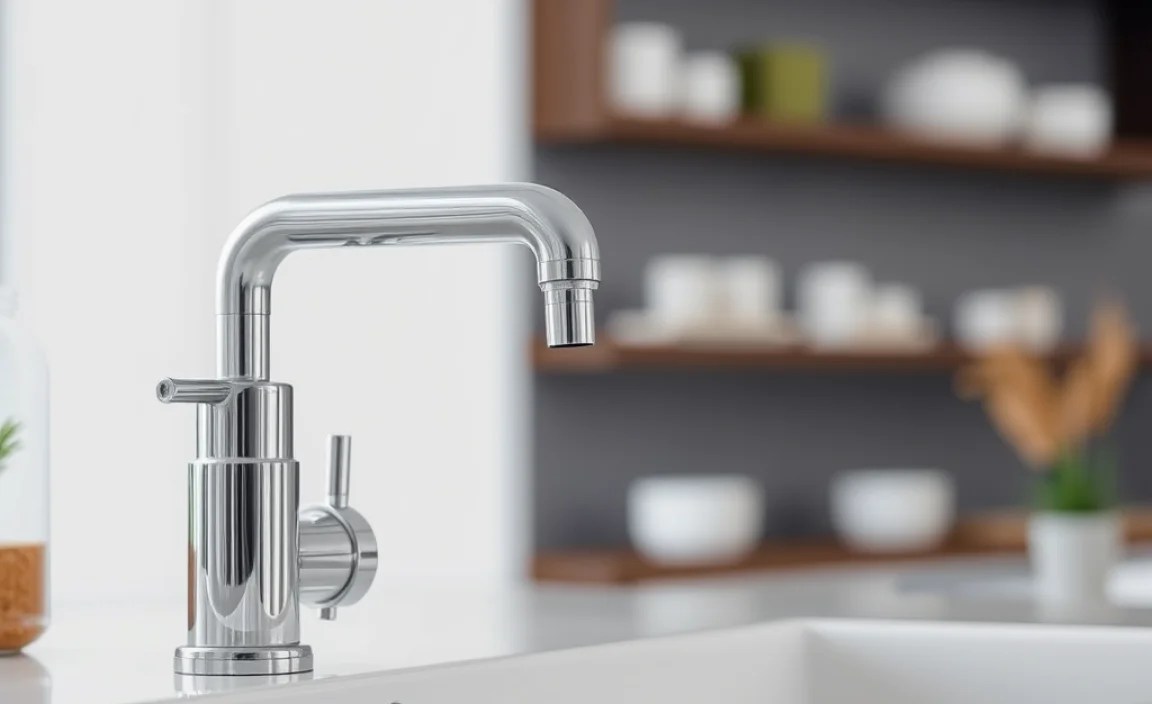
Faucets are built to last, but a little care goes a long way. Properly maintaining your faucets ensures they continue to perform their essential functions without leaks or issues. Here are some simple tips:
1. Regular Cleaning
Wipe down your faucets regularly with a soft cloth and mild soap. This prevents mineral buildup (like limescale) from dulling the finish and potentially clogging the aerator (the screen at the tip of the spout that mixes air with water for a smoother flow). For tougher deposits, a solution of equal parts white vinegar and water can be effective. Always rinse thoroughly and dry.
2. Check for Leaks Promptly
A dripping faucet isn’t just annoying; it wastes water and money. Small drips can often be fixed by replacing a worn-out washer or O-ring (for compression faucets) or by cleaning/replacing the cartridge (for cartridge or ceramic disc faucets). For DIY instructions on how to fix a leaky faucet, you can refer to guides from reputable home improvement sites.
3. Know Your Faucet Type
Understanding whether you have a compression, ball, cartridge.
