
Quick Summary
Mirrors reflect light for visibility, grooming, and decor. Alternatives offer unique benefits: frosted glass for privacy, security mirrors for safety, and decorative panels for aesthetics. Choosing depends on your need for reflection, privacy, or a specific visual effect.
Ever stand in front of a mirror and wonder about its true purpose, or perhaps, why you’d ever need something else? Mirrors are more than just glass that shows your reflection. They play a surprisingly big role in our daily lives, from making sure you look your best to making your home feel bigger. But what happens when a regular mirror just won’t cut it? You might need a clever alternative that does a specific job better. This guide is here to clear things up. We’ll walk through the many uses of mirrors and explore fantastic alternatives that can surprise you.
The Classic Reflection: What Are Mirrors Really For?
At its core, a mirror is a surface designed to reflect light. This simple principle unlocks a world of practical and aesthetic uses. Think about your morning routine: checking your teeth, styling your hair, or just ensuring everything is in place before heading out. That’s the power of a mirror. But the magic doesn’t stop at personal grooming. Mirrors are also fantastic tools for interior design. They can make small rooms feel significantly larger and brighter by bouncing natural and artificial light around. This illusion of space is a well-loved trick among home decorators.
Beyond the obvious, mirrors have crucial safety applications. In shops, they help staff monitor blind spots. On roads, they can improve visibility at tricky intersections. In gyms and dance studios, they allow individuals to check their form and technique, ensuring safe and effective workouts. So, while you might associate mirrors with “checking yourself out,” their utility extends far beyond the vanity.
Key Uses of Standard Mirrors:

- Personal Grooming: The most common use for checking appearance.
- Interior Design: To create an illusion of space and light.
- Safety and Security: For surveillance in retail or visibility on roads.
- Fitness and Dance: To monitor posture and movements.
- Art and Decoration: As decorative accents and statement pieces.
When a Standard Mirror Isn’t Enough: Understanding Alternatives
Sometimes, the reflective surface of a standard mirror presents challenges or limitations. You might need privacy, enhanced safety in specific conditions, or a decorative element that doesn’t necessarily show a crisp, clear reflection. This is where mirror alternatives come into play. These materials mimic some functions of mirrors but offer distinct advantages for particular situations. Understanding these differences helps you choose the right material for your project, ensuring it performs exactly as you need it to.
Think of it like choosing between a screwdriver and a wrench. Both are tools, but they serve different purposes. Similarly, a mirror and a mirror alternative are both surface treatments, but their functional and aesthetic outcomes can be quite different. Let’s dive into some of these specialized materials and see how they can be your go-to solution when a standard mirror falls short.
Mirror Alternatives Explored
There’s a whole spectrum of materials that can serve some of the same purposes as a traditional mirror, each with its own unique benefits. We’ll break down some of the most common and useful alternatives, exploring what makes them special and where they might outshine a regular mirror.
1. Frosted and Etched Glass

Frosted or etched glass offers a translucent surface, meaning light can pass through, but you can’t see clear images. It softens light and provides privacy. This makes it ideal for bathrooms, shower enclosures, or interior doors where you want light to filter through without sacrificing privacy.
Uses of Frosted/Etched Glass:

- Bathroom Privacy: Excellent for windows and shower doors.
- Decorative Grids: Applied in elegant patterns on windows or partitions.
- Light Diffusing: Softens harsh light in interiors.
- Nameplates and Signage: Offers a sophisticated look for office doors.
Unlike a mirror, frosted glass doesn’t create a clear reflection. It diffuses light, giving surfaces a soft, matte appearance. It’s a fantastic way to add a design element while maintaining a sense of openness and light. For installation advice on glass, the California Polytechnic State University’s Building Materials Library offers insights into various glass types and their properties.
2. Highly Polished Metal (Stainless Steel, Aluminum)

Polished metal surfaces, especially stainless steel and aluminum, can achieve a highly reflective finish that, in many applications, rivals that of glass mirrors. They are significantly more durable and shatter-resistant than glass, making them ideal for high-traffic areas, security applications, or environments where impact is a concern.
Pros of Polished Metal:

- Durability: Much harder to break or scratch than glass.
- Shatterproof: Safer in public spaces or areas with children.
- Versatility: Can be shaped, formed, and used in diverse applications.
- Modern Aesthetic: Offers a sleek, contemporary look.
Cons of Polished Metal:

- Susceptible to Smudges: Fingerprints and smudges can be more visible.
- Cost: Can be more expensive than standard mirrors.
- Weight: Can be heavier than glass mirrors.
Think of the reflective panels on appliances, or even the polished metal surfaces in some high-end gyms. They offer a bright, reflective quality but with the added benefit of toughness. This is a great ‘mirror’ for places where safety is paramount.
3. Acrylic Mirror Sheets
Acrylic mirrors, often called plexiglass mirrors, are plastic sheets with a reflective coating. They are lighter, more impact-resistant, and easier to cut and shape than glass mirrors. This makes them a popular choice for DIY projects, trade show displays, children’s rooms, and anywhere that safety is a primary concern due to their shatterproof nature.
Advantages of Acrylic Mirrors:

- Lightweight: Easy to handle, transport, and install.
- Impact Resistant: Shatters into large pieces, not sharp shards, if broken.
- Versatile: Can be cut into various shapes and sizes.
- Cost-Effective: Often cheaper than glass equivalents.
Disadvantages of Acrylic Mirrors:

- Scratch Prone: More susceptible to scratching than glass.
- Distortion: Can sometimes offer a slightly distorted reflection compared to glass.
- Static Cling: Can attract dust easily.
Acrylic mirrors are a DIY dream. They can be cut with standard woodworking tools and can be mounted with adhesive, making complex installations much simpler for beginners. They are a great option for temporary displays or any situation where a lightweight, safe reflective surface is needed.
4. Specialty Films and Coatings
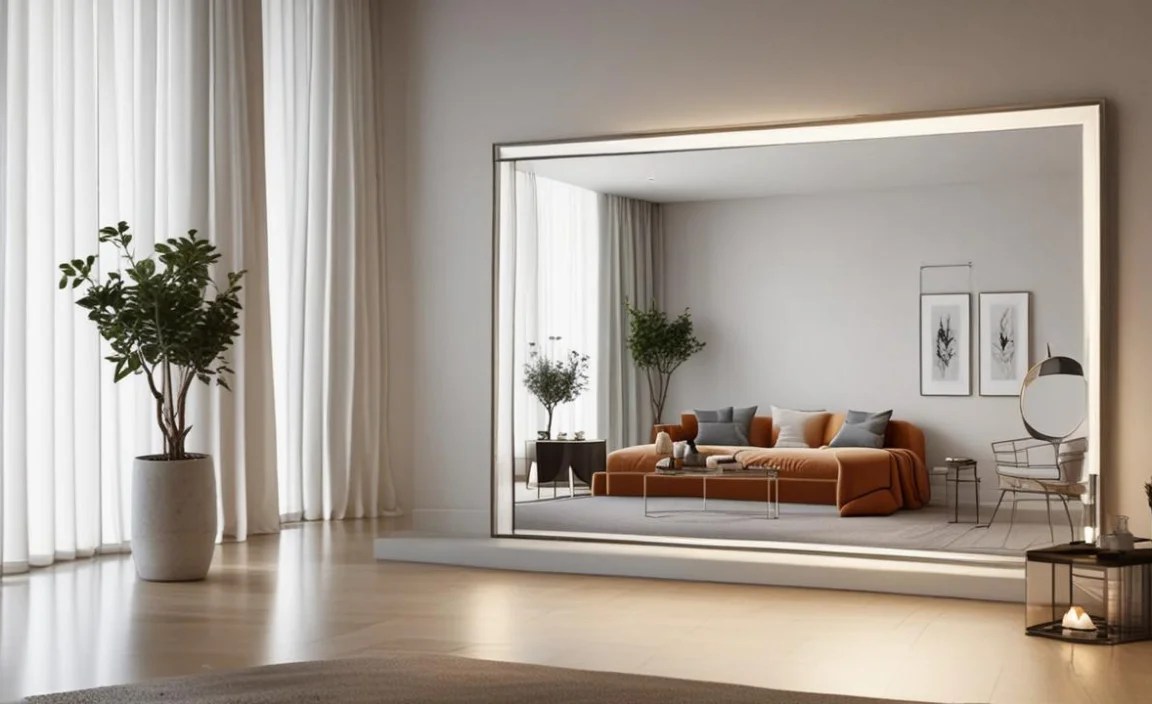
You can also transform existing surfaces into reflective or specialized visual elements using films. These adhesive-backed films come in various finishes, including mirror-like surfaces, frosted effects, and even one-way mirror capabilities. They are applied directly to glass or smooth surfaces, offering a cost-effective and versatile solution.
Types of Specialty Films:
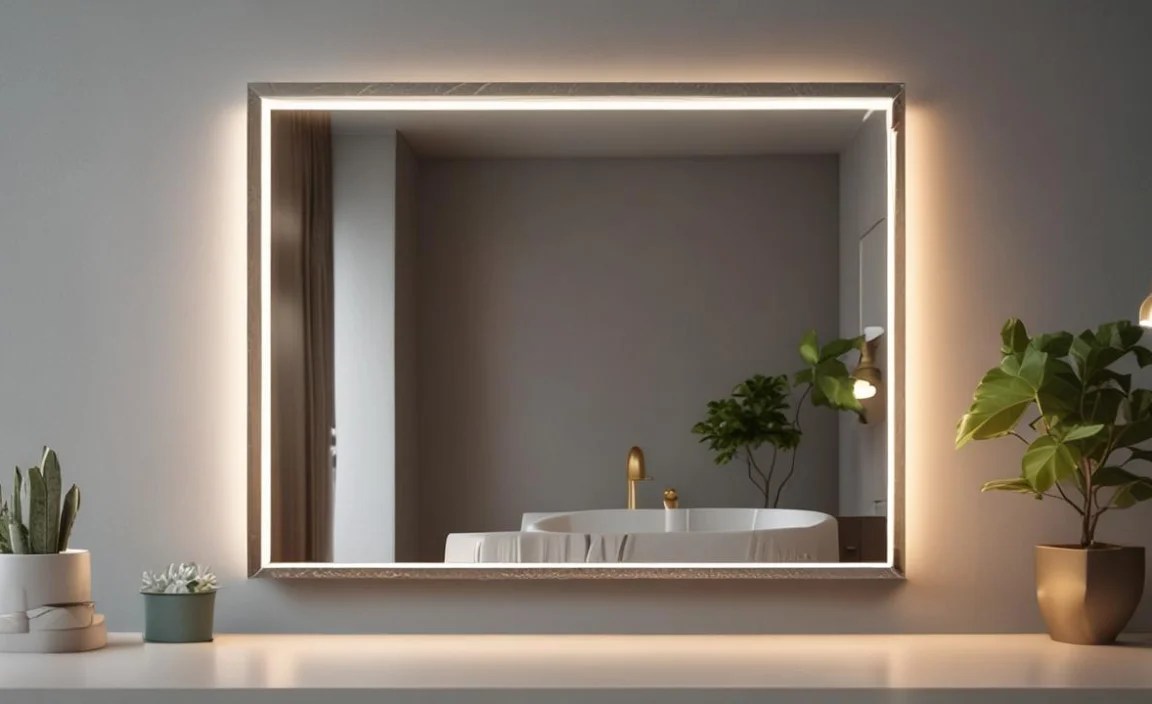
- Mirror Films: Mimic the look of a mirror, often on glass surfaces.
- Privacy Films: Provide a frosted or semi-opaque look to glass.
- One-Way Mirror Films: Offer privacy by acting as a mirror from one side and a one-way transparent surface from the other.
- Decorative Films: Come in patterns and textures for aesthetic purposes.
One-way mirror films, for example, are commonly used in interview rooms or security observation areas. From the observation side, it looks like a mirror, but from the other side, a person can see out, assuming the lighting conditions are right. The U.S. General Services Administration (GSA) provides standards and information on security glazing, which can include insights into the application and effectiveness of such films in secure environments.
5. Decorative Panels and Tiles
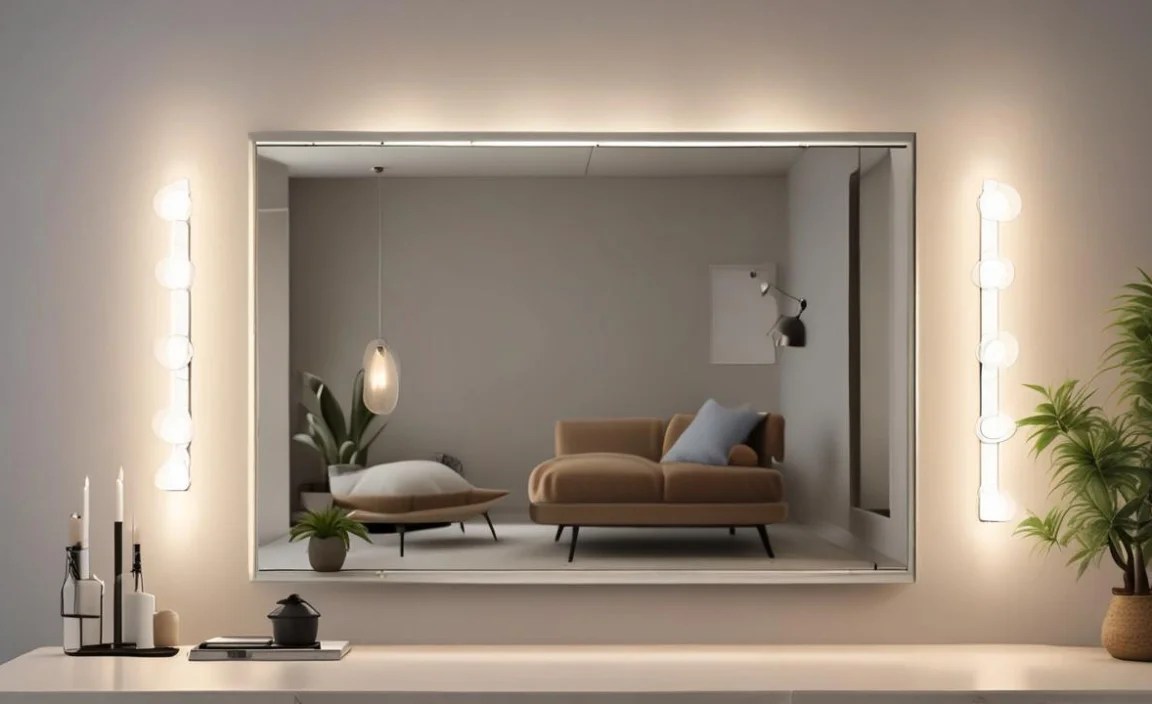
Beyond simple reflective surfaces, there are decorative panels and tiles that incorporate mirror elements or have unique finishes. These can range from mosaic mirror tiles that add sparkle to a backsplash to textured panels that create an artistic focal point. While they might not offer a perfect reflection, they enhance a space’s visual appeal and can play with light in interesting ways.
Decorative Panel Examples:
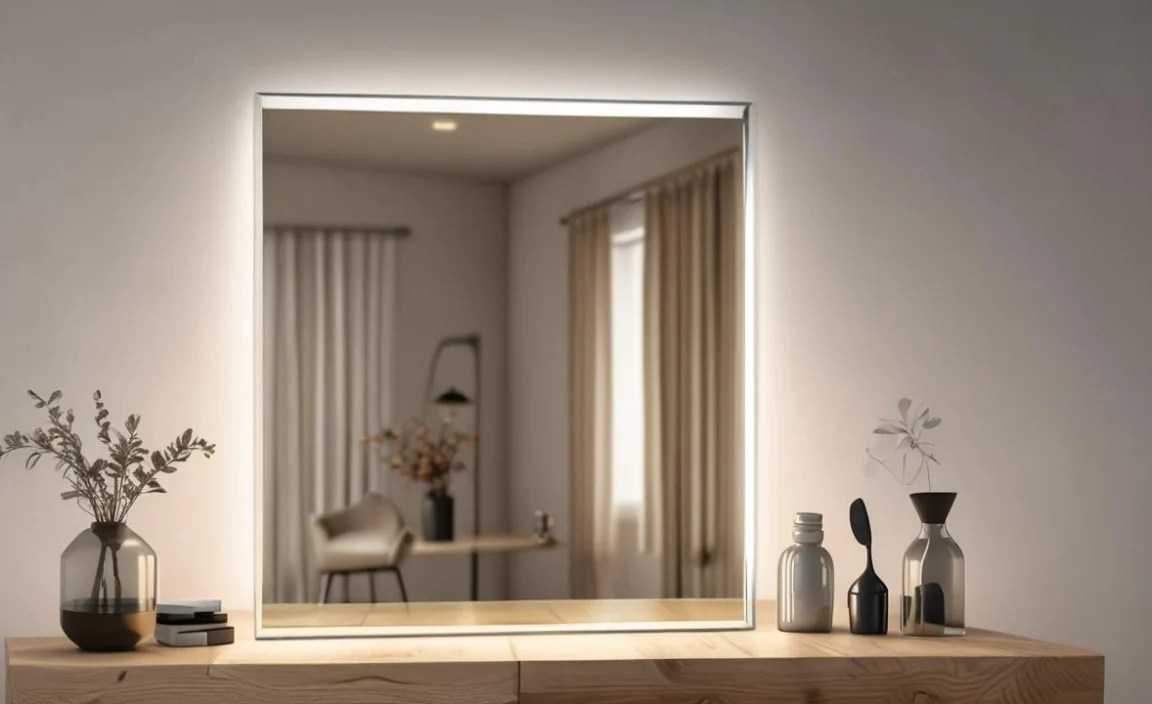
- Mosaic Mirror Tiles: Small mirrored pieces for decorative surfaces.
- Textured Mirrored Panels: Panels with embossed or etched designs.
- Beveled Mirrors: Mirrors with angled edges for a decorative, framed look without actual frames.
- Antiqued Mirror Panels: Mirrors with a distressed or aged appearance.
These are purely about aesthetics and can transform a plain wall into a dazzling feature. They often combine the reflective quality of a mirror with a unique artistic flair.
Comparing Mirror vs. Alternatives: Which is Right for You?
Choosing between a traditional mirror and an alternative depends entirely on your specific needs and project goals. Let’s break down the key differences to help you make an informed decision.
Key Comparison Table
| Feature | Standard Mirror | Acrylic Mirror | Polished Metal | Frosted/Etched Glass | Specialty Films |
|---|---|---|---|---|---|
| Primary Function | Clear reflection, grooming, space enhancement | Safe, lightweight reflection; DIY-friendly | Durable reflection, industrial/safety use | Privacy, light diffusion, decorative | Surface transformation, privacy, specialized reflection |
| Durability | Brittle, can shatter | Impact resistant, shatterproof | Very durable, scratch-resistant | Durable, but can chip or break if hit hard | Durability varies by film type |
| Weight | Moderate to heavy | Very lightweight | Heavy | Moderate to heavy | Extremely lightweight |
| Installation Ease | Requires secure mounting | Easy, can be adhered | Requires professional fitting/welding for some uses | Requires professional glazing; films are DIY friendly | DIY friendly, peel-and-stick |
| Cost | Varies greatly, can be affordable | Often more affordable than glass | Can be expensive | Varies, can be affordable to premium | Generally very affordable |
| Best For | Bathrooms, bedrooms, hallways, dressing areas | Children’s rooms, RVs, gyms, DIY projects, temporary setups | Kitchens, commercial settings, architectural features, protective surfaces | Bathrooms, shower doors, interior partitions, decorative windows | Existing windows/glass, privacy screens, security applications, budget makeovers |
When you’re looking at this table, it’s all about matching the material’s strengths to the job at hand. If you need a crystal-clear reflection for your makeup, a standard mirror is usually best. If you’re worried about a child knocking a mirror off the wall, acrylic is a much safer bet. For a high-end kitchen backsplash that needs to be wiped down constantly, polished stainless steel or a durable mirrored tile might be perfect.
Considerations for Your Choice:
- Safety: Is shatter resistance a priority?
- Environment: Will it be exposed to moisture, impact, or high traffic?
- Aesthetics: What kind of look are you going for? Clear reflection, soft diffusion, industrial shine?
- Budget: How much are you willing to spend on the material and installation?
- Installation: Do you need something simple to DIY, or are you comfortable with professional installation?
Practical Applications: Where to Use Mirrors and Alternatives
Let’s look at some common home and DIY scenarios and decide which option is usually the best fit.
Scenario 1: Bathroom Vanity
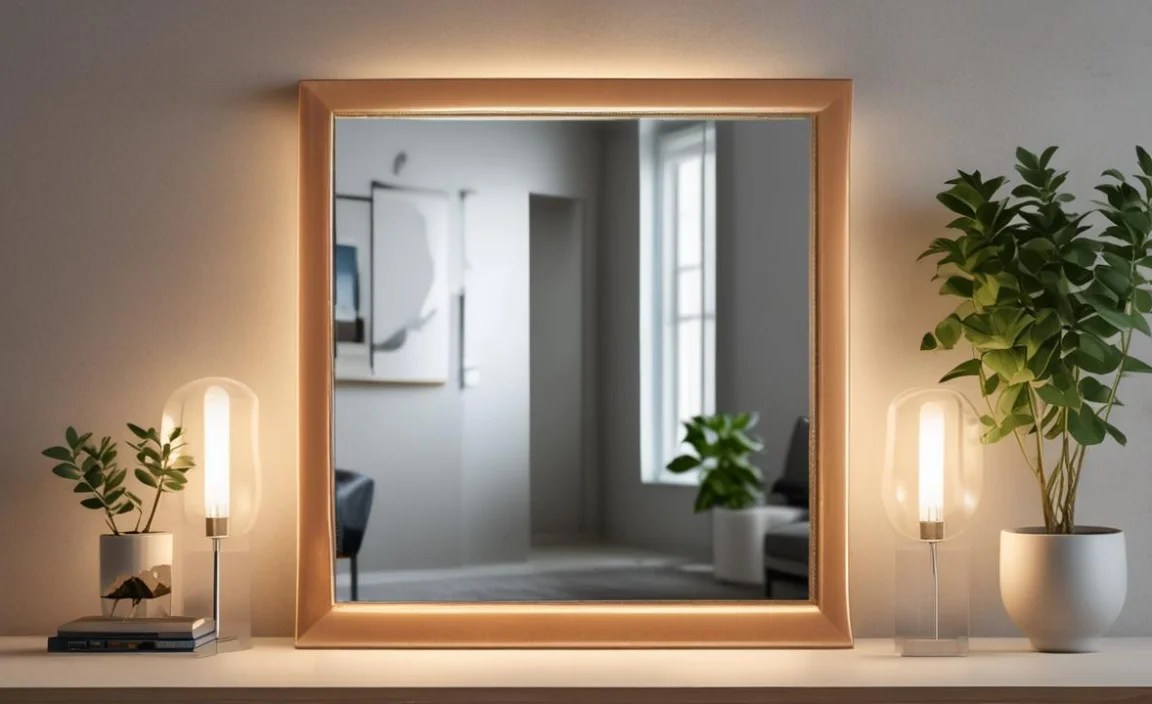
Most Likely Choice: Standard Wall Mirror.
Why: You need a clear, undistorted reflection for grooming. It’s cost-effective, readily available, and easy to hang.
Alternative Consideration: If you have very young children or a high-risk area, an acrylic mirror might be considered for safety, though the reflection clarity might be slightly less perfect.
Scenario 2: Shower Enclosure
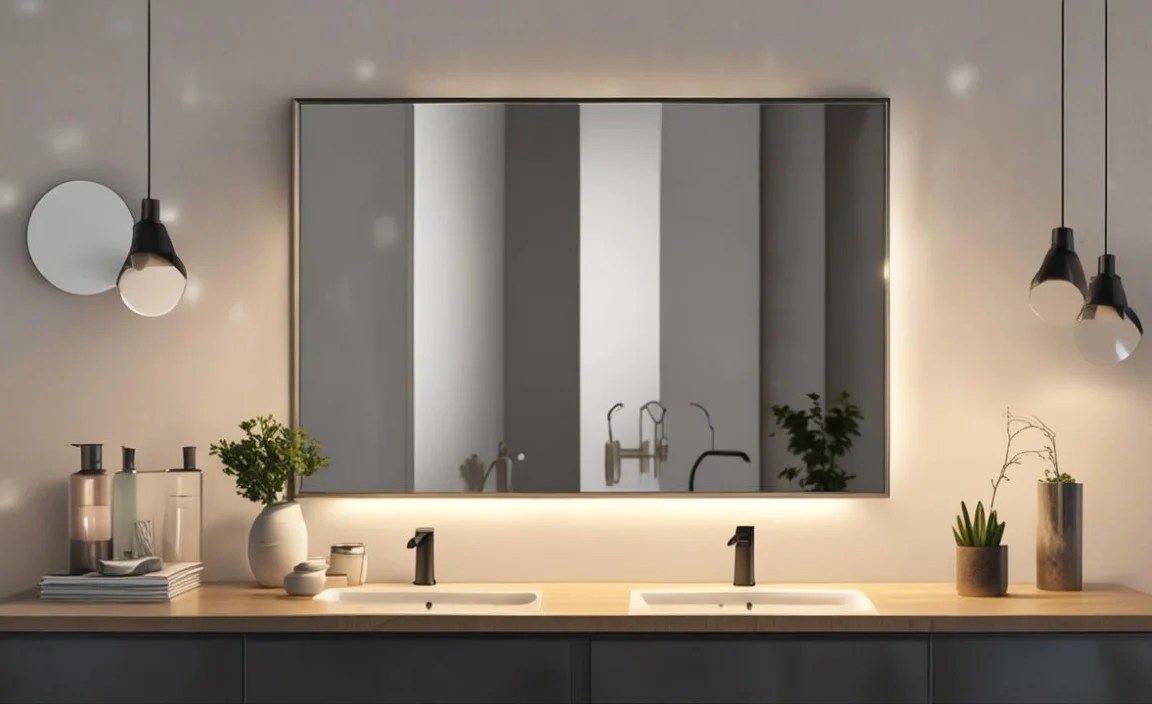
Most Likely Choice: Frosted or Etched Glass.
Why: Provides essential privacy while allowing light to enter the shower space. A clear mirror here would defeat the purpose of a private shower.
Alternative Consideration: Some shower doors come with specialized translucent coatings or textured finishes that serve a similar privacy function.
Scenario 3: Children’s Playroom or Bedroom

Most Likely Choice: Acrylic Mirror Sheet.
Why: Safety is the top concern. Acrylic is shatterproof, making it a much safer option than glass when little ones are around. It’s also lightweight and easy to install or even adhere to furniture.
Alternative Consideration: If you want a fun, decorative element, you could use small, individual acrylic mirror shapes or tiles.
Scenario 4: Overhead Cabinet Doors in a Kitchen

Most Likely Choice: Mirror Film or Stainless Steel.
Why: For a sleek, modern look that makes the kitchen feel more spacious. Mirror film applied to the cabinet panels offers a cost-effective way to achieve this. Polished stainless steel can also be used for a durable, high-end finish.
Alternative Consideration: Antiqued mirror panels could offer a more traditional or decorative feel without being overly reflective.
Scenario 5: Entrance Hallway or Small Living Room

Most Likely Choice: Large Standard Mirror or Decorative Mirror Panel.
Why: To visually expand the space and bounce light. A large, well-placed mirror can make a dramatic difference.
Alternative Consideration: A set of beveled mirror tiles or a mirrored mosaic could add texture and visual interest while still reflecting light and making the space feel larger.
Scenario 6: Gym or Dance Studio Wall
Most Likely Choice: Large Wall Mirrors (Glass or Polished Metal).
Why: Essential for checking form and technique. Large-scale, seamless coverage is usually preferred. Glass mirrors offer the truest reflection.
Alternative Consideration: If durability and safety from impact are paramount (e.g., a home gym with free weights), highly polished stainless steel or thick acrylic panels would be stronger choices. Check out resources like the Architectural Record’s Materials Review for advanced applications.
Maintaining Your Mirrors and Alternatives
No matter what reflective surface you choose, proper care will ensure it looks its best and lasts longer. For standard glass mirrors, a good glass cleaner and a microfiber cloth are your best friends. Spray the cleaner onto the cloth, not directly onto the mirror, to avoid drip marks. For acrylic mirrors, use a cleaner specifically designed for plastics to avoid scratching. Avoid ammonia-based cleaners on acrylics as they can cause hazing.
Polished metals may require specialized metal polishes. For frosted glass, a gentle cleaner is usually sufficient, but be careful not to use abrasive pads that could wear down the finish. Always check the manufacturer’s recommendations for your specific product to get the most out of your investment.
Frequently Asked Questions (FAQ)
Q1: Can I use a mirror film to make my regular window a one-way mirror?

A: Yes, you can, but it’s not just about the film. One-way mirror effects rely heavily on lighting conditions. The side with more light will see it as a mirror, while the darker side will see through. For true privacy, ensure the lighter side faces outward during the day.
Q2: Are acrylic mirrors safe for bathrooms that get steamy?

A: Acrylic mirrors are generally safe and won’t shatter like glass. However, excessive moisture and condensation can sometimes affect the reflective coating over time, especially if not cleaned regularly. Ensure good ventilation for any bathroom fixture.
Q3: Can I cut mirror sheets myself?
A: Standard glass mirrors are difficult and dangerous to cut without specialized tools and experience. However, acrylic mirror sheets can be cut using acrylic scoring tools or even fine-toothed saws with appropriate precautions and blades designed for plastics.
Q4: How do I clean a mirror that has a distressed or antique finish?
A: For antique mirrors, gentleness is key. Use a very mild
