
Tiles are incredibly versatile in construction! They’re used for protecting and beautifying surfaces like floors, walls, and roofs, offering durability, water resistance, and a wide range of aesthetic options for both practical and decorative purposes in homes and commercial buildings.
Ever look around your home and wonder what makes those surfaces so durable and attractive? Chances are, tiles are playing a key role! From the kitchen backsplash that’s easy to clean to the bathroom floor that withstands splashes, tiles are a construction staple. They’re not just pretty; they’re packed with practical benefits that help protect your home. If you’ve ever felt a bit lost when it comes to understanding why and where we use tiles, you’re in the right place!
We’re going to break down exactly what tiles do in construction, why they’re so important, and all the different ways they make our buildings stronger and more stylish. Get ready to see your surroundings in a whole new light, and gain the confidence to tackle your next DIY project or simply appreciate the craftsmanship around you.
What Are Tiles and Why Are They So Popular in Construction?

Tiles are essentially thin slabs of hard-wearing material, typically made from ceramic, porcelain, natural stone, or even glass. They are cut into uniform shapes (most commonly square or rectangular) and then affixed to surfaces like floors, walls, and ceilings using adhesives and grout. Their massive popularity in construction isn’t by accident; it’s due to a fantastic combination of functionality and aesthetics.
Think about it: they offer a protective layer that’s tough against wear and tear, moisture, and stains. Plus, the sheer variety of colors, patterns, textures, and sizes means there’s a tile out there for literally every style and need. They can completely transform a space, making it look more luxurious, clean, or cozy, depending on your choice.
Key Uses of Tiles in Construction

Tiles are used in so many parts of a building, serving both practical and decorative functions. Let’s dive into the most common applications and understand why tiles are the perfect choice for each.
1. Flooring: The Foundation of Style and Durability

Tiled floors are a cornerstone of modern construction, found in almost every type of building, from homes to hospitals to shopping malls. When people think of tiles, flooring is often the first thing that comes to mind, and for good reason. They provide a surface that’s built to last and looks great doing it.
Why Tiles for Flooring?
- Durability: Tiles can withstand heavy foot traffic, making them ideal for busy areas like hallways, kitchens, and commercial spaces. They resist scratches and chips better than many other flooring materials.
- Water Resistance: Many types of tiles, especially ceramic and porcelain, are non-porous or have very low water absorption rates. This makes them perfect for moisture-prone areas like bathrooms, kitchens, and basements, preventing water damage and mold growth.
- Ease of Maintenance: Spills and dirt are easy to wipe up from a tiled surface. Regular sweeping and occasional mopping are usually all that’s needed to keep them looking pristine.
- Hygienic Properties: Non-porous tiles don’t harbor allergens or bacteria as easily as carpet or some other porous materials, contributing to better indoor air quality.
- Design Versatility: The endless array of colors, patterns, sizes, and finishes allows for incredible design flexibility. You can mimic the look of wood, stone, or metal, or create unique mosaic patterns.
Common Flooring Tile Materials:
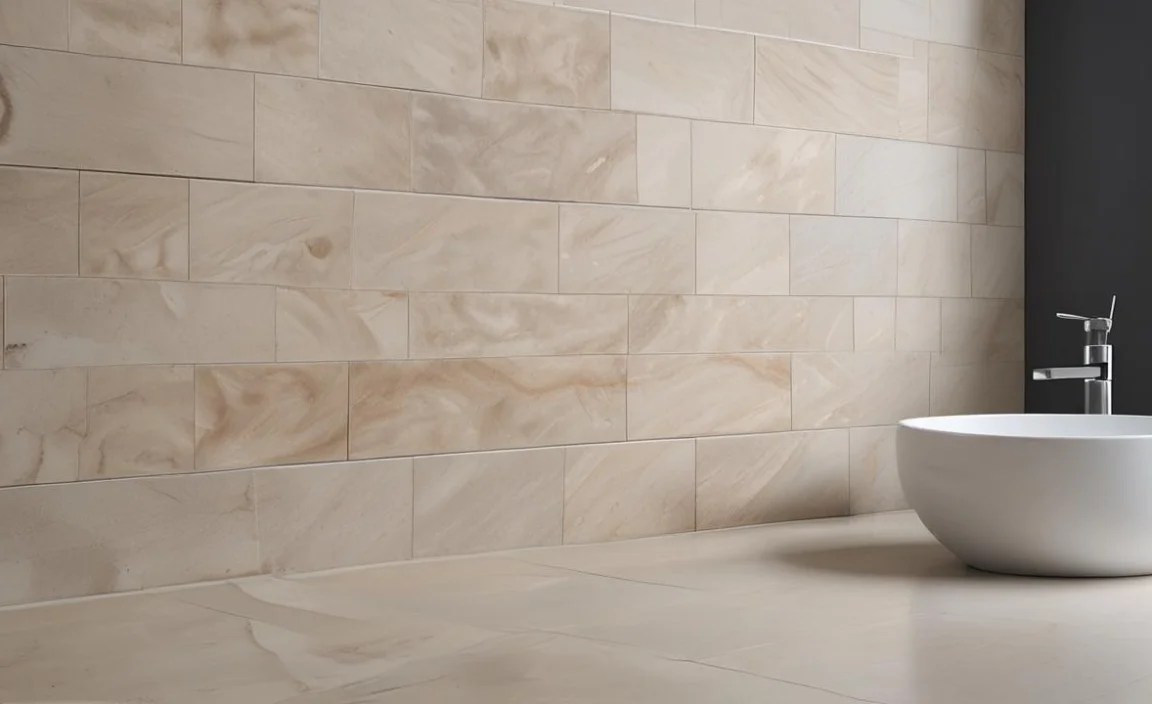
- Ceramic Tiles: A popular and affordable choice, ceramic tiles are versatile and come in a vast range of styles. They are durable and water-resistant, making them suitable for most areas of a home.
- Porcelain Tiles: Denser and less porous than ceramic, porcelain tiles are exceptionally strong and water-resistant. They are ideal for high-traffic areas and locations with significant moisture exposure, like outdoor patios and shower floors. Learn more about the differences from resources like The Tile Council of North America.
- Natural Stone Tiles: Materials like granite, marble, slate, and travertine offer a luxurious and unique look. Each tile is distinct, providing natural beauty. However, they can be more expensive, require sealing, and may be more prone to staining or etching than porcelain.
- Vinyl Tiles (LVT/LVP): While not traditional ceramic or stone, luxury vinyl tiles and planks are a very popular flooring solution. They are highly water-resistant, durable, and often mimic the look of wood or stone at a lower cost.
2. Walls: Adding Beauty and Protection
Tiles are not just for floors; they are a fantastic choice for walls, offering an extra layer of protection and a significant aesthetic upgrade. Think about the areas in your home that need to be both beautiful and functional – that’s where wall tiles shine.
Why Tiles for Walls?
- Water and Moisture Resistance: This is crucial for bathrooms (showers, backsplashes) and kitchens (backsplashes behind sinks and stoves). Tiles prevent water from seeping into drywall, protecting against mold and structural damage.
- Ease of Cleaning: Wiping down a tiled wall is much simpler than cleaning painted drywall, especially in areas prone to splatters like kitchen backsplashes or shower walls.
- Durability: Unlike paint, tiles are resistant to scuffs and impacts, maintaining their appearance over time.
- Design Impact: Wall tiles can be a major design feature. They can add color, texture, and pattern to any room, from a small accent wall to an entire room’s covering.
- Hygiene: In areas like healthcare facilities or commercial kitchens, tiled walls offer a sanitary surface that can be easily sterilized.
Typical Wall Tile Applications:
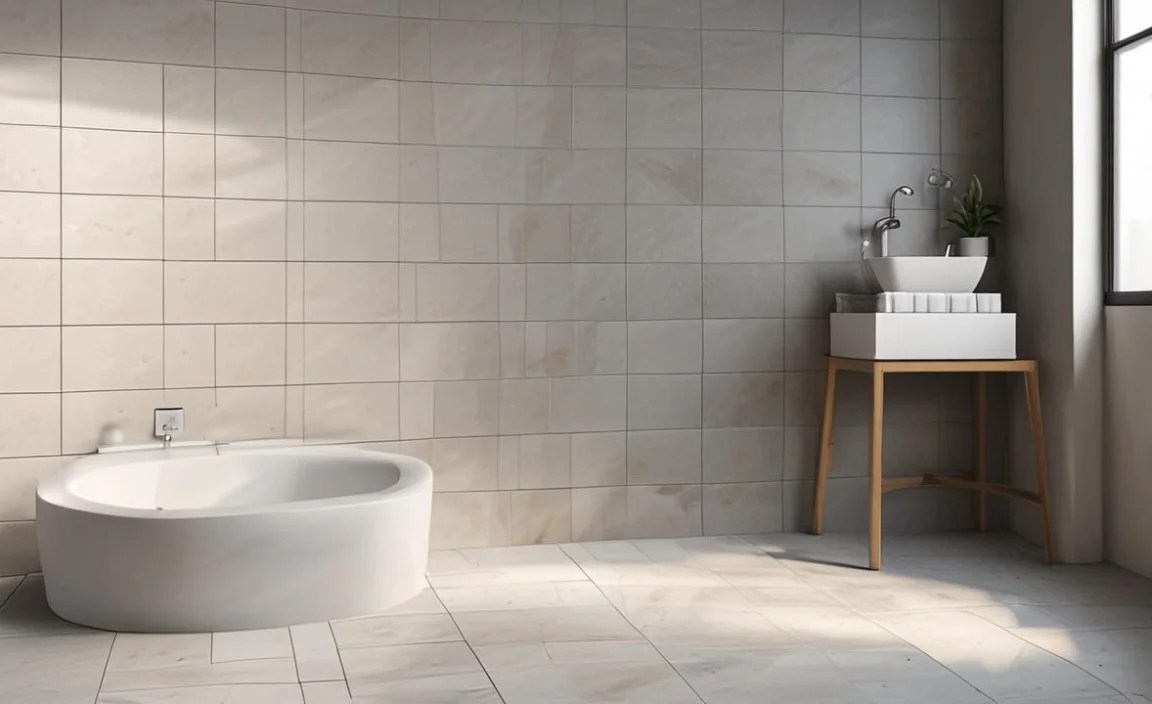
- Bathroom Walls: Especially in shower enclosures, around tubs, and as backsplashes.
- Kitchen Backsplashes: Protecting the wall behind countertops from cooking splatters and grease.
- Accent Walls: Adding a decorative focal point in living rooms, bedrooms, or dining areas.
- Foyers and Entryways: Providing a durable and attractive surface for high-traffic areas.
- Commercial Spaces: Restrooms, lobbies, and food service areas benefit from the durability and cleanability of tiled walls.
3. Ceilings: An Often-Overlooked Application
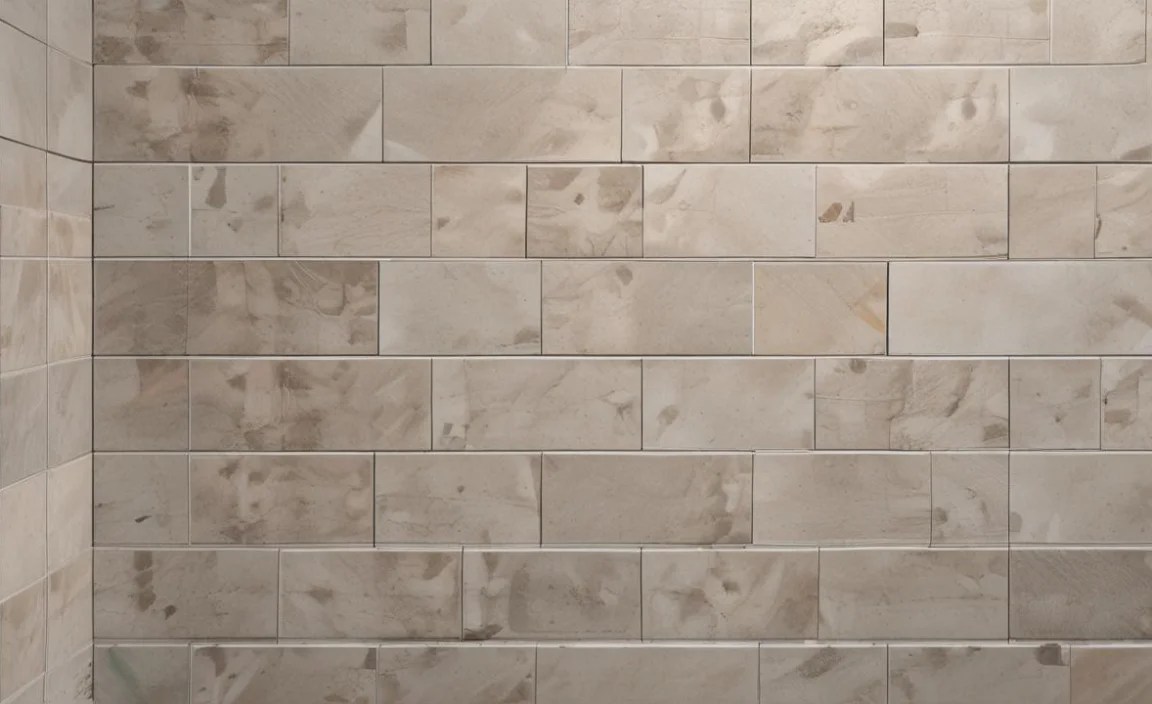
While less common than floors or walls, tiles can also be used on ceilings, particularly in specific commercial or industrial settings. These are often specialized ceiling tiles designed for acoustics or fire resistance.
Why Tiles for Ceilings?
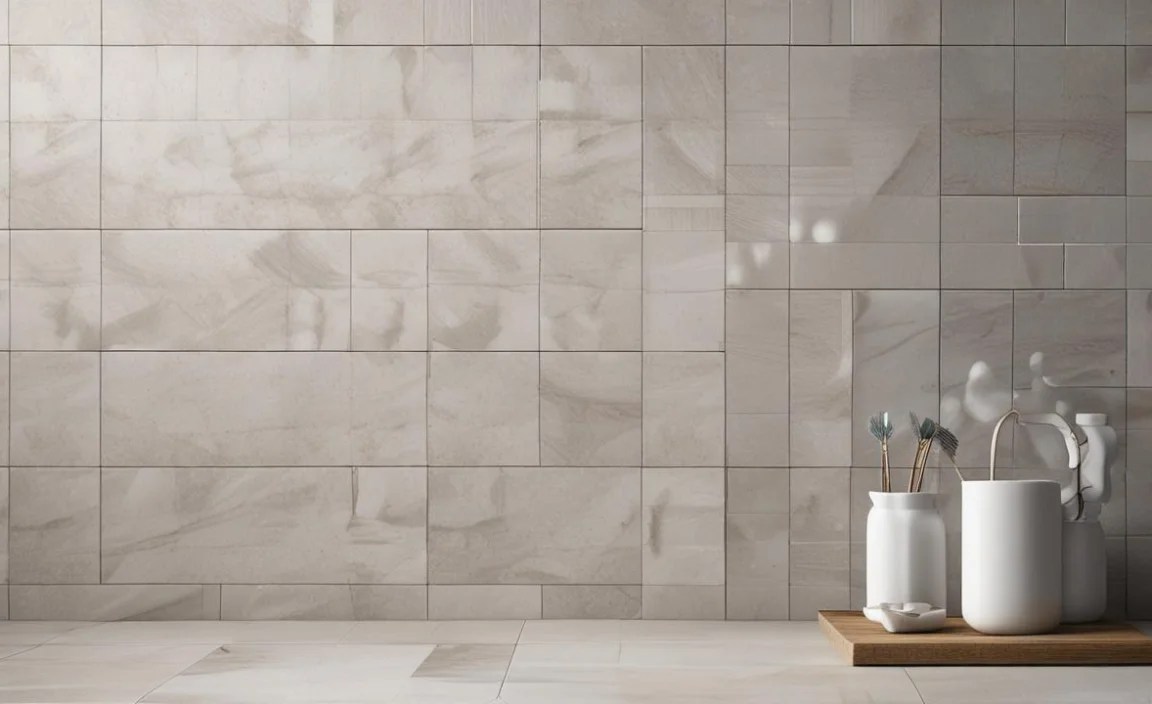
- Acoustics: Many ceiling tiles are made from porous materials designed to absorb sound. This is a primary reason they are used in offices, schools, and public buildings to reduce noise and improve speech intelligibility.
- Fire Resistance: Certain ceiling tiles are rated for fire resistance, contributing to the overall fire safety of a building by slowing the spread of flames and smoke. Building codes often dictate these requirements. For example, research from the Federal Emergency Management Agency (FEMA) highlights the importance of fire-resistant building materials.
- Concealment: Suspended ceiling systems use tiles to hide pipes, wiring, ductwork, and structural elements above, creating a cleaner finished look.
- Light Refinement: Some ceiling tiles are designed to improve light reflectivity, making a space feel brighter and reducing the need for excessive artificial lighting.
- Ease of Access and Maintenance: In suspended ceiling systems, individual tiles can be easily removed to access the plenum space above for repairs or maintenance of hidden utilities.
Common Ceiling Tile Types:
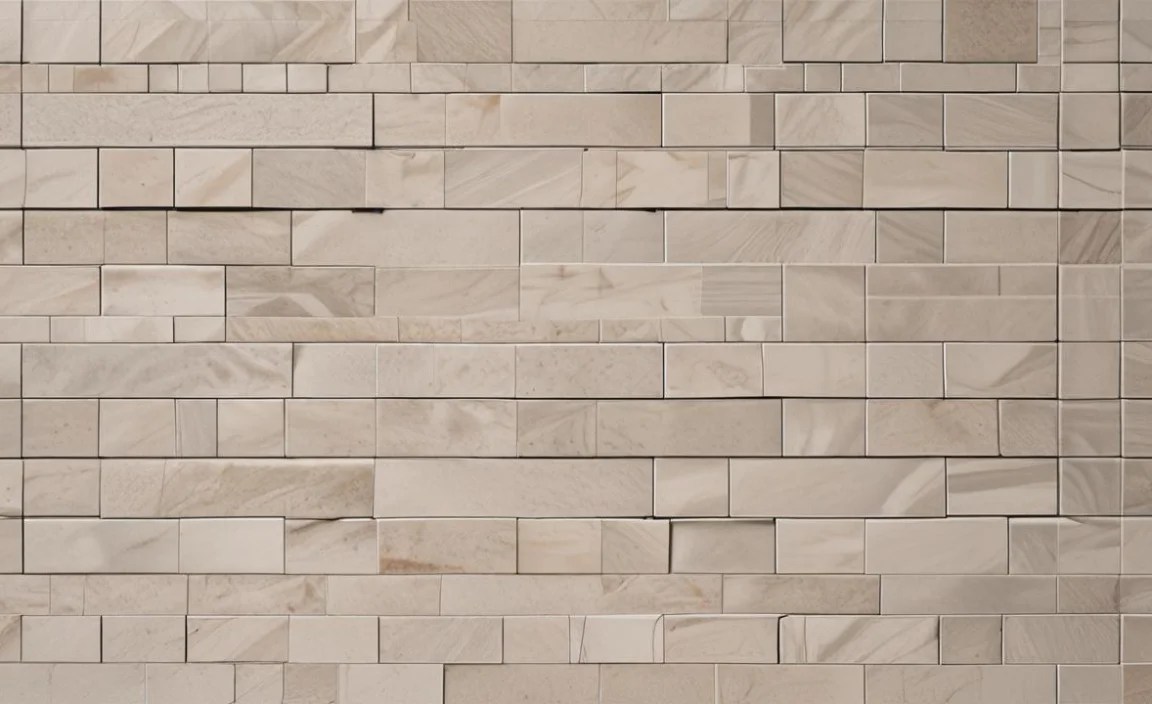
- Acoustic Ceiling Tiles: Made from mineral fiber, fiberglass, or foam, these are designed to absorb sound.
- Lay-in or Grid Ceiling Tiles: These fit into a metal grid system suspended from the structural ceiling.
- Exposed Fastening Ceiling Tiles: These are attached directly to the substrate, often seen in more industrial or utilitarian settings.
4. Roofs: Protection from the Elements
When we talk about tiles in construction for roofs, we’re referring to roofing tiles, which are distinct from the floor and wall tiles but share many of their protective qualities. These are designed to shield a building from rain, sun, wind, and extreme temperatures.
Why Tiles for Roofs?
- Weather Resistance: Roofing tiles are engineered to withstand harsh weather conditions. Clay and concrete tiles, in particular, are very durable against hail, high winds, and heavy rain or snow.
- Longevity: Many types of roofing tiles, especially clay and slate, can last for 50 to 100 years or even longer with proper maintenance, significantly outlasting asphalt shingles.
- Fire Resistance: Clay, concrete, and slate tiles are naturally non-combustible, offering superior fire protection compared to many other roofing materials. This is a critical safety feature.
- Energy Efficiency: Lighter-colored tiles can reflect solar radiant heat, helping to keep buildings cooler in hot climates and reducing air conditioning costs. Some tiles also have specially designed channels to allow for airflow.
- Aesthetics: Roofing tiles come in various shapes, colors, and styles (e.g., Spanish S-tiles, flat tiles, interlocking designs) that can significantly enhance a building’s curb appeal and architectural character.
Popular Roofing Tile Materials:
- Clay Tiles: Traditional and beautiful, clay tiles offer excellent durability and a classic look. They are known for their longevity and resistance to fire and insects.
- Concrete Tiles: A more affordable alternative to clay, concrete tiles are also very durable, fire-resistant, and come in a wide range of styles and colors that can mimic natural materials like slate or wood.
- Slate Tiles: Harvested from natural stone, slate tiles are exceptionally durable, elegant, and fireproof. They are a premium option with an unmatched aesthetic appeal and can last for over a century.
- Asphalt Shingles: While not typically called “tiles,” asphalt shingles are the most common roofing material in the US. They are cost-effective but have a shorter lifespan than true roofing tiles.
- Metal Roofing: Often shaped to mimic tiles, metal roofs offer excellent durability and fire resistance but are a different category of material.
5. Decorative and Architectural Features
Beyond the practical applications, tiles are also a powerful tool for adding decorative flair and defining architectural styles.
Decorative Uses:
- Mosaics: Small pieces of tile or glass arranged to form intricate patterns or images, used as backsplashes, wall art, or intricate floor designs.
- Accent Bands and Borders: Narrow strips of decorative tiles used to break up large fields of solid tile, adding visual interest to floors or walls.
- Custom Inlays: Incorporating different colored or textured tiles into a larger tiled area to create logos, designs, or unique patterns.
- Fireplace Surrounds: Tiles offer a durable and heat-resistant surface around fireplaces, protecting surrounding materials and enhancing the fireplace’s aesthetic appeal.
Architectural Integration:
- Facade Cladding: In some regions and building styles, tiles are used on the exterior walls (facades) to provide both protection and a distinct architectural look.
- Water Features: Pool tiles and tiles used in fountains and ponds are specifically designed to withstand constant submersion and chemical treatments.
- Exterior Patios and Walkways: Durable and weather-resistant exterior tiles can create beautiful and long-lasting outdoor living spaces.
Choosing the Right Tile for Your Project
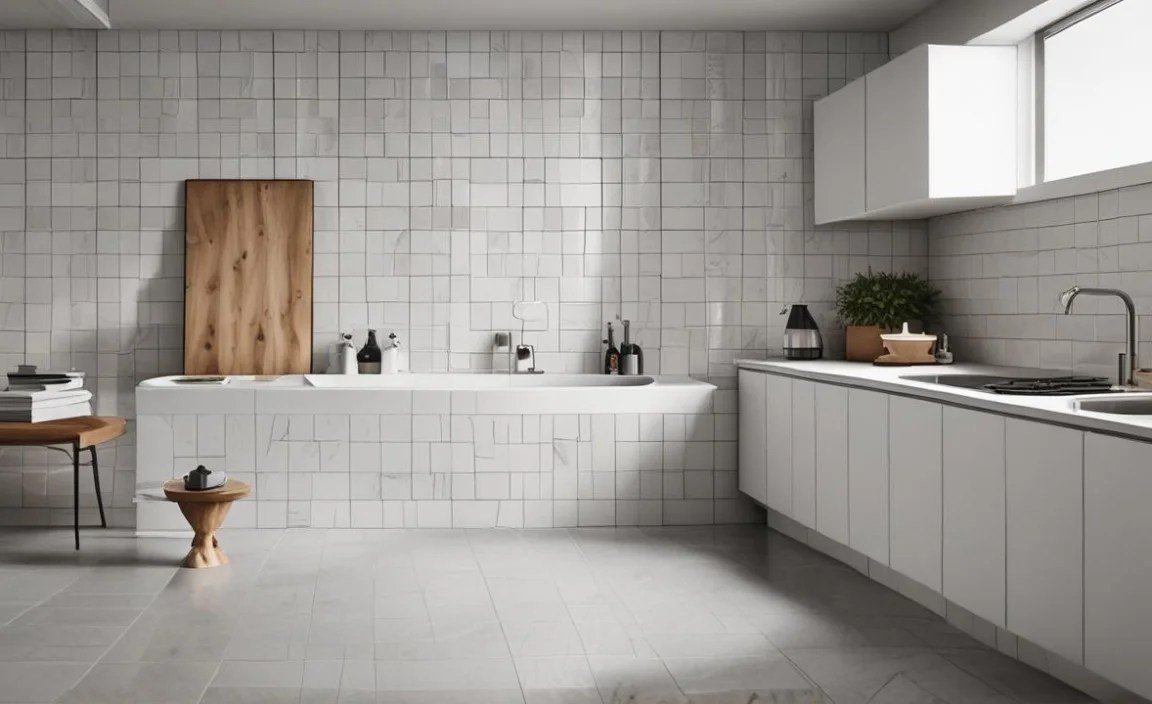
With so many options, selecting the right tile can seem daunting. Here’s a simple breakdown of factors to consider:
1. Location and Use
This is the most important factor. Is it for a high-traffic floor, a shower wall, or a fireplace? Different areas have different requirements for durability, water resistance, slip resistance, and heat tolerance.
- Wet Areas (Bathrooms, Showers, Pools): Look for low water absorption (porcelain, glass, specific natural stones) and good slip resistance (a higher Coefficient of Friction, or COF). For shower floors, smaller tiles with more grout lines can actually provide better grip.
- High-Traffic Floors (Kitchens, Hallways, Commercial): Durability is key. Porcelain, dense natural stones, and high-quality ceramic are excellent choices.
- Walls: Most ceramic and porcelain tiles are suitable, as are glass and natural stone. Durability is less critical than for floors, but ease of cleaning is often a priority.
- Exterior Applications (Patios, Roofs): Tiles must be frost-proof, UV-resistant, and able to withstand temperature fluctuations.
2. Material Properties
Understanding the basic properties of different tile materials will guide your choice.
| Tile Material | Pros | Cons | Best Use Cases |
|---|---|---|---|
| Ceramic | Affordable, wide variety of styles, good water resistance, easy to cut and install. | Can chip or crack under heavy impact, less dense than porcelain, can be porous if not glazed properly. | Walls, backsplashes, low-to-medium traffic floors (kitchens, bathrooms). |
| Porcelain | Extremely durable, very low water absorption (frost-proof), dense and strong, resistant to stains and scratches. | More expensive than ceramic, harder to cut (requires special tools), can be very slippery if not textured. | High-traffic floors, bathrooms, kitchens, showers, outdoor applications, commercial spaces. |
| Natural Stone (Marble, Granite, Slate, Travertine) | Unique, luxurious, and natural beauty; durable (depending on stone type). | Expensive, porous (requires sealing), can stain or etch easily, heavy, requires specialized cleaning. | Floors, walls, countertops, accent features where a premium look is desired. |
| Glass | Stunning visual appeal, reflects light beautifully, non-porous, easy to clean. | Can be prone to chipping or scratching, can be slippery, requires careful installation, often more expensive. | Backsplashes, accent walls, shower walls, decorative mosaics. |
3. Aesthetics and Style
Ultimately, you want your tiles to look great and complement your space. Consider:
- Color: Light colors can make a space feel larger and brighter; dark colors can add drama or warmth.
- Pattern: From subtle textures to bold geometric designs, patterns can define the style of a room.
- Size: Large format tiles can make small spaces feel bigger by reducing grout lines. Smaller tiles or mosaics can add intricate detail.
- Finish: Matte finishes can offer better slip resistance and a softer look, while glossy finishes add shine and can make cleaning easier but may be more slippery.
4. Budget
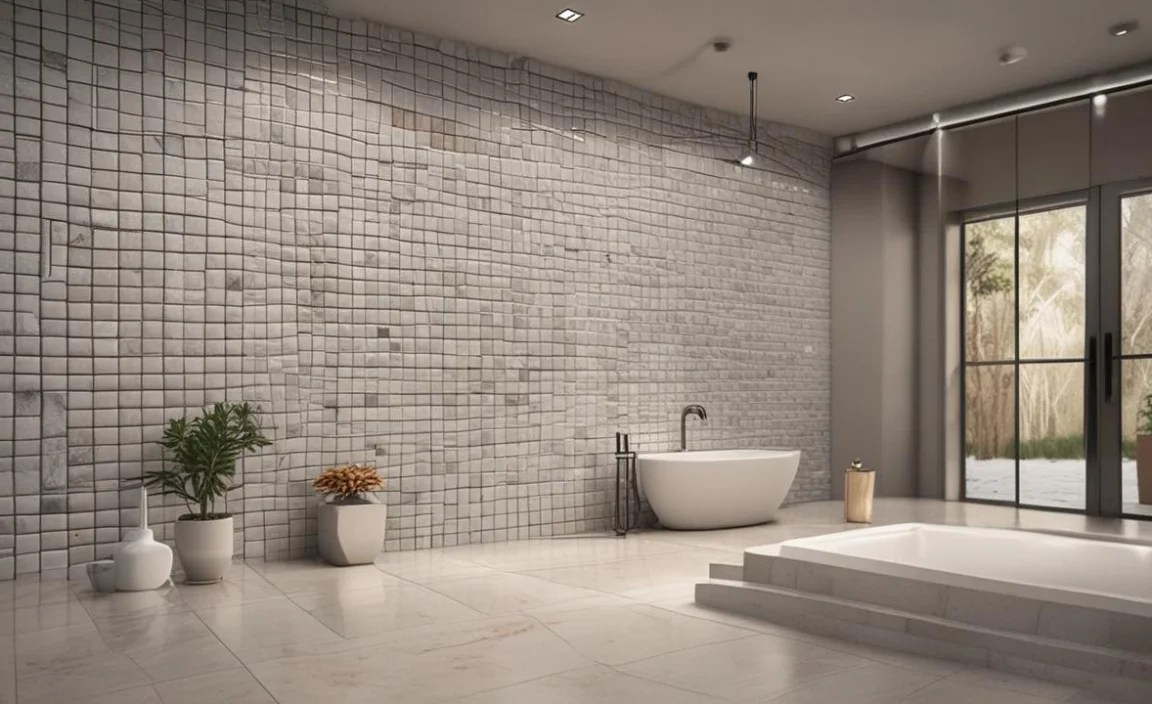
Tile prices vary wildly based on material, brand, size, and complexity of design. Always factor in the cost of:
- The tiles themselves
- Adhesive and grout
International Code Council (ICC) provides building codes that influence material choices and installation standards. - Underlayment or subfloor preparation
- Tools and equipment (if DIY)
- Professional installation fees
Installation Considerations
While this guide is about the uses of tiles, a brief mention of installation is important. Proper installation is critical for the longevity and performance of any tiled surface. It typically involves:
- Surface Preparation: Ensuring the subfloor or wall is clean, level, and structurally sound.
- Layout Planning: Measuring and marking the area to minimize awkward cuts and ensure a balanced design.
- Applying Adhesive: Using the correct thin-set mortar or mastic for the specific tile and environment.
- Setting Tiles: Placing tiles into the adhesive with consistent spacing using tile spacers.
- Grouting: Filling the spaces between tiles with grout once the adhesive has cured.
- Sealing: Applying a grout sealer (and sometimes a tile sealer for natural stone) to protect against stains and moisture.
For DIYers, consider starting with smaller, simpler projects like a backsplash. For large or complex projects, hiring a professional tile installer is often recommended for the best results.
| Task | Importance | DIY Friendly? |
|---|
