
Tiles are incredibly versatile, used everywhere from kitchens and bathrooms for their durability and water resistance, to living areas for aesthetic appeal, and even outdoors for patios and walkways. They offer a fantastic blend of function and beauty for almost any home surface.
Tiles are more than just pretty squares on your wall or floor; they’re a practical hero in your home! Thinking about sprucing up your kitchen backsplash, waterproofing your shower, or adding some flair to your patio? Tiles are likely your go-to solution. But their uses go way beyond just looking good. They’re tough, easy to clean, and can handle everyday life with ease. Don’t worry if you’re new to this; we’re going to break down all the brilliant ways you can use tiles to make your home look and work better. Let’s explore how these amazing materials can transform your spaces.
The Many Faces of Tiles: Essential & Brilliant Uses


Tiles are one of the most versatile building and decorating materials available. They grace our homes in countless ways, combining practicality with aesthetic appeal. From the humble bathroom floor to the grandest entryway, tiles offer durability, easy maintenance, and endless design possibilities. Let’s dive into the essential and brilliant uses of tiles that make them a homeowner’s best friend.
1. Kitchen Transformations: Backsplashes and Beyond
The kitchen is often the heart of the home, and tiles play a starring role here. The most common use is the kitchen backsplash, but tiles are also essential for countertops and flooring.
Kitchen Backsplashes: Protection and Panache
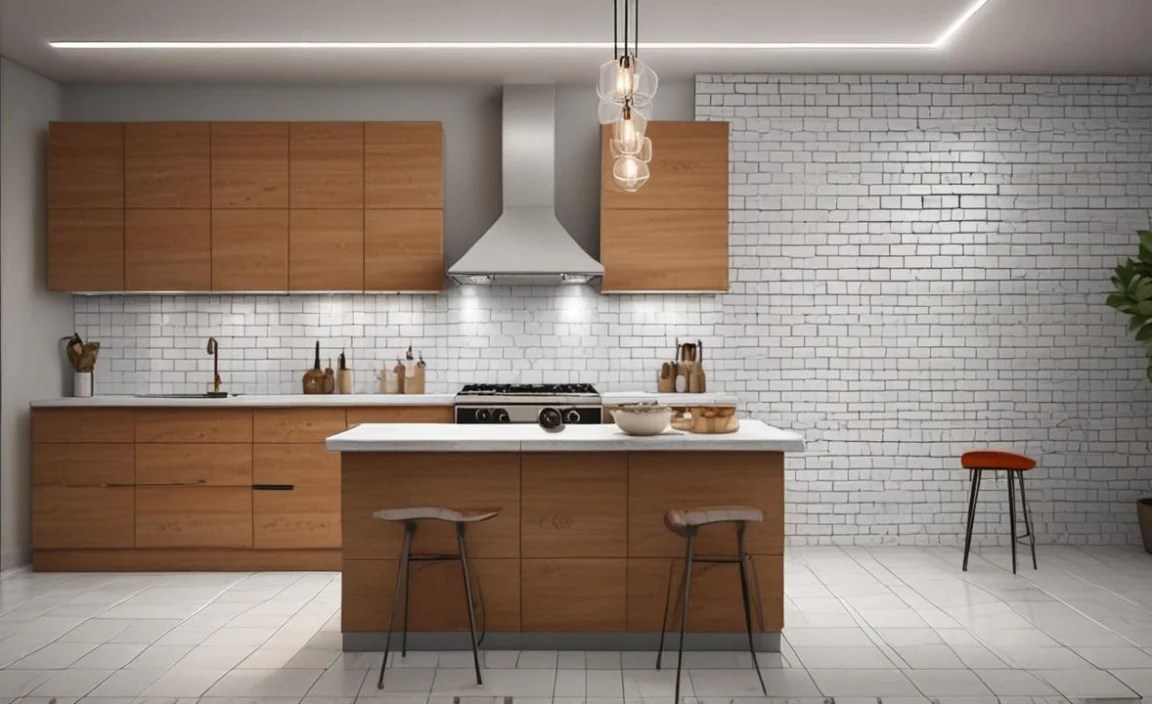
A tile backsplash is a practical necessity and a design statement rolled into one. It protects your walls from grease splatters, food stains, and moisture — common culprits in a busy kitchen. Beyond protection, a backsplash is a chance to inject personality into your cooking space. Whether you opt for sleek subway tiles, vibrant mosaics, or natural stone, the backsplash frames your countertops and draws the eye.
- Protection: Shields walls from splashes and spills.
- Easy Cleaning: Simple to wipe down after cooking.
- Aesthetic Appeal: Adds color, texture, and style.
- Durability: Withstands heat and frequent use.
Countertops: The Workhorse Surface
While less common than in the past, tiled countertops remain a durable and budget-friendly option, especially for DIYers. They can be customized to match any kitchen theme. When properly sealed, they offer good resistance to heat and stains. However, grout lines can be a cleaning challenge, so opting for larger tiles or epoxy grout can help.
Flooring: Standing Up to Kitchen Traffic
Kitchen floors need to be tough. They endure dropped pots, spilled liquids, and constant foot traffic. Tile flooring is an excellent choice for kitchens due to its resilience and water resistance. Ceramic, porcelain, and natural stone tiles can all withstand the demands of a busy kitchen, making cleanup a breeze.
2. Bathroom Bliss: Waterproofing and Style
Bathrooms are inherently wet environments, making tiles an indispensable material for both function and aesthetics.
Shower Walls and Floors: The Ultimate Defense Against Moisture

This is where tiles truly shine. Their primary function in a bathroom is to create a waterproof barrier. Ceramic and porcelain tiles are non-porous and ideal for shower enclosures, preventing water damage to the underlying walls and structure. The grout between tiles also needs to be water-resistant and properly sealed to prevent mold and mildew growth. A well-tiled shower is a testament to both design and practical engineering.
For more on waterproofing in wet areas, consult resources like the Tile Council of North America (TCNA), which offers detailed guides and standards for proper installation to ensure longevity and prevent water intrusion.
Flooring: Safety and Serenity
Bathroom floors need to be slip-resistant and easy to clean. Tiles offer a wide range of options, from textured porcelain to natural stone with good grip. Features like radiant floor heating can even be installed beneath tile, turning a cold bathroom floor into a cozy retreat.
Vanity Backsplashes: A Touch of Elegance
Just like in the kitchen, a tile backsplash behind the bathroom vanity adds a decorative element and protects the wall from water splashes and toothpaste splatters. This small area is a great place to experiment with intricate patterns or luxurious materials.
3. Living Spaces: Elevating Floors and Walls
Tiles are no longer confined to ‘wet’ areas. They are increasingly used in living rooms, entryways, and even bedrooms to enhance style and durability.
Entryways: The First Impression
Entryway floors see a lot of wear and tear from dirt, moisture, and foot traffic. Durable tiles like porcelain or natural stone can handle this abuse while creating a welcoming first impression. They are easy to sweep and mop, keeping your entrance looking neat.
Accent Walls: A Statement Piece
Tiled accent walls can transform a room. Imagine a textured stone wall behind your fireplace, a colorful mosaic in a dining room, or even metallic tiles in a home bar area. This adds depth, visual interest, and a focal point to any space.
Flooring in High-Traffic Areas
Beyond entryways, tile flooring is perfect for hallways and other areas that experience heavy foot traffic. Its longevity and resistance to wear make it a smart choice for busy households.
4. Outdoor Oases: Patios, Pools, and Pathways
Tiles are exceptionally well-suited for outdoor applications, offering durability, beauty, and functionality.
Patios and Decks: Extending Your Living Space

Outdoor-rated tiles are designed to withstand the elements – sun, rain, frost, and foot traffic. They create beautiful, functional patios, decks, and balconies that are easy to maintain. Look for tiles with a high slip resistance rating for safety.
Pool Surrounds: Beauty and Safety
Tiles are the classic choice for pool decks and surrounds. They are water-resistant, easy to clean, and can be chosen for their non-slip properties. Mosaics are also popular for decorative accents within pools themselves, adding sparkle and visual appeal.
Pathways and Walkways: Guiding Your Steps in Style
Durable and weather-resistant tiles can be used to create attractive and long-lasting garden paths and walkways. Laying tiles with proper drainage and a stable base ensures they remain functional and beautiful for years.
5. Beyond the Basics: Niche and Creative Uses
The applications of tiles extend far beyond the conventional, offering opportunities for creative expression and unique solutions.
Fireplace Surrounds: Warmth and Style
Tiles are an excellent material for surrounding a fireplace. They are non-combustible, protecting the wall from heat, and offer a vast array of styles to complement your decor, from rustic stone to sleek modern ceramic.
Decorative Features: Murals and Art
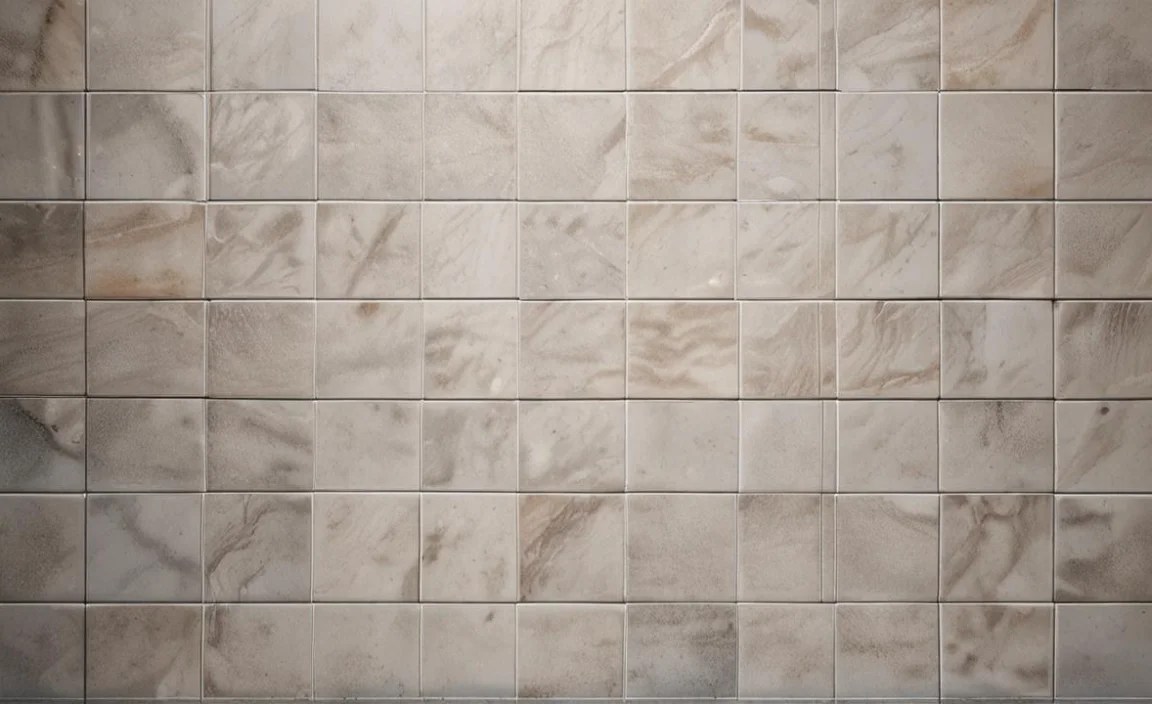
Custom tile murals can turn a plain wall into a work of art. This is a popular choice for feature walls in kitchens, dining rooms, or even outdoor spaces. The grout lines can even become part of the design, adding texture and definition.
Saunas and Steam Rooms: Moisture Masters

Due to their inherent water and heat resistance, tiles are a staple in saunas and steam rooms, ensuring durability and easy cleaning in these high-moisture, high-temperature environments.
Types of Tiles and Their Common Uses

Understanding the different types of tiles can help you choose the best option for your specific project. Each material has unique properties that make it suitable for certain applications.
| Tile Type | Key Characteristics | Common Uses | Pros | Cons |
|---|---|---|---|---|
| Ceramic | Glazed clay, porous unless glazed, versatile. | Walls (kitchen, bath), floors (low to moderate traffic), backsplashes. | Affordable, wide variety of styles/colors, easy to cut. | Can chip or crack, less durable than porcelain, porous if unglazed. |
| Porcelain | Denser, less porous, and harder than ceramic. | Floors (all areas), walls, outdoor patios, showers, countertops. | Highly durable, water-resistant, stain-resistant, frost-proof. | Harder to cut, can be more expensive, heavier. |
| Natural Stone (e.g., Granite, Marble, Slate, Travertine) | Comes from quarried rock, unique patterns. | Floors, countertops, walls, fireplaces, outdoor areas. | Unique beauty, durable, adds value, heat resistant. | Porous (requires sealing), can be expensive, can stain or etch. |
| Glass | Smooth, reflective, comes in mosaics or larger formats. | Backsplashes, accent walls, shower walls, pools. | Vibrant colors, reflective, easy to clean (surface). | Can scratch, can be brittle, grout lines can show imperfections. |
| Cement/Encaustic | Through-body color, often patterned, porous. | Floors, walls, backsplashes (requires sealing). | Unique patterns, historic look, durable if sealed. | Requires regular sealing, can stain, can be heavy. |
| Vinyl/LVP | Synthetic, waterproof, flexible. | Floors (kitchens, baths, basements), walls. | Waterproof, affordable, easy DIY install, durable. | Can be less elegant than other options, can fade in direct sun. |
Choosing the Right Tile for the Job
Selecting the correct tile type is crucial for a successful project. Consider the following factors:
- Location: Will it be in a wet area (bathroom, kitchen), a high-traffic zone (entryway, hallway), or outdoors?
- Durability Needs: Does it need to withstand heavy foot traffic, dropped items, or extreme weather?
- Maintenance: How much time are you willing to spend on cleaning and sealing?
- Slip Resistance: Especially important for bathrooms, kitchens, and outdoor areas.
- Aesthetics: What look are you trying to achieve?
- Budget: Prices vary significantly between tile types and brands.
Installation Considerations
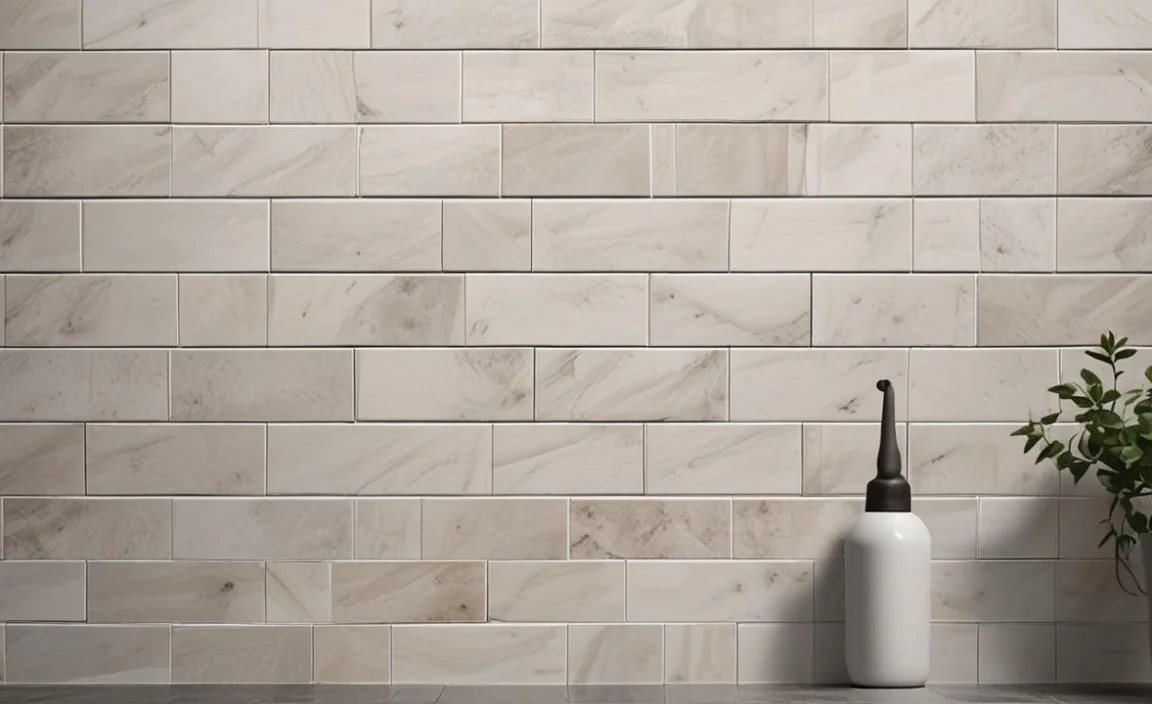
Proper installation is key to ensuring your tiles look great and last for years. While many DIYers tackle tiling projects, understanding the basics is essential.
- Substrate Preparation: The surface underneath must be clean, dry, level, and stable.
- Adhesive: Use the right type of thin-set mortar or tile adhesive for the tile type and location.
- Grout: Choose a grout that suits the tile and expected conditions (e.g., epoxy grout for high-moisture areas).
- Sealing: Porous tiles and grout should be sealed to prevent stains and moisture absorption.
- Tools: Essential tools include a tile cutter (snap cutter or wet saw), trowels, level, spacers, and safety glasses. You can find comprehensive guides on tile installation techniques from resources like The Home Depot.
Conclusion
As you can see, the uses of tiles are incredibly diverse, essential, and truly brilliant. They offer a practical and beautiful solution for almost any surface in your home, from protecting your kitchen walls to creating stunning outdoor living spaces. Whether you’re a seasoned DIYer or just starting to explore home improvement, understanding the versatility and benefits of tiles can unlock a world of design and functionality.
By considering the type of tile, its intended use, and proper installation, you can confidently choose and apply tiles to enhance your home’s durability, beauty, and value. Don’t be afraid to experiment with different textures, colors, and patterns. Tiles are a fantastic way to express your personal style while enjoying a surface that’s built to last. So go ahead, tile up your life and enjoy the enduring appeal and practicality they bring!
Frequently Asked Questions About Tile Uses
Q1: Can I use bathroom tiles in my kitchen?

Yes, generally you can use bathroom tiles in a kitchen, especially for walls or backsplashes. Many ceramic and porcelain tiles are suitable for both areas. However, for kitchen floors, ensure the tile is rated for floor use and has good durability and slip resistance.
Q2: Are tiles good for basements?
Tiles are an excellent choice for basement floors. They are resistant to the moisture often found in basements, easy to clean, and durable. Porcelain and vinyl tiles are particularly good options for basements.
Q3: How do I clean grout lines on my tile floors?

For regular cleaning, a mild detergent and water with a soft brush should suffice. For tougher stains, a dedicated grout cleaner or a paste of baking soda and water can be effective. Always test any cleaner on an inconspicuous area first. For persistent issues, consider an epoxy grout which is stain-resistant.
Q4: What is the difference between ceramic and porcelain tiles?

Porcelain tiles are fired at higher temperatures and are denser and less porous than ceramic tiles. This makes porcelain more durable, water-resistant, and suitable for high-traffic areas and outdoor use, while standard ceramic is great for walls and less demanding floor areas.
Q5: Can tiles be used on outdoor walls?

Yes, certain types of tiles, especially porcelain and natural stone specifically rated for exterior use, are excellent for outdoor walls. They can withstand various weather conditions and add decorative appeal to facades or garden walls.
Q6: Is it difficult to install tiles myself?
Tiling can be a rewarding DIY project, but it requires patience, precision, and the right tools. Tasks like cutting tiles, ensuring they are level, and applying grout can be challenging for beginners. Watching tutorials and following instructions carefully is key. For complex projects, hiring a professional is recommended.
Q7: How long do tiles typically last?
With proper installation and maintenance, many types of tiles can last for 50 years or even longer. Ceramic and porcelain tiles are known for their longevity, especially when used in appropriate applications.
