
In simple terms, vanity, when referring to a piece of furniture, is a dressing table or stand with a mirror, often used in bedrooms or bathrooms. It’s a stylish and functional spot for personal grooming and storing your beauty essentials.
Ever feel a bit lost when someone mentions a “vanity”? Especially when it comes to home decor or furniture shopping? You’re not alone! This term can pop up in conversations about bedrooms, bathrooms, and even makeup. It sounds fancy, but it’s actually quite straightforward. We’re here to break down what a vanity truly is, its common uses, and how to choose one that fits your space and needs. No confusing jargon, just clear, easy-to-understand guidance.
Understanding the “Vanity Definition”: More Than Just a Mirror

At its core, a vanity is a piece of furniture designed for personal grooming. Think of it as your dedicated spot for getting ready. The most defining feature is usually a mirror, allowing you to see yourself as you apply makeup, style your hair, or simply check your appearance. But a vanity is more than just a mirror on a table; it’s a well-designed unit that often includes storage to keep your grooming essentials organized and within easy reach.
The word “vanity” itself can sometimes have negative connotations, implying excessive pride. However, in the context of furniture and home design, it refers specifically to this type of dressing table. It’s a place where you can comfortably sit and attend to your personal care routines. It combines functionality with a touch of elegance.
The Classic Vanity: A Timeless Piece
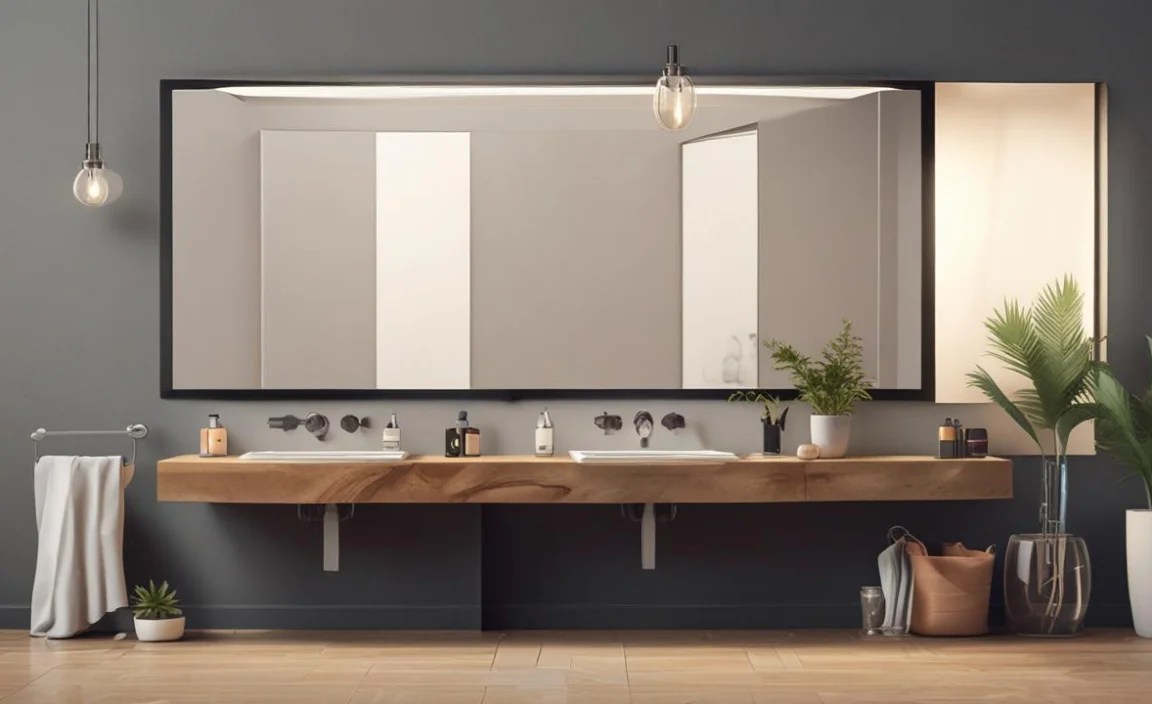
Historically, vanities, often called dressing tables or chifforobes, were elaborate pieces of furniture found in the bedrooms of affluent homes. They were designed to be both functional and beautiful, often featuring ornate carvings, fine wood, and ample drawer space for clothing and accessories. The mirror was almost always large and sometimes even adjustable.
These classic vanities were more than just furniture; they were statements of style and personal presentation. While modern vanities have evolved, they still carry that essence of a dedicated space for self-adornment. They offer a sense of luxury and a practical solution for managing personal items.
Types of Vanities: Finding Your Perfect Fit

When you start looking for a vanity, you’ll quickly realize there are many styles and types available. The “best” type depends entirely on where you plan to put it, how much space you have, and what you need it for. Let’s explore the most common ones:
1. Bedroom Vanities

These are the most traditional form of vanity. You’ll typically find them in a bedroom, often paired with a stool or bench. They are designed to be a central point for makeup application, hair styling, and general getting-ready routines.
- Features: Usually includes a large mirror (sometimes tri-fold), multiple drawers for makeup, jewelry, and hair tools, and a spacious tabletop.
- Style: Can range from antique and ornate to sleek and modern, fitting seamlessly into various bedroom decors.
- Considerations: Requires dedicated floor space in a bedroom.
2. Bathroom Vanities
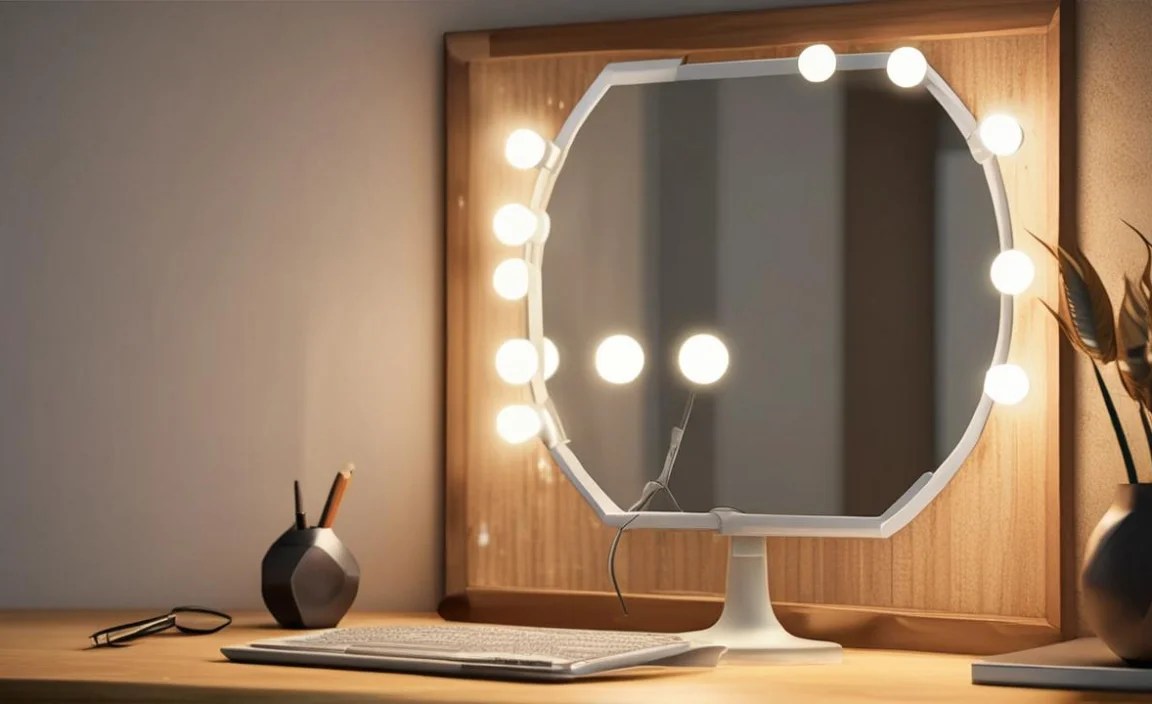
This is where the term “vanity” is most commonly used in modern homes. A bathroom vanity is a piece of furniture that incorporates a sink and countertop, serving as the central unit in a bathroom. They are designed to be water-resistant and provide storage for bathroom essentials like toiletries, towels, and cleaning supplies.
Bathroom vanities come in various configurations:
- Single Vanity: Ideal for smaller bathrooms, featuring one sink and a countertop.
- Double Vanity: Designed for larger bathrooms or master ensuites, with two sinks and a wider countertop, perfect for couples.
| Vanity Type | Primary Location | Key Features | Best For |
|---|---|---|---|
| Bedroom Vanity | Bedroom | Large mirror, drawers for makeup/jewelry, often includes a stool. | Dedicated dressing area, makeup application, hair styling. |
| Bathroom Vanity (Single) | Bathroom | Sink, countertop, storage cabinets/drawers, water-resistant materials. | Smaller bathrooms, essential storage, everyday sink use. |
| Bathroom Vanity (Double) | Bathroom | Two sinks, larger countertop, ample storage, often a centerpiece. | Master bathrooms, couples, maximizing sink space and storage. |
3. Floating or Wall-Mounted Vanities

These are a popular modern choice, especially for smaller bathrooms. As the name suggests, they are attached directly to the wall, giving the impression that they are floating. This creates a sense of spaciousness and makes cleaning the floor underneath much easier.
- Benefits: Maximizes floor space, modern aesthetic, easy floor cleaning.
- Considerations: Requires secure wall mounting; plumbing might be more complex during installation.
4. Corner Vanities

Designed to fit snugly into a corner, these vanities are excellent for maximizing space in oddly shaped or small rooms. They efficiently utilize otherwise underused areas.
- Benefits: Space-saving, utilizes corners effectively.
- Considerations: May offer less countertop or storage space than standard units.
Key Components of a Vanity

Whether it’s a bedroom dressing table or a bathroom unit, several components make up a vanity. Understanding these parts can help you appreciate its design and functionality:
- Mirror: The central feature for reflection. Mirrors can be attached, integrated into the unit, or be a separate piece hung above the vanity. Sizes and shapes vary greatly.
- Tabletop/Countertop: The main surface where you perform your grooming. In bathrooms, this is typically made of materials like granite, quartz, marble, or laminate. Bedroom vanities might have wood or glass tops.
- Drawers and Cabinets: These are crucial for storage. They hold everything from makeup and perfumes to toiletries and hair dryers. Drawer organizers can be a game-changer for keeping this space tidy.
- Legs or Base: This supports the vanity. It could be four legs, a pedestal, or a solid base cabinet. Floating vanities, of course, attach to the wall.
- Stool or Bench (for Bedroom Vanities): A comfortable seat designed to fit with the height and style of the vanity.
- Sink (for Bathroom Vanities): Integrated into the countertop, sinks come in various styles like undermount, drop-in, or vessel sinks.
Why Students Might Encounter the Term “Vanity”

For students, the term “vanity” often comes up in a few key contexts:
1. Dorm Room Furniture: Some dorms might offer small, basic vanity units or dressing tables as part of the room furnishings, especially in shared living spaces where a dedicated dressing area is beneficial.
2. Apartment Rentals: When renting an apartment, you might encounter a bathroom vanity as a standard feature. Understanding its components and how to care for it is part of home living.
3. Personal Space and Organization: As students gain more independence, they often set up personal spaces. A small vanity, even just a mirror and a designated shelf, can be a way to create a functional and organized area for personal care, especially important in shared housing.
4. Interior Design and Decor: Even if they don’t plan to purchase one, students might encounter the term when discussing room decor, looking at furniture online, or visiting friends’ homes. Understanding the definition helps in comprehending interior design articles and trends.
Choosing the Right Vanity for Your Needs

Selecting a vanity involves considering several factors. Whether it’s for a cramped dorm room, a shared bathroom, or your own apartment, here’s a guide:
1. Measure Your Space Accurately

This is the most critical step. Before you even look at styles, grab a tape measure. You need to know the exact width, depth, and height available. Don’t forget to account for door swings and clearance around the unit. For bathroom vanities, ensure you know the location of existing plumbing and electrical outlets.
2. Determine Your Primary Use

- Just Makeup and Hair? A bedroom vanity with good lighting and storage for cosmetics might be perfect.
- Need a Sink and Storage? A bathroom vanity is essential. Consider how much storage you require for toiletries, cleaning supplies, and other bathroom items.
- Dual Purpose? Some compact bedroom vanities can also serve as a desk, offering versatility.
3. Consider Storage Needs

Think about everything you need to store. Makeup, skincare products, hair tools, towels, cleaning supplies, medications? Catogorize your items to estimate how much drawer and cabinet space you’ll realistically need. Look for features like deep drawers, adjustable shelves, and perhaps even built-in organizers.
4. Style and Aesthetics

The vanity should complement the overall style of your room or bathroom. Do you prefer modern and minimalist, or classic and ornate? Materials are also important for both look and durability. For bathrooms, water-resistant materials are a must. You can learn more about common bathroom countertop materials from resources like the BuildingGreen glossary.
5. Lighting and Mirror

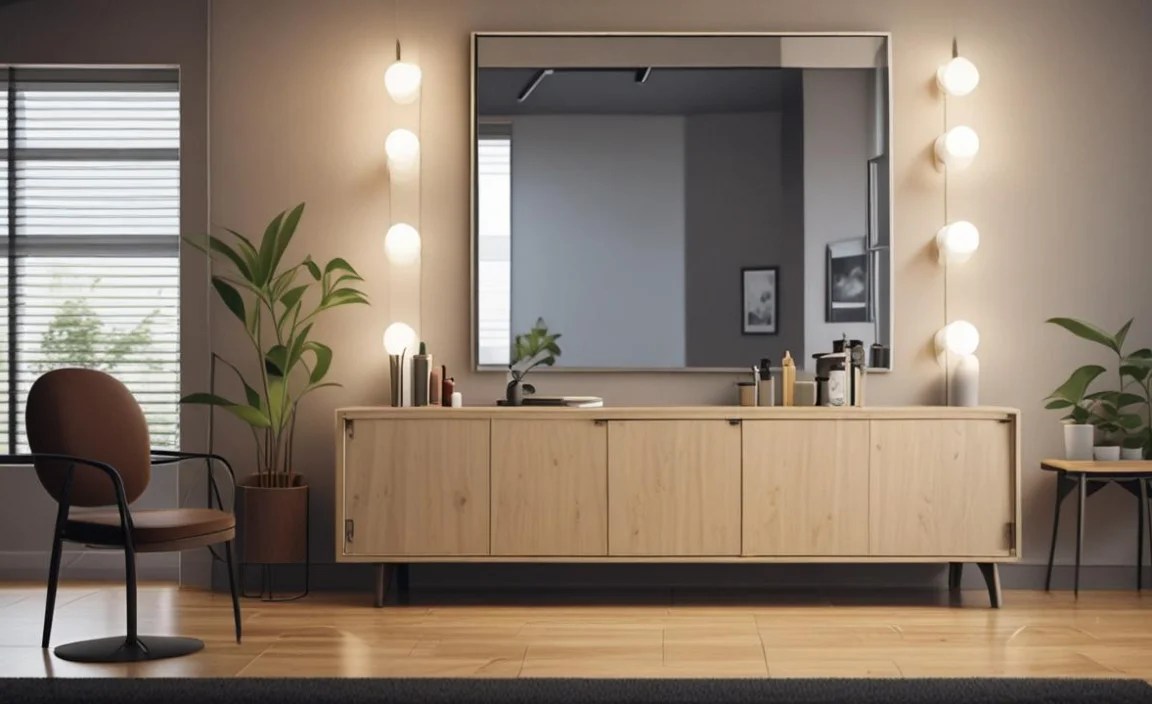
The mirror is key. Is it large enough? Does it offer good visibility? For makeup application, good lighting is non-negotiable. Some vanities come with integrated lighting, while others rely on nearby sconces or overhead fixtures. You might need to add a vanity mirror with its own lights.
6. Budget
Vanities range widely in price, from budget-friendly laminate units to high-end custom pieces. Set a realistic budget based on the quality and features you need. Remember to factor in potential costs for installation, especially for bathroom vanities. Reputable DIY guides from sources like the This Old House website can offer insights into installation complexity.
Vanity vs. Other Furniture: What’s the Difference?

It’s easy to get confused between a vanity and similar furniture pieces. Here’s a quick breakdown:
- Vanity vs. Desk: While some vanities can double as desks, a desk is primarily designed for work or study. Desks typically have a flat, unobstructed surface and drawers for office supplies, with less emphasis on mirrors or cosmetic storage.
- Vanity vs. Dresser: A dresser is purely for clothing storage, featuring multiple drawers stacked vertically. It doesn’t typically include a mirror or a dedicated surface for grooming.
- Vanity vs. Console Table: A console table is usually a long, narrow table placed against a wall, often in an entryway or behind a sofa. It’s mainly for decorative purposes or to hold lamps and accessories, lacking the grooming-focused features of a vanity.
| Furniture Type | Primary Purpose | Key Features | Common Location |
|---|---|---|---|
| Vanity | Personal grooming, makeup, hair styling (bedroom); Sink and storage (bathroom) | Mirror, dedicated surface, storage for personal items. Bathroom vanities include a sink. | Bedroom, bathroom |
| Desk | Work, study, computer use | Writing surface, drawers for office supplies, minimal or no mirror. | Office, bedroom, living area |
| Dresser | Clothing and linen storage | Multiple stacked drawers, no mirror or dedicated grooming surface. | Bedroom |
| Console Table | Decoration, display, entryway storage | Narrow, often long table, drawers or shelves for accessories. | Entryway, living room, hallway |
Caring for Your Vanity

To keep your vanity looking its best and functioning efficiently, regular care is important. The specific maintenance will depend on whether it’s a bedroom vanity or a bathroom unit.
For Bedroom Vanities:

- Dust Regularly: Use a soft, dry cloth to wipe down surfaces and mirrors.
- Clean Spills Immediately: Especially important if the surface is wood or laminate.
- Protect the Surface: Use coasters for perfumes and bottles to prevent rings or stains.
- Organize Drawers: Periodically declutter and clean out drawers to prevent buildup.
For Bathroom Vanities:

Bathroom vanities often face moisture and cleaning product exposure, so they require more robust care. For guidance on choosing durable and easy-to-maintain bathroom surfaces, consulting manufacturers’ specifications is always a good idea. The National Association of Home Builders (NAHB) offers extensive resources on home building and renovation, which can include material durability.
- Wipe Down After Use: A quick wipe of the countertop can prevent water spots and product buildup.
- Use Gentle Cleaners: Avoid abrasive cleaners that can scratch or dull the countertop or sink finish. Mild soap and water are often best.
- Dry Thoroughly: After cleaning, ensure all surfaces, especially around the sink and faucet, are dried to prevent water damage or mineral deposits.
- Check for Leaks: Periodically inspect under the sink for any signs of leaking pipes or moisture damage.
- Seal Natural Stone (if applicable): If your vanity has a natural stone countertop like granite or marble, it will need periodic sealing to protect against stains.
Frequently Asked Questions About Vanities
Q1: What is the main purpose of a vanity?
A1: The main purpose of a vanity is to provide a dedicated space for personal grooming, typically including a mirror and storage for related items. In bathrooms, it also serves as the main unit for the sink.
Q2: Is a vanity the same as a dressing table?
A2: Yes, “vanity” and “dressing table” are often used interchangeably, especially for bedroom furniture designed for applying makeup and styling hair.
Q3: Can I put a vanity in any room?
A3: While traditionally found in bedrooms and bathrooms, a vanity can be placed in any room where you need a dedicated grooming or dressing space, provided there is adequate room and lighting.
Q4: What is the difference between a single and a double vanity in a bathroom?
A4: A single vanity has one sink and countertop, suitable for smaller bathrooms. A double vanity has two sinks and a larger countertop, ideal for larger bathrooms or for use by multiple people at once.
Q5: Do bathroom vanities come with a sink and faucet?
A5: Some bathroom vanities are sold as a complete unit with a pre-attached sink and sometimes even a faucet. Others are sold as just the cabinet and countertop, requiring you to purchase the sink and faucet separately. Always check the product description.
Q6: How do I ensure my bathroom vanity is water-resistant?
A6: Look for vanities made from water-resistant materials like engineered wood with a sealed finish, specific types of plastic, or sealed natural stone. Ensure the finish is smooth and free of cracks where moisture can seep in. Proper sealing and regular drying are also key maintenance steps.
Q7: What if I have a very small space for a bedroom vanity?
A7: For small spaces, consider a compact corner vanity, a wall-mounted unit, or even a small dressing table that can double as a workspace. A mirror mounted on the wall above a simple shelf can also serve the purpose effectively.
Conclusion
Understanding the “vanity definition” is much simpler than it might first appear. Whether you’re envisioning a charming dressing table in your bedroom or a practical, stylish unit for your bathroom, a vanity offers a dedicated space for personal care and organization. By considering your space, storage needs, and desired aesthetic, you can confidently choose a vanity that not only looks great but also enhances your daily routine. Remember, a well-chosen vanity can transform a corner of your room or your entire bathroom into a functional and beautiful personal sanctuary.
