
Do you know what a vanity is in construction? It’s not just a word about being proud. In the world of building and designing, it has a special meaning. A vanity is a cabinet in the bathroom. It holds the sink and gives you space to store things. Builders and designers use vanities to make bathrooms look nice and work well. Let’s learn more about the vanity meaning in construction and why it’s important!
Key Takeaways
- Vanities are cabinets for sinks in bathrooms.
- They provide storage for bathroom essentials.
- Designers use vanities to add style and function.
- Vanity meaning in construction relates to bathroom design.
- Vanities can change the look of a room.
Understanding Vanity in Construction
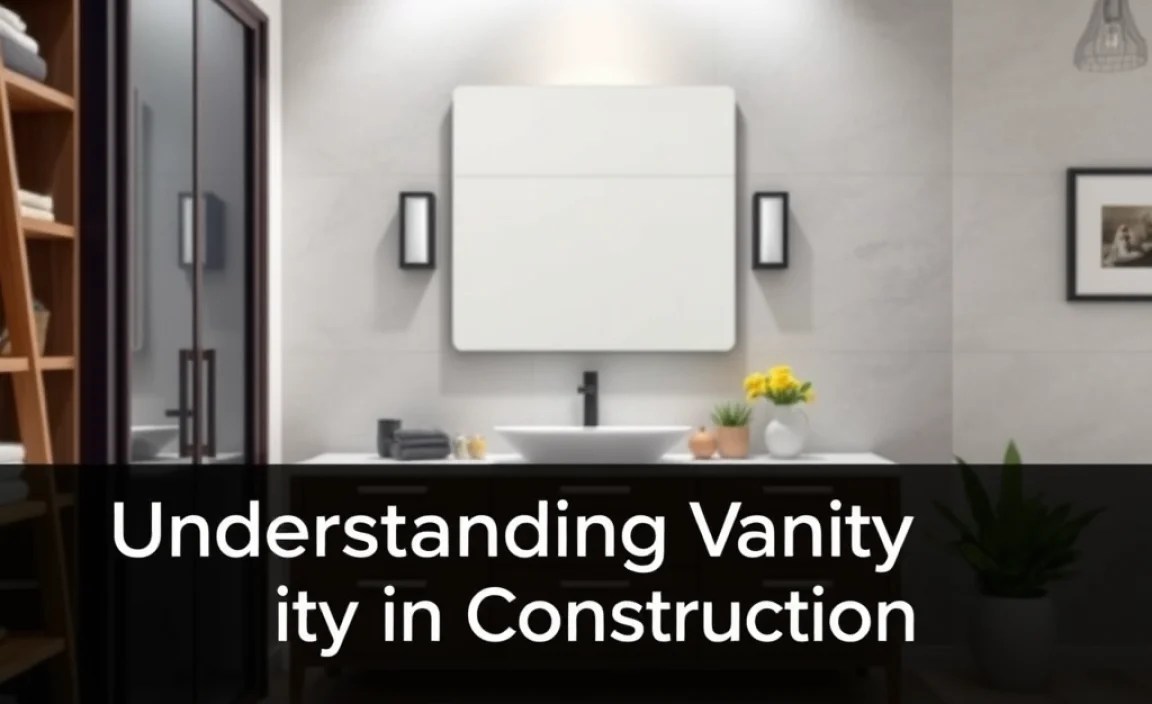
In construction, a vanity is a vital piece. It is a cabinet, often found in bathrooms. Vanities hold the sink and provide storage. This is where you might keep towels or soap. Builders choose vanities carefully. They need to fit the room and look nice. Vanities come in many styles, colors, and sizes. This choice can affect how the whole bathroom looks and feels.
- Vanities fit under bathroom sinks.
- They offer storage space for essentials.
- Designs can vary greatly in style.
- Materials include wood, metal, or plastic.
- Colors can match the room’s theme.
- Sizes depend on bathroom space.
Choosing the right vanity is important. A small bathroom needs a compact vanity. A big bathroom may have a double vanity with two sinks. Some vanities even have mirrors or lights. The right vanity can make a big difference. It adds both style and function to any bathroom.
Fun Fact or Stats : Most vanities are about 30 inches tall.
Why Vanities Are Important
Why do builders care about vanities? Vanities can make a bathroom better. They add storage space, which is always useful. It’s not just about looks. A good vanity makes using the bathroom easier. Imagine having all your things neatly stored. You never have to search for a towel or soap. Vanities keep everything in one place.
Choosing the Right Vanity
How do you pick the perfect vanity? First, think about size. Measure your bathroom space. Then, consider style. Do you want a modern look or something classic? Finally, think about function. Do you need lots of storage or just a little? These choices will help you find the right vanity for your home.
Popular Vanity Materials
Vanities are made from many materials. Wood is a popular choice. It’s strong and looks nice. Metal is another option. It’s durable and easy to clean. Some vanities are even made of plastic. Each material has pros and cons. Wood can be stylish but needs care. Metal is tough but might not fit every style.
Types of Vanities in Construction

Did you know there are different types of vanities? Some are freestanding. These vanities stand on the floor. Others are wall-mounted. They hang from the wall, saving floor space. Corner vanities fit into corners. This is good for small bathrooms. Double vanities have two sinks. They’re perfect for shared bathrooms. Floating vanities also save space. They give a modern look to any bathroom.
- Freestanding vanities stand on the floor.
- Wall-mounted vanities are attached to walls.
- Corner vanities fit into small spaces.
- Double vanities have two sinks.
- Floating vanities do not touch the floor.
- Each type suits different needs.
Choosing the right type depends on your space and needs. Freestanding vanities are versatile. They work in many spaces. Wall-mounted and floating vanities save floor space. This makes cleaning easier. Corner vanities can fit into unusual spaces. Double vanities are great for families. Consider your bathroom’s size and style before deciding.
Fun Fact or Stats : Double vanities are popular in master bathrooms.
Freestanding Vanities
Freestanding vanities are very common. They are easy to install. You just put them in place. These vanities are great for any bathroom. They come in many styles and sizes. Some have drawers or doors. This gives you plenty of storage space. Freestanding vanities also fit most budgets. They can be simple or fancy, depending on your choice.
Wall-Mounted Vanities
Wall-mounted vanities are trendy. They hang from the wall. This frees up floor space. It makes the bathroom feel bigger. Cleaning is easier with nothing on the floor. Wall-mounted vanities suit modern styles. They often look sleek and stylish. This type of vanity might be tricky to install. You need a strong wall to hold it.
Floating Vanities
Floating vanities are like wall-mounted ones. They don’t touch the floor. This creates an open look. Floating vanities suit small spaces. They make cleaning easy. This style is modern and stylish. However, they might offer less storage. Choose a floating vanity if you love a clean, open bathroom look.
Styles and Trends in Vanity Design

Vanity styles change with trends. Modern designs are sleek and simple. They have clean lines and plain colors. Traditional vanities often have carved details. They use warm wood tones. Rustic vanities look like they belong in the countryside. They use natural wood and stone. Industrial vanities are bold. They use metal and concrete.
- Modern vanities are simple and sleek.
- Traditional styles use warm wood and details.
- Rustic designs feature natural materials.
- Industrial vanities use metal and concrete.
- Trends change over time.
- Choose a style that fits your taste.
When choosing a vanity style, think about your home’s look. A modern home might suit a sleek vanity. A cozy cottage could need a rustic design. Trends come and go. Pick a style that you will love for a long time. Your vanity should match your taste and your home’s design.
Fun Fact or Stats : Rustic vanities are popular in cabin-style homes.
Modern Vanity Designs
Modern vanities are popular. They are simple and stylish. Modern designs use clean lines. They avoid fancy details. This style often uses neutral colors. White, black, and gray are common. Modern vanities fit in many homes. They look great in small spaces. They can make a bathroom feel bigger. This style is perfect if you like a clean, fresh look.
Traditional Vanity Styles
Traditional vanities are classic. They use warm, rich colors. Wood is a common material. These vanities often have details like carvings. Traditional styles can make a bathroom feel cozy. They suit homes with classic decor. This style is perfect if you love timeless beauty. Traditional vanities have a warm, welcoming feel.
Rustic Vanity Ideas
Rustic vanities are charming. They use natural materials like wood and stone. This style gives a bathroom a cozy, farmhouse feel. Rustic vanities can have a rough, unfinished look. They bring the feel of nature into the home. If you love the countryside, a rustic vanity might be perfect. This style adds warmth and character to any bathroom.
Comparing Vanity Materials
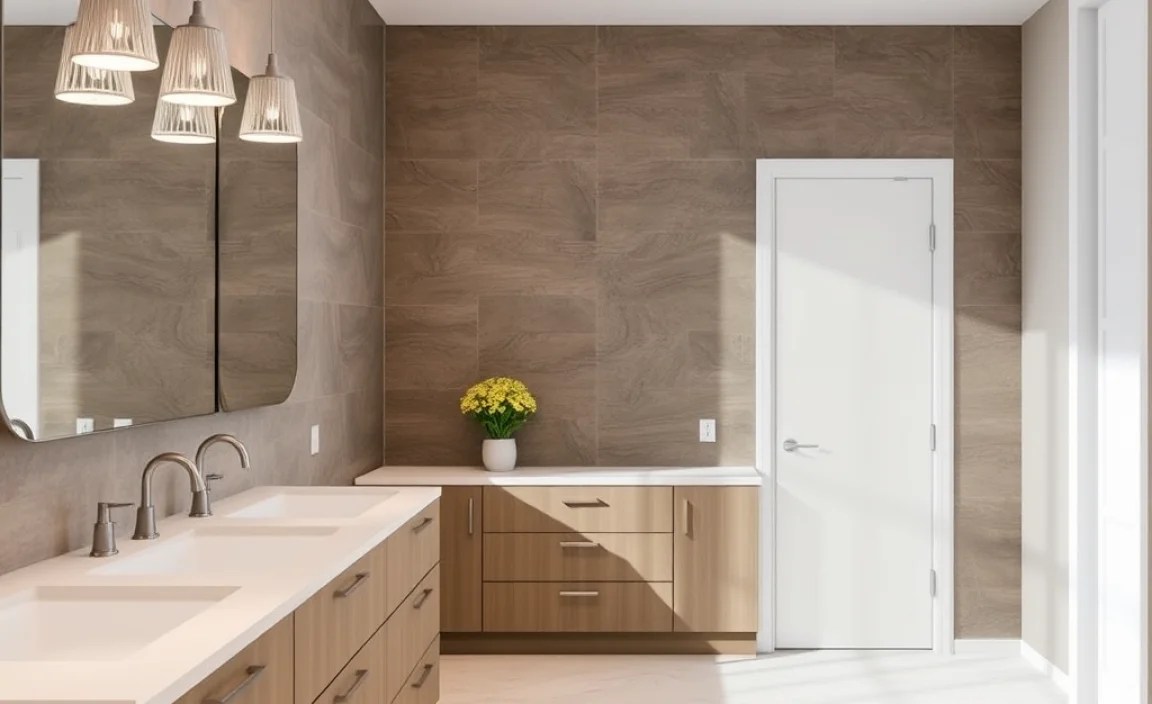
Choosing the right material for a vanity is crucial. Each material has its benefits and drawbacks. Wood is beautiful and warm. However, it needs care to avoid water damage. Metal is tough and modern. It doesn’t mind water but can feel cold. Plastic is affordable and easy to clean. It might not look as stylish as other materials. Stone is luxurious and durable. It’s heavy and requires strong support.
| Material | Pros | Cons |
|---|---|---|
| Wood | Warm, beautiful | Needs care, can warp |
| Metal | Durable, modern | Cold, less style variety |
| Plastic | Affordable, easy to clean | Less stylish, can scratch |
| Stone | Luxurious, durable | Heavy, expensive |
- Wood is warm and pretty.
- Metal is strong and sleek.
- Plastic is easy to clean.
- Stone is luxurious and durable.
- Each has pros and cons.
- Pick based on your needs.
Consider your bathroom’s needs and style when picking materials. Wood suits traditional looks but needs care. Metal works well in modern designs. Plastic is practical for families. Stone adds luxury but might be costly. Choose a material that fits your lifestyle and budget.
Fun Fact or Stats : Stone vanities often use marble or granite.
Wood Vanities
Wood is a classic choice for vanities. It is warm and inviting. Wood vanities can be simple or ornate. They come in many colors and finishes. Some wood vanities have a natural look. Others are painted or stained. Wood needs care to stay beautiful. It can warp if it gets too wet. Choose wood if you love a natural, warm feel.
Metal Vanities
Metal vanities are sleek and modern. They fit well in contemporary homes. Metal is durable and easy to clean. It can handle moisture. Metal vanities often have a simple design. They can be shiny or matte. This style suits those who like a bold, modern look. Metal vanities are a great choice for durability.
Plastic Vanities
Plastic is a practical choice for vanities. It is affordable and easy to maintain. Plastic vanities come in many colors and shapes. They are light and simple to install. Plastic can scratch but is easy to clean. This material suits busy bathrooms. Choose plastic if you need something practical and budget-friendly.
Installation and Maintenance of Vanities

Installing a vanity requires planning. First, measure your space. Make sure the vanity fits. You’ll need to connect the plumbing. This can be tricky. Some vanities are easier to install, like freestanding ones. Wall-mounted vanities need strong support. Maintenance is important, too. Keep your vanity clean and dry. This helps it last longer.
- Measure your space before buying.
- Consider plumbing needs.
- Freestanding vanities are easier to install.
- Wall-mounted require strong walls.
- Regular cleaning is essential.
- Keep vanities dry to prevent damage.
Proper installation ensures your vanity lasts. Take time to plan and measure. Consider the type of vanity you want. Maintenance extends the life of your vanity. Cleaning prevents stains and damage. Regular care keeps your bathroom looking nice. Always read instructions and, if needed, get help from a professional.
Fun Fact or Stats : Many people use professionals for vanity installation.
Measuring for a Vanity
Before buying a vanity, measure your space. Make sure it fits well. Measure the width, depth, and height. Consider the room’s layout. Check for obstructions like doors. This will help you choose the right size. Proper measurements prevent future problems. A vanity that’s too big might not fit. A small one may not provide enough storage.
Connecting Plumbing
Plumbing is a key part of vanity installation. Connect the sink to water and drainage pipes. This can be tricky for beginners. Leaks are common if not done right. Consider hiring a professional. They ensure everything is secure. Good plumbing is crucial for a functional bathroom. It helps prevent future issues like water damage.
Keeping Vanities Clean
Keeping your vanity clean is important. Use soft cloths and mild soap. Avoid harsh chemicals. They can damage the surface. Regular cleaning prevents stains and buildup. Pay attention to the sink area. Water spots can form there. Dry your vanity after cleaning. This helps maintain its beauty. A clean vanity makes your bathroom welcoming.
Conclusion
Understanding the vanity meaning in construction helps you choose the best design. Vanities are more than just cabinets. They are an important part of any bathroom. With the right vanity, you can add style and function to your space. Always consider size, style, and material. A great vanity can transform any bathroom.
FAQs
Question: What is the vanity meaning in construction?
Answer: In construction, a vanity is a cabinet that holds the bathroom sink. It provides storage and adds style. Vanities are important for bathroom design, offering both function and aesthetics.
Question: How do you choose a bathroom vanity?
Answer: First, measure your bathroom space. Consider the style you like. Think about storage needs. Pick a size that fits your space. Choose materials that match your home’s style and budget.
Question: Why are vanities important in bathroom design?
Answer: Vanities provide essential storage space. They help keep the bathroom organized. A well-chosen vanity adds style and function to the room. It can make the bathroom look more inviting and complete.
Question: What materials are used for vanities?
Answer: Vanities can be made from wood, metal, plastic, or stone. Each material has pros and cons. Wood is warm and classic. Metal is modern and durable. Plastic is affordable. Stone is luxurious and strong.
Question: How are vanities installed?
Answer: Installing a vanity involves measuring space and connecting plumbing. Freestanding vanities are easier to install. Wall-mounted vanities need strong support. Proper installation ensures longevity. Consider hiring a professional for complex installations.
Question: What are the trends in vanity design?
Answer: Modern vanities are sleek with clean lines. Traditional designs use warm wood and details. Rustic styles feature natural materials. Industrial designs use metal and concrete. Trends change, so choose a style you love.
