
Vanity uses are diverse, from practical storage and surface space in bathrooms and bedrooms to decorative statement pieces. Understanding the pros and cons – like enhanced organization and style versus potential cost and space requirements – is key to choosing and using one effectively. This guide breaks down everything you need to know for beginners.
Considering a vanity for your home? You’re not alone! Vanities are fantastic additions that can transform a room, offering a dedicated space for getting ready, storing essentials, and adding a touch of style. But what exactly is a vanity, and what benefits or drawbacks should you expect? Many homeowners find themselves wondering if a vanity is the right choice for their bathroom or bedroom, especially when it comes to maximizing space and functionality.
Don’t worry, this guide is here to help! We’ll break down the specific uses of vanities, explore their advantages and disadvantages in simple terms, and provide essential tips for choosing and using one. Get ready to feel confident and prepared as we dive into the world of vanities.
What is a Vanity?
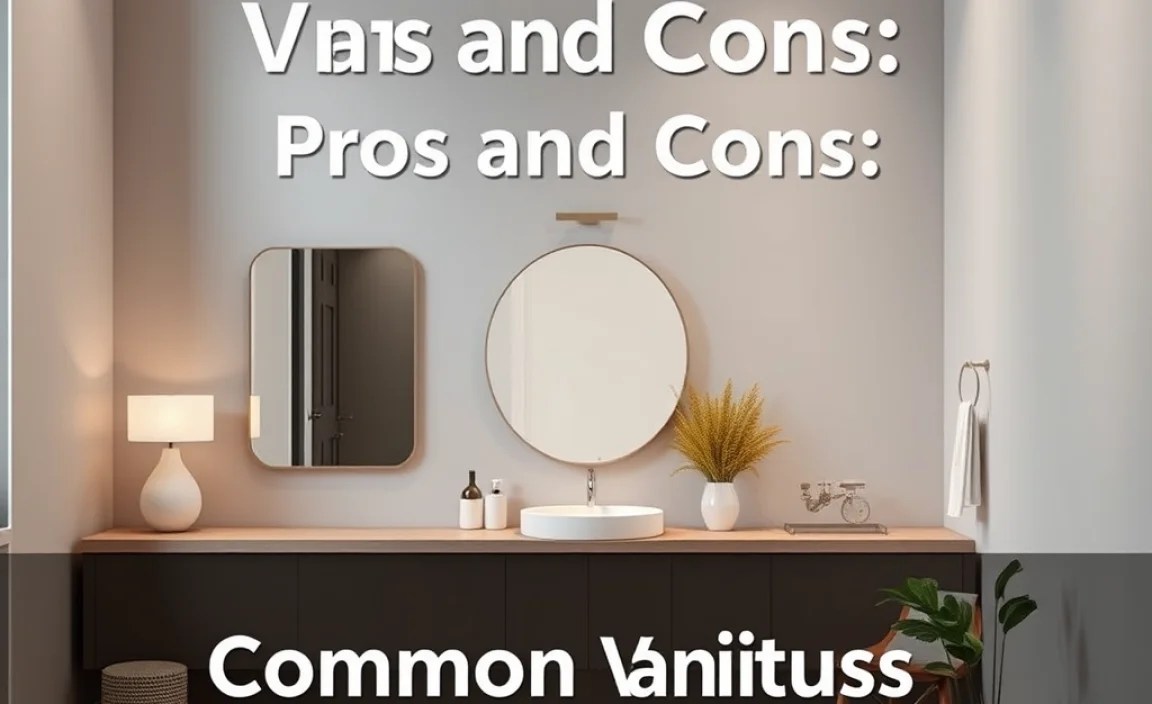
At its core, a vanity is a piece of furniture designed to offer a dedicated area for personal grooming and makeup application. Think of it as a stylish and functional workstation for your beauty routine. Traditionally found in bedrooms, modern vanities are most commonly associated with bathrooms, where they serve a dual purpose: housing the sink and providing crucial storage and surface space.
Vanities come in many shapes and sizes, from compact models that fit into small bathrooms to large, elaborate dressing tables with abundant drawers and shelves. They can be standalone pieces or integrated into your bathroom’s existing design. The key characteristic is the combination of a surface, often a mirror, and storage, all focused on making your personal care routines more organized and enjoyable.
Common Vanity Uses in the Home

While the bathroom is their most popular home, vanities can be incredibly versatile. Let’s explore the different ways they can be used to enhance your living space and daily routines.
Bathroom Vanities: The Workhorse
This is where most people picture a vanity, and for good reason! Bathroom vanities are designed to be functional powerhouses.
- Sink Integration: The primary use is to house the bathroom sink, making it the central hub for handwashing, brushing teeth, and facial cleansing. The countertop provides a stable surface around the sink.
- Storage Solutions: This is a huge benefit. Vanities offer invaluable storage for all your bathroom essentials. Think toiletries, makeup, hair products, cleaning supplies, spare towels, and more. Drawers and cabinets keep clutter hidden and organized.
- Surface Space: The countertop is perfect for placing items you need frequent access to, like soap dispensers, toothbrushes, or decorative items. It also provides a temporary spot for items during use.
- Water Containment: The design of a bathroom vanity, especially with an integrated sink and backsplash, helps protect your walls and flooring from water splashes.
- Aesthetics: Beyond function, bathroom vanities are a major style element. They define the look and feel of your bathroom, from modern and sleek to traditional and charming.
Bedroom Vanities (Dressing Tables): The Glamour Zone
Often referred to as dressing tables, these vanities bring a touch of old-world glamour and modern convenience to the bedroom.
- Dedicated Grooming Space: Perfect for applying makeup, styling hair, and getting dressed without cluttering your main living areas or bathroom.
- Mirror Integration: Bedroom vanities almost always come with a mirror, often a large one, facilitating detailed grooming. Some have built-in lighting for better visibility.
- Jewelry and Makeup Storage: With specialized drawers and compartments, these vanities are ideal for organizing jewelry, cosmetics, perfumes, and other personal accessories.
- A Stylish Furniture Piece: A well-chosen bedroom vanity can serve as a beautiful focal point, adding elegance and personality to your bedroom decor.
- Comfort and Convenience: Paired with a comfortable stool or chair, a bedroom vanity offers a relaxing spot to prepare for your day or unwind in the evening.
Other Potential Vanity Uses
Don’t feel limited! With a little creativity, vanities can be adapted for other areas.
- Entryway Console: A slim vanity could serve as a stylish console table in an entryway, providing a surface for keys, mail, and a decorative lamp, with drawers for gloves or scarves.
- Small Office Nook: In a home office, a vanity could offer a convenient spot for a laptop, with drawers for stationery and office supplies.
- Powder Rooms: Smaller powder rooms benefit immensely from petite vanities that add charm and essential storage without overwhelming the space.
Pros and Cons of Vanities

Like any home improvement, vanities come with their advantages and disadvantages. Understanding these will help you make an informed decision.
Advantages (The Upside)
Vanities offer a host of benefits that can significantly improve your home’s functionality and aesthetics.
- Enhanced Organization: This is arguably the biggest pro. Vanities provide dedicated storage, keeping bathrooms and bedrooms tidy and clutter-free. Everything has its place, from toiletries to makeup.
- Improved Efficiency: Having all your grooming essentials in one organized location saves time and reduces stress during busy mornings or evenings.
- Increased Storage Space: Vanities add substantial storage, which is especially valuable in smaller homes or apartments where space is at a premium. This can reduce the need for additional shelving or cabinetry.
- Boosted Property Value: A well-designed and functional bathroom vanity can be a strong selling point, potentially increasing your home’s appeal and value to buyers.
- Aesthetic Appeal: Vanities are statement pieces that can dramatically elevate the style of a room. They come in countless designs, materials, and finishes to match any decor.
- Defined Personal Space: In shared living situations, a vanity can create a personal grooming zone, offering a sense of privacy and individuality.
- Ergonomics and Comfort: A well-placed vanity with a comfortable stool or chair can make grooming routines much more comfortable and enjoyable.
Disadvantages (The Downsides)
It’s also important to consider the potential drawbacks before committing to a vanity.
- Cost: Vanities can range from budget-friendly options to high-end designer pieces, and the initial purchase and installation can be a significant investment.
- Space Requirements: Larger or more elaborate vanities require ample floor space. If your bathroom or bedroom is small, a vanity might make the room feel cramped.
- Installation Complexity: Especially for bathroom vanities with plumbing, installation can be complex and may require professional help, adding to the overall cost and effort.
- Maintenance and Cleaning: Countertops can be prone to stains, water damage, or scratches depending on the material. Regular cleaning and proper care are necessary to maintain their appearance.
- Potential for Clutter: While designed for organization, an unmanaged vanity can quickly become cluttered if items aren’t put back in their place regularly.
- Limited Versatility: While adaptable, a vanity is primarily designed for grooming. If your needs change, its specific function might become less relevant.
Types of Vanities to Consider

The world of vanities is vast! Understanding the different types will help you narrow down your search based on your needs and space.
Bathroom Vanity Styles
Bathroom vanities are the most common and come in several configurations:
- Pedestal Vanities: A sink mounted on a pedestal. Offers minimal storage but a classic look. Not technically a vanity in the storage sense, but often considered a minimalist bathroom sink solution.
- Wall-Mounted Vanities: Secured directly to the wall, these create a “floating” look, which can make a small bathroom feel more spacious and are easier to clean around. They offer drawers or cabinets.
- Freestanding Vanities: These are like standalone cabinets with a countertop and sink. They require more floor space but offer significant storage and come in many styles, from traditional to modern. This is what most people envision as a “vanity.”
- Console Vanities: A more open design, often with legs, providing a countertop and some shelving or shallow drawers. They offer a lighter aesthetic than fully enclosed vanities.
- Corner Vanities: Designed to fit snugly into a corner, maximizing space in very small bathrooms.
- Double Vanities: Feature two sinks and a longer countertop, ideal for master bathrooms or couples who need individual space.
Bedroom Vanity (or Dressing Table) Styles
These focus more on aesthetics and dedicated cosmetic/jewelry storage:
- Traditional Dressing Tables: Often made of wood, featuring multiple drawers, a large mirror, and perhaps ornate detailing.
- Modern Sleek Designs: Minimalist designs with clean lines, often incorporating glass or metal elements, and built-in lighting.
- Compact Vanity Sets: Smaller units ideal for limited bedroom space, usually including a small desk, mirror, and a stool.
- Wall-Mounted Dressing Tables: Similar to wall-mounted bathroom vanities, these can save floor space and offer a contemporary look.
Essential Features to Look For
Whether for a bathroom or bedroom, certain features can make a big difference in the usability and quality of your vanity.
For Bathroom Vanities
- Countertop Material:
- Granite/Quartz: Durable, heat-resistant, and stain-resistant. Require sealing for some materials.
- Marble: Beautiful but porous and prone to etching and staining; requires frequent sealing and careful maintenance.
- Laminate: Affordable and available in many patterns, but less durable and susceptible to scratches and water damage over time.
- Solid Surface (e.g., Corian): Non-porous, easy to clean, and repairable.
- Sink Type:
- Undermount: Installed beneath the countertop, creating a sleek look and making cleaning easy as spills can be wiped directly into the sink.
- Drop-in (Top-mount): The rim sits on top of the countertop. Easier to install and generally less expensive.
- Integrated: The sink is molded as part of the countertop, offering a seamless look and easy cleaning.
- Storage: Consider the number and type of drawers/cabinets. Deep drawers are great for larger items, while smaller ones are good for toiletries.
- Size and Fit: Measure your space carefully! Ensure there’s enough room to walk around comfortably and that the vanity fits your plumbing rough-in. Check codes if necessary, for example, the National Association of Home Builders offers guidance on bathroom space standards.
- Hardware: Handles and knobs are small details that can greatly impact the overall look.
For Bedroom Vanities
- Mirror Quality and Size: A clear, distortion-free mirror is crucial. Consider if you want a large, fixed mirror or an adjustable one.
- Lighting: Built-in lighting (LEDs are common) can be a game-changer for applying makeup accurately.
- Compartmentalization: Look for drawers with built-in dividers or organizers for jewelry, makeup, and other small items.
- Stool/Chair: Ensure it’s comfortable and the right height for the vanity.
- Material and Finish: Choose materials that complement your bedroom decor.
Planning Your Vanity Installation (Step-by-Step)
Installing a vanity, especially a bathroom vanity, involves planning and potentially some DIY skills. Here’s a general overview. For plumbing work, always consult a professional plumber to ensure safety and compliance with local building codes.
Step 1: Measure and Plan
- Measure the space where the vanity will go. Note the height, width, and depth.
- Locate existing plumbing (water supply lines and drain pipe) and electrical outlets.
- Decide on the type of vanity that will best fit your space and needs.
- Consider door swings and clearance for drawers and other doors in the room.
Step 2: Choose Your Vanity
- Select a vanity whose style, size, and features meet your requirements.
- Purchase the vanity, sink, faucet, and any necessary hardware or accessories.
- For bathroom vanities, ensure the sink and faucet are compatible with the vanity’s configuration.
Step 3: Prepare the Space
- Remove the old vanity and any existing fixtures if applicable.
- Clean the area thoroughly.
- Patch and paint the walls if needed.
- Ensure the floor is level and sturdy.
Step 4: Install the Vanity Frame or Base
- For freestanding vanities, position the base cabinet in place. If wall-mounted, carefully mark and install the mounting brackets according to the manufacturer’s instructions.
- Ensure the vanity is level. Use shims if necessary.
- Secure the vanity to the wall studs using appropriate screws. This is crucial for stability and safety. Check the This Old House website for detailed installation guides.
Step 5: Install the Countertop and Sink
- If the countertop and sink are separate, install the sink according to the manufacturer’s instructions. This often involves using clips and a bead of silicone caulk for a watertight seal.
- Place the countertop onto the vanity base, ensuring it’s centered and flush.
- Apply silicone caulk to the underside of the countertop where it meets the vanity base for stability and to prevent moisture damage.
Step 6: Connect Plumbing and Faucet
- Install the faucet onto the sink or countertop as per the faucet’s instructions. Connect the water supply lines.
- Connect the drain assembly to the sink and the existing drain pipe.
- Turn on the water supply and check thoroughly for any leaks. Tighten connections gently if needed.
- Run water to test the drain.
Step 7: Finish and Clean
- Install any remaining hardware, such as door handles or drawer pulls.
- Clean the entire vanity and surrounding area.
- Organize your belongings in the new storage spaces!
Vanity Maintenance and Care
Proper care will keep your vanity looking its best and functioning well for years to come.
Cleaning Recommendations Based on Material
The best cleaning practices depend heavily on the materials used in your vanity.
| Material | Daily/Weekly Cleaning | Deeper Cleaning / Stain Removal | Things to Avoid |
|---|---|---|---|
| Granite/Quartz | Wipe with a soft cloth and mild dish soap diluted in warm water, then dry. | Use a specialized granite/quartz cleaner for tougher spots. For granite, a stone sealant may be needed annually. | Harsh chemicals, abrasive cleaners, acidic substances (lemon juice, vinegar) unless diluted and wiped immediately. |
| Marble | Wipe with a soft cloth and mild, pH-neutral cleaner. Dry thoroughly. |
