
Transform your modern bathroom into a timeless haven with carefully chosen vintage touches. This guide provides easy-to-follow steps and practical tips to blend classic style with contemporary function, creating a beautiful and personalized space.
Is your bathroom feeling a bit plain? Do you dream of adding some character and charm without a full renovation? Many homeowners love the idea of vintage flair but worry it won’t fit with their modern lifestyle. It can seem complicated to mix old and new, but it’s actually quite simple to achieve a beautiful balance. This guide will show you how to infuse your modern bathroom with vintage style, making it feel both cozy and sophisticated.
We’ll walk through easy ideas, from picking the right fixtures to adding those perfect decorative touches. You’ll learn how to make your bathroom a unique reflection of your taste, combining the best of both worlds. Get ready to create a bathroom that feels both comfortable for today and inspired by the past.
Why Vintage Bathroom Decor Works in Modern Homes

Adding vintage elements to a modern bathroom isn’t just about looks; it’s about creating a space with personality and a story. Modern design often focuses on clean lines and minimalism, which can sometimes feel a little sterile. Vintage pieces, on the other hand, bring warmth, texture, and a sense of history. They add character that mass-produced modern items can’t replicate.
The beauty of vintage decor for modern homes lies in its versatility. It’s not about recreating an exact historical period, but rather about selectively incorporating elements that catch your eye and speak to you. This can range from a single statement piece to a more cohesive theme. The key is to blend these classic touches with your existing modern fixtures and functionality in a way that feels cohesive and intentional.
Think about what draws you to vintage style. Is it the ornate details of Victorian pieces, the simple elegance of mid-century modern, or the rustic charm of farmhouse designs? Understanding your preference will help you choose elements that genuinely enhance your space rather than just feel like clutter. We’ll explore how to achieve this blend seamlessly.
Essential Vintage Bathroom Decor Elements

When thinking about vintage bathroom decor for a modern home, focus on key areas where you can introduce these charming touches without overwhelming the space. The goal is to create curated accents that complement, rather than clash with, modern conveniences.
1. Fixtures with a Past
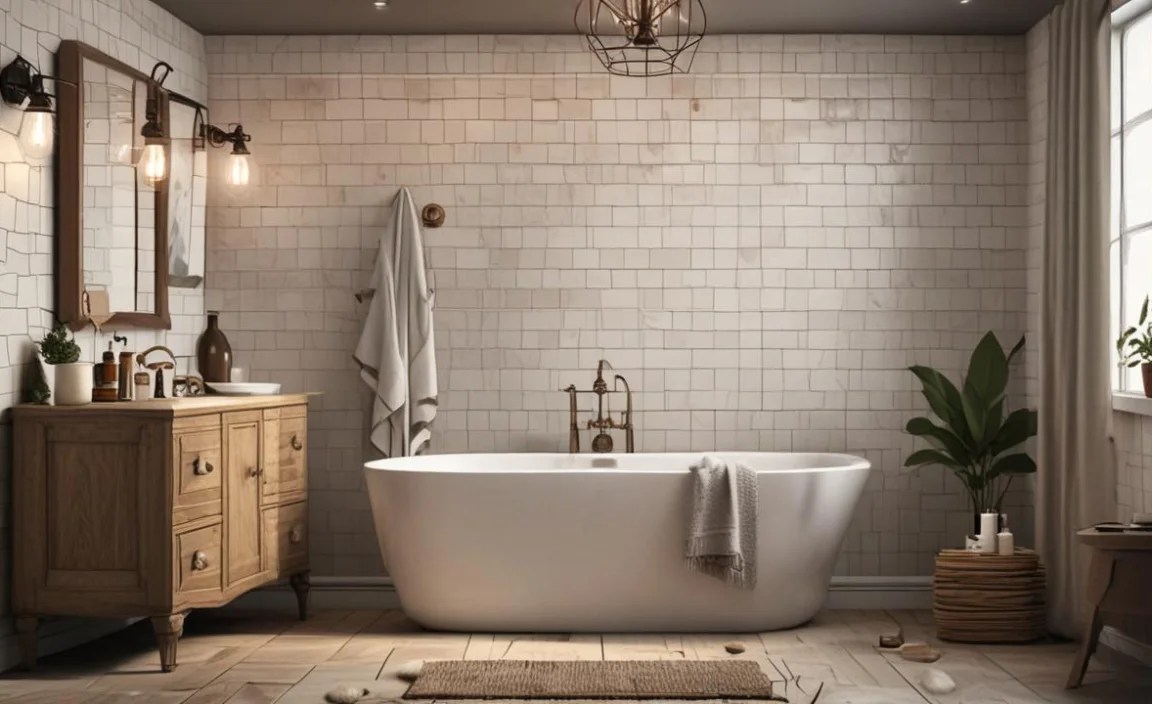
Faucets, lighting, and hardware are prime candidates for vintage upgrades. These are elements that are often used daily and can significantly impact the overall feel of your bathroom. Modern fixtures are usually sleek and utilitarian, but vintage-inspired designs offer a different kind of appeal.
- Faucets: Look for widespread faucets with cross handles or porcelain lever accents. Finishes like brushed nickel, oil-rubbed bronze, or polished brass can add a touch of antique elegance. Even if you’re installing new fixtures, choosing a style that mimics historical designs can make a big difference.
- Lighting: Sconces with exposed bulbs, glass shades (like schoolhouse or milk glass), or fixtures with a wrought-iron or antique brass finish evoke a vintage feel. Layering lighting, perhaps with a central pendant and bedside sconces, can also enhance the ambiance.
- Hardware: Cabinet knobs and drawer pulls can be small but mighty in their impact. Consider glass, ceramic, or metal pulls with intricate designs or aged finishes. It’s also possible to find vintage-style towel bars and toilet paper holders that match your chosen aesthetic.
2. Mirrors and Storage with Character
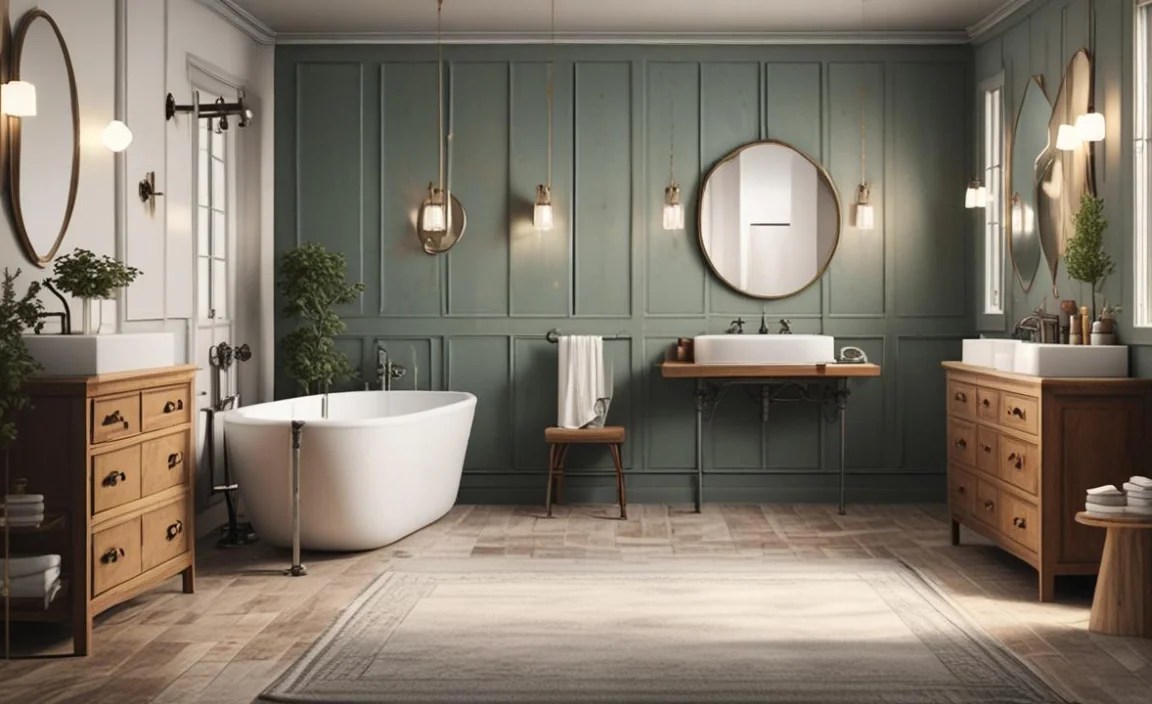
The mirror above your vanity and any storage solutions you have can be fantastic opportunities to introduce vintage style. These items are both functional and decorative.
- Mirrors: An ornate, gilded mirror can instantly elevate a bathroom, adding a touch of glamour or formality. For a more rustic look, consider a mirror framed in reclaimed wood or with a distressed finish. A basic medicine cabinet can be replaced with a vintage-inspired mirrored cabinet or something more unique, like an antique washstand repurposed with a mirror.
- Storage: Open shelving with vintage brackets, antique baskets, or a repurposed wooden vanity can add ample storage with a classic feel. Even simple wall shelves can be enhanced with vintage finds like antique jars for cotton balls or antique soap dishes.
3. Tile and Flooring Touches
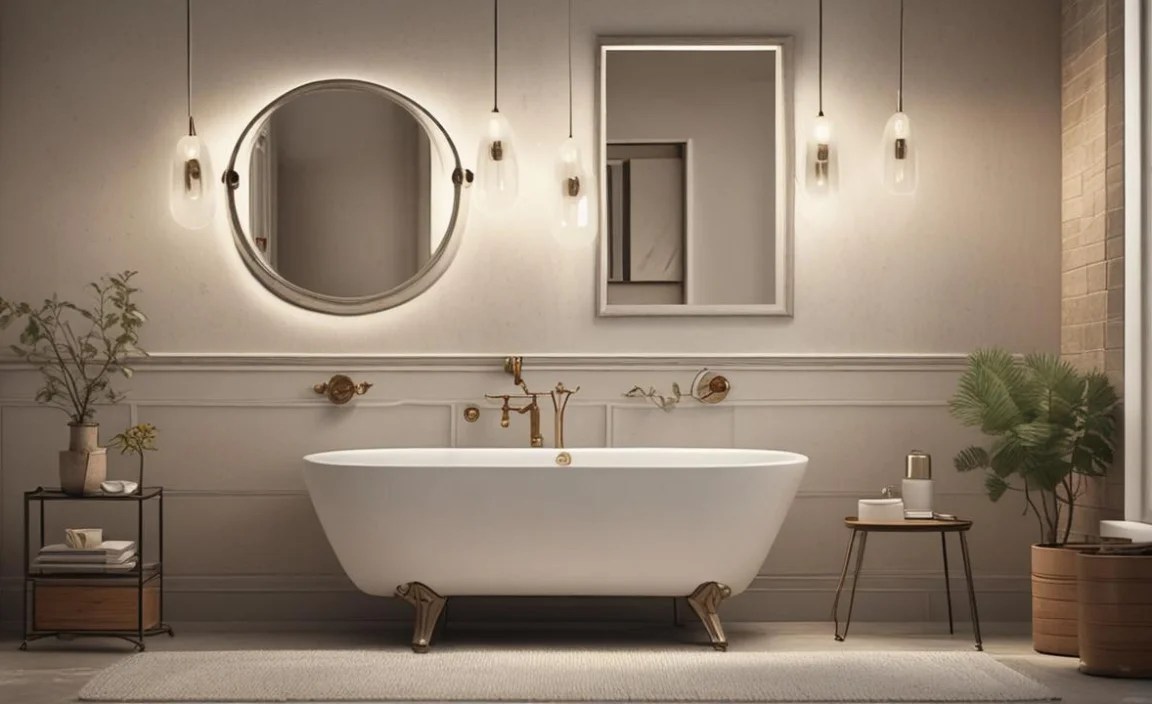
Flooring and wall tiles set the foundation for your bathroom’s style. While a full tile replacement might be a bigger project, there are ways to incorporate vintage patterns or materials.
- Flooring: Classic hexagonal tiles, penny rounds, or subway tiles in a timeless pattern (like a running bond or a stacked bond) are excellent choices that bridge vintage and modern aesthetics. Consider high-contrast grout lines for a more pronounced vintage look. For a bigger impact, marble or porcelain tiles mimicking natural stone can add a luxurious, old-world feel. You can learn more about tile types and installation from resources like BuildingGreen’s extensive flooring information.
- Wall Accents: A beadboard wainscoting or a classic subway tile backsplash can offer subtle vintage charm. If you’re going for a more specific vintage theme, consider patterned encaustic tiles for a shower niche or a small accent wall.
4. Color Palettes and Wall Treatments

The colors and finishes on your walls can significantly contribute to the vintage atmosphere. Think beyond plain white for a richer, more evocative look.
- Colors: Muted tones often associated with vintage palettes include soft blues, sage greens, creams, and dusty rose. For a bolder look, consider deep jewel tones like emerald or sapphire. A classic black and white scheme, especially with checkerboard flooring or accents, is eternally chic.
- Patterns: If you’re feeling brave, consider vintage-inspired wallpaper. Think subtle floral prints, damask patterns, or even geometric designs from earlier eras. A powder room is a great place to experiment with bold wallpaper patterns.
5. Decorative Accessories: The Finishing Flourishes

These are the small details that truly bring your vintage bathroom decor for a modern home to life. They are often the easiest and most affordable way to inject personality.
- Textiles: Opt for bath mats, towels, and shower curtains in classic fabrics and patterns. Think waffle-weave textures, subtle stripes, or floral motifs. Lace trim or fringe can add an extra touch of old-world charm.
- Art and Decor: Frame vintage botanical prints, black and white photography, or even antique advertisements. Antique washboards, stoneware jugs, or decorative ceramic pieces can be incorporated as unique accents.
- Plants: A touch of greenery always brightens a space. Consider classic ceramic pots or antique planters for your plants.
- Scent: Incorporate classic soap dispensers or vintage perfume bottles. The scents themselves can also evoke a sense of nostalgia.
Integrating Vintage Bathroom Decor: A Step-by-Step Approach

Creating a cohesive vintage bathroom for your modern home doesn’t have to be overwhelming. By following a structured approach, you can ensure that your chosen elements work together beautifully.
Step 1: Define Your Vintage Vibe
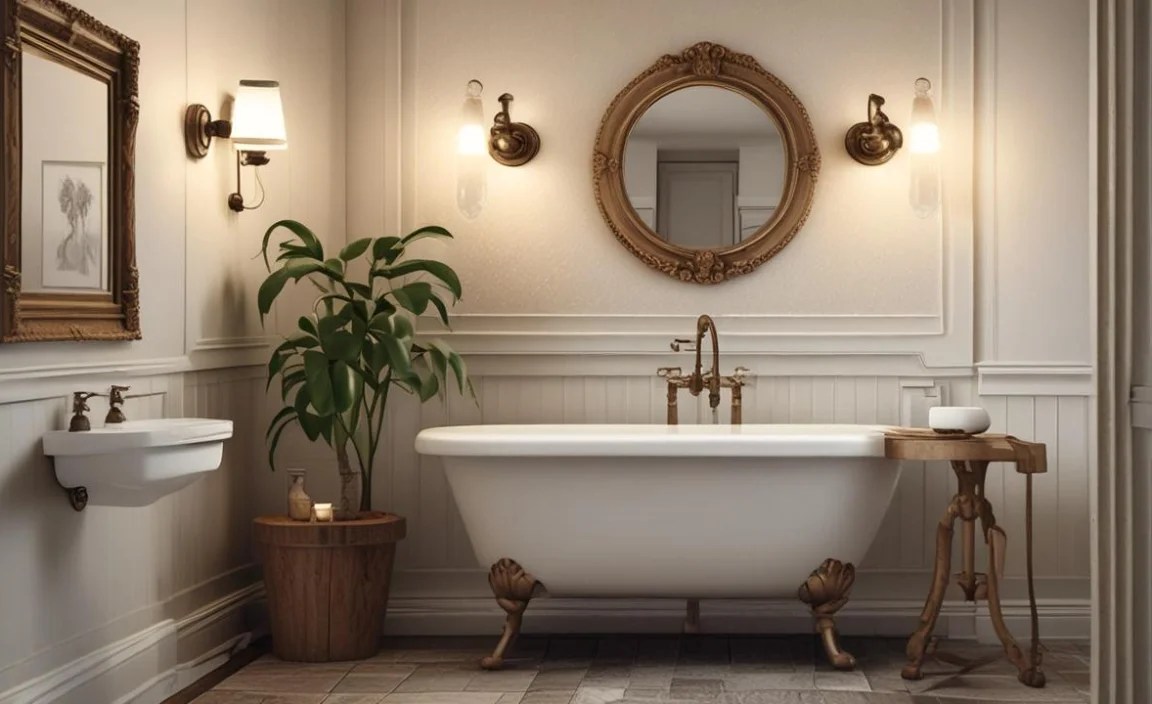
Before you buy a single item, think about the era or style that appeals most to you. Are you drawn to:
- Victorian Elegance: Think ornate details, dark wood, porcelain, and intricate patterns.
- Art Deco Glamour: Geometric shapes, bold lines, polished metals (like chrome or brass), and luxurious finishes.
- Mid-Century Modern Simplicity: Clean lines, natural materials (wood, ceramic), and pops of color.
- Farmhouse Charm: Reclaimed wood, galvanized metal, beadboard, and simple, functional items.
- Industrial Chic: Exposed pipes, metal finishes, brick accents, and utilitarian pieces.
A quick browse through Pinterest or home decor magazines can help solidify your preferred aesthetic. Once you have a direction, it becomes much easier to select items.
Step 2: Assess Your Current Bathroom
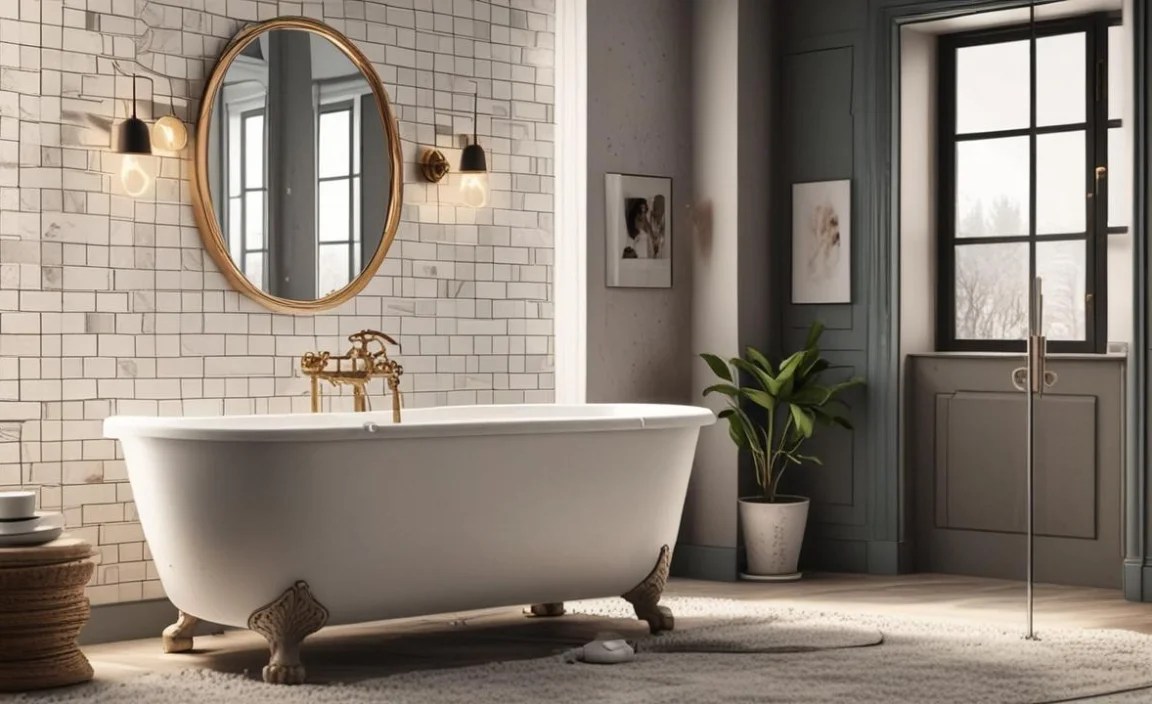
Take a good look at your existing bathroom. What are the fixed elements you can’t easily change (like the tub or tile)? What is the overall color scheme? Understanding your starting point will help you identify where vintage elements will fit best. For example, if you have a modern grey tile, you’ll want to choose vintage pieces that complement or contrast with it effectively.
For a comprehensive understanding of bathroom layouts and common fixture placements, resources like those from the National Association of Home Builders (NAHB) can be insightful, even if you’re just focused on decor.
Step 3: Prioritize Key Vintage Touches
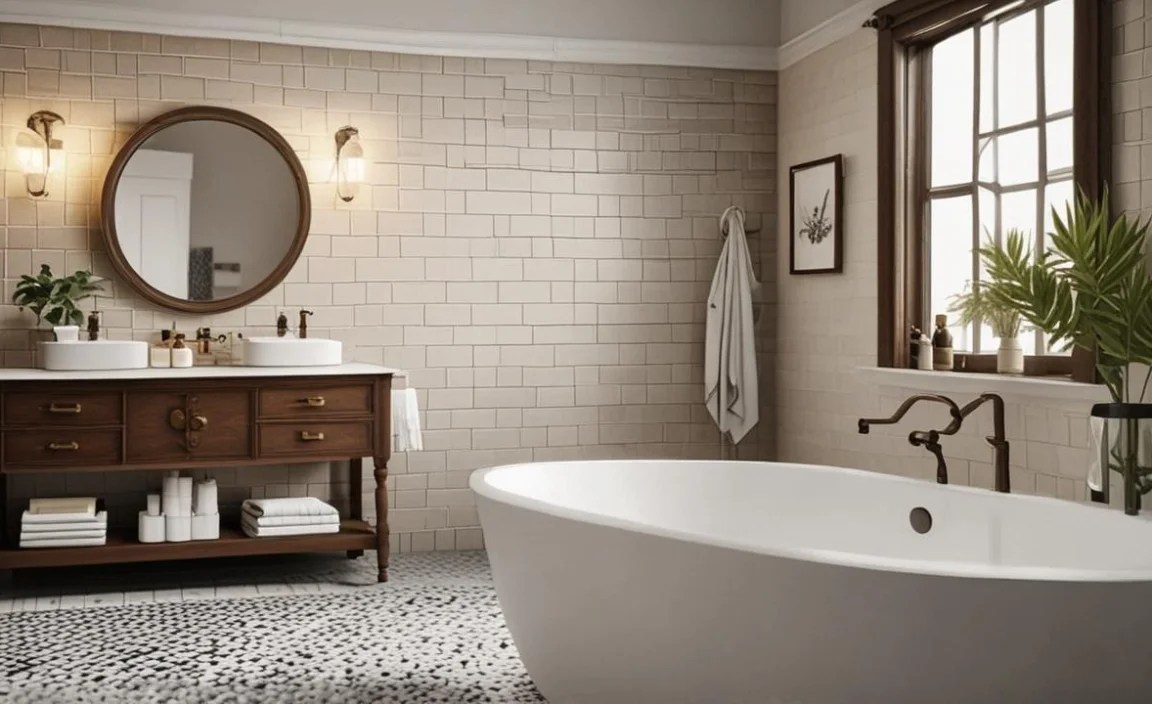
You don’t need to change everything. Start with one or two impactful areas. Often, the best place to begin is with items that are essential for function but have high visual impact.
Consider these areas based on ease of implementation and return on visual impact:
| Element | Ease of Implementation | Visual Impact | Vintage Ideas |
|---|---|---|---|
| Lighting Fixtures | Medium (requires basic electrical knowledge or hiring an electrician) | High | Glass pendant lights, wall sconces with antique brass finish. |
| Faucets/Hardware | Medium (requires plumbing knowledge or hiring a plumber) | High | Cross-handle faucets, porcelain details, aged bronze knobs. |
| Mirror | Easy (can be hung like any mirror) | High | Ornate framed mirror, antique-style medicine cabinet. |
| Accessories (Towels, soap dishes, art) | Very Easy (no installation required) | Medium | Patterned towels, vintage soap dishes, framed prints. |
| Flooring/Tiling | Hard (major renovation task) | Very High | Hexagonal tiles, penny rounds, encaustic patterns. |
Step 4: Source Your Vintage Finds
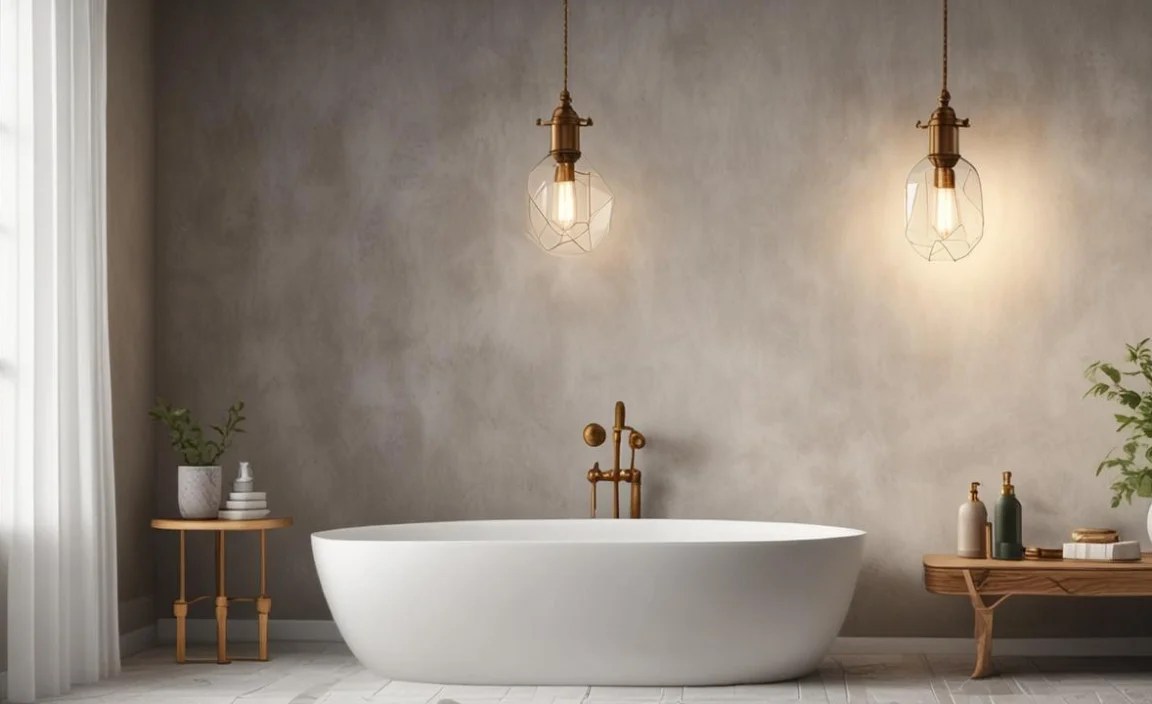
Where you find your pieces can influence the authenticity and cost.
- Antique Shops & Flea Markets: Great for unique, one-of-a-kind items like mirrors, lighting, and decorative accents. Be prepared to search and haggle.
- Online Marketplaces: Websites like Etsy, eBay, and specialized vintage architectural salvage sites offer a vast selection.
- Reclaimed Materials Suppliers: For larger elements like vanities or tile, look for businesses that specialize in salvaged architectural pieces.
- Modern Reproductions: Many companies now produce “vintage-inspired” fixtures and decor. These offer the look of vintage with the reliability of new. They are often easier to find and install than true antiques.
Step 5: Blend, Don’t Overwhelm
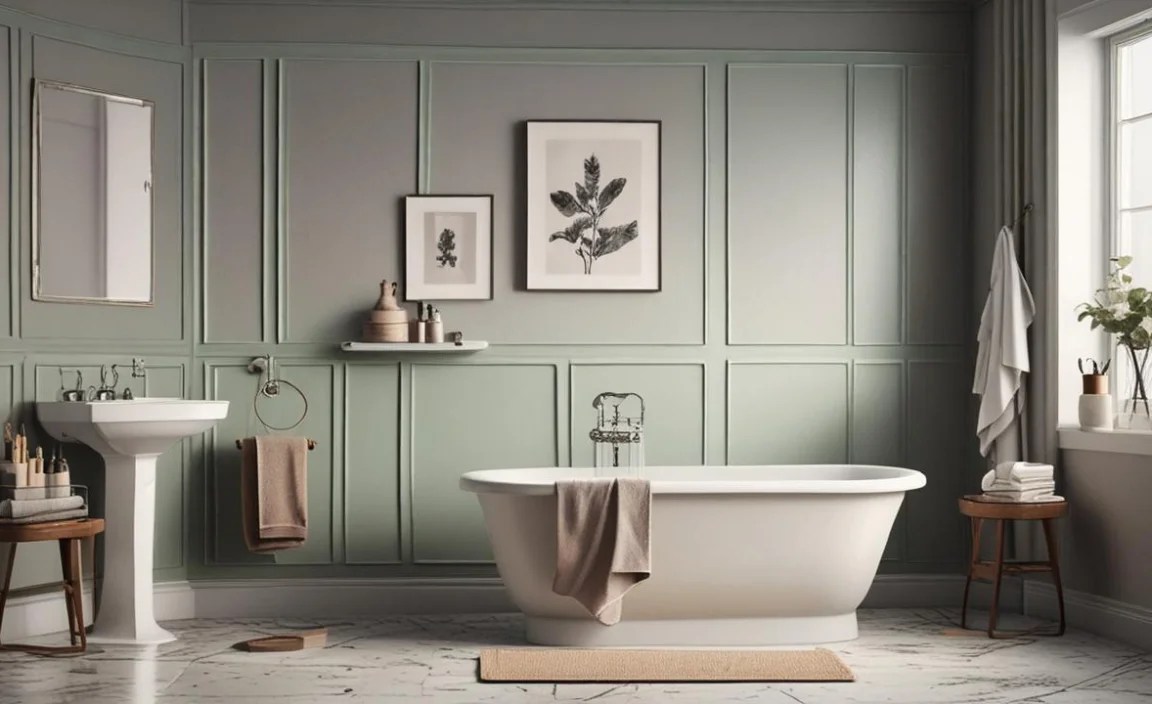
The key to successful vintage bathroom decor for a modern home is balance. If you have a very modern vanity, a single ornate mirror or a vintage-style faucet can be enough. If your shower has classic subway tile, complement it with vintage-inspired accessories.
Imagine how different elements will look together. Use mood boards or simply lay out potential items in your space to visualize the final look. Ensure that functionality is not sacrificed for style. For instance, ensure any antique lighting is compatible with modern electrical codes and safety standards.
Step 6: Add Personal Touches
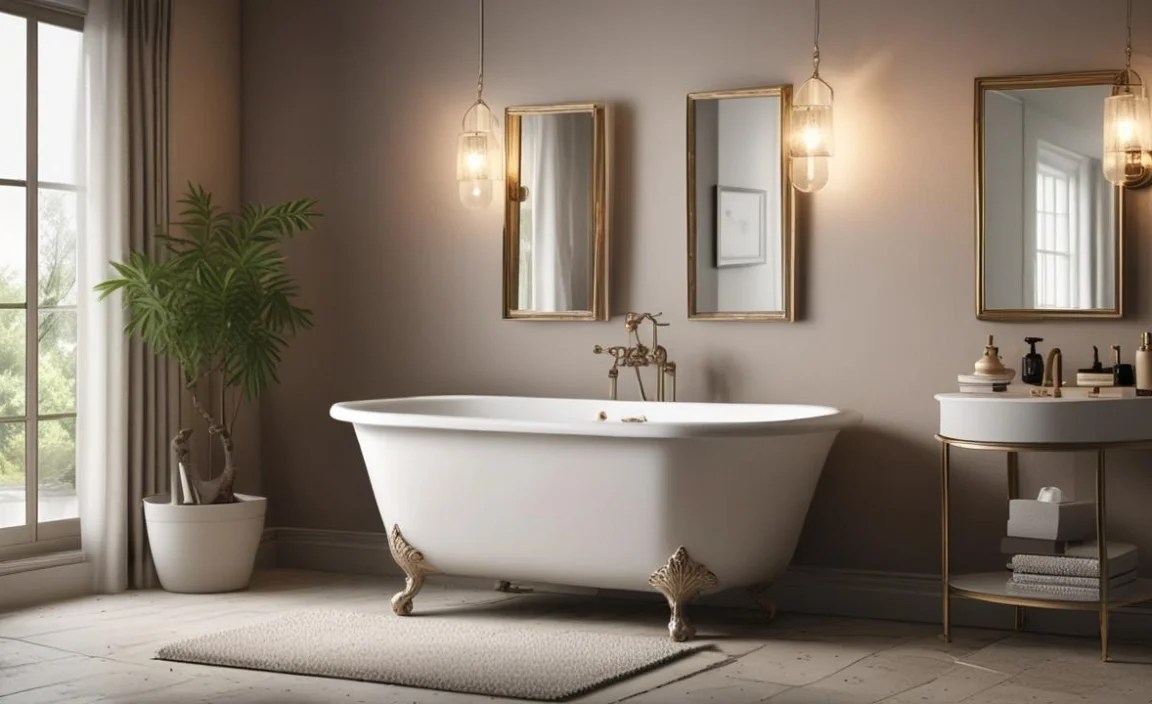
Your bathroom should reflect your personality. Incorporate items that have personal meaning, whether it’s a piece of art passed down through family or a collection of vintage perfume bottles that you love displaying.
Styling Tips for Vintage Bathroom Decor in a Modern Home

Even with the best pieces, styling them thoughtfully is crucial. Here are some expert tips to ensure your vintage bathroom decor for a modern home looks intentional and chic.
1. The Power of Contrast

Don’t be afraid to play with contrasts. A sleek, modern vanity can be beautifully offset by a detailed vintage mirror. Conversely, a minimalist modern bathroom can be warmed up with a single antique rug or a vintage soap dispenser. The interplay between old and new creates visual interest.
2. Embrace Patina
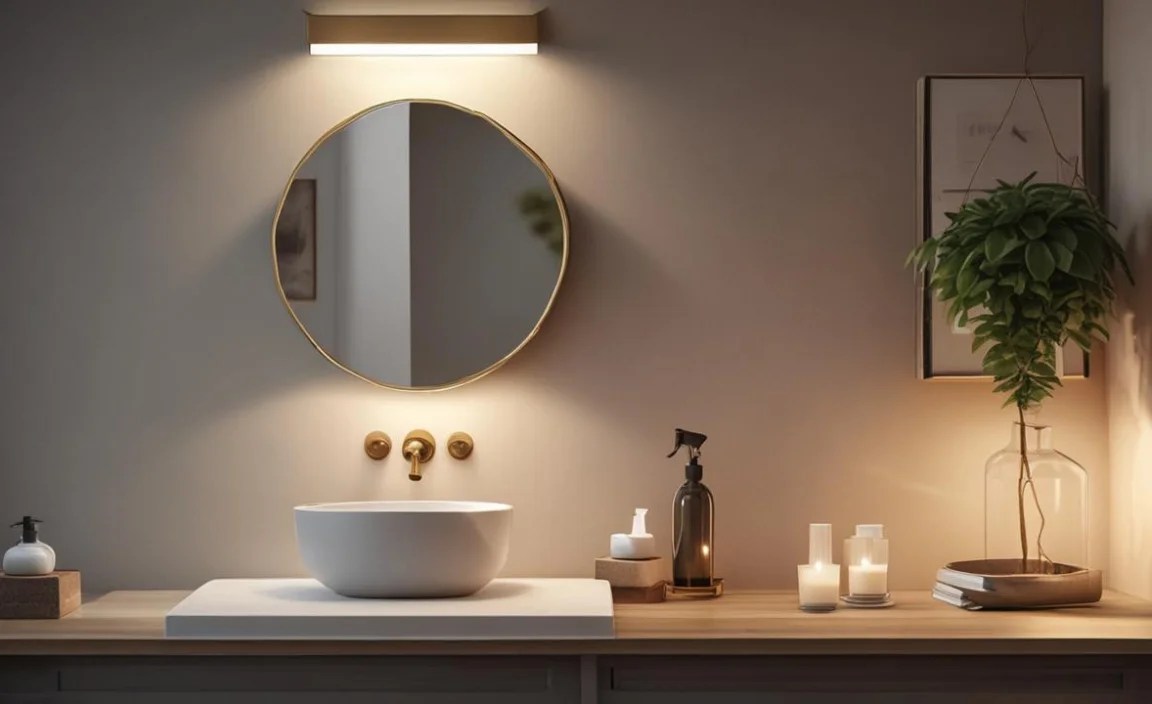
Vintage items often have a beautiful patina – the natural wear and discoloration that comes with age. Resist the urge to make everything look brand new. A little bit of age adds character and authenticity. This applies to metal finishes, wood grain, and even subtle imperfections in ceramic or glass.
3. Curate Your Collection
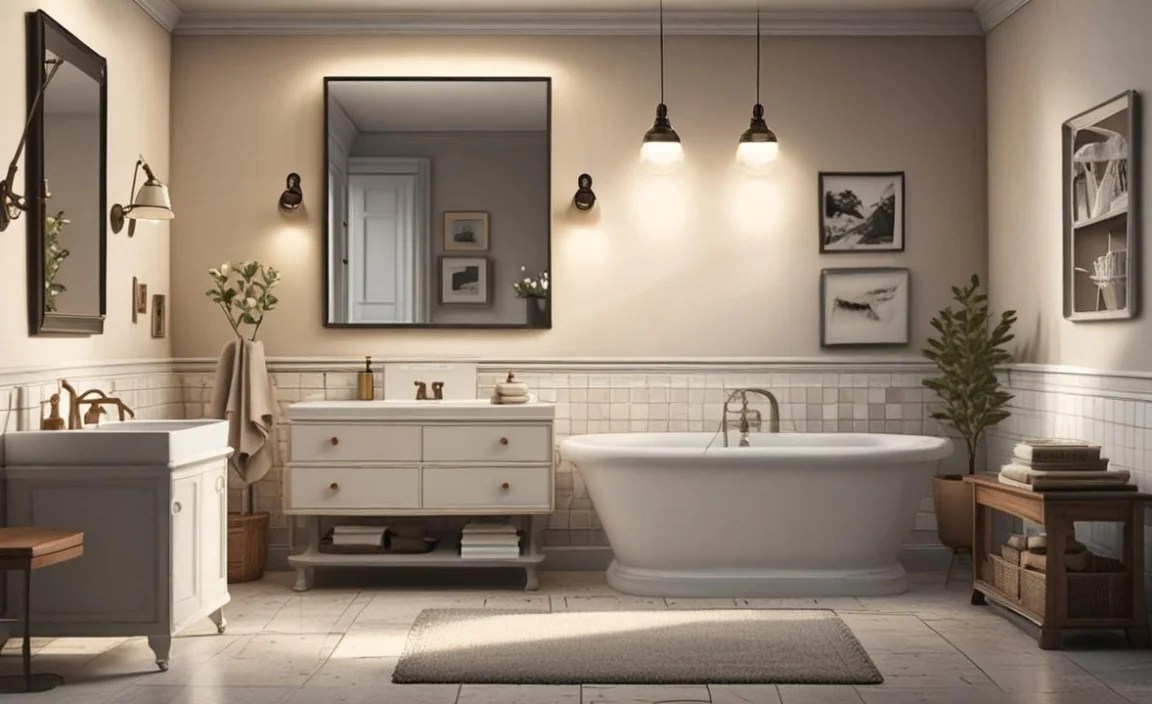
Less is often more. Instead of filling your bathroom with every vintage item you find, select a few key pieces that truly stand out. A well-curated selection will feel intentional and sophisticated, rather than cluttered.
4. Focus on Texture
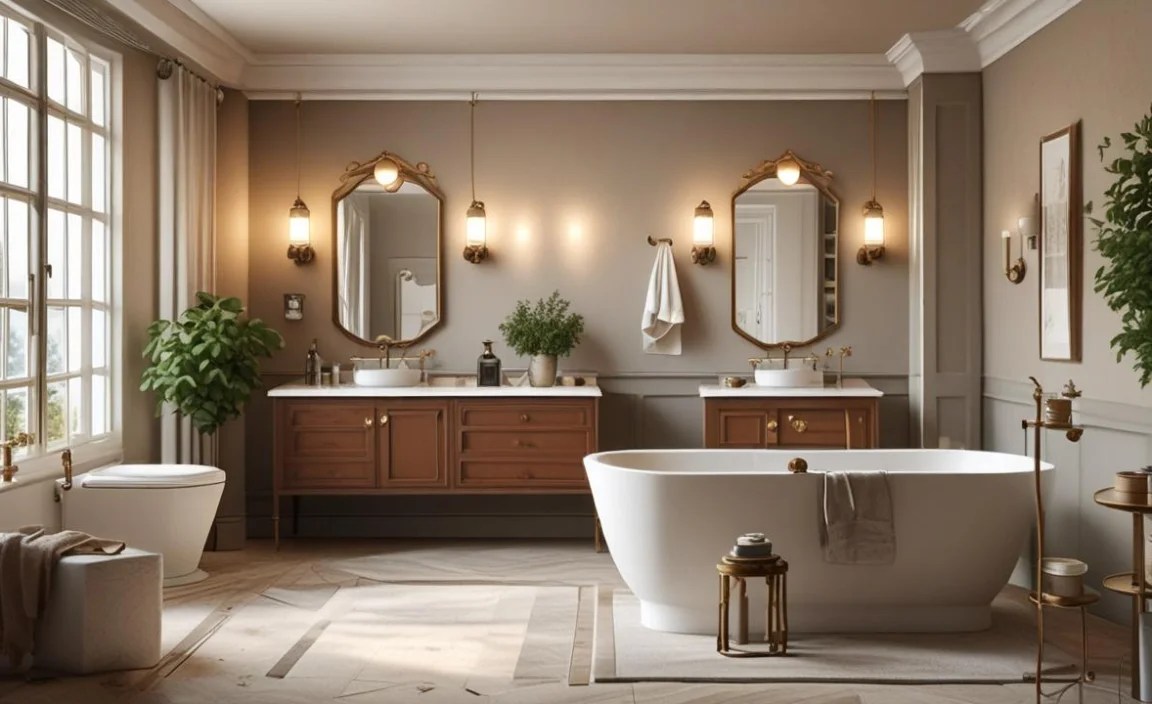
Vintage items often introduce wonderful textures. Think of woven rugs, embroidered towels, carved wood, or intricately patterned tiles. Combining these textures with the smooth surfaces of modern fixtures creates a rich sensory experience.
5. Balance Grandeur with Simplicity
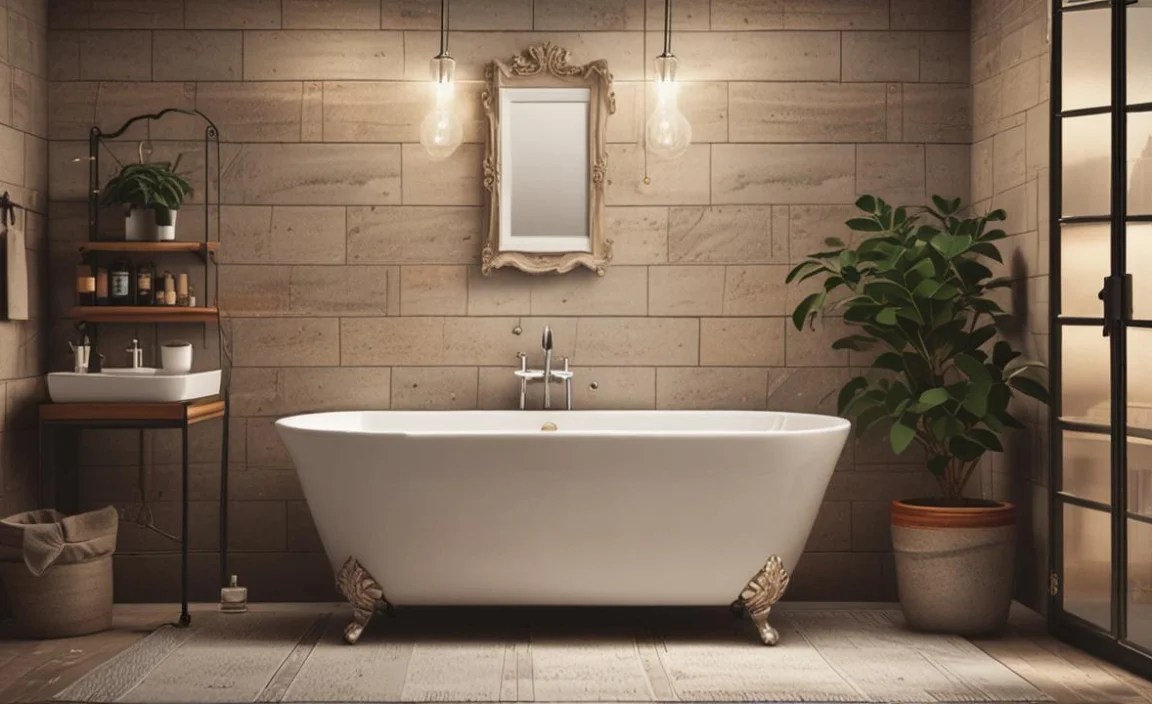
If you choose a grand, ornate vintage piece (like a large mirrored cabinet), balance it with simpler, more modern elements elsewhere in the room. This prevents the space from feeling visually heavy or overly fussy.
6. Consider the Scale
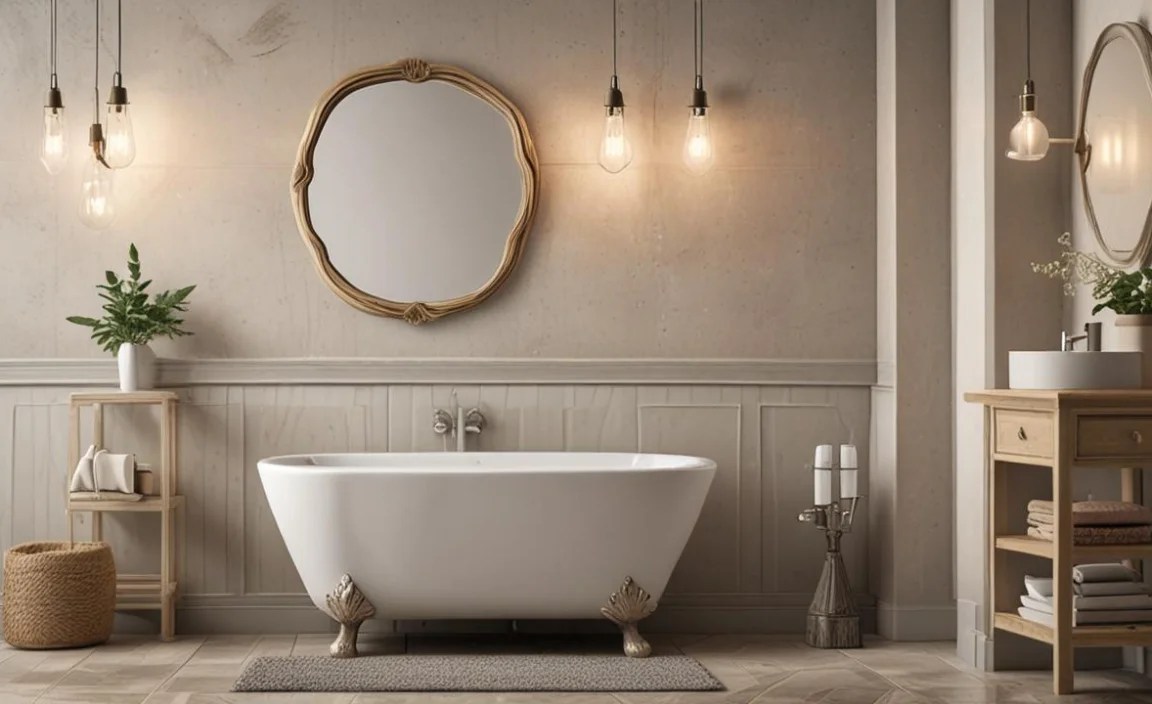
Make sure your vintage pieces are proportionate to your bathroom size. An oversized antique mirror might overwhelm a small powder room, while a tiny decorative item might get lost in a large master bath. Read up on general interior design principles for scale, such as those discussed by Houzz’s articles on scale.
Common Vintage Bathroom Decor Dilemmas Solved

It’s natural to have questions when blending styles. Here’s how to tackle some frequent concerns.
Dilemma 1: “Will my modern toilet clash with vintage elements?”

Solution: Modern toilets are generally quite utilitarian. You can easily make them blend by focusing on other elements. Choosing vintage-style towel bars, toilet paper holders, or a patterned rug can tie the room together. You could also consider a wooden toilet seat in a classic style for a subtle nod to the past.
Dilemma 2: “I love antique lighting, but is it safe?”

Solution: Safety is paramount. If you’re using genuine antique light fixtures, have them inspected by a qualified electrician. They can rewire them to modern standards, ensuring they are safe to use. Alternatively, many companies offer excellent reproductions of vintage lights that meet current safety codes and are readily available.
Dilemma 3: “Is it okay to mix different vintage eras?”

Solution: Absolutely! Most modern homes that incorporate vintage style do so by picking and choosing elements they love from various periods. The key is to ensure there’s a unifying factor, such as a consistent color palette, material, or overall mood. For example, you might mix Art Deco hardware with a more Victorian mirror if the metals and finishes complement each other.
Dilemma 4: “My bathroom is small. Can I still use vintage decor?”

Solution: Yes! Small bathrooms are perfect for impactful vintage accents. Instead of large furniture, opt for smaller, high-impact items like a vintage mirror, an antique soap dish, a pretty patterned shower curtain, or a cluster of vintage-inspired art. A single statement piece can make a big difference without overwhelming the space.
FAQ: Vintage Bathroom Decor for Modern Home
Q1: What is the easiest way to add vintage decor to my modern bathroom?
A1: The simplest way is to start with accessories. Swapping out modern hardware (knobs, pulls) for vintage-inspired ones, adding a patterned or textured rug, and displaying decorative items like antique jars or framed prints are quick and easy updates.
Q2: Can I use vintage tile in a modern bathroom?
A2: Yes! Classic choices like subway tiles, hexagonal tiles, or penny rounds in timeless colors fit perfectly. For a bolder statement, consider encaustic or patterned tiles for an accent wall or shower niche. These styles bridge the gap between old and new beautifully.
Q3: What are the best finishes for vintage-style faucets and hardware?
A3: Finishes like oil-rubbed bronze, antique brass, brushed nickel, and polished nickel often evoke a vintage feel. Look for styles with cross handles, porcelain accents, or subtle detailing.
Q4: How do I avoid making my modern bathroom look dated?
A4: The key is balance. Select a few well-chosen vintage elements that complement your existing modern fixtures rather than trying to replicate an entire historical period. Focus on a cohesive color palette and ensure that essential modern functions remain prioritized.
Q5: Where can I find authentic vintage bathroom fixtures?
A5: Explore antique shops, architectural salvage yards,
