
Facing challenges with your mirrors? This guide breaks down the “vs of mirror” – from understanding different types and their best uses to simple care and how to hang them safely. Master your mirrors without the fuss!
Mirrors are everywhere in our homes, but have you ever stopped to think about why one mirror might be better than another for a specific spot? It can get a little confusing with so many options out there, from the bathroom vanity to the hallway and even the gym. You might wonder, “Which mirror is right for my needs?”
Don’t worry, it’s simpler than it seems! We’ll guide you through the different types of mirrors, what they’re best for, and how to keep them shining. Get ready to explore the world of mirrors and pick the perfect one. Let’s get started!
Understanding the “Vs” of Mirror Types

When we talk about the “vs of mirror,” we’re really looking at the different ways mirrors are made and what that means for how they look and perform. It’s not just about glass; it’s about the backing and the finish. Each type has its own strengths, making them ideal for different purposes.
Let’s dive into the most common kinds you’ll encounter.
1. Standard Mirrors (Silver-Backed)
These are your everyday mirrors, the ones you see most often. They are created by applying a thin layer of silver, followed by one or more protective layers of copper and paint. This process creates a highly reflective surface that’s perfect for general use.
- How they’re made: Glass is coated with silver, then copper for protection, and finally paint.
- Pros: Excellent reflectivity, widely available, and generally the most affordable.
- Cons: The silver backing can corrode over time, especially in humid environments, leading to dark spots or pitting.
- Best for: Bathrooms (with proper ventilation), bedrooms, living areas, and decorative accents.
The clear, crisp reflection is what makes these mirrors so popular. They show you exactly what’s in front of them without distorting the image, which is crucial for tasks like shaving or applying makeup. However, if humidity gets behind the glass, you might start seeing those annoying dark edges. That’s a sign the backing is starting to break down.
2. Aluminum-Backed Mirrors
Similar to silver-backed mirrors, these use aluminum instead of silver as the reflective layer. They are often a more budget-friendly option and offer a decent reflection for many applications.
- How they’re made: Glass is coated with aluminum, then protected.
- Pros: Cost-effective, good reflectivity, and less prone to certain types of corrosion than older silver mirrors.
- Cons: May not offer the same level of clarity or brightness as a high-quality silver-backed mirror. Can still be affected by moisture over long periods.
- Best for: Budget-friendly projects, areas with less humidity, decorative mirrors, and large wall installations where cost is a factor.
Aluminum mirrors are a solid choice when you need a functional mirror without a hefty price tag. They provide a good reflection, though sometimes it might feel slightly less vibrant compared to a premium silver mirror. They are a practical choice for many homes, especially if you’re looking to cover a large area or are on a tighter budget.
3. Specialty Mirrors
Beyond the standard silver and aluminum, there are mirrors designed for specific needs or aesthetic effects. These often involve different manufacturing techniques or coatings.
a. Heat-Resistant or Humidity-Resistant Mirrors
These are engineered to withstand moisture and temperature fluctuations better than standard mirrors. They often have advanced coatings or are made with specialized processes to prevent degradation.
- How they’re made: Use advanced sealing techniques and specialized backing materials resistant to moisture and heat.
- Pros: Excellent durability in damp or steamy environments, longer lifespan in bathrooms and kitchens, maintains a clear reflection over time.
- Cons: Typically more expensive than standard mirrors.
- Best for: Steamy bathrooms without good ventilation, saunas, kitchens, and spa environments.
If your bathroom tends to fog up a lot, or you’re placing a mirror near a shower or sink where splashes are common, investing in a humidity-resistant mirror is a smart move. It will save you the headache of replacing a damaged mirror down the line. Think of it as an insurance policy for clarity!
b. Two-Way Mirrors (One-Way Mirrors)
These fascinating mirrors look like regular mirrors from one side but allow you to see through them from the other side under specific lighting conditions. They are made by applying a very thin, semi-transparent layer of reflective material.
- How they’re made: A thin, semi-transparent reflective coating is applied to glass.
- Pros: Allows for observation while maintaining privacy, used in security and research.
- Cons: Requires a significant light difference between the two sides to function correctly. Can be expensive and are typically not for home use unless for specific applications (e.g., a room with a one-way observation).
- How they work: From the brighter side, the reflection is dominant. From the darker side, you can see through the semi-transparent coating to the brighter side. For more technical details on their application and physics, you can refer to resources like NIST (National Institute of Standards and Technology).
- Best for: Security and surveillance, observation rooms, and specific decorative or technological installations.
While not a typical household item, understanding two-way mirrors is interesting! They are crucial in places like police interrogation rooms or for specific scientific studies. For home use, they’re usually found in very niche applications, and getting the lighting right is the key to their effect. A tip: if you’re ever unsure if a mirror is a two-way mirror, perform the “fingernail test” – if there’s a gap between your finger and its reflection, it’s likely a two-way mirror.
c. Shatter-Resistant Mirrors
Safety is paramount, and these mirrors are designed to minimize the risk of injury if they break. They often have a special film or backing that holds the glass together when it shatters.
- How they’re made: A safety film is applied to the back of the glass, or the glass itself is treated to be more impact-resistant.
- Pros: Significantly reduces the risk of dangerous shards if broken.
- Cons: The safety film might slightly alter the reflection quality in some cheaper versions.
- Best for: Areas where safety is a concern, such as children’s rooms, high-traffic areas, public spaces, and commercial establishments.
For any DIYer installing a mirror in a place where kids might bump into it, or anywhere with a lot of movement, a shatter-resistant mirror is a wise choice. It offers peace of mind knowing that if an accident does happen, the mess will be much safer to clean up. Many of the mirrors designed for bathrooms or bedrooms now come with this feature as standard.
Mirror Finishes and Styles
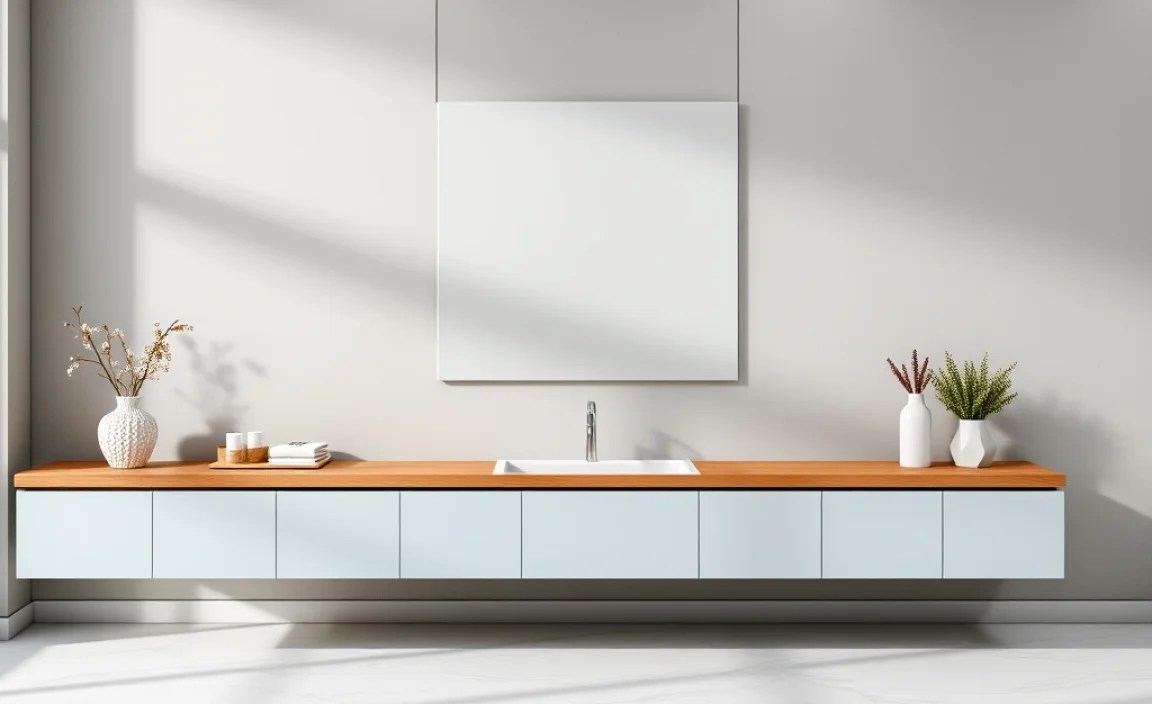
Beyond the reflective backing, the way a mirror’s edge is treated and the overall style can dramatically change its look and feel. These details are crucial for matching a mirror to your home’s decor.
Edge Types
The edge of a mirror is not just a detail; it defines its character and suitability for different mounting situations.
- Polished Edge: Smooth, shiny, and safe to touch. It’s a clean, modern look.
- Beveled Edge: The edge is cut at an angle, creating a decorative bevel. This adds a touch of elegance and depth. The wider the bevel, the more dramatic the effect.
- Pencil Edge: A slightly rounded, smooth edge, more subtle than polished.
- Seamed Edge: Less finished, with a slightly rougher feel. Usually found on mirrors not meant to be touched or seen up close, like those behind a vanity or in a frame.
Choosing the right edge makes a big difference. A frameless mirror with a thick bevel can be a stunning focal point, while a simple polished edge works perfectly for a functional bathroom mirror. If you’re hanging a mirror that will be accessible by everyone, especially children, opt for a smooth, finished edge like polished or pencil.
Framed vs. Frameless Mirrors
This is a major style decision that impacts the mirror’s presence in a room.
- Framed Mirrors: Come with a border made of wood, metal, or other materials. They can be a decorative element themselves, adding color, texture, or style to your space.
- Pros: Adds decorative flair, protects the mirror edges, easier to hang if it has integrated hanging hardware.
- Cons: The frame can sometimes overpower a minimalist design; may require more specific cleaning techniques.
- Best for: Living rooms, entryways, bedrooms, and any space where the mirror is intended to be a decorative piece.
- Frameless Mirrors: The mirror itself is the focus, often with polished or beveled edges. They offer a clean, modern, and minimalist look.
- Pros: Clean, contemporary look, makes spaces feel larger and brighter, versatile with décor.
- Cons: Edges can be more susceptible to chipping or damage if not handled carefully; requires specific mounting hardware.
- Best for: Modern bathrooms, minimalist interiors, and spaces where you want the reflection to be the main feature.
Think about the existing style of your room. A chunky wooden frame might be perfect for a rustic farmhouse aesthetic, while a sleek metal frame can complement a contemporary space. Frameless mirrors are like a blank canvas; they blend into any decor while maximizing light and the sense of space.
Where to Use Different Mirrors: The “Vs” in Practice

The best mirror for a space depends on its function, size, and the overall aesthetic you’re aiming for. Let’s look at common areas in a home and the ideal mirror solutions.
Bathroom Mirrors
Bathrooms are a prime location for mirrors, but they also present challenges due to high humidity. The “vs” here often comes down to durability and functionality.
- Most common type: Silver-backed or aluminum-backed, often with anti-fog or humidity-resistant coatings.
- Size: Typically sized to fit above a vanity, often extending from the countertop to just below the lighting fixture.
- Style: Frameless mirrors are very popular for a clean, modern look, but framed mirrors can add warmth.
- Key considerations: Moisture resistance is crucial. Look for mirrors specifically rated for bathroom use. Ensure there’s adequate ventilation to prolong the mirror’s life.
For bathrooms, prioritize mirrors designed to handle steam. Even with good ventilation, the constant presence of moisture can degrade standard mirror backings over time. A humidity-resistant mirror is an investment that pays off in the long run.
Hallway and Entryway Mirrors
These mirrors often serve practical purposes, like a last-minute check before heading out, and also help to make a narrow hallway feel wider and brighter.
- Most common type: Standard silver-backed mirrors are usually sufficient.
- Size: Varies greatly, from a small accent mirror to a large statement piece that covers most of a wall.
- Style: Framed mirrors can add significant decorative impact to an entryway, setting the tone for your home.
- Key considerations: Think about the mirror’s placement. If it reflects a window, it can bounce natural light deeper into the space.
In hallways, mirrors are excellent for optical illusions. They can make a tight space feel open and airy, and a well-placed mirror can reflect light, making the area feel more welcoming. A decorative framed mirror can also act as a piece of art.
Bedroom Mirrors
Bedrooms offer more flexibility, as humidity is rarely an issue. The focus here is often on aesthetics and personal preference.
- Most common type: Standard silver or aluminum-backed mirrors.
- Size: Can range from small accent mirrors to full-length mirrors for checking outfits.
- Style: Both framed and frameless mirrors work well. A floor-standing mirror or a large wall mirror can be both functional and decorative.
- Key considerations: Full-length mirrors are incredibly practical for dressing. Consider how the mirror will reflect light and the overall ambiance of the room.
A full-length mirror in the bedroom is a must-have for many. It’s perfect for getting dressed and can also make the room feel larger and brighter. Consider mounting it on the back of a closet door or placing it in a corner where it can reflect natural light.
Living Room and Decorative Mirrors
In living areas, mirrors are often chosen more for their decorative impact than for strict utility. They can enhance light and create interesting visual effects.
- Most common type: Standard silver-backed mirrors, but various finishes and tints are available for decorative effect.
- Size: Highly variable, from small accent mirrors grouped together to large, statement-making pieces.
- Style: Framed mirrors are very popular, with frames that can be ornate, modern, or rustic to match the room’s decor.
- Key considerations: Consider what the mirror will reflect. A mirror placed opposite a fireplace or a piece of art can double its impact.
Decorative mirrors can be true style statements. They can be used to break up a large wall, add a touch of glamour, or simply reflect a beautiful view. Think outside the box – an antique-style mirror can add character to a modern room, and vice-versa.
Caring for Your Mirrors: Keeping Them Pristine
Maintaining your mirrors is straightforward, but using the right methods ensures they stay looking their best without damage. The “vs” of cleaning can be about using gentle, effective techniques.
What You’ll Need
- Soft, lint-free cloths (microfiber is ideal)
- Distilled water
- White vinegar (optional, for tougher spots)
- Spray bottle
Cleaning Steps
- Dust Lightly: Before any wet cleaning, gently dust the mirror surface with a dry microfiber cloth to remove loose particles. This prevents scratching.
- Prepare Your Solution: Mix a solution of 50% distilled water and 50% white vinegar in a spray bottle. For general cleaning, pure distilled water can also work. Avoid tap water, as its minerals can leave streaks.
- Spray Sparingly: Lightly mist the mirror surface with your cleaning solution. Do NOT spray directly onto the edges or back of the mirror, especially if it’s framed, as moisture can seep in and damage the backing or frame.
- Wipe Clean: Use a clean, lint-free cloth to wipe the mirror in a consistent pattern (e.g., side-to-side or top-to-bottom).
- Buff for Shine: Use a second, dry microfiber cloth to buff the mirror dry and remove any remaining moisture or streaks.
What to Avoid
- Ammonia-based cleaners: These can damage the reflective backing over time.
- Abrasive materials: Paper towels, newspaper, or rough cloths can scratch the glass.
- Excessive moisture: Especially around the edges, as it can corrode the backing.
- Spraying directly onto the mirror: Always spray onto your cloth or sparingly onto the mirror surface, avoiding edges.
The key to a streak-free shine is using distilled water and a good quality microfiber cloth. They trap dirt and absorb moisture effectively, leaving your mirror crystal clear. Remember, gentle is best, especially with older mirrors or those in humid environments.
Safe Mirror Hanging: A DIY Guide
Hanging a mirror, especially a large or heavy one, requires careful planning and the right tools to ensure it stays put safely. This is where understanding weight and hardware is critical.
Assess Your Mirror
First, determine the mirror’s weight. Check the packaging or manufacturer’s specifications. For very large or heavy mirrors, professional installation might be the safest bet.
Choose the Right Hardware
The type of wall you have (drywall, plaster, concrete, wood) will dictate the hardware you need. Always use hardware rated for at least the mirror’s weight, with a safety margin.
| Wall Type | Recommended Hardware | Considerations |
|---|---|---|
| Drywall/Plaster |
|
