
Have you ever wondered about the different types of tiles? Tiles can make our homes look beautiful. They come in many shapes, colors, and sizes. Choosing the right one can be tricky. Some tiles are shiny, while others are rough. But what makes them different? Let’s dive into the world of tiles!
Key Takeaways
- Tiles come in various shapes and sizes.
- Choosing the right tile can change a room’s look.
- There are many benefits to different tile types.
- The most popular tiles are ceramic and porcelain.
- Understanding the vs of tiles helps in making better choices.
Ceramic Tiles vs Porcelain Tiles
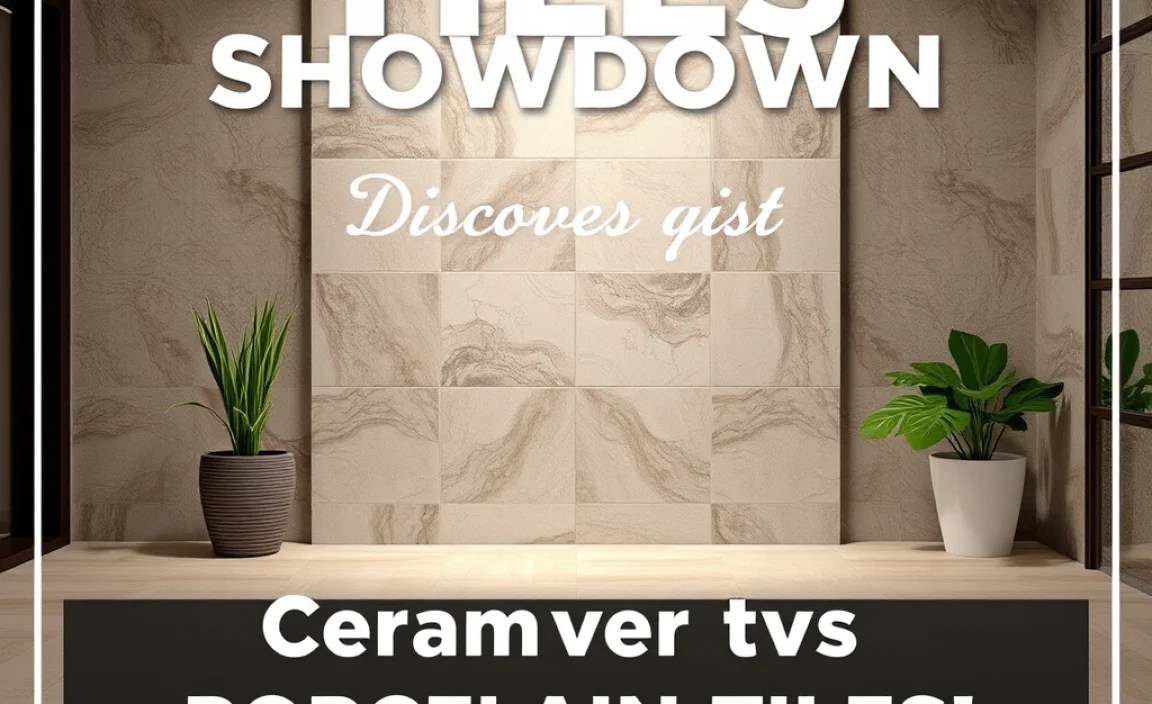
Ceramic and porcelain tiles are popular choices for many homes. Both look lovely, but they have differences. Ceramic tiles are usually lighter and easier to cut. They are great for walls and floors in dry areas. Porcelain tiles, on the other hand, are denser and harder. This makes them perfect for high-traffic areas or outdoor spaces. They resist water better and are more durable.
- Ceramic is easier to cut than porcelain.
- Porcelain is more durable than ceramic.
- Ceramic tiles are lighter than porcelain tiles.
- Porcelain is better for outdoor use.
- Ceramic tiles are ideal for dry spaces.
- Porcelain resists water effectively.
- Ceramic is often cheaper than porcelain.
When choosing between ceramic and porcelain, consider where you’ll use them. Do you need something easy to cut for a wall? Ceramic might be best. Want something tough for the patio? Porcelain is a great choice. Both types offer unique benefits, so think about your project needs carefully.
Fun Fact or Stats : Porcelain tiles have a water absorption rate of less than 0.5%!
What Makes Ceramic Tiles Special?
Ceramic tiles are made from clay. They are baked at high temperatures. This process makes them hard and durable. But why choose ceramic? Imagine you’re decorating a bathroom. You want something easy to install. Ceramic tiles are lightweight and easy to cut. This makes them perfect for DIY projects. Their smooth surface is easy to clean too. In many homes, ceramic tiles are used for walls because of their glossy finish.
Why is Porcelain a Popular Choice?
Porcelain tiles are very strong. They are made from a fine clay mixture. These tiles are baked at much higher temperatures. This makes them dense and tough. Imagine a busy hallway. It needs floors that can handle lots of foot traffic. Porcelain is perfect for this. It’s also great for outdoor use. Why? Because it can resist weather elements like rain and snow. In kitchens, porcelain tiles are popular for countertops because of their resistance to stains.
Comparing Costs: Ceramic vs Porcelain
The cost of tiles can vary a lot. Ceramic tiles are usually cheaper. This is because they are easier to make. However, they might not last as long in wet or high-traffic areas. Porcelain tiles are more expensive. But they offer better durability. Think of your budget and where you will use the tiles. Sometimes, spending a bit more on porcelain might save money in the long run. It’s all about weighing your needs against your budget.
Glossy vs Matte Finish Tiles
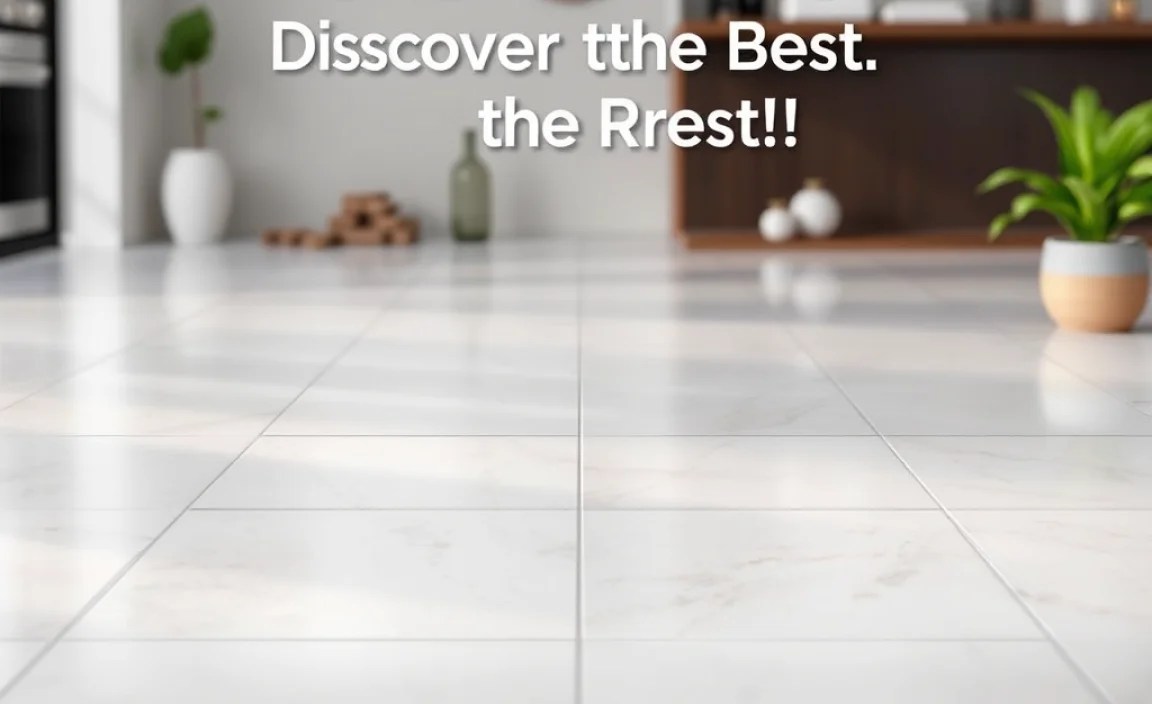
When it comes to tiles, the finish is an important factor. Glossy tiles have a shiny surface. They reflect light beautifully, making rooms look bigger. But they can be slippery when wet. Matte finish tiles, on the other hand, have a dull surface. They are slip-resistant and perfect for bathrooms or kitchens. Both finishes have their pros and cons. It’s all about where and how you plan to use them.
- Glossy tiles make spaces seem larger.
- Matte tiles are slip-resistant.
- Glossy tiles can be slippery when wet.
- Matte tiles are great for bathrooms.
- Glossy tiles reflect a lot of light.
- Matte tiles have a non-reflective surface.
- Glossy tiles can show scratches easily.
Choosing between glossy and matte tiles depends on the room’s usage. For a bathroom, matte tiles are safer. In a living room, glossy tiles can add elegance. Consider the room’s purpose and the people using it. This will help you make the best choice.
Fun Fact or Stats : Glossy tiles can make a small room appear 20% larger!
When to Choose Glossy Tiles
Do you want your living room to sparkle? Glossy tiles are the answer. They reflect light well, making spaces look bigger. Imagine a small hallway. Glossy tiles can brighten it up, creating an open feel. But remember, they can be slippery. So, they’re not ideal for wet areas like bathrooms. Always think about safety first. If you love shiny surfaces, choose glossy tiles for areas with less foot traffic.
Benefits of Matte Tile Finishes
Matte tiles offer a safer, non-slip surface. This makes them ideal for bathrooms and kitchens. Imagine a family home with kids running around. Matte tiles ensure they don’t slip easily. They also hide smudges and water spots better than glossy tiles. This means less cleaning! Matte tiles give a more natural look. They work well in rustic or modern designs. If safety and ease of maintenance matter most, matte tiles are a great option.
Comparing Shine: Glossy vs Matte
Both glossy and matte tiles have their place. Glossy tiles shine and add elegance. They are great for rooms where looks matter most. Matte tiles are more practical. They don’t show dirt or scratches as easily. Imagine comparing them in different rooms. A kitchen with matte tiles hides spills well. A living room with glossy tiles sparkles when the light hits. It’s all about what matters most to you: beauty or practicality.
Floor Tiles vs Wall Tiles
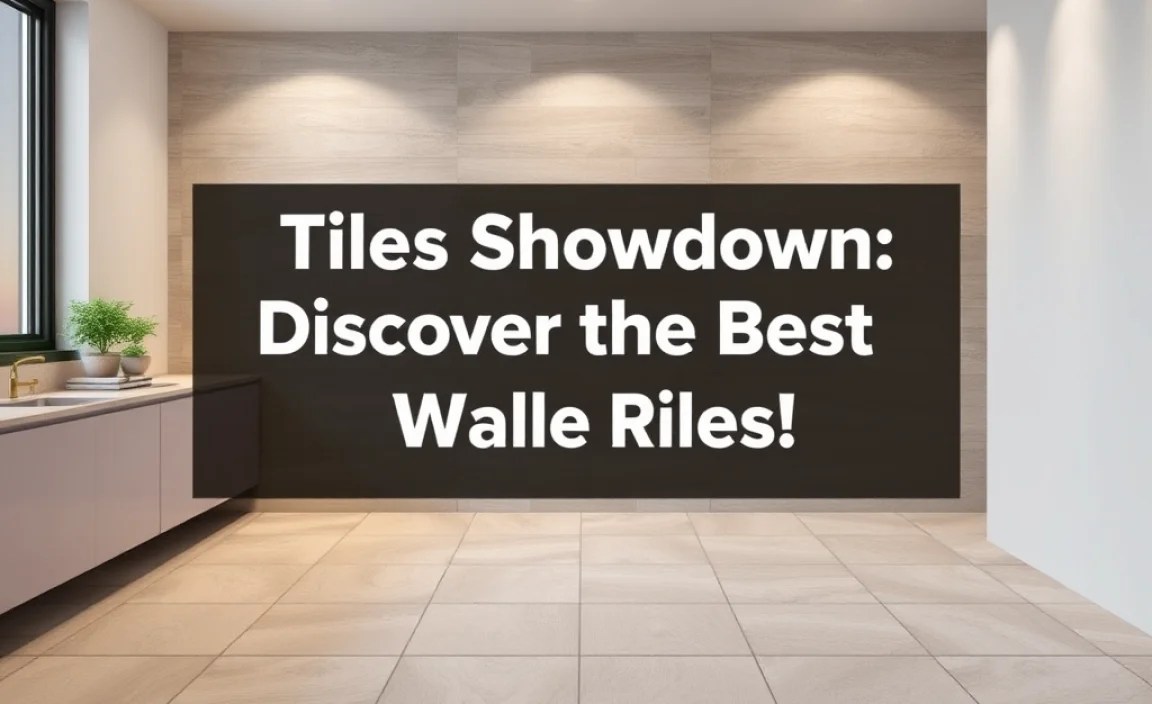
Choosing the right tile for walls and floors is important. Wall tiles are usually thinner and lighter. They are designed for vertical surfaces. Floor tiles are made to withstand foot traffic. They are thicker and more durable. Imagine a kitchen. You want strong tiles for the floor, but lighter ones for the backsplash. Knowing the difference helps in making smart choices for your space.
- Wall tiles are lighter than floor tiles.
- Floor tiles are more durable.
- Wall tiles are used vertically.
- Floor tiles handle foot traffic well.
- Wall tiles are thinner for easy installation.
- Floor tiles are thicker for strength.
- Wall tiles come in more decorative styles.
When planning a room, consider what each type of tile will face. Will it be walked on or splashed with water? Choose floor tiles for strength. Pick wall tiles for style and ease of use. Both have unique benefits for different parts of your home.
Fun Fact or Stats : Floor tiles can last over 20 years with proper care!
Understanding Floor Tile Strength
Floor tiles are made to be strong. They stand up to daily wear. Think of a busy kitchen. Heavy pots and lots of feet move around. Floor tiles are thick and made to handle this. They also resist cracking. This is because of the materials used, like porcelain or stone. For long-lasting floors, always choose tiles meant for flooring. They are a smart investment for any home.
Using Wall Tiles for Decoration
Wall tiles are perfect for adding style. They are lighter and come in many designs. Imagine a colorful kitchen backsplash. Wall tiles make it pop with personality. They are easier to install too. Because they are thinner, they don’t add a lot of weight. Wall tiles are a fun way to bring creativity into a room. Use them to express your style with patterns and colors.
Comparing Use: Floor and Wall Tiles
Floor and wall tiles serve different purposes. Floor tiles are built for strength. They are for areas that get walked on. Wall tiles focus on style and design. They make spaces unique and pretty. Imagine comparing them in a bathroom. Floor tiles handle showers and baths. Wall tiles add a splash of color near the sink. Knowing their uses helps in planning the perfect space.
Inside vs Outside Tiles
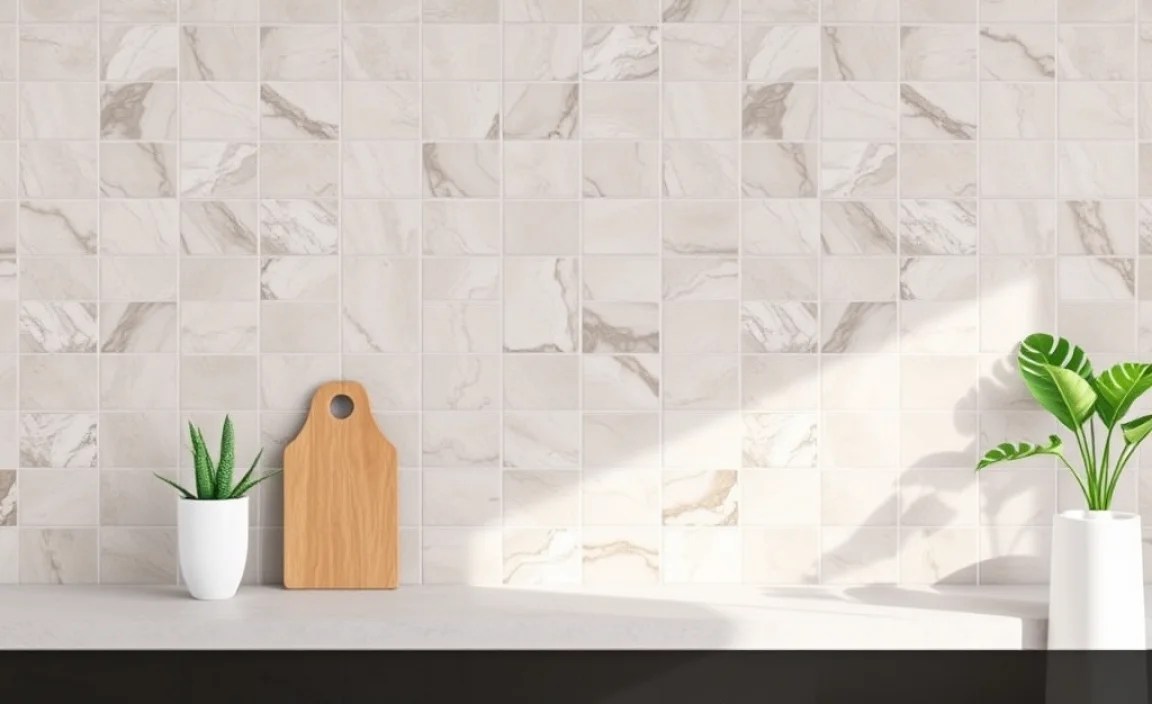
Inside and outside tiles have unique needs. Indoor tiles focus on beauty and comfort. Outdoor tiles need to be sturdy and weather-resistant. Think of a cozy living room. You want warm, inviting tiles. Now, imagine a patio. It needs tough tiles that can handle rain and sun. Choosing the right type ensures durability and style.
- Indoor tiles focus on beauty and comfort.
- Outdoor tiles need to be weather-resistant.
- Indoor tiles are less sturdy than outdoor ones.
- Outdoor tiles handle rain and sun well.
- Indoor tiles come in cozy designs.
- Outdoor tiles need a non-slip surface.
- Indoor tiles are often softer underfoot.
Choosing between indoor and outdoor tiles depends on their use. For indoors, go for style and comfort. For outdoors, focus on durability and safety. Both types add value and beauty to your home, each in their special way.
Fun Fact or Stats : Outdoor tiles can withstand temperatures as low as -20°F!
Selecting Tiles for Indoor Spaces
Indoor tiles can transform a room. They add warmth and style. Imagine a cozy living room with beautiful tiles. You want something that feels nice underfoot. Indoor tiles come in many designs, from wood-like to colorful patterns. They are key in setting a room’s mood. Often, they are made for comfort and beauty. So, when decorating indoors, think about what look and feel you want.
Choosing Durable Outdoor Tiles
Outdoor tiles need to be tough. They face the weather, from sun to rain. Imagine a patio where you relax with friends. You want tiles that last and are safe when wet. Outdoor tiles are made from strong materials, like stone or porcelain. They resist slipping and cracking. So, for any outdoor space, choose tiles designed to handle the elements. They keep your patio looking great for years.
Comparing Indoor and Outdoor Needs
Indoor and outdoor tiles have different jobs. Indoor tiles focus on comfort and style. They make rooms warm and inviting. Outdoor tiles must withstand the weather. They need to be strong and safe. Imagine comparing them in different places. Inside, tiles are soft and stylish. Outside, they are rugged and reliable. Choosing the right tile for each area keeps your home beautiful and functional.
Comparing Tile Materials

Tiles are made from various materials. Each material has its own benefits and uses. Ceramic and porcelain are popular. They are durable and come in many styles. Stone tiles are natural and unique. They add a touch of luxury. Glass tiles are shiny and modern, great for accents. Each material offers something special. Knowing their strengths helps in choosing the right tile for your project.
- Ceramic and porcelain are versatile and durable.
- Stone tiles add natural beauty to spaces.
- Glass tiles provide a modern look.
- Ceramic tiles are easy to cut and install.
- Stone tiles offer unique patterns.
- Porcelain tiles are great for high-traffic areas.
- Glass tiles work well as accents.
Each tile material has its own charm and use. Ceramic is practical and affordable. Stone brings nature indoors. Glass tiles create eye-catching designs. Consider your space and the style you want. This will help you choose the best material for your needs.
Fun Fact or Stats : Stone tiles can last over 100 years if maintained well!
Understanding Ceramic and Porcelain Benefits
Ceramic and porcelain tiles are both practical choices. They offer durability and style. Imagine a busy kitchen. You want tiles that can handle spills and foot traffic. Porcelain is perfect for this. It’s strong and water-resistant. Ceramic tiles, on the other hand, are easier to cut and install. They are great for DIY projects. Both materials are versatile and come in many designs. Choose based on the space and your needs.
Exploring the Beauty of Stone Tiles
Stone tiles are special. They bring a slice of nature into your home. Imagine a bathroom with stone tiles. Each piece is unique with natural patterns. They offer a luxurious feel. Stone tiles are durable and can handle moisture well. But they need sealing to protect them. For those who love natural beauty, stone tiles are a wonderful option. They add elegance to any space.
Using Glass Tiles for Modern Touches
Glass tiles are sleek and shiny. They add a modern touch to spaces. Imagine a kitchen with a glass tile backsplash. It sparkles and reflects light beautifully. Glass tiles are perfect for adding accents. They come in various colors and finishes. While they are great for decoration, they might be too slippery for floors. Use them to add a pop of color or shine to walls or as borders.
| Tile Type | Best Use | Durability | Maintenance |
|---|---|---|---|
| Ceramic | Walls, dry areas | Good | Easy |
| Porcelain | Floors, outdoor | Excellent | Moderate |
| Stone | Bathrooms, luxury areas | Very Good | High |
| Glass | Accents, modern spaces | Moderate | Easy |
Conclusion
Tiles can transform any space beautifully. Understanding the differences in tiles is key. From ceramic to stone, each offers unique benefits. Consider where and how you’ll use them. The vs of tiles can guide your choices. Think about style, durability, and cost. Make informed decisions to create a space you love.
FAQs
Question: What is the difference between ceramic and porcelain tiles?
Answer: Ceramic tiles are lighter and easier to cut. They work well for walls. Porcelain tiles are denser and more durable. They suit high-traffic and outdoor areas. Understanding the vs of tiles helps in picking the right type for your needs.
Question: Are glossy tiles a good choice for bathrooms?
Answer: Glossy tiles can be slippery when wet. They are not ideal for bathroom floors. Matte tiles are better because they provide a non-slip surface. However, glossy tiles can add shine and brightness to bathroom walls.
Question: Can I use wall tiles on the floor?
Answer: It’s not recommended to use wall tiles on floors. Wall tiles are thinner and not designed to withstand foot traffic. Floor tiles are thicker and more durable. They handle weight and movement better. Always choose the right tile for the surface.
Question: How do I choose between indoor and outdoor tiles?
Answer: Indoor tiles focus on beauty and comfort. Outdoor tiles need to be durable and weather-resistant. Think of where you’ll use them and what they need to handle. The vs of tiles is important in making the right choice.
Question: Why is porcelain more expensive than ceramic?
Answer: Porcelain tiles are more expensive because they are denser and more durable. They are fired at higher temperatures, making them tougher. This makes them ideal for high-traffic and outdoor areas. Ceramic tiles are easier to produce, making them cheaper.
Question: Can I mix different tile types in one room?
Answer: Yes, mixing tiles can add style and interest. Use ceramic for walls and porcelain for floors. Or use stone for an accent wall with glass for borders. The vs of tiles allows for creative design. Just ensure tiles serve their purpose in each area.
