
Wall-mounted towel racks for small spaces offer brilliant, space-saving solutions to keep your bathroom tidy and functional. These ingenious fixtures maximize vertical space, providing easy access to towels without cluttering precious floor area. Discover simple installation tips and stylish options perfect for any compact bathroom.
Is your small bathroom feeling a bit cramped? You’re not alone! Many of us struggle with limited floor space, and when it comes to keeping towels organized, it can feel like an impossible task. Towels draped over doors or piled on the counter just aren’t practical. But don’t worry, there’s a clever and stylish way to solve this. Wall-mounted towel racks are the secret weapon for small bathrooms. They use the often-untapped space on your walls to keep towels neatly hung and within easy reach. In this guide, we’ll explore some fantastic options and show you how easy it can be to install them, transforming your bathroom into a more organized and enjoyable space.
Why Wall-Mounted Towel Racks are a Small Space Saver

In a nutshell, wall-mounted towel racks are kings of space efficiency. They take advantage of the vertical real estate in your bathroom, which is often the most underutilized area. Unlike freestanding racks or hooks that can take up valuable floor space, wall-mounted options keep everything off the ground. This has several benefits for smaller bathrooms:
- Maximizes Floor Space: This is the most obvious benefit. By mounting racks on the wall, you instantly free up floor area. This makes the room feel larger and easier to move around in.
- Keeps Surfaces Clear: No more towels on the sink counter or floor! A dedicated rack keeps things tidy and hygienic.
- Improves Air Circulation: Towels need to dry properly to prevent mildew and odors. Wall-mounted racks allow air to circulate around the towels, helping them dry faster.
- Easy Accessibility: Towels are always within easy reach when you need them.
- Aesthetic Appeal: Modern wall-mounted racks come in a variety of styles and finishes that can enhance your bathroom’s decor.
Types of Wall-Mounted Towel Racks for Small Bathrooms

When you’re dealing with a small space, the type of towel rack you choose matters. Different designs offer different functionalities and take up varying amounts of wall space. Here’s a breakdown of popular options:
1. Single Towel Bars
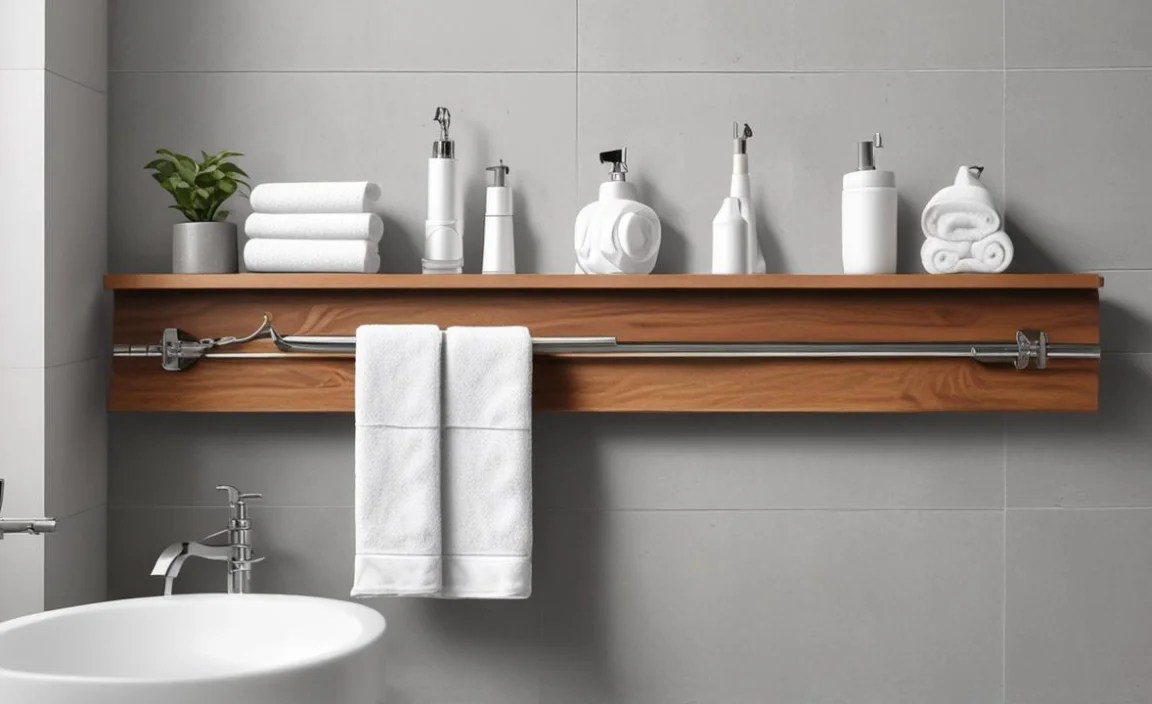
These are perhaps the most common and straightforward type. A single bar is perfect for one bath towel, hand towel, or even a thin bath mat. They are sleek, minimalist, and don’t command a lot of visual space.
- Best for: Singles, couples, or as an addition to existing storage for specific towels (like guest towels).
- Space Saving Aspect: Very narrow profile, ideal for tight corners or narrow walls.
- Installation: Typically requires two mounting points.
2. Double Towel Bars
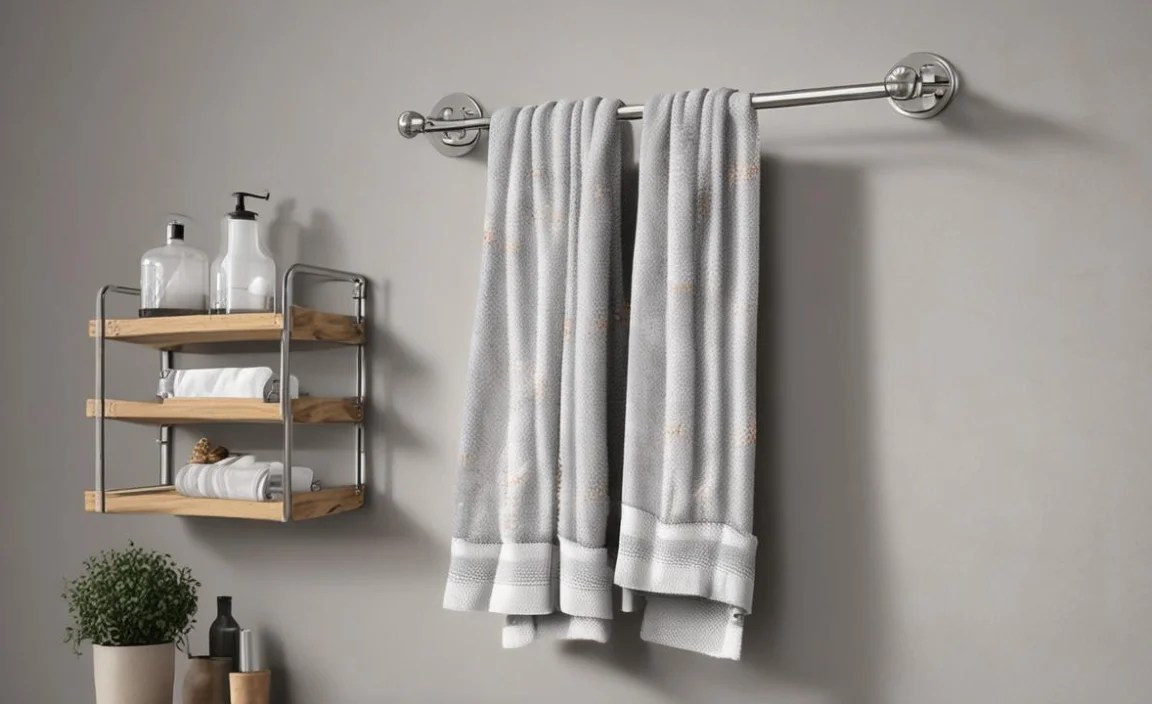
If you need more hanging capacity, a double towel bar is a fantastic choice. It offers two bars, one above the other, allowing you to hang multiple towels. This can be great for families or for separating bath towels from hand towels.
- Best for: Couples, small families, or those who like to hang multiple towels.
- Space Saving Aspect: Offers double the capacity in roughly the same wall footprint as a single bar, but with a slightly larger visual presence.
- Installation: Usually requires four mounting points (two per bar arm).
3. Towel Rings
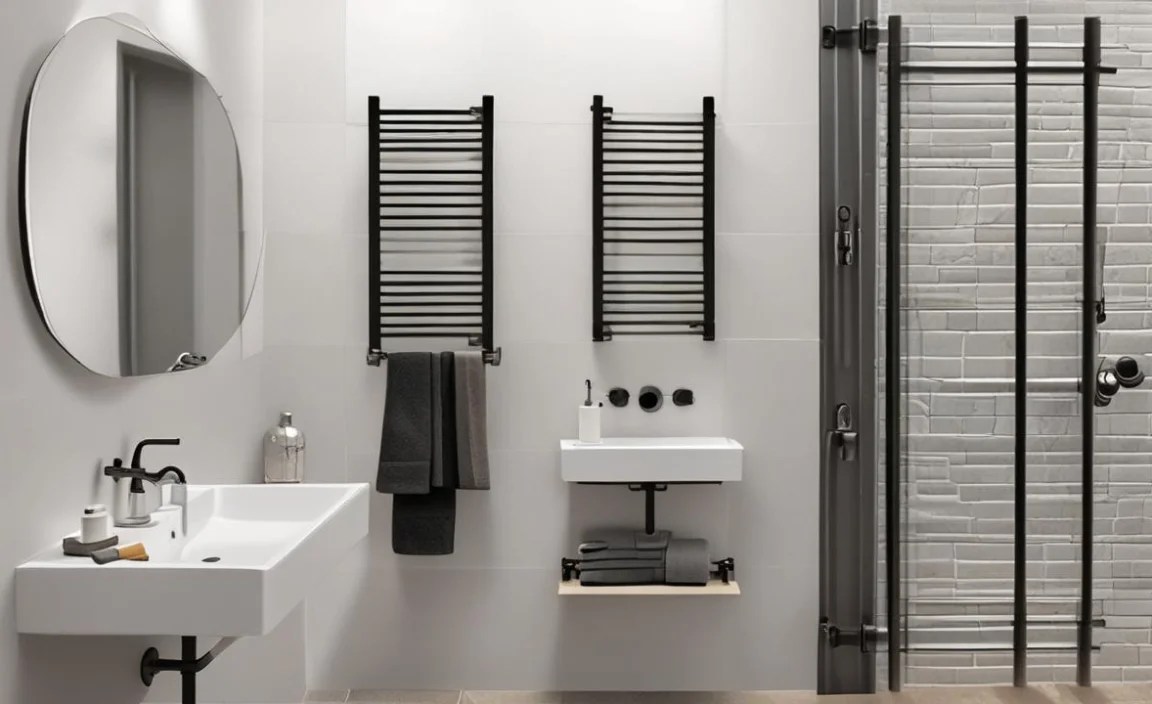
Towel rings are circular or oval racks designed specifically for hand towels or washcloths. They have a distinct advantage in that they only protrude a short distance from the wall.
- Best for: Hand towels, face cloths, or small towels.
- Space Saving Aspect: Very compact; a great option for small nooks or beside the sink.
- Installation: Typically requires one or two mounting points depending on the design.
4. Towel Shelves with Bars
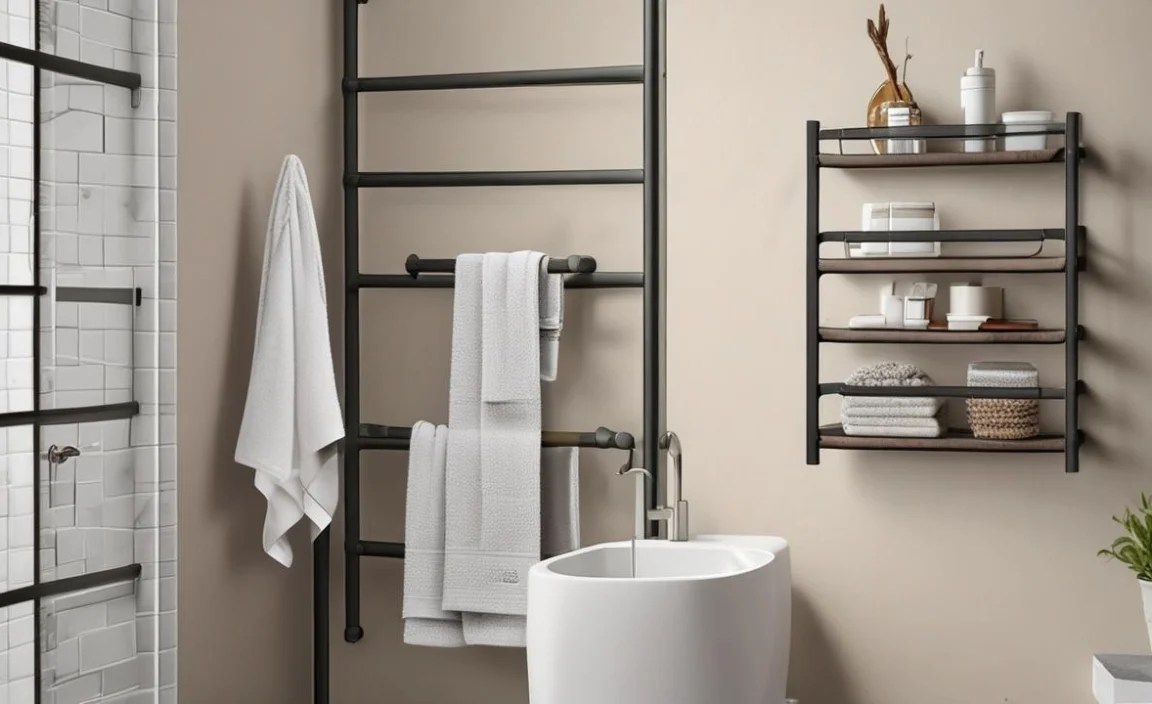
These combine a shelf (often for folded towels, toiletries, or decorative items) with an integrated towel bar below. They offer dual functionality, making them excellent for small spaces where every inch counts.
- Best for: Maximizing storage and display in one unit.
- Space Saving Aspect: Combines two storage solutions into one fixture. The shelf can hold neatly folded towels, while the bar holds a damp towel.
- Installation: Requires multiple mounting points for both the shelf and bar.
5. Swivel or Folding Towel Racks
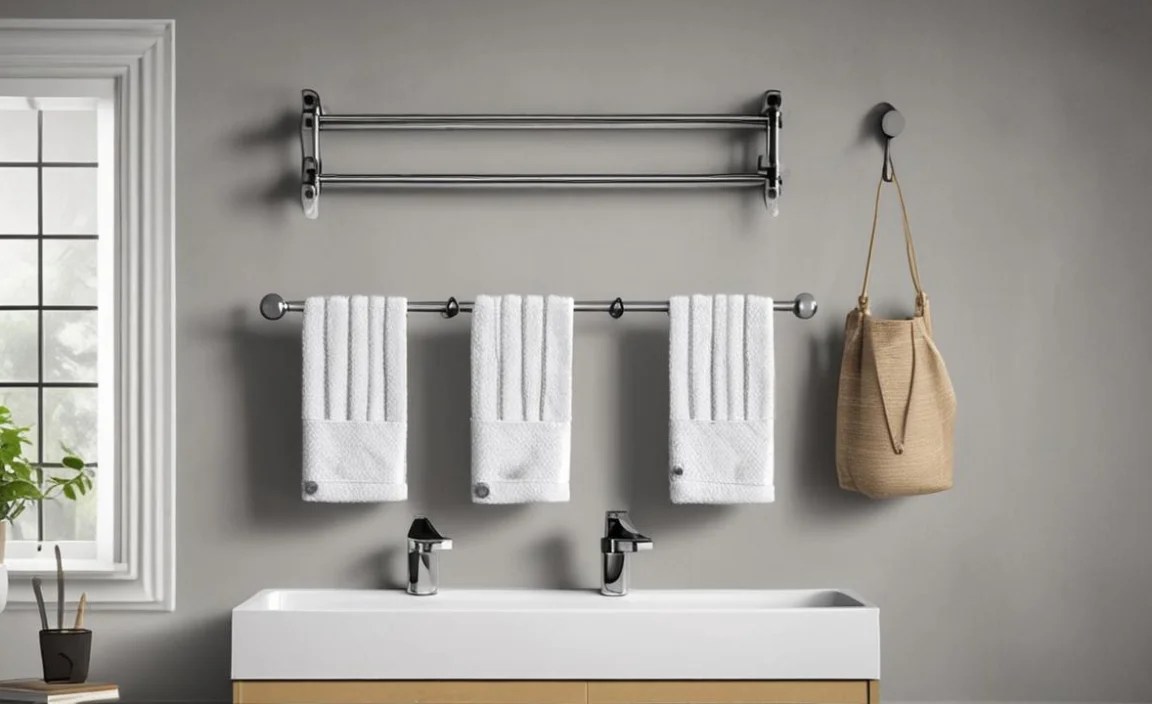
These are ingenious space-savers. Swivel racks typically have multiple bars that can pivot out from the wall, allowing you to hang several towels. Folding racks have bars that can be swiveled flat against the wall when not in use. Some even have bars that swing out and then fold away.
- Best for: Very tight spaces or bathrooms where you want the rack to be unobtrusive when not in use.
- Space Saving Aspect: Offers multiple hanging points that can be concealed or tidied away.
- Installation: Can vary; some are single mounts, others require multiple.
6. Over-the-Door Towel Racks (Wall-Mounted Style)

While not strictly “wall-mounted” in the drilling sense, some over-the-door racks are designed to be very sleek and a functional alternative when drilling isn’t an option. However, for true wall-mounting, consider the other types. We’re focusing on drilling into the wall for maximum stability and aesthetic integration.
7. Tension Rods (Temporary and Space-Saving)
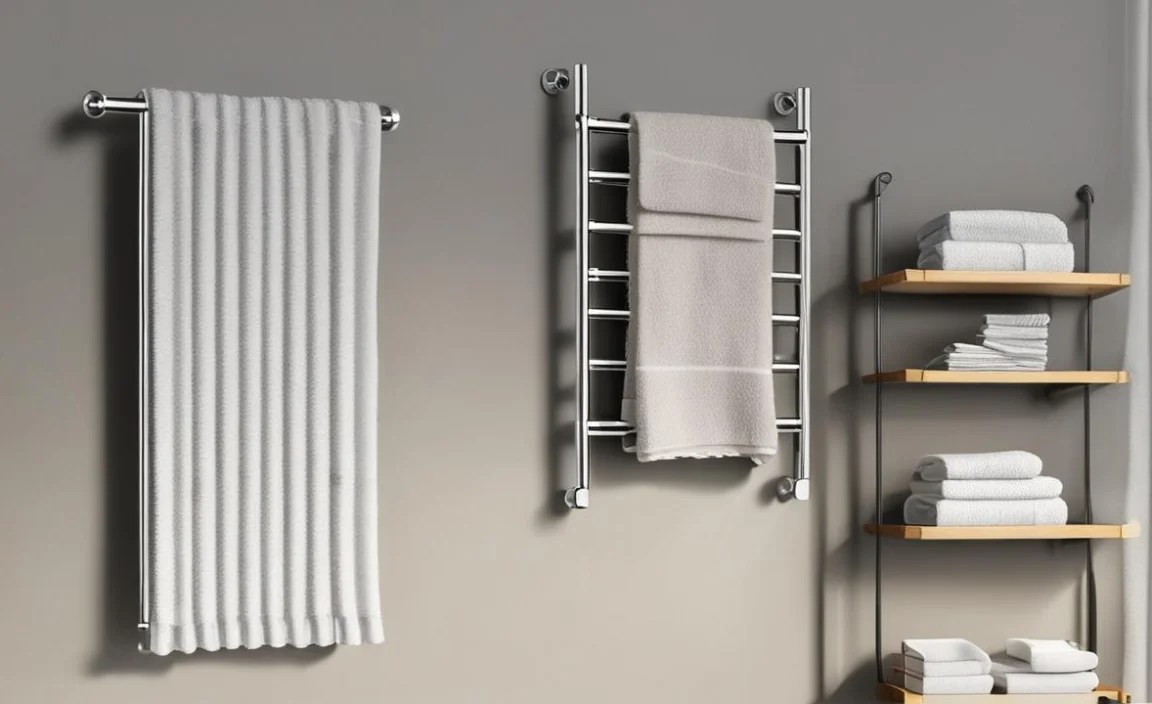
While not a permanent “wall-mounted” solution in the traditional sense, tension rods can be a genius temporary fix. You can install them between two walls or inside a shower niche. They require no drilling and can hold a lightweight towel or two. When you move or want a more permanent solution, they’re easily removed.
- Best for: Renters, temporary solutions, or as an extra hook inside a shower.
- Space Saving Aspect: Uses existing wall space without permanent fixings.
- Installation: Simply twist to extend and secure between two surfaces.
Choosing the Right Material and Finish
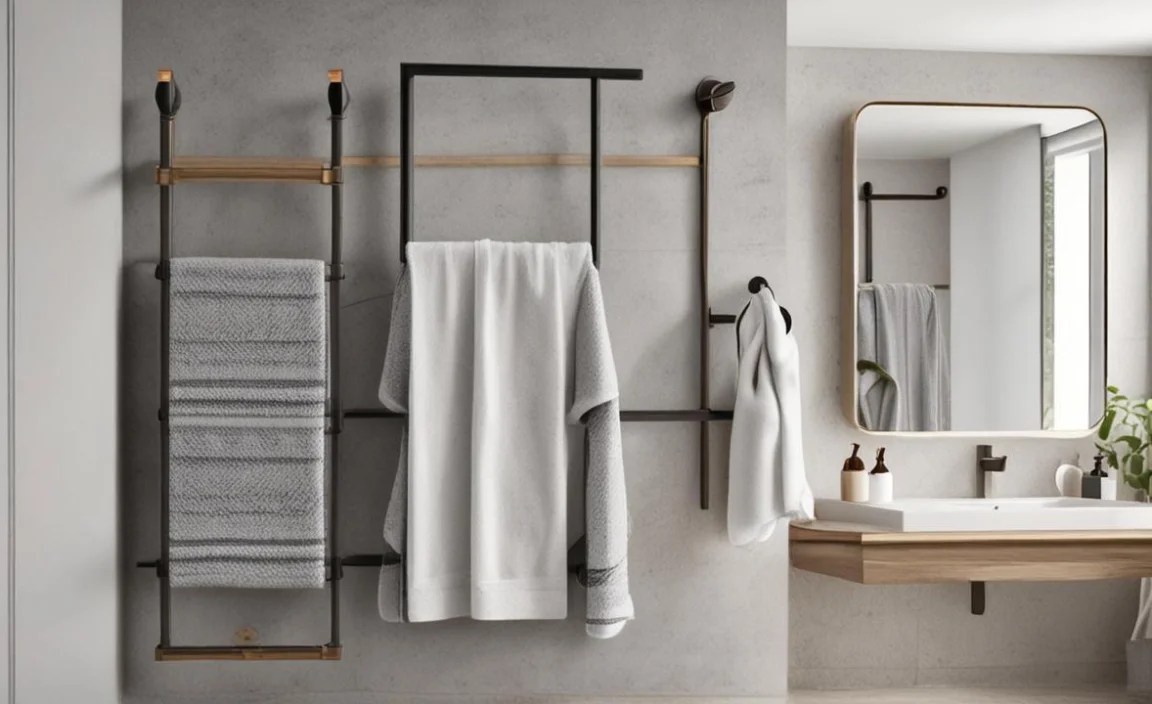
Beyond the style, the material and finish of your towel rack can impact its durability, ease of cleaning, and how well it complements your bathroom’s aesthetic. Here are some common choices:
- Stainless Steel: Very durable, rust-resistant, and easy to clean. Available in brushed or polished finishes, it offers a modern, sleek look.
- Chrome: A popular choice for its shiny, reflective appearance. It’s also quite durable and resistant to corrosion, but can show water spots if not wiped down regularly.
- Brushed Nickel: Offers a warmer, softer metallic look than chrome. It’s resistant to tarnish and fingerprints, making it a practical choice.
- Bronze/Oil-Rubbed Bronze: Provides a classic, vintage, or rustic feel. These finishes are generally durable and can hide water spots well.
- Black Matte: A trendy and minimalist option that can add a bold statement to a bathroom. It complements various decor styles.
- Wood: Less common for towel bars due to moisture concerns, but can be found for shelves or decorative elements. Ensure it’s treated for bathroom use.
Consider contrast and cohesion. If your faucets and showerhead are chrome, a chrome towel rack will likely blend in seamlessly. If you want a statement piece, consider a black matte or oil-rubbed bronze option against lighter tiles.
Installation Guide: Step-by-Step for Beginners
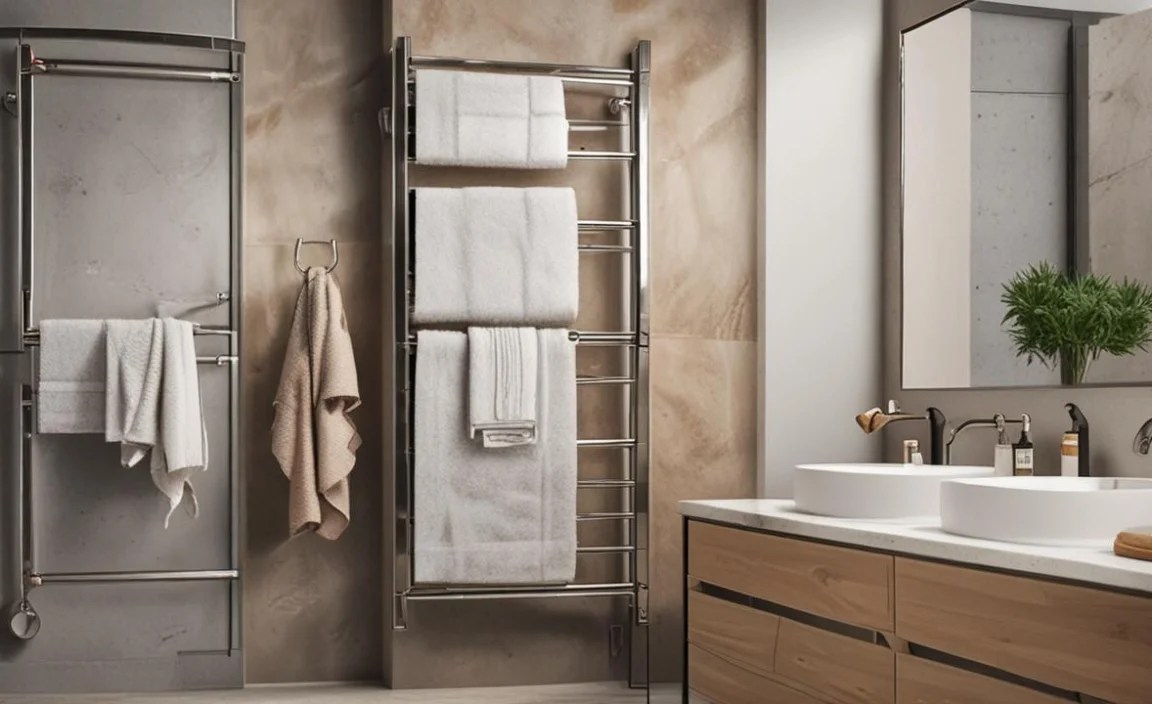
Installing a wall-mounted towel rack might seem daunting, but with the right tools and a little patience, it’s a very achievable DIY project. Safety first! Always ensure you know what’s behind your walls (pipes, electrical wires) before drilling. If you’re unsure, consult a professional or research your wall’s construction.
Tools You’ll Need:
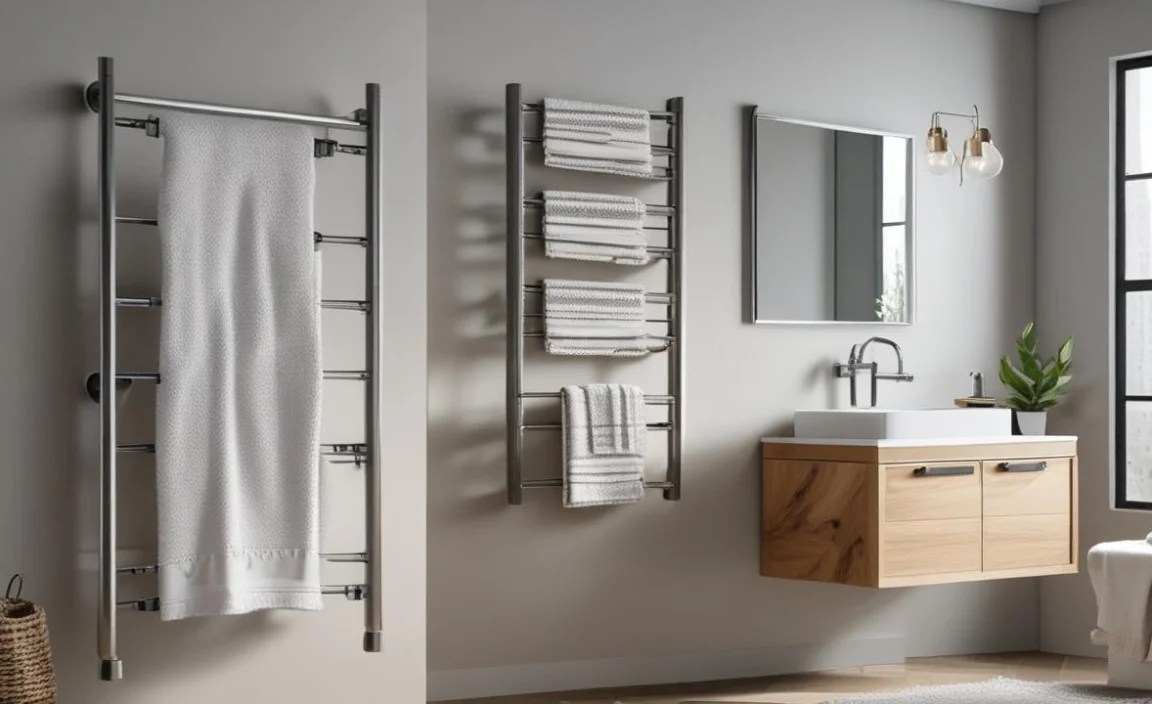
- Your chosen wall-mounted towel rack (it will come with mounting hardware)
- Measuring tape
- Pencil
- Level
- Stud finder (highly recommended)
- Drill with appropriate drill bits (masonry bits for tile/concrete, wood bits for drywall/studs)
- Screwdriver (Phillips or flathead, depending on screws)
- Wall anchors (if not drilling into studs)
- Safety glasses
- Optional: Painter’s tape, caulk
Step-by-Step Installation:
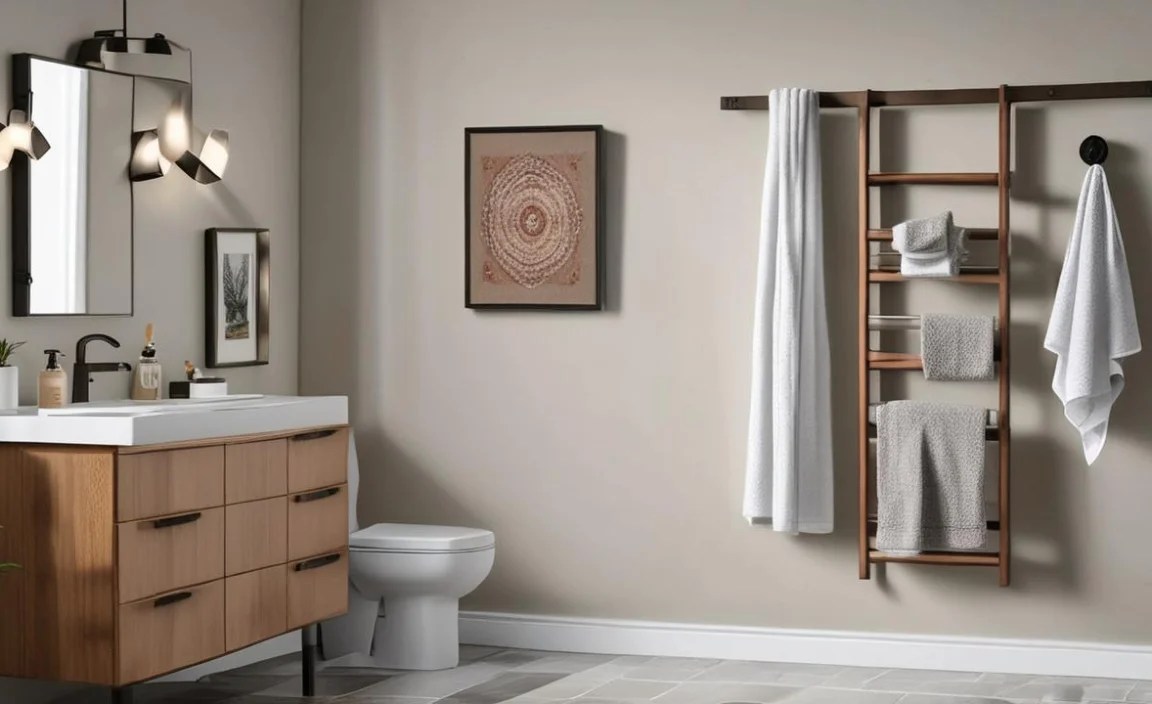
- Choose the Location: Decide where you want your towel rack. Consider ease of access from the shower or sink. Hold the rack up to the wall to visualize the placement. Remember to account for the towel’s full width and hang. For bath towels, a good height is typically 48-60 inches from the floor.
- Check for Studs: Use a stud finder to locate wall studs. Mounting directly into studs provides the strongest support, especially for heavier items or when hanging multiple towels. If studs aren’t available in your desired location, you’ll need to use appropriate wall anchors. Visit This Old House for tips on using a stud finder effectively.
- Mark the Mounting Points:
- If drilling into studs: Align the towel rack’s mounting bracket or the rack itself against the wall at your chosen height. Use a level to ensure it’s straight. Mark the screw hole locations with a pencil.
- If using wall anchors: Mark the locations for your anchors. You may need to drill pilot holes first to insert the anchors. Some anchors require you to drill a slightly larger hole. Remove the rack and drill holes for the anchors according to their specific instructions.
- Drill Pilot Holes:
- Into Studs: Drill pilot holes at your marked locations. The drill bit should be slightly smaller than the screw diameter to create a secure fit.
- For Anchors: Drill holes as indicated by the anchor manufacturer. This might involve specific bit sizes.
- Install Anchors (if necessary): If you’re not drilling into studs, insert your wall anchors into the drilled holes. Tap them gently with a hammer if they don’t push in easily, but don’t force them if they feel too tight – you might crack the wall or the anchor.
- Attach the Mounting Bracket or Rack:
- Most racks have a separate mounting bracket. Screw this bracket securely into the studs or anchors using the provided screws. Ensure it’s level before fully tightening.
- Some simpler racks attach directly. Align the rack with your pilot holes or anchors and screw it in.
- Hang the Towel Rack: Many towel racks have a mechanism (like set screws on the underside) to latch onto the mounting bracket. Slide the rack onto the bracket and secure it according to the manufacturer’s instructions. Tighten any set screws.
- Test for Stability: Gently tug on the rack to ensure it’s firmly attached to the wall. Hang a towel on it to test its weight-bearing capacity.
- Optional: Caulk. For a more finished look and to prevent moisture from seeping behind the rack, you can apply a thin bead of bathroom-grade silicone caulk around the edges where the rack meets the wall. Smooth it with a wet finger or caulk tool and let it cure.
Important Considerations for Different Wall Types:
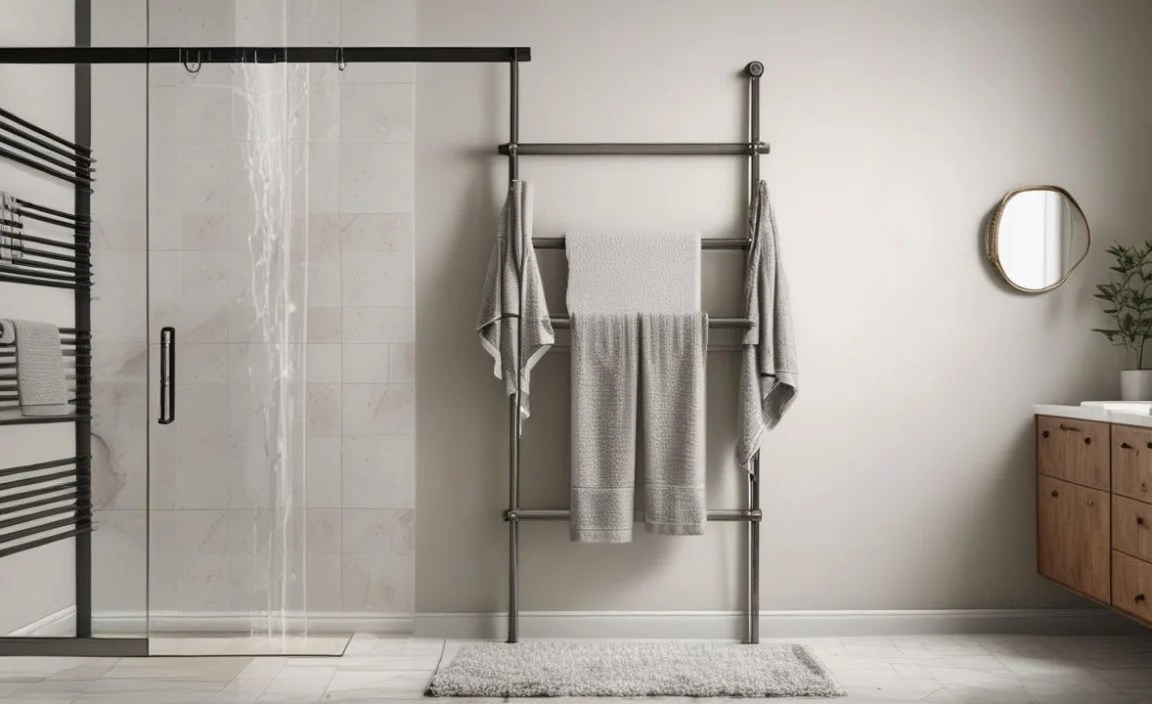
The way you install your rack depends heavily on your wall material. Understanding these differences is key to a secure installation. The Family Handyman offers excellent guidance on various wall hanging techniques.
| Wall Type | Best Mounting Method | Tools Needed | Notes |
|---|---|---|---|
| Drywall (no stud) | Wall Anchors (toggle bolts, molly bolts, screw-in anchors) | Drill, appropriate drill bits, screwdriver, hammer (for some anchors) | Crucial for secure mounting. Choose anchors rated for the weight you anticipate. |
| Studs (wood or metal) | Direct Screw Mounting | Drill with pilot bit, screwdriver | Provides the most secure attachment. Always aim for studs if possible. |
| Tile/Ceramic/Porcelain | Masonry/Tile Drill Bits, Wall Anchors (specifically for tile) | Drill (hammer drill recommended for some tiles), masonry/tile bits, screwdriver, water for cooling bit, safety glasses, painter’s tape | Drill slowly and use water to keep the bit and tile cool to prevent cracking. Apply painter’s tape over the drill spot to help prevent the bit from slipping. |
| Concrete/Brick | Masonry Drill Bits, Sleeve Anchors or Lag Shields | Hammer drill, masonry bits, hammer, wrench or socket set | Requires a powerful drill and sturdy anchors. |
Genius Hacks for Maximizing Towel Rack Utility in Small Spaces
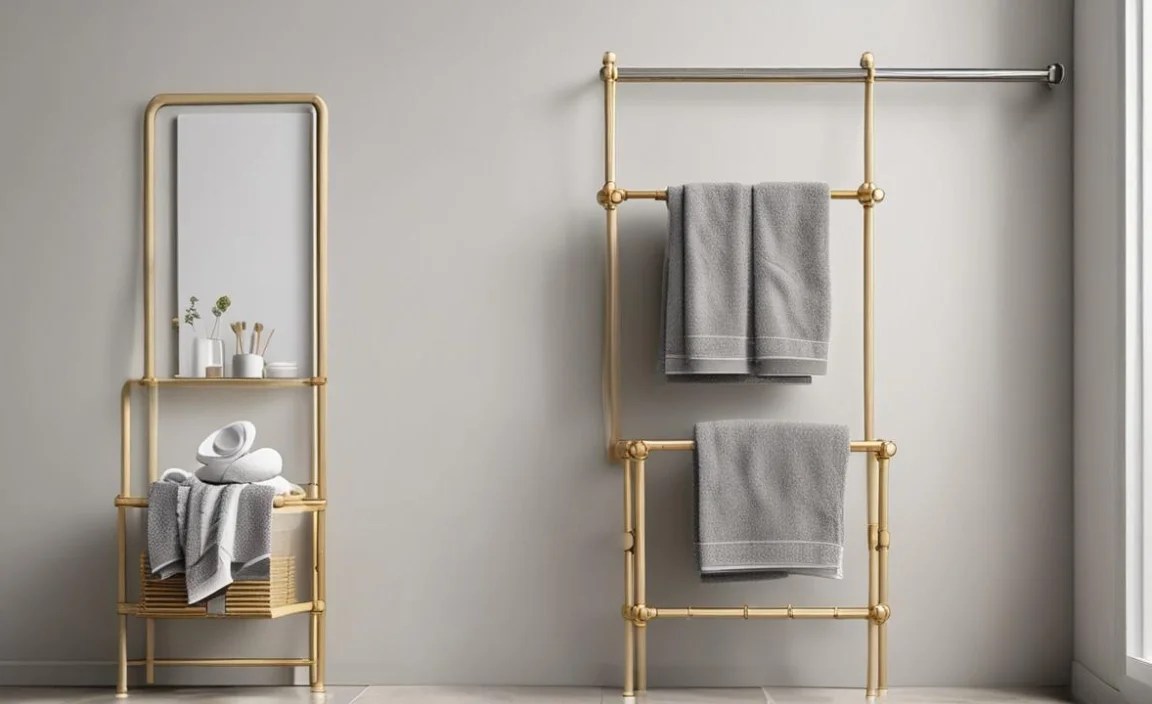
Beyond the basic installation, here are some creative ways to make your wall-mounted towel rack work harder for you in a small bathroom:
- Layering with Hooks: If your rack has a bit of space, you can install a couple of smaller screw-in hooks underneath for washcloths or loofahs. Just ensure the hooks are small enough not to interfere with the main bar.
- Folding Techniques: Learn to fold towels neatly in thirds or quarters before hanging them on bars. This not only looks tidier but can also help them dry more efficiently and take up less space.
- Double Duty: Some narrow shelves with integrated bars can also be used to prop up a folded towel beneath a hanging one, effectively doubling capacity in a single fixture.
- Utilize the Wall Space Around the Rack: Install the rack on a wall adjacent to a cabinet or shower. This way, you can still use other wall-mounted or corner solutions for other items without feeling cluttered.
- Consider the Shower Curtain Rod: For very temporary or budget-friendly solutions, you can buy small, S-shaped hooks that hang over your shower curtain rod. This isn’t a wall-mounted solution, but it’s a common small-space hack that keeps towels out of the way inside the shower where they can dry.
- Smart Placement for Airflow: Install your rack away from direct splash zones if possible, but also ensure there’s enough space around it for air to circulate freely. Avoid placing it directly behind a door that is often shut, as this can trap moisture.
Maintaining Your Wall-Mounted Towel Rack
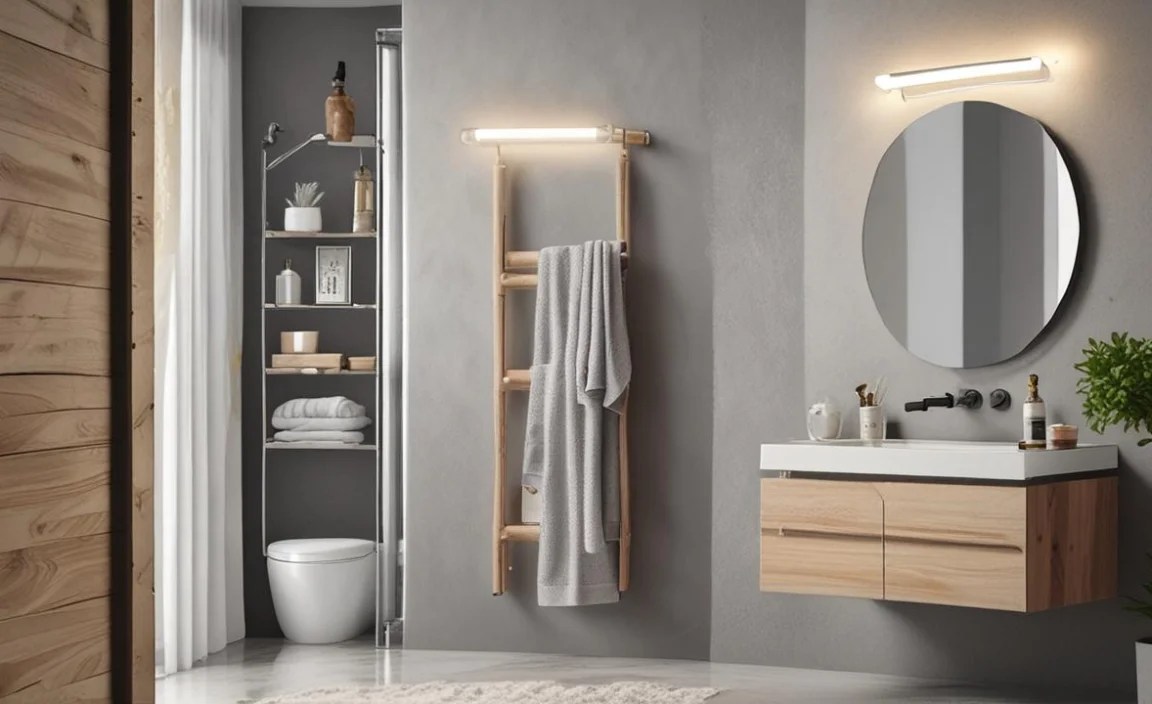
Keeping your towel rack in good shape is simple and ensures it lasts for years. Regular maintenance also helps keep your bathroom looking clean and hygienic.
- Daily Wiping: A quick wipe-down with a soft cloth after use can prevent water spots, especially on chrome or polished finishes.
- Regular Cleaning: Once a week, or as needed, clean the rack with a mild soap and water solution and a soft cloth. Avoid abrasive cleaners or scouring pads, which can scratch the finish.
- Check for Tightness: Periodically (every few months), check that the screws holding the rack and its mounting hardware are still tight. This is especially important if you notice any wobbling.
- Address Rust or Corrosion: If you notice any signs of rust or corrosion (rare with quality materials like stainless steel), clean it immediately. For minor spots on chrome, you might be able to use a paste of baking soda and water. For more severe issues, consult the manufacturer’s recommendations.
- Sanitize: If you’re concerned about germs, a disinfectant spray or wipe can be used occasionally, ensuring it’s compatible with the rack’s finish.
For further understanding on bathroom cleaning and maintenance, official resources like The U.S. Environmental Protection Agency (EPA) provide guidance on effective and safe cleaning practices which can be adapted for your bathroom fixtures.
FAQ: Your Towel Rack Questions Answered
Q1: How high should I hang a towel rack in a small bathroom?

A1: For bath towels, a good general height is 48 to 60 inches (122 to 152 cm) from the floor. This allows towels to hang freely without touching the floor and is comfortable for most adults to reach.
Q2: Can I hang a towel rack on a tiled wall

