
Planning your water pressure layout is essential for a functional home plumbing system. A well-designed layout ensures consistent, reliable water flow to all fixtures. This guide simplifies the process, helping you understand pressure zones, pipe sizing, and components for optimal water performance.
Your Genius Essential Guide to Water Pressure Layout
Low water pressure can be a real headache. Ever struggled with a weak shower or slow-filling sink? It’s a common problem that can make everyday tasks frustrating. Luckily, understanding your home’s water pressure layout doesn’t have to be complicated. This guide will walk you through the basics, from identifying the core components to laying out your pipes for perfect water flow. We’ll break down what seems tricky into simple, manageable steps. Get ready to gain confidence and master your home’s water system!
Why Water Pressure Layout Matters
Think of your home’s water pressure layout as the plumbing’s roadmap. It dictates how water travels from the main supply line to every faucet, showerhead, and appliance. Getting this layout right is crucial for several reasons:
- Consistent Flow: A good layout ensures all your fixtures receive adequate and stable water pressure. No more one weak shower while another is super strong!
- Efficiency: Proper design prevents water hammer (banging pipes) and unnecessary strain on your system, leading to greater reliability and longevity.
- Comfort: Adequate water pressure enhances the user experience, from enjoying a powerful shower to quickly filling your bathtub.
- Appliance Performance: Many appliances, like washing machines and dishwashers, rely on specific water pressure levels to function efficiently and effectively.
- Cost Savings: While not direct, a well-laid-out system can prevent leaks and reduce pipe stress, potentially saving on repair costs and water bills over time.
Understanding how water flows and is distributed is the first step to solving common pressure issues and ensuring your home runs smoothly. We’ll cover how to approach this, starting with the fundamentals.
Understanding the Basics of Water Pressure

Before we dive into the layout itself, let’s clarify what “water pressure” means for your home. Water pressure is essentially the force pushing water through your pipes. It’s typically measured in pounds per square inch (psi).
For residential use, the ideal water pressure usually ranges between 40 psi and 60 psi. Anything consistently below 30 psi might be considered low, while pressures above 80 psi can be too high and potentially damage your plumbing. You can get a simple gauge to check your home’s pressure; they often screw right onto an outdoor hose bib and give you a quick reading.
Several factors influence your home’s water pressure:
- Municipal Supply Pressure: The pressure of the water coming from your local water utility. This is the starting point.
- Elevation: Water pressure naturally decreases by about 0.433 psi for every foot of elevation gain. If your home is on a hill, the upper floors will naturally have less pressure.
- Pipe Material and Size: Older pipes or pipes that are too narrow can restrict water flow, reducing pressure.
- Plumbing Fixtures: Low-flow showerheads or aerators can sometimes reduce the feel of pressure, even if the pipe pressure is adequate.
- Leaks: Even small leaks can significantly reduce overall system pressure.
- Valves: Partially closed valves anywhere in the system will restrict flow.
A good water pressure layout accounts for these factors to deliver consistent results.
Key Components of a Water Pressure Layout
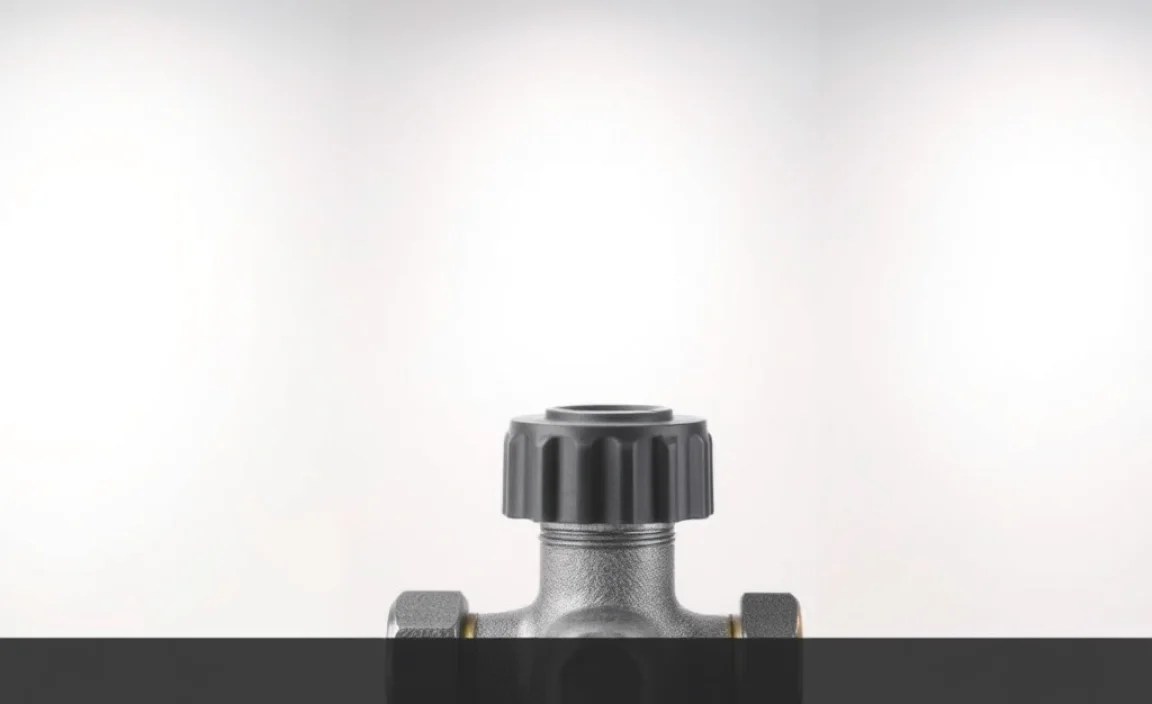
When planning or evaluating your home’s water pressure layout, you’ll encounter a few key components. Knowing what these are and what they do is essential:
- Main Water Shut-Off Valve: This is the primary entry point where your home connects to the municipal water supply. It’s the first valve you’ll usually encounter and is crucial for turning off water to the entire house for repairs.
- Water Meter: Typically located near the main shut-off valve, this device measures your water consumption.
- Pressure Regulator (PRV): If your incoming municipal pressure is too high (over 80 psi), a pressure regulator is installed to reduce it to a safe and consistent level for your home’s plumbing. This is a vital component for protecting your pipes and fixtures.
- Backflow Preventer: This device ensures that water only flows in one direction, preventing potentially contaminated water in your home’s system from flowing back into the clean municipal water supply. They are often required by local codes.
- Main Water Line: This is the large pipe that carries water from the outside entry point into your home.
- Branch Lines: Smaller pipes that extend from the main water line to different areas or fixtures in your house (e.g., bathroom branches, kitchen branches).
- Piping Material: The type of pipes used (copper, PEX, PVC, galvanized steel) can affect functionality and longevity. PEX (cross-linked polyethylene) and copper are common choices for modern residential plumbing.
- Water Heater: While it heats water, its placement and connection to the hot water distribution lines are part of the overall layout.
- Fixtures: Faucets, showerheads, toilets, and appliances. The design and flow rate of these can influence the perceived water pressure.
Planning Your Water Pressure Layout: A Step-by-Step Approach
Creating an effective water pressure layout involves careful planning. Here’s a simplified approach for homeowners looking to understand or improve their system:
Step 1: Assess Your Current System and Needs
Before making changes, understand what you have. Walk through your home and map out where your main water line enters and where major plumbing runs are. Note the location of your shut-off valve, pressure regulator (if present), and water heater.
Consider these questions:
- Where are you experiencing low pressure? Is it throughout the house, or only at specific fixtures like upper-floor bathrooms?
- What is your current water pressure? Use a gauge to find out.
- Are there any visible signs of pipe corrosion or damage?
- What types of pipes do you have?
If your home is older, galvanized steel pipes can corrode internally and significantly reduce pressure. Upgrading these to PEX or copper is a common and effective solution.
Step 2: Understand Pressure Zones (For Larger Homes or Multi-Story Buildings)
In larger homes or buildings with significant elevation changes, a single pressure setting might not be ideal for all areas. This is where the concept of “pressure zones” comes in. For most standard homes, everything is on one zone, fed by the main line.
However, if you have issues like inconsistent pressure between floors, you might consider a system with a pressure booster pump or strategically placed pressure reducers for different zones. These systems are more complex and often require professional design, but understanding the concept helps identify potential advanced solutions.
Step 3: Pipe Sizing is Crucial
The diameter of your pipes directly impacts water flow. Undersized pipes are a major cause of low pressure, especially when multiple fixtures are used simultaneously. Undersized pipes create friction and resistance.
Here’s a general guideline for pipe sizing based on the number of fixtures it serves:
| Pipe Diameter (Inside Diameter) | Capacity (Equivalent Fixture Units) | Typical Use |
|---|---|---|
| 1/2 inch | Up to 2-3 Fixture Units | Short runs to a single fixture (e.g., toilet, sink) |
| 3/4 inch | Up to 12-15 Fixture Units | Main supply to smaller homes, or branches to multiple fixtures (e.g., a bathroom group) |
| 1 inch | Up to 35-40 Fixture Units | Main supply line to medium-sized homes, or branches to larger fixture groups (e.g., entire kitchen) |
| 1 1/4 inch and larger | More than 40 Fixture Units | Main supply to large homes, or complex multi-story systems |
Note: Fixture Units (FU) are a standardized way to measure the probable demand of a fixture. For instance, a standard bathtub faucet might be rated at 3 FU, while a toilet is 5 FU. These are estimates, and actual flow rates can vary.
The Uniform Plumbing Code (UPC) and International Plumbing Code (IPC) provide detailed tables and guidelines for pipe sizing based on fixture counts and flow rates, which professional plumbers use for precise calculations. You can often find these resources online from organizations like the International Code Council (ICCsafe.org).
Step 4: Minimizing Pressure Loss in the Layout
Pressure is lost as water travels through pipes due to friction and changes in direction.
- Minimize Turns: Every bend, elbow, and tee in a pipe adds resistance. Design your layout with the fewest, gentlest turns possible.
- Use Larger Pipes for Longer Runs: If a run from the main line to a fixture is very long, consider using a slightly larger pipe diameter for that section to compensate for friction loss.
- Avoid Sharp Elbows: Use long-radius elbows where possible instead of sharp 90-degree ones.
- Straight Runs: Keep main water lines as straight and unobstructed as you can.
- Correct Fittings: Ensure all fittings are properly installed and free of obstructions.
Step 5: Consider Hot Water Distribution
The layout also affects hot water pressure and temperature consistency. Hot water lines are often run parallel to cold water lines. The distance from the water heater to fixtures plays a role:
- Temperature Loss: The longer the hot water pipe run, the more heat is lost. This means the water may arrive lukewarm.
- Flow Rate: Hot water pipes are subject to the same sizing and friction principles as cold water pipes.
- Recirculation Systems: For homes with long hot water runs, a hot water recirculation system can be installed. This system continuously circulates hot water through the pipes, ensuring hot water is available almost instantly at any tap. While an added component, it’s a direct solution to perceived hot water pressure and delivery issues.
Your water heater itself (tank or tankless) has an input and output size, which should be compatible with your piping to avoid creating a bottleneck.
Step 6: Incorporate Necessary Components
Ensure your layout design includes:
- Accessible Shut-Off Valves: Install shut-off valves at key points (e.g., before each major appliance, at the base of each story) so you can isolate sections of the plumbing for repairs without shutting off water to the whole house.
- Proper Vents and Drains: While not directly water pressure, proper venting (air admittance valves or stack vents) and draining are critical for overall plumbing system function and can prevent pressure-related issues like siphoning.
- Expansion Tank (for Hot Water Systems): If you have a closed hot water system (often with a check valve or PRV on the supply), an expansion tank is crucial. It absorbs the pressure increase that occurs when water is heated, preventing excessive pressure buildup and damage.
Step 7: Consult Local Codes and Professionals
Plumbing codes vary by location. Always check with your local building department for specific requirements regarding materials, pipe sizing, and required components like backflow preventers. A professional plumber can provide expert advice, accurate calculations, and ensure your layout is compliant and efficient.
Common Water Pressure Layout Problems and Solutions
Even with a good plan, issues can arise. Here are some common problems and how they relate to the layout:
Problem: Low Pressure at Specific Fixtures
- Cause: Undersized branching pipe, clogged aerator/showerhead, partially closed valve, excessive turns in the pipe run to that fixture.
- Solution: Check and clean aerators/showerheads. Ensure valves are fully open. Evaluate pipe size for that specific run. Consider a simple pipe upgrade to the next size up if it’s undersized for the distance and fixture demand.
Problem: Pressure Drops Significantly When Multiple Fixtures Are Used
- Cause: Main supply pipe or branch lines are undersized for the total demand.
- Solution: This points to a systemic issue. The most effective, though often costly, solution is to re-pipe with larger diameter pipes for the main supply and key branches.
Problem: Water Hammer (Banging Pipes)
- Cause: Sudden stoppage of water flow (e.g., quick-closing valves in washing machines or faucets) creates shock waves.
- Solution: Install water hammer arrestors on lines leading to appliances with solenoid valves (like washing machines). Ensuring pipes are properly secured can also help dampen vibrations.
Problem: Inconsistent Pressure (Fluctuates)
- Cause: Could be a faulty pressure regulator, issues with the municipal supply, or air pockets in the system.
- Solution: Test your incoming pressure and check your PRV. If the PRV is old or malfunctioning, replace it. Bleed air from your system by opening the highest and lowest faucets slowly.
DIY vs. Professional: When to Call an Expert
While understanding your water pressure layout is empowering, certain tasks are best left to the pros:
- Major Repiping: Replacing existing pipes.
- Installing/Replacing Pressure Regulators: Requires knowledge of incoming pressure and proper adjustment.
- Complex Systems: Designing multi-zone pressure systems or installing booster pumps.
- Code Compliance Assurance: Ensuring all work meets local building codes.
- Diagnosing Persistent Issues: If simple fixes don’t work, a professional has the tools and experience for in-depth diagnostics.
For simple checks like cleaning aerators, testing pressure with a gauge, or identifying shut-off valves, DIY is perfectly fine. Always prioritize safety and consult with a qualified plumber if you’re unsure about any aspect of your plumbing system.
Frequently Asked Questions (FAQ)
Q1: What is the ideal water pressure for my home?
The ideal water pressure for most homes is between 40 psi and 60 psi. Anything below 30 psi is generally considered low, and pressures consistently above 80 psi are too high and can damage your plumbing system.
Q2: How can I check my home’s water pressure?
You can easily check your water pressure using a water pressure gauge. These are inexpensive and typically screw onto an outdoor hose bib. Turn on the spigot slightly to get a reading, and ensure no other water is being used in the house for the most accurate result.
Q3: My shower pressure is low, but my sink is fine. What could be the problem?
This often means the main supply is adequate, but the line to the shower, or the showerhead itself, is the issue. Check and clean the showerhead’s aerator for mineral buildup. If that doesn’t help, the pipe leading directly to the shower might be undersized, or there could be a blockage within the shower valve itself.
Q4: What’s the difference between a pressure regulator and a pressure booster?
A pressure regulator (PRV) is used to reduce high incoming water pressure to a safe and consistent level for your home. A pressure booster is used to increase low incoming water pressure, especially in homes with very low municipal supply or on upper floors of tall buildings.
Q5: Do I need a pressure regulator?
You likely need a pressure regulator if your home’s water pressure consistently reads above 80 psi. A plumber can test your pressure and advise if a regulator is necessary to protect your plumbing and appliances from damage caused by excessive pressure.
Q6: Can pipe material affect water pressure directly?
Yes, absolutely. Older, corroded galvanized steel pipes can develop internal scale and rust that significantly constrict water flow, reducing pressure. Newer materials like copper and PEX are smoother internally and less prone to corrosion, helping maintain better pressure over time, provided they are sized correctly.
Q7: What is “fixture unit” in plumbing?
A fixture unit (FU) is a standardized method used by plumbers and engineers to estimate the flow demand of plumbing fixtures and pipe sizes. It’s a way to represent the probability that a fixture will be in use at any given time, allowing for calculations of expected water usage and the appropriate pipe sizing to meet that demand without excessive pressure drop.
