
What if your bathroom could be more than just a place to shower? Imagine a space where every corner is waterproof and modern. This is where a wet room guide comes in handy. Wet rooms are stylish, easy to clean, and perfect for everyone. Are you curious about how to create this amazing bathroom space? Let’s dive into the details and learn more!
Key Takeaways
- Wet rooms are waterproof spaces without separate shower stalls.
- They are easy to clean and maintain.
- Perfect for people of all ages, including kids and seniors.
- This wet room guide helps design safe, stylish spaces.
- Plan carefully to ensure waterproofing and proper drainage.
Understanding Wet Rooms

Wet rooms are fully waterproofed bathrooms without separate shower stalls. Instead, the entire space serves as a shower area. The floors are gently sloped to allow water to drain properly. This design makes the room feel bigger and more open. A wet room guide can help you create your own perfect space. You’ll learn about materials, designs, and everything else needed to make a fabulous wet room.
- All surfaces are waterproof.
- Floors are sloped for drainage.
- No need for a shower tray.
- Minimalist and modern design.
- Perfect for small bathrooms.
- Great for accessibility needs.
Creating a wet room requires careful planning. First, you’ll need expert advice to ensure your room stays waterproof. Consider the materials you want to use. Tiles are popular because they are water-resistant and come in various styles. Also, think about the overall design of your wet room. Do you want a sleek and modern look, or something more traditional? No matter your choice, a wet room guide helps you bring your vision to life.
Fun Fact or Stats : Wet rooms first gained popularity in Europe, especially in the UK.
Benefits of Wet Rooms
Wet rooms offer many benefits that traditional bathrooms cannot. They are easy to clean because there are fewer nooks and crannies. You can maintain the sleek look with minimal effort. Wet rooms also provide accessibility for people with mobility issues. The open space allows wheelchair users easier access. Moreover, they add value to your home by offering a modern touch.
Wet Room Materials
Choosing the right materials is crucial for a wet room. Tiles are the most popular choice because they are durable and water-resistant. If you want a warm feel, consider using vinyl flooring. It is soft underfoot and water-resistant. Walls can be tiled or even covered with water-resistant paint. Choose materials that suit your style and budget. Your wet room should reflect your personal taste while remaining functional.
Installing a Wet Room
Setting up a wet room involves several steps. First, waterproof the entire area. Use a waterproof membrane to cover the floors and walls. Next, install a proper drainage system. This ensures water flows away quickly and efficiently. After that, you can add your choice of tiles or other materials. Consider hiring a professional for this part to ensure everything is done correctly and safely.
Wet Room Design Tips
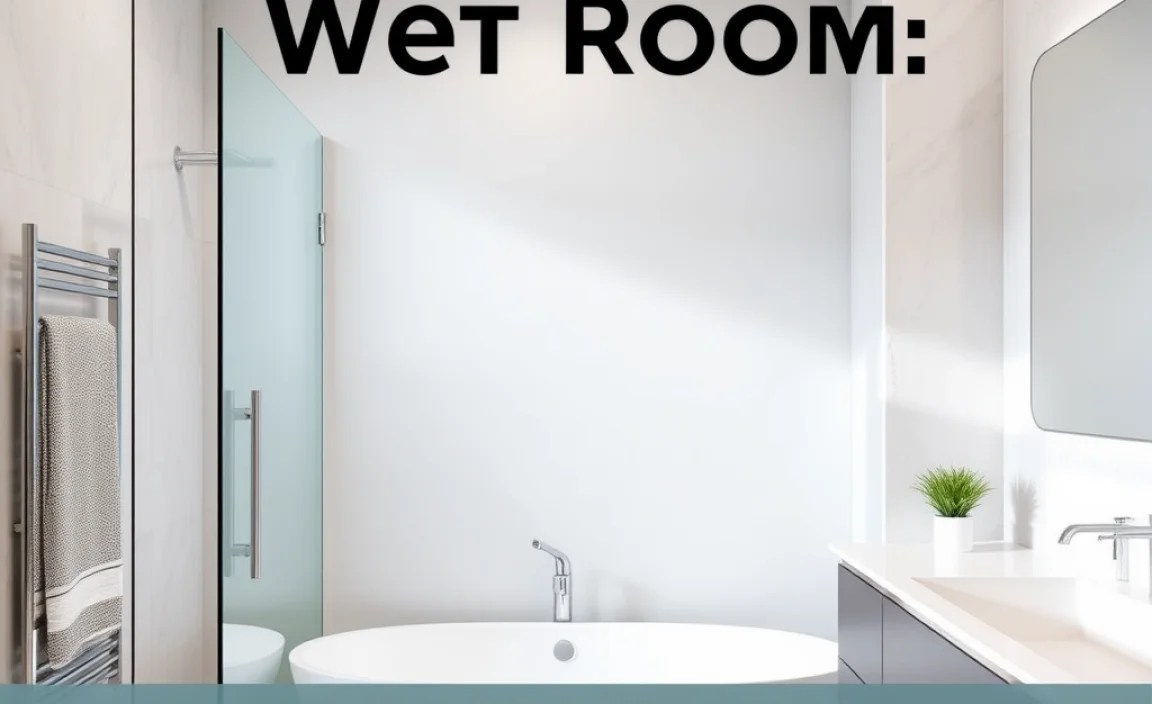
Designing a wet room can be a fun project. Start by looking at different styles and themes. Modern designs are popular, with sleek lines and minimal decoration. If you prefer a cozy feel, go for warm colors and textures. A wet room guide can provide inspiration and practical advice. Think about lighting too. Bright, natural light makes the room feel airy and open.
- Choose a theme or style.
- Think about colors and textures.
- Use mirrors to make the room look bigger.
- Consider underfloor heating for comfort.
- Plan storage to keep the room tidy.
When designing your wet room, think about how you will use the space. If multiple people will use it, consider more robust materials. Add storage solutions to keep the area neat. Small niches in the walls can hold shampoo and soap. Ensure there is enough light, either natural or from fixtures. A well-designed wet room is both beautiful and practical.
Fun Fact or Stats : Underfloor heating is a popular choice for wet rooms in cold climates.
Adding Personality
Personalizing your wet room makes it uniquely yours. Use decorative tiles to add a splash of color. Hang artwork or plants to bring life to the space. You can even choose fun, colorful towels to brighten up the room. Personal touches make the space feel like home. They also reflect your personality and make the room welcoming.
Lighting Ideas
Lighting can change the feel of your wet room. Use bright lights to open up the space. Add dimmers for a relaxing atmosphere. Consider natural light from windows or skylights. This can make the room feel fresh and airy. Use LED lights for an eco-friendly option. Proper lighting makes a big difference in how you enjoy your wet room.
Storage Solutions
Storage is important in wet rooms to keep them tidy. Use wall-mounted shelves to save floor space. Consider built-in cabinets for a clean look. Hooks on the wall can hold towels and robes. Use niches for keeping bath products handy. Good storage solutions help maintain the sleek and clean look of a wet room.
Costs of Creating a Wet Room

Building a wet room can be more expensive than a regular bathroom. However, it adds value to your home. The cost varies depending on the materials and labor. Waterproofing is essential and requires professional installation. This can be costly but ensures long-term durability. A wet room guide can help you budget effectively.
- Initial costs are higher than traditional bathrooms.
- Professional installation is advisable.
- Quality materials add to cost and longevity.
- Consider long-term savings on maintenance.
- Increases home value over time.
When considering costs, keep in mind the benefits of a wet room. While the initial expense is high, the ease of maintenance saves money over time. Waterproof materials are durable and long-lasting. A well-designed wet room increases your home’s value. Planning your budget with a wet room guide can help you make the best financial decisions.
Fun Fact or Stats : Wet rooms can increase property value by up to 5%.
Budgeting Tips
Budgeting for a wet room helps control costs. Start by listing everything you need. Prioritize waterproofing and essential features. Look for deals on materials and compare prices. Consider doing some work yourself, like painting or tiling. This saves money on labor. Plan ahead to avoid unexpected expenses.
Savings on Maintenance
One benefit of wet rooms is low maintenance costs. They are easy to clean and require less upkeep. The waterproof materials ensure longevity and reduce the need for repairs. Over time, this saves money. Investing in a wet room can be a smart financial decision.
Return on Investment
A wet room is an investment in your home’s future. It increases property value, making selling easier. Homebuyers are attracted to modern, stylish bathrooms. This adds appeal to your home. Consider the long-term benefits when planning your wet room.
Planning and Building a Wet Room

Planning is key when building a wet room. Start by measuring the space carefully. Consider what features you want to include. A wet room guide can help you choose the best layout. Think about who will use the room and their needs. This ensures the wet room is both functional and stylish.
- Measure the space accurately.
- Plan the layout and features.
- Consider users’ needs and preferences.
- Ensure proper drainage and waterproofing.
- Hire professionals for installation.
Once planning is done, it’s time to build. Waterproofing is the first step. This involves covering the floors and walls with a membrane. Next, install the drainage system. Make sure it works smoothly. Then, it’s time to add tiles or other materials. Professional help ensures quality and durability.
Fun Fact or Stats : The average wet room takes 10 to 15 days to complete.
Choosing a Layout
Choosing the right layout is important for a wet room. Consider how you move in the space. Think about where the shower will go. Make sure there’s room for everything you need. A good layout maximizes space and comfort. Use a wet room guide to explore different options.
Importance of Waterproofing
Waterproofing is crucial for a wet room. It protects your home from water damage. A waterproof membrane covers the floors and walls. This ensures no leaks occur. Proper waterproofing increases the wet room’s lifespan. Always hire a professional for this task.
Functional Design
Functional design makes a wet room easy to use. Think about how you will move in the space. Ensure there’s enough storage for bath products. Consider using shelves and niches. A well-designed wet room is both beautiful and practical.
Conclusion
Creating a wet room is an exciting project. This wet room guide helps you design a stylish and practical space. Wet rooms are modern, easy to clean, and perfect for everyone. With careful planning, you can create your dream bathroom.
FAQs
Question: What is a wet room?
Answer: A wet room is a bathroom where the shower area is level with the rest of the floor. It is fully waterproofed, allowing the whole space to serve as a shower area. Following a wet room guide ensures proper construction.
Question: Are wet rooms expensive?
Answer: Wet rooms can be more costly than traditional bathrooms. This is due to the need for waterproofing and professional installation. However, they add value to homes and are easy to maintain, which may offset initial costs.
Question: How do you clean a wet room?
Answer: Cleaning a wet room is simple. Use a squeegee to remove water from surfaces. Regularly clean tiles and grout with mild cleaners. The waterproof design makes maintenance easy. A wet room guide can offer further cleaning tips.
Question: Can you put a wet room anywhere?
Answer: Wet rooms can be installed in most spaces, but certain conditions must be met. Proper drainage and waterproofing are essential. It’s important to consult a wet room guide or a professional to ensure suitability.
Question: Do wet rooms need special flooring?
Answer: Yes, wet rooms require waterproof flooring. Popular options include tiles and vinyl flooring. These materials are durable and water-resistant. A wet room guide can help you choose the best flooring.
Question: How long does it take to build a wet room?
Answer: Building a wet room typically takes 10 to 15 days. The timeline depends on the complexity of the design and the materials used. Proper planning and a wet room guide ensure the project runs smoothly.
