
The “wet room jargon pros and cons” are essential for DIYers to understand before planning or building this modern bathroom. Knowing the terms, benefits, and drawbacks ensures a successful, waterproof, and stylish wet room, avoiding costly mistakes and confusion. This guide breaks down complex concepts into easy-to-grasp insights.
Thinking about a wet room for your home? It sounds modern and spa-like, but the world of wet room installation can quickly get confusing with all the special terms. Don’t let jargon be a barrier to your dream bathroom! Whether you’re planning a complete renovation or just curious, understanding the basics is key. We’re here to cut through the technical talk and give you clear, simple explanations about wet room jargon, its many benefits, and its potential downsides. You’ll gain the confidence to discuss your project and make informed decisions. Let’s dive in!
Demystifying Wet Room Jargon: Your Essential Glossary

Let’s start by unpacking some of those terms you might hear when researching or talking about wet rooms. Understanding these will be your first step to navigating the process smoothly. Think of this as your friendly guide to speaking the “wet room language” like a pro.
Key Wet Room Terminology Explained
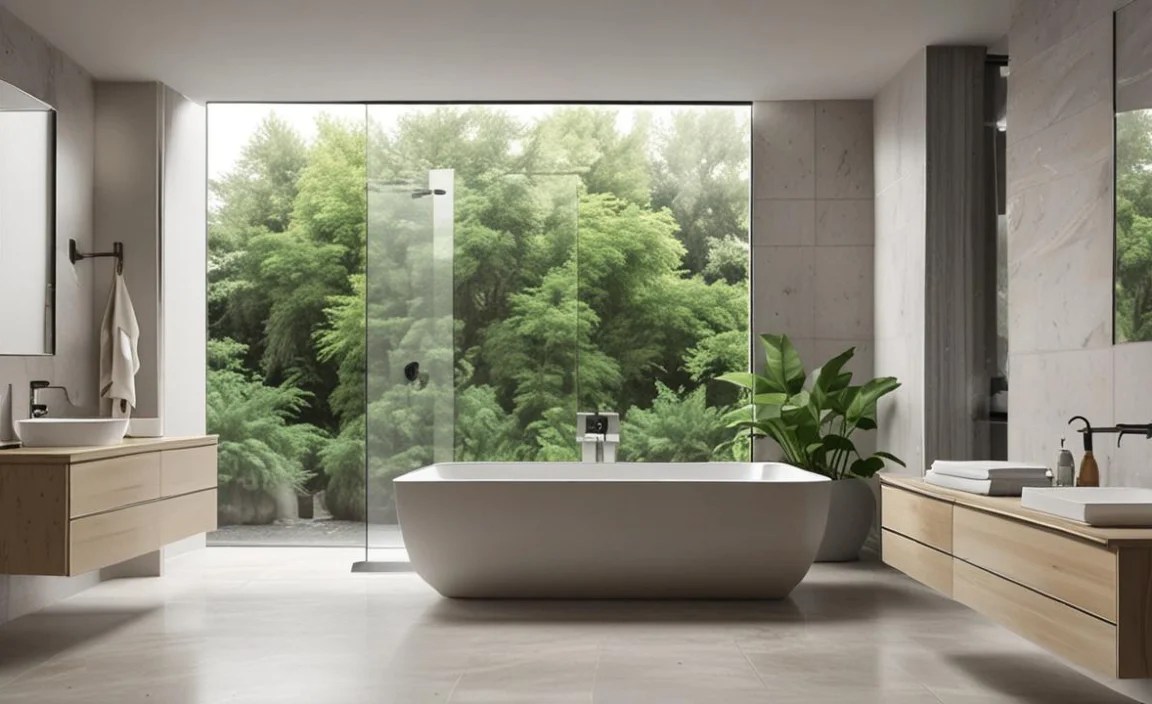
- Wet Room: This is the main event! A wet room is essentially a bathroom where the showering area isn’t enclosed by a cubicle or screen. Instead, the entire room is designed to get wet, with proper drainage and waterproofing throughout the floor. It’s an open-plan shower space.
- Waterproofing (or Tanking): This is the most critical part of a wet room. It’s the process of applying waterproof membranes or materials to all surfaces (walls, floor) that will be exposed to water. This prevents leaks and protects your home’s structure from moisture damage. Think of it as creating a waterproof “envelope.”
- Membrane: A flexible, waterproof material, often liquid-applied or sheet-based, that forms the barrier against water. These are laid over the subfloor and walls before tiling.
- Drainage: This refers to the system that removes water from the wet room. Floor drains are essential and must be strategically placed to ensure water flows away efficiently.
- Linear Drain: A type of drain that is long and narrow, typically installed along the edge of the showering area where it meets the floor. They are often considered more aesthetically pleasing and can be more efficient at handling large volumes of water than a single point drain.
- Point Drain: A traditional round or square drain located in the center or a specific part of the showering floor.
- Fall (or Gradient): This is the slight slope created in the floor towards the drain. Without the correct fall, water will pool instead of draining away, leading to potential problems. Building regulations often specify minimum falls.
- Shower Former (or Wet Room Tray): A pre-formed tray designed to be installed into the subfloor. It includes a built-in drainage point and is specifically designed with the correct fall, making installation easier and ensuring proper water management. These are excellent for beginners.
- Subfloor: The structural floor beneath your finished floor (like tiles). This is often where waterproofing and drainage elements are installed in a wet room.
- Tiles and Grout: While not unique to wet rooms, the choice of tiles and grout is vital. For wet rooms, it’s crucial to use waterproof grout and ensure tiles are laid with minimal gaps to prevent water ingress.
- Ventilation: An often-overlooked but crucial element. Good ventilation, usually through an extractor fan, removes moisture from the air, preventing condensation, mold, and mildew growth.
- Screen/Panel: In a wet room, you might still opt for a shower screen or panel. This isn’t a full enclosure but rather a fixed or hinged panel of glass that helps to deflect water spray and define the showering zone, minimizing water spread into the rest of the room.
The Allure of the Wet Room: Pros You Can’t Ignore

Why are wet rooms becoming so popular? They offer a host of advantages that can transform your bathroom experience and add value to your home. Let’s explore the sunny side!
Space-Saving and Accessible Design
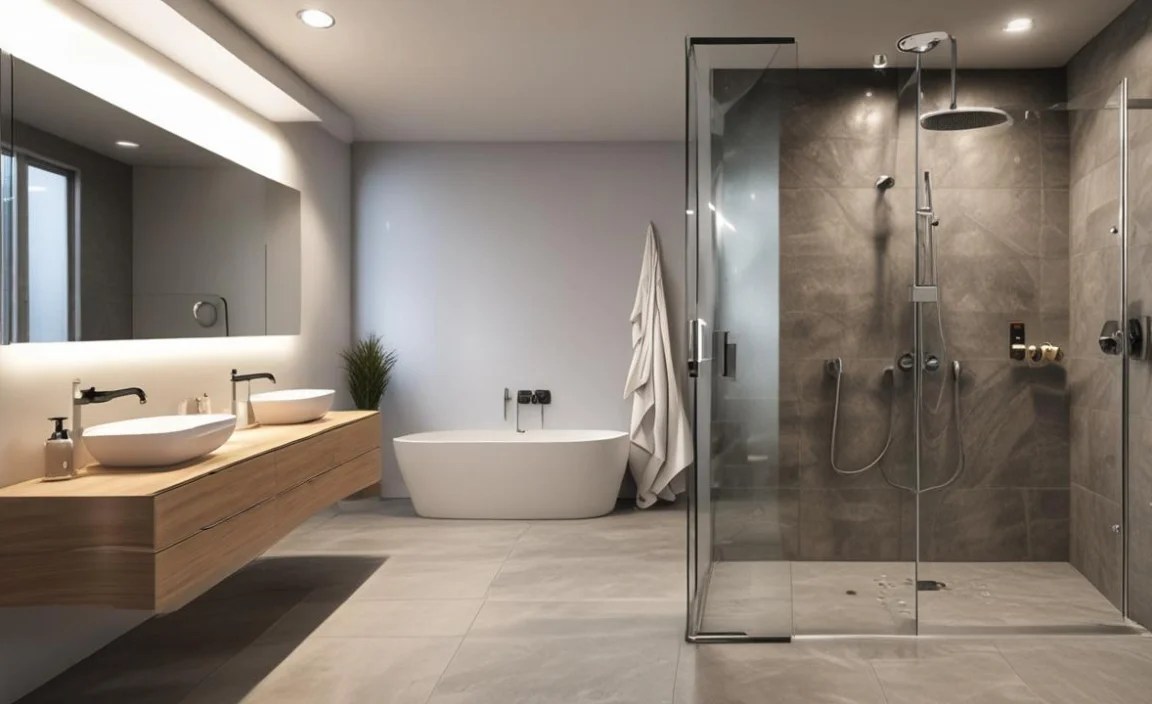
- Maximizes Space: By eliminating the need for a bulky shower cubicle, a wet room can make a small bathroom feel much larger and more open. This is ideal for compact spaces.
- Modern Aesthetics: Wet rooms offer a sleek, minimalist, and contemporary look that appeals to many. They create a spa-like feel.
- Excellent Accessibility: With no steps or raised trays, wet rooms are perfect for the elderly, those with mobility issues, or even for families with young children. They provide easy, seamless entry. Check out UK government building regulations for accessibility standards.
- Easy Cleaning: Fewer nooks and crannies mean less to scrub! A well-designed wet room can be much easier to clean and maintain than a traditional shower enclosure.
Functional Benefits and Practical Advantages
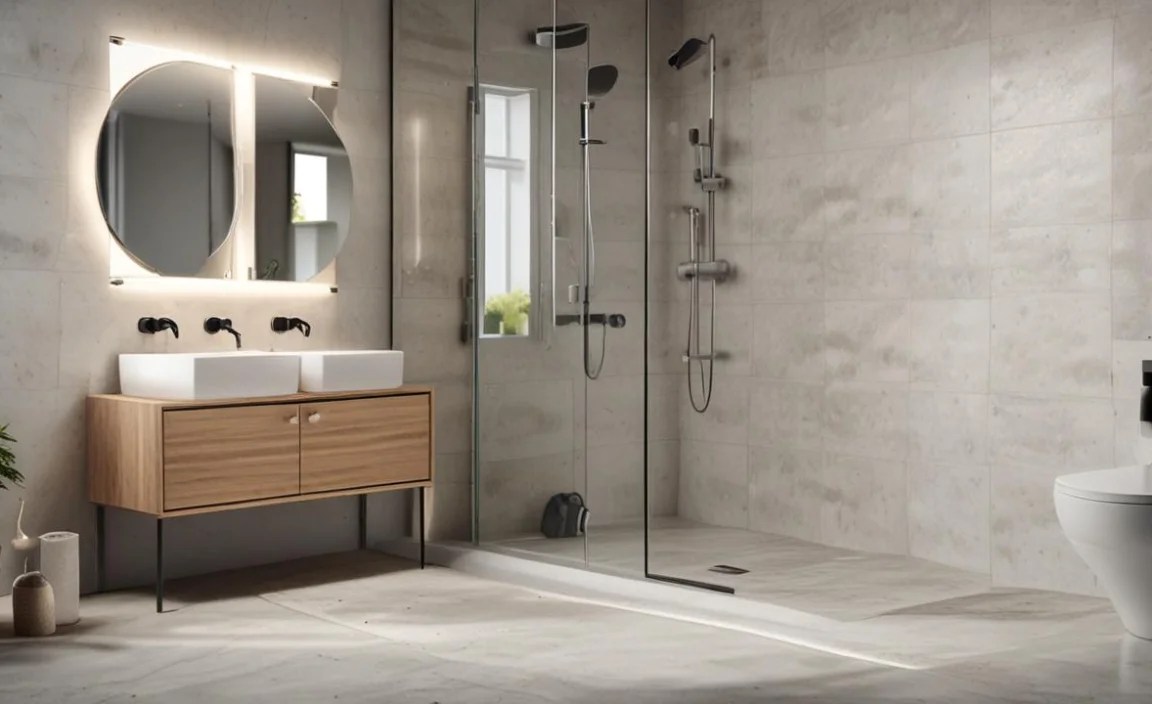
- Versatility: You can configure your wet room to suit your exact needs and style preferences.
- Enhanced Property Value: A well-executed wet room can be a significant selling point, adding desirability and value to your home.
- Luxurious Feel: The open-plan design and potential for high-end finishes can create a truly luxurious bathing experience.
- Reduced Water Waste: With a more efficient use of space and potentially shorter shower times due to the open environment, some users find they conserve water.
A Table of Wet Room Advantages

| Advantage | Description | Benefit to You |
|---|---|---|
| Space Efficiency | Eliminates shower cubicles, opening up floor space. | Makes small bathrooms feel larger and more open. |
| Modern and Stylish | Sleek, minimalist design. | Enhances the overall aesthetic appeal of your bathroom. |
| High Accessibility | No steps or trays; level access. | Ideal for users with mobility issues, children, and elderly. |
| Easy Maintenance | Fewer corners and crevices to clean. | Saves time and effort on bathroom cleaning. |
| Increased Property Value | Desirable feature for potential buyers. | Can be a good return on investment. |
| Luxurious Experience | Spa-like atmosphere. | Provides a more relaxing and indulgent bathing experience. |
Understanding the Challenges: Cons of a Wet Room

While the benefits are compelling, it’s equally important to be aware of the potential downsides. Being prepared for these challenges will help you plan accordingly and avoid common pitfalls.
Potential Pitfalls and Considerations
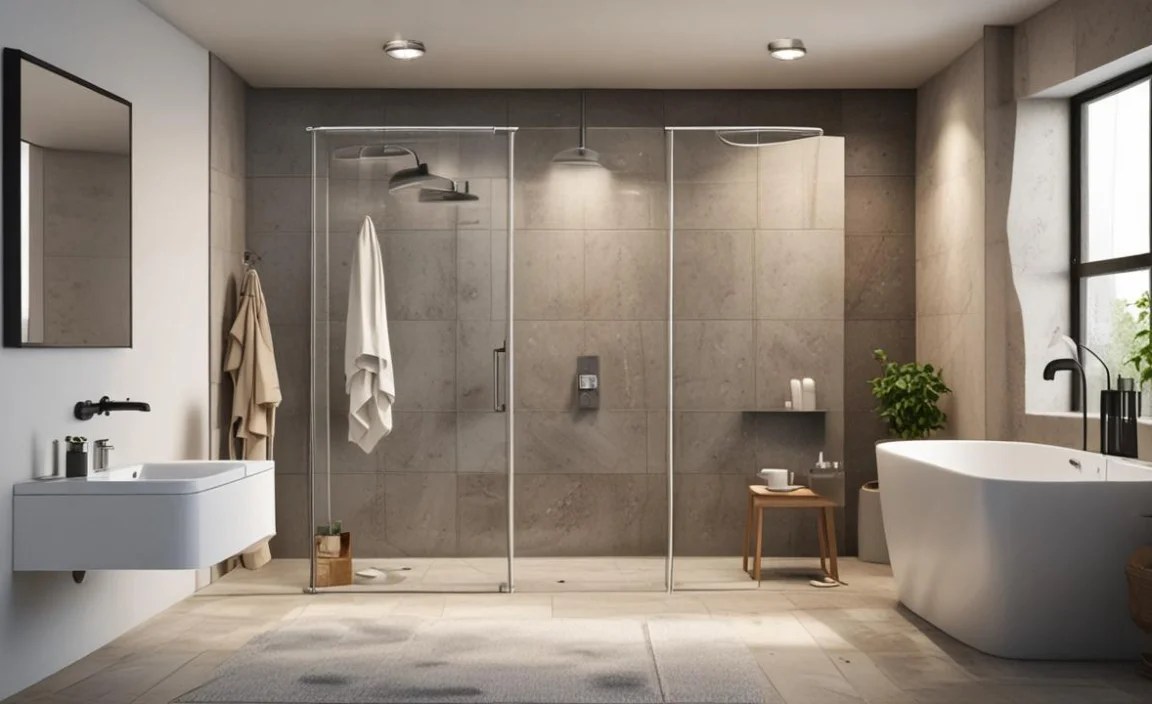
- Requires Meticulous Waterproofing: This cannot be stressed enough. If waterproofing is not done to an extremely high standard, leaks can cause significant structural damage, leading to expensive repairs. This is the biggest risk.
- Installation Complexity/Cost: Proper installation, especially ensuring correct falls and effective drainage, can be more complex and costly than a standard shower installation. Professional installation is often recommended, which adds to the overall expense.
- Water Spray and Splash: Without a full enclosure, there’s a greater chance of water splashing outside the designated showering area. This means surrounding areas (like vanity units or toilet paper holders) also need to be made water-resistant.
- Ventilation is Crucial: Because the whole room is designed to get wet, effective ventilation is absolutely essential to prevent dampness, mold, and mildew. Inadequate ventilation is a common problem.
- Requires a Suitable Subfloor: Installing a wet room often requires a solid, stable subfloor that can be properly prepared and sloped. This might be more challenging in older properties or upper floors.
Practical Concerns for Everyday Use
- Maintaining Floor Temperature: In colder climates or unheated rooms, a tiled floor can feel quite cold underfoot, especially without the warmth of a shower mat. Underfloor heating can mitigate this but adds cost.
- Potential for Slipping: Even with textured tiles, a wet floor can be slippery. Anti-slip tiles and careful design are important safety considerations.
- DIY Challenges: While some aspects are DIY-friendly, critical elements like waterproofing and drainage require expertise. A DIY error here can be very costly. For guidance on bathroom construction and waterproofing, resources from organizations like the NHBC can be invaluable.
A Table of Wet Room Disadvantages

| Disadvantage | Description | What to Watch Out For |
|---|---|---|
| Waterproofing Risk | Failure can cause major structural damage. | Insist on high-quality materials and expert installation. |
| Installation Complexity | Requires precise slopes and drainage setup. | Consider professional installation to avoid errors. |
| Water Splash | Water can spread beyond the shower area. | Use screens, deflectors, and water-resistant finishes for surrounding areas. |
| Ventilation Needs | High moisture levels require excellent airflow. | Install a powerful, correctly ducted extractor fan. |
| Subfloor Requirements | Needs a strong, stable base for slopes and waterproofing. | Check your existing subfloor’s suitability. |
| Floor Temperature | Tiled floors can feel cold. | Consider underfloor heating for added comfort. |
| Slipping Hazard | Wet surfaces increase risk. | Choose anti-slip tiles and ensure adequate falls. |
Essential Steps for a Successful Wet Room Installation
Now that you understand the jargon, pros, and cons, let’s look at the key steps involved in creating a functional and beautiful wet room. This is an overview to give you confidence, but always refer to specific product instructions and consider professional help for critical stages.
Planning and Preparation
- Assess Your Space: Determine if your bathroom is suitable. Consider ventilation, existing plumbing, and subfloor condition.
- Design Your Layout: Decide where the shower area, drain, and any screens will go. Plan for the necessary floor fall towards the drain.
- Choose Your Drainage: Select a drain type (linear or point) that fits your budget, aesthetic, and water flow needs.
- Source Quality Materials: Invest in top-tier waterproofing membranes, suitable tiles, waterproof grout, and a reliable drain system.
Waterproofing and Drainage Implementation
- Prepare the Subfloor: Ensure the subfloor is clean, dry, and structurally sound.
- Install Shower Former/Create Fall: If using a shower former, install it according to manufacturer instructions. Otherwise, create the necessary fall in the concrete or screed for the entire wet room floor. This slope is usually around 1:100 (1cm drop per meter).
- Apply Waterproofing Membrane (Tanking): This is the most crucial step. Apply waterproof membranes to the floor and up the walls to a sufficient height (usually at least 150mm, but check local requirements). Pay extra attention to corners, edges, and around pipework. For detailed guidance on waterproofing systems, you can explore resources from manufacturers like Tilemaster.
- Install the Drain: Connect the drain to your waste pipework, ensuring it’s correctly positioned and sealed within the waterproof membrane.
Tiling and Finishing
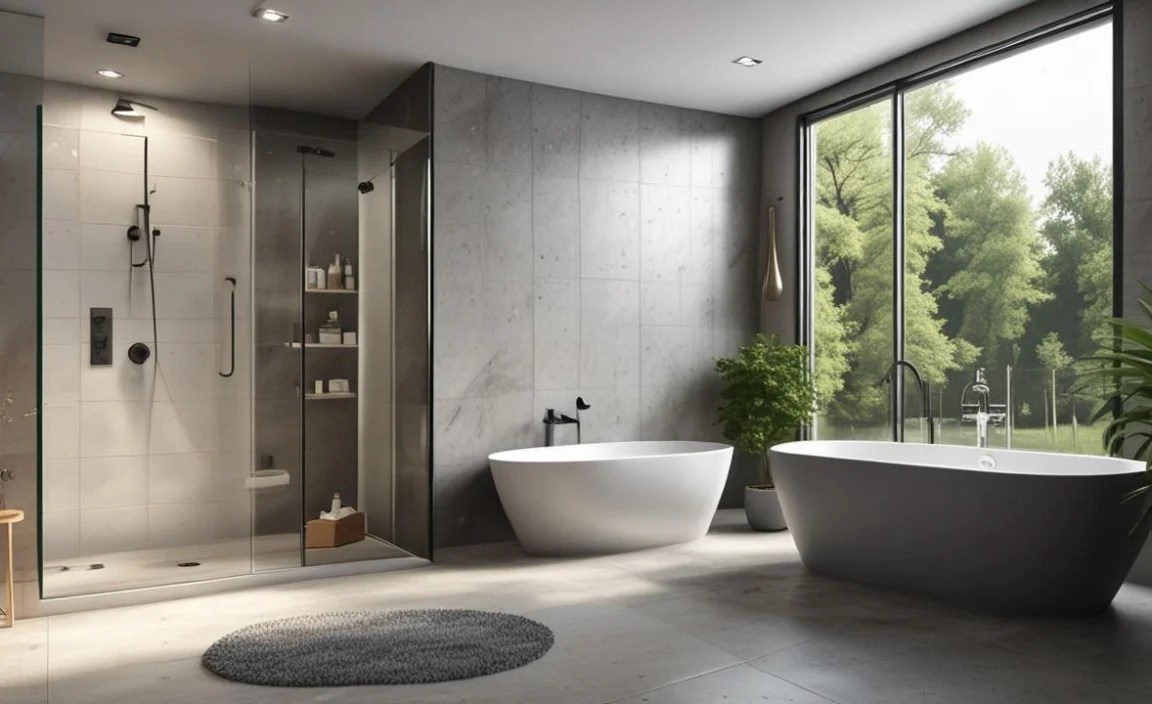
- Tile the Area: Lay your chosen tiles, ensuring they are suitable for wet areas and have good slip resistance.
- Grout and Seal: Use a high-quality, waterproof grout and ensure all grout lines are completely filled. Seal any exposed edges.
- Install Fixtures: Fit your shower valve, shower head, any screens, and other bathroom accessories.
- Focus on Ventilation: Ensure your extractor fan is installed and ducted externally. If unsure about electrical work or ducting, always call a qualified professional. An example of a good ventilation fan can be found on websites like Screwfix.
Frequently Asked Questions About Wet Rooms
Have more questions? Here are some common queries from beginners about wet rooms, with simple answers to help you out.
Do wet rooms really work?
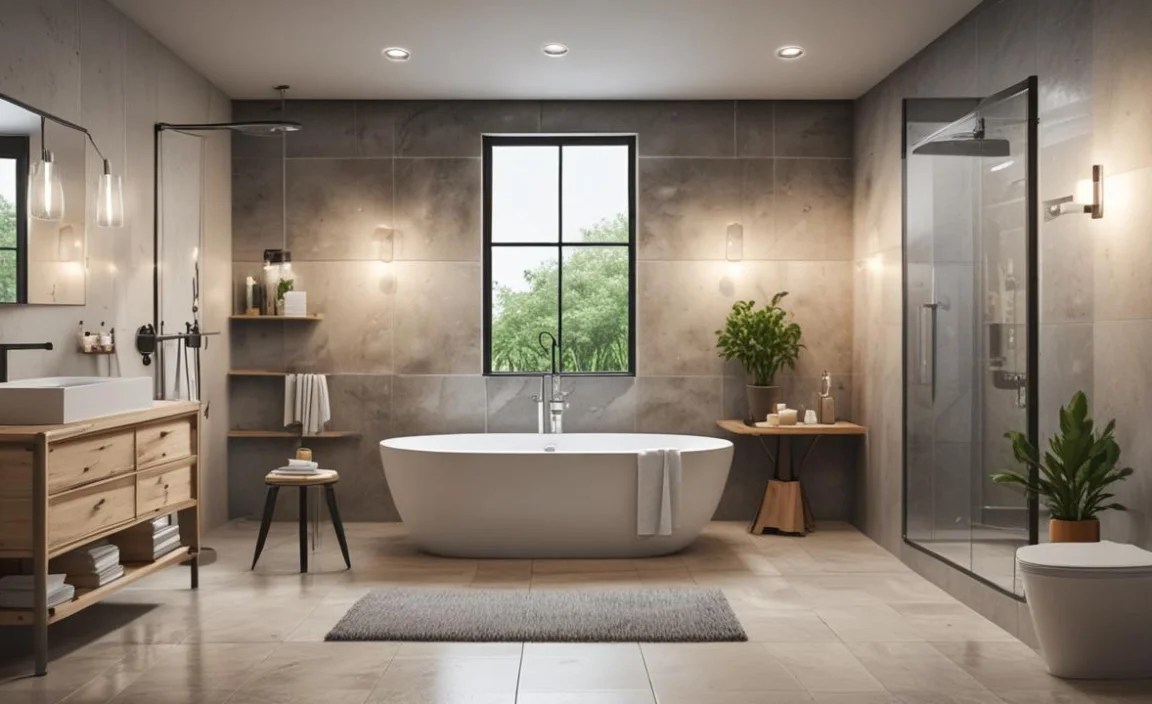
Yes, when installed correctly with proper waterproofing, drainage, and ventilation, wet rooms are very effective and a safe addition to any home. The key is precision in installation.
Can I install a wet room myself?
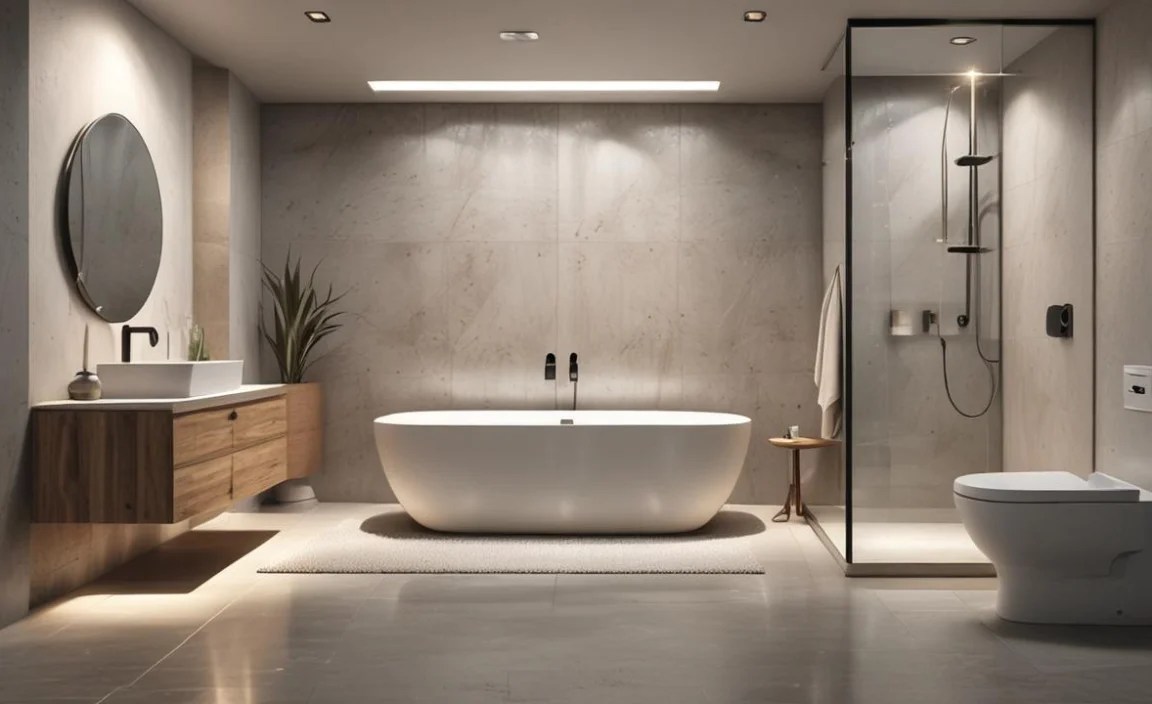
Some aspects, like tiling or fitting fixtures, can be DIY. However, the critical steps of waterproofing and drainage require significant expertise. If you’re not experienced, it’s best to hire a professional to avoid costly leaks and damage.
How do I clean a wet room?
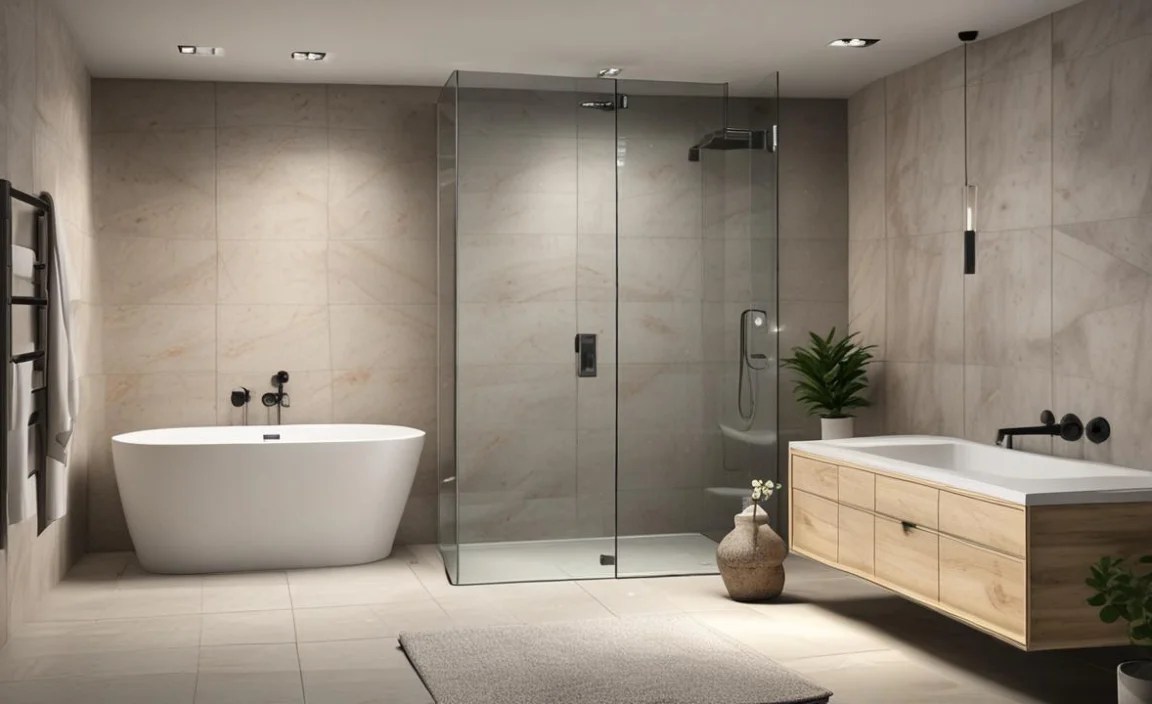
Cleaning is generally straightforward. Regular wiping down with a bathroom cleaner after use helps prevent soap scum buildup. The floor drain should be cleaned periodically. Use non-abrasive cleaners to protect your finishes.
What kind of tiles are best for a wet room?

Look for tiles with a good slip-resistance rating (often indicated by R-ratings or specific slip ratings). Porcelain and ceramic tiles are common choices. Natural stone can be used but may require sealing.
How much does a wet room conversion typically cost?
Costs vary widely depending on the size of the room, the complexity of the installation, the quality of materials chosen, and whether you DIY or hire professionals. A basic conversion could start from £1,500-£3,000, while a full luxury renovation could be £5,000+.
Will a wet room make my bathroom damp?

Only if it’s not installed correctly. Proper waterproofing and excellent ventilation are crucial to prevent dampness, mold, and mildew. A powerful, well-ducted extractor fan is non-negotiable.
Do I need a special shower head for a wet room?

Not necessarily. You can use standard shower heads, but consider a thermostatic mixer valve to maintain a consistent water temperature for safety and comfort. Wall-mounted shower heads or rail kits are popular choices for control.
Conclusion: Your Confident Next Step to a Wet Room
Navigating the world of wet room jargon, understanding the benefits, and being aware of the potential challenges are crucial for any homeowner considering this modern bathroom solution. We’ve broken down the essential terminology, highlighted the fantastic pros like enhanced space and accessibility, and also addressed the cons, such as the absolute necessity of meticulous waterproofing and good ventilation. By arming yourself with this knowledge, you’re in a much stronger position to plan, discuss with professionals, and even undertake parts of the project yourself with greater confidence. Remember, a well-planned and expertly installed wet room can be a stunning, functional, and valuable addition to your home, offering a touch of luxury and practicality for years to come.
